
















Building physical resilience through controlled stressors like exercise and sauna use creates a 'spillover effect' that enhances mental resilience, while chronic inflammation—often triggered by ultra-processed foods—underlies many modern diseases; a balanced diet that minimizes inflammation and avoids using food as emotional entertainment supports long-term well-being.
Managing Stress and Chronic Pain Through Lifestyle: A Conversation with Max Lugavere
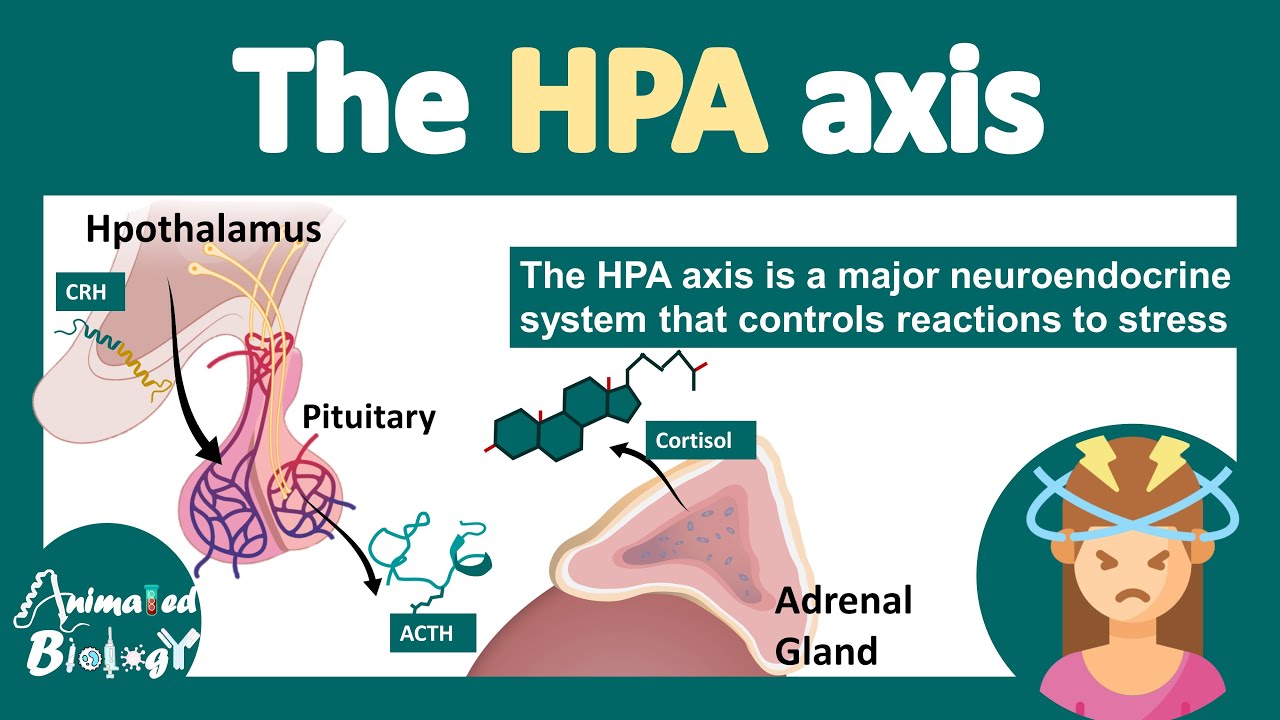
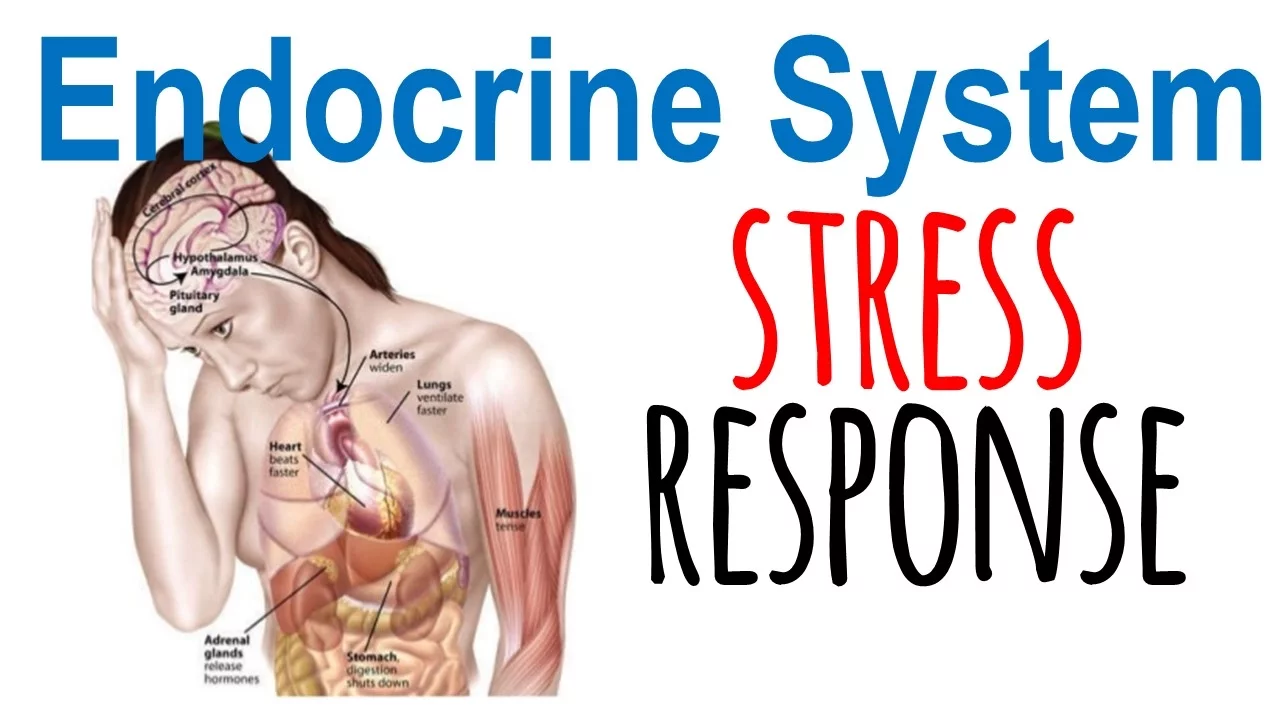
Added:The physiology of the stress response, specifically the role of the hypothalamic-pituitary-adrenal (HPA) axis and cortisol.
The biological distinction between acute pain (a protective mechanism) and chronic pain (a nervous system dysfunction).
Basic concepts of chronic, systemic inflammation and its primary lifestyle-related drivers, such as poor diet and sleep deprivation.
An introductory understanding of the gut-brain axis and how gut microbiome health influences systemic inflammation and mood.
In-depth study of anti-inflammatory nutritional science, including the biochemical impact of omega-3 fatty acids, phytonutrients, and ultra-processed foods.
Clinical and behavioral interventions for chronic pain, such as Mindfulness-Based Stress Reduction (MBSR) and Pain Reprocessing Therapy (PRT).
The science of neuroplasticity and how targeted lifestyle interventions can retrain the brain to alter chronic pain perception.
Implementing and measuring personalized biometrics, such as tracking Heart Rate Variability (HRV) to assess autonomic nervous system resilience.
17.5K views353likes51:18Original Release: 2020-06-23
this episode of the minimalist is brought to you by nobody because advertisements suck and minimalists hello simpletons welcome to the minimalist podcast where we discuss what it means to live a meaningful life with less my name is Joshua fields Milburn and I'm Ryan Nicodemus and together we are the minimalists max luka Vera's here yeah man max thank you for joining us thanks for having me so today we're gonna talk about creating a healthy lifestyle you're the author of a few books here I first came in contact with your work because one of our favorite restaurants is called El Campo oh cool yeah and I I saw your book there genius foods and now you have a follow up I'll hold this up for the folks watching on YouTube it is called the genius life and so I want to dive into that in fact I think we'll call this episode today the genius life and I'm gonna talk about this is a more comprehensive guide than your first book and I want to dive into the two the two books but today we're gonna talk about just lifestyle we'll talk about managing stress we could talk about your mind and strengthening your body and becoming extraordinary which is the subtitle of the book here and I found it fascinating that we can't agree on health and for a long time that sort of puzzled me last week we had rich role in the podcast I'm sure you're familiar with rich we've friends with Paul Saladino I know you've had conversations with him before in fact we had rich and Paul on the same episode one debate well we tried to avoid debate and we we tried to figure out what do they agree on so folks listen to this Paul is a carnivore meaning he eats only meat and rich eats nothing but plants and so there's seemingly no overlap but surprisingly they agree on a lot like don't eat a whole bunch of processed foods and so I kinda want to get into that and what I like about your approach is you seem to you know sort of mesh the best parts of both of them and and so I want to talk about that today now today this is a listener driven show so I thought maybe we would start with some questions from our audience let's start with Gavin in Gilbert Arizona I'm currently working at a job I love what I'm getting but I would really like some some helpful tips on how to blow off some steam my boss definitely handles the steam a lot better than I do he takes on a lot more work than I do and in a different kind of aspect but as someone that manages and creates every project that comes my way I really would like to know how to blow off some steam in those situations where you don't really work out I got other people that I work with that don't really help me out in a way that I wish they did any other kinds of a little thing and that could that can be with worth or because you this person on let me know what you guys have to offer the voice so max Gavin here is really talking about stress right it's not about blowing off steam how does he alleviate stress now in your book do you talk anything about you dealing with stress but also maybe good stress versus bad stress can we talk about those as well yeah absolutely and I you know I could certainly relate to that I went through the most stressful time of my life just actually while I was writing this book the genius life my mom Labor Day 2018 was diagnosed with pancreatic cancer and she passed away over that over a three-month period in which I was supposed to be finishing up the book and you know for anybody who's ever had a sick sick loved one it's the worst thing to experience I mean the world just basically just stops but if I didn't allocate even don't during the worst moments with my mom where I wanted to spend every second with her you know every second that I had left I carved out time in my day to get to the gym and to practice self-care because without doing that without prioritizing my own mental health in those moments I wouldn't made it through to the other side I certainly would've been able to finish the book but just my own fortitude as a human being I was reliant on on physical exercise and you know doing things like sitting in a sauna and the reason that that all of these modalities help is that they help strengthen our our mental resilience there's a concept that I discovered in the medical literature that I bring forth in the genius life called cross adaptation and I think cross adaptation is really important because when it comes to stress there are two ways that we can really deal with the stress in our lives right one is to reduce stress but sometimes there are moments where we can't actually reduce stress right like there was no way that I was able to change my situation with my mom and just like your caller you know sometimes people have stressful jobs and and I don't want to sound this privileged out-of-touch guy sometimes people have financial burdens they're in stressful relationships so the other way that I think people should really be aware of how to better manage stress in their in their lives is to boost their resilience to it so that's one of that you can either reduce stress or you could you know accept that you have a stressful situation Oh stress 'fl circumstance and then boost your resilience to it so this notion of cross adaptation I think is really empowering and what it basically suggests is that by engaging in activities that are that are acutely stressful in the physical sense like high-intensity interval training for example or sitting in a sauna which gets your heart rate going because you know saunas actually act like a mimetic for mild aerobic exercise we actually can have what's called a spillover effect where the resilience and the acclamation that our bodies basically we use to cope with these physical stressors can make us more resilient psychologically and mentally this is one of the reasons why exercise can make us more you know mentally resilient or they're now showing in research I believe it's out of the University of Chicago where saunas can actually be used as a powerful means of mitigating symptoms for people with major depression yeah also cold plunge with cold ledges are another or another you know fantastic example they're doing studies with cryotherapy showing the exact same thing there has been a number of case reports published where people do what's called like winter swimming or basically cold water immersion and they see that that is a powerful stress relief tool and it and again it makes you more resilient when you actually have those stressful encounters in your day to day life I love I love how you're explaining how this self-care routine how being healthy it builds resilience because you know my answer for Gavin would have been like man you got to find a way to exercise get moving but bye-bye my reason why is because I would say well Gavin it'll make you feel better but it's really the resilience that Gavin will be building up by by doing some of these things yeah I think resilience is really key you know to all this we want to be as robust as we can be as organisms right we and that applies I think in terms of what we're able to what we feed ourselves you know we want to have a robust response when we eat something that we're not supposed to we want to be physically robust so we want to be mentally robust and I think that we can sort of will ourselves to perform these various activities whether it's whether it's high-intensity interval training or sitting in a hot sauna I think that's a great way to sort of buy a little bit of added insurance when these unexpected you know stressful stimuli emerge which you know especially these days you know in 2020 mm-hmm there's a lot of stressful events going on so if we can you know take the time prioritize our own self-care and all this I think we'll definitely be able to get ahead yeah the healthier we are the better we're gonna be able to deal with that stress the other our body our body's going to be able to deal with it now let's talk about some of the things that do stresses out because you mentioned going into a sauna or this interval training or whatever a lot of these things involve intense focus in a way and also a clearing of the mind well and I find that to me the sauna which I do regularly I'm really fortunate enough that our our condo building has a sauna there that if you hack it just right you can get it up to 220 degrees so it's it's really great but I find that there is a clearing out of the mind that happens and right now with all of the stimuli and we have it's not just our televisions you know Ronnie Chang has this great joke and his most recent special he said every day in America feels like a contest to see how many screens we can get between our face and the wall and and so there's a big-screen TV on the wall and then you've got the laptop on your lap and the iPad and the in the iPhone and the Apple watch and and talk about stimuli we are constantly stimulated with interruptions and we were distracted and I think more than ever these distractions are really stressing us out I stole a soul study that came out this morning a summary of a study that Americans are at their 50-year low of happiness now I think a good chunk of that has to do with the current crises that are going on but I also think there are other circumstances have led to these crises where we are always on you know I remember when Ryan and I were in the corporate world we got our first blackberry and they're like here it's gonna save you 30 minutes a day yeah the marketing changed eventually to 2 hours a day but no it cost me 14 hours a day it felt like because I was always on it yeah yeah I mean we have a finite capacity to deal with stress and there's actually another cool term that I discovered for this referenced in the medical literature and that is allostatic load so we have you know our bodies seek balance and that balance in a in medical terminology is homeostasis right and so when we're thrust out of homeostasis when we're engaging in exercise when we're on a hike when we're out of breath when we're sitting in a sauna when were and get when we're confronted with visit with with mentals and and physical stress our body has our bodies have to take a certain number of steps to basically get back to that that that homeostasis and the steps of the but the cumulative number of steps that your body takes or the the either the sum total is known as a low stasis and the problem I think today is that we've just got there's like too much stress whether it's from our streams you know the screens news excessive caffeine consumption and excessive you know processed food consumption we're now suddenly thrust into a state of what's called allostatic overload and that basically is burnout so I think it's important for people to take an inventory regularly of the of the total amount of stressors that they have in their lives and to kind of like be mindful of that so that your cup doesn't run over right what you just said the word excessive right now and so none of these things are inherently bad limit some are for sure they they're I mean no one's gonna argue that the you know smoking and maybe it gets you in the hormesis or something but like it's probably not the best way to do that right it and so when we look at many of these stressors it has to do with the the amount you know the one cup of coffee isn't bad but if I have coffee all day every day and you have 14 cups like I used to back in the corporate world that's probably not good for my adrenals or just for my life in general yeah I think it's important to kind of you know like intermittent fasting is a great example of this so a lot of people were practicing intermittent fasting today which in general I'm I'm a fan of I think it's a very it can be a very useful tool but if you're doing extended fasts and on top of that you're drinking lots and lots of black coffee for example and you're not dealing with the sources of psychological stress in your life and then on top of that you're throwing in high-intensity workouts and on top of that you're not dealing with the relationship that you're in that's gone sour then all of those tools which you know independent of one another can be very useful very beneficial very healthy you know as you mentioned coffee is very healthy observational e we look at you know data we see that people who consume coffee for example have tend to have bitter neurological health and then those who don't but it's always like a case-by-case basis and if in your life you're drinking too much of it or you're drinking it in the context of chronic stress then suddenly it becomes a double-edged sword right yeah it's it these are all tools right you can use a brick to build a homeless shelter or you can use it to destroy your neighbors window right and it's how we use these tools the brick doesn't care either way and the same is true with the coffee or any of these other things that we sort of use in our life if we use them in excess or use them inappropriately then of course we're gonna get bad results well Gavin I'm gonna send you a copy of the genius life I think you'll enjoy the book Sean if you could reach out to him and and send him a copy I'd appreciate it our next question is from Elizabeth in Los Angeles I deal with chronic daily migraine and I'm wondering I've worked really hard a vision past two years to get in better shape get my migraines in your control I'm making progress but as the as we enter the summer season and the weather gets more extreme I'm trying to maintain or modulate those habits like my daily walking daily exercise dietary habits so that I can maintain that success and continue to make progress but I'm noticing an increase in my migraines and I'm wondering if you have any advice for dealing with chronic pain in a way that does not express it and is moderate and doesn't add - really chaos that his life so max Elizabeth here she's taking some small steps in the right direction and I think that is advisable for most people she's suffering with migraines in fact they are increasing what do you know about migraines because honestly I know very little yeah I mean I look I can speak generally I'm not a medical doctor but I you know I've died what has become my passion is to understand how best to feed the brain and I think that you know a diet that's good for the brain is going to be good for you know the potential prevention of any number of neurodegenerative conditions and also even helping to mitigate symptoms of you know mental issues you know depression anxiety and possibly even reduce migraines but I'm not saying that you know as a clinician so I'm saying that basically based on just my sort of understanding of the medical literature and I will tell you that I do have a friend who actually is a neurologist and I'm not gonna name him obviously but he has suffered for a very long time with with migraines and I discovered a small study that found that that were it was a it's it was suggested that fairly high dose vitamin D could help people with migraines and so deficient does a country yeah yeah I mean most of us are I believe the statistics are you know three-quarters of us are deficient in vitamin D and we could talk all about vitamin D I go I do it pretty deep dive in the genius life but it's important it's it's a hormone in the body that controls the expression of nearly 5 percent of the genome so a thousand genes just imagine being deficient in vitamin D and having you know a thousand genes in the 23,000 you know gene human genome basically handicapped by the fact that you're not getting adequate amounts of this of this hormone so vitamin D I think is important you know so I would look into that but generally just consuming a diet and living in a way that minimizes inflammation in the body mm-hmm let's talk a bit about inflammation yes when people hear that word they think of injury I sprained my ankle and that's inflammation but we don't think about that low level chronic inflammation yeah and so maybe you can you can explain the difference yeah so I mean a lot of people think that info is this overall bad thing but it's not bad at all it's actually a life saving feature of the immune system that was there to spot clean cuts wound scrapes you know protect us if we were exposed to the occasional pathogen but you know as opposed to in antiquity when this this feature if you will of the immune system was used acutely and locally today it's being activated systemically and chronically not as a response to the occasional insult but to what we're eating and how we're living yeah and this is actually one of the major issues with Kovan 19 so I mean a lot of you know obviously we've been dealing with this pandemic for the past couple of months and what seems to have emerged in the literature is that people who have high baseline levels of inflammation people who are perhaps overweight or obese or are suffering from type 2 diabetes both of which are characterized by chronic low-grade inflammation that there's this inflammatory cytokine storm which basically increases the risk for morbidity and mortality but aside from that it's just not a great state of affairs for the body to be and because inflammation is not it's not a free ride so whenever inflammation wherever inflammation occurs in the body there's what's called collateral damage essentially it's like a shootout in a public park so I mean the bad guys usually get swept up in that in that in that fire but so do things that you don't necessarily want to get damaged right so when inflammation occurs chronically and all over your body it can I mean it's basically what is now being thought of as the underlying characteristic of all if not if many if not all of the kinds of chronic diseases that we're now seeing saddling society and the kinds of conditions which now kill 60% of people worldwide and a lot of that can be addressed through food I learned that through dr. Saladin oh and yeah and through talks with him and I mean he is is a rather restrictive diet if we can call it that you you look at a more holistic approach it seems like yeah I mean I you're not allergic to plants no no I think actually that my dietary approach is among the more the most balanced in there like the new nutritional whatever you want to call it in the in the nutrition sphere and so people from both sides hate you yeah exactly exactly um no I'm uh you know I'm actually I consider myself to be carnivore adjacent because I do think that it's rare to see somebody who takes a balanced approach and is advocating for the responsible and ethical consumption of meat let me pause you there though because I look at your book and but I look at the cover of your other book as well and I look at this and I say well you are vegan adjacent as well right well and so what we're really talking about is some plants are okay for us at least for most people I have a bunch of ulcers in my small intestine you might call it crohn's disease I don't know that I would put and if I eat half of a sweet potato like I feel inflammation in my ankles for a day and so I have you know I mitigate that by reducing certain foods in my life now what you're you you are advocating is is a healthy lifestyle and I think it's not only with food but this inflammation and getting inflammation under control does start with food yeah it definitely starts with food I mean food today you know we live in a world where sixty percent of the calories that we're consuming come from ultra-processed foods and I actually didn't hear the conversation with Saladino and rich roll but I would imagine that where they overlapped is that they were both issuing ultra-processed foods which now most people consume with abandon so that's just my assumption and that's honestly the way that every diet book on the shelves at your local book store is gonna work I mean there is no diet that I know of that's advocating for increased consumption of ultra-processed foods so with that said I mean whatever diet it is that you choose to adopt chances are that diet is going to work if you adhere to it the approach that I take is balanced in that it accords both properly ethically raised animal products which I think are you know absolutely healthy like grass fed red meat you know like shout out to our friends at Bell camp oh you know I think that that's absolutely a health food I don't think I think it's pretty hard to debate the virtues of grass-fed meat from a nutritional standpoint and you're a fan of organ meats as well I saw I am yeah I'm a fan of organ meats it's it there's a bit of a learning curve I will admit that I'm not like you know one of these carnivores that has like brains you know in my frig but but yeah I mean I think organ meats are there they're nutrient-dense like liver is one of nature's multivitamins yeah if you I deliver this morning oh you did oh that's awesome yeah yeah yeah I usually yeah yeah I try to I mean I try to eat it at least once a week it's such a it's a powerful source of vitamin b12 and preformed vitamin A but then I also I'm a big advocate of consuming plants as well I think that in a perfect world in a state of you know you bios's which is basically you know if all of us had healthy optimally functioning microbiomes which we have yet to even fully define in the medical literature but we do know that the microbiome is important the exact role that it plays in our in our health I think has yet to really be elucidated but in a world where everybody has healthy immune systems there's no autoimmunity we're all born vaginally there's not antibiotic overuse we're not obsessed with these hyper sterile lives and you know we haven't been using antiseptic soaps and things like that for decades I think plants would be beneficial for for all people but today we live in a time where there's widespread immune dysfunction and for the sake of you know this argument we could define it as perhaps auto active autoimmunity mmm-hmm people respond negatively to certain molecules in different plants yes and so I think that it makes a lot of sense that from that standpoint that you know people that cut out certain certain plants might see a reprieve of certain symptoms do I think that it's a it's smart to make a generalized recommendation to all people that plants are bad no I don't think so I think the bit I think with every treatment whether it's medicine whenever you're whenever you're engaging any sort of like activity there's always you always are making whether you're cognizant of it or not a risk-benefit analysis right and so I think that the benefits of consuming plants are gonna outweigh the risks for most people mmm-hmm yeah um Ryan I know you and I are obviously we're omnivores max is an omnivore right 97% of people 98 percent of people listening to this are are probably omnivores and and then they're I think that works for most people but I'm the for just like saying vegan or yeah whatever that doesn't by definition make get healthy you could eat you know Snickers bars all day and be an omnivore that that means nothing right what we're really talking about here is cutting out the processed foods but then also it sounds like cutting out the triggers that if you have immune dysfunction and yeah I would suspect at least is my hypothesis someone like Elizabeth who deals with migraines or people well my father was schizophrenic for example in other studies coming out showing that a lot of that has to do with brain inflammation right and so if we're talking about reducing inflammation that definitely starts with food you can just see this by fasting by the way if someone who doesn't prolong fast reduces inflammation well that's not the long term prescription that's not going to help you you know indefinite fasting and so it's about then reintroducing the foods that aren't going to trigger those autoimmune issues yeah I also think certain nutraceuticals might be able to help you know curcumin has been shown to possess anti-inflammatory qualities I'm a huge fan of extra-virgin olive oil it's basically the primary oil that I use in my kitchen it's a myth that you can't cook with it by the way you can cook with extra virgin olive oil at low to medium temperatures but extra virgin olive oil for example it's a it's a it's a plant food right and it has a compound in it called olio kanthal which has been shown in studies to be as anti-inflammatory as low-dose ibuprofen but without any of the potential negative side effects that come with the chronic use of ibuprofen Wow so yeah so I mean extra-virgin olive oil is a great example of an anti-inflammatory food so instead of like pop into ibuprofen you would take like a tablespoon of olive oil like that could potentially help yeah I actually do that and it's awesome I'm gonna try that because I get headaches sometimes and I'll pop an ibuprofen cuz my stomach can handle it but I know it's not the best for me for sure yeah I mean I think you know there's no such thing as a biological free free lunch and especially with these drugs I don't place any stigma on the use of pharmaceuticals because if you need them you need that right and and you should you know we're I'm glad that they're there for people that need them but it's really about the drugs that you use chronically that I think you want to be kind of mindful of this so if you're if you are chronically reaching for the ibuprofen ask yourself why see if there are other you know areas of your diet or lifestyle that you might be able to tweak that are gonna have a similar you know anti-inflammatory effect it's so funny we were helping some refugees in Missoula Montana when we were living there and we were cooking with olive oil and the the woman who was helping us cook she was like you cook with olive oil she was like in my country like it's just it's for your hair it's for your face like they don't cook with it at all but yeah it was it was interesting one thing about health too it's like there's is no perfect diet there is no like okay Josh this is what you need to do and everyone else needs to do to be 100% healthy take some work to figure out like what diet works best for your body like when I look at rich veganism obviously works great for without a doubt I hope I look that good when I turn yeah and you look at Paul salad 53 you look at Paul salad you know I think he's like 40-something isn't he yeah he looks younger than us so it's like there is no perfect die so for Elizabeth here I mean she has to figure out what works best for her now let me ask you guys like would would it be appropriate to like recommend for her an anti-inflammatory diet to try it out if she hasn't done this yet like an autoimmune protocol yeah I mean I think I think it's definitely worth a shot as sort of a front-line approach to dealing with this because again you know a chronic reliance on these pain medications are not without risk you know we know that people who chronically take NSAID drugs these non-steroidal anti-inflammatory drugs have a pretty significant increased risk for cardiovascular events they they've been shown to actually damage the the mitochondria of cardiac tissue which are the the power plants of cells essentially so yeah I would I would you know absolutely advocate for trying you know to make changes to your diet and lifestyle that and and seeing how that and seeing how that plays out before reaching for these for these drugs I know like as I've gotten older I've had you see the psoriasis or eczema that like my I'll get really dry on my face and I've done the anti-inflammatory diet and it totally reduces that but like you said you're always like you know weighing out the costs so sometimes I'll have you know there will be something and I'm like uh I'm okay I'll get a little psoriasis from this but I'm gonna go ahead and eat this yeah I mean it's you it's what is the call and the thing is if you're willing to pay the cost of admission there right it's like you the problem is when the cost is really delayed like smoking you could smoke a cigarette right now and it's not going to hurt you immediately right my mother died of lung cancer when she was just 64 years old and she smoked since she was 16 and so it takes many many years to end up paying that cost right that it's the the opposite delayed gratification it's the the delayed expense of some of these decisions I want to move on Elizabeth I want to send you I shall send you a copy of genius I think you'll find some value in that and also since you're in Los Angeles we've got a tour coming up in November a podcast tour we've got a special guest in every city also a musical guest we do a live version of the minimalist podcast answer a bunch of questions have a lot of fun we're going to a bunch of cities but we'll send you a couple tickets Elizabeth and four other folks who are interested in coming to one of those tour stops the minimalists comm slash tour if you don't city see a city near you you can sign up for the email list we'll notify you when we're coming to your closest city Ryan what time is it you know what time it is it's time for our lightning round where we answer your text messages you can text your questions and comments to nine thirty seven two zero two four six five four yes indeed those texts go to both of our phones literally and we actually do we reply to some on the podcast we reply to a bunch of people just from our phones whenever we have a chance now max during the lightning round this is where Ryan and I do our best to answer every question with just a short shareable less than 140 character response we put the text of these minimal Maxim's in the show notes so people can copy and share our pit the answers on social media if they'd like and they can find all of our minimal Maxim's in one place now minimal Maxim's com but really we just monitor on it yeah you don't have to give 100 now it's not really fair because we had to we got to prepare for this right yeah you just ramble and then podcast Shawn will make it look really nice and posted all right he's a great editor all right April's question for us Ryan from April she's writing can you have a discussion on Joshua's stance that food isn't entertainment you know what's crazy Josh yeah this has created I've seen controversy around that essay he wrote an essay a long time ago that titled food is not entertainment yeah I think it was a line in the essay but yeah I think it was about minimal thoughts on food or something like that yeah yeah yeah it's just it's crazy how this like I don't know it creates some visceral reactions from people and that I know reven would have guessed would have well my wife's a dietitian nutritionist a great cook and and so she worked with college kids for over a decade and really understands this but even even someone like her gets a bit of a visceral reaction to it because she is like max very balanced so I used to be morbidly obese I weigh 280 pounds more than I weigh now I also had a mullet oh my god podcast Sean should like fine no it's I have a picture on my down secretion find that picture on Instagram and like put it or I'm sorry George put that up on YouTube right now just a little flash yeah I was I was Ryan I first met in the fifth grade I was the fattest kid in our school Ryan was the second fattest so we bonded over cheeseburgers and cheese fries and cheese was a lot of processed cheese's yeah and so so I lost a bunch of weight in high school really unhealthful II I just basically didn't eat much and it's I can't of course gained it all back in my early 20s because that's what you when you don't have the habits and you think that well I'll get vegetables if I just need enough french fries that's that's a problem right and so I was irresponsible and I entertained myself with food I use it as a pacifier whenever I got stressed out I would eat whenever I got upset I would eat and whenever you got bored you woody absolutely yeah I found a lot of excuses to eat right right and also I didn't understand nutrition I didn't understand about micronutrients I didn't understand macronutrients I didn't understand any of it and and so I gained the weight back in my 20s and then eventually lost it by eating more healthfully and throughout my 20s and then in my 30s and you know I'm healthy now I have a pristine diet at this point and I think people get confused Ryan when I say food is not entertainment or we shouldn't be entertained by food what I'm really saying is that we shouldn't pacify ourselves right but it doesn't mean that we can't enjoy our meals and I think that's a difference so my pit the answer for you Ryan is don't confuse pleasure with well-being and I think that's yeah you can eat a piece of chocolate cake and it tastes really good during mastication right there's all this gluten and sugar and and fat is dancing on your tastes gonna release that dopamine it's gonna make you feel really maybe you know joyful temporarily well yeah pleasurable pleasure there will be no there'll be no real joy in ever absolutely because that's where we confuse it and in fact it may actually get pleasure often not always but and I'm not against pleasure but it often gets in the way of well-being when we seek pleasure as the the sort of outcome yeah yeah I would have to agree with that actually my senior thesis film in college was a film I was a documentary that I made all about hedonism as a sort of ethical pursuit you know okay Pro hedonism in this well as an undergraduate going to school in Miami yes I was very much pro okay you got to explain what does hedonism like I know I know what it is but I can't I can't think about what hedonism is it's it's basically pleasure it's the pursuit of pleasure okay yeah but the process as the highest virtue as the highest virtue yeah and and I think that you can run into problems when you don't sort of have within your purview the long-term goal and that you know part of what it means to feel good is to be able to feel good and to persist you know as an entity and to feel good not just today in the short term but to be able to like be free of disease and to feel good tomorrow and the next day and then and the day after that right because if all we were was I mean if all we had you know in our focus was the short term I mean you could say that like you know why not smoke cigarettes then or doing cocaine whenever you want you know like or any of these things that we know that are not good for us so I think you have to we're jumping on the airplane without a parachute it would be the determinist example of that right now because you might experience joy and like who wants to be encumbered by a parachute when you can just you know freeball it so to speak yeah right out of the plane yeah well of course you know that ends well I mean that's not gonna end well now I understand what I was called a headon at 25 years yeah but what you're talking about is is I think hedonistic eating and I think that's a big problem I think we we tend to do too much of that and I think it's partly because of what we were talking about earlier the fact that we're just inundated with stress today but food today has become hyper palatable it's ultra pleasurable it pushes our brain to a bliss point beyond which self-control is futile and I think part of your what you said I think was right on is that we've got a we've gotta basically free ourselves from this this pattern of hedonic eating and look at food more as you know as something that can fuel us and can help us feel better tomorrow or the next day and to live a long time to be free of disease and things like that which are all worthy yeah yeah I mean yeah it's you know pleasurable to eat a bunch of Twinkies but that's if that's where you go for your entertainment I mean it's it's not gonna be entertaining for very long yeah it doesn't enhance your wellbeing either yeah yeah my pet the answer is this emotional support is the antidote for emotional eating and I think that is really I think that's where people go wrong food isn't easy it's like a drug it's a very easy thing to go to to feel better instantly but there's a deeper thing going on and if you can you know hit that deeper issue head-on you're gonna get through those stressful times a lot easier a friends support is gonna be a lot better support than how food is gonna support you yeah yeah especially that that the the hedonistic food right there's ultimately food how helpful food supports us long-term but when we feel like binge eating then then the support of a friend or a community because they don't they go a long way yeah yeah yeah I mean I'm guilty of hedonic eating myself sometimes you know I'm I definitely you know will buy comfort foods and things like that I'll go to like the what I don't know how what your thoughts aren't cheat days or whatever but they said you have I could go to pacifier food yeah I mean look I'm pretty lucky I live in LA so I have at my fingertips and you know any number of ultra-processed foods that are that are like one step healthier than what you'll typically you know find or like the kinds of junk foods that we grew up on yeah but only Twinkies healthy to it they have those you can go to a local health food store and find things like yeah but yeah like you know generally I'll eat like if I find like a good keto chocolate chip cookie or something like that yeah I'm not saying that those foods are health foods they're definitely comfort foods they can be very calorically dense you know so that it's so they're not great for you there's all so now a line of products that have come out they're like candies but they're like made with somewhat healthier ingredients yeah it's all go through like a bag of those you know yeah but uh but yeah I mean I think it's always smart to kind of be aware of what you're doing and why you're doing it so at the very least it's informed consent I think too often what's the case is that we tend to reach for these foods and then you know with the intent of only having you know one or two pieces or you know one or two scoops of a pint of ice cream for example and then we end up at the bottom of the pint or at the end of the back story in my life yeah and I talk about that a lot in my work that you know these these foods that again they're they're referred to by food sciences is hyper palatable because they create repeat customers you know they're just impossible to moderate our consumption of these foods and so a lot of people what they end up doing when they over consume them is they feel like moral failures you know they the it promotes black or white thinking they feel like they've fallen off the bandwagon they feel like they're just not good at this whole being healthy thing or this whole dieting thing when in reality I think these people need to know that these foods are designed to be over consumed it's not a moral failing if you choose to indulge in them at least let it be informed consent and make that decision to have a planned indulgences what I like to call them all right before we get into our listener tips and our added value segment today ironic can't wait to talk to you about this added value because I think you and I both got something different out of it but I think we added value to both of our lives yeah so I want to talk about that but first it looks looks like we got a bunch more surprise questions this week like how can minimalist practices help improve my health how can I use minimalism to address the challenges of a chronic illness also does poor mental health affect our performance and what are some exercises that max would recommend for someone who does not have access to gym equipment and does not want to spend money on excess items Ryan we're also gonna talk about longevity we're gonna talk about air quality and pollution we're gonna talk about processed foods we're gonna talk about the immune system all that and a million more questions for max luga veer and if you want to hear all that check out our maximal episode this week on the minimalist private podcast it's a completely separate podcast not just a separate episode it's a separate podcast feed and it's just a couple bucks and it's the most honest way for the minimalists to earn an income because we don't believe in advertisements so we make money only if you find value in and support what we create head on over to the minimalists comm slash support to subscribe and get a personal link so that our private podcast plays in your favorite podcast app you can find all the details over there on our website the minimalists comm slash support ryan what else you got for us this week here are some voicemail comments and tips from our listeners check them out hi Josh Ryan my name is Perry I'm calling in response to Christina from the neo minimalism podcast one way that I've found to introduce friction to online buying is with passwords so I will either just delete all of the safe passwords in my computer or phone or I will change the password on a site and I'll write it down and put it someplace where I have to actually go get it if I want to buy you something from that website so that way I have to really want to buy something otherwise I go to sign-in and I'm just like no way this is too much work so that's a really easy way to prevent yourself from impulse buying hi my name is Theresa and I'm calling from Indianapolis and I just found your podcast so I'm going through Miranda Moyer and this is about podcast number 92 somebody mentioned they had a lot of papers and they mentioned medical I just retired from working in medical records in an oncology office please PLEASE obtain and keep your own medical records scan them into a secure file the law only requires medical facilities to keep those for seven years and if a doctor can't verify your previous diagnosis and treatment it could affect your current treatment and treatment plan so please take care of your medical records make them available for your next doctor alright y'all thanks again to max Luke aveer for joining us today check out his book the genius life we'll put a link to this in the show notes also he has a podcast of the same name called the genius life if you enjoyed our conversation with him today you'll enjoy that you can check out in his Instagram feed as well we'll put a link to that in the show notes he does some work out some food tips a bunch of comprehensive coverage there on his Instagram feed check that out in our show notes as well you know if you like him on here you'll like his podcast you'll enjoy the genius life his book as well Ryan for our added value this week Dave Chappelle recorded his new special now this special is like a preview know so here's the thing Netflix recorded a special with him and they decided to now initially it was reported that it was going to be a preview on YouTube and then they were gonna do something on Netflix separate that was the initial reports but it appears that Netflix just released this on YouTube yeah on Netflix is a joke they have a youtube channel called Netflix as a joke right Yeah right and so they've released it on YouTube Dave Chappelle special it's called 8:46 and that is the time that George Floyd was held down held down with a knee to his neck and murdered and you know the special it was filmed in Dayton Ohio well Yellow Springs which is a suburb of Dayton and and you know you and I have spent a lot of time out there and so he did the social distancing thing in fact it was reportedly the first concert to happen in in North America since the the pandemic outside of I guess drive-ins they've done some drive-in concerts where people hang out in their cars with their windows up and our windows cracked maybe now what did you get out of this the special 8:46 cuz you you had a visceral reaction to it in a good way yeah I mean I got out of it just how unfairly black people are treated by cops I mean it was perspective from a black person about how I mean the craziest thing from that is how spoiler alert he had a cop pull him over yeah and he was like all right in Beavercreek yeah and he's like hey I've got my son let you know I'm gonna go to my glovebox I'm gonna get my license of registration and the cop is like yeah I know who you are Dave Chappelle mm-hmm and he was like great and he got let go but then that same cop that pulled him over ended up killing someone unarmed right later like the following week or something and he made the point of like why do I gotta be Dave Chappelle to not get treated like a suspect yeah and you know unfortunately and I don't know where this comes from whether it's systemic racism in our the authority that's set up whether it's whatever it is man like there is something there's some good points that he makes as far as some discrimination that happens and yeah I mean is it was a it was a good take on it and it really helped me I don't think I can ever truly understand but helps me you know get closer to understanding yeah yeah there's something about you know our continuous conversation about empathy versus compassion and while it's gonna be impossible for you and me to have complete empathy for that situation even though I grew up in it and saw my brother being treated differently by police than than me yeah because of the color of his skin you know what's interesting is that so drunk got tased twice in high school yes and it's funny because I can look at those times and I could say well he was acting angrily yes yeah absolutely well you know it's interesting cuz at the time I looked at I was like well he was acting angrily and that's you know that's something that maybe he could have avoided wouldn't gotten tased but here's a thing mm-hmm I'd be freaking angry too if I got pulled over for the same reasons he got pulled over right and here's the thing you've likely I know I have I've acted angrily toward cops and I've never been tased 100% and I've acted the same exact way he's acted and and that's the point it's not that he well he did something wrong yes he did but he was treated different for that that wrongness right and and what we could have a debate on whether or not there's systemic racism or whatever to me these term starts to lose meaning because people won't have debates around these things there was there are instances of racism we all know the race if I think everyone agrees on that yes and what Dave Chappelle's special brought up was whether or not you believe in systemic racism or you believe that racism is even a problem in America writ large you can recognize that there are instances that people go through especially black people go through especially black men go through that it makes it more difficult to feel safe in your own sort of neighborhood and feel safe around the people that that protects you and he bring have some really great analogies I won't I won't go through them here in the special other than to say check it out we'll put a link to it in the show notes it's on YouTube it's called 846 and he does a great job it's a stand-up special there so there's some comedy there a little bit yeah and and but that's the thing Chappelle has always not focused on the the laughs per minute even if you look stick sticks and stones which I think might be the greatest stand-up special of all time yeah I think you can make a case for that even in that special he's not focusing on how many laughs can I get in per minute mm-hmm it's a TED talk with laughter yeah and that that's especially what happens here and he is able to report on cultural things and inject some humor into them he's a master at it absolutely yeah so check it out we'll put a link to that the show's interesting man is again I used to I used to look at certain situations like with your brother and be like oh well you know this isn't racism this is insert you know white man's opinion there yeah and what Dave Chappelle's and I've come so far from that but Dave Chappelle special if you're someone who is you know you're a white person or you're looking at and you're saying oh this is so blown out of proportion and oh you know this there's no racism watch that special and tell me that there's not racism yeah yeah without a question there's racism there are other times though that we can assign a racial motive to things and we need to be clear about this as well where race is not involved and so what I like about Chappelle is he is able in this I see this in my brother as well and you know Jerome damn near as well as I do he were we're able to see race without seeing everything through the lens of race yes and that's what Chappelle does masterfully yeah and I appreciate that because when everything becomes tinted with race then you see racism and everything and Chappelle doesn't see racism and everything my brother Jerome doesn't see racism and everything but also recognizes just like you and I recognize that there that race can play a factor in certain things like being tased by the police unnecessarily it can play a role doesn't mean that it necessarily it plays a role but it can play a role real quick Ryan for right here right now I'm excited to announce this maybe you could talk more about it but we have we have a new e-book yeah it's free yes and because budgeting is free and and and so I think you and you've done a lot of mentoring over the years you know over a thousand hours of mentoring people at this point now I started in the corporate world because you were a phenomenal mentor in the corporate world Oh keep going and and then we started the minimalist I I started this writing class and you started mentoring people one on one at one point that became too much to handle because the man was six eight nine months out at some point right because you didn't want to take on 20 clients at once or anything you have more clients and there was time right and so one of the main things that came up in addition to minimalism and stuff was budgeting yeah I mean a common factor that comes up a lot is money people have money problems whether it's budgeting whether it's trying to pay off debt whether it's trying to retire I mean people have money problems and I don't want to undermine money problems they are problems yes so the key to getting control of your financial life it is with budgeting and that's why we're doing this ebook the financial freedom cuz it is it is really a budgeting book it tells you how to create a budget and yeah if you're someone who is struggling with money this is a great perspective I would totally recommend you check out and if free is in your budget right you can check it out the minimalists com a slash budget we'll put a link to this in the show notes as well it just came out if you're on our email list you you already know about it but financial freedom the free budgeting ebook we put it together it's five difficult steps to you know get your budget under under wraps basically right and so you want to talk anymore about it you just want to have them check out the the blog post yeah check out the blog posts I mean it's a again it's just a perspective that I think would add value to anyone who is struggling with budgeting and struggling with money and by the way that doesn't mean it I found that rich or poor I mean it's like this matter who you are when we grew up poor we you and I would have really benefited from a budget and I know one of the the key excuses that people use with you when they were your clients people would often say what I'm poor I don't need to budget to know that I'm poor right and it's like well if you don't know how poor you are like that's you're doing yourself a disservice mm-hmm I I do understand that there's some extreme poverty in this country in this world and if you you don't have a budget especially in an impoverished situation you're you are only hurting yourself right now it's funny you know Derek Siver's who sold his company CD Baby for 22 million dollars at one point which by the way he donated all that to charity hundred percent of it with the chair oh wow and so he had someone ask him tell me about what it was like I really want to know was like to finally become rich he's like okay it happened when I was 22 I made twenty-two thousand dollars a year and I spent sixteen thousand dollars a year and that's the first time I became rich and they're like no no I'm talking about like when you you know you you formed a company and you started making he's like oh that's those are just the details like that's the math the way that I became rich is I started spending less money than I earned I was making twenty-two thousand I was spending 16 thousand thats when I became rich and by the way that's what enabled him to donate 22 million dollars he's not a multi-millionaire as a result of the sale of that company right a hundred percent of that money was given away to charity yeah the reason that he's well off is because he has his expenses expenses under control and he does that through spending less than he makes and that's what budgeting is really about now you go through some of the details in the e-book anyway check it out we'll put a link to in the show notes the minimalists com slash budget you can follow the minimalists on facebook twitter and instagram at the minimalists come on come to one of our live podcast shows you can visit the minimalists com a slash tour to find a city near you if you have a question comment or minimalism tip for our podcast email a voice memo to podcast at the minimalists com you can comment on this episode at youtube.com slash the minimalist and if you want our show notes in your inbox sign up for our email list over at the minimalists com you'll also receive a simple Sunday email whenever we send those out no spam no junk no advertisements ever we just want to add value to your inbox and if you leave here today with just one message we hope it's this a lot of people and use things because the opposite never works thanks for listen y'all we'll see you next time and minimus
Up Next
18:34
7 Micro Habits to Escape the Freeze Response and Heal Burnout
@TherapyinaNutshell
268.6K views•2025-12-18

12:54
Triumph of Orthodoxy Icon: Byzantine Art & History Explained
@BenCallan
2.1K views•2024-08-06

9:49
FastAPI vs Flask vs Django: Choosing the Right Python Web Framework
@TechWithTim
302.5K views•2024-05-26

1:42
Game of Thrones Opening Credits: A Cinematic Analysis
@gameofthrones
46.3M views•2011-04-18
Related Study Plans & Knowledge Roadmaps
Structured learning paths in General & Interdisciplinary Studies
general-studies
Elevator Engineering: History, Physics & Cities
01From Hoists to Safety Brakes: The Dawn of Vertical Lift
02Hydraulic vs. Traction: The Engineering Physics of Elevators
03Modern Speed, Safety, and Algorithms
+ 2 more learning modules
12h5 modules
Explore Roadmap
general-studies
Rubber: Material Science, History & Geopolitics
01Origins of Natural Rubber & Mesoamerican History
02The Chemistry of Natural Rubber & Vulcanization
03The Geopolitics of the Rubber Boom & Colonization
+ 2 more learning modules
12h5 modules
Explore Roadmap
general-studies
Containerization: Evolution, Logistics & Trade
01Ancient Trade & Bulk Cargo: Amphorae to Barrels
02The Industrial Revolution & Cardboard Packaging
03The Containerization Revolution: Malcom McLean
+ 2 more learning modules
12h5 modules
Explore Roadmap
general-studies
Textile Tech: Evolution, Labor & Global Impact
01Pre-Industrial Textiles: Handloom & Cottage Industry
02Mechanization: The Spinning Jenny to the Power Loom
03The Factory System & Global Labor Transformation
+ 2 more learning modules
10h5 modules
Explore Roadmap