









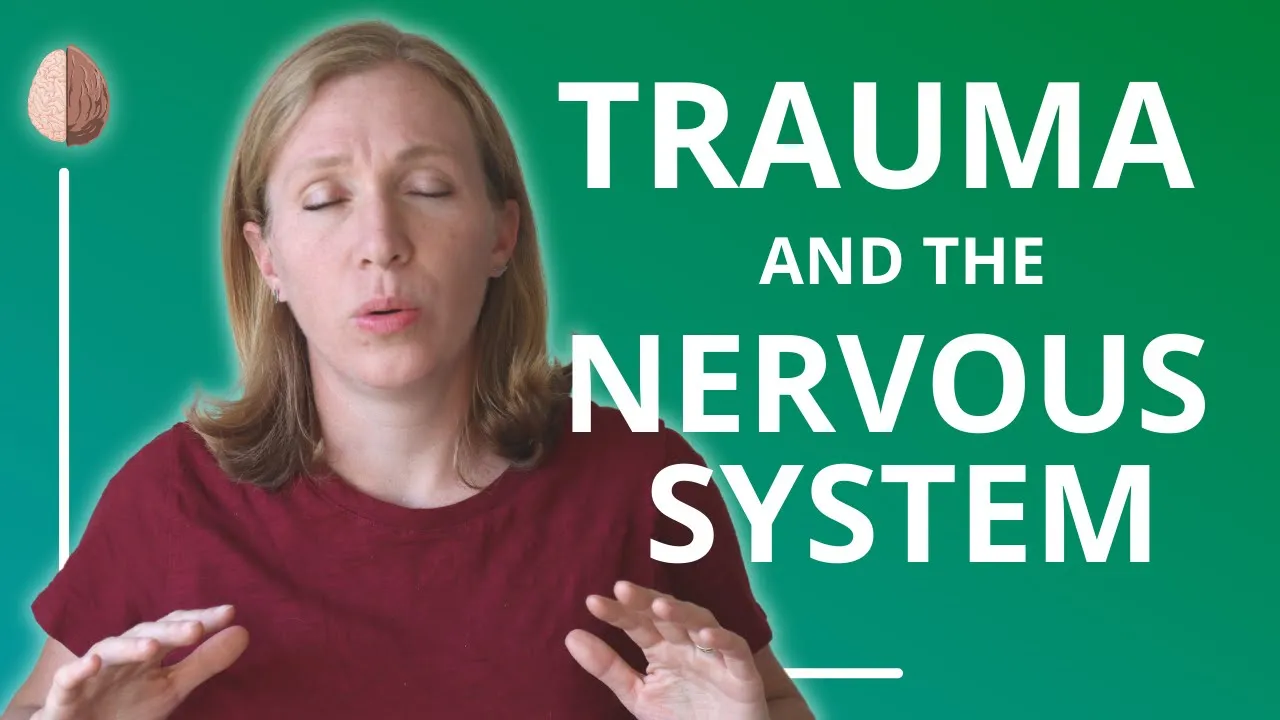









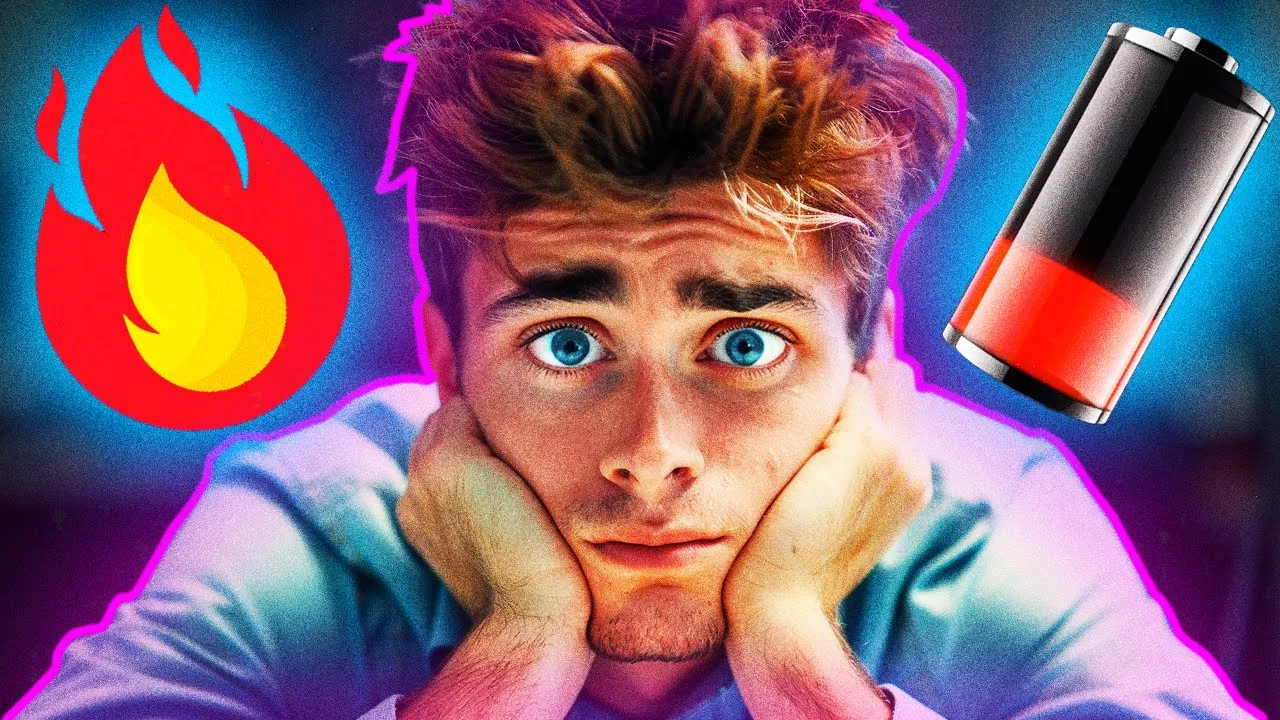


The freeze response (dorsal vagal state) causes physical symptoms like slowed heart rate and mental states of depression, exhaustion, and unmotivation; recovery requires seven micro habits that simultaneously restore safety and increase activation: improving posture to signal capability, getting morning light exposure to regulate mood and energy, using heat and cold to stimulate the nervous system, stimulating the vagus nerve through humming or face massage, structuring difficult times with non-decision routines, combating negativity bias through gratitude and positive stimuli, and scheduling true rest to prevent chronic stress burnout.
7 Micro Habits to Escape the Freeze Response and Heal Burnout
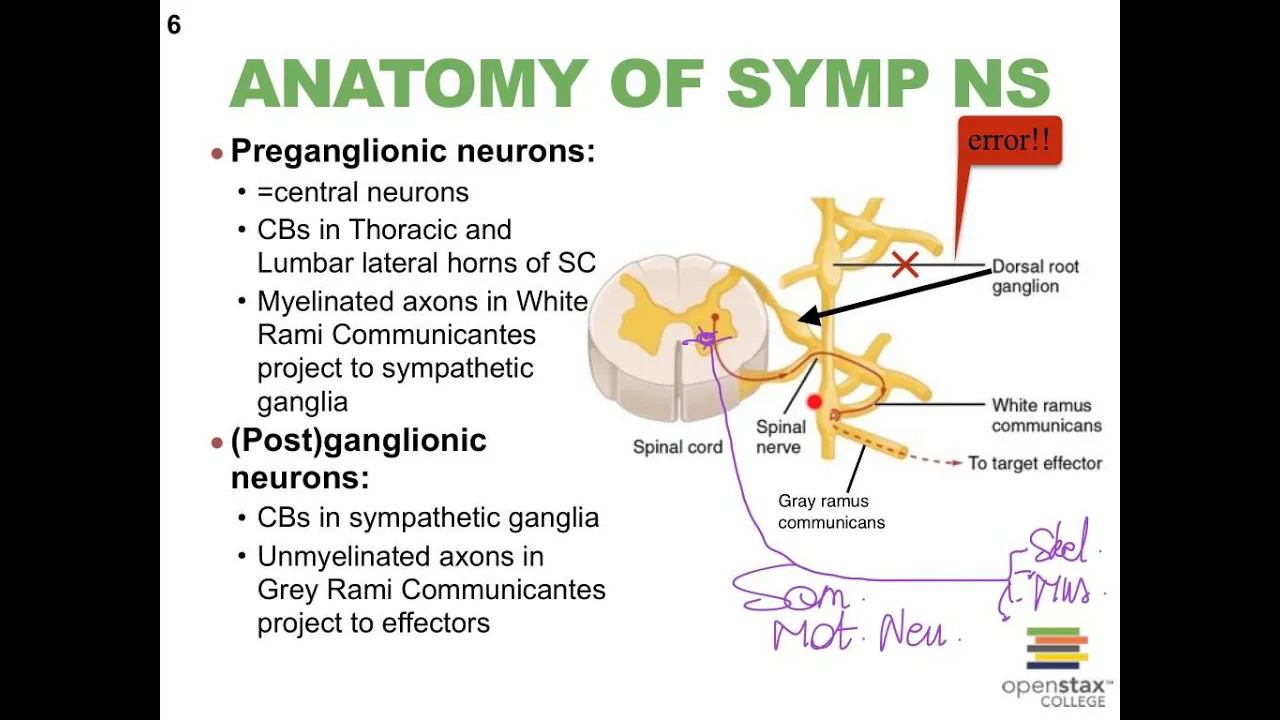
Added:The Autonomic Nervous System (ANS): Understanding the basic division and functions of the sympathetic (fight-or-flight) and parasympathetic (rest-and-digest) nervous systems.
Polyvagal Theory: Introduction to Dr. Stephen Porges' evolutionary model of the nervous system, specifically the 'dorsal vagal' state associated with immobilization, dissociation, and freezing.
The Physiology of Burnout: Familiarity with how chronic, unmitigated stress impacts the HPA (hypothalamic-pituitary-adrenal) axis, leading to physical and emotional exhaustion.
The Psychology of Tiny Habits: Basic principles of behavioral change, such as the cue-behavior-reward loop and how micro-steps reduce cognitive load.
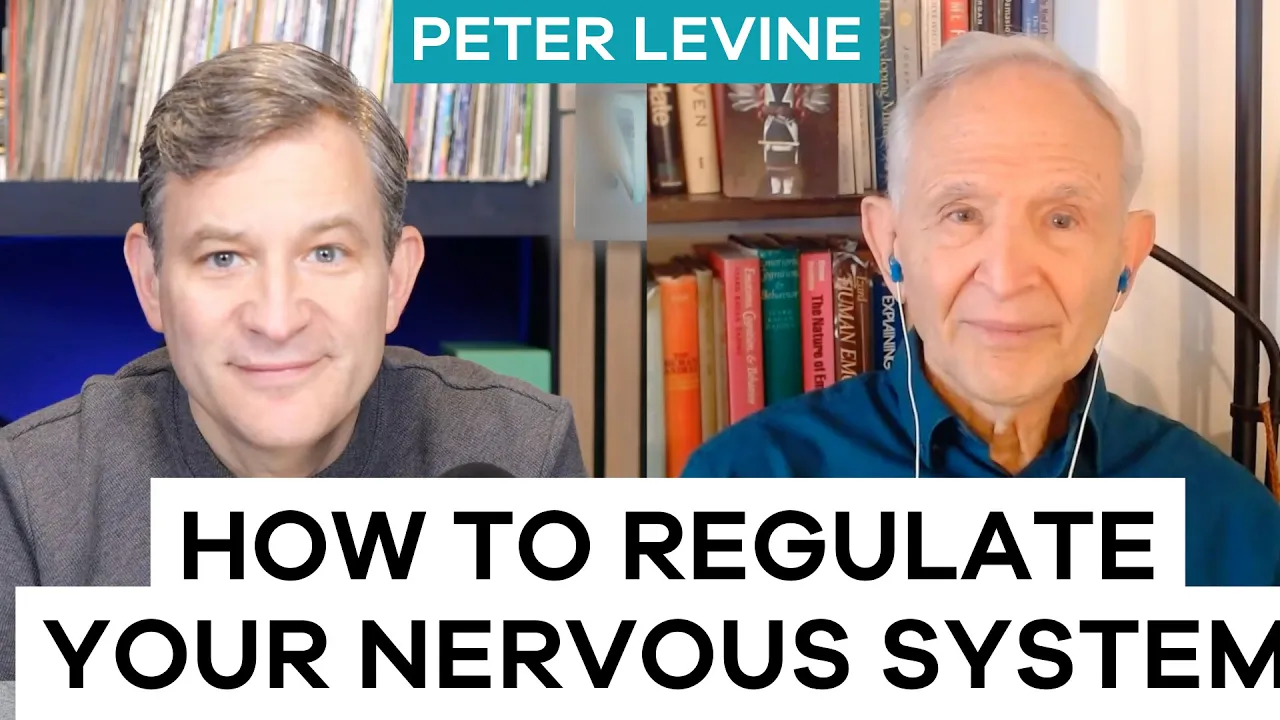
Somatic Experiencing and Body-Up Regulation: Exploring advanced body-centered therapeutic modalities (such as Peter Levine's work) to discharge trapped trauma and chronic stress.
Dual-Route Regulation: Studying how to integrate bottom-up (body-to-brain) somatic habits with top-down (brain-to-body) cognitive strategies like Cognitive Behavioral Therapy (CBT).
Neuroplasticity and Long-Term Rewiring: Investigating the neurological mechanisms of how consistent micro-habits physically alter neural pathways over time to build resilience.
Systemic Burnout Prevention: Analyzing organizational and lifestyle design principles, such as setting professional boundaries and structuring sustainable workflows to prevent future freeze states.
268.6K views17Klikes18:34Original Release: 2025-12-18
What if you're stuck in the freeze response or the shutdown state? This is pretty common after going through trauma. Or what if you feel sluggish or exhausted or burnt out or depressed? Maybe your limbs just feel heavy or you can't get yourself motivated. How can you regulate your emotions and get yourself moving? In this video, we're going to learn seven micro habits you can do to get unstuck, to move up the polyagal ladder, and to start to feel more alive, more energetic, more hopeful, and more happy. Let's go.
Hello everyone. Before we jump into the seven micro habits, first you've got to understand the polyagal ladder to know how these micro habits are going to help you. So our nervous system has three main states. The ventral vagal state is where you feel safe and connected. You are flexibly able to get energized but also able to rest. Now the second state is the sympathetic state. This is where we're more anxious, activated, stressed, or fearful. And the third state is called the dorsal vagal state. It's where our brain and body are so overwhelmed that we shut down both mentally and physically. When you're here, you might feel uh depressed, burnt out, exhausted, hopeless, frozen, or unmotivated. Now, usually this state is triggered by intense trauma, chronic stress, or overwhelming situations. And even if you can't identify like a big trauma in your life, it could be something like your mind cranking out negative thoughts over and over for years, that can trigger the dorsal vagal shutdown state. It's like your nervous system is saying, "I can't overcome this, so I might as well stop trying and conserve my energy." And when you're in this state, there's actually physiological changes that happen. Your heart rate slows, your blood pressure drops, maybe your appetite changes. And all of those physiological changes in your nervous system lead to that feeling of just heaviness or loss of motivation.
Now, these physical changes and lack of energy, they're not your fault, but there is something you can do about it. So, let's talk about some daily habits that can help you get unstuck from the freeze response. And for those of you who are going to be very technical, the freeze response is usually right here in the sympathetic state where you might feel like really stressed out and paralyzed. And the dorsal vagal state usually you feel tired, exhausted, and unmotivated. But a lot of people use these terms interchangeably. So, I'm going to as well, mostly for SEO purposes. First, before we jump into the seven micro habits when you've tried to change things in the past, there's probably two things you've tried over and over that backfire.
The first one is yelling at yourself, like saying, "Oh, you're such a loser. If you stay in bed, everything's going to get worse and worse." And you might think that you're motivating yourself, but it usually backfires. And here's why. When you berate yourself, you're not creating safety for yourself. When we're stuck in a freeze state, it's stress and overwhelm that are pushing us down the ladder. And we can't climb back up the ladder by stressing ourselves out more and more. So instead, you need to restore your sense of safety and remind yourself that you're capable and that you're loved. And this is going to help your nervous system get feeling better. And I'm going to teach you some ways to do this on a physiological level. But when you do, when you restore your sense of safety, that's when your nervous system responds by naturally re-energizing. So, you can't hate yourself into being happier. Okay, here's the second key. When you're stuck in depression or the freeze response or the shutdown state, one of the most common patterns I see is waiting until you feel like it. As in, mmm, I don't want to go see my friends until I'm feeling better or I'm not going to get out of bed until I feel motivated, etc. Right? And so we get stuck in inaction because we want our mood to change first and then we'll take action.
But that is not how the brain works. It's not how dopamine, the motivation chemical, works.
Dopamine follows action. Mood follows action. So you take action and then you get motivated.
You spend time with your friends and then you feel better. So for these micro habits to work, you have to start doing tiny things that help you get moving, that help you upregulate your sense of safety and movement. So this is the two-pronged approach we're going to take. We're going to be restoring your sense of safety while increasing activation. And this is going to help you move up the polyvagal ladder into being more flexibly able to have better energy, to feel less stressed out, and to get stuff done. Okay, I know this can feel really hard to do. So, let's start super tiny. Are you ready for the seven micro habits? Okay, let's go. Here's the first one. As you're watching this video, how is your posture? Go ahead and sit a little taller right now. Bring your head up. Roll your shoulders back a little bit. Just notice how that feels. I don't just mean physically. Do you notice how when you change your posture, you might feel just slightly more confident or a little bit more energized? A tiny shift in posture can create a ripple effect in how you feel overall. So why is this? Just getting moving or holding your head up high can send a message to your nervous system that you are capable of handling even if it's just this moment. So, if you're lying in bed right now, sit up in bed instead. Getting upright and holding your head up helps your nervous system activate.
Instead of looking down, raise your eyes. Look around the room. Okay? Put your feet on the floor. Stand upright if you feel like it. Anything that helps you get more vertical sends a message from your body up to your brain to feel safer. It sends a message that I am more competent, that I'm capable. Okay, so that's the first micro habit. Just have a more erect posture. This first micro habit was activating. The next one is going to be both restoring safety and helping you get activated. And that is getting morning light. The light that enters our eyes sends a message to our brain about how much energy to have. Our primal ancestors knew that a bright sunny day was a great day to go out and chase some woolly mammoths. And a cold rainy day was a good day to stay in the cave and conserve energy. So light exposure actually changes your brain. Light exposure is one of the simplest and most scientifically proven ways to improve mood, energy, focus, and sleep. When your eyes take in light, your brain releases energizing neurotransmitters so you can go run after that mammoth. Right? Research shows that light exposure can improve metabolic health, lower blood pressure, and support immune function. And guess what? All of this helps regulate emotions. So, how do you do it? Best way to do this is to try to get 10 to 20 minutes of natural sunlight within the first hour of waking up. This is best outside without sunglasses. Don't stare at the sun. Um, if it's cloudy, stay a little bit longer. Diffuse daylight still counts. Okay, that's your best option. Go outside in the morning, sit on your porch, drink a cup of hot cocoa, whatever it is that you do. Okay, that's great. It's good for your mood and it's good to help you both get activated and restore your sense of safety. Hopefully, that's possible for you.
There's a few other ways we can get more light in our eyes as well. Open your blinds in your home and turn on more lights. That natural light coming from outside and the artificial lights can both be helpful. And if you live in somewhere that's dark a lot of the time or it's winter or if you're experiencing depression even in the summer, you could consider a 10,000 lux light therapy lamp.
There's been some large highquality studies that have shown that light therapy is one of the most powerful antidepressants. So getting plenty of light exposure helps prime your brain to be more active and to feel more safe. Okay, on to number three. Use heat and cold. Temperature can wake up your system and get you unstuck from the freeze response down here. Sip a warm drink. Holding a warm cup and noticing the sensation. And taking one slow sip can give your body a cue of comfort and help you be more present. Or if you'd like something a bit more activating, you could try washing your face in cold water. Or with doctor supervision, you could consider cold plunges.
The cold water triggers a bunch of positive effects from slowing your heart rate to expanding your window of tolerance. Now, if the idea of a cold plunge seems like a bit much, you could try experimenting with temperature in the shower. You could take a hot shower and just notice how the water feels on your skin or gradually switch the temperature up and down and watch your body get more alert and activated. So, heat and cold can help your nervous system get unstuck from freeze. And you know, one of the things I want to mention is it's not always the case, but it's often the case that to go from dorsal veagal, this shutdown response to safe and connected, we have to go through activation. So that's one of the reasons why temperature changes can do that. Okay.
Number four, let's trigger the vagus nerve. The vagus nerve has a lot to do with the connection between mind and body. When it's activated, it can help your nervous system calm down. So here's two easy ways to do that. First one, to hum or sigh. Your vag nerve loves vibration. Humming, singing a little tune, or even letting out a long sigh stimulates that vagus nerve, which can help you regulate without needing a lot of energy to do so. So, you could try letting out the fog horn breath.
Allah Peter Lavine. Oh, [Music] just like that. or just a long sigh or you could just hum. Next one is massaging your face. Your vagus nerve actually runs all through your face. You can gently stimulate it by massaging your face. You can tap right under your eyes. Gently massage it. You can stroke your cheeks or tap them. You can stroke your forehead. And you might not realize this, but when people are stressed, they naturally do this. Like Messi, when he's stressed, he's always rubbing his forehead like this. And one of the reasons we do this is the vagus nerve stimulation sends messages to your nervous system that here in this moment, I'm safe enough. Okay? And if you'd like to learn more ways to calm your nervous system and turn on that parasympathetic response, you can check out my how to process trauma online course. It's included as part of the therapy in a nutshell membership. I'll link that below. Okay. Number five, for many people, the worst time of their day is the morning. For other people, it's later in the day. What's important is that you structure the worst time of your day. Like, you might feel so overwhelmed or frozen in the morning that you can't get out of bed or get yourself going. So, during this time, you'll most likely benefit from some structure to get through it. Uh, let me give you an example. My friend Rachel struggled with paralyzing anxiety in the mornings, and she had a super hard time getting out of bed.
So, she arranged to have her mom call her every morning at 9:00 a.m. And her goal was to be out of bed and sitting up in a chair when her mom called. And this structure helped her get moving when she was really just drowning in anxiety. She also got a dog and the dog helps her get outside and on a walk each morning. And she said that's been one of the most helpful things for her to break the cycle of being stuck in bed. So, how can you set structure around your worst times? I'll give you a few examples. Pick one thing you always do when you wake up that does not require a decision and then do it. So this might be something like drinking a glass of water on your nightstand or just sitting up and opening your blinds. Uh you can make this easier by making the decision the night before. So lay your clothes out or have the same breakfast ready every morning like overnight oats or something or just keeping your meds or a toothbrush right where you'll see it first thing in the morning. Long story short is what we're trying to do is make it easier for you to get moving. We're going to try and remove those obstacles. So, this might look like keeping a robe or a hoodie right next to your bed so you're warm when you stand up or moving your alarm across the room and setting it to play like upbeat music or a funny podcast in the morning. Anything that's kind of activating and helps you overcome this dread of overwhelm is going to help you. So, you got to build some structure around the hardest time of your day. Maybe it's night time. Like whatever time it is, plan something small to help you get through that time. Even if it's just like a reminder on your phone that you are loved, right? Like that's an example of structure. So think of a way to add structure to the worst part of your day. Okay. Number six, you've got to combat your negativity filter. You got to restore balance to the force. So depression drains your energy and it constantly tells you like why bother? Everything's pointless. There's no point in trying. And when we're constantly exposed to like stressful thoughts or worrisome messaging, it sends a message to our nervous system that the best option is to just shut down and conserve energy. And that's where we get stuck in this freeze or shutdown response. So, if we want to restore a sense of safety and agency, we need to actively combat our negativity bias and look for good. And here's a few ways to do that. Limit negative stimuli like the news, negative people, even opening your email or looking around your messy house. I know we can't avoid this forever, but just for now, we're going to filter out those negative stimuli. So, close up the door to a messy room. Cover your sink with a towel. Disorganization and negative inputs can feel really overwhelming, which is why we're going to address them, but we're just going to do it one at a time. And then intentionally seek out stuff that brings you good energy. It might be a group chat where you share funny memes with your siblings or you could follow good news channels like That Good News Girl or like this is literally one of the best things you can do is simple gratitude practice. When you write down three things you're grateful for every day. It helps your nervous system get the message that maybe life is not so awful that I just need to hide in my cave. My old boss, Monica, she was amazing. And with her clients who were struggling, she would ask them to sit out on their porch and send her a picture of one good thing every day. So you could try sending a photo to someone every morning. Lastly, I would say one of the things that can truly bring the most happiness is to find someone to help. Look for a little way to take action that adds just a little bit of love or joy to the world. So that might be like just saying hi to someone on the street or petting the neighbor's dog or sending an I love you text. I would walk down the sidewalk and I would sometimes just pull a few weeds or pick up a piece of trash and put it in the trash. Like that would make my day just like incrementally better. And noticing the good or being the good in the world helps restore your sense of safety and can move you up the ladder. Okay, last one.
Number seven. One of the biggest problems with modern life is that most of us are so dang busy all the time. Busyiness keeps us stuck in high alert and stuck in this sympathetic state.
And then this can be exhausting which can trigger that dorsal vagal state. In order to restore our energy and sense of safety, we need to create a sustainable approach to work and rest. So you've got to schedule in time to heal and restore. So while getting out of the freeze state does involve activating, if your only way to manage life is to always be busy and stressed out, you are going to burn out and you'll get stuck here. So you've got to schedule in time to rest and heal. So true rest looks different for everyone. For me, it's like hiking or tinkering in my garage. Those literally give me more energy. For others, it's taking a nap or coloring. You've got to find what fills your soul. And again, it's not stress here that's the problem. Stress is actually good for you. It's good to spend moments in these states. It's good to be stressed out occasionally. No problem. The problem is chronic stress. So being stressed out all the time wears out your nervous system. So, it's really important that you have a clear line between on and off times for work and rest. That might look like having a ritual to disconnect when you go home from work or taking email off your phone or turning off notifications. And I would just say like again, you want to identify real rest, not just distraction. True rest helps your nervous system recharge and restore. And screen time often just distracts you while keeping your nervous system stressed. So, I truly think one of the reasons people feel so burnt out and tired and stressed and exhausted is because they think they're resting when they're just kind of putting their nervous system like in their backpack, like their stress in their backpack and they're just like carrying it around like metaphorically while watching a show. It's usually not true rest. Practicing mindfulness can help you expand your capacity to rest. Again, this is a hard one for me, but learning to slow down is a really valuable way to teach your nervous system that you're safe. And on that note, multitasking is your enemy. Just look it up, right? Doing one thing at a time can be very soothing. Okay, maybe I'm getting carried away with all the advice, but I have a bonus tip for you. Scents are a super pleasant way to get activated. Orange zest, aromatherapy oils, or even a strong peppermint can help your senses wake up and help you get like that initial boost to your nervous system. Okay, so there you have it. Seven micro habits to help you get unstuck from freeze or the dorsal vagal state. And if you'd like to give the gift of calm to someone you care about, you could send them a link to my free Grounding Skills Course. They don't have to sign up for anything that costs money. And it gives you access to 15 simple lessons to soothe stress, PTSD, and anxiety in the body. So, I'll definitely put that link in the description. And if you have any other micro habits that pull you out of feeling depressed, I'd love to see you share those in the comments as well. Whatever works to pull you up the ladder and out of that dorsal vagal shutdown. I would love to hear what works for you. Okay. Thank you for being a positive online community for each other and please take care.
Up Next
4:25
Microplastics in Oregon Razor Clams & Oysters | Marine Pollution Research
@OregonSeaGrant
9.6K views•2017-08-14

12:54
Triumph of Orthodoxy Icon: Byzantine Art & History Explained
@BenCallan
2.1K views•2024-08-06

9:49
FastAPI vs Flask vs Django: Choosing the Right Python Web Framework
@TechWithTim
302.5K views•2024-05-26

1:42
Game of Thrones Opening Credits: A Cinematic Analysis
@gameofthrones
46.3M views•2011-04-18
Related Study Plans & Knowledge Roadmaps
Structured learning paths in General & Interdisciplinary Studies
general-studies
Elevator Engineering: History, Physics & Cities
01From Hoists to Safety Brakes: The Dawn of Vertical Lift
02Hydraulic vs. Traction: The Engineering Physics of Elevators
03Modern Speed, Safety, and Algorithms
+ 2 more learning modules
12h5 modules
Explore Roadmap
general-studies
Rubber: Material Science, History & Geopolitics
01Origins of Natural Rubber & Mesoamerican History
02The Chemistry of Natural Rubber & Vulcanization
03The Geopolitics of the Rubber Boom & Colonization
+ 2 more learning modules
12h5 modules
Explore Roadmap
general-studies
Containerization: Evolution, Logistics & Trade
01Ancient Trade & Bulk Cargo: Amphorae to Barrels
02The Industrial Revolution & Cardboard Packaging
03The Containerization Revolution: Malcom McLean
+ 2 more learning modules
12h5 modules
Explore Roadmap
general-studies
Textile Tech: Evolution, Labor & Global Impact
01Pre-Industrial Textiles: Handloom & Cottage Industry
02Mechanization: The Spinning Jenny to the Power Loom
03The Factory System & Global Labor Transformation
+ 2 more learning modules
10h5 modules
Explore Roadmap