


















![[#벌거벗은세계사] (2시간) 인류 멸망 시나리오의 서막?! 2030년 북극의 빙하가 전부 녹을 것이다 😱](https://i.ytimg.com/vi/29-mtBIwRO0/maxresdefault.jpg)


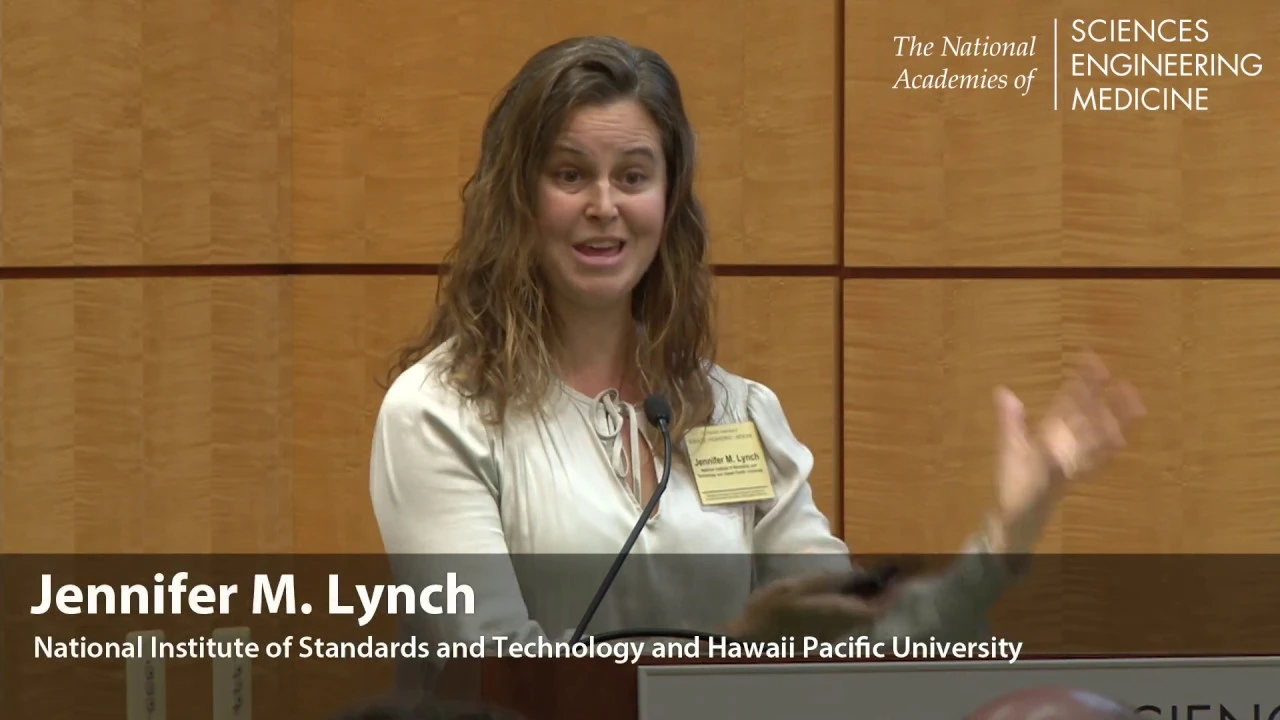



Microplastics, which include fibers from laundry, fragments from degraded plastics, foams, filaments from fishing gear, films from plastic bags, and microbeads from personal care products, are being incorporated into filter-feeding organisms like oysters and clams along the Oregon coast, potentially reaching problematic concentrations that warrant further investigation and awareness.
Microplastics in Oregon Razor Clams & Oysters | Marine Pollution Research
Added:Definition and sources of microplastics, including the distinction between primary and secondary microplastics.
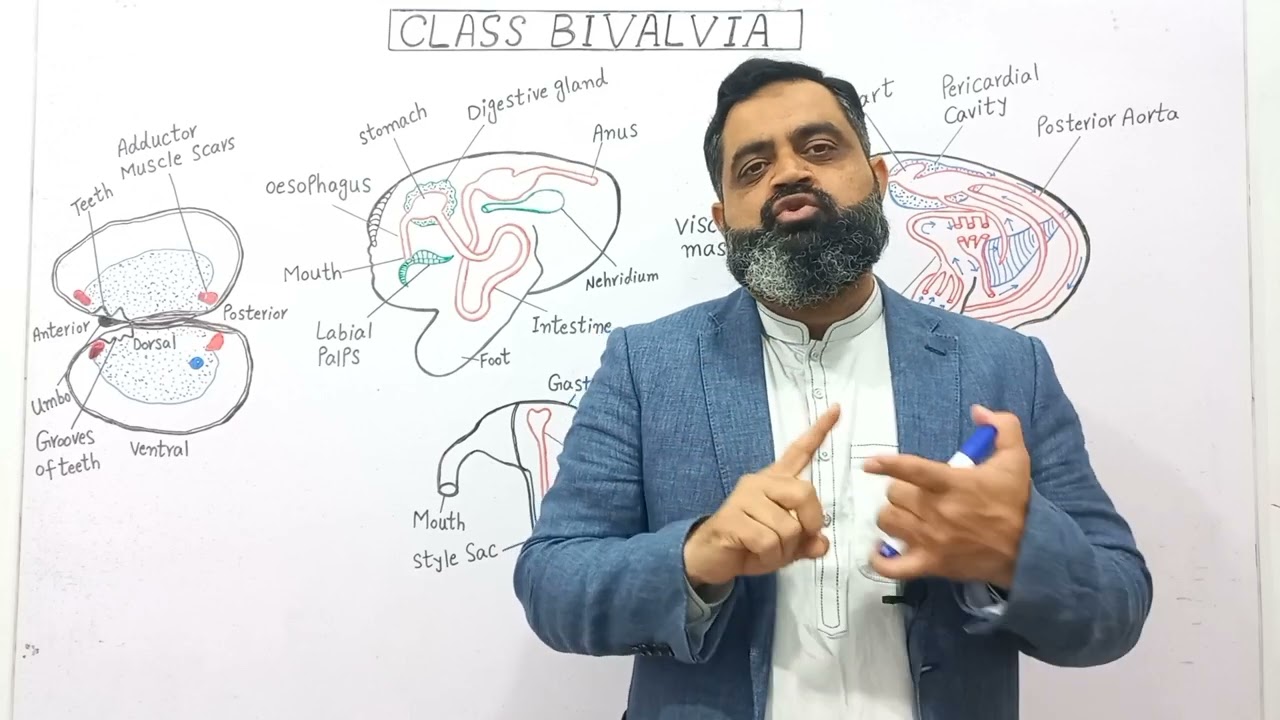
The anatomy and physiology of marine bivalves (clams and oysters), specifically their filter-feeding mechanisms that make them susceptible to ingesting suspended particles.
Basic ecological concepts of bioaccumulation and trophic transfer of pollutants within marine food webs.
Fundamental knowledge of Pacific Northwest coastal oceanography, including how currents and estuaries affect pollutant distribution.
Ecotoxicological impacts of microplastics and their associated chemical additives on marine organism health and reproduction.
Human health risk assessments regarding the ingestion of microplastics and nanoplastics through seafood consumption.
Advanced analytical chemistry methodologies used to identify plastic polymers, such as Fourier-Transform Infrared (FTIR) spectroscopy.
Environmental policy, waste management strategies, and mitigation techniques designed to curb plastic pollution at the municipal and industrial levels.
9.6K views147likes4:25Original Release: 2017-08-14
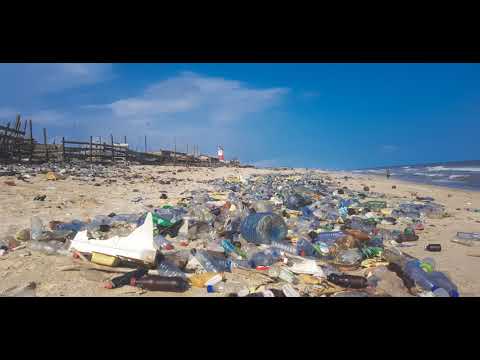
Microplastics are present in ocean waters and freshwater and sediment and even in the terrestrial realm.
And more and more research is showing that these microplastics are getting incorporated into organisms that inhabit those environments.
Research also shows that microplastics aren't necessarily good for the things that are consuming them.
Our goal is to figure out if we have them in our oysters and clams.
And if so, are they at problematic levels?
We're also trying to determine not only the concentrations, but the types of plastics that are in razor clams and oysters if any.
This research is funded by Oregon Sea Grant.
In terms of types of microplastics, there are several different categories that a lot of studies have put them into.
You can have fibers, which are actually the most common.
And those enter the environment through laundering clothing.
Another category are fragments.
Large plastics can degrade into smaller plastics because of wave action, physical degradation, or UV.
There are also foams.
So classic Styrofoam, those break up into different pieces.
Filaments.
Those can be broken down from things like fishing line or nylon rope, which if fishing gear is lost out in the ocean, that can create marine debris that can break into millions of tiny microplastics.
And films.
Those can be things like plastic bags that break up into small pieces.
And then the last category would be microbeads.
And those are manufactured intentionally and are often put into cleansing products like facial creams and body washes and a whole suite of other things like that.
And when those are used in the shower, they wash through the wastewater system out into the environment.
So presumably, organisms would ingest these.
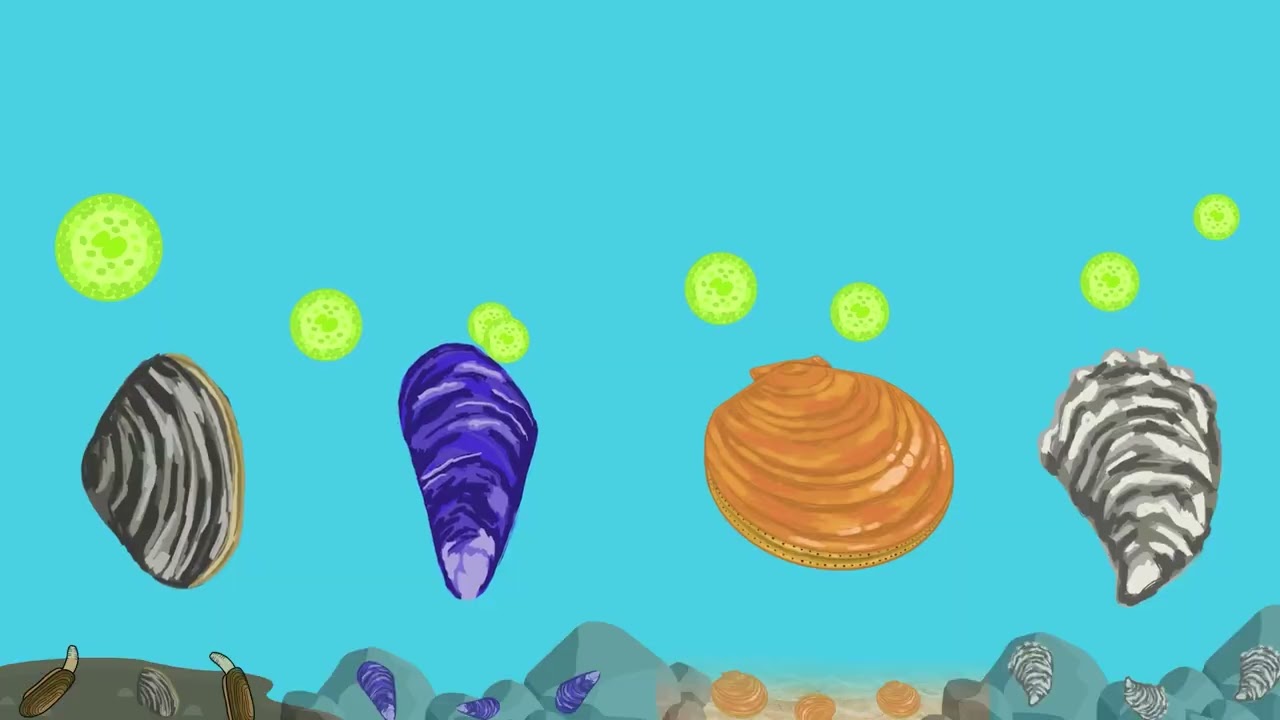
Oysters and clams are both filter feeders.
And they're sort of indiscriminate feeders.
So they may take in a piece of plastic, either a fragment or a fiber or something else, and not necessarily be able to eject it back out.
So we're trying to figure out, again, what the concentration of microplastics is in the tissues and then in the gut of the Pacific oysters and the razor clams.
We're also trying to see if there's a geographical gradient.
So that's why we're having nine razor clam sites and five oyster sites along the Oregon coast to see if there are hot spots.
Another goal of the project is to determine if there's a sort of temporal component in the differences of microplastic concentrations.
So we've sampled in the spring of 2017 and then again in the summer to see if there's a difference.
We selected oysters and razor clams for this study, because we're really trying to get a good picture of as much of the coast as we can.
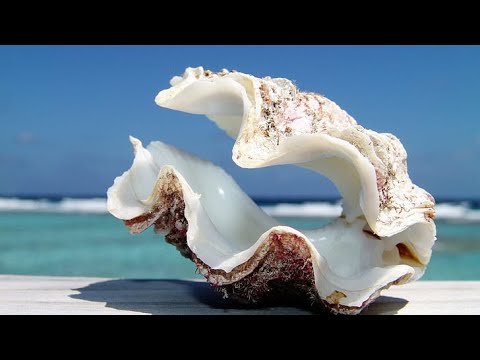
Razor clams live in the sandy beach environment and oysters are grown more in the estuarine environment.
The other reason that these species were selected is because they're consumed by people.
Once we've collected all of our samples, they're transported to Portland State and taken to our lab.
And what we do in our lab is we take biological measurements, such as length and width and mass, and then we shuck the organisms and put them in the freezer until we're ready to really start processing.
So the next step after we take them out of the freezer is we do this digestion in potassium hydroxide, which essentially dissolves all of the organic tissue and leaves the plastics.
What you see is essentially clear liquid where the organism once was and then some sediments in the bottom.
That is then analyzed under a microscope.
Ultimately, we're hoping that this study brings awareness to Oregonians and even visitors to the state of Oregon that plastics that we use in our daily lives make their way into the environment.
We're also hoping that our partners like Oregon Department of Fish and Wildlife and other state agencies might take this information to learn about hot spots for microplastics to address the problem.
Up Next

124:51
Ocean Sciences 2020 Plenaries: Plankton Tech & Ocean Modeling
@AGUvideos
1.5K views•2020-02-19

12:54
Triumph of Orthodoxy Icon: Byzantine Art & History Explained
@BenCallan
2.1K views•2024-08-06

9:49
FastAPI vs Flask vs Django: Choosing the Right Python Web Framework
@TechWithTim
302.5K views•2024-05-26

1:42
Game of Thrones Opening Credits: A Cinematic Analysis
@gameofthrones
46.3M views•2011-04-18
Related Study Plans & Knowledge Roadmaps
Structured learning paths in General & Interdisciplinary Studies
general-studies
Elevator Engineering: History, Physics & Cities
01From Hoists to Safety Brakes: The Dawn of Vertical Lift
02Hydraulic vs. Traction: The Engineering Physics of Elevators
03Modern Speed, Safety, and Algorithms
+ 2 more learning modules
12h5 modules
Explore Roadmap
general-studies
Rubber: Material Science, History & Geopolitics
01Origins of Natural Rubber & Mesoamerican History
02The Chemistry of Natural Rubber & Vulcanization
03The Geopolitics of the Rubber Boom & Colonization
+ 2 more learning modules
12h5 modules
Explore Roadmap
general-studies
Containerization: Evolution, Logistics & Trade
01Ancient Trade & Bulk Cargo: Amphorae to Barrels
02The Industrial Revolution & Cardboard Packaging
03The Containerization Revolution: Malcom McLean
+ 2 more learning modules
12h5 modules
Explore Roadmap
general-studies
Textile Tech: Evolution, Labor & Global Impact
01Pre-Industrial Textiles: Handloom & Cottage Industry
02Mechanization: The Spinning Jenny to the Power Loom
03The Factory System & Global Labor Transformation
+ 2 more learning modules
10h5 modules
Explore Roadmap