















Multispecies justice and care requires abandoning human exceptionalism and practicing entangled storytelling that interrupts power structures to create new possibilities for flourishing together, as demonstrated through the fictional Camille symbiont generations who work across borders and species to address interconnected crises like climate destruction, extinction, and the violence of the plantation system.
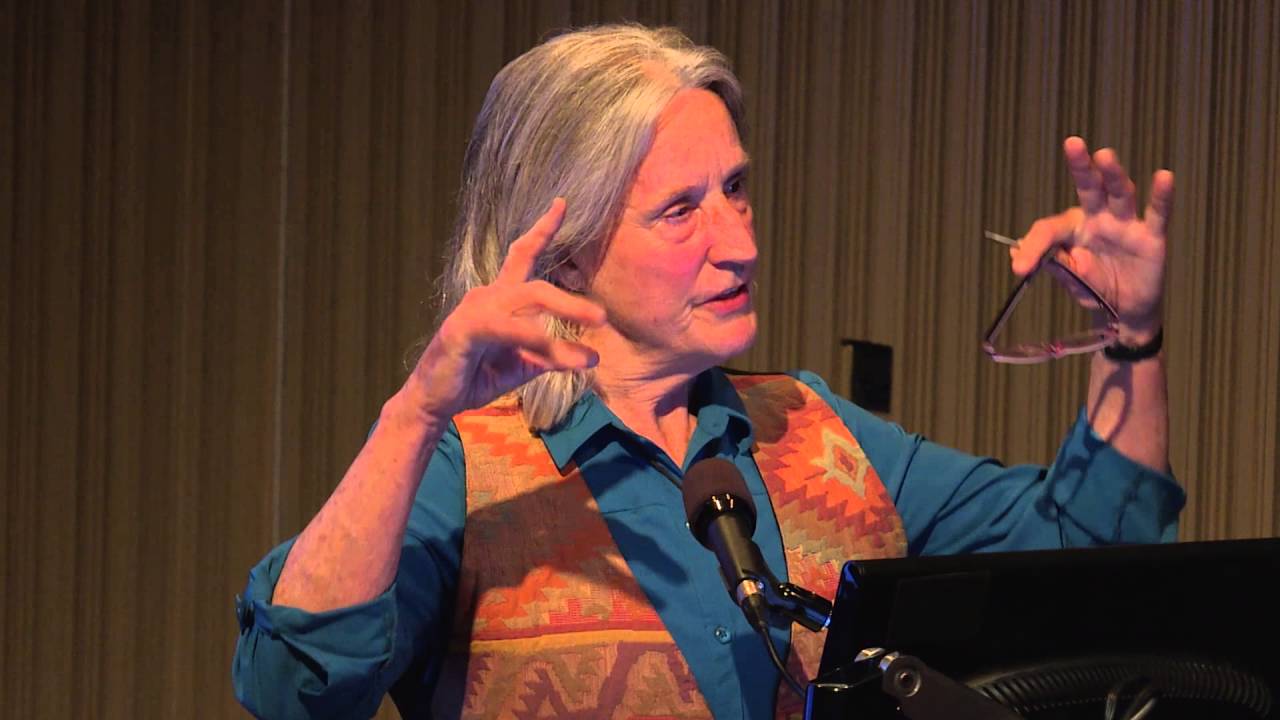
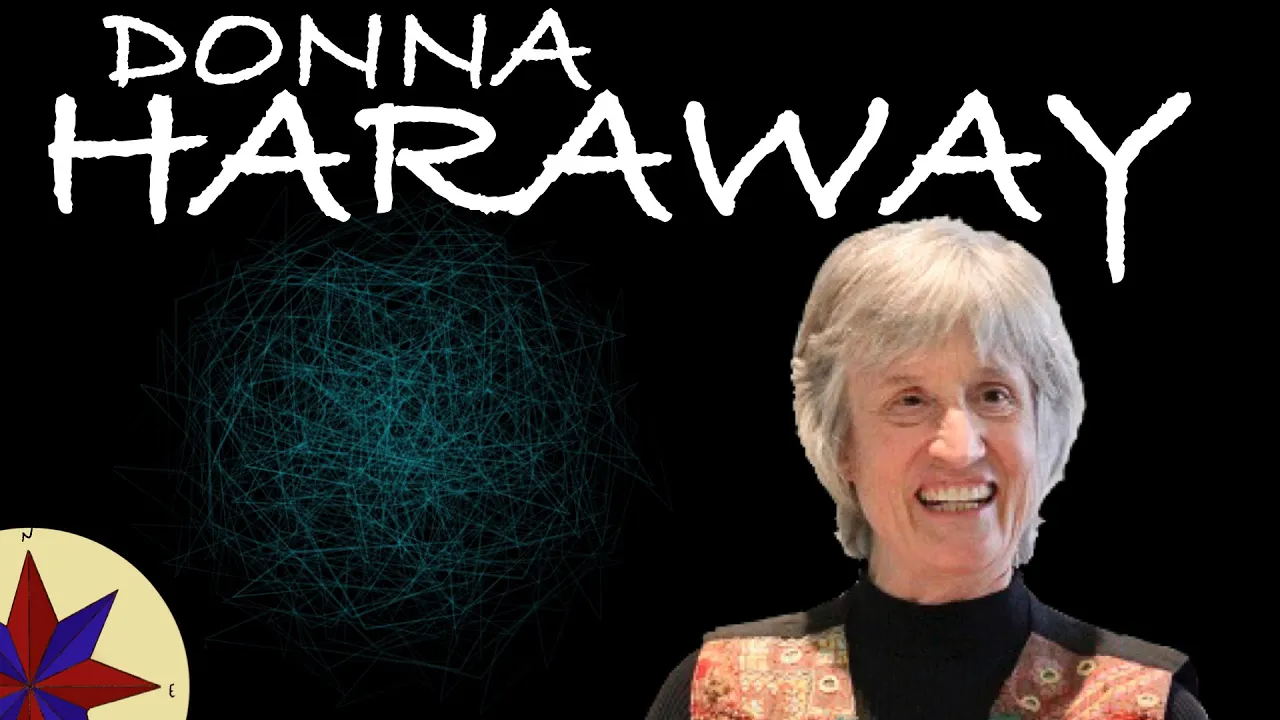
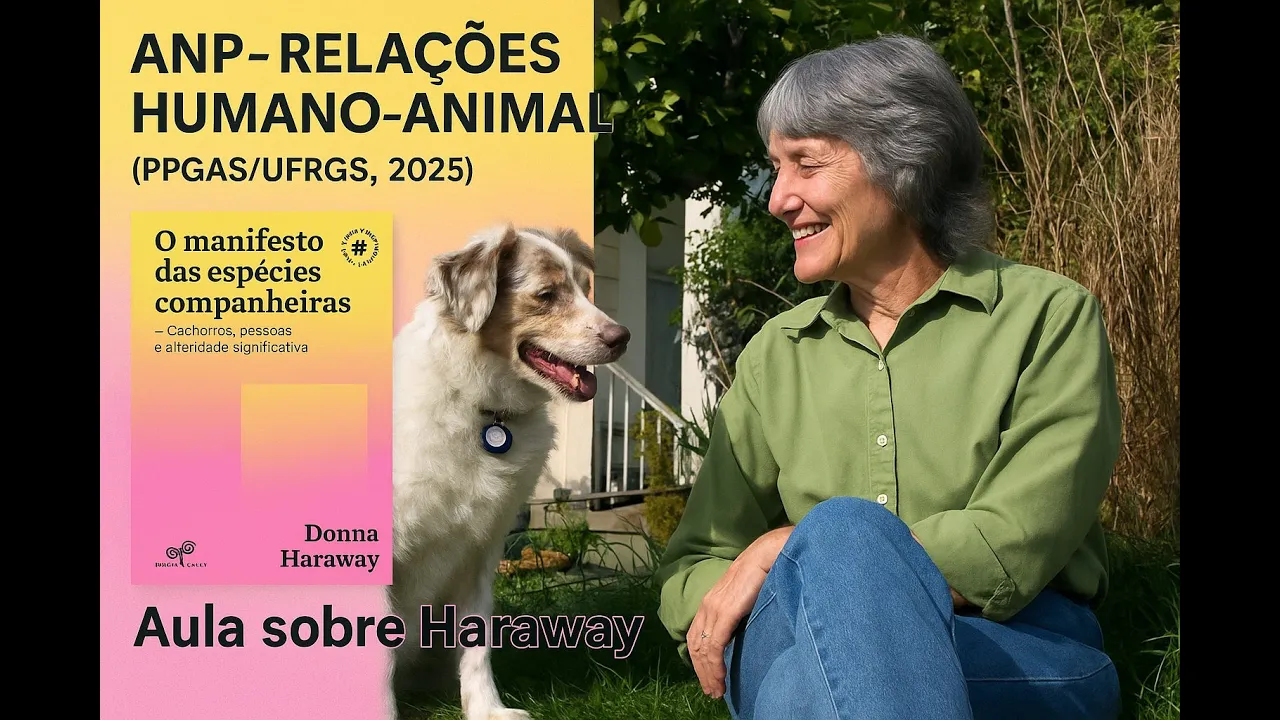
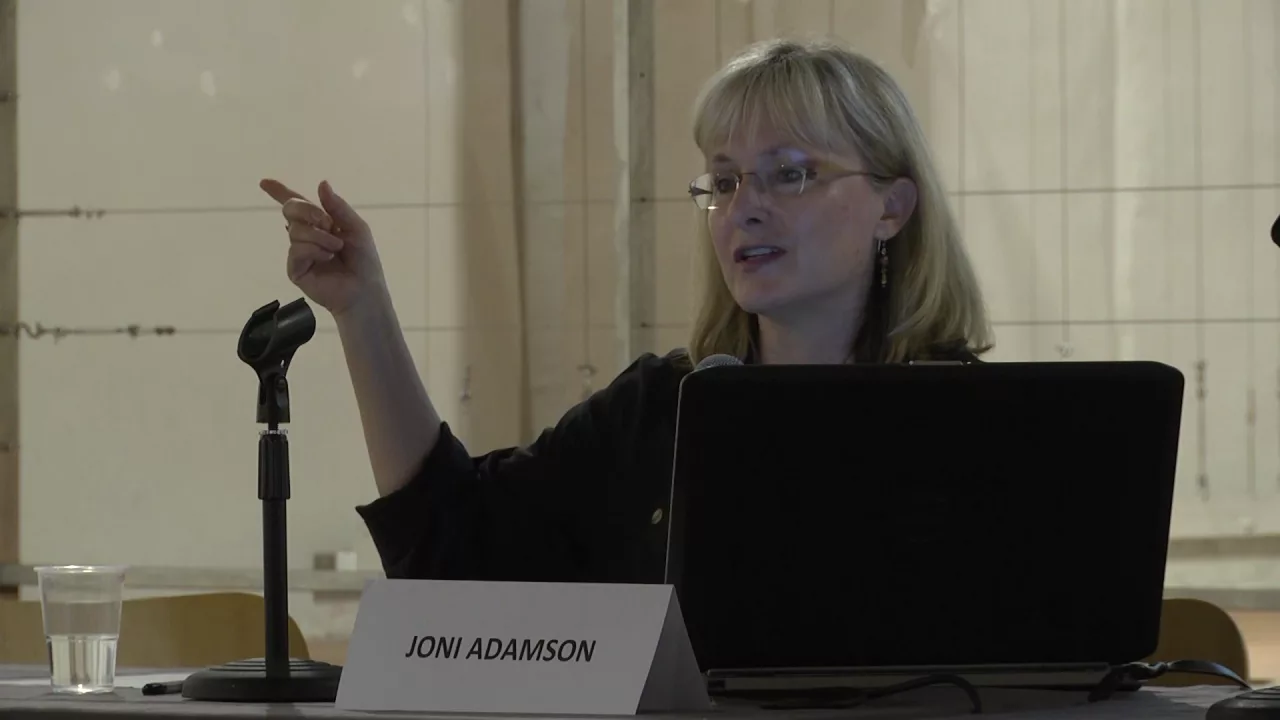
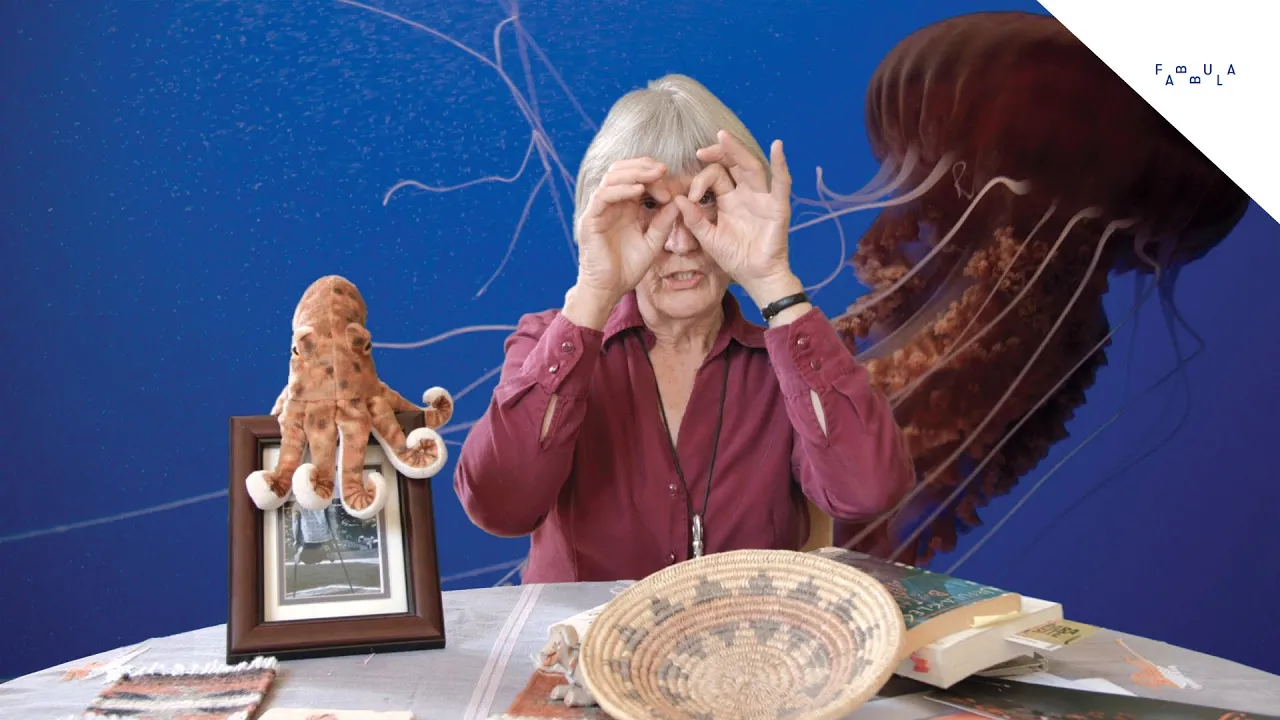
Storytelling for Multispecies Justice and Care: A Lecture by Donna Haraway
Added:Introduction to Posthumanism: Understanding the philosophical shift away from human exceptionalism (anthropocentrism) toward interconnected ecological networks.
The Concept of Symbiogenesis: Familiarity with Lynn Margulis's evolutionary theory that emphasizes cooperation and symbiotic relationships as primary drivers of evolution.
The Anthropocene and Capitalocene: Conceptual frameworks detailing human-driven ecological crises and the critique of industrial capitalism's impact on the Earth.
Donna Haraway's Early Works: A basic understanding of Haraway's key ideas, such as situated knowledges and the critique of scientific objectivity.
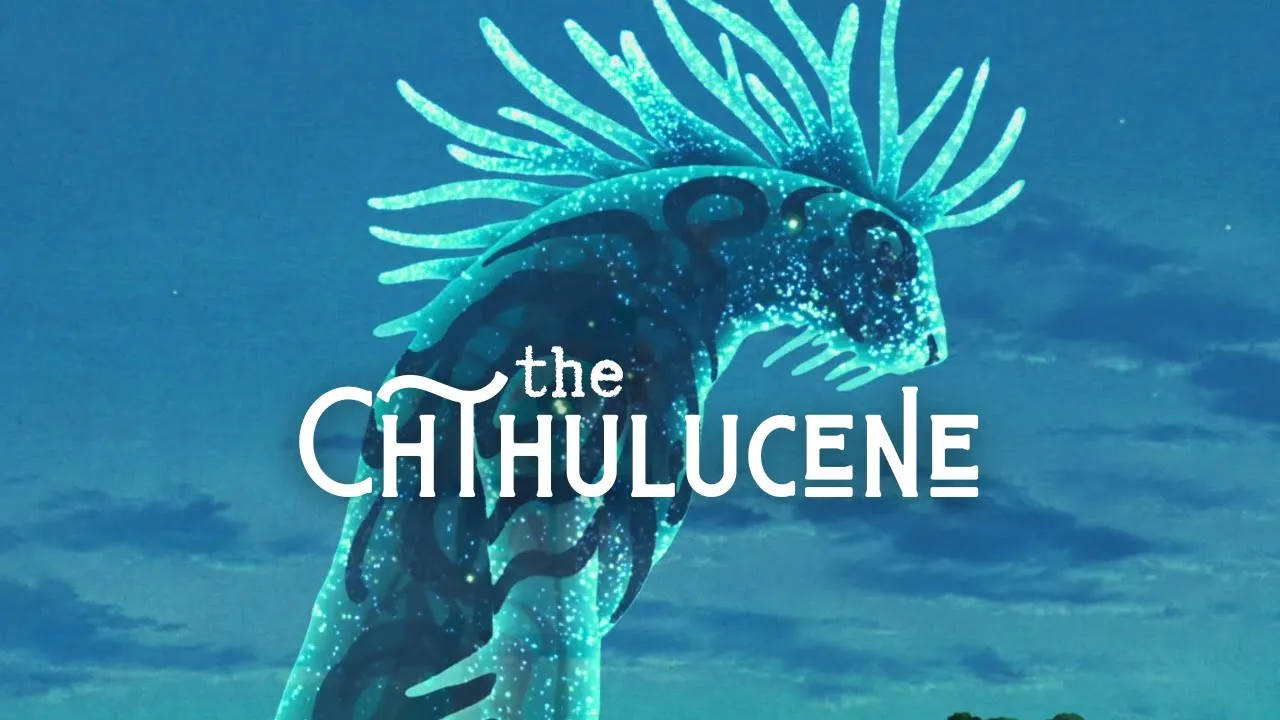
Haraway's 'Chthulucene' Framework: Exploring her concept of staying with the trouble and building kin across species boundaries in a damaged world.
Multispecies Ethnography: Practical methodologies in anthropology and sociology that study the interactions between humans and non-human actors.
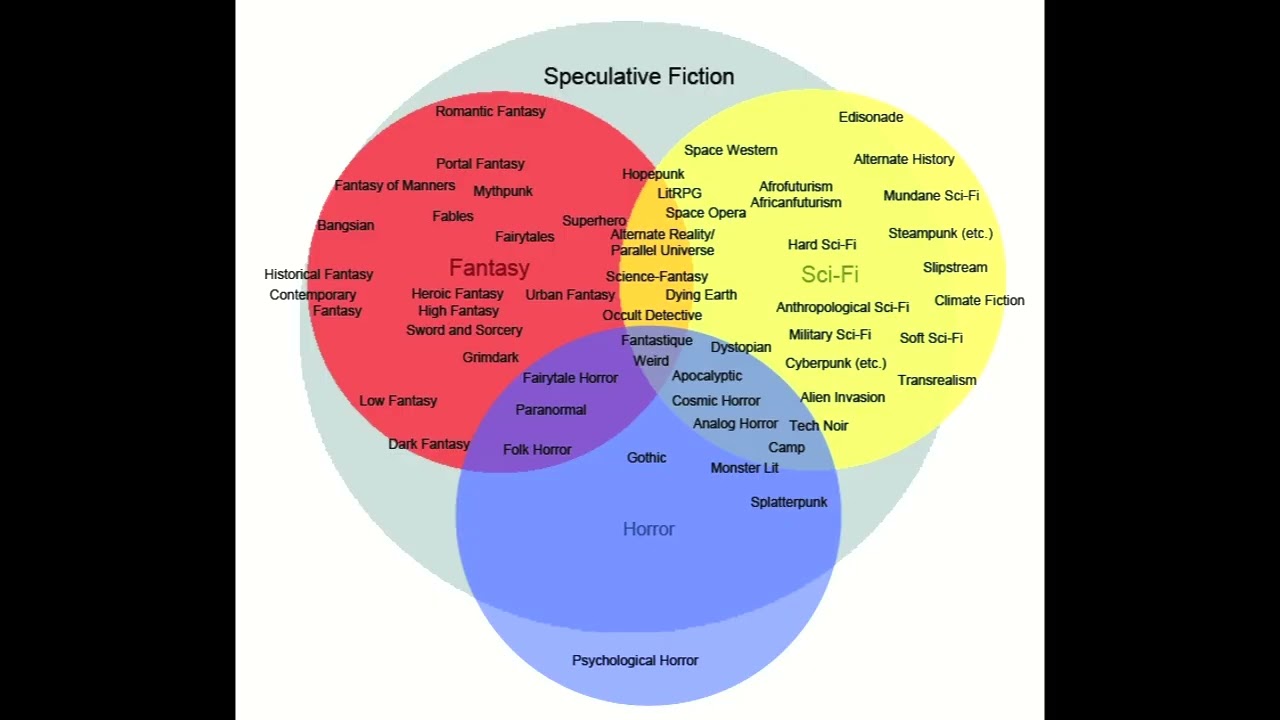
Speculative Fabulation (SF): Investigating the use of science fiction, speculative feminism, and storytelling as active political and philosophical tools.
Environmental Justice and Eco-ethics: Applying multispecies justice principles to contemporary climate activism, environmental policy, and biodiversity conservation.
7.4K views178likes1:19:27Original Release: 2021-03-24
storytelling for multi-species justice and care note the background for this slide made of thread and colored leaves in drawing the pelvis of something that looks like a human being a spine the lateral appendages flippers hands feet it's not clear the ongoing threading up to the butterfly made of colorized leaves a kind of human and more than human speaking for the living and the dead in the artwork of an extraordinary collage artist geraldine javier who made this work while she was in singapore in this lecture we will follow the living and the dead in a series of stories with a butterfly human human symbiont named camille as our guide multi-species justice and care is about entangled human beings with all of the world never human exceptionalism never human beings alone but my focus is always situated in life worlds of living and non-living humans and other beings like microbes plants animals rocks soils and more justice is not enough care is not enough and both are only a start for learning what my colleague anna singh calls arts for living on a damaged planet how do we practice justice and care in these times how do we practice the arts of flourishing together how do we join in multi-species justice and care i begin with a land acknowledgement because i'm sitting in my office in the town of santa cruz i'm speaking from before my university the university of california at santa cruz i am on con land that is acquired by conquest and has never been seeded by its uh by its owners by its original owners the land on which we gather is the unseated territory of the aswashwa-speaking yupi tribe the amamutsun tribal band comprised of the descendants of indigenous people taken to mission santa cruz and san juan baltista during spanish colonization of the central coast of california is today working hard to restore traditional stewardship practices on these lands and to heal from historical trauma i begin with the monarch butterfly who will be a kind of guiding presence throughout this entire talk but it's not the monarch of north america or the monarch mexico but it is the butterfly the not in the string figuring of the dna of the navajo it is in the playing of the game of the atlo which could in spanish be uh the cuena de gatos or in english cat's cradle or in other languages many things but cats cradling or string figuring are not universal they are located and specific and that yet they connect with each other in the dna on the individual in the navajo nation string figuring is a practice that teaches the children the constellations of the sky is a wintertime practice it's a story and practices practice that teaches cosmology well i use string figuring or catch cradle in a kind of fraught non-innocent entanglement with other kinds of nodding and entangling practices like those of the dna to insist it matters what stories tell stories it is not all right to make one's own stories the standard for understanding someone else's rather we have to do something much more risk-taking we have to tell stories that can interrupt each other so that something comes out of it that was not in either story before storytelling knowledge making relating making worlds is a bringing together in a risk-taking way such that something new can happen in the world it's a kind of encountering but this encountering is never innocent of power and attentiveness to the structures of power the structures of oppression and conquest insubordination and the conditions of resistance and liberation are crucial to this kind of entangled storytelling that i propose in the background you see an amazing painting by the artist viola golden fall in her cat's cradle series which is also in the background of this figure tying knots making worlds that is storytelling it happens under the signifier s f say f in spanish perhaps sf science fiction string figures science fact speculative fabulation speculative feminism in french suen suente ficel or perhaps most importantly so far we are neither at the beginning nor at the end we are so far with our efforts to knock together patterns which might deserve a future but when we make patterns together with many tentacles and paws and branches and tendrils and fingers and partners and past patterns back and forth we also drop threads we fail to make patterns or perhaps a dropped thread allows us to propose a new pattern a new figure a speculative fabulation that deserves a future i learned my storytelling craft from the master of storytelling ursula k le guin she wrote in the master of segree i learned that the story has no beginning and no story has an end that the story is all muddle all middle that the story is never true but that the lie is indeed a child of silence le guin wrote in 1986 uh an extraordinary essay called the carrier bag theory of fiction just prose um lecture an essay it's not it's self-fiction rather it states that the best kinds of stories are not those of the hero crossing matrix space with the best words and the best weapons to kill the prey and bring it back that the structure of narrative doesn't should not take this conventional masculine form but rather the better stories take the shape of a carrier bag of a slightly hollowed out shell of a net bag a leaf a gourd a shell a net a bag a sling a sack a bottle a pot a box a container a holder a recipient for collecting up and sharing that storytelling is about collecting up and then making available proposing sharing making possible and the gwen in my view is our best theorist of the art of fiction another writer whom i think with and and learned from is particularly gloria and saldua who wrote in the 1980s an amazing book borderlands la frontera the new mestiza she also has written books for children like amigos friends from the other side my own student in english a woman from oaxaca uh for whom i am her english teacher that's not a sentence in either spanish or english never mind anyway she is my student and together this year we read chapters from borderlands la frontera and she also read chapters with her daughter who asked am i mestiza am i anglo am i mexican am i mexicana am i latino am i chicano who am i what am i am i citizen am i migrant what am i i am not my mother i am her daughter who am i borderlands la frontera a story of the texas mexican border and the california-mexican border transmuted into chicana feminist theory of la mestisa of the consciousness of the llamas of the mestiza la conciencia de la mestisa la erencia de cuatlique in gloria and aldua's hands we are proposed a way of thinking a way of going on with each other that is not binary she says i am not alone that which abides my vigilance my thousand sleepless serpent eyes blinking in the night forever open i am not afraid the other book in this slide is cattail stories by my friend gracia la trevesan who was born in argentina but lives and writes in san francisco lives with her wife lisa rofl who is my colleague and friend in anthropology my english learning student and i have also been reading the cat tale stories which is a kind of magical realism about the women of a small town in argentina who together make a pueblo possible who together compose a town against the forces of the mayor the church the mass the masculinizing against the forces of patriarchy another person i think within this talk with i think with in this talk is zoe todd uh an amazing young assistant professor at carleton university who is herself a metis scholar and thinker who draws from metis legal traditions in particular for thinking with fish thinking with water for proposing worlds where nature and culture are not split and in the traditions of the people of of canada whom she's writing about uh the worlds of fish the worlds of water the worlds of people co-make living and dying well possible now i start with a short list of the trouble that we must stay with one could make this list infinitely long but i only have one slide refugees and migrants human and more than human without refuges and homes who could read the news in north america right now between mexico and the united states between honduras el salvador guatemala mexico and and not understand refugees and migrants without refuge and without homes racial colonial capitalism three words that cover much femicide sexual violence and patriarchy climate destruction unequally born extractivism extinctionism human exceptionalism still human exceptionalism as if human beings were the fruit of evolution and at its peak splitting of nature and culture pandemics of lands waters airs and places the out of place symbiant the uh coronavirus the uh the sars v2 virus this out of place symbiant that is now the our companion causing pandemic globally is only one of many ongoing pandemics of the moment not all of them are infecting human beings we live in and are making a pandemic friendly planet and it must stop symbians are out of place everywhere those who live together sim bionts are out of place reproductive and environmental suffering and injustice and reproductive and environmental suffering and injustice are linked we live in pandemic friendly agriculture and food systems we are in the midst of corridors disrupted connections cut homes split we are in the midst of war on earth and it's human and non-human peoples so i follow the monarchs i track them as my string figure and look at this word cloud put together by the very interesting anthropologist colombo gonzalez duarte who is currently right following the monarchs to write an extraordinary book about all of these links in the cloud this is of course shaped like north america nafta the united states dreamers indigenous ethnography nature protection mexico de colonial politics the uh people human animal multi-species and so on with the butterfly at the center i have been informed by the scholarship of columbus gonzalez and i will cite some of it a little later in the talk but now i want you to inhabit her figure that is on her webpage for her courses it's on the webpage that proposes her pedagogy a principle for me is always to begin from what we love beginning uh critique beginning a proposal from what we hate is always a bad idea because we will end with nothing but critique but if we begin from what we love we can we can inhabit the violence we can inhabit the trouble and and somehow find ways of partial healing to to nurture what we love if we don't begin with what we love we are lost from the beginning so i begin with something some little thing that i personally love the monarch butterflies who spend the winter in my town in santa cruz in california the monarch butterflies of the great western migration who interchange a little bit a little bit of gene exchange a little bit of trading partners with the great eastern migration that goes uh that breeds and lives in the summer in canada and the united states and then swings down across the transvolcanic belt to overwinter in a few oyomeled trees in michoacan basically these are pictures of the overwintering butterflies from which i begin and i'm going to do this story by retelling the camille stories making kin for multi-species justice and care and i do it with the help of a mariposa sculpture that is currently in the university of british columbia it was made in mexico sometime in the early 20th century and it is of course a hybrid of human and butterfly now somewhere in the early 21st century many communities all over the earth spontaneously and simultaneously for the reasons of of trying to to come to terms with trying to live with the trouble and address the destruction of living beings on earth many many hundreds if not thousands of small communities were formed both in areas where people already lived as well as among people who migrated to ruined damaged areas these were communities that committed themselves to the healing of damaged areas they also committed themselves as part of their work to a certain kind of reproductive and environmental justice that aimed to rebalance the human weight on the world over a period of about 400 years to rebalance the numbers of humans and more than humans in a way that perhaps would would be more conducive both to human and non-human justice and care so they require that every new child have at least three parents and that new children born in this way the pregnant person in the triad the reproductive freedom of the pregnant person in the triad was to choose a symbiont for the fetus and to choose a symbiant from among the animals who would not have a future without the care by the humans in this symbiosis and that the child who is born in this way as a symbiant would be the first of five generations of that sort of symbiont committed to the care and ongoingness to the care and survival of those who would not survive without these practices of care so the first of five canils was born in 2025 when human numbers on the earth were about 8 billion and died in 2100 when numbers were only 10 billion they would have been well over 11 billion had these practices not been instituted the first camille was born in the community of new gowly which was built on the site of mountaintop coal removal near gauli west virginia which uh was immortal immortalized by my friend and colleague beth stevens and her wife annie sprinkle in goodbye to golly mountain which was about the um blowing up the utter destruction of the mountain for coal mining right above her town new gauley was instituted there remembering the white working class miners and the troubles of their lives remembering the native americans that were actively exterminated and expelled from this territory to allow the mining companies and the white working-class miners to reside there remembering the exclusion of black miners and black farmers from this area remembering history so as to make it possible to go forward the first camille one modeled perself per per after marge percy's gender-neutral pronoun camille one model modeled herself after nausicaa of the valley of the whims an amazing anime film in which the destruction of world and the production of a toxic forest by greedy militarized capitalized patriarchal forces are opposed successfully not by yet more war not by fighting the toxic forest but by learning to live within the toxic forest so as to heal it this is the nausicaa of the valley of the winds who inspired our kamil now i said camille is a symbiant put together through the biological operations of sim yoking bio living genesis beginnings symbiogenesis genesis from linking now camille uh has inserted into herself as a fetus genes from the monarchs the monarchs are not modified genetically ever only the humans take on the flesh of their symbians so as to be able to do their job better so as to be able to taste the air uh see differently uh perceive the wind and the wind and the water differently the humans bear the genes of their symbionts so camille as camille grows shows in vivid ways the coloring of the five larval instars of the young monarch and remembers that the monarch never lived alone but like the monarch in this slide on a on a stem of milkweed the only plant the young monarchs can eat is also living with aphids also eating from the milkweed that all of living is a consortium is as my next as the slide on the right shows a dialogue in the holobiont a dialogue in the consortia of living entities who taken together makes each of them what they are now the job of camille in addition to addressing the toxic agribusiness the toxic residue of the fossil fuel industries is also to address the crisis of the wall between california arizona texas and mexico and here uh kenya one drew inspiration from joanne barker a lenape artist science fiction writer and scholar a woman who was my graduate student back in the day but i'm her student now and she allowed me to use her art to dramatize cameo one's work on the border now you all know you in my audience you have seen the map the slide the part of the slide on my left on your left i hope the sonoran desert the sky islands the area of el paso big bend and the area of monterrey and mcallen the area of the low of the lower rio grande valley as it as the river empties into the gulf of mexico and you know the extraordinary struggles and crises and emergencies both human and more than human throughout this border that is not a border but a patriarch an area of living an area of homelands as well as migrations and crossings an area that must be restored for its integrity as homeland as living and crossing and traveling and abiding and inhabiting together so look at the far right again between monterrey and mcallen and notice the national butterfly research center poster and remember what you probably already know namely uh that the executive director of the national butterfly center in texas last year was subject to months of rape and death threats for her butterfly conservation work at the national butterfly center for her leading opposition to the building of trump's wall which was so destructive ecologically and humanly so destructive of the human and more than human inhabitants and migrants of this homeland of this patria compartida she was receiving these rape and death threats in the same months as all the murders in michoacan of the defenders of the mariposa of the mona of the lands of the monarch uh gomos gonzalez and and hernandez are both murdered pretty much in the same month as to the north uh mariana trevino wright is subjected to rape and death threats for their struggle for the border now you probably know actually um maybe you don't whoops wait a minute sorry about this um yeah sorry we will not do that again you probably know that the monarchs as they travel from canada and the united states to michiba khan travel directly over monterey that they fly directly over nuevo leon and that they take a turn at monterey and they start moving south they follow the sierra madre oriental to the trans-volcanic mountains and then they turn again and if i am told that if you look up at this up at the sky in monterey at the time of the migration of the monarchs you can see them make the turn to follow the mountains to their winter home now i also briefly look at an area that is not about monarchs but is also about the wall and the splitting of peoples in an area in arizona and sonora which has been subject to a great deal of wall building the tohono oram nation was split into two in 1854 when the arizona texas border was created by violent conquest and violent confrontation of states today about two thousand members of the odom nation live in mexico and communication between the parts of the people the parts of the nation is very important they have maintained some continuity some ability to cross for ritual uh for visiting family and for the animals that cross their territory where on either side of the tohono autumn nation property where the wall was built the animals trying to cross at night to eat or perhaps breed and have sex the animals crossing who would normally cross that area through a more permeable fence now run into trump's wall and pace back and forth across the wall like they were in a zoo like they were in a cage they are confused uh cameras are showing these animals pacing confused and then funneling to the remaining openings across the tohono autumn nation funneling through this little constriction that is both for plants animals and people and telling us that the wall metaphorically and physically must come down camille ii is born in 2085 when human numbers have come down to about nine and a half billion today by the way in 2021 they are not quite eight and a half billion so in 2085 with the practices of the communities of compost human numbers are only 9.5 billion camille two died a hundred years later when human numbers were eight billion now the job of camille two inherited from camille one was spent on the life work of camille two was spent mostly in michoacan and mexico and mostly working with the peoples of that area the peoples of the avocado plantations of the butterfly reserves of the pueblos of the ciutades the peoples of that area camille ii first arrived in michoacan on el dio del dio de los the muertos butterflies are the souls of the returning ancestors coming to communicate to visit uh to be with their descendants in a night of eating and singing and exchanging a night of the coming together of the generations of the living and the dead and i am calling this not simbiogenesis but sim animogenesis and a metamorphosis metamorphosis of the people a metamorphosis like sin animal genesis but different and that can come here too learned sin animal genesis from the people on el dia de los muertos now shortly after arriving in michoacan the women of el sito zapatista took the rather foolish young camille two in hand and taught her that the problem that was facing the the communities of michoacan including the butterflies are the problems of climate change extraction exploitation monocropping and perhaps above all water water scarcity you all know in my audience about trans basin water transfer and the taking of water from michioacan to mexico city across the immense sistema kuzamala that the zapatista women of michoacan have opposed now for many years as they attempt to get clean water drinking water healthy lakes lakes that hold their water uh in it is a fight that continues to this day this slide is from 2018.
the struggle continues i was given a paper just last week by my colleague david gutierrez by a paper by his colleague on sito zapatista de mujeres massage in defense del agua now frente alfassismo compare this to the water protectors against the dakota access pipeline in the u.s especially by the sioux tribal nations and their allies compare this to the encampments and resistance at standing rock compare this to the red deal indigenous action to save the earth in the united states and think of trans basin water transport water trans basin water transfer that robs the aquifers of the navajo nation and sends that water to burn coal to move water over the mountains into the central arizona water project to feed the capital the racial capitalist cities of the desert southwest in the united states look at the work of the black mesa water coalition for climate justice look at the mural water rights in phoenix that the black mesa water coalition and its allies especially the kids the teenagers of phoenix did on this theater that makes plain uh the forces the crops the stories the wind turbines the solar panels the uh smoke from the smokestacks of the navajo generating plant a mural that collects up in a kind of string figure the work to be done think of the solidarity with the people of colombia in the association who oppose the ituanga dam on the kauka river and who embroider in stitch and make mochias tanya bustos gave me a mochia when i arrived at the airport in bogota flore um to flourish the flower to be a flower to be a uterus to be uh to be a source of fertility uh to be in alliance to be to use the mochia to collect up to gather in ursula le guin's sense to tell the story of collecting and sharing and being in resistance and alliance together well camille ii had to address not only the water transfer systems but the avocado plantations the wall-to-wall paving of michoacan with avocado trees that has particularly increased since 2005 and the north american free trade agreement nafta and the conversion of the milpa the corn and beans are the center of kinship in the pueblos of michoacan into the avocado plantations many of which are intimately tied to the financial arrangements of criminal organizations of the drug cartels in particular not in the government of mexico of course also sponsors the avocado plantations it's entirely a legal crop but it also is very much part of illegal logging illegal burning to produce yet more land for avocados it is the area where people can still get work perhaps it is the only work people can get the young people can no longer i'll tell you about that sound in a minute the young people can no longer expect the future on their land and the development of the butterfly reserve the unesco site with its divisions of nature and culture unfortunately probably contributes to the violence of the avocado plantation scene but right now i want to tell you about the export of water from mexico to the united states in the form of avocados particularly on what i'm calling el dia de los muertos de aguacates the super bowl day in the united states which is a day of eating avocados millions and millions and millions of avocados on super dope bowl day in the united states which is a kind of day of the dead not for the connecting of the living and the dead of the generations of the return of the butterflies but more in the sense of double death the exporting of water in the plantations um that are unsustainable that toxify the people the land the animals and that are part of what i call the time of the plantation the plantational scene the world-making and world-destroying apparatus of the plantation that was invented in the invention of the atlantic slave trade the extraordinary uh forced deportation of peoples from these areas of africa to uh innumerable sites in north central and south america and the forcing of the building of monocropping agriculture and its entire apparatus double entry bookkeeping the organization of labor the organization of forced reproduction of people and of plants the separation of nature and culture a system of oppression and exploitation that was the model for the invention of the industrial factory a few years later and that has been exported around the world and endures to this day in multiple systems of monocropping including the avocado plantations of michoacan but the slave plantations also contain contained the slave gardens these places for growing food for the people and these places of healing now both of these systems have been written about particularly and in a pr uh scholars who have priority and the analysis of these worlds are the african-american scholars like monica white jenney davis uh katherine mckittrick sylvia winter and others so that my my plantation ocean rests on in and with the work of african-american scholars to try to understand the plantation and to understand what monica white calls freedom and freedom farmers agricultural resistance and the black freedom movement decolonizing racial capital racial capital in the u.s means decolonizing the ongoing system of pandemic friendly plantations the food gardens the farmers markets the efforts to re redo the relation of people and food is a very big part of this similarly i draw on the work of devon pena and luscalvo luz calvo was also a graduate student in my program devon pena taught at the college i went to colorado college and is a friend and colleague from colorado uh they and others wrote the mexican origin food food ways and social movements book devon pena established um uh if i can find my notes um a um excuse me this is worth finding if you'll excuse me for just a minute um because i i lost my way um devon pena also established the asakiya system he is he um developed the um he has developed programs in the upper rio grande bio region for farming for irrigation for food food justice for teaching for sharing whole systems of food justice i want to go back for just a second um to the avocado plantations and tell you just a tiny bit more about the work of colombia gonzalez and her argument about how the ongoing separation of nature and culture in the unesco heritage site has removed control of the land both from the uh from the pueblos of the heroes and the from communitarios from both the indigenous and uh and campesino peoples of the area such that they have less control over their land such that both ritual and other practices are greatly reduced and the power of the plantation and the authorities greatly increased she writes about what people in the area called sad trees in the biosphere reserve in the monarch butterfly reserve trees that are deprived of human care trees where perhaps the butterflies no longer live but which require human care in connection with the practices of agriculture and kinship the practices of the milpa or a contemporary reinvention of the milpa that requires the joining of the peoples human and more than human in the high mountains and in the lowlands to produce a robust and flourishing land other areas of of alliance in my town food justice in santa cruz food not bombs the winter home for the western monarch migration this is an organization that has provided free vegetarian food for street people for many many years i also think of another alliance now with altenari and michoacan this is an organization an extraordinary organization that teaches building farming water conservation recycling of human waste and much more and teaches not to but with the people of the of the surrounding pueblos an extraordinary non-governmental organization in michoacan committed to the ongoing worlding of the butterflies and the people and their whole world so if you think only of the plantation or of the giant trans-base and water systems you think only of death but then you remember all that people are doing with other humans with plants with lands with waters with animals with each other and you remember the zapatista proverb they thought they buried us they forgot we are seeds coming in five in spite of all of the work of the first four camille generations inherited something else the great eastern flyway of the monarchs became extinct it died they died the monarchs died the migration ended so that camille 5 like many many other sims by the time camille 5 is born 2340 like many other sims who were bonded with other endangered critters plants and animals inherits another task which is to speak for the dead to remember the symbiont in sim animagenesis in symbiogenesis so as to bring the dead vibrantly back into the land of the living to stay with the trouble so as to give heart to the living so that by 2030 there are 1 billion human and and more than human symbionts inhabiting the earth by 24 25 but 2 billion humans are not sims they are conventional humans like me over 50 percent of all living animals in 2015 kinds of animals are gone by 24 25.
this is happening now it probably cannot be avoided how do we live with this double death super death how do we become speakers for the dead in the spirit of resistance in the spirit of that zapatista proverb we are seeds millions of kinds of critters are sims with humans um okay whoops wait a minute sorry they thought we were dead they forgot we are seeds que se muera la idra capitalista this is my second last slide and it brings it was given to me uh in morelia last year by the students of marcella magana and gutierrez and it stitches the point of my talk it has this marvelous woman warrior ursula le guin might prefer that she had a bulsa or mochia and not not a sword but i think of that as something that harvests food and she does have vegetables and animals in the band around her waist so she is killing the multi-headed uh hidra capitalista the speaker for the dead is in is the speaker for possible futures per speaks with the katarina figure the commit whom i've renamed camilla the catarina figure that david gutierrez and his lover gave me immoralia last year she lives on my in my living room she looks at the butterfly she's unbelievably beautiful she's definitely a skeleton she is very mexican she belongs in the possible futures of the speaker for the dead and she belongs there with chrysalis by the painters of shoshana dubinner where the plants and the animals and the people of the earth are in a butterfly chrysalis that will break open and rise into the multiple worlds the multiple living in the dead that must be kept in flourishing that must be partially healed so that we can again have a patria compartida and not a frontera thank you thank you thank you so much donna that was wonderful um we're going to um pass now to some questions that we have received from members of our community um i'd like to begin if i may with a question which is which is my question it's a question for me and a question for for my students as well um i want to ask you about the way that you use words like myth and mythology because i noticed them cropping up across across your works and across your books um and on the one hand i see a relationship in the use of these words to the way that a cultural semitician like roland bartz would understand myth as a particular narrative organization of signs a kind of a worlding device but on the other hand i see you making very productive use of actual figures of world mythology so i wonder if you could perhaps talk a little bit about how these concepts of myth and mythology relate to the practice of something like speculative fabulation for you yes i tend not to use the word or concept myth because of its association with the kind of semiotics of roland and the separation of the signifier and the signified i think of that as a binary philosophical system that's a reductive way to put it i prefer to speak in terms of stories and objects of different kinds i talk a lot about storytelling and fabulation fiction and fact both so i talk in terms of stories and objects of many in many layers of situated space and time and i tend not to speak about mythologies so much as about stories i speak more about stories that matter and the things the material semiotic things uh that that they are about and also in so far as i draw from scholarly traditions of semiotics and they do i draw from isabel stangers a french feminist philosopher of whitehead and many other things and also as she does from um purse charles purse an american semiotician who was really uh very different from the french tradition associated with roland barr thank you i think that's a really really useful answer for us thank you very much um i've also received um some questions from from colleagues and students which i'd like to ask you and i think that i'll ask this one because i think it's related to the kind of processes you were just describing um mariana gaborot from campus montreal professor here at campus monterey asks um you've always advocated for the importance of of fiction storytelling and creativity in in the generation of knowledge but um what can we do when our reality resembles a kind of gore fiction instead of science fiction what do we do when we're faced with this what what do we do when we're faced with uh dismembered bodies of men and women and animals um how can our imagination help us uh in front of this kind of violence that is precisely our question um first an easy and kind of cheap reply um the important stories in the world have always been uh full of broken bodies um of wounded lands and waters of a dismemberment fiction is not about nice things it's about the ferocity the um the density of the world treated in fiction in store in making stories now making stories is not exactly the same thing as making them up okay storytelling can be done with facts must be done with facts often for example evolutionary theory cannot be done scientifically without um a storytelling process of living of organisms and their worlds moving through time and transforming each other it's a storytelling practice done with facts done with some experimental practice done with theory but it is also a storytelling practice but the kind of storytelling i did with the camille's is not pr is not scientific storytelling it makes use of some scientific material for example my use of semanimogenesis and the contemporary thinking about the holobiont and my understanding of the um biological cost imposed by monocrop agriculture with heavy pesticides so on lots and lots and lots of facts in my camille stories but they are fundamentally a fabulation evolutionary theory is not a fabulation okay but it also engages in storytelling i think there are resonances uh ties a kind of string figuring between science fact science fiction speculative fabulation i think there are knots and ties and patterns but not identities now the question of inhabiting the violence like nausicaa of the valley of the winds in miyazaki's story so is to come to peace so as to be a vehicle for detoxification partial healing never paradise but a kind of how to do storytelling as healing practice not for perfection not for the apocalypse or not for a solution but for continuing to live and die with each other with less violence so i think storytelling that aims for solutions that aims to fix problems is really part of the problem that instead we need storytelling for staying with the trouble for a thick now for partial fixing and partial healing and celebrating and playing and suffering so as to live well and die well with each other and make the present thicker that means we cannot run from the violence we have to learn how to live in it and with it so as to be among the healers thank you very much thank you um i think that that's a that's a very helpful response then it um in some ways uh connects to a question that i have received from another one of our of our teachers here at tech paco te harina um and he wants to know um if if you were aware of the way in which your work has impacted contemporary mexican narratives and literature um such as such as work by a contemporary mexican writer veronica gerber veseti um who has used much of your work as an inspiration to denounce the negative impact of the instructivism um that is being practiced upon mexican land and upon the planet generally is this is this um something that you that you were aware of or that you that you know about because you would like using one two no i have not known about it and if i don't get a reference uh by one hour from now i will be very angry at somebody uh and it's wonderful and it's one more motivation to keep learning spanish uh i i have been i um i have met mexican scholars students thinkers artists storytellers more and more over the last few years and it has uh it has both humbled me and um in i think i find myself using this work i'm uh pleasantly embarrassed that they might be using my work uh i i think you know i grew up in colorado after all i live in california this was mexico not very long ago this was greater mexico uh the connections among us are deep and old and of course both mexican and and the united states said the way i just did are the uh are the results of colonialism um anglo and spanish colonialism so no no surprise that we that we need each other to think about extractivism to think about extinctionism to think about the violence of the state to think about the um entanglement of the state with uh criminal capitalism with racial criminal capitalism in both cases differently not the same in mexico as in the united states but oh boy are they linked so i'm not surprised that when we learn of each other's work we find that we need each other's work so i want that reference very soon okay we'll make sure that you we'll make sure that you get it don't worry we're excited we're very excited to share it with you um as another question here which i think um would be really interesting for a lot of us um i did notice that you um mentioned at the beginning of the of the talk about the possibility of of covid as a kind of companion species um is that is that how is it how is it possible for us to be thinking about covid19 as a as a companion species because that's not that's not as friendly as dogs for us well it depends on which dogs um first of all companion is not a synonym for nice uh it's about components with bread it's about eating each other it's about inhabiting the same bodies uh and i think of the tsar's covi2 virus as a virus out of place that is in the human population probably from the bat population probably from a combination of habitat destruction and mega city urban food systems and the failure of public health apparatuses on a global basis beginning in china really and in this particular instance the failure of um communication although they were actually successful and never mind that's a long story the point is that the virus this virus is now a companion species like it or not and i don't like it but it will be with us from now on how do we learn to live with it how do we learn to take care of each other how do we learn to keep from getting sick how do we learn to make vaccines that will that will put in a context of vaccine justice across the world and not just in the rich places how do we live with this virus rebalance our relationships with this virus we will not make this virus extinct even if we want to making uh our enemies extinct is not a route to peace learning to live with uh is quite another matter the number of organisms that industrial capitalist human beings attempt to kill to make extinct instead of learning to live with better is endless that list is a problem uh that learning to live uh in complexity which is not sorting bad virus good human bad disease good that's the virus is is a companion species companion species are about inhabiting the same body thank you very much i think that's very useful for a lot of us um and i think that this idea of inhabiting the same space and and the same body is related in some ways to a number of questions that um came from a few people related to the practice of situating knowledge um and um i ask these questions of of you but i think that they're questions that are frequent because they are questions that perturb many of us who who know that we are occupying spaces of enormous academic and social social privilege so we we see ourselves implicated in these questions but um we wanted to to ask for you how do you um here particularly margo margo etchenberg one of our teachers from camposia de mexico asks how do you reconcile the importance of acting and thinking locally with transnational feminism and i think this i'm i'm going to ask a sort of a double question if that's okay because it connects very closely to uh a question that sonja sehullah has asked about in particular how do you how do you navigate the potential for for academic colonialism that's always this kind of dangerous presence and invitations to do keynote keynote conferences such as this one um that's even even present in in a re-signification practice right like um like taking the catarina and associating it with the camilla you know how do we how do you um hope to navigate that those those dangers i hope that's i know that's kind of a big question it's something i think that i and we think about a lot um never well enough there were several instances of very non-innocent re-signification and even appropriation in the talk i just gave i'll name a couple of them to address the question first situated knowledges is about taking seriously one's own situatedness not so as to produce it as this weird uh super privilege you know situated knowledge is really means taking seriously the limits the skills the access the obligations what kind of responsibility does a person have because of a certain pathway through life and certain locations being in the university with its resources is also about tying the university and its resources to people in communities who can use them uh and not necessarily from above but a kind of figuring out less hierarchical ways of doing that um there are two instances of well international feminism and appropriation two things i want to talk about everybody is somewhere no one is everywhere everywhere everyone is somewhere no one is everywhere there is no such thing as internet even though i used the word there's no such thing as international feminism as such there are feminists in many many times and places and situations partially linked to each other sometimes even in international organizations often through exchanges of knowledges stories people objects travel international feminism is a string figure composed of situated people uh who are confronting the um the unacceptable situation of women and children and women people of women women and their people human and non-human on this earth okay it's a it centers uh the very problematic category women a category that falls apart the minute you touch it uh it's an impossible category those are the best kind uh feminism is a string figure of commitment and and it breaks everybody certainly i fail repeatedly but it is in the breakdown the phenomenologist taught us that this it is in the breakdown that the people have a chance to learn how to fix to rebuild to do something else so um that that's appropriate i want to say a little bit more about appropriation the caterina figure renamed camilla is partly a joke but it's not an innocent joke because she is a katarina figure just because she lives in santa cruz now doesn't make her camilla on the other hand kakarina changed camille's mind about a lot of things and katarina is camille's teacher so maybe maybe it's not okay to rename her or to use her as a folk art object in my living room but then what she's a gift she has become some body she's not just a thing she she somehow the fact that this figure uh is in my life has changed what i am responsible to it has changed the way i need to make myself response able it has changed my obligations my responsibilities toward an area of the world that 10 years ago i knew nothing about in this case the transvolcanic belt of mexico the linkages between the areas of trans-base and water transfer that i knew from my own previous scholarship and life history there are now linkages and katarina is a figure that calls me to account for that but it's still appropriation and it's still re-signification that is not innocent and i can well understand part of myself and somebody else who would get rather angry about that anger's okay it's one of the emotions of string figuring is one of the important forces for trying to understand how to work with each other the other moment of appropriation in this talk was around the plantation it was my decision to continue using the word plantation ocean which i and a group of colleagues invented proposed a few years ago in a discussion about mainly the oil palm and rubber tree plantations and other mono crop tree plantations in various parts of the world in particular southeast asia but other plantations too and trying to understand the last 500 years as the repeated deployment uh spreading and modifying and reinventing in uh making of the plantation as world making so it is not the anthropocene the time of human being making the world or even capital ocean those both those things but plantation no scene plantation is really key but in that conversation i and we did not cite monica white or catherine mckittrick or sylvia winter or many others we alluded to the the african slave trade and the plantations of the sugar plantations and the slave gardens and so on but we concentrated on something else and proposed a word it's a word that got taken up by a lot of people and intended to displace the prior and better and deeper scholarship of many african-american scholars well that's not okay why do i still use the word two reasons one to signify that i think the controversy is actually rather important and that we are in this together and that the multi-species commitments of the way i use the word plantation ocean are not only compatible with they are in strong alliance with the food justice work of african-american and other scholars and activists certainly the work of devon pena but many others in the southwest that the the the question that is badly named by a western word multi-species an anglo word made vaguely spanish okay that multi-species is a difficult word is a controversial word for many people involved in environmental justice because it seems to displace the human in favor of non-human beings including like bacteria or viruses okay uh how to truly engage uh in this work without doing that without those displacements how to build these alliances and to make forceful that i and people like me are working in human and non-human worldings together and against binaries and in alliance with the scholarship and activism of of uh people who are situated differently but um i think in connection i so i tend not to run away from the controversial words but to try to stay with the anger or the trouble or the difficulty of um doing these necessary things for which none of us has a full answer so much i think that that's a real privilege to to hear you think through these ideas for us and it really helps us to think about how we how we confront these troubling problems um we just have time for one more question um and um i think again it's it's very much related to the things that you've talked about um but i want to kind of pull it out of your talk because i think it's particularly important to us to to hear about this idea this idea of double death and and i would like if you could talk a little bit more about about what you mean by by double death um and also about the role of the speakers for the dead i find it um very very difficult to to read about the speakers for the dead without thinking of all the work that's done and has been done over the decades by latin american political activists who have attempted to not allow genocides to be silenced and to bring to re-presence the dead keep them present generate methodologies for for active for active memory um so and i see that in this um idea of the speakers of the dead there's a kind of a reorientation of those practices towards other other species so i wonder if you could maybe um if you speak about a little bit about maybe that connection that might exist between certain very important and deeply felt latin american political practices that yes are very much focused on on human beings and the role of speakers for the dead and and then this concept of of double death which i think is really important for us to understand yeah let me do let me speak to double death first it's a concept taught to me by the um anthropologist who worked in australia for most of her life named deborah bird rose she learned from people in the aboriginal peoples in arnhem land who she writes of as her teachers about um about time about a responsible person in country faces those who came before does not face the future faces those who came before so as to leave to those who come after um cared for country so you face those who came before both the immediately before who you can still remember by name maybe for 100 years but the generations and generations before human and more than human more than human is a term that comes to us from australian uh feminism interestingly the more than you instructed by aboriginal thinking the more than human um the the responsible person faces those who come before so as to leave to those who come after less ruined country and those who cannot if you cannot do that it is normal for plants and animals and human beings and and even stories to die it is not normal to kill the processes of ongoingness to kill the possibility of going on that killing of the possibility of going on is truly poisoned story poisoned land poisoned water it's not just dying which is um not just normal but about living and dying together are what are living and dying together is what is the kind of dying that is the killing of the possibility of ongoing is what deborah bird rose called double death so that extractionism agriculture as as extraction agriculture as mining the kind of agriculture that depletes the aquifers robs the lakes drains the creeks kills the towns expels the youth poisons the land makes crops that make people sick that is the practice of double death for profit okay that is the practice um that the camille's and many others uh must speak to must speak against and work against must must live with now um it is true in a major way that latin american uh writers storytellers both in fiction and in and in essay and both in fiction and poetry and uh scholarly work and so on that latin american thinkers writers and activists have been uh involved in um the the the nurturing of active memory the nurturing of memory um not as a melancholic practice but as a practice of mourning for living as a practice of bringing forward not as victim but as presence and that it's extremely difficult certainly the long history of the disappeared in argentina is a is a piece of this i'm a little bit aware of some of it there there is a great deal of work i do not know uh and should know maybe we'll know we'll know a little better than i do now but that practice of speaking for the dead and bringing bringing forward mourning that remembers so as to uh open up ongoingness so as not to practice what deborah bird rose called double death is something camille two and on learned okay um now the humanism of it all if you say i am not humanist that does not mean i am anti-human it means human with humans and more than humans together that there is no living that is not always already together the humans are always already with the other beings of the world that is what makes us human so that human exceptionalism that foregrounds the human as if it were a bounded and isolated category and culture over and against everything else which is nature that i am against human beings are another matter altogether a multi-species humanism or multi-species is really a terrible word because the word species itself is just as bad as individual and multi is just multiplying some kind of robust this is why i turn to writers like zoe todd and her metis storytelling this is why i read a great deal of indigenous literature really that takes for granted the all the already entangled human and more than human worlding and does not start from the premise of an independent humanism quite the opposite and that the nurturing of of people human people as well as the nurturing of more than human people requires a consciousness of an ongoing nurturing of these connections including the connections of the living and the dead thank you so much donna i'm afraid that we don't have time for any more questions but you've been so generous with your time and with your answers today and i have to say that i think it's been so useful for us who've been reading and studying your work and i am a wonderful foundation for us to go forward and start developing our own words and our own concepts and our own tools for talking about these um i'm going to say multi-species weldings you know we just need more words so um we've got it we've got to start making them thank you so much for for all of you all of your time today thank you for your answers and you realize my solution to the problem of words is to multiply them rather than subtract them
Up Next
40:57
Epistemic Equality: Fricker on Social Epistemic Contribution
@socialequalityuct7095
33.7K views•2014-09-10

164:01
John of Damascus on Holy Images: A Theological Defense
@BannedBooks
139 views•2026-04-25

68:32
Should We Destroy the Machines? Big Tech Surveillance Critique
@TheStoriesWeTell303
167.9K views•2025-11-30
4:57
The Myth of Sisyphus: A Greek Legend of Eternal Punishment
@TEDEd
8.6M views•2018-11-13
Related Study Plans & Knowledge Roadmaps
Structured learning paths in Philosophy
philosophy
Frankfurt School: Critical Theory & Culture
01Foundations of the Frankfurt School and Critical Theory
02Horkheimer & Adorno: The Critique of Instrumental Reason
03The Culture Industry and Mass Deception
+ 2 more learning modules
12h5 modules
Explore Roadmap
philosophy
Philosophy of Language: From Frege to Austin
01The Linguistic Turn: An Introduction to Language in Philosophy
02Gottlob Frege: Sense and Reference
03Early Wittgenstein: The Picture Theory of Meaning
+ 3 more learning modules
15h6 modules
Explore Roadmap
philosophy
Feminist Epistemology: Standpoint & Injustice
01Introduction to Epistemology and Feminist Critiques
02Sandra Harding and Standpoint Theory
03Donna Haraway and Situated Knowledges
+ 2 more learning modules
12h5 modules
Explore Roadmap
philosophy
Environmental Philosophy: Ethics & Deep Ecology
01Foundations of Environmental Ethics & Anthropocentrism
02Biocentric Individualism and Animal Liberation
03Ecocentric Holism and Deep Ecology
+ 1 more learning modules
10h4 modules
Explore Roadmap