![Realism in International Relations | Basic Outlines and Origin | [Part 1]](https://i.ytimg.com/vi/V-2E-aUmwXI/maxresdefault.jpg)
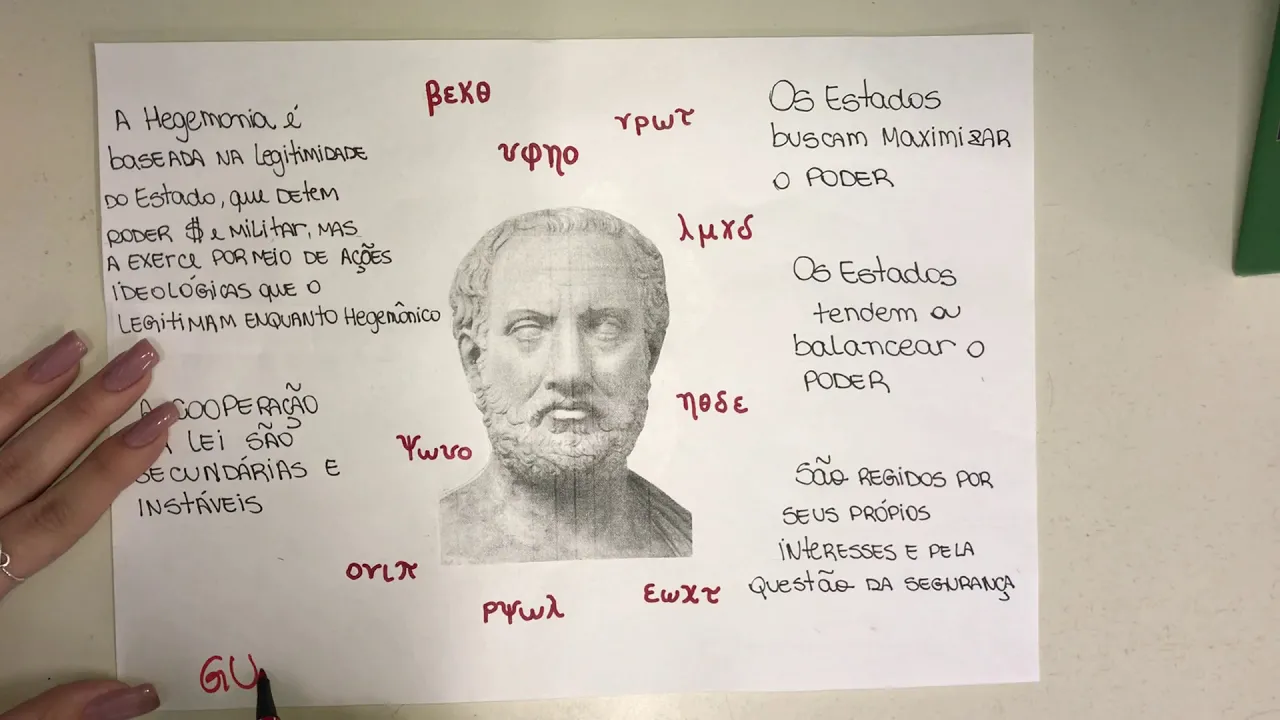
![[국제정치학] 현실주의](https://i.ytimg.com/vi/60NcOnJJjKo/maxresdefault.jpg)


![Global Trend | Chapter 3 Part 1 [ ኖቶችን "Temari Pro" አፕልኬሽን ላይ ታገኛላችሁ | ከ Playstore ]](https://i.ytimg.com/vi/Zk6EkSMW2yU/maxresdefault.jpg)



![[무료특강 엑기스] "민감성" & "취약성" 개념이해](https://i.ytimg.com/vi/WzaNTBjUcXo/maxresdefault.jpg)

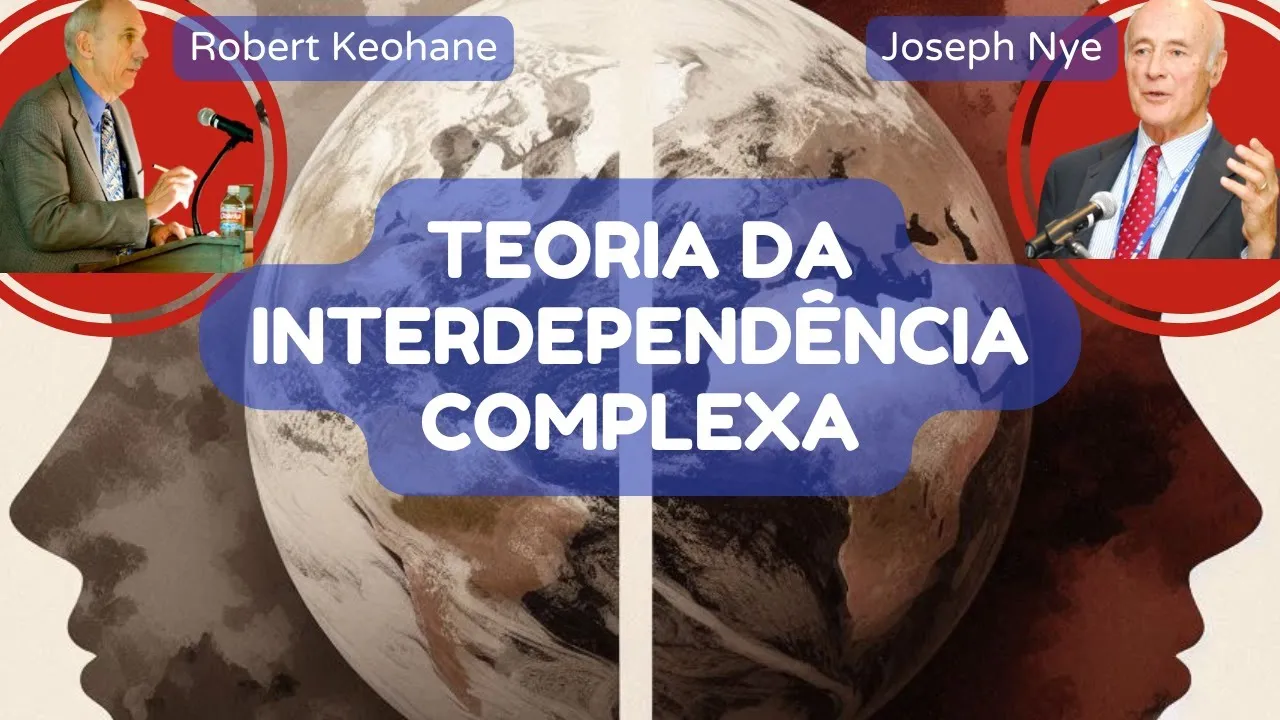

![[윤정진 국제정치학 무료특강 풀영상] 제3강 상호의존론, 민감성 및 취약성 그리고 안보협력](https://i.ytimg.com/vi/A5Q-DBQOzbs/maxresdefault.jpg)

![미국의 중국산 손절, 한국은 안전한가? f.국립외교원 외교안보연구소 이효영 부교수 [신과대화]](https://i.ytimg.com/vi/L9fchmuYpqg/maxresdefault.jpg)








![코로나 봉쇄와 러우 전쟁, 미중 갈등... 세계무역의 판이 뒤집힌다 [압권 15화 1부]](https://i.ytimg.com/vi_webp/Hvgav88KUek/maxresdefault.webp)
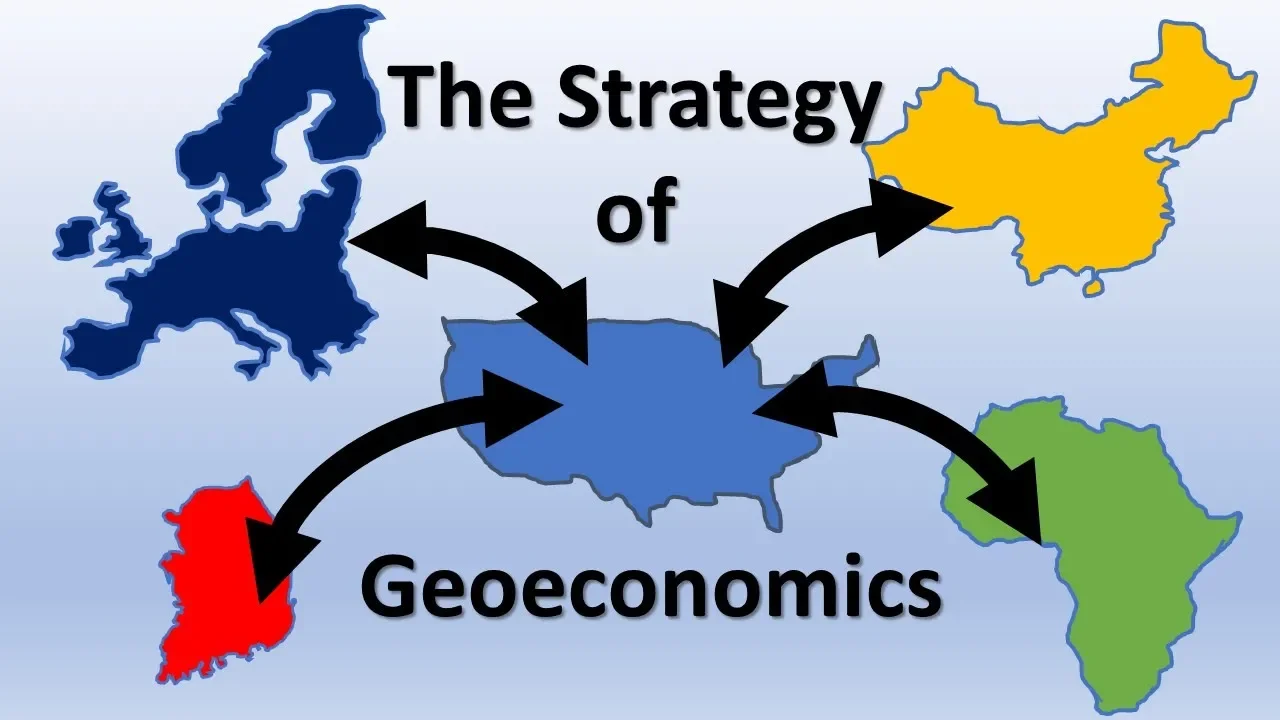



Geoeconomics is the latest development in realist International Political Economy, representing both a strategic practice and analytical framework where states use economic instruments (sanctions, inducements, trade policies) to achieve geostrategic aims, with the 'geo' component referring to how geography conditions economic power through the spatial distribution of resources and global economic flows; this approach focuses on asymmetric interdependence in the international economic system, where states derive power by making others dependent on themselves, and examines how domestic politics and state-business relations shape geoeconomic statecraft, as demonstrated through cases like Russia's energy politics in Europe, China's Belt and Road Initiative, and US financial sanctions.
Geoeconomics: Economic Power Politics in Realist IPE | Lecture
Added:[Music] G economics represents the latest development or turn in realist International political economy it's important to note how G economics refer both to a strategic practice as well as an analytical framework as a strategic practice GE economics refers to power politics by economic means so the way States Drive their geostrategic aims by economic instruments and by way of economic policym as a practice geoeconomic differs then from geopolitics which centers around the use of military means and military power as an analytical framework then GE economic is interest in the Strategic uses of economic power for instance in how States use economic sanctions to accomplish strategic goals or alternatively how they use economic in inducements economic carrots to accomplish strategic goals the Geo in geoeconomics refers to the way geography conditions economic power Politics on the one hand economic power and capabilities has geographical dimensions economic resources economic links and networks usually underpin economic power we may think of energy resources such as oil which are geographical in the sense of being located somewhere or spatially pattern in a way that enables their use for power political purposes more broadly the Geo in geoeconomics refer to the geography of global flows such as Goods capital resources and data around which much economic politics revolve the way countries are linked to these Global flows how dependent they are of particular flows or how much control they have of those flows will condition their geoeconomic strategies and ability to wield economic power for strategic purposes on the other hand the goo then also refers to the way economic means and control of these global economic flows can be used to control specific geographical areas through attempts to maintain spheres of influence we may think of the way Russia through its control of natural gas flows to Europe has been able to wield influence in Europe and how it has put Europe and especially perhaps Germany in a very difficult bind as it now struggles to wean itself off this dependence on Russian gas exports or we may think of the way China has come to control not only the extraction of rare earth minerals critical for the production of batteries used in electric vehicles and for the green energy transition in general how it not only controls extraction sites meaning mining sites around the world but also production sites and supply lines and how that gives China strategic leverage um over other countries that are dependent on these uh critical minerals um and how that dependence gives China the sort of possibility to um extract sessions perhaps from these countries that are dependent on these minerals that China controls it gives China political leverage potential political leverage that it can be used the EU which has set very ambitious goals for its green trans trans transition and its digital transition um is sort of a hostage perhaps at least from economic realist perspective to these to to the China control of these critical minerals in true economic realist fashion then the geonic perspective focuses on how economic interdependencies can be manipulated for strategic gain how States try to derive power from interdependence by making other states dependent on themselves and they use those dependents to their own Advantage GE economics sees the interdependent structure of the international economic system as largely asymmetric meaning that some states are more dependent than others um they even think that there's an inherent tendency of interdependence to become more asymmetric over time that networks in general have a tendency of becoming more hierarchical over time uh because of different reasons such as returns to scale and the ability of the strongest actors to shut out others or weaker actors or buy up other weak cures so G economics very much looks at this asymmetric inter interdependency of this National system thinks it's accelerating that there tendance to more to more asymmetry in the National system and that this is something that uh States uh revolve their their politics around they want to use this interdependencies and manipulate them so power then resides in this perspective in this asymmetric interdependent character of our International System and GE economics is interested in how that power is being used importantly however to understand how economic power is being wielded G economics also looks to domestic Politics the internal dimension of the nation state especially the way State business relations conditions geoeconomic statecraft because firms are the most important assumed to be the most important interlocutors for State action in the economic domain the state needs to mobilize corporations for its own geoeconomic strategies and depending depending on the nature of State business relations that may be easier in some cases than others and businesses also have agency of their own and are not always willing to play along with the state especially big firms in Market capitalist systems think of Amazon or big Banks uh who have a lot of capital and a lot of production sites they may be able to contest the state's plans they may be able to go against the state in many ways or they you they might use uh Democratic infrastructure uh to contest uh the state plans and its GE economic strategies uh this may be very different in state capitalist system or authoritarian system systems where the state might be able to wield much more control o over its big Corporation its firms so there's the big question in GE economics also um is sort of a comparative to compare different systems and how well uh one system might be able to mobilize um actors mobilized corporate actors for the GE economic statecraft that's one thing that are being researched as we as we speak corporate uh geoeconomics is then sort of a recent field of of of study which analysts and Scholars specifically look into to to the way this relationship between State and businesses is playing out and what if what effects as a field of study then GE economics is very practice oriented it looks at way at the way States and corporations go about using economic power for strategic ends how eon economic policym is being applied as a means of foreign policy examples include Russia's um energy politics Scholars of GE economics have for instance shown how Russia um has been using its energy resources its control over especially natural gas as a sort of what has been called a veg strategy in Europe so by giving very favorable lucrative contracts natural gas contracts to some actors in Europe and some countries in Europe Russia has been able to bind up those countries make them that those actors more dependent on Russia whereas on the other hand Russia has been closing off the gas pipe from other countries or giving very bad contracts to other actors in Europe and through that Russia has been able to drive a veg through Europe make these actors have very different interests Diversified the the differing interest in relation to Russia and so the common sort of Russia line has been uh under mind in Europe and Europe has had problems getting together its own European Union energy its own energy Union this is one example of how um geoeconomics as a strategic practice can be used um at least as looked from uh the point of view of of GE economic uh analysis China's infrastructure politics can also be understood from a geoeconomic perspective through loans investment uh these big infrastructure projects that that go under the sort of umbrella name of the belt and Road initiative China has been according to this geoeconomic analysts binding up other countries to itself making other countries dependent on China and through that China has been able to gain a lot of political influence in these countries um it's claimed that China has been able to get these countries also to According to some studies to vote uh with China and to downplay perhaps earlier criticism of the Chinese human rights record so this has been a sort of a geoeconomic binding strategy that according to some geoeconomic analysis China has been undertaking for the last 10 or 20 years in uh in order to um lift itself up to Global power Hood but not by traditional geopolitical or military means but but very smart um geoeconomic means by using its economic power as a basis for creating this sort of hob and spoke system with China in the middle a third example um that g economic analysis has been looking at at is uh the way Arab states such as Qatar uh is granting Aid and Loans to to other countries and how this can be understood as a form of checkbook diplomacy or what has been called checkbook diplomacy so by granting this Aid and Loans to other countries Qatar sort of buys influence in into these countries makes itself heard on the international stage and gains a position um that's a very sort of traditional way of using economic power um as a basis for a a a buying foreign policy influence we can then also think of um how the EU uh even EU largement can be understood as a geoeconomic uh inducement strategy or a sort of a similar way as China has been binding other countries up itself EU has been offering to open up its markets its economic markets to countries bordering the EU and those countries then have have been attracted by EU markets and through that has also then committed themselves to certain political goals and political uh rules and Norms that the EU um is is demanding of of countries um tying up to to to the EU uh in exchange for becoming members so that's sort of a also a of a sort of a geoeconomic binding strategy that that GE economic analysis has recently been focusing on last we can think of the way us uses sanctions that's another way of geoeconomics in practice and and the way us uses its Financial sanctions in particular to demand um to drive its strategic goals in many parts of the world and demand accessions from other countries that's also a traditional way of course of economic statecraft but that has been much more topical as sanctions has have become a more uh prominent instrument and come almost into the center of US foreign and security policym so these are some of the examples of recent GE economic analysis um and GE economic research which is very much a buring field of study within realist International political [Music] economy
Up Next

American Hegemony's Rupture: Weaponized Interdependence & Global Power
@EzraKleinShow
589.7K views•2026-01-27

BRICS Pay and de-dollarization: A New Financial Order Emerges? | 55 chars
@DannyHaiphongYT
164.6K views•2024-10-22

Government Surveillance Methods: 10 Ways You May Be Watched
@BeAmazed
1.6M views•2017-04-09
Explaining the Saudi-Iranian Proxy Conflict in the Middle East
@Vox
18.2M views•2017-07-17
Related Study Plans & Knowledge Roadmaps
Structured learning paths in Political Science