















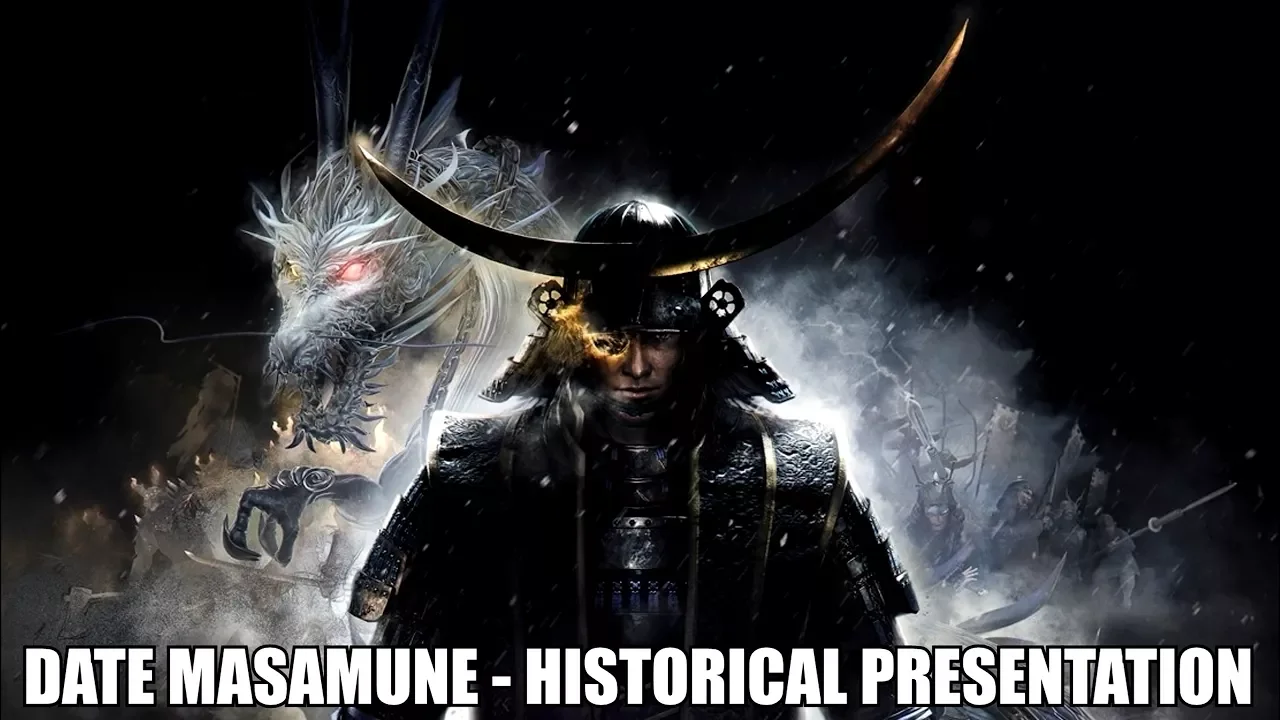


Japan's long period of isolation (sakoku) from the 17th to 19th century, driven by historical trauma from foreign invasions and internal political stability, prevented the nation from developing modern military and industrial capabilities. Despite controlled exposure to Western knowledge through Dutch traders (rangaku), Japan remained technologically unprepared when Commodore Perry arrived in 1853 with his gunboat diplomacy, forcing Japan to open its ports and ultimately triggering the Meiji Restoration that transformed Japan into a modern industrial power within a single generation.
Japan and the West: First Contact to Isolation (1298-1854) | History
Added:The political structure of Feudal Japan, specifically the division of power between the symbolic Emperor and the actual military ruler, the Shogun.
The global context of the European Age of Discovery (15th-17th centuries), driven by trade expansion, mercantilism, and religious missionary goals.
The Sengoku Period (Warring States Period), an era of intense civil war and decentralized regional power held by Daimyo (warlords) prior to unification.
The basic tenets of Roman Catholicism and the role of the Jesuit Order in spreading Christianity during early global encounters.
The Meiji Restoration (1868) and Japan's rapid modernization, industrialization, and transition from a feudal state to a global empire.
The Treaty of Kanagawa and the concept of 'Gunboat Diplomacy' used by Western powers to force open trade in East Asia.
The rise of Japanese Imperialism in the late 19th and early 20th centuries, culminating in conflicts like the Sino-Japanese and Russo-Japanese Wars.
The long-term cultural and societal legacy of the Sakoku (closed country) period on modern Japanese national identity and foreign relations.
1.3M views22Klikes1:04:47Original Release: 2020-11-29
[Music] stood waiting at the mouth of edo bay sweat dripped down his brow as he peered into the distance at the anchored ships belching dark smoke into the air like so many floating volcanoes this was not how it was supposed to happen barbarian ships were supposed to go to nagasaki like always they had to six days earlier as the alien black hulls had steamed into view his masters had scrambled to do anything they could to avoid this moment he had been the second imposter sent out to convince them to leave ordered by his overlords to pretend that he himself was the governor of uraga to placate the stubborn visitors who were insisting upon speaking to the person in charge but the canny sailors had again seen through the ruse and sent him back with nothing but threats of force and a gift white flags the ships had stayed so now here he was and here everyone was [Music] thousands of samurai lined kurihama beach and behind them holidaying spectators munching on snacks and gossiping waiting for whatever was about to happen for kayama the personal and public failure of it was almost intolerable and the tension close to overwhelming and in that he was not alone it was july 14th 1853 and the anxious and curious multitudes had assembled for one of the most unique events in japanese history the four gigantic dark american vessels anchored just a stone's throw away had cleared their decks and run out their guns their test firings had boomed provocatively around the bay the message for kaiyama had been clear if the americans were attacked japan's capital city edo would be destroyed entirely and the japanese were to use the white flags to surrender once the power of the foreign guns was finally understood commodore matthew calbreith perry of the u.s navy grizzled veteran of the 1812 and mexican-american war had refused to meet any but the highest ranked official remaining aloof in his cabin until now shots of salute rang out around the bay as 15 boats carrying 400 heavily armed men put out from the enemy ships and rode swiftly ashore under their strange blue and red striped and starred banner the first men to alight wore musical instruments not weapons while behind them strode the man who was clearly the tono their lord matthew perry he was flanked by two enormous black-skinned men bearing a mysterious ornate box this was the nearest to japan's capital that a foreign delegation had been permitted to land in over 200 years and the most hostile foreign troops to set food on japanese soil since the last mongols were thrown back into the sea six hundred years before the alien music catawold the barbarian officers barked strange orders like dogs and the box and the letter it contained from the king of the enemy a man they called their president was handed over to toda ujiyoshi finally the true governor of uraga representing his highness the shogun the americans announced they would be back next april or may and wade anchor it was all over in half an hour but they were 30 minutes that changed the world [Music] thirty years before the japanese scholar izawa seishisai had written today the alien barbarians of the west the lowly organs of the legs and feet of the world are dashing about across the seas trampling other countries underfoot and daring with their squinting eyes and limping feet to override the noble nations what manner of arrogance is this now the arrogant alien barbarians of the west had accosted izawa's own country would japan be the last in a long line of noble nations to be trampled underfoot and overwhelmed the u.s navy leviathans returned earlier than promised in february 1854 and this time they negotiated for 23 days before coming to terms but the consequences were not just those scrawled on the fine japanese paper japan as a nation had suffered a psychological humiliation and the treaty proved to be the first of many increasingly insulting deals she would be strong armed into signing over the next decade finally prized open by the hungry grip of colonial powers the u.s navy's brazen infraction started a ripple that would eventually turn into a powerful wave and then an unstoppable tsunami to shape the coming 20th century indeed within 50 years of perry's gunboat diplomacy the once peripheral semi-feudal japan had become one of the most powerful nations on earth but why was japan so isolated what had led to its generations of long distrust of foreigners its need to keep the world at arm's length while the rest of the world had been clamoring outwards and slowly connecting across the years what had kept japan's gaze firmly inwards this is that story a story that reaches centuries back and continues to mold the world today this is the story of japan and the west the perry incident can trace its roots back more than three centuries to a time when japan was only vaguely aware of the world outside gosankoku the three civilized realms of japan the chinese ming empire and tenjiku the lands of buddha's birth the northern india of today that mongols arabs and other barbarians existed was known but they were generally of little concern aside of course from when they charged in to kill pillage and burn as they had when genghis khan and his successors had destroyed china and korea and only the shinpo divine winds had saved japan from being overwhelmed by the mongol war machine whether 16th century europeans were among the known barbarians is unclear but christendom as it was generally known at the time by its own inhabitants was a realm obsessed with accessing the legendary riches of china and japan or as they knew it cathay marco polo had described the land of chippangu with semi breathless amazement as a place where the dead were buried with giant red pearls in their mouths and the rulers palace was roofed and floored in gold two fingers thick generations of western european adventurers had dribbled with greed but there was a vast and seemingly insurmountable problem they had no real idea how they could get there the known overland and red sea routes through which oriental products such as silk normally reached europe were controlled by enemy muslim empires and as far as they could ascertain no other sea route existed columbus and others knowing by now that the earth was round hypothesized that chipangu must lie on the other side of the great ocean and it would provide an ideal base from which to commence trade with the great khan in china but when columbus managed to cross that very ocean his men found not chipangu but a whole new world that they had not even known existed the portuguese meanwhile were trying another way inching slowly slowly ever further around the tip of africa in their search of oriental wealth and prester john a mythical christian king who they believed ruled an eastern kingdom with whom to ally in their struggle against islam after 50 years of attempts they achieved their goal and vasco de gamas small fleet entered the indian ocean in 1498.
in africa and asia realms used to a grand affair than the portuguese possessed ruler after ruler failed to be impressed with the poor quality and meager quantity of the european gifts so the portuguese did what they did best and resorted to piracy portuguese fleets moved ruthlessly ever eastwards year by year seizing bases and strongholds in africa and asia to provide their fleets with infrastructure and supplies rumors of their behavior spread like wildfire the guangdong tong-ji recorded that the falangi kidnapped numerous small children under 10 years old roasting and eating them the people of guangdong were terrified it took the portuguese several decades to regain a modicum of trust and only when they turned mercenary to destroy pirates on china's behalf were the tables turned at some point the portuguese encountered their first japanese people probably equally cutthroat pirates raiding the coast of china or perhaps traders in a south east asian port and so finally after centuries of european speculation and salivation marco polo's famed land of pearls and gold was nearly within their grasp some years ago in the ten bun era a big ship arrived at dawn at nishinomura bay no one knew from what country it came there were some 100 people on board among whom there were those whose physical features differed from ours and whose language was not understood so relates the tepo ki or the record of the musket a 1606 history from the remote tanegashima island just off the southern coast of kyushu recording the supposed first contact between the far west and japan and that was what first connected these two vastly different cultures guns but not in the way in which connections were being made 2 000 miles across the ocean by spanish conquistadors and the indigenous people of the americas on board this chinese junk were two possibly three strangely dressed long-nosed men whom the chinese crew helpfully described as south western barbarians showing their feelings without any self-control and not knowing the written script or the use of it such traders are in the habit of roving from place to place bartering things which they have for things which they do not have they are not very strange and are with all quite harmless they were in fact antonio de mota francisco zemoto and some say their colleague antonio peshotto the first recorded europeans on japanese soil the traders would not have found the riches they were expecting on the long sandy beaches and gentle green hills of the low-lying island they did however find a people who were exceedingly interested in the strange weapons they carried the local japanese lord tokitaka was most impressed with this wondrous tepo firearm and snapped one up immediately a swordsmith called kiosada was ordered to reproduce this machine so he stripped the gun and reverse engineered it everything worked perfectly apart from the screw to seal the barrel legend has it that he offered one of the portuguese merchants his daughter wakasa in exchange for the secret of how to complete the firearm the man unfortunately did not know but returned the next year with a specialist who did japan's first ordnance industry was born and in a remarkable twist of ballistic history tenegoshima is now the site of japan's main rocket station [Music] kyosada was a heartless father but a far-sighted military visionary by the end of the century it is said that japanese armies wielded more guns than existed in the whole of the rest of the world combined it was a case of right place right time for this european weaponry for the portuguese had unwittingly sailed right into the middle of a civil war of mammoth proportions it is known now as the age of the country at war north south east and west grappled for survival and domination pirates such as the murakami clan viewed for control of the seas fanatic warrior monks carved out vast monasterial domains samurai warlords led armies that made their european equivalents look like modest militias while ninja jealously guarded their independent mountain domains and hired their covert services to whoever would pay guns of course fit extremely comfortably into this era of extreme civil strife some clans developed their own large-scale gun industries almost overnight others accepted christ into their hearts as the necessary price of obtaining portuguese weaponry for of course jesuit missionaries followed speedily in the gun runner's [Music] wake while at malacca i learned great news from some portuguese merchants very trustworthy people they spoke to me of certain great islands discovered some time ago they are called the islands of japan our holy faith they say could there be more profitably propagated than in any other part of the indies because the japanese are very desirous of being instructed so wrote francis xavier co-founder of the society of jesus the jesuits a young militant catholic missionary force full of christ's love and keen to share it founded in 1534 the new order received papal recognition in 1540 they immediately sent their first missionaries to asia under the protection of the king of portugal the jesuit missionaries recorded reams of information about the lands where they found themselves and japan was no exception alessandro valeno a dedicated scholar and compulsive chronicler dispatched in 1574 wrote that the people are white and cultured even the common folk and peasants are well brought up and so remarkably polite that they give the impression that they were trained at court in this respect they are superior not only to other eastern peoples but also to europeans as well it was not all positive though valignano could not bear their great dissipation in the sin that does not bear mentioning this they regard so lightly that both the boys and the men who consort with them brag and talk about it openly without trying to cover the matter up the fanatical missionary zeal of the jesuits meant that they would stop at nothing to forward their aim of saving souls for the catholic christ including supplying weapons and facilitating the traffic of japanese children by portuguese merchants better off a slave in a christian household abroad than a free pagan at home slave trading of course did not endear the portuguese or the jesuits to many of their japanese neighbors nor did the fact that they organized pagan monument destruction day trips where after the obligatory picnic even small children were encouraged to smash japanese religious statues destroy shrines and burn temples many started to question missionary activities often by force of arms in 1587 the supreme warlord imperial regent toyotomi hideyoshi declared japan is the country of gods but has been receiving false teachings from christian countries this cannot be tolerated any further these padres cannot be permitted to remain in japan they must prepare to leave the country within 20 days he never enforced his edict it was more of a shot across the bow behave or else the flames of an already violent age were being fanned to extremes but the jesuits held on despite increasing persecution they possessed a great hefty hook which the japanese could not quite wean themselves off an irresistible asset [Music] in response to rampant and rapine japanese piracy the occasional battle on chinese soil amongst competing japanese clans and the lack of a central japanese authority with which to deal with in any civilized fashion ming china japan's traditional trading partner had cut all ties and forbidden all trade in the middle of the 16th century the chinese silk medicines scrolls of learning team munitions porcelain and artwork craved by the japanese market was no longer delivered by legal means the portuguese and their jesuit allies could provide these goods via their new southern china base of macau and in large quantities too they slipped swiftly and neatly into the role of middlemen between the two feuding oriental cousins funding their japanese mission and eventually much of the nascent portuguese empire with the proceeds meanwhile news of the jesuits exploits was beginning to leak out around a warring europe wars caused by cracks in the image of the one true god the jesuits had been peddling in the east [Music] you shall understand that the hollanders have here an indies of money for out of holland there is no need of silver to come into the east indies for in japan there is much silver and gold so wrote william adams a navigator from southern england he stared blankly out of the window of his edo townhouse at the strange land fate had made his home his ship the dutch vessel de leifde had wrecked in kyushu in 1600 one of the first protestant vessels to arrive in this new world he had come from a world torn into by sectarian struggle european wars of reformation that had been bubbling for almost a century neither side catholic nor protestant could strike a decisive blow the upstart heretic protestants needed to be wiped out and their memory expunged from history and rivers of gold and silver were needed to maintain the armies and armadas which would do just that the protestants themselves did not feel much like reverting to the old faith and would fight to the last to maintain their beliefs but they were pressed ever harder militarily and economic blockades bit tight they saw the source of the wealth that drove the catholic war machine and determined that they too would tap these riches the prime protestant movers were the dutch and the english at first ambitious and ruthless men of elizabeth the first court like drake hawkins cavendish and raleigh today among england's most revered national heroes turned pirate and raided catholic settlements and ships in the atlantic pillaging and burning from florida to brazil francis drake achieved the second planetary circumnavigation when the threat of spanish attack persuaded him to cross the pacific rather than running the atlantic gauntlet once more in doing so he named what is now california nova albion before swiftly sailing away no doubt much to the confusion of the local peoples and thomas cavendish in the course of the very first planned circumnavigation very nearly reached china and japan in 1587.
but it was adams at the dawning of the 17th century who was to finally infiltrate the distant land his first few days had been consumed by escaping execution the vile treacherous jesuits tried to whisper lies of piracy into the ears of the emperor but japan's ruler tokugawa ieyasu had proved uninterested in barbarian squabbles and far more interested in milking this new kind of barbarian for as much intelligence as possible he had been fascinated to hear how much information about europe the jesuits had kept from him in particular that catholicism was not in fact the universal religion as they had always claimed adams had been naturalized granted two swords the mark of a samurai a large thief a wife and the extremely rare right of personal audience with his new lord he rose swiftly in the shogun's ranks court interpreter trusted advisor shipbuilder and gunnery officer he had a remarkable talent in the art of gunnery and instructed a great number of soldiers in this art which caused him to be highly esteemed he is perhaps the most famous foreign-born samurai in history [Music] the catholics had been right to fear this moment and what little trust japan's rulers had had in them finally trickled away as no doubt adams and other protestant visitors wasted no time in highlighting the jesuits bending of the rules soon the new english and dutch east india companies had set up trading posts and by late 1613 hiyasu had decided to act against the jesuits he ordered one of his chief advisers the zen prelate ish in sudan to draft up a manifesto with exactly what spiritual life in japan comprised and what it did not japan was shinkoku the realm of its own divinities and spirits the kami purveyors of jaku pernicious creeds must leave the realm this not only comprised catholics but also other antisocial groups including radical buddhists the first steps were deportation of fanatical foreign clerics with their most important disciples in 1614 and tolerance of common and non-extremist believers who were encouraged to revise their mistaken doctrines and indeed as most of the catholics numbering around three hundred thousand only slightly short of the modern figure with a population now ten times the size had been ordered to convert by their liege lords often being baptized in groups of thousands this caused few problems and yet it turned out that the portuguese were not quite as devout as the japanese had believed japanese silver meant as much perhaps more to them and trade continued much as before however illicit missionaries continued to arrive and a hardcore of stubborn japanese catholics seemed reluctant to abandon their nefarious doctrines the government saw that after centuries of bloodshed had warped japan's very fabric the unity and peace of the realm had to be maintained torture it would have to be an official report from kyoto read it is said that the people who did not want to apostatize were put naked into rice bags which were piled along the river between shijo and gojo at first they were reciting prayers when nobody seemed to care about them and they realized they were going to die of hunger and would earn no merit of fame they all wanted to apostatize they asked for help from the guards who laughed a lot at this and freed them from their bags eventually all catholics japanese asian african and european were expelled or annihilated japanese christian refugee communities popped up all over asia and small groups and individuals traveled the world one of these intrepid people was petro kibe kibay stumbled down the side of the ship to a waiting skiff it was all that he could do to hold on the voyage via malacca and southern india had been the worst experience of his life expelled from his home in 1614 for his heretical catholic beliefs he had watched the sea forelonely throughout his voyage many of the crew had died and in goa the hospital's meager beds would swiftly fill with sick survivors of one thing kibei was sure he was not getting on a floating coffin like that again on discharge from the hospital he walked out and kept walking nearly three years later he reached jerusalem [Music] his route and his adventures are lost to history but it is thought he walked via baghdad the first japanese person to visit palestine must have been shattered and he reluctantly took ship for rome where he was ordained in 1620 finally fulfilling the reason for his earth spanning odyssey now father kibe he took a more conventional passage home eventually reaching japan in 1630 able to blend in better than other missionaries he managed to evade capture for nine years while wandering the land tending to forlorn catholic communities during the inevitable anna surushi torture he so incensed the guards by encouraging his fellow sufferers not to recant that they pulled him out of the death pit and ran him through he was made a saint in 2008 kibei was far from the earliest visitor to the far west indeed the first japanese embassy to europe had been decades before led by the later jesuit mensio ito in 1582 he had been organized by otomo sorin daimyo an early adopter of catholicism after meeting founding jesuit francis xavier way back in 1551.
the mission met two popes and numerous heads of state leaving a remarkable document curated by valinano himself to extol the virtues of the distant continent to the people back home you will come to appreciate how wealthy and powerful the kingdoms of europe are but it is certain that the smallest european kingdoms contain at least 80 or 100 leagues which equals 150 of ours and with regard to the population and wealth of european cities and towns they were so great as to leave us astonished in 1613 a second european embassy followed led by hasakura suninaga making a stop in south america becoming the first japanese embassy to set foot in the new world and spawning the remarkable story of a sword fight between samurai and spaniards on arrival to acapulco and indeed following this japanese men that settled in mexico city seem to have exploited their skill with sharp blades to corner the city's barbering industry prominent japanese exiles in thailand formed the king's bodyguard and in cambodia and vietnam japanese catholic merchant families came to control much of these states international trade often acting as middlemen for the europeans few inhabited corners of the world did not see a japanese person during the early 17th century back in the land of silver and gold english merchants could not turn a profit and left japan voluntarily in 1623 three years after the death of their influential manic court william adams who by this time was known on the sea lanes of east asia by his japanese title miura anjin by 1641 of all the europeans only the dutch had stuck it out as long as they confined themselves to the island of dejuma in nagasaki paid appropriate respect to japan's rulers removed all religious paraphernalia submitted regular reports on world events renounced arms and supply to the desired commodities the dutch were tolerated and so finally after many false starts the era of sakoku closed country had truly begun [Music] the policy of sakoku was not seen at the time as anything particularly strange indeed in the 1640s many countries restricted their international relations to some extent and japanese trade in fact increased for at least the first century even well into the 18th century the german dr engelbert kempfer who lived in japan for two years while in dutch service praised the japanese government for ensuring eternal peace in the realm it was only in later eras when an increasingly aggressive europe came to believe in its divine right to travel and trade anywhere it chose that sakoku restrictions attracted serious criticism on the international stage and of course as before during the long years of restrictions desirable elements were mostly welcome so long as they obeyed the rules [Music] every year hundreds of chinese ships visited nagasaki the port designated for legal dutch and chinese trade that the chinese government still forbade trade with japan and called all such merchants pirates was irrelevant they declared false destinations before leaving their home ports and then reappeared with contraband laden junks later in the year korea was another avenue for chinese goods japanese merchants from the western island of tsushima operated from a restricted enclosure in the city of busan in addition a route was carved to the south where scores of sun-bathed wind-ravaged islands stretched lazily like a rope down the earth's curve towards taiwan and china the ryukyu kingdom now known as okinawa which since a swift and brutal 1609 invasion had been under japanese control very much as in the caribbean sugar and other plantation industries were established to serve an ever-increasing metropolitan demand for exotic luxuries the locals were disarmed thereby giving impetus to develop the ancient native arts of fighting empty-handed or karate a method of defense which after going through a number of mutations was reborn as the modern sport now practiced by up to 100 million people around the globe the key was the fact that despite the ongoing official ban on trade with japan china enjoyed an extensive official trade with ryukyu which included products such as ivory from as far away as africa so whenever a chinese mission made port the japanese hid finally an ever-growing trade developed with the indigenous inhabitants of the misty ice-bound islands to the north a people who we know today as the ainu of hokkaido but then were known as ezzo the wild ezzo world stretched far north well into what is now russia but in the 17th century no one much knew or cared about settling in those inhospitable untamed lands best to leave them to the fur clad elaborately tattooed natives who were ripe for an exploitative trade in rich local natural resources in exchange for rice alcohol and weapons one trade product that endures on japanese tables to this very day salted salmon stands out a stable breakfast food and common filling for rice balls it is one of the few japanese words to be derived from the ainu language shaki no japan was not truly closed the japanese simply enforced their border controls and enacted extremely strict immigration policies something that all modern states take for granted existed in japan hundreds of years before western countries were strong enough to enforce such policies in their own realms but the japanese government did effectively close the world to her own citizens in the years following 1633 the regulations on foreign travel got tighter and tighter until no japanese person was permitted to travel outside of japan on pain of exile or death any that found themselves elsewhere even by mistake or bad luck such as a shipwreck had to stay there no return was allowed [Music] the year was 1614 john sayers stood with his head hung low in shame as the fire crackled and popped captain of the first english east india company ship to reach japan he had been proud of his voyage and of the titillating merchandise he had acquired for the journey home after cheerfully displaying it on his ship cabin's walls his plan was to store his secret treasure temporarily with the other goods in the house of sir thomas smith the first governor of the honourable company and a good honest christian but unsurprisingly perhaps on discovery mr smith had not taken it well and had with a sense of drama put them into the fire where they continued till they were burnt and turned to smoke saiya's novel collection was no more the first recorded export of erotic shunger pictures from japan meeting a quick end english society of this age had no means of incorporating extremes of exotica and alien world views into its midst difference licentiousness and otherness was consumed swiftly in the purifying flames popular as shanga were japan had much more to offer the far west and following england's withdrawal the dutch east india company enjoyed a lucrative monopoly on direct japanese trade with europe for two centuries they exported not only shunga pitchers a commodity commonly sold by door-to-door peddlers in early modern japan but also silver porcelain furniture such as desks and cabinets tea exquisite works of art expensive novelty gimmicks and numerous other products japanese porcelain in particular reached a huge volume in the 17th century and copied and nativised styles like the willow pattern grace european and american tables to this day without the diners having any idea of the rich history to be found beneath their food it is even thought that drawers were introduced to europe through japanese import furniture commissions could also be sent around the world two examples from the 18th century were fine lacquerware portraits of frederick the great of prussia thought to have been ordered specially by an admirer and europe had much to offer japan as well since the time of the jesuits european and asian novelties such as telescopes clocks oil paintings microscopes eyeglasses maps wines globes even exotic animals had found a ready market in noble japanese circles lords and ladies simply indicated their desired products a list was delivered to the other side of the globe and a few years later the products would be found displayed upon tatami mats ready to be enjoyed the dutch were in effect pioneering the first global mail order business however in the 17th century european books were still strictly forbidden the dangers of the foreign dogma still lingered in the japanese memory any intellectual infection however unlikely or mild seeming would not be allowed to wreak the havoc it had in the past but by 1709 memories of that painful episode were fading into the fog of history [Music] arai hakuseki ernest scholar and senior government advisor secretly observed his strange visitor through a latticed screen the european priest was kneeling his wrists tied behind his back his head bowed deeply to the tatami mats it was the sixth year of hawaii in the japanese calendar 1709 as the catholics calculated it this interrogation was a welcome diversion from the incessant intrigue court where shogun tsunayoshi derisively called the dog shogun for his wielding of the death penalty for those who harmed canines was attempting against the wishes of his wife to adopt his boy lover a successor arai was personal tutor to the shogun's official adopted heir his nephew irenobu any new candidate would be a disaster arai put aside his concerns and tried to concentrate on the matter at hand the priest's name was giovanni batista sidoti and he was the first missionary in living memory to foolishly attempt to enter japan illegally by his own admission he desired martyrdom and had come to japan to achieve his dream this extreme novelty had aroused ari's interest and he decided to talk with the man the conversations that these two men had over the next months and years would be the first japanese attempt for a century to understand the european world and its strange beliefs sudoti explained global geography the religions of the world and other matters of interest and arai recorded these ethnographic findings in several volumes as a rule in each section of the world there is a doctrine that is held with esteem there are only three different types one of these is called christian this is the law of jesus the second type is called heathen or gentile when i asked him about this heathen l'oreal sect he told me that they erect numerous buddhas and serve them but if this was in fact teaching he failed to explain in what it consisted sodoty was recorded unheard of privileges for a criminal and housed comfortably at a special residence built in 1646 to imprison stray missionaries he was given relative freedom within the grounds as long as he agreed to strictly obey the rules on spreading his religion but of course the priest was unable to resist and when discovered not even arai could save him sadoti was left in a hole to die his wish for martyrdom fulfilled his bones were found exactly 300 years later in 2014 during an archaeological excavation but the legacy of arai and siddhoti's meetings and debates was to live on and sparked a revolution in japanese learning about europe when arai's protege became the next shogun after sunayoshi's enraged wife had murdered him this knowledge fed directly international policy the japanese called this knowledge rangaku or dutch learning and little by little over the 18th and 19th century it gained a serious following alongside the traditional chinese classics european medical treaties encyclopedias and books on social systems history the sciences military strategy geography politics economics and industrial processes were all devoured by a strictly controlled but eager scholarly class this movement along with a great expansion of education in general led by the early 19th century to advance techniques in many fields indeed telegraphic machines large guns and primitive cameras had been constructed in japan well before perry arrived in 1853 notable medical achievements included the first ever operation under anesthetic for breast cancer by the surgeon hanauka in 1804 and the introduction of vaccination by various doctors in the first half of the 19th century but prime among them was in the field of electricity simple instruments were developed in japan from european writings or imported models they sold widely as curiosities and were also used in scientific exploration including the lifelike animation of dolls with static electricity and on one notable occasion the successful experimental electrocution of 100 schoolboys the scientist responsible for that fiendish trick hashimoto tsukici published japan's first treaties on the principles of electricity in 1811. it described not only his own discoveries but also those of western scientists such as benjamin franklin and franklin was not the only american statesman to rise to fame in japan despite it being only in 1809 that the japanese found out the united states had become a country at all after noticing american ships arriving in their ports the dutch helped them out of their confusion by reporting to the shogunate during the war for independence a very capable general washington by name fought bravely against english forces and led the americans to the final victory several years before his death the americans established a new city and named it washington in honor of his great service to the nation rumors of washington's exploits would only rise in fame over the rest of the century and that was where much of japan's understanding from these distant lands came from second-hand sources through the dutch dutch learning though it wasn't long before japan was once again dealing with the west face to face dressed as a european nobleman stood bowing deeply amongst the grandeur of sarskey cello catherine the greats and petersburg summer residents it was 1791 he'd been granted an audience with the empress herself to beg for permission to leave her empire and return to japan it was the first of several audiences at which catherine was to quiz him carefully and listen to competing plans of how he could be used to open trade to aid in the development of the russian far east russia is the only european country that shares a border with japan and during the 18th century moscow's empire which eventually extended as far as california was struggling to develop its far eastern provinces the great reception chamber was like nothing the humble mariner had ever seen before perhaps a slice of heaven on earth he felt dwarfed and overwhelmed the towering pure white walls dripping with gold were covered with embedded chinese vases paintings and mirrors which caught and magnified the rays of the pale summer sun pouring in through the vast windows it was a far cry from the humble wooden residences dakota had experienced elsewhere in russia but he pulled himself together and told his story in the swift and fluent russian that he had learned over the long cold and tiring years of his exile his ship had been caught in a storm in 1782 and after seven months of drifting reached amchitka now one of the westernmost islands in alaska known for being a site for post-world war ii nuclear weapons testing but then a part of the russian empire as no direct return to japan was possible that kokuya found his way through the stormy icy wastes of kamchatka into siberia and onto erkutsk well over 5 000 kilometers from the desolate island where he had cast away there he met eric laxman a russian clergyman and scientist who immediately recognized the potential for opening trade with japan and accompanied him to saint petersburg another six thousand kilometers westwards taikokuya escorted by laxman at all the imperial audiences managed to persuade catherine to fund a voyage to repatriate dakokuya and his men and attempt to extract trade privileges from the japanese government [Music] the mission was commanded by laxman's son adam an officer in the imperial russian army adam laxman reached hokkaido in 1792 and astonishingly was allowed not only to land but also received with amicable respect and recorded gifts by the shogun's direct representatives he was however politely informed that foreign ships were only permitted in nagasaki and was therefore instructed to inform his government that should they desire to dispatch more ships than they should be sent there laxman appeared to have won a concession russian ships would be allowed to trade in nagasaki the first europeans other than the dutch in a century and a half however when other russians tried to make good on these concessions in 1804 they were turned away and their gifts of tribute returned the spurned russians departed and expressed their frustration by burning some minor japanese settlements in the far north in the hope that this would persuade the japanese to return to the negotiating table it did not and the west was kept at bay but of course this wasn't the end of the second wave of western attempts to prise open japanese trade it was just the beginning the english frigate hms phaeton glides smoothly past the numerous small islands at the narrow mouth of nagasaki bay captain fleetwood palu a young officer known for his rash daring actions and harsh discipline progressed slowly along the lengthy expanse the settlement of nagasaki itself lying directly at the end of the channel and located dead in the middle of the bustling seafront was the dutch training post [Music] atop pelu's main mast flapped an odd flag that of the dutch republic a state destroyed 13 years before in a popular uprising supported by the revolutionary french republic secondly above the trading post itself that same obsolete pendant stood it was in fact the only place on earth where it still flew so as not to alarm their japanese hosts the dutch merchants had attempted to conceal the demise of their nation to protect their lucrative and unique trade and even after the dutch east india company had been dissolved in 1799 they simply continued as before pretending all was well pelu an ambitious man seeking his next promotion was on the prowl for dutchman in the japanese waters any prize he took would struck a small blow against the newly birthed kingdom of holland whose king napoleon's brother louis was allied closely with britain's enemy france this was tantamount to an act of war against japan a country with zero involvement in the conflict the japanese officials and dutch factors were surprised but pleased to see what they thought was a friendly ship and eagerly sculled out to meet the phaeton as she cast anchor what happened next probably seemed like nothing special to pelu's crew but it changed the course of japanese history and put it on the road to perry's incursion [Music] the unsuspecting dutchman led by jared schimmel was seized and held as prisoners of war while the japanese officials and interpreters dived frantically into the chili harbour waters to escape pelyu ran up the british naval ensign his true colours and demanded supplies of food water and wood allegedly threatening to destroy japanese and chinese shipping the japanese were totally unprepared and ill-equipped to deal with the british raiders and in the event dozens of ships and thousands of samurai from nearby dominions had to be mobilized but before they could fully deploy palyu having determined that there was nothing of interest had released his captives taken the supplies and sailed gracefully arrogantly and obliviously off into the distance without firing a shot it seemed like a quiet end to an awkward standoff but it was not the end for the japanese they were accustomed to respectful behavior from peoples they regarded as lower on civilization's ladder this was the first sign that the barbarians might no longer know their place it was a shock a blow to national pride and worse there was nothing japan could do about it she had no means of applying military force beyond her borders or even protesting to a foreign government the all-encompassing global european war fought from the americas to java had finally reached these tranquil lands where there had been little or no conflict for nearly two centuries one of the longest sustained periods of peace in human history indeed though no shot echoed around the steep mountains of nagasaki bay that day the incident was to have far reaching consequences in response to the phaeton and several other episodes in the coming decades new don't think twice regulations requiring all unknown foreign ships in japanese waters to be immediately repelled by gunfire were introduced nagasaki and other strategic places on the coast now brimmed with artillery the barbarians would not be permitted to humiliate japan and her ruling clan the tokugawa ever again and standing on nagasaki docks and gazing intensely as pelu humiliated his country with such ease was a ten-year-old called takashima shuhan it was to be the defining moment of his life [Music] during his teenage years he saw that peace had eroded the warrior instincts the japanese so prided themselves on that would all have to change and he was the man to lead it in adulthood he ordered a whole plethora of books on military science and working examples of modern weapons cannon mortars and the latest handguns and rifles through dutch merchants he settled down to study how the barbarians made war why they were so good at it and strategize how to deal with the soon-to-come attacks on japanese sovereignty that he foresaw the military school he established attracted students from far and wide and in the early 1840s following china's devastating and epoch-defining defeat in the first opium war he was summoned to the capital edo by igawa hidetatsu a high-ranking government official charged with strengthening maritime defenses against the now widely expected european assault most in positions of authority now saw it was only a matter of when not if lord egawah knelt on the tatami back ramrod straight with his sword displayed upright beside him he calmed his mind to take it all in behind him blue and white striped silken makku screens rustled gently what he was about to observe he hoped could be the answer to the numerous problems his orders to improve defenses had thrown up his heart beat fast in nervous anticipation before him appeared 125 european-style rifle-wielding uniformed infantry divided into two companies they marched drilled turned stopped loaded and fired as one no swaggering samurai moving in haphazard lines dressed any way they pleased no casually shouldered spears just neat disciplined minimalist movements as the day progressed igawa witnessed the two companies and four cannon blasting an imaginary barbarian enemy from the field with ease he was elated takashima's revolutionary squadrons could be deployed against the barbarians using their own methods know your enemy know yourself win a hundred victories he knew his recommendations would meet opposition from those who preferred to bury their heads in the sand but this was the future this was the only way to protect the realm and ensure international relations on japan's terms indeed china had proved that valor and numbers alone were not enough the celestial realm had fallen to only 4 000 troops like these japan could not must not yield so easily the charismatic lord understood that japan needed the technology to make her own cannon not just the old-fashioned models little change from two centuries ago but great powerful guns to deliver modern steamships to watery graves the answer was the reverberating furnace to make higher grade steel and higawa's plant was one of several to be attempted in the 1840s this technology far beyond most industrial process thus far attempted in japan took time to perfect and it was not until the 1850s that they became operational the guns were cast and then the next stage of igar was planned production of the first warships for a quarter of a millennium began these ships required the mastering of multiple new industrial processes such as the manufacture of steam engines and were a vast step forward far beyond even the complicated furnaces themselves although a small prototype steamboat was constructed by 1855 just after perry's visit it was not for another 10 years that an effective fully operational modern vessel was manufactured the rio fumaru in 1862 the slow progress on steamship technology caused takashima shuhan to advocate the purchase of 200 foreign steam ships to ensure national security this ambitious project was never fulfilled although several dozen were in operation by the end of the decade these including japan's first ever ironclad warship kotetsu which had been built in france for the american confederacy but arrived too late to be much use in the civil war the usa sold it to japan for forty thousand dollars in 1867 with the benefit of hindsight takashima and igawa's forward-thinking actions were obviously correct but at the time it was far from clear there were those in high-ranking circles who believed that spirit and bravery would be enough to win the day as it had always been crucially these men and women had never seen modern war machines in action and could not conceive of their size and power nor could they even contemplate that these contemptible barbarians now consider themselves culturally superior so at the very time when drastic action was clearly needed the government descended into infighting and inaction the scholar izawa seishisai described the debate in these terms some dimwits argue the warriors of our divine realm have been peerless throughout the world since antiquity the barbarians are puny runts there is no cause for alarm true the fighting men of our divine realm are brave and skilled in warfare and our customs reinforce this but times change there are errors of weakness as well as strength during the warring states period our warriors were truly fit for combat proper movements on the battlefield were simple reflex actions our warriors prove their valor through actual battlefield achievements but 200 years have passed since our warriors last tasted battle how many of them today are trained well enough to cope with the sudden thrusts and faints or the other complexities of warfare we do not observe foreign troops directly nor do we gather information about them once war breaks out they may engage us in a totally unexpected way so it is a poor idea to rely solely on our reputation for valor in the end takashima shuhan was put under house arrest in 1846 for subversion and treason igawa continued upgrading coastal battery emplacements but was not permitted to develop land forces and so in 1853 when perry steamed into edo bay japan was still hopelessly unequipped to deal with the intrusion the arguments infighting and inability to perceive that the world had turned on its axis and the east was no longer at its center was to continue for more than a decade japan had rediscovered national humiliation and politics as well as foreign diplomacy and war these forces emanating from the actions of commodore perry would be the catalyst for civil war and then a national rebirth the meiji revolution japan was behind in technology but not too far and the foundations of the coming scientific and industrial revolution have been well laid the japan of the future would look nothing like that of the past clothes diet medicine social relations religion architecture agriculture industry culture politics education and war every field of human endeavor would be virtually unrecognizable but japan would remain japan independent proud and adaptable and the incredible changes that swept the nation that is the second part of our story you
Up Next
9:32
The End of the Samurai: Black Ships & the Fall of the Shogunate | Extra History Part 1 (60 chars)
@extrahistory
1.6M views•2020-11-14

93:30
Zola, Baudelaire, Maupassant & the Transformation of Paris, 1852-1900
@SylviaSagona
5.6K views•2015-05-31
13:12
Marco Polo Describes the Mongols: 13th Century Primary Source
@VoicesofthePast
194.4K views•2020-07-25

17:05
Understanding the Cold War: Superpower Conflicts and the Road to Détente
@OverSimplified
46.1M views•2019-01-24
Related Study Plans & Knowledge Roadmaps
Structured learning paths in History
history
Byzantine Iconoclasm: Theology, Art & Politics
01Foundations of Byzantium and Early Christian Images
02The First Iconoclasm: Leo III and the Crisis of Images
03Empress Irene, Nicaea II, and the Second Iconoclasm
+ 2 more learning modules
9h5 modules
Explore Roadmap
history
Iranian Revolution (Causes, Events & Legacy)
01The Pahlavi Dynasty and the Roots of Discontent
02The Spark of Rebellion and the Rise of Khomeini
031979: The Fall of the Shah and the Climax of the Revolution
+ 2 more learning modules
8h5 modules
Explore Roadmap
history
Mali Empire: Mansa Musa, Trade & Timbuktu
01Foundations of the Mali Empire
02The Trans-Saharan Gold and Salt Trade
03The Reign and Pilgrimage of Mansa Musa
+ 1 more learning modules
6h4 modules
Explore Roadmap
history
1947 Partition: Politics, Borders & Legacies
01Foundations of British India and the Divide
02The Political Negotiations and the Mountbatten Plan
03Drawing the Boundary: The Radcliffe Line
+ 2 more learning modules
8h5 modules
Explore Roadmap