


















Laurence Kohlberg developed a theory of moral development that identifies three levels (pre-conventional, conventional, post-conventional) with six stages, explaining how moral reasoning evolves from obeying rules to avoid punishment, through conforming to social expectations, to applying universal ethical principles based on justice and human rights; this theory was developed through presenting moral dilemmas like the Heinz Dilemma to children and analyzing their responses.
Kohlberg's Moral Development Theory | MCAT Psychology
Added:Jean Piaget's stages of cognitive development, as Kohlberg's moral stages are theoretically grounded in cognitive maturation.
Basic concepts of developmental psychology, particularly how individuals process information and make decisions as they age.
An understanding of socialization and how societal norms, values, and laws are internalized by individuals.
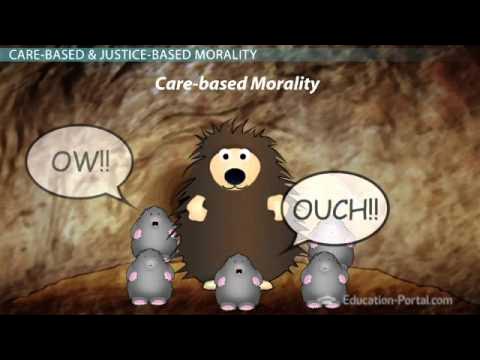
Carol Gilligan's ethics of care, which serves as a major critique of Kohlberg's theory for its perceived gender bias.
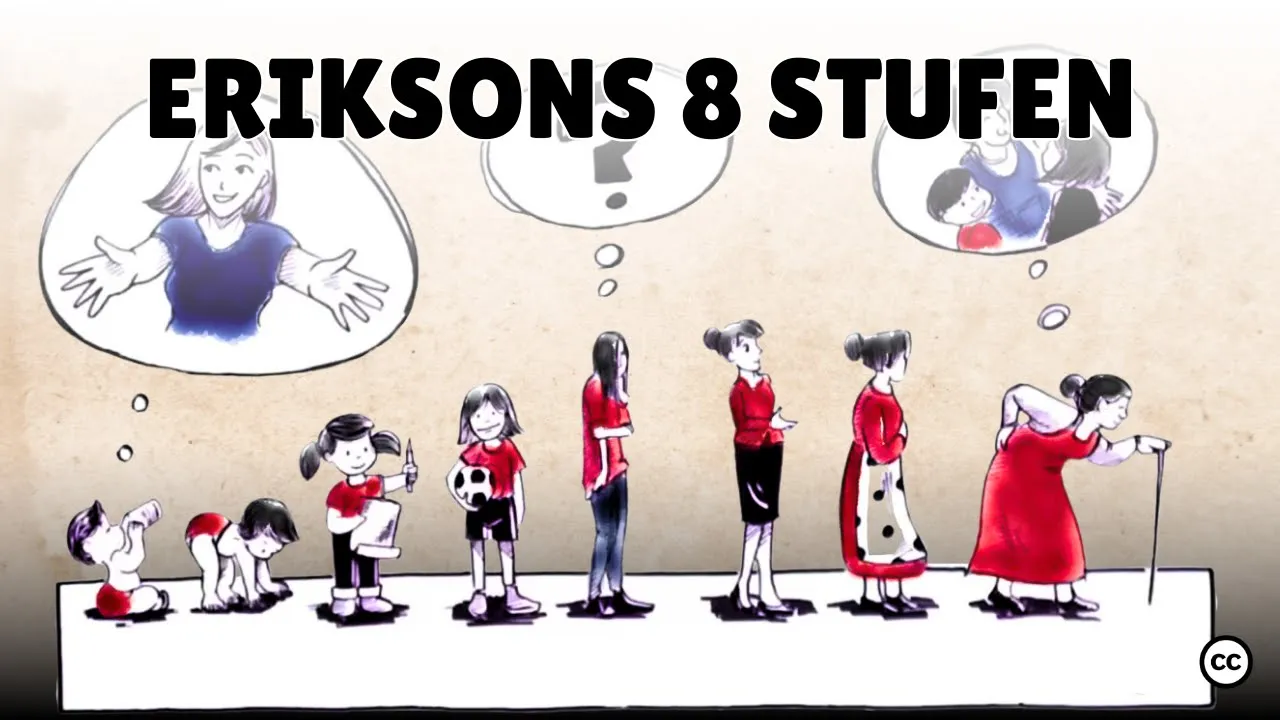
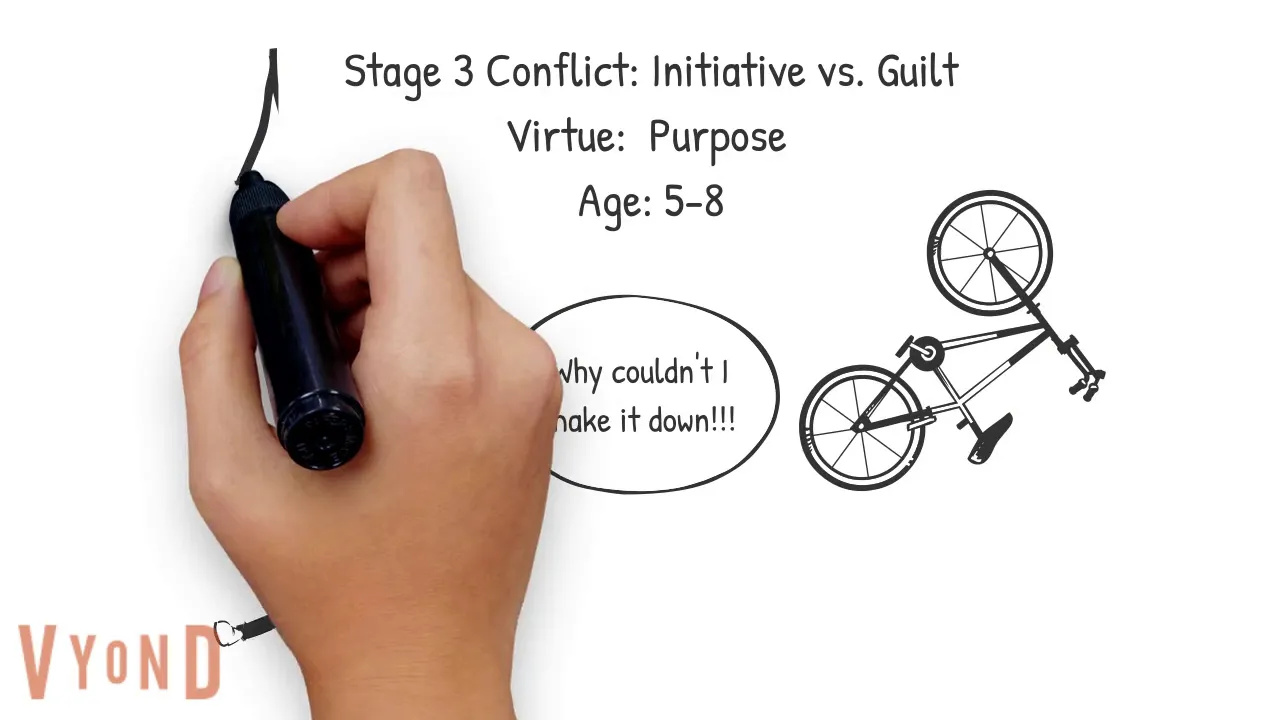
Erik Erikson's stages of psychosocial development, to compare how different theorists map out human development across a lifespan.
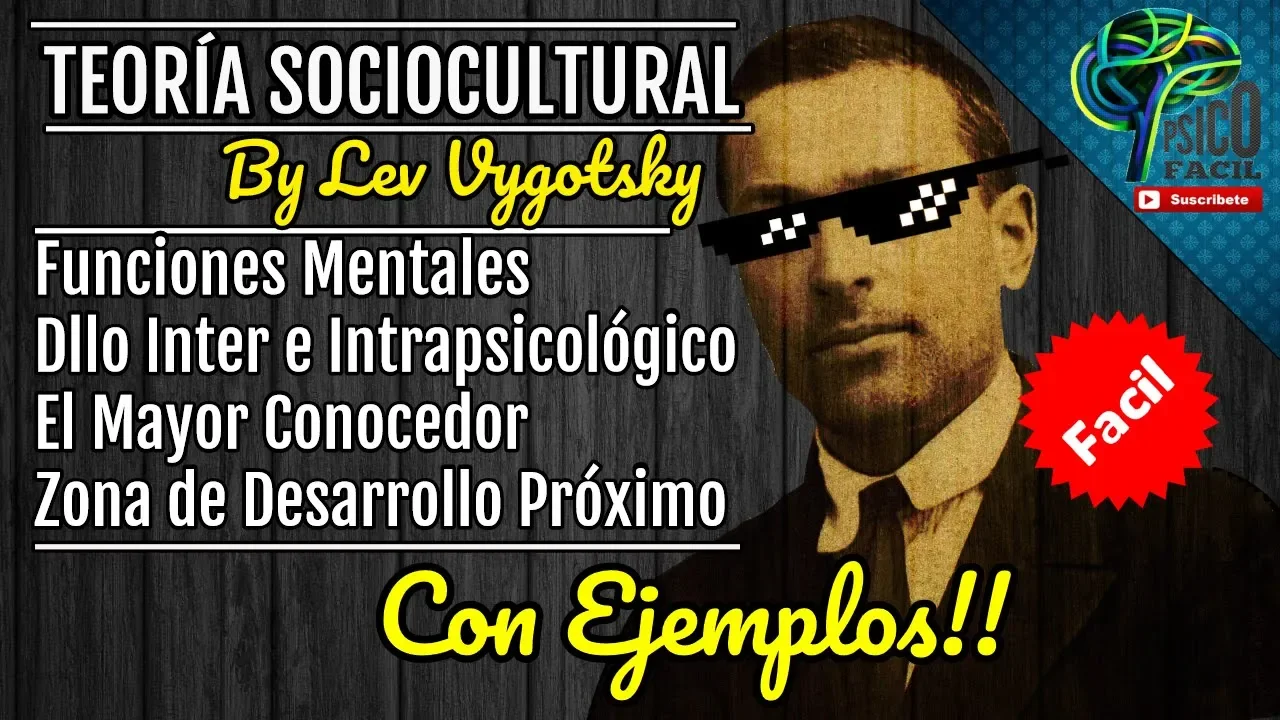
Lev Vygotsky's sociocultural theory of development, emphasizing the role of culture and social interaction in cognitive growth.
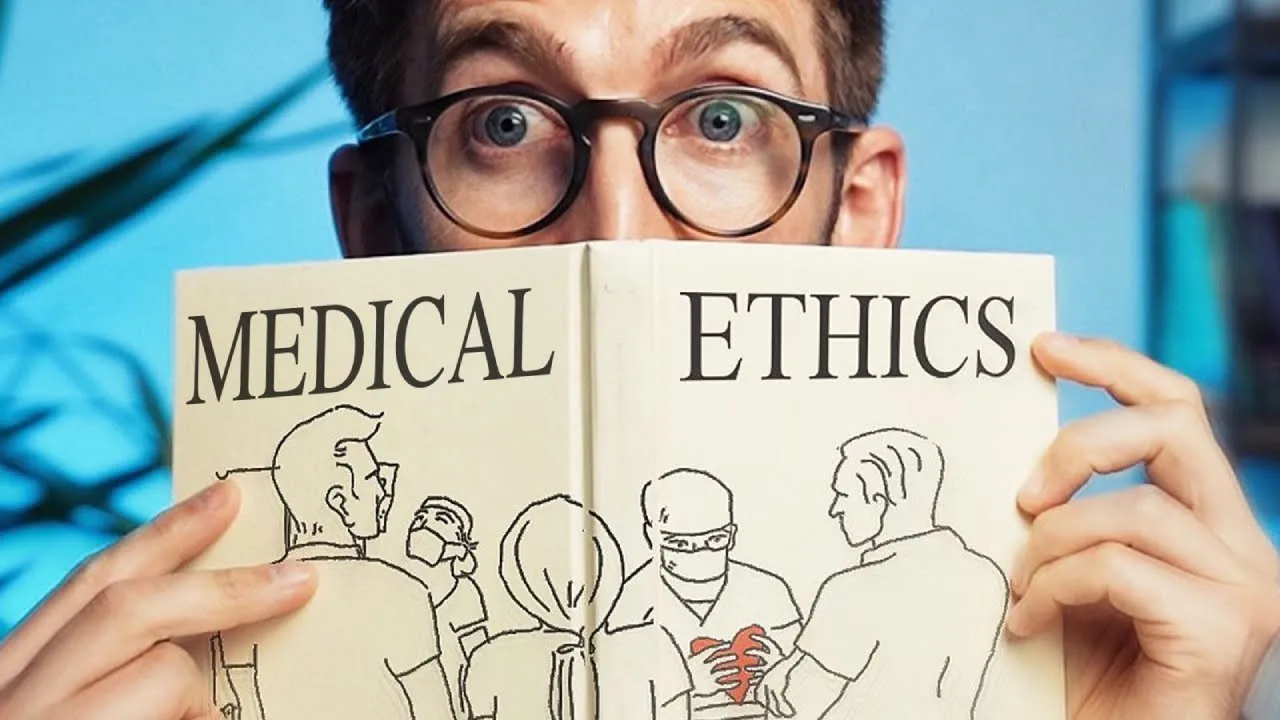
Application of Kohlberg's stages to medical ethics and clinical scenarios, which is highly relevant for the MCAT and medical school.
967.6K views4.7Klikes9:52Original Release: 2014-02-25
Voiceover: Let's take a look at Laurence Kohlberg.
So Laurence Kohlberg developed the moral theory of development.
Now, this is much different than the other three theorists that we talked about earlier, but at the same time, his theory was based upon cognitive development, so that's how it was similar to Vygotsky's.
However, he looked at how people developed their morals, versus their overall development, emotional, physical development throughout life.
So, Kohlberg hoped to discover the ways in which moral reasoning changed as people grew.
So the way he actually did this is interesting.
He looked at children, which is, pretty common among all of the other theorists we talked about, Vygotsky, Freud, and Erickson.
They all looked at children cuz obviously that's where a lot of the most fascinating development in growth occurs in rapid growth occurs, is during that adolescent period.
So what Kohlberg did is he told a bunch of children, many dilemma story situations.
So he told these stories to children of all ages and he asked many questions to discover how people how people reasoned through these moral issues.
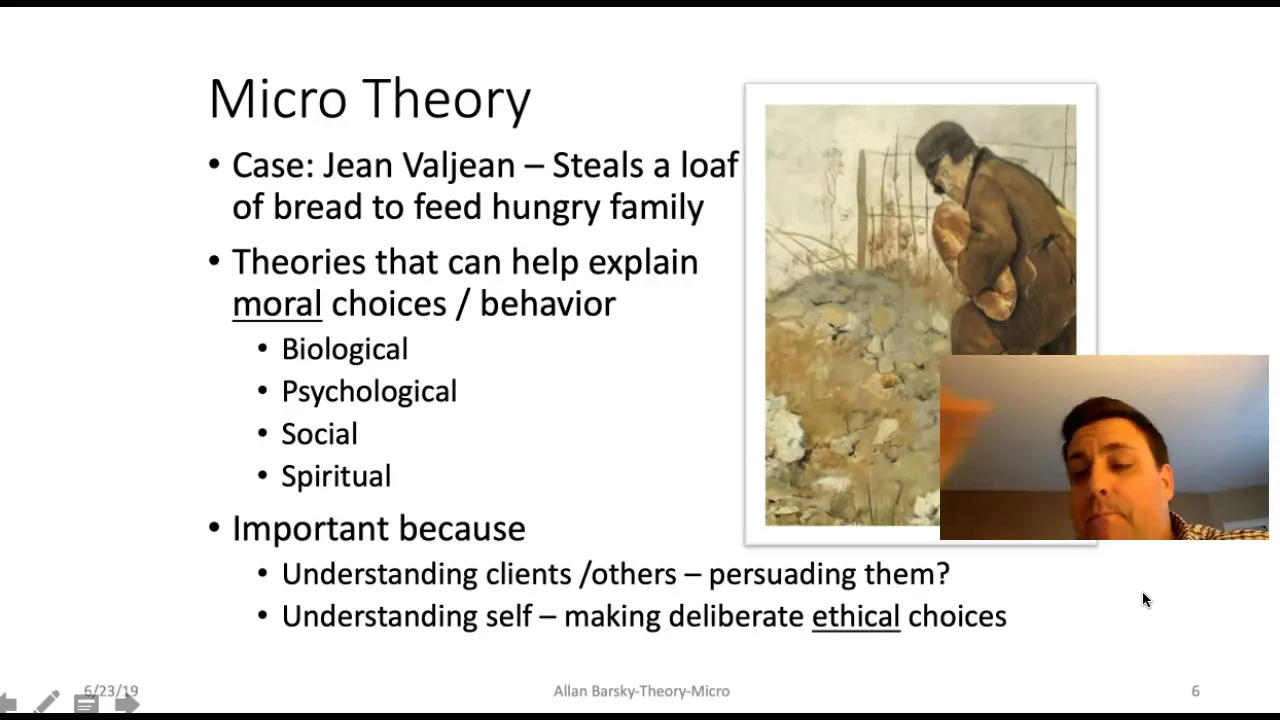
So the most famous dilemma situation was that of Mr. Heinz, some man in Europe.
And I'm just gonna narrate this story quickly because it's a pretty famous situation.
So, this is how the story goes.
Heinz's wife is dying from a particular type of cancer.
Doctors said a new drug might save her, and the drug had been discovered by a local chemist, and Heinz tried desperately to buy some.
But the chemist was charging ten times the money it cost to make the drug, and this was way more than Heinz could afford.
So, Heinz could only raise half the money even after help from his family and friends.
So he explained to the chemist that his wife was dying and begged and asked her if he could have the drug for cheaper or at least pay the money that he still owed at a later time.
But the chemist refused.
He said that the drug he discovered was going to be very profitable.
So Mr. Heinz was desperate to save his wife.
So later that night, he broke into the chemist's office, and stole the drug.
So this was the most famous dilemma.
And it's called the Heinz Dilemma.
And after he told this story to the children, Kohlberg asked them a series of questions, like should Heinz have stolen the drug?
Would it change anything is Heinz did not love his wife?
What if the person dying was a stranger, would it make a difference?
And should the police arrest the chemist for murder if the woman died?
So after compiling and analyzing all of the responses that the children gave Kohlberg analyzed three distinct levels, of moral reasoning.
So the first of these is the pre-conventional or the pre-moral stage.
The second is the conventional stage.
And the last is the post-conventional stage.
So I've set this up kind of like a ladder.
I guess it looks more like a bunch of steps, but think of this as the ladder of morality.
So, Kohlberg said that people can only pass through these levels in the order listed.
So first have to go through these then this, then this.
And each new stage replaces the reasoning typical of the earlier stage.
And he also said that not everyone achieves the last stage.
So the first level actually before I go on, each of these levels was then further split into two levels.
So altogether there are six stages of morality development.
So the first pre-moral stage.
Had the first level.
So the first level is obedience versus punishment.
So, obviously this level deals with children, people of a younger age.
So at this basic level, authority is outside the individual, and reasoning is based on physical consequences of actions.
So children see rules as fixed and absolute.
So obeying the rules is a means to avoid punishment.
So if the child is good, they're going to avoid being punished by their parent.
And if they are punished, that means they must have done something wrong.
Now the second stage in this is called individualism and exchange.
So, let me write that out.
And in this stage basically, children recognize that there is not just one right view that is handed down by the authorities.
So they start to understand that different individuals have different viewpoints.
So after we pass through these two stages we can move up the ladder this way into the conventional stage.
And at the conventional stage, there are two more steps.
So, we can do this as step three.
So at this stage, authority is internalized, but not questioned, and reasoning is based on the norm of the group to which the person belongs.
So stage three is all about good boy.
And good girl.
Sounds kinda funny.
Not versus, but good boy and good girl.
So what I mean by this is that the child or the individual is good in order to be seen as being good by other people.
So now they're taking it to other people's thoughts into account.
So there's an emphasis on conformity.
So being nice and having that consideration of how choices influence our relationships is important.
The fourth stage of morality is maintaining social order.
So law and order.
And here the child becomes aware of the wider rules of society.
So judgements, concern, obeying rules in order to uphold the law and to avoid guilt.
Its all about what society says at this point.
So once we're past that, we can move on even further into stage three, which is split down further into stages five and six.
So here, at stage five we have the social contract.
So, in the post-conventional phase, or stage, individual judgement is based on self-chosen principles.
So we're beyond law and order.
We're thinking at an even higher level, and we're having higher moral reasoning.
It's based more on individual rights and justice for the greater good.
So in the social contract step, the individual becomes aware that even though rules and laws exist for the good of the greater number of people, there are times that this law in order still may work against the interest of particular people.
So the issues aren't always clear cut.
So for example in Heinz's dilemma, was the protection of life more important than breaking the law against stealing?
Well according to people that reach this level level five of the social contract.
Yes, the protection of life is more important then breaking the law and stealing.
Which is down here at level four.
So the rules of law are important for maintaining society, but members that reach this level, realize that society should also agree upon these standards and that sometimes the law must be broken to uphold these higher morals.
And the sixth step, the last step, of moral reasoning according to Kohlberg, is based on the universal, ethical principle.
So over here people at this stage develop their own set of moral guidelines which may or may not fit the law.
So the principles apply to everyone such as human rights, justice, and equality.
And the person who upholds and believes in this wholeheartedly, has to be prepared to act and defend these principles.
Even if it means going against the rest of society in the process.
And even if they have to obey consequences of disapproval or imprisonment.
And Kohlberg believed that very few people reach this stage.
So, actually can you think of a few people in history, famous people that have reached this stage?
I would think that Gandhi was one person that reached that stage.
How many times was he put into prison?
What about Nelson Mandela, or even Martin Luther King?
There are so many people, that believed in these universal rights of equality for all people, even if it went against the law and order of the society at that time, they still upheld this and they were prepared to have to pay the consequences that the law would put against them, the restraints.
So they're the ones who had the highest level of morality according to Kohlberg
Up Next

28:36
Evolutionary Psychology of Morality: Lance Workman on Good & Evil
@Herring1967
4.5K views•2017-03-22

164:01
John of Damascus on Holy Images: A Theological Defense
@BannedBooks
139 views•2026-04-25

68:32
Should We Destroy the Machines? Big Tech Surveillance Critique
@TheStoriesWeTell303
167.9K views•2025-11-30
4:57
The Myth of Sisyphus: A Greek Legend of Eternal Punishment
@TEDEd
8.6M views•2018-11-13
Related Study Plans & Knowledge Roadmaps
Structured learning paths in Philosophy
philosophy
Frankfurt School: Critical Theory & Culture
01Foundations of the Frankfurt School and Critical Theory
02Horkheimer & Adorno: The Critique of Instrumental Reason
03The Culture Industry and Mass Deception
+ 2 more learning modules
12h5 modules
Explore Roadmap
philosophy
Philosophy of Language: From Frege to Austin
01The Linguistic Turn: An Introduction to Language in Philosophy
02Gottlob Frege: Sense and Reference
03Early Wittgenstein: The Picture Theory of Meaning
+ 3 more learning modules
15h6 modules
Explore Roadmap
philosophy
Feminist Epistemology: Standpoint & Injustice
01Introduction to Epistemology and Feminist Critiques
02Sandra Harding and Standpoint Theory
03Donna Haraway and Situated Knowledges
+ 2 more learning modules
12h5 modules
Explore Roadmap
philosophy
Environmental Philosophy: Ethics & Deep Ecology
01Foundations of Environmental Ethics & Anthropocentrism
02Biocentric Individualism and Animal Liberation
03Ecocentric Holism and Deep Ecology
+ 1 more learning modules
10h4 modules
Explore Roadmap