

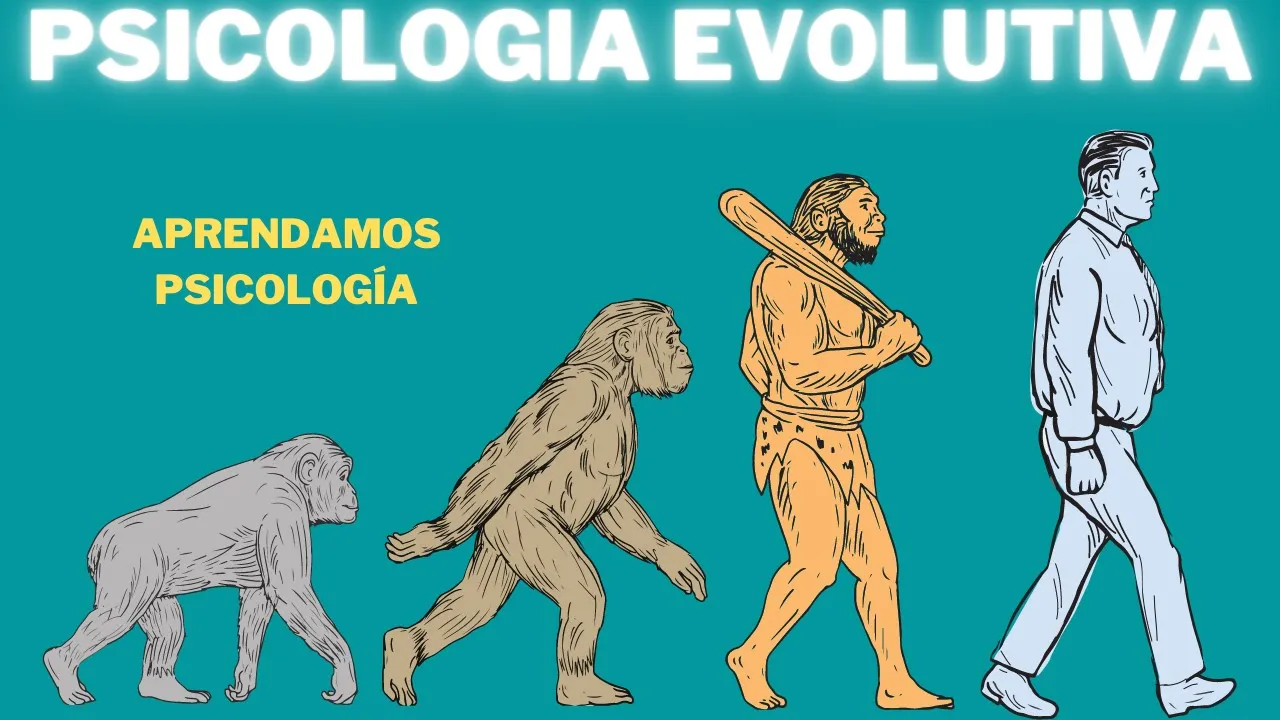



![[Curso básico de psicologia social, por Joao Wachelke]: Grupos e identidade social - Parte 2.](https://i.ytimg.com/vi/CwuzAEV6ZmQ/maxresdefault.jpg)




![😱혈연/지연 우선시 하는 나라에서 일어나는 일들? [위어드] 라이브 북토크](https://i.ytimg.com/vi/j63CBEcYH-A/maxresdefault.jpg)

![[월요일에는 시사시사 EP 27] 윤석열을 죽도록 혐오한다면, 그건 진화인류학 관점에서 매우 정상적인 반응입니다](https://i.ytimg.com/vi/22dkYT0JHY8/hqdefault.jpg)







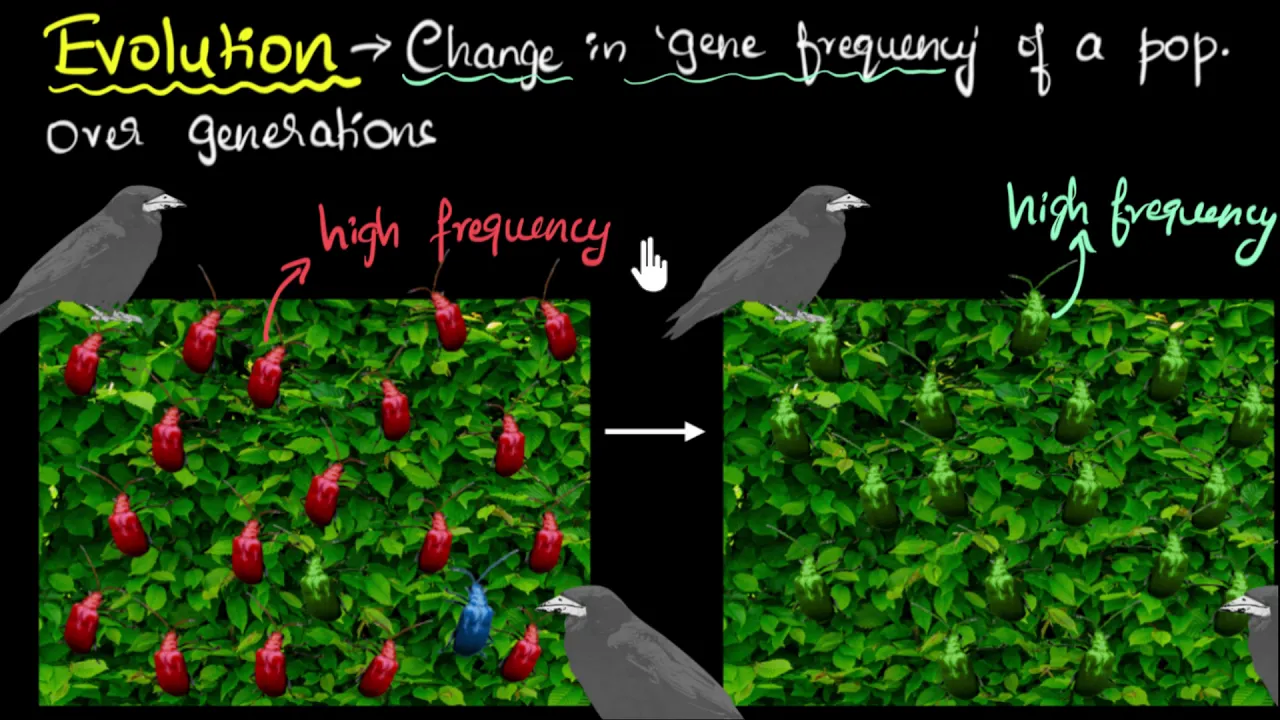
Evolutionary psychology explains that human morality evolved from ancestral survival mechanisms, including reciprocal altruism (helping others expecting future reciprocation), ingroup-outgroup bias (favoring one's own group while devaluing others), and natural selection pressures like incest avoidance to prevent genetic disorders; these evolved tendencies create both our capacity for cooperation and our potential for violence, with psychopaths representing an evolutionary adaptation that exploits low-level reciprocation systems, while modern moral dilemmas often conflict with our Stone Age brains adapted for a different environment.
Evolutionary Psychology of Morality: Lance Workman on Good & Evil
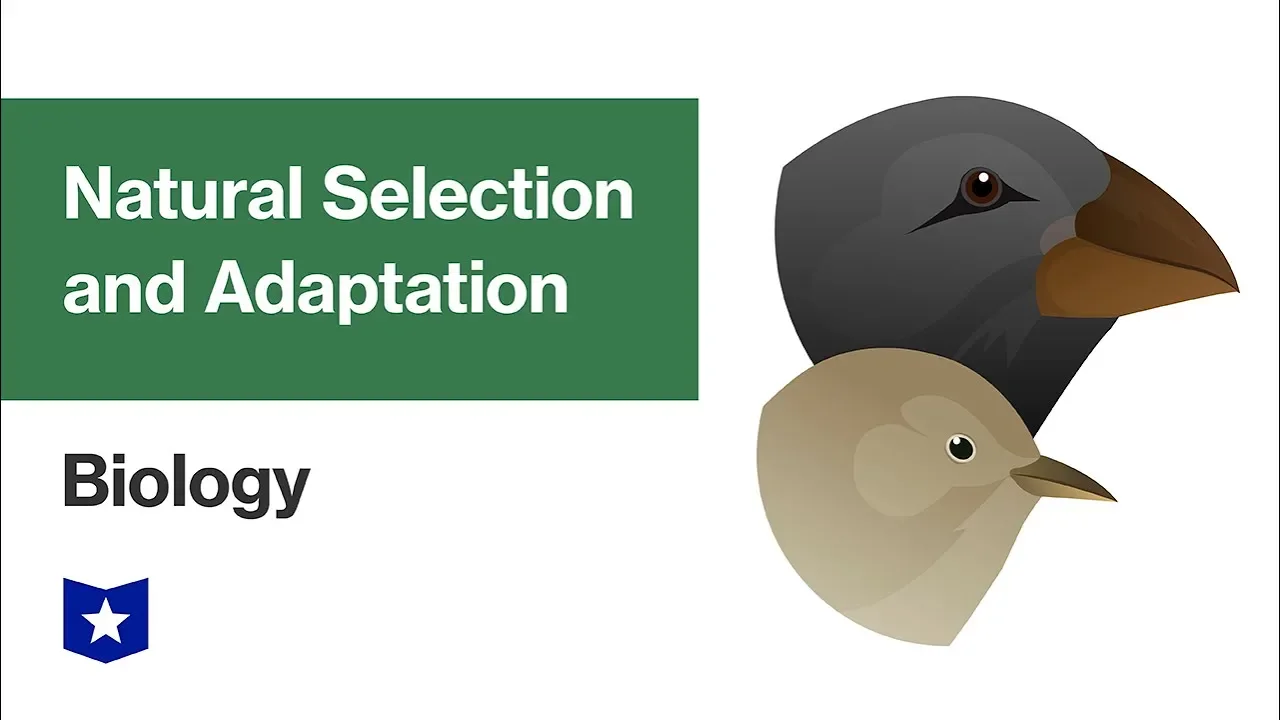
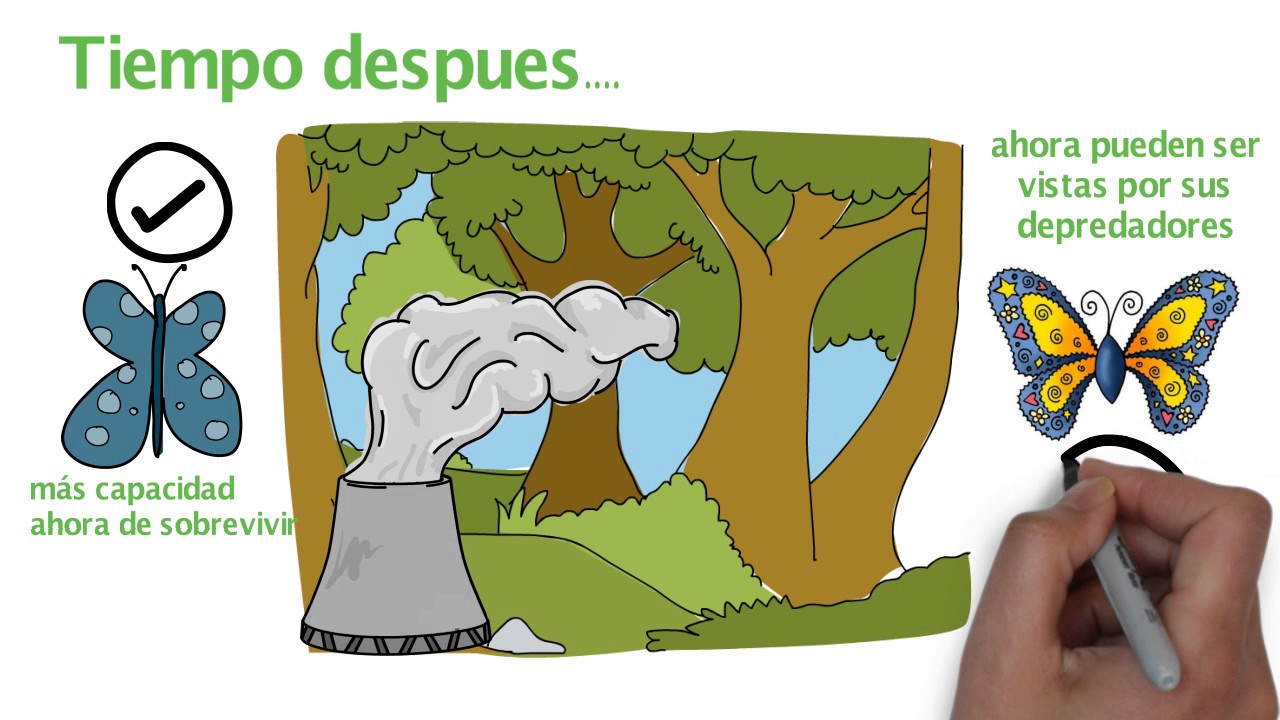
Added:Basic principles of evolutionary biology, specifically natural selection and the concept of adaptation.
An introductory understanding of evolutionary psychology, which posits that human cognitive processes evolved to solve ancestral survival challenges.
Familiarity with basic social psychology concepts, particularly social identity theory and the dynamics of in-group favoritism and out-group bias.
A foundational grasp of descriptive ethics versus normative ethics to distinguish between how humans actually behave and how they philosophically ought to behave.
Jonathan Haidt's Moral Foundations Theory, to understand the cultural and intuitive variations in human morality.
The application of Game Theory (e.g., the Prisoner's Dilemma) to mathematically model the evolution of cooperation and reciprocal altruism.
Advanced evolutionary theories of psychopathy, specifically examining it as a frequency-dependent behavioral strategy rather than purely a pathology.
The cognitive neuroscience of morality, exploring how brain regions like the prefrontal cortex and amygdala process empathy and moral dilemmas.
4.5K views52likes28:36Original Release: 2017-03-22
M hello come in welcome to my hotel bedroom M this is where all the fun happens here in the bed where when I'm on tour I get to properly sleep no children welcome to ra raal extra this is episode five of the six extras we're going to give you this one's about Good and Evil and my guest is Lance Workman if you enjoy these podcasts why not buy a badge either oneoff or monthly at gas.com badges you can check out all the uh as it occurs to me merchandise and some ra for merchandise at gop.com aota you can buy series pass to um aoma there if you haven't if you would didn't give to the kickstarter uh where you will get longer versions of all the episodes and they will come in before everyone else sees them as well so uh hopefully episode one's going up pretty soon onto the secret channel uh they'll be out all together at some point in a few months on for free um and also I'm on tour as you can see and uh lots of gigs coming up uh I'm in 20 2nd of March um at Glasgow citizens theater still a few tickets left of that selling well 25th of March chipping Norton theater 30th of March maidon 31st of March Winchester which I think sold out but call for returns and then it goes on Stafford Cardiff Herford Andover Surry uh cber radlet that's not selling well Leeds that's selling pretty well wolver Hampton that's not selling that well barnesley haret Hartford Bournemouth Brighton reading oh God there's so many more to go exor warart Center Swindon Norwich Norwich dwking Belfast that's selling very well Dublin I think that's selling quite well Monmouth Oxford I think that might be sold out St Alburn shury and then I'm doing in June 8th 9th and 10th of June I'm back doing some extra gigs in London at the Le Square Theater book for those uh if you want if you missed it the first time you London idiots anyway thank you very much for all your thoughts and times uh the by the way if you did subscribe to the reist B Kickstarter we're just waiting for the books to get printed up they're all ready to go so uh hopefully they should be with you pretty soon but maybe by the end of April um so thanks for your patience regarding that now let's sit back and enjoy Ras leester Square Theater podcast I am so alone I've gone crazy on tour uh come and see me bye uh it's time for our interview so will you please welcome this week's guest he is the author of evolutionary psychology and uh the visiting professor of psychology at the University of South Wales which is a sensible thing to do in South Wales just visit please welcome Professor Lance Workman ladies and gentlemen hello Lance sit down and you sit down pull up a mic bring your own water on by all means I'm sorry we forgot to bring it out there we go we got this it's The Sword in the Stone so um Dr Lance work Professor Lance Workman which is a good name if you if the if the if the Academia doesn't work out for you you can go straight into being a porn star with a lance yeah it's good of everyone I'll give it a try give it a try so um could you just explain first of all for people who don't know what evolutionary psychology is as in your book well as explained in my book 2014 34.99 available from all good bookstores it's really expensive but it is good the basic idea about evolutionary psychology is that um we were created by our genes in in a past environment and we have the legacy of those genes so the sort of motivational things that helped our ancestors to survive and pass their genes on are still with us today and we have to kind of overcome that if you like so the basic idea is we've got a sort of Stone Age brain in a in a computer age uh body and cultur has moved on faster than our genes can keep up that's the basic tendance of it's got to explain things at that ultimate level so wow getting you're getting heckled get get heck the book sounded slightly sarcastic like go wow we going to have to sit through 30 minutes of this [ __ ] sorry about that we might do longer now just for you um so um how does so I suppose what interested in is good and evil so how does morality develop are there any other uh animals that have morality or human beings the only ones with a big one okay sorry yeah no I think I can have a stab at that one of the interesting things is if you look at our relatives the primates they tend to attack cheats if if if individuals take more than they should or don't put back into the system what they should they tend to be ostracized which is quite interesting unless they're really big and strong in which case you can't you know but generally amongst the primates the higher primates the great apes you need coalitions you need people that you've supported in the past and then they'll reciprocate and this notion of reciprocation seems to be something we've taken to a much greater level so it's not just us yeah so we then so that develops into then Crea right and wrong somehow with Beyond just how much food you're taking from the pile yes I mean we've taken it to a much much greater level they they tend to pair off and for example if you've been groomed say a veret monkey for example if it's been groomed by another vervent monkey if you grab hold of that other vervent monkey the other one will come up and try and defend it so they tend to do it in pairs and slightly larger groups but we tend to have generalized that to the population so we engage in this thing called reciprocal ALR at a mild level but we expect everybody else to reciprocate so if you if you do me a favor you know you'll expect it back even if you're not saying that consciously and we extend that to the group in general yeah the monkeys don't disapprove of grooming though in the same way we do it's quite nice actually in monkeys just just to make that clear or very close it's a different it is a different it's a slightly different thing um and um I don't I can't understand what makes a man hate another man help me understand I'm quoting uh the 1980s band depes mode there uh can you help me understand I'm in Dees mode understand yeah uh there's two things going on there the first one is that one thing we do know from our evolutionary past and this occurs with with our relatives as well but it is highly developed in US is that we are ingroup outgroup bias we show an ingroup outgroup bias so what we tend to is the group that we belong to we think that they're better than the other group and we tend to exaggerate their good qualities and the out group we tend to think they're not as good as us and we kind of play down their good qualities and then we kind of criticize them we put sort of Blue Water between us yeah the astonishing thing is when you actually get with that other group you find they're better than you thought if you spend enough time with them yeah now what you then have to add is that we are tit fortat strategists we're strong tit fortat strategists and what we tend to do is up the odds this is how Wars start basically yeah so if the other group if a member of the other group does something bad to you you tend to exaggerate that your group tends to get behind you and exaggerate it and you end up going too far and doing bad things because the other group are different to you and because they've they've done this tip fortat thing and you've got to get back at them do you spend a lot of time researching Twitter and the various ways that that that exact thing happens all the time on Twitter not me personally but the people who do and that does seem to happen the the it starts off as a mild sort of criticism and then the other person comes up with a stronger one and it kind of it ends in war starts with Twitter ends in war yeah so it's good to know but not all wars were started by Twitter though right that there were Wars pre pre Twitter Wars there were a few that came back before before Twitter so that's kind of quite interesting I think that um I guess that does happen in war that the the enemy is always perceived as evil and we're perceived as good so in that example of America versus alqaeda it's like Al evil and America is good unless you think about it for one second uh so so that that that's quite an interesting well another reason we do bad things is because we are indoctrinator because of the ingroup outgroup belief that we have to start off with yeah this this thing could be shown to be false it it can be shown by merging groups together and changing the group boundaries you can do experiments that do that but basically leaders can say to you right these other people are quite evil they're not quite like us and then they're really quite bad and their leaders evil and those that support him are evil and they're probably planning something like maybe making some weapons of mass destruction they could unleash in 15 minutes and and we're all going to be you know in great danger and and once you get this ingroup outgroup thing and you you hear these stories you then think well actually it's against most of us to go and harm somebody but once you are indoctrinated in that way with the out group you can go over and kill them so is that inate though or is that so is that within us anyway or to to be exploited in that way or is that something we learn through through life that's a big question it's it's it's something I mean one thing evolutionary psychology about is is not about is that hardwire genetic determinism it's not about that it's about gravitating towards certain ways of learning that are reinforcing and rewarding and finding other things punishing so we tend to gravitate towards things so we gravitate towards the group we tend to simplify how life is and we tend to think that members of our group are great and they're good and members of other groups aren't so good and again what they've done in America is some really great experiments they've got Americans who are afro Caribbean origin and European origin that have some slight racist views against each other yeah then they get them to play together in teams and things and the racism comes right down extremely fast because the one thing they find is well they're not as different as we thought they're actually just like us so you can actually override it so it's partly learned and it's easy to learn learn these things by people that want to indoctrinate you but you can unlearn it yeah so we're not innately racist no no no no no but it's really easy to make us racist if you if you want to if you push the right buttons you can do it yeah okay uh not that you should no and so given that it's obviously good that we uh work together at stuff what are the The evolutionary advantages of being of going against that and being either within your own group by disobeying the morals that have been set down within your own group well one moral one one model I should say is the notion that Psychopaths for example it with certain personality disorders particularly Psychopaths or antisocial personality disorder they're kept in the population because they manipulate this low level of reciprocation that we expect and they do it in often a Charming or clever way so what you find is you do them a favor and then when you expect it back they've either left the area and it's usually a big favor or then not really very well but maybe they'll help next time um now the mathematics of The evolutionary argument predict 3% of the population will be Psychopaths there'll be Free Riders and actually the evidence suggest it is about 3% so say for example there's what 200 people here yeah right so six of them by chance will be Psychopaths we we could have a show of hands if you like to could all those who Psychopaths put their hand up and see if we can count you no no one's admitting to it I don't think that's the other thing they [Laughter] lie so the six in that proves it you go that does proved it sorry so you think most sort of evil is driven by the what what what makes us what what's the psychopath missing in their brain or whatever to make them behave that differently that there is evidence that what we have are things called mirror neurons and that's basically when say you're in pain and and I say Richard how are you feel I'm not feeling very well say like not very well at all the same neurons in my brain called Mirror cells will fire now in a psychopath they they may fire or they may not but the next bit behind that in the brain that then assesses what to do about that is different so they can get the feeling of pain and discomfort and emotional bad things going on but it's what that's the next stage of processing does actually seem to be different in their brains and then maintain the population now I use them as an extreme example the other 97% there are as you said earlier Shades of Gray there are times when you can manipulate the system but one of the reasons we probably have guilt and shame is so that we don't do that too much too often because we could be ostracized from the system yeah and what I found quite interesting in the book was the idea that uh there are trigger things that make you feel like something is immoral which isn't NE you don't you don't think necessarily think is a as a comedian I find this a lot you do a joke about something and people just hear the you know a word in a joke like you know you're doing a show about a Hitler mustache and they for example and they they decide they don't like that show because they've assumed what it is they think that's offensive to do that without then listening to what the thing is so is that that's that's something you talk about in the book about Body Works yes Body Body Works um there was a a guy who actually had people who died agreed to have their bodies taken apart plasticized and shown as an art exhibition and a large proportion of society wouldn't go and see that because it was morally wrong but it's a it's a it's a moral um illusion because where's the moral problem that the the people had agreed to have it done people had agreed to go and see it and the artists agreed to do it yeah but there's a certain gut feeling that says that's morally wrong and and sometimes the wrong sort of bits light up let me give you an example um imagine that you were watching a train line and five people walked on that train line okay now you can switch um you can switch tracks because there's a train coming along I should have explained that bit it's going to kill these five people foolishly walking on the train line you can switch the track so it goes to another line and there's one person walking on that line so you don't know any of these people would you pull that switch to kill one person to save five people i' check get off the track there's a train coming I would I probably would switch the tracks at that point okay most people would yeah now now try this one out you're standing on a bridge There's A Train running towards another five foolish people walking on the track and there's no switch but there's a man standing next to you a large man and you can push him over the bridge to collide with the train and you'll kill him but you'll save the other five people would you would you push him off the bridge I wouldn't be sure that that would work I might kill all six of them I guess if uh it is a different a different uh problem because you're then committing I mean it's not really different problem but you are then kid of committing actual murder with your hands rather than that's it that's it you've spotted the difference the first one is a moral impersonal decision you press a button you you flick a switch most of us have it within us probably 95% of it don't actually want to hurt people unless we're really pushed and we would find it it's it's against our instincts to kill somebody but that's moral impersonal when you actually physically push the guy off the bridge it's moral personal and we know this because if you put somebody in fmri scan different bits of the brain line up when you give them the second scenario bits of the frontal lobe that say don't do it so it may well be in our hunter gather a past that we had actually mechanisms to stop us from doing those really bad things but we didn't have switches and buttons now you know so we're not we're not up to date with today's world we haven't evolved to De if you ask a psychopath the first question he might say I'll leave the train going to kill the five people because more people will die and that would be fun unless he's lying yeah yes so it's hard to tell it is very that's sort it is interesting because it it you do sort of people act as if all these questions are very black and white you know you would never shoot a baby in the face but what if that baby was about to launch a nuclear attack on on another so you and you just had a gun you know they you have to you can't just make a decision cuz what if the baby is about maybe accidentally just is playing around near the nuclear button um I I just once had to do that that's why that's why that's that's why that's at the top of my mind and I just I winged the baby it didn't die so it was all right I don't know if we've really answered this one um already but um it's just in what way did morality originally develop and how do how was it decided do you think that what was right and wrong in in the initial stages is have we sort of answered that or not I can't no I don't think so I I think there's three ways you can explain a moral code what's right and what's wrong the first one is God a deity he decides and that's it like the Commandments you you're doing earlier yeah the second thing is that each culture individually decides what's right and wrong and they they determine it the third thing is that we have some sort of an evolutionary um predisposition not hard and fast hard wiring but to gravitate towards certain things being right and wrong and that's more of a sort of gods out of the equation social conditioning is in there but it's a lower role than it used to have according to to my belief system if you like so there are certain things that we find are morally wrong because they would have paid our ancestors so non- reciprocation is one of the things that's morally wrong that's why we feel guilt and shame for example but other things when you think about it an evolutionary angle gives you a a good explanation for example um why is it wrong to have sex with my sister why why shouldn't I have sex with my sister what's wrong with that or you it's okay you that's not a problem except your wife's backstage you know um it's true but and your sister's probably in Wales it's a long way to go I don't I haven't even seen what she looks like yet as it show a picture then we as it happens I can say these things cuz I don't have a sister i' probably feel really really bad if I did but I'm speaking hypothetically would you be prepared to dress up as your sister so not not anymore we're kind of getting off the point not these days but but the question is what's wrong with it why what is wrong with me having sex with my sister why why should that be a problem but you find in every single Society it's wrong and it's not only wrong it's a very bad thing and it's not only naughty it's disgusting but when you think about it that probably came about through natural selection because if you have sex with somebody who's closely related to you you have these nasty things called double recessive dous genes so you get two copies of it and it affects the baby so you probably won't have grand grandchildren so natural selection probably guided you away from that then society's layered on top of that finds ways of ensuring you don't have sex with your sister and the acid test to that is that not only is it Universal that people aren't allowed to do that but the primates have incest avoidance strategies as well so you know it it's probably evolutionally very old right but then a lot of moral systems you know from culture to culture and time to time aren't you know completely different so you know I think you mentioned the book about you know people not eating cows and other people eating cows and that's obviously a decision that's made somewhere culturally yes there are certain crimes that that are seen universally so much so like the incest one everywhere that it's probably got some sort of evolutionary basis it still involves learning and culture I'm not downplaying that but it's layered on top of that and other things like homicide the only way we can commit homicide for the 97% of us that aren't Psychopaths is this thing about being manipulated by leaders who say well they've got weapons of mass destruction so you can go and kill them that's okay it gets you that it's no longer homicide because they're slightly dehumanized so we do tend to gravitate towards these things but then there are these more very specific ones which are generally thought of as lesser crimes like you mustn't eat a cow or whatever yeah and then you can actually build models that it may be in those countries where they don't eat cows that they need the milk more than the beef you know and that's when you start to push the edges of the argument how well does that stand out yeah but then sometimes morality changes very very quick within quickly within uh culture I mean there's of now for example we're talking about pedopilia uh which we weren't uh then uh I was just thinking about it uh they but recently they showed a clip of uh the uh the pedophile information exchange guys who were interviewed on newsight in like 1980 a they called themselves the pedophile information exchange which you know 20 30 years later you can't imagine any pedophile going yep I'm a pedophile uh and and B they had an information exchange and that was allowed to happen and so that is very rapid rid ly turned around like pedophilia has become although I don't think anyone in the s70s and ' 80s was really approving of it that it's become like the almost the worst thing in society that quick that rapidly as though yes I I agree it's always been bad but but you know people like Jimmy savell it's so in the news now that we all bend over backs how terrible it is it' always sorry as long as you're bending over backwards sorry but but but but coming on to what you're saying things do change very rapid ly you know as you said you know Mary was 12 when she got pregnant you know it's quite young um but you know you could get married 500 years ago when you were 12 or or younger and In some cultures today in some tribal cultures they just wait till you have the first period Then You're marriageable you know if you did that H it would be disgusted but it's quite natural in some Society so there are there are these subtle differences and they do change over time yeah but then that's very is there is there any kind of is there any reason why something would happen that fast it's just the is that just the Modern Age things can spread that information can spread that quickly so this we're getting ourselves into terrible trouble just to carry on every question BEC I think one of the big messages of evolutionary psychology is there are there are things we're doing today that we probably haven't evolved to do in quite that way and therefore they lead to all sorts of problems it it it seems highly unlikely that one in five people in our evolutionary past had psychological problems but they probably didn't have the stresses and strains of today it's much better to live today because we live longer you know we've got hygiene and antibiotics color TV you know but there is a downside to it as well is is there any kind there's a clash between most moral systems and our and our own imp natural impetuses though wasn't our instinct is to you know is say if there wasn't Society holding us back we might go out and kill people we might go out and have extra marital sex we wouldn't be married or whatever that maybe our impetus is to do those things um well certainly in modern day cultures I mean Stephen wrote a book about this the the murder rate is much much much much lower because it actually benefits people to get together and have things like a state with a police force and these sorts of things so we may knock them but actually the murder rate compared to tribal um societies which presumably are relatively similar to how we were 10 20,000 years ago the murder rate there is huge if you look at the yanam Mamo of South America um 50% of adult males have killed another person right and you know you think oh it's quite bad in the other 50% are dead Pres yeah yeah I guess that's true yeah I hadn't thought that was true actually just not quick enough the other 50% that's but it's could be because but sometimes moral systems then create their own psychological problems you know so if you're telling people that having sex you know with more than one person or whatever or having sexual thoughts like the the Bible's full of even just if you lust in your mind which is obvious something you're instinctively going to do so that then leads so morality can lead to some negative places as you know yes it it can um I think one of the interesting things about humans is unlike 99% of mammals and it's even true of the great apes in general we are very much a peir bonding species you know it may not last forever but we give it a try you know and and we may well have evolved to do that because the human baby's born so immature because the head is so big you know it's born very immature it has it takes almost 20 years to grow up so it may well have paid the female to give some of the work to the male he still doesn't do enough you know I'm not trying to say he does as much as the mother does but this is called parental investment and humans are high in male parental investment and therefore we probably invented love or we evolved love in order to keep that strong pair bond going and this helps us to pass on our genes but once you've invented that you have this whole moral system based around it about well you shouldn't be looking at her you shouldn't be thinking about her and if you think about it a lot of our drama is is about are you going to you know do you have a good reputation are you going to be faithful from a fellow to to East Enders it's all about well I wouldn't trust him me he's a little bit dodgy that one I trust you you that's from a by the [Laughter] way um not sure how I got there let me just say I think we've I think we've nearly covered everything I just did think of something else then you made a joke and it put me off sorry about that it's all right I'll try not not used to it I'm I'm like uh I do the funny that's my job I'm like LP opic that's why I'm like that's why I'm most [Laughter] like so why why didn't God just make us with morality imbued within us if he was so interested in us being good um it's in the book is it um there is no God well we we try and sort of sign step God a little bit in evolution if we can you know we tend to go with Darwin more than God generally okay well you know you might come to regret that that's what I going to say it's possible just head your bets a little bit that's all I have to say they can still he can still be there as you said earlier I can I can believe in evolution and Darwin until I'm on my deathbed and then long as I embrace God forget about ding I'm okay yeah that's right as long as you the last minute as long as you don't slag off the holy ghost that is fine what does that what part does the Holy Ghost play in evolutionary psychology no don't don't answer that um I think I think uh is there unless there's anything I think we've kind of covered it pretty well I think we've got we've got it Su the audience are convinced now they're going to go and buy the book yes they should it should bu the I've only read the two chapter the two paragraphs that equate to to this but they were really good so uh do go and buy and and remember will reer also wrote this he did a few bits that's another funny name isn't it will reader he's going to get does he exist or is he there taxes yeah will read it I'll come in I'll read your will for you mate yeah you go now right about evolutionary psychology uh good uh we'll cut all the end of this and uh ladies and Gentlemen please give a massive Round of Applause to Professor Lance [Applause] Workman I've only read the [Music] how' you like them Sky potatoes [Applause]
Up Next

6:58
Kant on the Mathematical and Dynamic Sublime
@andrewknoll8403
10.8K views•2020-10-06

164:01
John of Damascus on Holy Images: A Theological Defense
@BannedBooks
139 views•2026-04-25

68:32
Should We Destroy the Machines? Big Tech Surveillance Critique
@TheStoriesWeTell303
167.9K views•2025-11-30
4:57
The Myth of Sisyphus: A Greek Legend of Eternal Punishment
@TEDEd
8.6M views•2018-11-13
Related Study Plans & Knowledge Roadmaps
Structured learning paths in Philosophy
philosophy
Frankfurt School: Critical Theory & Culture
01Foundations of the Frankfurt School and Critical Theory
02Horkheimer & Adorno: The Critique of Instrumental Reason
03The Culture Industry and Mass Deception
+ 2 more learning modules
12h5 modules
Explore Roadmap
philosophy
Philosophy of Language: From Frege to Austin
01The Linguistic Turn: An Introduction to Language in Philosophy
02Gottlob Frege: Sense and Reference
03Early Wittgenstein: The Picture Theory of Meaning
+ 3 more learning modules
15h6 modules
Explore Roadmap
philosophy
Feminist Epistemology: Standpoint & Injustice
01Introduction to Epistemology and Feminist Critiques
02Sandra Harding and Standpoint Theory
03Donna Haraway and Situated Knowledges
+ 2 more learning modules
12h5 modules
Explore Roadmap
philosophy
Environmental Philosophy: Ethics & Deep Ecology
01Foundations of Environmental Ethics & Anthropocentrism
02Biocentric Individualism and Animal Liberation
03Ecocentric Holism and Deep Ecology
+ 1 more learning modules
10h4 modules
Explore Roadmap