









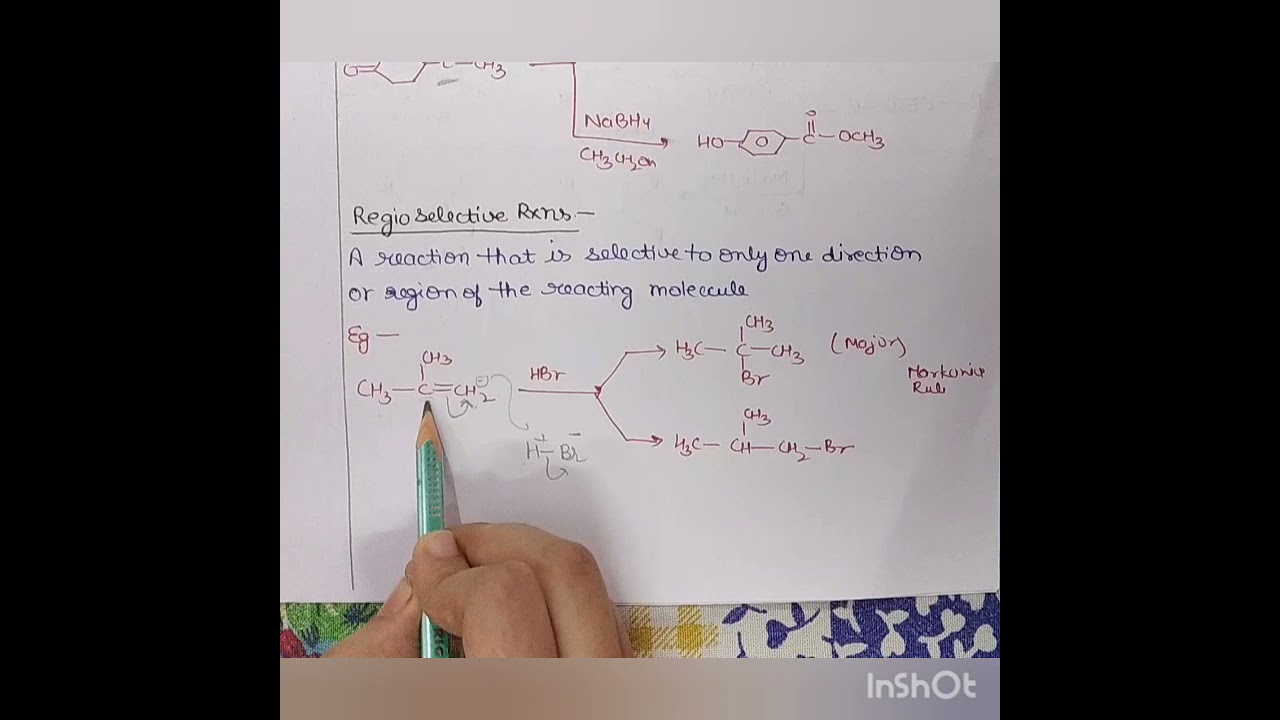
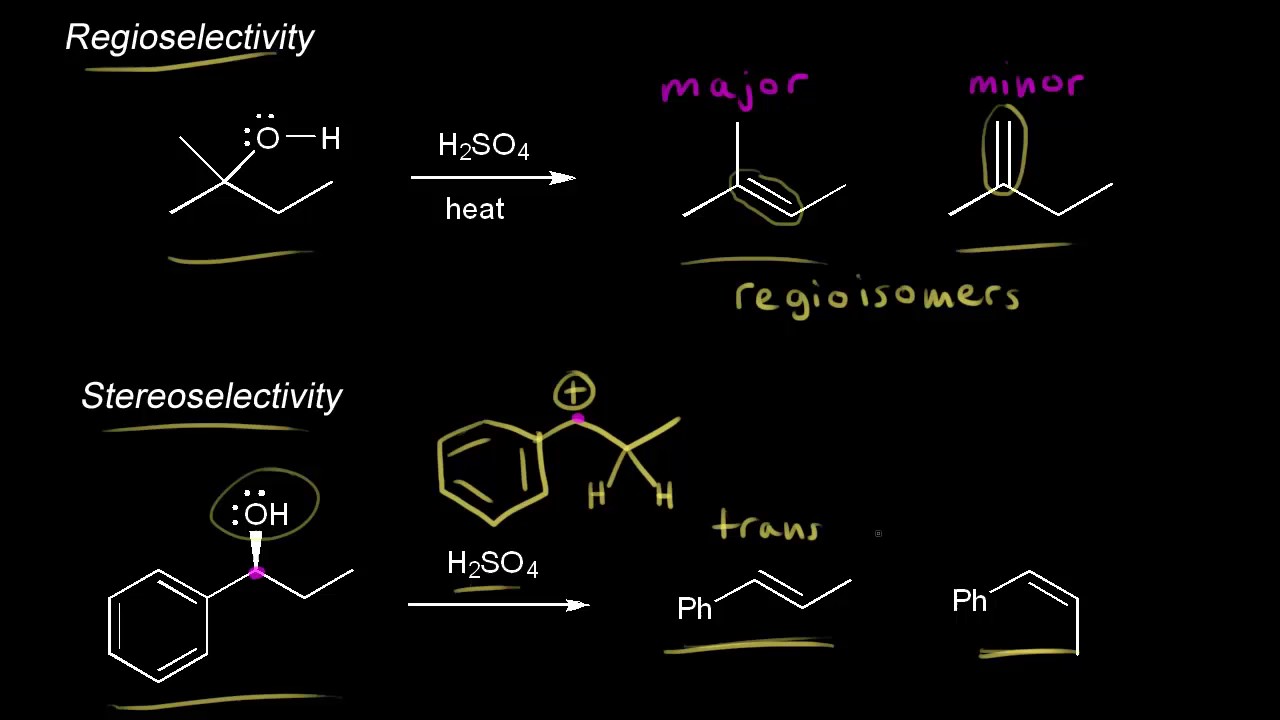









Biocatalysts (enzymes) are highly effective green catalysts that follow all 12 principles of green chemistry, offering significant advantages including reactions in aqueous medium at ambient temperature and pressure, single-step conversions, high regioselectivity eliminating protection/deprotection steps, rapid reaction rates (10^11 to 10^15 molecules per second), and exceptional stereospecificity achieving 100% enantiomeric enrichment. Examples include penicillin to 6-aminopenicillanic acid conversion (1 step vs 4-5 steps in chemical synthesis), microbial oxidations for lactone formation with >98% stereoselectivity, and stereoselective hydrolysis using pig liver esterase for resolving racemic mixtures.
Biocatalysts in Green Chemistry: Enzymes as Catalysts for Synthesis
Added:Understanding the 12 Principles of Green Chemistry, particularly focusing on atom economy, design for energy efficiency, and hazard reduction.
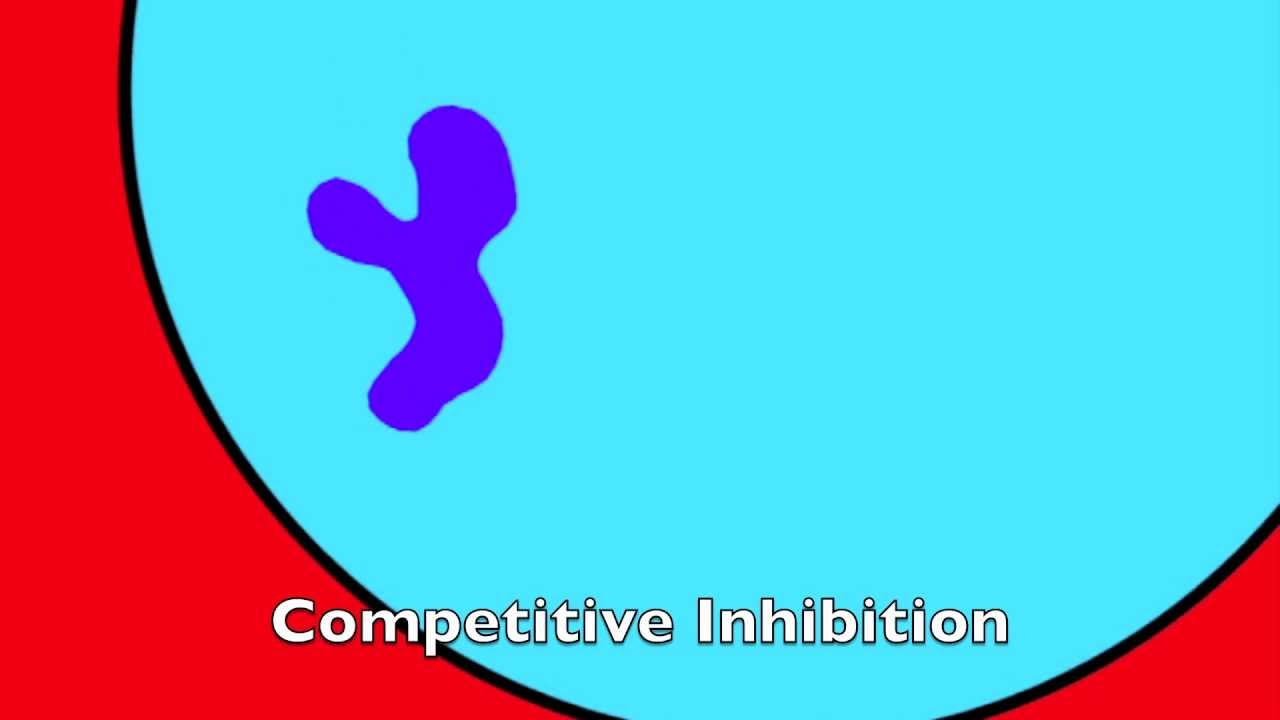
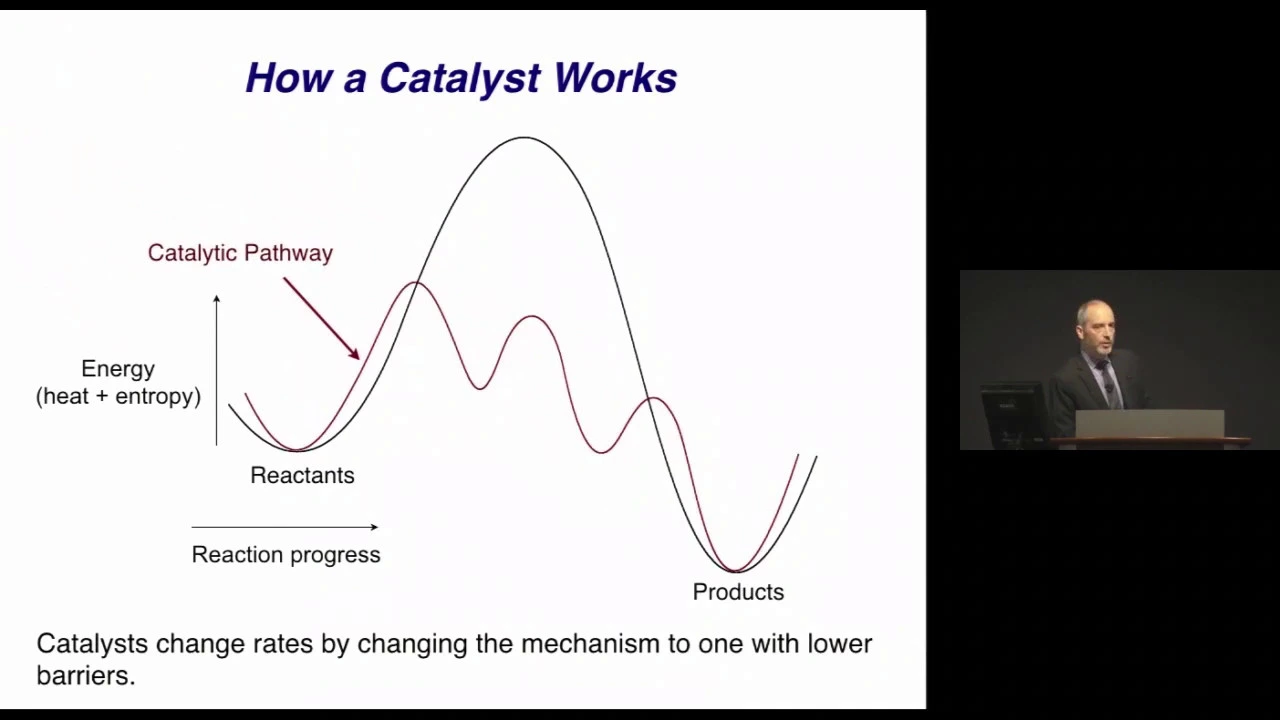
Basic biochemistry concepts regarding enzyme structure and function, including active sites, activation energy reduction, and the induced-fit model.
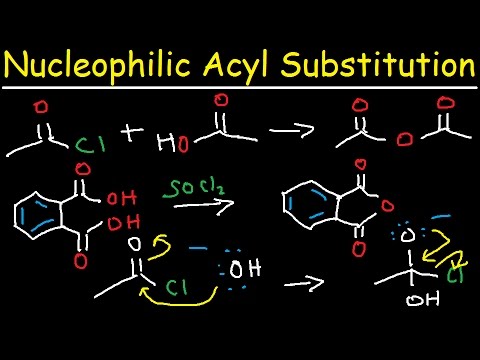
Fundamental organic chemistry reaction mechanisms, specifically oxidation-reduction (redox) reactions and nucleophilic acyl substitution (hydrolysis).
The concepts of chemical selectivity, distinguishing between stereoselectivity, regioselectivity, and chemoselectivity.
Directed evolution and protein engineering methods, such as those pioneered by Frances Arnold, to optimize enzymes for non-natural substrates.
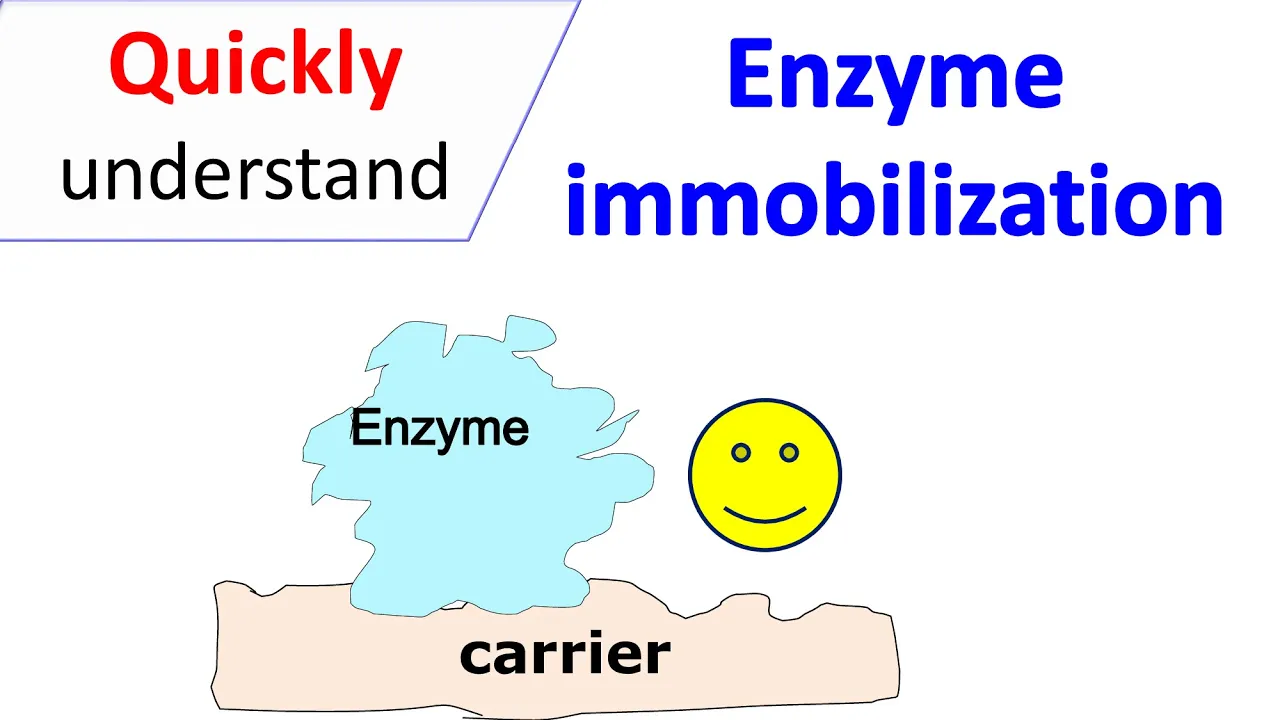
Industrial biocatalysis scale-up challenges, including enzyme immobilization techniques, solvent compatibility, and downstream processing.
Metabolic engineering and synthetic biology, where multiple enzymatic steps are co-expressed in whole-cell systems (cell factories) for multi-step synthesis.
Non-aqueous biocatalysis, exploring how enzymes perform in organic solvents, ionic liquids, or supercritical carbon dioxide.
16.2K views236likes19:09Original Release: 2020-12-17
Welcome Friends to our fifth lecture in green chemistry in uh the previous lectures we have covered about the principles of green chemistry given by professor anastas and then we had seen about the green reagents and green catalysts in green Catalyst we will be looking forward for the green Catalyst today uh we have seen about the green catalst four different types of grein catalyst we have seen it in the previous lectures that is acid Catalyst basic catalyst oxidation Catalyst and in the last lecture we had seen about the phase transfer Catalyst now we will look after uh look into the aspects of Bio catalysts the most important convergence in the context of green chemistry the principles that were being given by the professor Paul anastas all the 12 principles are rightly followed by the enzymes or are being followed by the bio catalysts when we are using enzymes as a catalyst they will be followed most of the principles of green chemistry hence they are the most important convergence in context of green chemistry the biocatalytic convergence have many advantages in relevance to Green chemistry like few of them are the most important most reactions in the that are catalyzed by enzymes are performed in aquous medium and at ambient temperature and pressure because the enzymes are active at around 37° C or in the ambient temperatures they will become inactive or the structures will be ruptured as we increase the temperatur so temperatures are at ambient temperatures and also the pressures we are remaining in ambient moreover the enzymes are soluble in water and so they will be performing in the aquous medium the catalysis is performed in aquous medium hence we do not need to use any organic solvent there so these are the greater advantages for using enzymes as a catalyst in the reactions similarly biocatalytic conversions are normally involved in one single step so the complex reactions complex conversions or stereo specific converence all are being done in one single step so in normal chemistry when we will do the chemical reactions in the Laboratories there it might take several steps to get the product but in enzymes when we are doing it they will be converted in one single step so that is a greater Advantage here using cataly enzymes as a catalyst similarly as the enzymes are having an active site which is highly specific so protection de protection is not needed for the functional groups because they are highly Regio selective as they are highly Regio selective the reaction will be catalyzed at one particular position only and not the other positions in presence of other similar functional groups one single functional group can be catalyzed without any protection de protection so this unnecessary steps can be avoided following the green chemistry principles similarly the reactions are highly rapid here because there are the enzymes which are converting molecules from reactant to product at a rate of say 10 power of 11 to 10^ of 15 molecules per second so this is a great speeds with which they are moving forward so reactions become very fast and so the products will be obtained in a very short amount of time similarly the reactions are highly stereo specific there are products which are having 100% in anomic enrichment that is only one of the isomer is being synthesized in presence of in when there is possibility of several different isomers being synthesized in normal chemistry we may yield up or we may get the mixture of isomers but in when we are using enzymes where there is a complete chance of getting only one isomer as a product no chance of getting the second isomers so they are highly sterio specific converence here the bio catalysis is normally involved in a single step the reaction we can have the examples for this as the biocatalytic conversion of penicillin into a industrially important six amino penicillanic acid the six amino penicillanic acid is used for several different purposes for synthesis of many medically important compounds and when it is being synthesized by using enzyme and asy it proceeds in a single step the hydrolysis of this amide acylic amide happens to give us six amino penicillanic acid so this proceeds via single step using peniles as enzyme in water and at 37° C of temperature but the same reaction when it is carried out in the chemical conversion in the laboratory by using normal reagents we require around four to five steps are required for conversion of this penicillin into penicillanic acid six amino penicillanic acid it converts into in four different steps first is a formation of methol ether then chlorination of it and finally the hydrolysis of it to give us six amino penicillanic acid as the number of steps increases there is a greater loss of intermediate products that are being formed and so we will get the Lesser yields also when the number of steps are increasing while when we are using penas as an enzyme we are converting the product from reactant in one single step so less amount of loss of product is also present resulting in this chemical converion similarly microbial oxidations have been known since ancient days about a few million Millennium years of back we were knowing this particular conversion of sucrose to ethanol we our forefathers from thousands of years back they were known how to convert the sucrose into ethanol industrially very important ethanol so this conversion is being carried out by using invert enzyme present in East which converts sucrose into glucose and fructose and then the same enzyme converts glucose and fructose into ethanol so this reactions are highly Regio specific stereos specific as well as Cheo specific so they are yielding Regio stereo and Cho selectivities in the reactions so our enzymes are highly important for carrying out different types of reactions catalyzing different types of reactions the microbial oxidations have also been known to convert lactose to lactic acid that is our mothers are doing it in our kitchen every day when we are converting milk into Cur it is conversion of lactose into lactic acid unknowingly they are using the basis acidic lactate as lactase as an enzyme from converting this milk into Cur so this is a normal reaction that we happen and it is getting converted 100% we do not get even a trace of milk at the end of the reaction similarly entic converence of Ketone to lactone is encountered in microbial degradations when the micro microbial degradations are tested we come across many Ketone to lactone conversions are there like for example cyclohexanone can be converted into its corresponding lactone lactones are nothing but cyclic Esters cyclic Esters we call it as lactones so this lactone can be obtained from Ketone like Cy exone to corresponding lactone we can do it by Usinger type of reaction with enzyme cyclohexanone oxygenase in presence of nadph as a reductant and oxygen as an oxidant so this will be converting Ketone into a lactone similarly the same enzyme also converts four methyl cyclohexanone into the corresponding lactone with high stere selectivity of more than 98% anomeric enrichment this anomeric enrichment means we are having 98% of extra amount of one of the isomer so the rest of the 2% that is remaining that is reic mixture so 2% reic mixture means 1% of each of the isomer is present that is when we put it suppose we have say A isomer and B isomer and if it is a 98% en anomeric andr m is there then this will be suppose a is having extra 98% enic enrichment we are getting it for a isomer then the remaining 2% that is there that will be distributed between the two isomers so we will have a total of 99% of a and 1% of B will be formed so there is a greater selectivity of 99% for this particular isomer in when there is a possibility of the second isomer also being there in this reactions so oxidation reactions or entic conversions are highly stereo selective reactions the microorganisms are used for hydroxy reactions of steroids to generate optically active compounds like progesterone which is a raw material for several important medically important steroids for synthesis of medically important steroids progesterone is used this progesterone can be converted to 11 Alpha hydroxy progesterone where we are introducing a hydroxy group stereos specific hydroxy group at 11th position so in presence of many other sites it is just happening at 11th position only hydroxy group is being added and that two add a particular stereochemistry by using Asus aerus as an enzyme or a microb similarly Hydrox of 9 beta 11 Alpha prad Dion this is 9 Alpha at n9th position we have a alpha methyl group here then we have 10 Alpha 9 beta 10 Alpha PR D gives corresponding 16 Alpha hydroxy derivative so this derivative can be obtained with a nice yield of about 81% by using microbial oxidations similarly horse R peroxidase enzymes horse R peroxidase enzymes catalyzes the oxidation of phenol to Quon phenol to Quon can be done if the paros is blocked here with a myal group then we get a one two Dion we will be getting it if par position is open then we will get the 14 Pon we will be getting it over here with a horse radish peroxidase enzymes similarly hydrolysis n selective hydrolysis can also be catalyzed by using pig liver estr enzymes here the example we are taking it ofal selective hydrolysis of miso diesters this is a miso compound which has a plane plane of symmetry passing over here so that it divides the two half as a mirror images of each other hence this compound becomes a m compound now this miso compound can be hydrolyzed only one of the Ester is getting hydrolized while in presence of the other so that this helps us in resolving the aners also because this is giving us 96% in anomeric enragement only one of the isomer is being hydrolyzed the other isomer remains as such so this we are using here as a pig liver esterase enzyme which is extracted from the liver of pig uh there this enzyme converts or stereo selectively it is hydrolyzing only one of the Esters in presence of the other similarly hydrolysis of NY amino acids is done by asy enzyme for enzyme en selectively enzyme Eno selectively here one of the isomer is getting hydrolized the other isomer remains a this is very important reaction when we are synthesizing amino acids in the Laboratories in the factories when we are synthesizing amino acids that amino acids are synthesized in aimic mixtures generally we result into a reic mixture but naturally amino acids are all L amino acids so as they are all L amino acids we need to when the rmic mixture is there we need to resolve that rmic mixture this asy enzyme can be used for resolving the reic mixture we can selectively first protect this we can selectively first protect this amine group by asile group and then we can hydroly one of the asile groups in presence of the other isomer so that by using asy enzyme we can resolve this mixture reic mixture very easily similarly horse L alcohol dehydrogenase horse L alcohol dehydrogen or HL ad which is used for both oxidation reactions as well as for reduction reactions depending on whether it is accepting hydde ion or it is giving hydde ions when it is donating hydde ion it will be reducing it will be acting as a reducing agent when it is accepting hyd hydron it will be acting as a oxidizing agent here horse liver alcohol dehydrogen oxidizes many alcohols to alides and ketones and further to acids stereo specifically here we are taking one of the examples where the one of the primary alcohol is getting oxidized into acid which further cyes to form a lactone in a 70 to 70 7% yield similarly entic reductions are also being studied with a high stereo selectivities this were first being studied by by prog prog studied the entic reduction reactions he studied the baker yeast for reducing this ketoesters when he studied he found that the ketoester when it is having a smaller side chain when it is having a smaller side chain it gives us s alcohol while when it is a longer side chains are there the same enzyme will be giving us R alcohol so there is a selectivity we can obtain it from here in the reduction of this keto group there is Will Be stereo selectivity is obtained similarly there is a functional selectivity Cho selectivity is also there functional groups Ester group can also be reduced as well as the keto group can also be reduced but in presence of Ester group only keto is being reduced here and not the Ester group so it is showing the stereo selectivity as well as chos activity also there are several other examples also of entic reductions reported with high stereo Regio and Cho selectivities like for example in this horse liver alcohol dehydrogenase enzyme is utilized for reduction of this Ketone group for this keto group where it sterio selectively reduces to alcohol having 100% anomic enragement only one single isomer is being obtained when there is a possibility of two isomers similarly this reduction of Keto group also by horse liver alcohol dehydrogen enzyme in presence of nadh as a coenzyme reduces this to a stereo specificity of 100% an anic enragement only one of the isomer is being obtained when there is a possibility of two also in this reaction we can see that there are two keto groups are present but only one of them is getting reduced in presence of the other that is it is showing Rio selectivity also and also the stereo selectivities are being obtained here similarly when we are when we look at into the keto acids the keto acids when they are reacting with liver dehydrogenase lactate dehydrogenase L lactate dehydrogenase in presence of nadh gives us alcohol with 98% anic enrichment similarly when T broki microorganisms are used then if a shorter side chains are used it gives us are isomer if a longer is longer side chains are used it gives us a s isomer with a high yield of high stereo selectivities of 96% stereo selectivities we can obtain it when there is a possibility of two isomers are being synthesized two Pomers of formation if there is a longer chain we get only s while if there is a shorter side chains are there then we will be getting predominantly R isomers so these are the examples for entic or biocatalysis that we can use it for as a green catalysts or in making the process Greener we can use this bio Catalyst nowadays biocatalysts are being utilized for many different types of reactions as biocatalyst gives us T specificity Regio specificity as well as Cho specificity so there are high selectivities are there then there are advantages like they are being conducted in aqu medium and at ambient temperature and pressure so the temperatures are normal temperatures we require it and also in the open vels we can do it as the pressure required are one atmospheric pressures so the reactions are much ambient there is less probability of accidents and there is no uses of any toxic materials there so this bio Catalyst provides as a very good option for a green catalysis for green uh synthesis of organic compounds thank you thank you very much
Up Next
3:50
Catalysis in Green Chemistry: Principle 9 Explained
@GreenChemUofT
17.4K views•2017-07-24
83:56
Biocatalysis and Catalysis in Islatravir Synthesis | Merck Webinar
@SCIwheresciencemeetsbusiness
675 views•2020-10-08
10:06
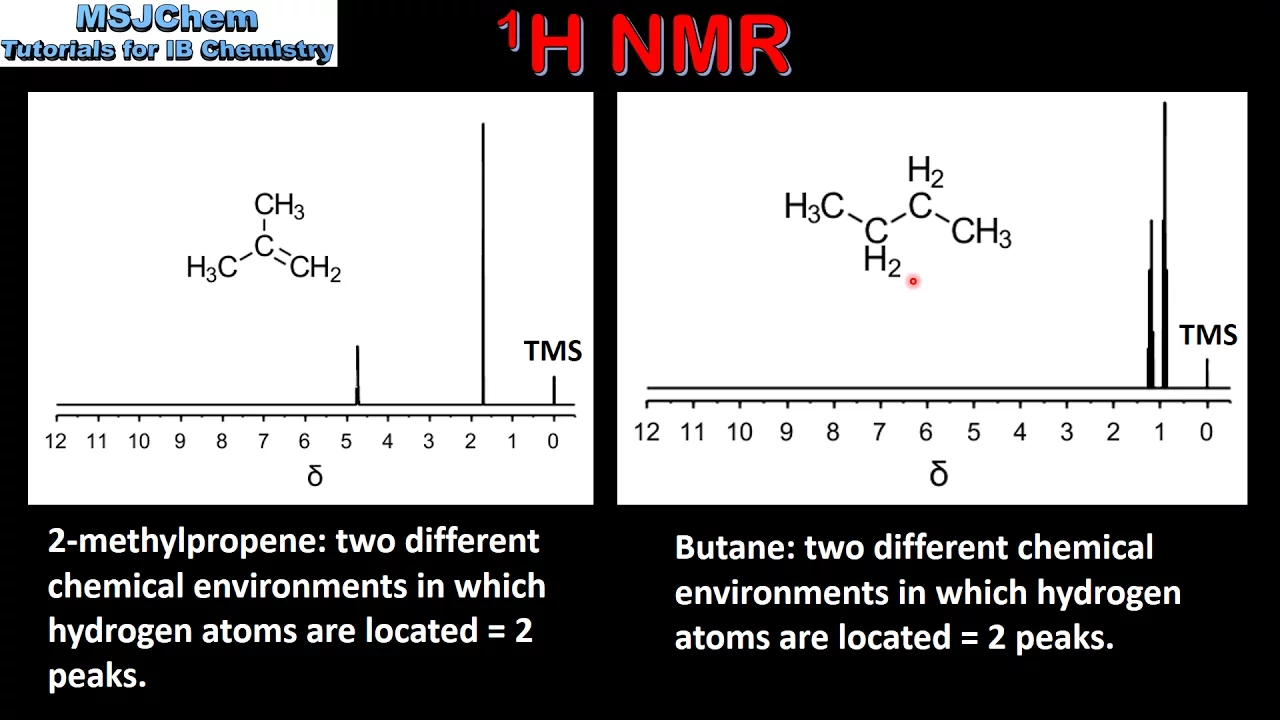
1H NMR: Determining Number of Peaks from Structure
@MSJChem
59.2K views•2017-04-06

17:31
Edible Water Bottles: A DIY Guide to Sodium Alginate Spherification
@ryan
10.5M views•2019-06-21
Related Study Plans & Knowledge Roadmaps
Structured learning paths in Chemistry
chemistry
Nuclear Chemistry: Decay, Meds & Fuel Cycle
01Introduction to Nuclear Structure and Radioactivity
02Decay Dynamics and Kinetics
03Radiation Interaction and Detection
+ 2 more learning modules
24h5 modules
Explore Roadmap
chemistry
Supramolecular Chemistry: Forces & Machines
01Foundations of Chemical Bonding and Intermolecular Forces
02Introduction to Host-Guest Chemistry
03Thermodynamics and Dynamics of Self-Assembly
+ 2 more learning modules
16h5 modules
Explore Roadmap
chemistry
Photochemistry: Excited States & Reactions
01Foundations of Light-Matter Interactions
02Molecular Orbitals and Electronic States
03Photophysical Processes and Jablonski Diagrams
+ 2 more learning modules
18h5 modules
Explore Roadmap
chemistry
Coordination Chemistry: Bonding & Properties
01Introduction to Transition Metals and Ligands
02Crystal Field Theory (CFT) and Geometry
03Magnetic Behavior and Spin States
+ 2 more learning modules
14h5 modules
Explore Roadmap