














![Pogłębiarka #PODCAST [#96] Twój WEWNĘTRZNY KRYTYK - przyjaciel czy wróg? Maja Wyborska](https://i.ytimg.com/vi/iwIgNQ2TcHQ/maxresdefault.jpg)











Transient hypofrontality is a temporary downregulation of the prefrontal cortex that enables flow states; when neural activation in the prefrontal cortex (responsible for self-other distinction, time perception, and internal dialogue) is sufficiently reduced, individuals merge with their consciousness, experience time slowing down, and achieve optimal performance characterized by quicker reactions, improved creativity, and fearless presence in the present moment.
Transient Hypofrontality Explained: The Neuroscience of Flow State
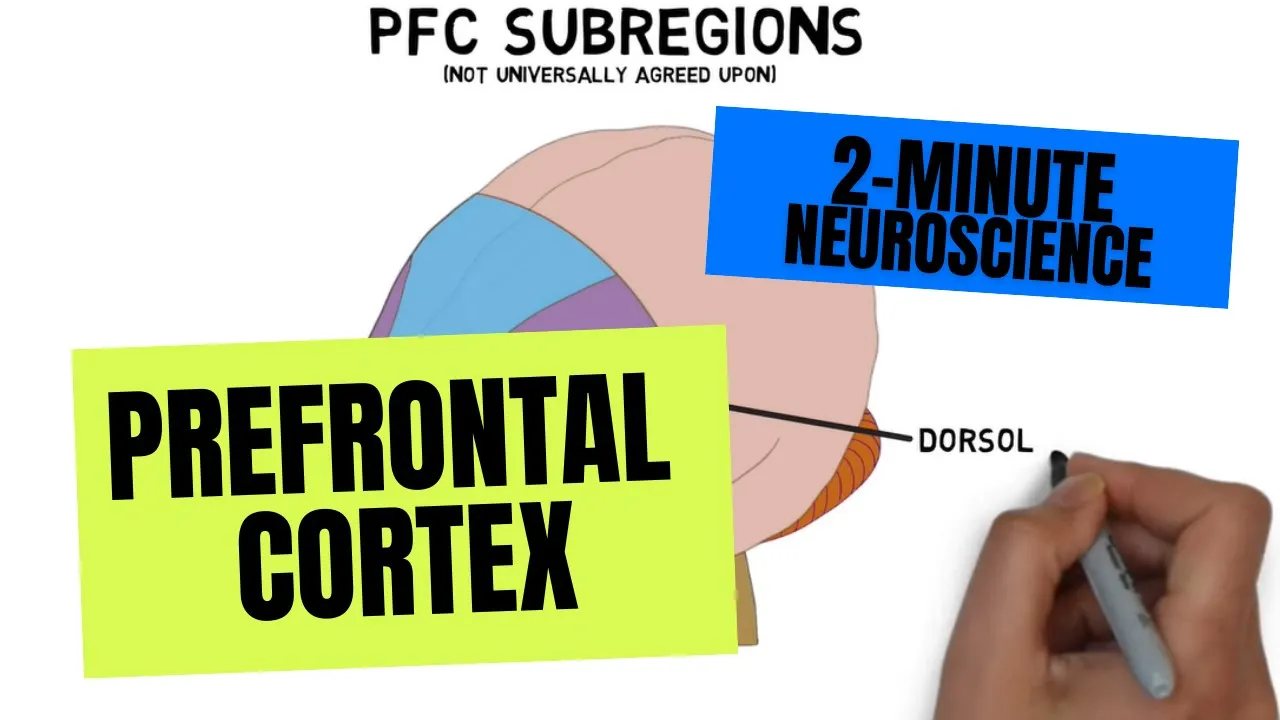
Added:Basic neuroanatomy of the Prefrontal Cortex (PFC) and its role in executive functions like self-monitoring, planning, and working memory.
The psychological concept of 'Flow State' as defined by Mihaly Csikszentmihalyi, including its key subjective characteristics.
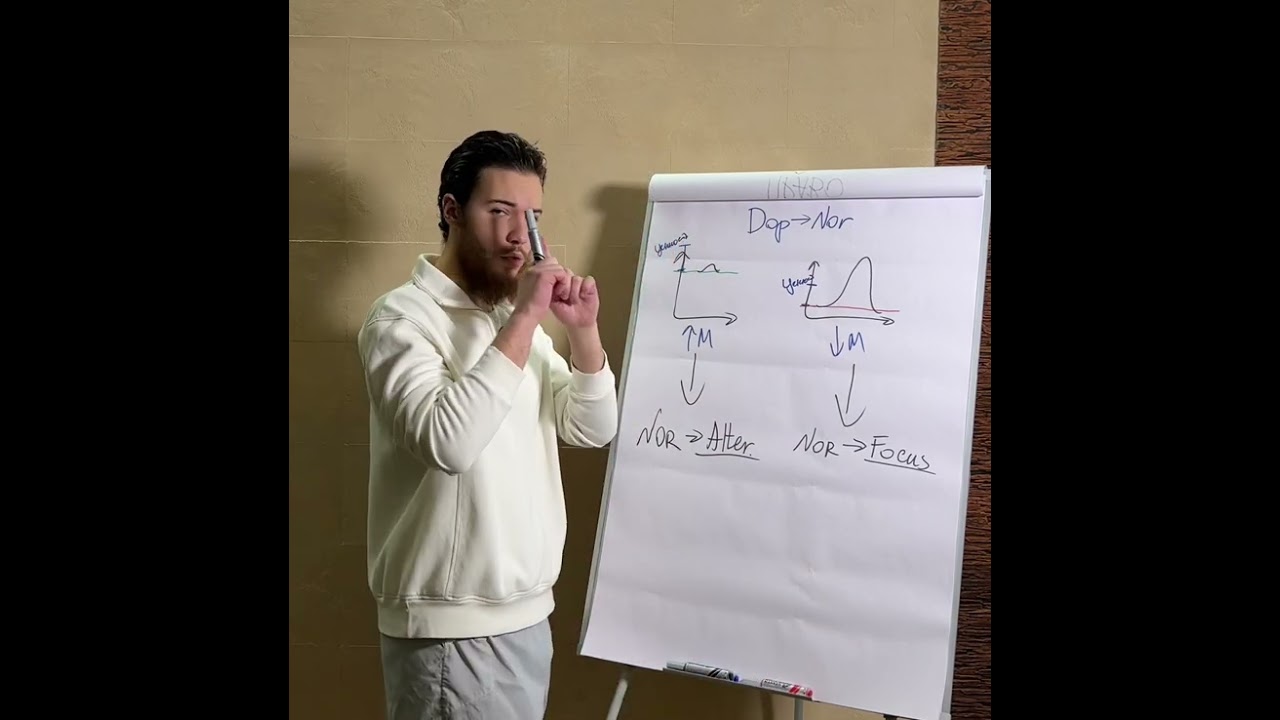
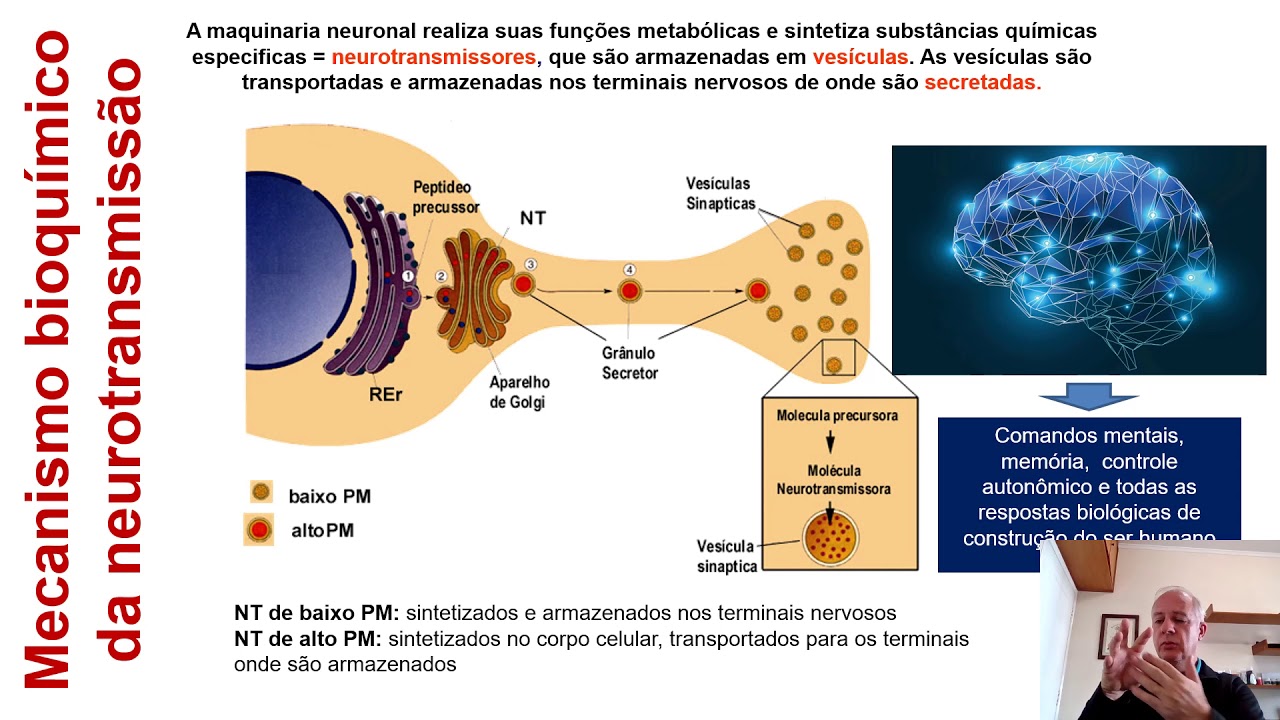
Fundamentals of neurotransmission, particularly how dopamine and norepinephrine regulate attention, focus, and reward pathways.
The distinction between explicit (conscious, analytical) and implicit (automatic, procedural) cognitive processing systems.
The relationship between the Default Mode Network (DMN) downregulation and the mitigation of the 'inner critic' during flow.
Practical protocols and environmental triggers to actively induce transient hypofrontality in daily life, work, or athletic performance.
The neurobiology of other altered states of consciousness, such as deep meditation, dreaming, and psychedelic-assisted therapy.
Long-term neuroplastic consequences of sustained flow states on cognitive resilience, creative problem-solving, and emotional regulation.
9.3K views296likes5:18Original Release: 2020-06-26
flowcode lesson seven transient hypofrontality hi and welcome back this is max flow and we're going to explain in detail the most important aspect of hacking into the state of flow advances in neurobiology of clarified our understanding of what is happening in our brains and bodies when we experience a range of mental states this sharpen perspective allows us to understand in simple and rational terms the mechanics of transcendence the vast scientific research clearly shows that mental states commonly referred to as altered states of consciousness are triggered by the temporary down regulation of the prefrontal cortex deactivate to activate the optimal state when we enter the flow state we experience what is called a transient hypofrontality transient meaning temporary hypo is the opposite of hyper meaning to slow down or to deactivate while frontality ascribes to the prefrontal cortex areas in the prefrontal cortex that we seek to down-regulate in order to achieve flow are the seats of higher cognitive processing where we distinguish the difference between self and other our sense of time our integral dialogue transient hypofrontality occurs when neural activation in the prefrontal cortex needed to calculate higher brain functions is sufficiently reduced so you have no ability to extract yourself from the here and now this is why when we are in flow time seems to slow down we merge with the consciousness we become one with what we are doing it is the same experience that Tibetan monks trained meditators or top performers feel the experience all of us felt on many instances in our lives when everything ran smoothly and effortlessly therefore transient hypofrontality is the base for all altered states of consciousness and a doorway to the highest quality of mental experience a doorway to the state of flow these findings postulate that we need to deactivate to fully activate and experience the state of low there is vast supportive evidence from psychological and neuro scientific studies of dreaming endurance running meditation daydreaming hypnosis in various drug-induced states the research concludes that transient hypofrontality is a unifying feature of all altered states and the uniqueness of each state is the result of the different engagement of various frontal brain circuits this is also the reason that flow experience is like everything else a subject to fluctuation and change quick comparison between normal and flow state normal State in today's reality our brains are clogged with an overflow of information with over 70,000 thoughts of a day this state brings mostly tons of repetitive and unproductive daydreaming with an unusually rampant inter critic analyzing and questioning our behavior takes most of our mental bandwidth rehearsed performance is hindered and we are prone to slow reactions the experience of life is generally fearful because our mind is either burdened with the past or anticipates future calamities your brain operates mostly in the spectrum of beta waves we operate in the default mode network we are on unconscious repeat questioning and doubting ourselves or being stuck in a fixated thinking flow state the brain is free from of clutter thus giving us more mental bandwidth with which we can assign to the experience of flow in flow we are gaining quicker reactions improve creativity and productivity in flow we are fearless in the present moment where everything flows seamlessly and in harmony brain operates mostly in the spectrum of alpha theta waves we operate in the task-oriented Network new ideas and flawless performance emerges the hallmark of flow code interventions is about the modification of these behavioral and cognitive functions of the prefrontal cortex the goal of flow code interventions is to trigger the state of flow by gaining ability to effectively down regulate the activity of the prefrontal cortex when needed and on demand without this ability there is just no sufficient mental space in which you could possibly experience flow a sufficiently downregulated prefrontal cortex is therefore a primary condition for flow that needs to be met
Up Next

17:53
Brain Chemicals for Peak Performance: A Neuroscience Guide
@TEDx
30.4K views•2019-12-03
21:55
Deciphering Neural Circuits Controlling Anorexia in Mice | Richard Palmiter
@AllenInstitute
2.3K views•2011-10-10

4:10
Vagus Nerve (CN X): Anatomy, Nuclei & Functions Explained
@Alilamedicalmedia
305.2K views•2022-10-31

13:03
How Exercise Benefits Your Brain: Science Explained
@TED
11.4M views•2018-03-21
Related Study Plans & Knowledge Roadmaps
Structured learning paths in Neuroscience
neuroscience
Appetite Regulation: Brain Circuits & Hormones
01Foundations of Endocrinology and Brain Anatomy
02Introduction to Energy Homeostasis
03Peripheral Signals: Leptin, Ghrelin, and Insulin
+ 2 more learning modules
14h5 modules
Explore Roadmap
neuroscience
Neuroeconomics: Value, Risk & Brain Mechanisms
01Foundations of Neuroscience and Brain Anatomy
02Introduction to Neuroeconomics and Subjective Value
03Dopaminergic Prediction Errors & Reinforcement Learning
+ 3 more learning modules
18h6 modules
Explore Roadmap
neuroscience
Spatial Navigation: Cells, Grids & Brain Maps
01Foundations of Brain Anatomy and Memory
02Place Cells and Head-Direction Cells
03Grid Cells: The Brain's Coordinate System
+ 2 more learning modules
12h5 modules
Explore Roadmap
neuroscience
BCIs: Neural Decoding & Prosthetic Control
01Neuroscience Foundations: How the Brain Signals Intent
02Signal Acquisition: Recording the Brain's Activity
03Neural Decoding: Translating Brain Waves into Data
+ 2 more learning modules
25h5 modules
Explore Roadmap