







![【Hoi4】日本・台湾有事 もし日米同盟が崩壊したら...「存立危機事態」【 日本・The Fire Rises 】[ゆっくり実況]](https://i.ytimg.com/vi/DfJkxlXzjPw/maxresdefault.jpg)


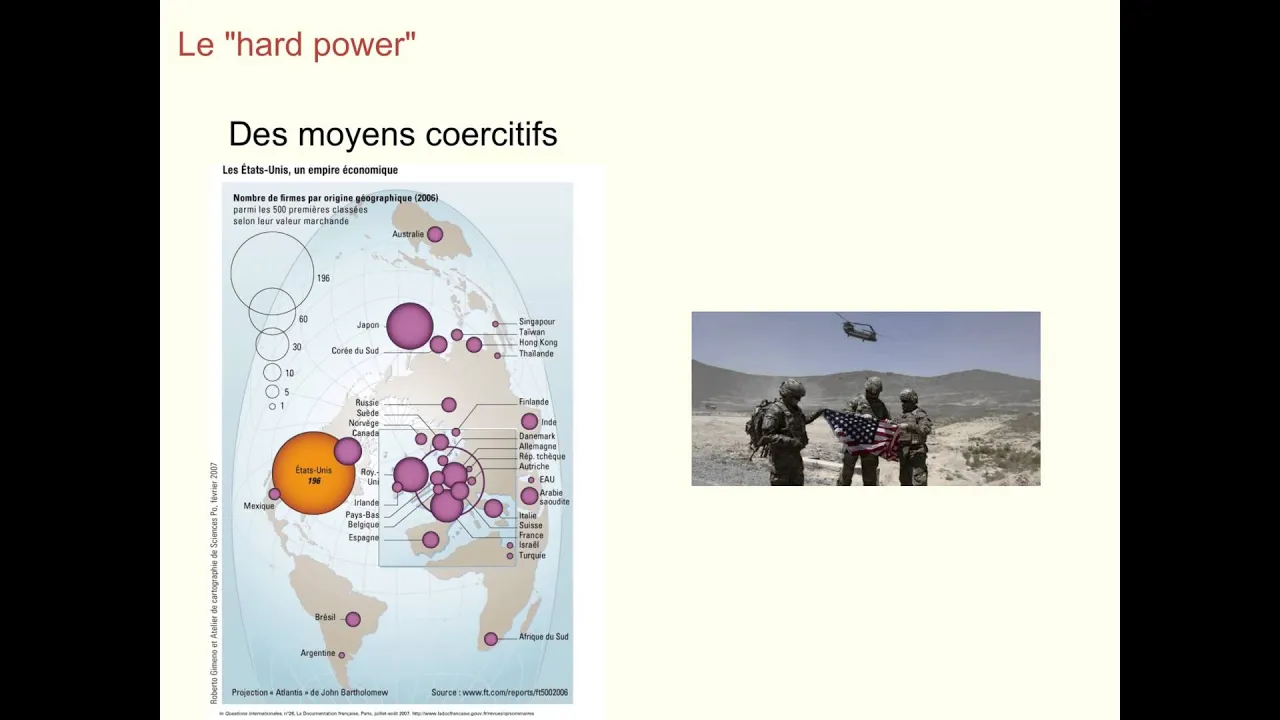



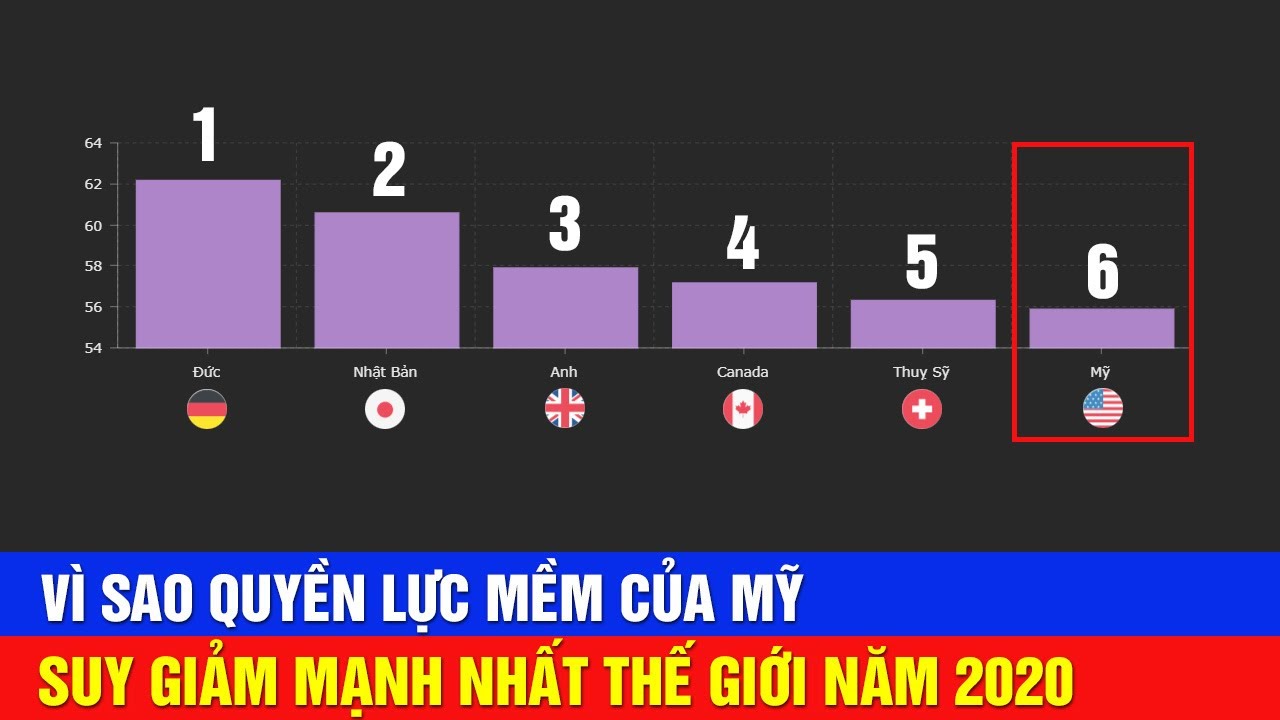





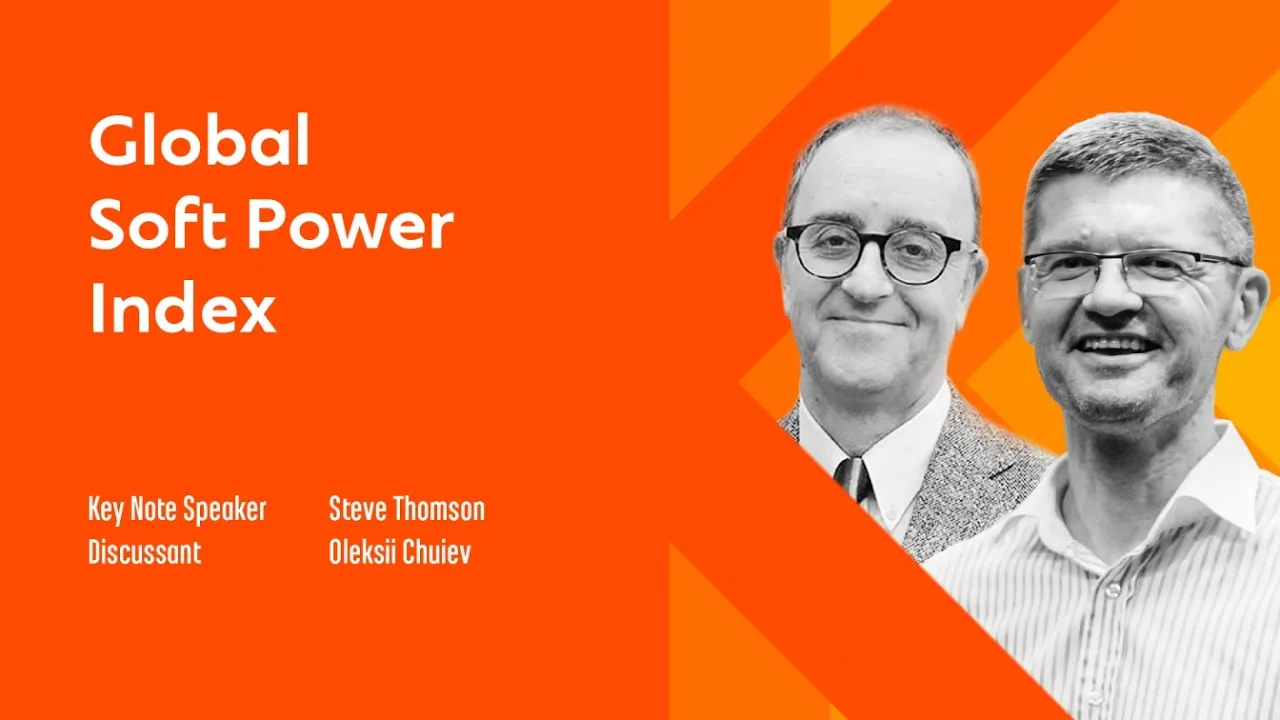
Soft power is a country's ability to influence the preferences and behaviors of stakeholders through attraction and persuasion rather than coercion, measured across seven pillars including business, trade, governance, people, and culture. According to the Global Soft Power Index by Brand Finance, the United States remains the world's most influential country, followed by Germany and the United Kingdom, while South Africa ranks 36th out of 50 countries, indicating significant weakness in global influence despite having stronger influence within Africa.
Global Soft Power Index 2020: US Influence & Country Rankings
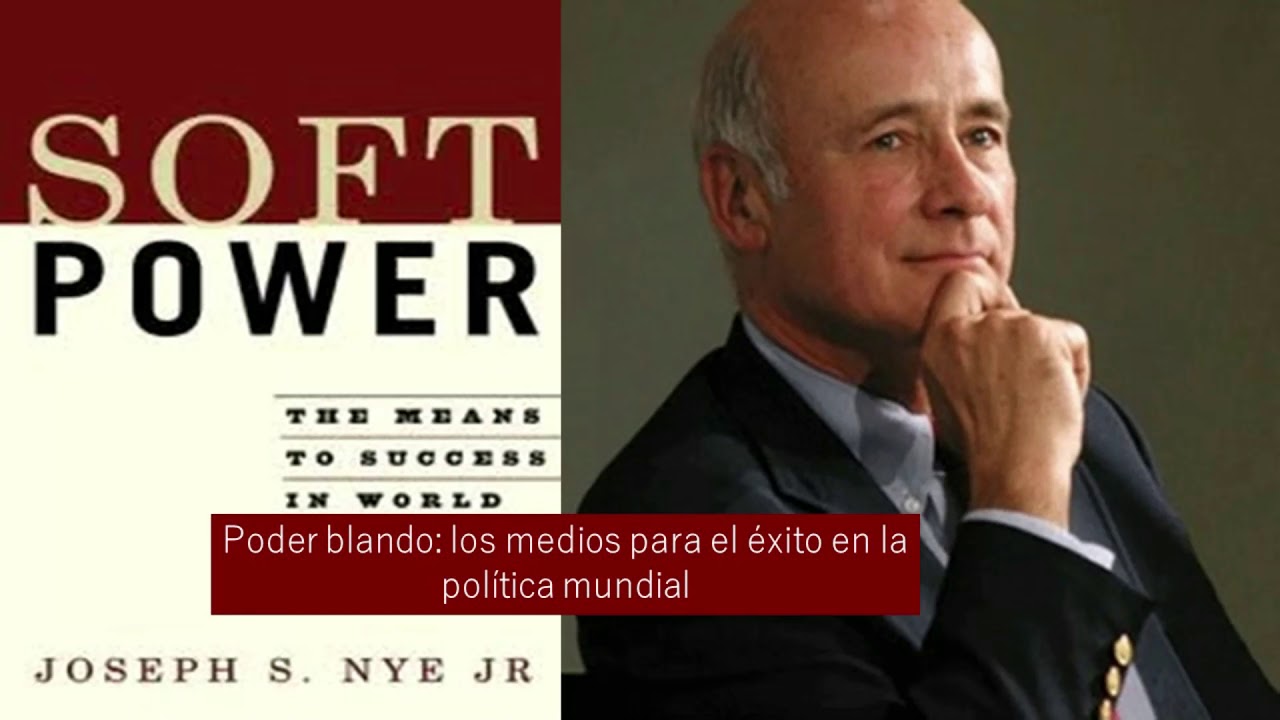
Added:Joseph Nye's core concept of 'Soft Power' and how it differs from 'Hard Power' (military and economic coercion).
An understanding of international relations theories, specifically Realism and Liberalism, regarding how states project influence.
Basic knowledge of how global indices and nation-branding metrics quantify qualitative assets like culture, political values, and foreign policy.
Familiarity with the global geopolitical standing of key actors in 2020, including the United States, the United Kingdom, Germany, and South Africa.
The evolution of power concepts, such as 'Smart Power' (the strategic combination of hard and soft power) and 'Sharp Power' (subversive state influence).
Analyses of how shifts in political leadership, domestic policy, and global crises (like the COVID-19 pandemic) cause volatility in a nation's soft power capital.
The practical application of nation-branding and cultural diplomacy strategies used by governments to rebuild international trust and attract foreign investment.
Empirical study of the correlation between high soft power rankings and tangible foreign policy outcomes, such as successful treaty negotiations and trade alliances.
776 views4likes5:00Original Release: 2020-03-20
good morning to you and welcome let's get the definition out the way first soft power means influence means influence Jeremiah does a bit more than that and I'm going to give you the version which is a country's ability to influence the Preferences and behaviors of various stakeholders through attraction persuasion rather than coercion and is based on seven pillars and these are the pillars of things like business and trade governance behaviors your people your culture all those things so those seven pillars everyone is measured on that and they can rank themselves and actually track how they're doing whether it's going up or down what is interesting about this survey is that America remains the world's most influential country yet it also says that the Trump administration has weakened perceptions of America's trustworthiness but having said that it still tops the list it still tops the list people forget how powerful how muscular the United States is and let's face that this research was done what a beginning of the year and things might have changed a bit but it's still an incredibly powerful organization we're living in a new world the last few weeks we know that but this is how we stood at the beginning of the year followed by Germany and the United Kingdom what gives Germany and the United Kingdom their particular strength when it comes to South Park Germany is because they're so structured and they're so disciplined and transparency their industry sector we know is very strong their culture is very strong etc etc Britain is very interesting as a conference I was out in London two-and-a-half weeks ago six hundred people of us at the QE Center his Excellency Ban ki-moon from the United Nations was the keynote speaker but when you look at the whole thing one of the most powerful forms of spreading the British Way is the BBC so the power of the media around the world the world service etc and we had to form a head of the World Service talking and he said well the BBC might have been propaganda 40 years ago whereas today it isn't propaganda it's news source especially necessary when people think so much of what is fake news versus real news um as far as this country is concerned we sits on that ranking in 36 position 6 position out of the 50 and this is where we're very weak on influence now this is one of the key things Germany has huge influence around the world as the United States South Africa has very little influence even in Africa it's very very weak but it's very interesting how governments are look mentally do you break it down - we would surely have more influence within our own continent than globally do you look at do you segment it as far as influence as far as far as African countries they've got about a hundred touch points that they look at and so yes the influence would be more in Africa but you know and I know that often you go overseas and people still say where South Africa you know they're not even quite sure where it is so outside of Africa especially our influence is very very low and this is where who are the heroes of South Africa or one of the heroes is the Springbok rugby and now if you ask people what do they think about South Africa they think of Mandela they think of rugby if you think of China what do you think of well perhaps the beginning of this year you thought of someone said ping pong or the wall or pandas will now you've got a pandemic and that's coronavirus so different countries have different things and different values and different qualities and unknown for different things I'd rather be in 36 position than where Nigeria sits right now well Nigeria has been catching us up in so many different ways in fact in business terms some people say it's edged ahead of us but in this soft way of looking at things it's way down the line and I think a lot of bottom it accompanies Bangladesh Kazakhstan Iraq and Myanmar great company and this is where South Africa is doing better so we're doing better in some ways we're doing badly in others education we're doing very badly in science and technology we're doing terribly badly and science and technology we know in the world we live in is a crucial aspect going forward and just a final one I'm assuming that it takes time to change soft-power perception this is not something that you can work on overnight we're not going to see up as increased from 36 to the top 10 in in 12 months all we know but this is where you have to have a strategy you have two people working together and this is where bodies like sa tourism are crucial but there has to be a strategy that all government departments and all parts of the country follow and then you know where you're going otherwise we're going to be all over the place going forward and countries top top countries around the world are adopting this and this is becoming their strategy so they can monitor what they're doing Jeremy Sampson is the managing director for brand finance Africa it's called the global soft power index
Up Next
48:05
China's Soft Power Strategy: An Expert Analysis
@USChinaInstitute
843 views•2018-09-25

24:30
BRICS Pay and de-dollarization: A New Financial Order Emerges? | 55 chars
@DannyHaiphongYT
164.6K views•2024-10-22

7:33
Government Surveillance Methods: 10 Ways You May Be Watched
@BeAmazed
1.6M views•2017-04-09
10:19
Explaining the Saudi-Iranian Proxy Conflict in the Middle East
@Vox
18.2M views•2017-07-17
Related Study Plans & Knowledge Roadmaps
Structured learning paths in Political Science
political-science
Economic Statecraft: Sanctions & Chokepoints
01Foundations of Geoeconomics and Economic Statecraft
02The Mechanics of Weaponized Interdependence
03International Sanctions: Types, Implementation, and Efficacy
+ 2 more learning modules
12h5 modules
Explore Roadmap
political-science
Central Bank Independence: Politics & Policy
01Foundations of Central Banking and Monetary Policy
02The Time Inconsistency Problem & Inflation Bias
03The Delegation Model and Designing Independence
+ 2 more learning modules
12h5 modules
Explore Roadmap
political-science
Consociationalism: Power-Sharing & Stability
01Democratic Dilemmas in Divided Societies
02Introduction to Consociational Democracy
03The Four Pillars of Consociational Design
+ 2 more learning modules
12h5 modules
Explore Roadmap
political-science
Rebel Governance: Legitimacy, Economy & State
01Foundations of Rebel Governance and Statehood
02Establishing Political Legitimacy and the Rebel Social Contract
03Wartime Economies and Rebel Resource Management
+ 2 more learning modules
14h5 modules
Explore Roadmap