





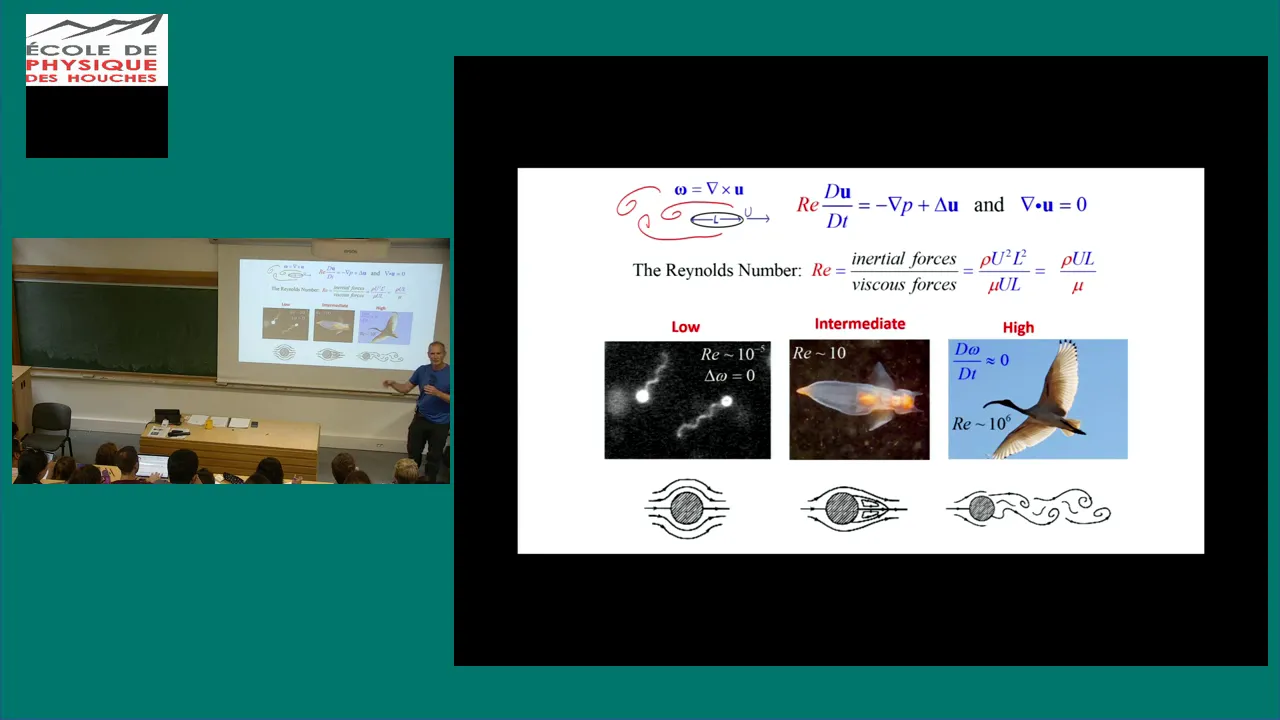
















The Reynolds number (Re) is a dimensionless parameter in aerodynamics that predicts whether fluid flow around an airfoil will be laminar (smooth, orderly) or turbulent (chaotic), calculated as Re = (density × velocity × chord length) / dynamic viscosity; it enables engineers to predict full-scale aircraft behavior by matching Reynolds numbers between wind tunnel tests on small models and actual flight conditions, allowing cost-effective design validation before full-scale production.
Reynolds Number Explained: Laminar vs. Turbulent Flow
Added:Basic fluid properties, specifically the concepts of fluid density and dynamic/kinematic viscosity.
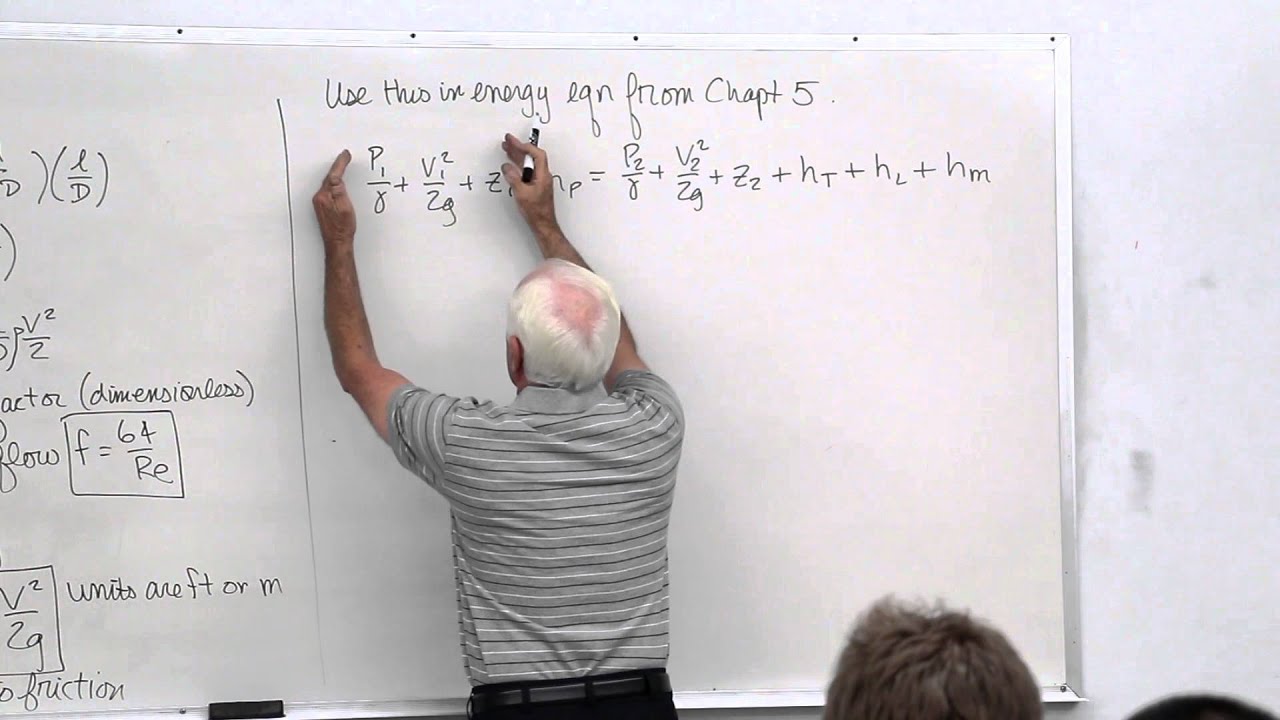
The distinction between inertial forces (associated with fluid momentum) and viscous forces (associated with internal fluid friction).
Fundamental concepts of fluid kinematics, including flow velocity, flow rate, and characteristic length scales.
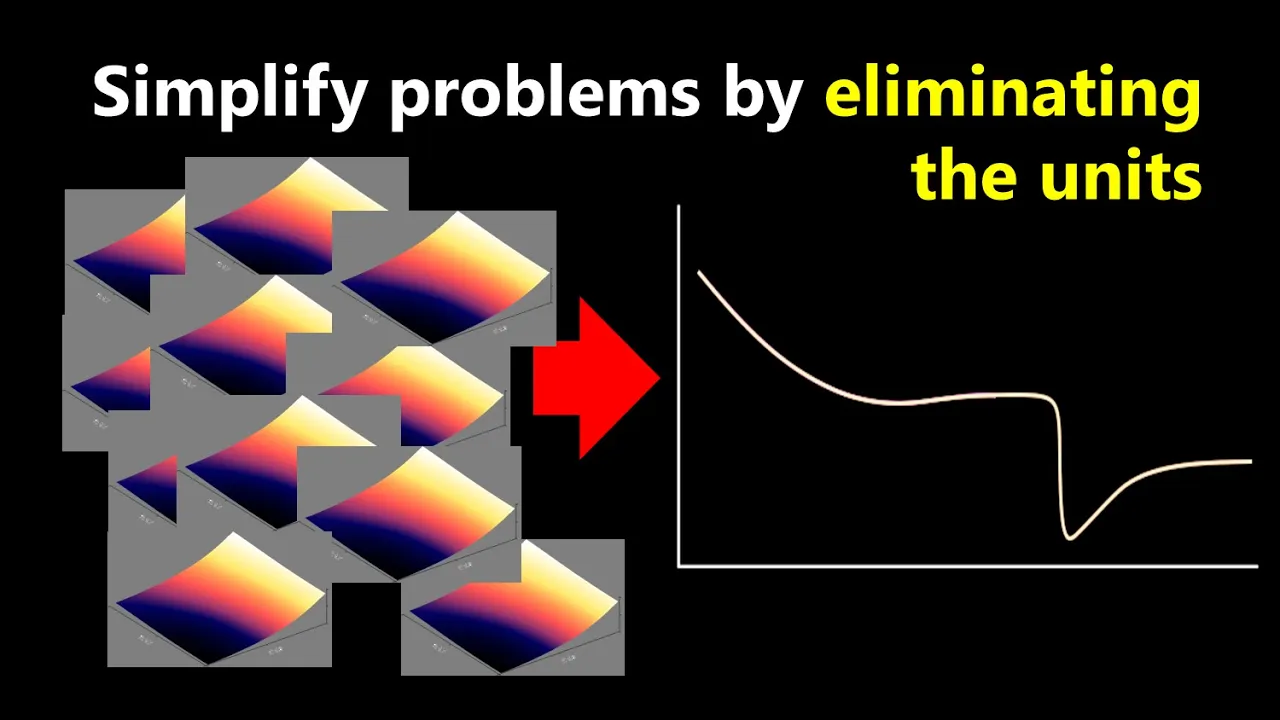
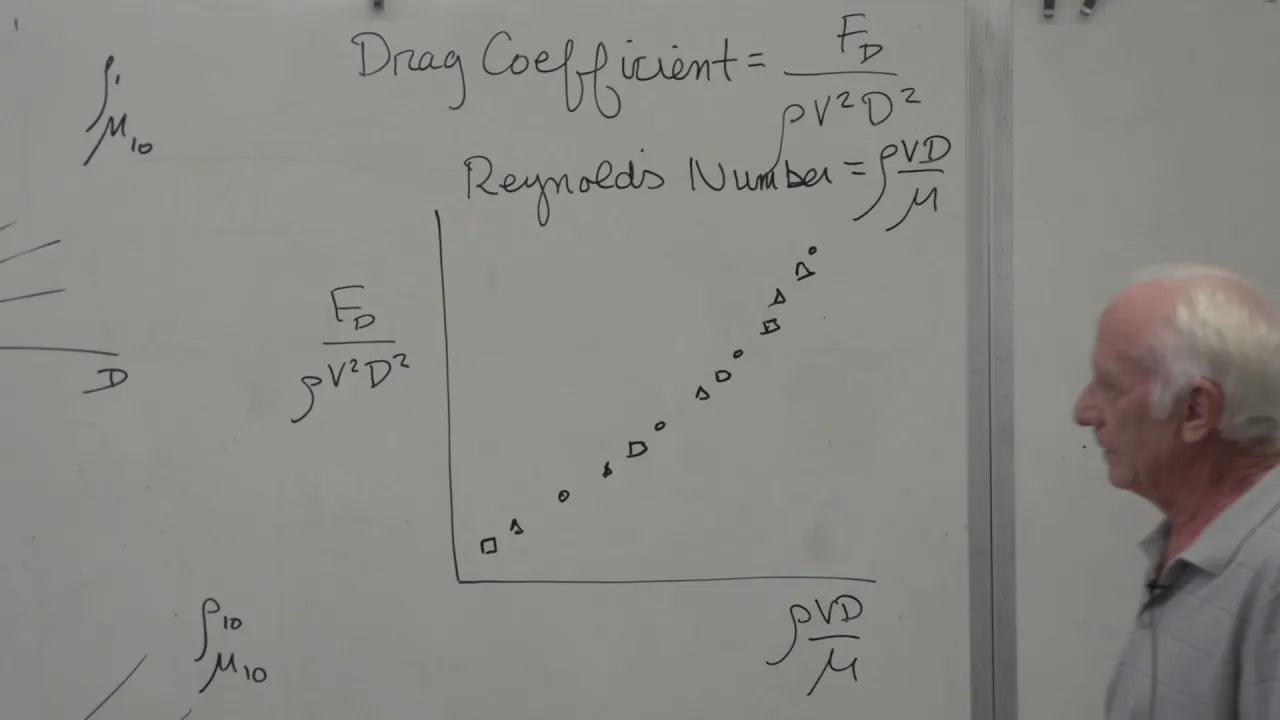
An introduction to dimensional analysis and the significance of dimensionless parameters in physics and engineering.
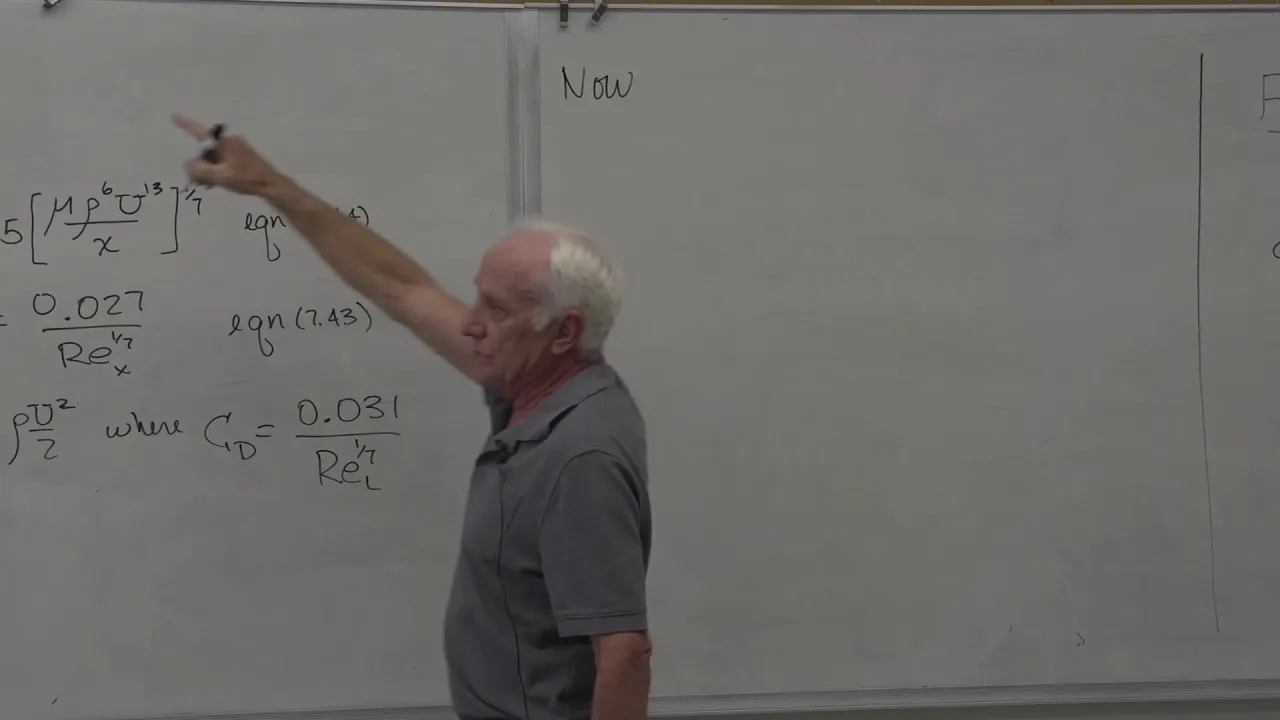
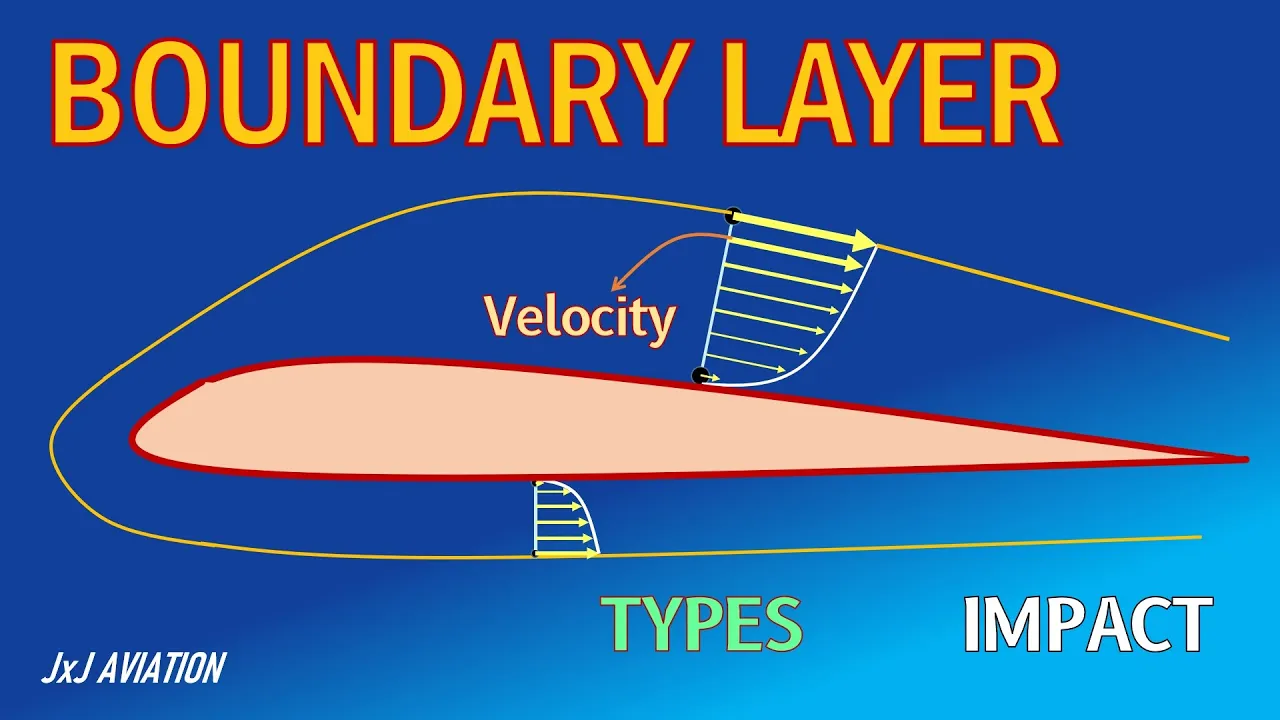
Boundary layer theory, exploring how laminar and turbulent boundary layers form and behave along aerodynamic surfaces.
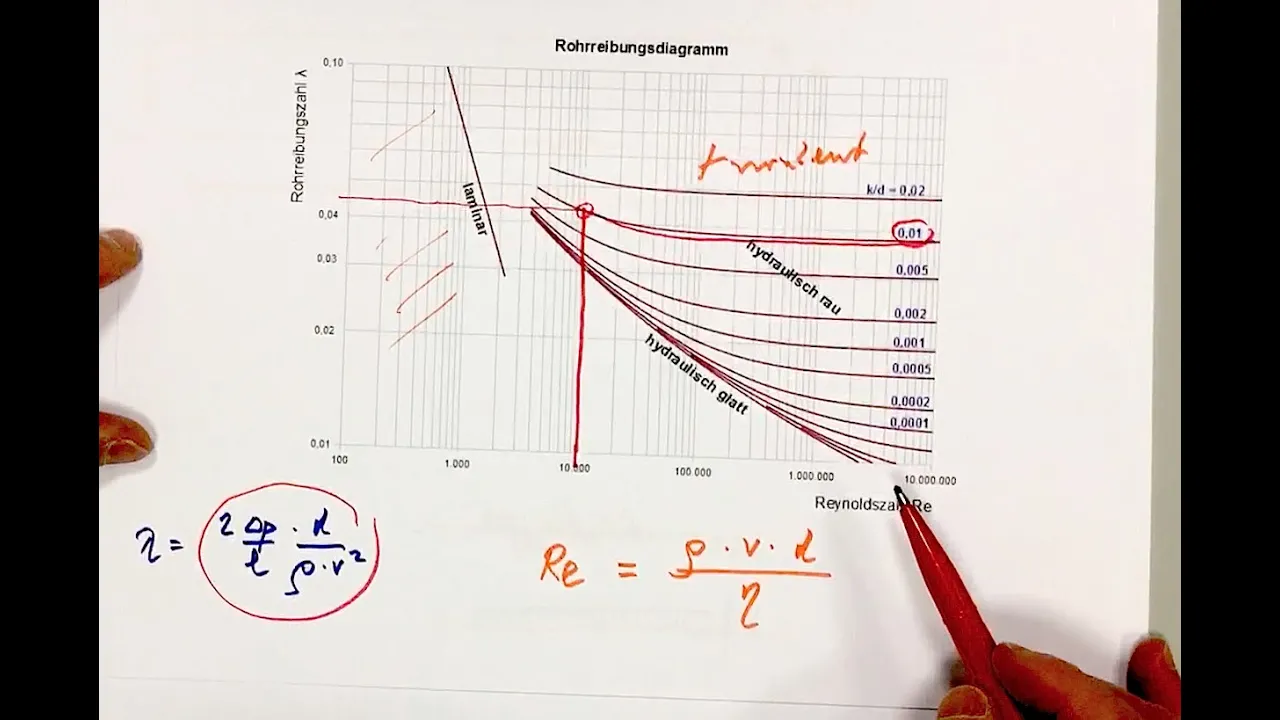
The Moody Diagram and practical pipe flow analysis, applying Reynolds number to calculate pressure drops and friction factors.
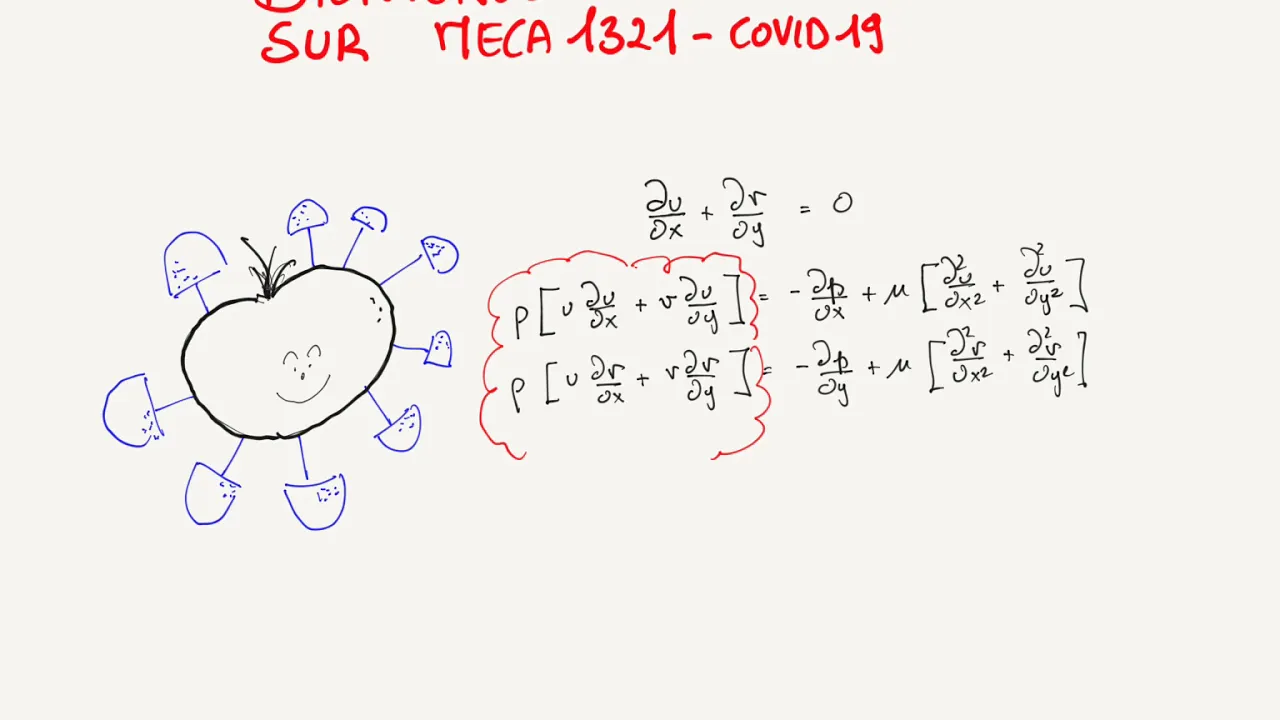
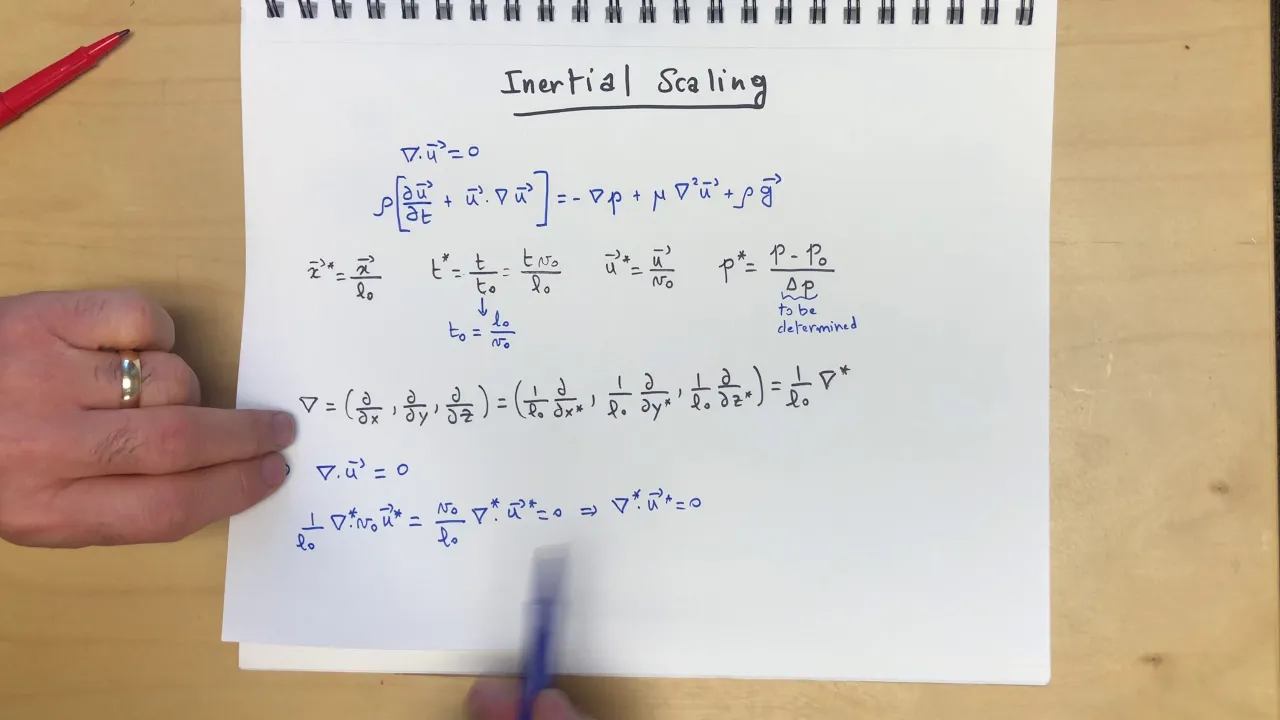
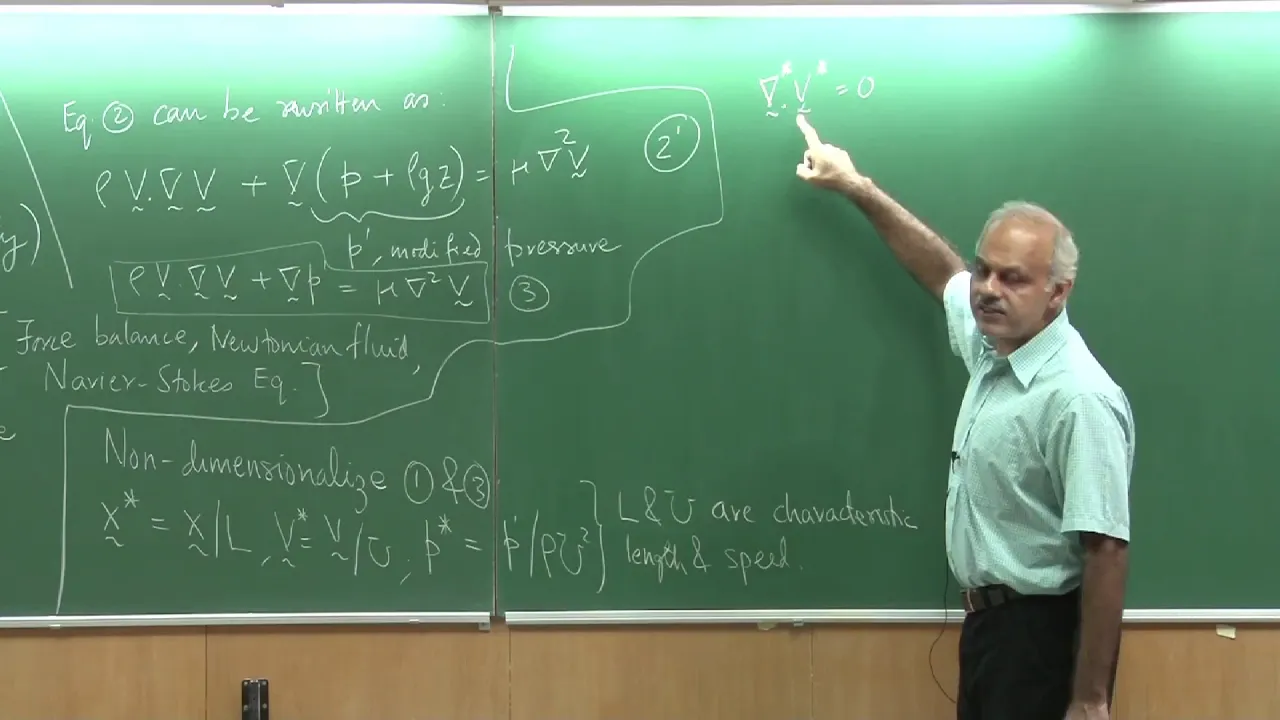
The Navier-Stokes equations and how scaling the Reynolds number simplifies these governing equations (e.g., Stokes flow vs. inviscid Euler flow).
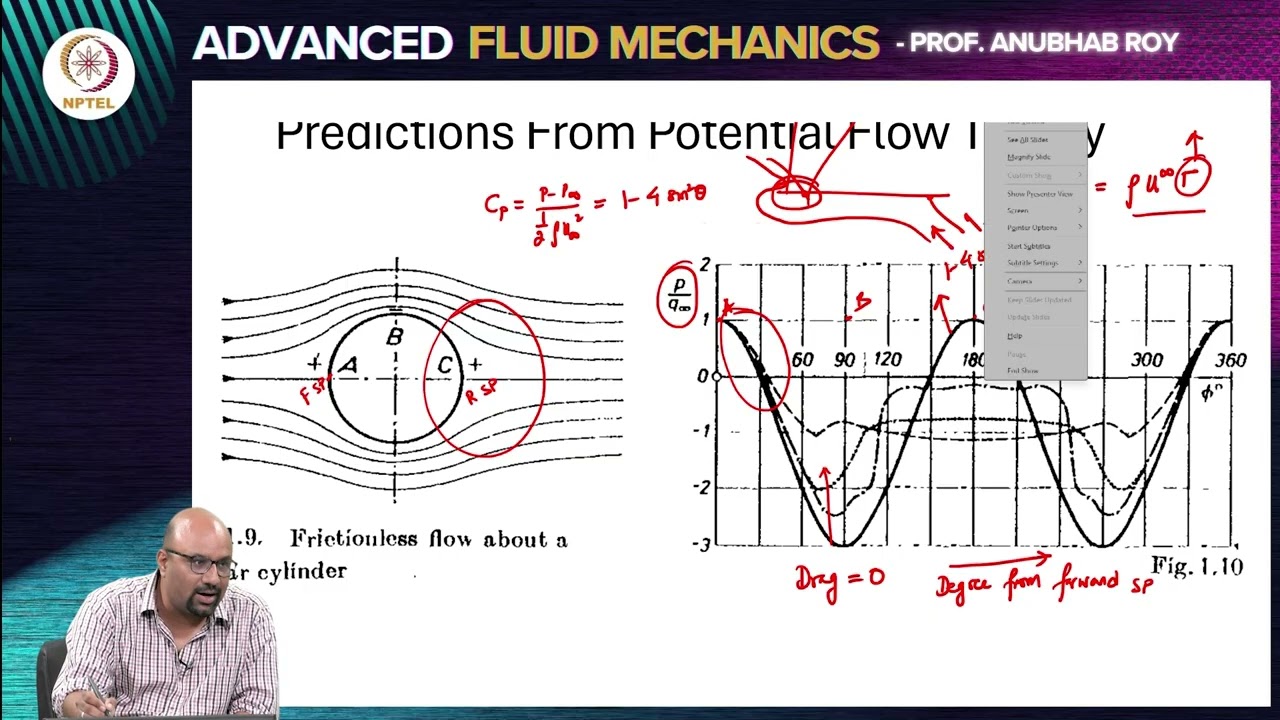
Flow separation and aerodynamic drag, analyzing how the transition from laminar to turbulent flow affects lift and drag coefficients on airfoils.
63.1K views2.1Klikes4:44Original Release: 2020-04-23
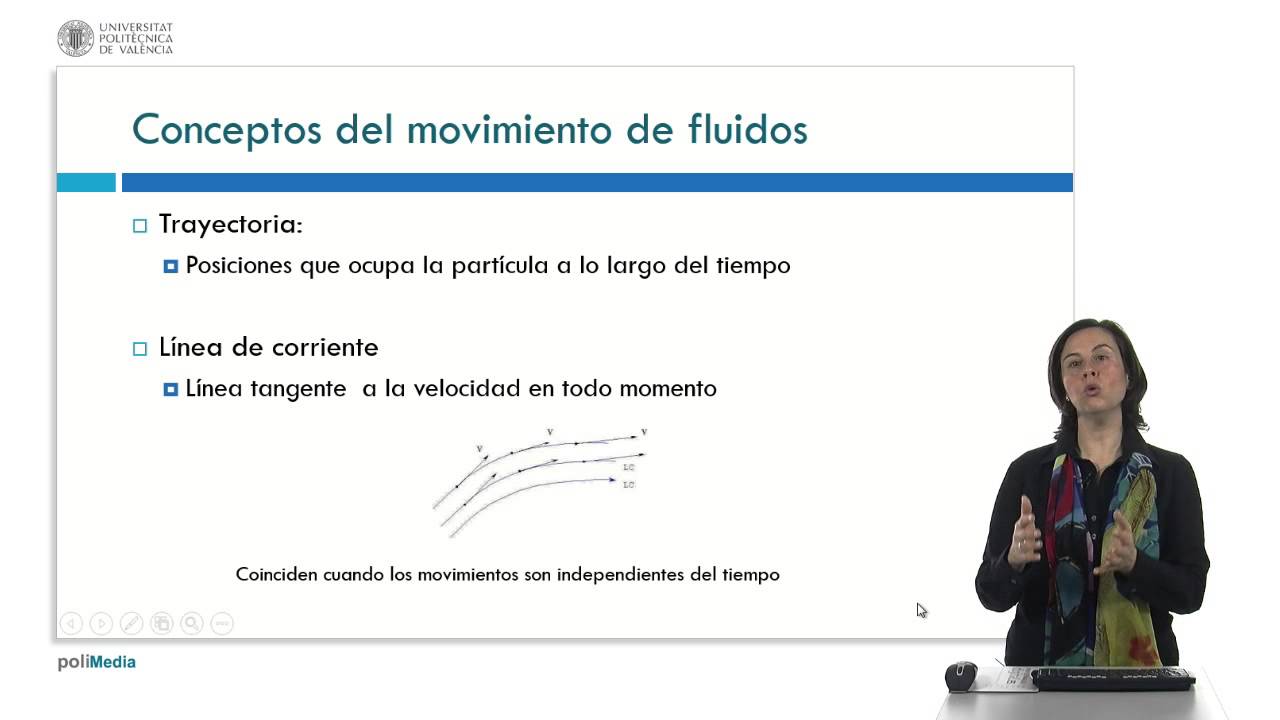
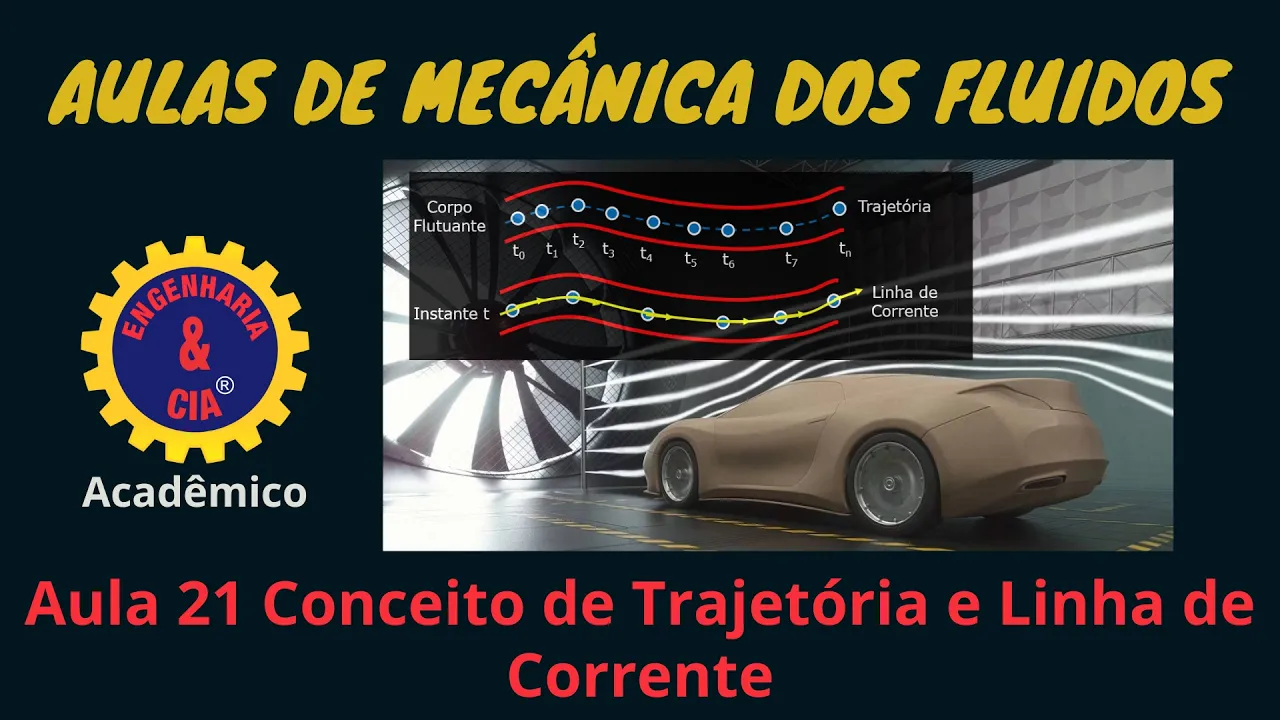
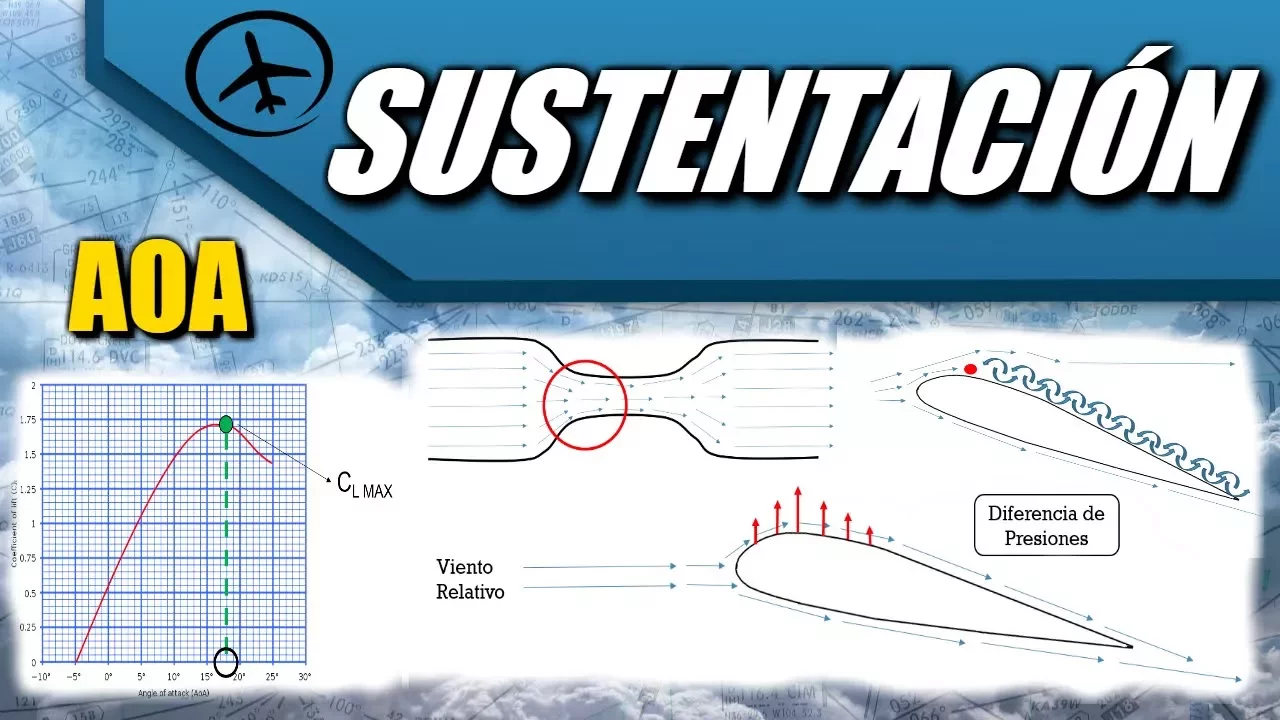
so Reynolds number is a little bit more difficult than the Mach number because Mach number only gives us the ratio of two speeds and it's easy to determine what's what and in the future we'll solve some problems about it Reynolds number is named after the English scientist Osborne Reynolds Ryan Reynolds got this far and Reynolds number describes the viscosity of the flow Reynolds number is denoted by our E and it's also a unitless number or dimensionless number it's equal to density of air multiplied by the velocity of the flow multiplied by the cord remember what it is from the wing parameters video and nu is the dynamic viscosity of the food in our case it's gonna be air so Reynolds number will tell us if the flow is laminar or turbulent now what does that mean let's draw a laminar flow let's say we have an airfoil we have a low speed of air remember usually conditions will change when we have high speeds of air if we have a laminar flow our streamlines will look very smooth around the airfoil nothing bad happens so the air just flows streamlined or orderly around the inner coil this is laminar but if we have a high angle of attack then something else will happen in the second half of the year for the streamline will detach at some point and here we'll have turbulent flow so basically we're losing lift but what happens is because Reynolds number changes this will be the turbulent flow because we can't predict the movement of air in this region Reynolds number can tell us the difference between laminar and turbulent flows but what are the borders and which net happens remember with Mach number we have less than 1 or greater than 1 or greater than 5 with Reynolds numbers it's gonna be a little bit different obviously so usually the laminar flow happens at Reynolds numbers less than 2100 or 2100 and turbulent flows start at 4,000 and remember there's no units Reynolds and Mach numbers are unit less so don't write something here by mistake all right so now let's finally answer the question of why we need these numbers well imagine you are designing a new type of aircraft how would you check the flight properties of that aircraft would you build a huge life-size model and then go fly it obviously no first we put the small size or small version of that aircraft into a wind tunnel which is also a big structure so it's also expensive but less expensive than building the big sized model so when we test this little model in the wind tunnel we get out specific properties of that model and those properties we measure are gonna meet mark and Reynolds numbers so when we finally build the large model or full-size model of that aircraft or rocket we will still have those numbers so let's say in the wind tunnel we got a ring number one with density of air with velocity one and cord length one which is going to be small viscosity is gonna be low because we don't have as much air and in the second case when we have a full-sized model we will have a different velocity different chord length and probably different viscosity but this airfoil and this full-sized airfoil will behave the same they will give us the same Reynolds number out so the importance of Mach and Reynolds numbers is that we can predict the behavior on the properties of a full-size aircraft based on experiments in the wind tunnel isn't this amazing it's pretty cool I hope your group is not so on this will end this video thank you for watching and don't forget to subscribe and like this video if it was helpful
Up Next
17:07
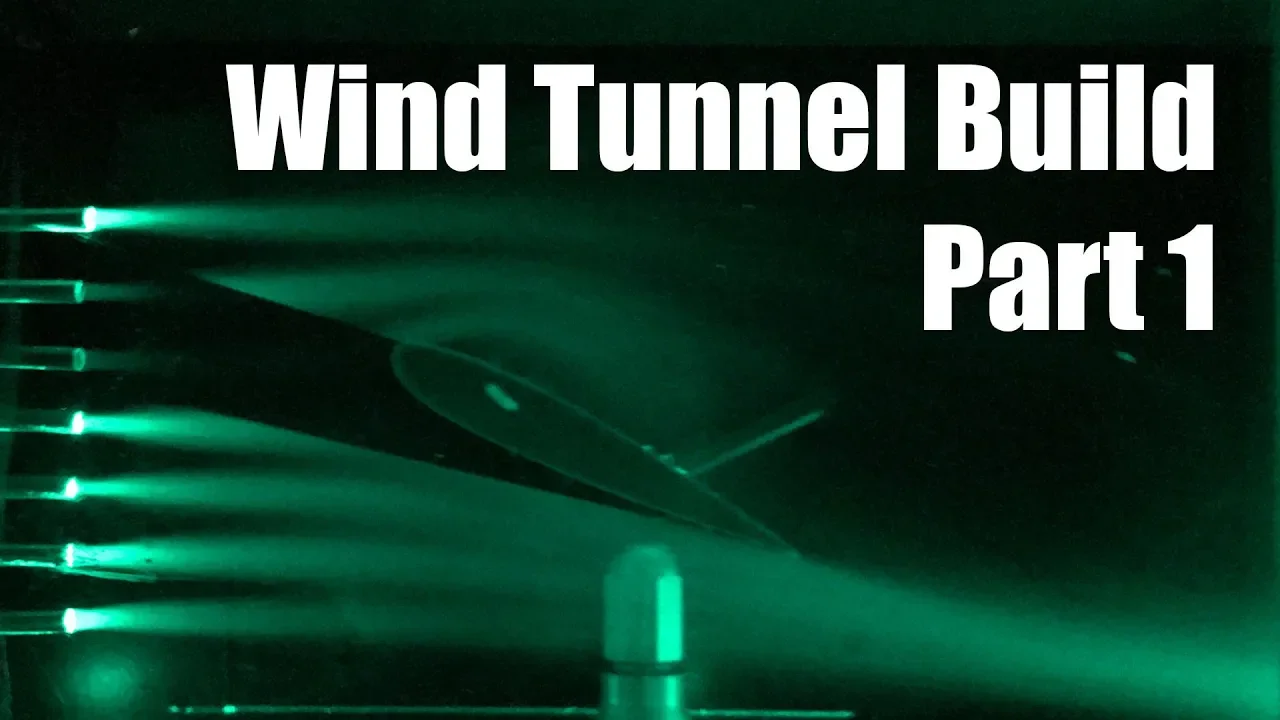
DIY Wind Tunnel Build Part 1: Design and Aerodynamics
@DefiantWings
77.5K views•2019-04-06

30:32
Ultrasonic Transducers: Resonant Frequency Measurement and Horn Design
@imajeenyus42
229.9K views•2017-02-22

12:46
How to Calculate Lift: Lift Coefficient and Angle of Attack
@AliyaBurkit
60K views•2020-05-28

33:39
How a Student's Question Saved a NYC Skyscraper from Collapse
@veritasium
22.8M views•2025-04-26
Related Study Plans & Knowledge Roadmaps
Structured learning paths in Engineering
engineering
Building Acoustic Levitators: Physics & Arduino
01The Physics of Sound and Standing Waves
02Piezoelectric Transducers and H-Bridge Drivers
03Arduino Programming: Generating 40 kHz Signals
+ 2 more learning modules
14h5 modules
Explore Roadmap
engineering
Building Peltier Cloud Chambers: Particle Tracks
01Cosmic Rays & Cloud Chamber Physics
02Thermoelectric Cooling (TEC) Fundamentals
03Custom Liquid-Cooling Loop Design
+ 2 more learning modules
18h5 modules
Explore Roadmap
engineering
Yagi-Uda Antennas: Modeling, Build & VNA Test
01Introduction to RF and Antenna Fundamentals
02Yagi-Uda Antenna Design Principles
03Antenna Modeling and Simulation in 4NEC2
+ 2 more learning modules
18h5 modules
Explore Roadmap
engineering
ECG Monitor Design: Op-Amps, Filters & Noise
01Electronics & Breadboard Basics
02Op-Amps and Instrumentation Amplifiers
03Bioelectricity and ECG Fundamentals
+ 2 more learning modules
18h5 modules
Explore Roadmap