




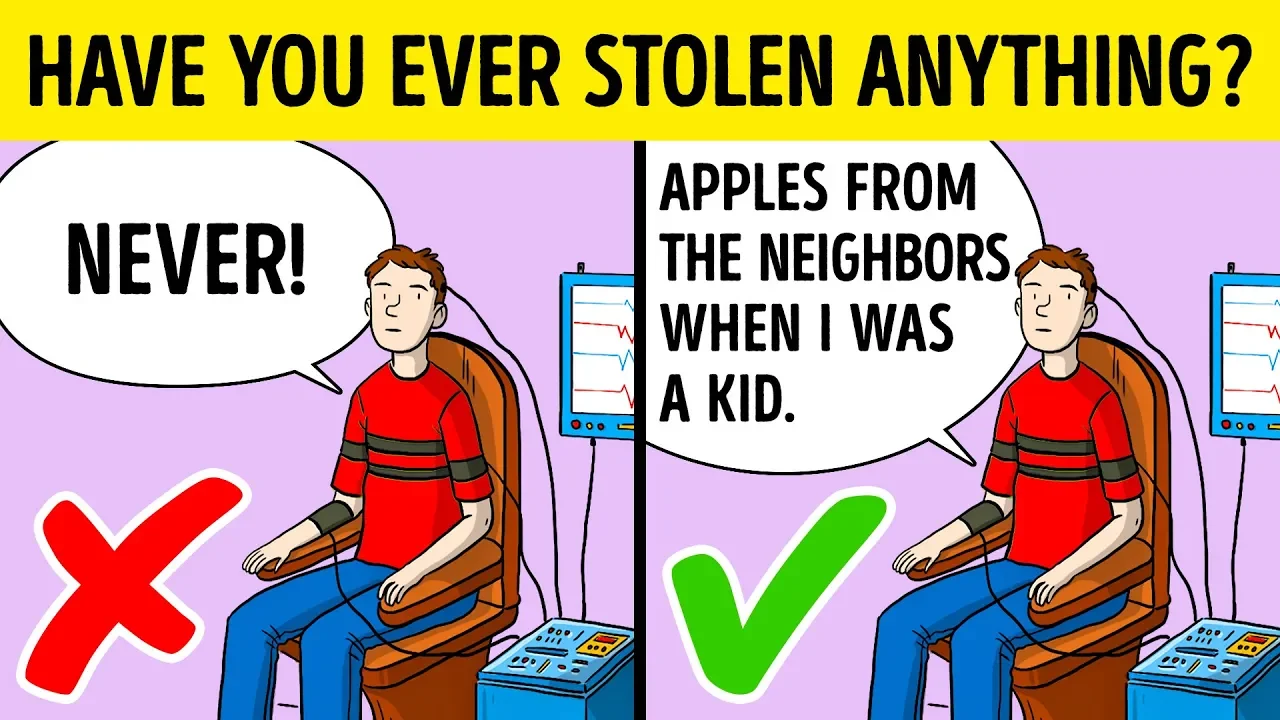

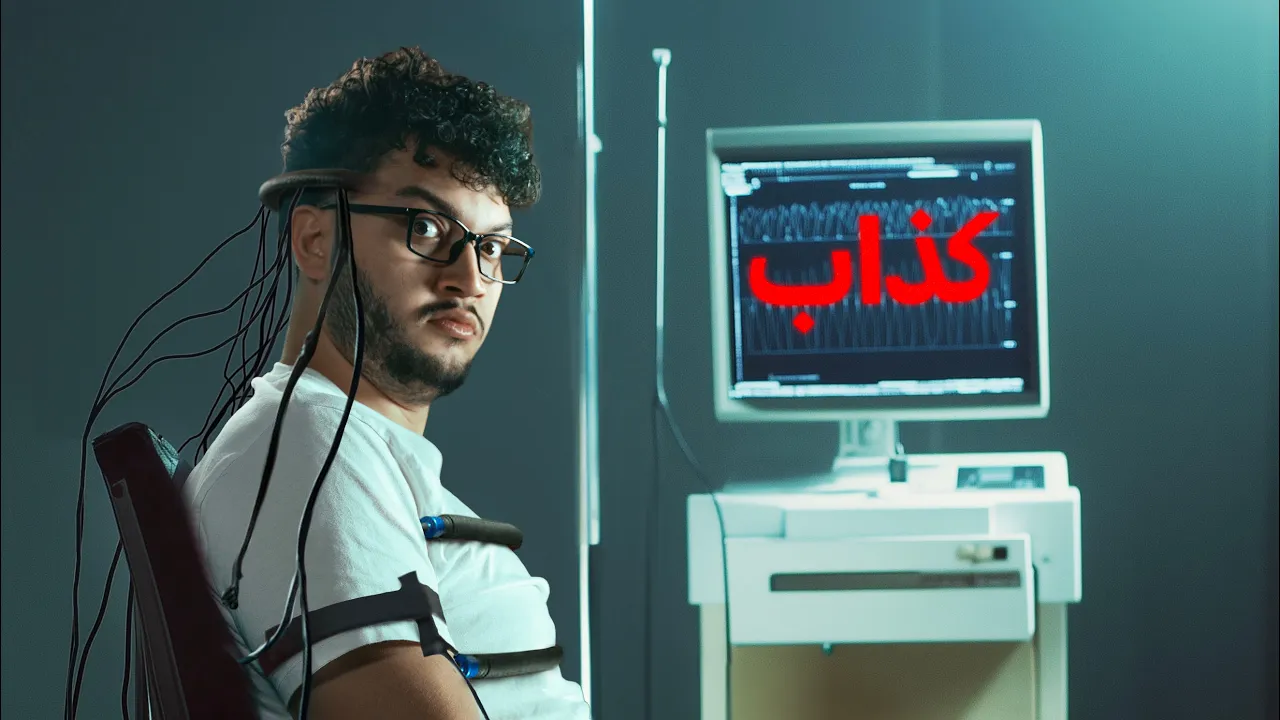











Effective lie detection relies on observing clusters of behavioral deviations from a person's baseline behavior rather than single indicators like crossed arms or eye contact, as laboratory studies have failed to replicate real-world deception detection success rates, and false confessions often result from psychological factors including suggestibility, trust in authority, and fantasy proneness rather than interrogation methodology alone.
The Science of Lie Detection: A Body Language Expert's Critique
Added:Fundamentals of nonverbal communication, including kinesics, proxemics, and micro-expressions.
The distinction between scientific empirical evidence and anecdotal or pseudoscientific claims.
Basic history and mechanics of traditional lie detection methods, such as the polygraph.
The concept of baseline behavior and how environmental stressors affect physiological responses.
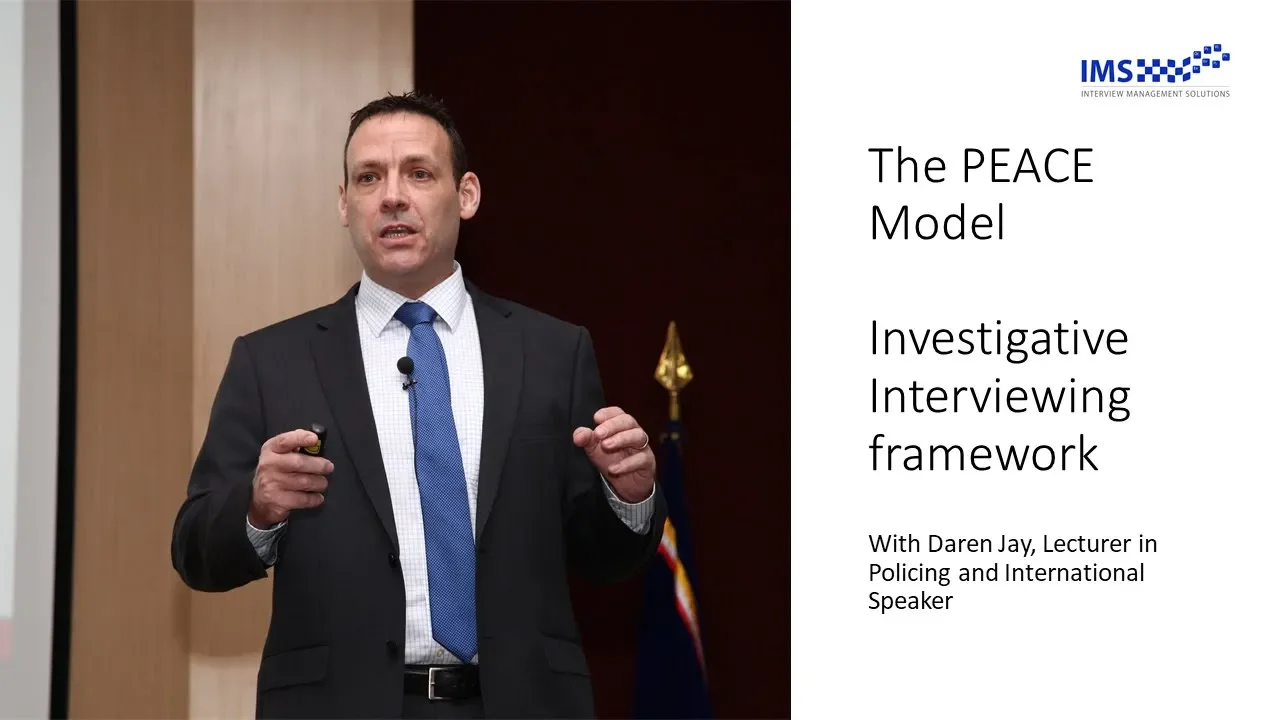
Advanced investigative interviewing protocols, such as the PEACE model or cognitive interviewing.
The admissibility of behavioral analysis and polygraph results as evidence in legal systems (e.g., the Daubert standard).
Forensic linguistics and statement analysis as complementary tools to nonverbal cues.
Emerging technologies in deception detection, including AI-driven micro-expression analysis and eye-tracking systems.
184.7K views9.3Klikes29:11Original Release: 2022-04-30
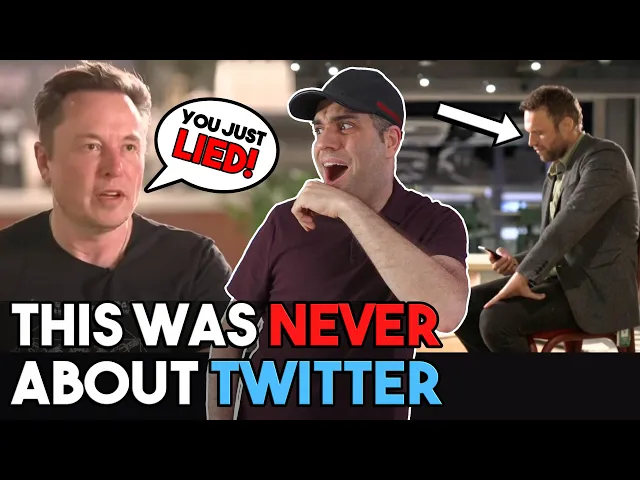
when a person is being less than honest he may not maintain direct eye contact it's true the police in this country can flat out lie to you to make you think you have no choice but to confess this is the number one reaction video that you've been asking for in my comments and in my messages on social media so two weeks ago John Oliver did a feature piece all about police interrogation body language lie detection techniques and he said a lot of really important things that everyone should be aware of and a couple of things that need correction so in this video a very special guest and myself are going to break down those scenes and tell you exactly what is accurate and what might need a little bit of amending my guest this week studied neuroscience at Harvard and that's on top of his Masters in behavioral psychology he spent 20 years in the military studying and researching body language lie detection and interrogation he went on to become the global best-selling author in those subjects and has created the first and only method of lie detection that is quantitative which he now teaches to law enforcement intelligence agencies and Fortune 500 companies all over the world I am privileged to call him a teacher and I am honored to call him a friend ladies and gentlemen Chase Hughes what's going on man how are you good to see you super excited for this video I I have some paddles for us these are agreement and disagreement paddles so every time we see a clip if you agree you show the camera I agree you get it yeah got it you study Neuroscience I think this is pretty we covered this in our first semester of Neuroscience yeah yeah uh here we go uh let's just jump right into this thing all right confessions are viewed as the gold standard when it comes to an indicator of guilt as they can apparently be more persuasive than even DNA evidence we just felt that no one would confess three times if they didn't do it three two one agreed and I think this is a great way to start the video and I think you're a great way to start why that's a great way to start this video so I think confessions are not everything the false confessions are easy to happen but it does not have to do with the methodology used it's typically the behavior or the tactics that are outside of that interrogation program that are put into place so false confessions are common they are easy to do and I guess I think we'll talk about that a little bit later down on how that can actually happen and DNA evidence I would I would argue is a little more justifiable than any confession so I think that's basically the reason this happens is because when you show a jury that there's evidence and there's a confession and they don't agree people look at evidence saying oh I could see how you could plant evidence I saw that on that one episode of CSI you know you plant a little bit of evidence but they put themselves in the shoes of the person confessing and go I would never confess to this if I didn't do this but there are ways that an untrained or a malicious interrogator who just wants to close the case can get a confession from an innocent person and we've talked about on the channel there's a whole video which you've seen all about how it's fabricated and how to avoid manipulation I've got a video for those I'll leave some links in the description but that first part is absolute true and a very dangerous statistic that that does happen yeah certainly is of all the convictions that have been overturned through DNA testing 29 involved false confessions and you may find that hard to believe because it can be very hard to comprehend how someone could confess to something they didn't do disagree disagree what part do you disagree with he's saying it's it's hard to believe that someone could confess to something that they didn't do oh I I mean like to the general public it's hard to believe that yeah so I would agree no I took that to mean like like what I said earlier like your everyday person is hard to accept that you would ever confess to something you didn't do yeah but once you see the science of it crystal clear that it happens quite a bit and there are ways and you teach this in your program and we're going to talk a lot about what you teach step by step here's what you never do because these things are a risk of creating a false confession yeah can you give us like maybe I don't want to give away the whole thing but like what's one thing you think plays into false confessions like what's one three I'll give you three quick ones the first one is suggestibility and suggestibility is fluid and our glucose deficit can change our suggestibility our whether or not we've had sleep can change our suggestibility so sleep and food sleep food and Authority do I view the interrogator as an authority whether it's a just Authority or a perceived Authority does not matter do I view them as an authority figure and all those things affect our suggestibility yeah okay that's one suggestibility yeah so number two is an inherent trust in others so a person that's automatically trusting of other people especially which would automatically feed into an authority figure that's so sad to me that like the person who's going to be the most affected by this is someone who's trusting of others then you the nicest the nicest people and the third is a proneness to Fantasy so they call this fantasy proneness in the research the person's likelihood that they're prone to creating Vivid fantasies and imaginations in their head which makes them more likely to edit or to have the capacity to edit their own memory that's insane so if you're suggestible if you're kind and you have a vivid imagination boom yeah guys if that matches your description be careful lawyer up always lawyers all right now we're going to jump into some really concerning and accurate facts about interrogation but before we do do me a huge favor guys hit that subscribe button turn those notifications on for more Behavior Analysis one study of false confessions found that they came after an average of 16.3 hours of questioning which can be utterly exhausting innocent people can wind up confessing just to escape the stress of that situation yeah I think it goes back to what you said 16.3 hours you're probably not getting proper nutrition you're tired suggestibility goes up at this point if you let's let's be honest if you've been there for 16.3 hours and you haven't stood up and said I'm getting out of here because you have the right to do that you're probably the type of person who's trusting the authority figure because you're letting them keep you there so that's pretty much everything you just said there without and by the way he hadn't seen that clip so you said that before the clip came up and it plays right into what you said one thing to add here is when I teach interrogation and when many people not just me Teach interrogation our number one priority as an interrogator is to keep that person in short-term thinking mode right and the reason you want short-term thinking is because you don't want them to think of the consequences you want them to go if I confess this I'm going to go to jail everyone's gonna everyone's gonna look down on me my family's gonna disown me you want to keep about now what's important now is the truth yeah and so the reason to keep short-term thinking and interrogation is Noble but sometimes when it's been 16 hours the person's going now that they're in short-term thinking they're going I just get out of this room I need some sleep I need to eat something you know what I did it right if we told everyone the stakes and we were openly honest with everybody we say I'm going I'm trying to get you to confess to a crime and potentially put you in jail we would solve way less it would be way less crime salt I realize there's some some damage behind some of this some of that's untrained or undertrained investigators conducting investigations and when I go out to train police departments I'm a little bit horrified that a lot of those officers they've taken maybe a 30-minute class online and a lot of what they do in the interrogation room is what they've seen on TV I'm not kidding so listen yeah let's take a look at the next one yeah on that depressing note let's keep going here this retraining film for instance explains how barrier post is like crossing your arms are a sign that you're lying why do you think Bob said he saw you selling marijuana hey come on how should I know I mean who who knows why people say things I sure don't I don't know that's bad I don't even know where to start yeah so I'll I'll jump in on this one so he starts by saying that the training states that crossing your arms is a sign of deception whether he did his own research which I doubt or is interesting misunderstood what this means sign of deception does not mean that when we see someone crossing their arms it means they're lying right it means that it's an indicator because there's studies that have been done and one of my favorite researchers on this actually is a great author by the name of Alan Pease with his wife Barbara piece who did a lot of research on crossed arms and he never said if you look at his stuff he has never equated cross arms to deception right he has said we're less receptive when we cross our arms because it's a barrier more closed off and the research does indicate that we retain less when our arms are crossed and we connect less to someone who's speaking with crossed arms now what they mean in this is that the way we see deception in an interrogation and even at that I'm going to be very specific with my words here when I say see deception I mean likelihood of deception is clusters that deviate from Baseline let's talk about that for a minute yeah so I'm not looking for one Behavior no I'm also not looking for deception let's be Crystal Clear there is zero non-verbal communication for deception zero to clarify what that means there are things humans do when they're happy there are things humans do when they're disgusted when they're angry sadness that you will see in every human being across the planet there is not a single thing that every human does when he or she is lying correct so what we are looking for are signs of stress disagreement and all of these little things but I want to see them like they're just a lot of like lotting along here during the conversation then I ask a question and now I see six or seven of them at a spike now I'm not going to say oh that's deception I'm going to say I need to ask more questions this is an aberration this is a change from this person's normal behavior and more than anything we're looking for changes in this person's normal behavior more than we're looking for body language in general and if we look at that actress in that clip and let's be honest that's an actress I've spent years studying behavior my acute sense of lie detection is telling me that that was not a real interrogation but the reason I think that the lesson here was misunderstood is because crossed arms is not all we're seeing we're seeing quite a cluster of deception there even if it's acted there's a postural retreat not an answer not answer refusal to deny answers the question with another question how then why does anybody do what they do these are all things we study what I think happened is they really misunderstood that crossed arms is an indicator of deception and took it to mean that alone that means deception two very different states there's no indicator of deception only stress it's not based on any science whatsoever just based on their own observations when they've done experiments with it they pretty much show that the accurate is like flipping a coin the real science is baloney it doesn't work people move their bodies in all sorts of ways whether they're telling the truth or not do you have a bigger one yeah I mean we want a bigger one yeah let's talk about the science and fact thing here's the huge issue with all this you can't take uh human interaction into a laboratory it's like where is the data for how to win a game of tennis or where's the data for techniques to win a certain sport or boxing uh the data isn't there because these all of these studies they ignore the temperature in the room the stakes what does this person have to lose the behavior of the operator the behavior of the subject the human element confidence levels skill levels skill levels the every time that they do one of these studies the level of skill and experience is not measured here so they're they're training someone for an uh half an hour an hour on a PowerPoint and then saying okay you're an interrogator now you go detect these laws or whatever so when he says like this the fact is or the science is that it's baloney the science that it's baloney is from doing it or trying to replicate a real world interrogation inside of a laboratory I check the description they didn't quote the studies talking about so that we can validate it but the one that most people quote was done in a college where there it wasn't real deception it was a mock crime and they said you did the crime you did the crime you didn't do the crime now go and get interrogated so there isn't real deception yeah they're they're lying about lying and by the way if we're going to talk about the science of it you can name studies that didn't work but there are also enormous amounts of studies that did work for example I will leave it in the description you guys can read up about this James E Driscoll conducted a lot of research on this and he pointed out that different trainings especially when they're done for a while do bold much better results up to 25 percent better at detecting lies than your average person so quoting one study without giving your source to me it's not that convincing one more thing before we pop into this next clip is that there is definitely and you really can't contest this in any way tons of studies done on isolated behaviors that appear more often than Liars there is 100 undeniable research done that says for example off the top of my head Liars move less than truth tellers there's at least a dozen studies done on that alone and tons of stuff and one man has compiled all those behaviors into a very comprehensive table of elements of of different elements that indicate deception has Quantified it and it is a brilliant tool it's available for free online and that man is sitting to my right and that is such a beautiful thing you did with that and law enforcement is taught this intelligence agencies are taught this and when someone really grasps that and applies it we see the result because these are scientifically proven things that happen in liars and again you've never stated that if you see a cluster of these behaviors that means deception it's quite simply there's a likelihood of deception here likely higher likelihood so as I was editing this video I realized something this video is not only good as a response to the footage we're looking at but in general towards Skeptics when it comes to body language because I see in the comments you guys all the time are like sort of trying to educate people who come in here really not knowing too much about body language thinking they know everything because they read an article once and all these studies that I will leave in the description all the things we're talking about in this video is a great response to educate people who don't really understand the science behind body language an advice is that when a person is being less than honest he may not maintain direct eye contact but also others might overcompensate by staring meaning if you have eyes you're basically foreign [Applause] I just need to say this I need to just get this off my chest if if he watched a uh video by a botanist who said if you give your plant too much water you're going to kill it if you don't give your plant enough water you're going to kill it is the button is saying that you are inadvertently going to kill your plant with water yeah I think it's easy to understand that first of all we talk about this earlier but let's talk about some more Baseline people have a certain Baseline behavior that they they maintain a certain amount of eye contact when they deviate from that Baseline interception yes there are studies that show that some people avert eye contact but Samantha Mann did research in an airport and they analyzed footage of people who were trying to smuggle things into a country and she saw that yes some Liars increase eye contact but if I saw someone increasing eye contact going back to what we said again and again if I just saw someone increasing eye contact after I asked them a question it would be meaningless unless it was accompanied by a number of other things correct okay rent over Chase go this is interesting in this the same thing I was thinking in my head if I drive over the speed limit it's against the law if I drive away under the speed limit it's against the loss so if I own a car I'm screwed I'm breaking the law uh what I think is brilliant here is the way that they weave the argument to convince some people that that it makes sense so to some people that makes sense it's comedy it's made to be funny I get it uh but this whole thing body language and and behavior profiling is a lot like being a metal detector at an airport so you go through a TSA checkpoint the and you're let's say you're the TSA officer or you're the security person at the airport the metal detector goes off you don't know does this guy have a giant belt buckle that needs to come off or does he have an AK-47 down his pants we don't know so what the metal detector is this little cluster this little spike in Behavior or a deviation from this person's normal behavior means that another search needs to happen they need to ask more questions I need to get more data the metal detector does not tell you that there's deception or intent or anything like that it tells you a place you need to focus on beautiful beautiful uh analogy thank you I'd like to offer one as well meteorology I think is a great comparison because all the time you have you know it's based in science science has shown us what to look for to know what the weather is going to do but it doesn't give you the ability to predict it with 100 accuracy and despite the fact that we all know that it's not a perfect science we still check the weather network to know if we should push our barbecue to the next day every day yeah so it's it's based in science but all it gives us is okay maybe this is gonna happen we need to look into that likelihood likely we're looking at likelihood because likelihood this we're going to change the name of the channel to the likelihood Arts [Music] say and I'll say it and the thing is people might assume that even if they falsely confess they can later recant and the real evidence will prevail and clear them okay well we don't need to paddle what he said there at the end was correct but I just did the reason I put this clip in here because I had a very serious question for you how much of your studies in your Masters in behavioral psychology and then all your studies in neuroscience at Harvard 20 years in the military how much I'm assuming it was a pretty good percentage how much of it was based on My Little Pony well My Little Pony is kind of the the base of the pyramid for all behavior and psychology training a lot of people think it's Sigmund Freud or Carl Jung My Little Pony is but I think that's going to be persuasive to some people if it's funny they can identify with it if they can identify with it they can believe it I get it I get look as an Entertainer I I even like John Oliver as an Entertainer he makes me laugh the way he says things it's so funny I've watched videos of his before I'm not attacking the person I'm just saying there's a couple of things here that are you know not exactly right a lot of actually accurate things he said there in the beginning we're gonna see some more there's just a couple of things there in the middle it's all lighthearted guys we think you know he's a comedian ultimately this is comedy yeah and he does it really well yeah in the United States a detective can legally lie about the evidence to a suspect it's true the police in this country can flat out lie to you to make you think you have no choice but to confess it is lawful for Detectives to turn to a suspect and say you say you didn't do this but we've got your fingerprints on the murder weapon we don't talk to them wasn't there is it rather you are you're worthy and evidence shows you were there the evidence shows I can't lie about the evidence yeah I agree yeah uh it's uh I'm glad we came back to real things and this is important to talk about again there's examples on the channel of a case that I you know I shared with you with um Wes Myers that guy who kind guy whose girlfriend that died and they were badgering and badgering and it's like that that's a great clip actually I do think you know it's ironic we were walking My Little Pony that's a great example of that the way he's aggressively we see this man crying yeah and the interrogator is like you were there the evidence points to that it's awful I'm I'm in no business of lawmaking or kind of litigating some of this stuff but I'd say uh directly lying about physical evidence is something that might not be a good idea especially to people how you know people have different suggestibilities and you're not going to screen every human being walking to the police station oh there are 37 on this scale so we can't lie to them that's never going to happen and it's a really slippery slope in this case because you know to who's going to measure what lie is okay and what lie isn't okay a and to what end your means justify your ends because it's clear to see that at some point it's just ridiculous and also we have to account for suggestibility because you know I talk about this in my gas lighting video if I just say to the viewers right now take a deep breath of Iran and imagine under your feet a little tingle going back and forth imagine it's just tingle maybe it's under the left foot maybe it's on the right foot but your feelings tingle under your feet do you feel the tingle yeah just because you think about it your your mind can create things just because you think about it so if a detective is looking at you and like you said you're an empathetic kind person and you're sleep deprived and he's going your fingerprints were there your fingers you're going were they there and it creates a reality I think at a minimum if if the line continues or if it's continuing to be allowed because I don't know what the right answer is but I think that the fact that I'm legally allowed to lie to you should be part of your Miranda Rights it should be you have the right to remain silent blah blah anything you say can will be used against you and I am legally allowed to represent false evidence I love that because I bet that if we were to ask most people is an interrogator allowed to lie to you I don't think most would know that they are I think most would say that now I'm sure the law protects me that's what I would have thought if I hadn't studied this I would say no come on that doesn't make any sense so I think there's a lot of people out there who don't know that he lied as he lied about the evidence and did it gesturing with all the theatrical Nuance of a high schooler auditioning for a Few Good Men hold on let's just pause for a second did he just use body language to say that the man in the video was being insincere he did because people move their bodies in all sorts of ways whether they are telling the truth or not so yeah we'll give this one yeah big green thumbs couple of green thumbs absolutely we completely agree that man was being very insincere in the way that he was saying it John Oliver used the man's behavior to determine that he was being insincere in the way that he did it so John Oliver we're so glad that we all agree that there are ways to observe behavior in body language in order to know if somebody's being sincere or insincere big thumbs agreed and it is more than a little infuriating how that investigator convinces him of doubting his own memory by making it seem like it happens all the time yeah absolutely two thumbs up and three uh thumbs up I have spent a lot of my career 30 000 Plus hours researching a lot of this stuff for the government and a huge piece of that or a significant piece of that was the false memory stuff yep uh when you get a person to start questioning their own memory you're down not even a slippery slope there's no traction period on that slope it's ice if I have another interior we're interrogating you and I say Spidey what did you eat it's today is Wednesday so what did you eat Sunday for lunch I can't remember I turned to my other interior John what what is you for lunch she goes a cheese sandwich and that's how we start I'm not even going to say there's something wrong with your memory I'm going to make you start doubting that from the beginning that's crazy and if it Contin I'm going to continue to do that I just want to make sure they understand what just happened there so it's like because I can't remember which is normal but your partner is scripted to make you feel like it's abnormal to not remember I'm doubting my own memory capacity from the from the get-go without me telling you to do it right but that's the very that's the tiny slice at the very beginning if you're if if an interior is doing this they need to be in jail for doing this or they need to take the person of the person they got to take the place of the person they got to falsely confess but that's just the slice at the beginning to make someone starting to doubt their own memory and you can do this very quickly and I'm talking in the in the time span of 25 minutes you can get somebody to appoint a false confession using techniques like this please please I'm going to leave some links in the description you're going to find all the studies we talked about all the links to Chase's books there are the best books I've read on lie detection human behavior and profiling excellent stuff I'm going to leave a link to the video that I made about ways to avoid gaslighting and manipulation the tools that gaslighters use and how you can counter those tools and stay in the critical and in the sort of logical rather than the emotional and the chaos very important stuff all in the description love it only 30 states require the recording of interrogations at all and in the rest it's up to the police I don't know yeah I didn't know that all right I mean I give a green thumbs up for accuracy and the second thumbs up is I think recording should be mandatory that if I'm if I'm going to a person's house and collecting crime scene data and I'm collecting evidence that goes into a bag that gets signed it gets photographed a chain of custody is instantaneously established and this this piece of evidence is what's going to put someone away my interrogation should also be have the exact same chain of custody such a great point because if because if a lawyer can prove that the way evidence was obtained was faulty it gets thrown out absolutely it's not even shown to the jury yeah if I'm finding a bullet casing in your house I can use that as evidence if I get a confession I can use that as evidence the way that I obtained that bullet casing is documented photograph video and everything the way that I obtained that confession nothing there's nothing so I I do think that it it should be filmed in my interrogation courses I have probably I spend at least two hours telling people what not to do and how to avoid a false confession and here's the recipe that makes a false confession happen so that anyone trained by me that produces a false confession will never be able to say they didn't know what they were doing or they didn't know how to do it and you say that you it's not that you're saying that now you say that in the training I've taken the training yeah and you say the reason I'm showing you this is so that if you ever go apply this because a lot of your students are law enforcement intelligence agencies if when you go apply this stuff if you get a false confession and you say oh I didn't know you come back to this I there's evidence that I'm teaching you this right now yeah it's sad because there's people in jail that shouldn't be I agree with John Oliver on a lot of this stuff he's got a comedy show to make yeah no most of this is so important to get out there I think we both agree on that that this message is very important a couple of things in the middle that it's not even wrong it's just misinformation we ultimately agree crossed arms do not indicate deception in any way yeah I mean they do as part of a cluster and a deviation from Baseline it's complicated I think we covered it all right everyone hope you enjoyed that I know this was a bit more conversational but there was a ton of great information in there from a man that I respect enormously for some of the best research and information on this topic can't thank you enough for joining us chase let me know in the comments how you enjoyed this and what you would like to see from Chase Hughes because I'm basically going to make and make more videos for you guys he stuck with me so let me know what do you want to what do you want to know what do you want to learn let us know in the comments see you guys next time thanks Chase
Up Next

45:19
Archival Review of Deep Web Sites: Historical Cases and Media
@SomeOrdinaryGamers
280.1K views•2017-02-12

12:54
Triumph of Orthodoxy Icon: Byzantine Art & History Explained
@BenCallan
2.1K views•2024-08-06

9:49
FastAPI vs Flask vs Django: Choosing the Right Python Web Framework
@TechWithTim
302.5K views•2024-05-26

1:42
Game of Thrones Opening Credits: A Cinematic Analysis
@gameofthrones
46.3M views•2011-04-18
Related Study Plans & Knowledge Roadmaps
Structured learning paths in General & Interdisciplinary Studies
general-studies
Elevator Engineering: History, Physics & Cities
01From Hoists to Safety Brakes: The Dawn of Vertical Lift
02Hydraulic vs. Traction: The Engineering Physics of Elevators
03Modern Speed, Safety, and Algorithms
+ 2 more learning modules
12h5 modules
Explore Roadmap
general-studies
Rubber: Material Science, History & Geopolitics
01Origins of Natural Rubber & Mesoamerican History
02The Chemistry of Natural Rubber & Vulcanization
03The Geopolitics of the Rubber Boom & Colonization
+ 2 more learning modules
12h5 modules
Explore Roadmap
general-studies
Containerization: Evolution, Logistics & Trade
01Ancient Trade & Bulk Cargo: Amphorae to Barrels
02The Industrial Revolution & Cardboard Packaging
03The Containerization Revolution: Malcom McLean
+ 2 more learning modules
12h5 modules
Explore Roadmap
general-studies
Textile Tech: Evolution, Labor & Global Impact
01Pre-Industrial Textiles: Handloom & Cottage Industry
02Mechanization: The Spinning Jenny to the Power Loom
03The Factory System & Global Labor Transformation
+ 2 more learning modules
10h5 modules
Explore Roadmap