



















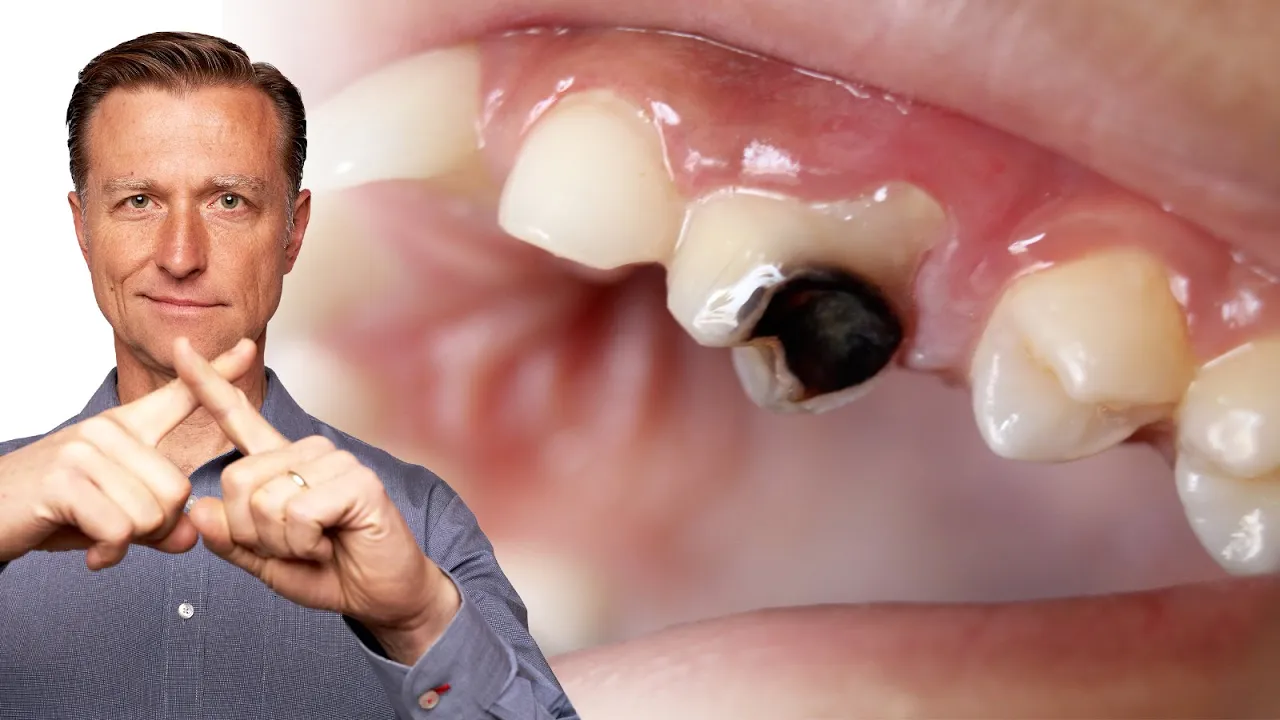


Dental calculus (tartar) is a natural, hardened plaque deposit that forms when oral bacteria mineralize with calcium and phosphate from saliva; while it can be problematic with poor diets, it is not inherently pathogenic and may even be protective with a balanced carnivore diet. Increased calculus during carnivore diet transitions is often a temporary adaptation symptom related to the body finding new mineral homeostasis, and can be managed through patience, adjusting macronutrients (increasing fat, decreasing protein/carbs), incorporating tougher meats for chewing stimulation, and addressing potential contributors like dairy, coffee, or dry mouth.
Dental Calculus on Carnivore Diet: Causes and Prevention
Added:The biological process of plaque formation and its mineralization into dental calculus (tartar).
The basic principles of the carnivore diet, specifically its high-protein, high-fat, and zero-carbohydrate macronutrient composition.
The role of salivary pH and mineral composition (such as calcium and phosphate ions) in oral health and dental homeostasis.
The fundamental relationship between dietary substrates (carbohydrates versus proteins) and the metabolic activity of the oral microbiome.
The role of Vitamin K2, Vitamin D3, and Magnesium in calcium metabolism and preventing ectopic calcification (dental tartar and arterial plaque).
Comparative dental analysis: How wild carnivores maintain periodontal health compared to modern humans consuming an all-meat diet.
The systemic connection between oral dysbiosis, dental calculus accumulation, and cardiovascular or gastrointestinal health.
Evidence-based clinical protocols for dental hygiene and preventive care specifically tailored for patients on low-carbohydrate or ketogenic diets.
209.4K views6.7Klikes12:48Original Release: 2022-10-20
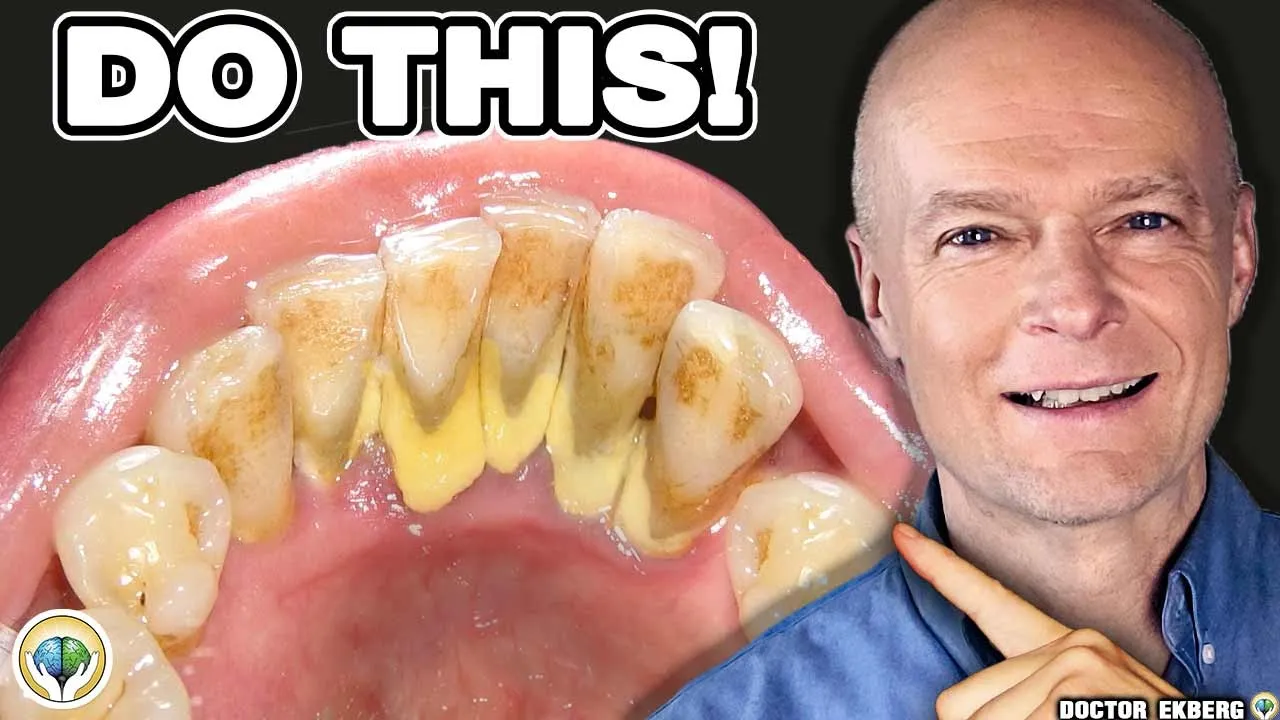
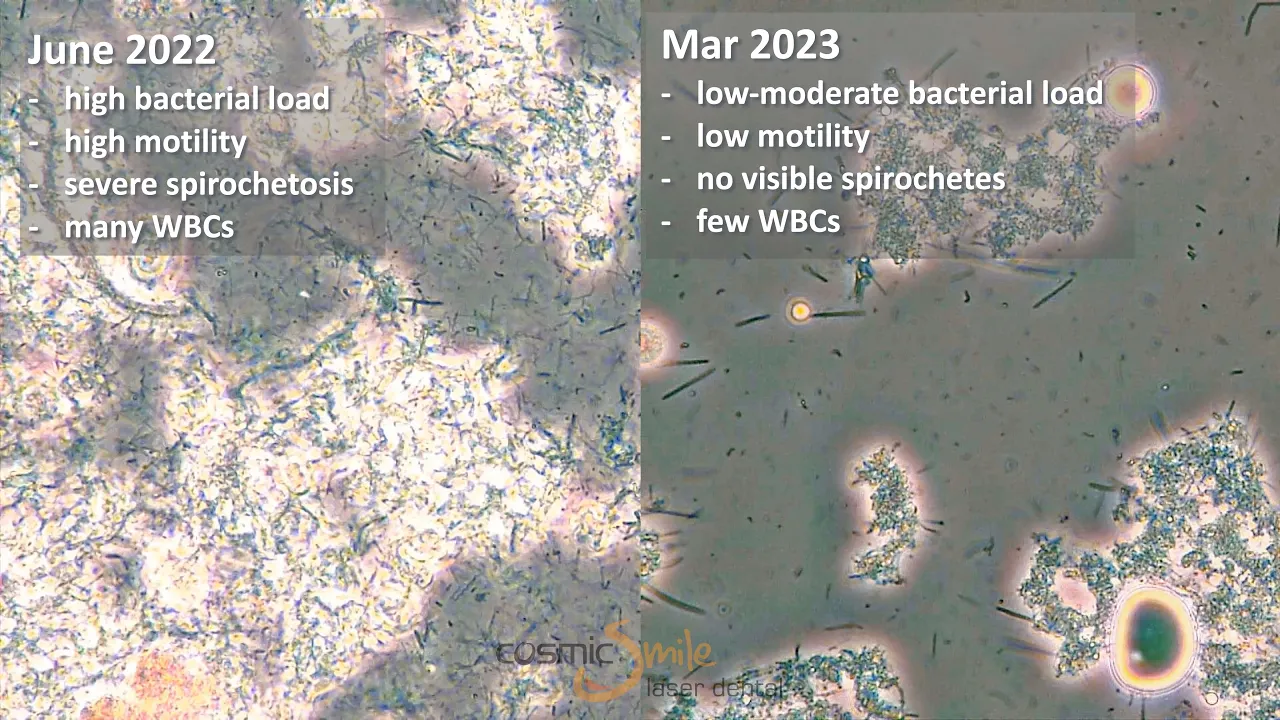
so you start a carnivore diet and you start getting a buildup of dental calculus or also known as tartar it's that stuff when you go to the dentist they have to use a tool like this and scrape on your teeth to scrape it off it's dental calculus and when some people start a carnivore diet they see an increase in dental calculus and what I want to talk about is is is this problematic is it a sign that something bad is going on and what could be causing it and what to do about it and I think where we have to start with here in this story is what is dental calculus and so we have what is known as an oral microbiome basically all these bacteria of 7 800 strands of unique bacteria in our mouth that play a very important role in oral health everything from protecting teeth from Decay to producing nitric oxide which is vital for vascular Health we have these bacteria that play a very important role in the mouth and some people assume like we just need to use mouthwash these antiseptics kill all the bacteria out and we won't have Decay well while that may help help decrease Decay it's not going to increase oral health okay because these bacteria do play an important role so we don't want to just sterilize the mouth and what happens is we have these bacteria and we'll make a long story short you have a tooth that something forms on tooth known as a pellicle we get this biofilm and bacteria start to attach to it and what happens is when that gets mineralized via calcium and phosphate in our saliva it turns hard it turns into what we call as dental calculus and just like we have kind of like I'll call good bacteria a good healthy balanced bacteria that is not problematic we can also have bad bacteria and often this is dictated by most prominently diet so so with a poor diet we can feed I'll say the bad bacteria and they can become predominant and then they can lead to things like Decay and periodontal disease but with a good diet we have a nice balanced ecosystem of bacteria that help prevent Decay and help prevent periodontal disease so so just like we can have healthy plaque and bacteria we can have unhealthy plaque and bacteria we can have healthy calculus we can have unhealthy calculus so that's where we want to start in either good nor bad but it's dependent on you know the levels of certain bacteria are pathogenic ones predominant or do we have a nice balanced ecosystem so to drive this point home uh I love Dental archeology anthropology and if we look at the anthropologic archaeological record we can find this mandible that is dated to be 300 000 years old basically the dawn of homo sapien and when we look at this mandible what we see is there is dental calculus in between the teeth however there none of the teeth have decay all of them are straight all 32 of them came in uh straight noted K and so by all observations this person had a very healthy mouth uh however they did have dental uh calculus and so this just highlights like you can have dental calculus and it's not necessarily pathogenic lastly what I wanted to mention is even animals get dental calculus both domesticated animals and wild animals so this just goes more to show that dental calculus is not necessarily pathogenic it is a natural normal process but it can be pathogenic and exacerbate issues if you are eating an improper diet and a quick story I had this patient in dental school and I remember it so vividly it was the first time he'd been to the dentist and he was in his 60s and I opened his mouth and he had just calculus caked on his teeth it took me several appointments just to get all the calculus off but after hours of scraping and cleaning those teeth off there was no Decay no periodontal disease and while dental calculus is kind of a mystery in the fact that there's not General consensus on like why we need dental calculus why we have dental calculus if it's not pathogenic what's its purpose but I believe it actually can play a protective role as long as we have an appropriate diet if we have an inappropriate diet it can actually exacerbate periodontal disease so it's not necessarily A pathogenic thing but it can be let's dive into the next thing what can be causing an increase in calculus when we switch to a carnivore diet now the first point to mention here is this is not a universal uh thing that people experience when they switch switch to a carnivore diet I would say just as many anecdotal case reports that I've heard from are people that switch to a carnivore diet and the amount of calculus buildup that they get dramatically decreases now there are the flip side of the story where when people go go to a carnival diet and they have a dramatic increase in calculus so important to mention this is not just some Universal expectation uh people have experienced different things I've gotten probably equal amount of anecdotes on both sides but let's go through some of the things that can be causing this the first thing the most common thing is transitioning into a carnivore diet where the body is undergoing some pretty big fluid electrolyte mineral balancing okay and so it can take time to find this new homeostasis and this is the time period when I see most people experience an increase in dental calculus and the most common story I hear is you know this increase in dental calculus happens for three six months uh maybe their first dental visit where they go to get a cleaning the hygienist is like you got a lot of calculus and then when they stick with it the next one there's like it's dramatically less that's the most common experience like it's an early thing but then it the body balances out besides the transition phase there's several other things that I I've seen associations with one is dairy when people remove Dairy they tend to see a decrease in dental calculus as well this is not Universal I've tested dairy in and out and it hasn't really seemed to impact my dental calculus which is very mild build up but I do get some uh I talk more about that but uh so Dairy is one of those things if you are having a lot of build up and you have a significant amount of dairy in your diet you can try pulling that out same goes with coffee coffee can lead to dry mouth and I want to talk more about dry mouth here but coffee has something known as tannins in it and tannins are a plant molecule it's called the type of polyphenol uh and they help protect a plant from both harsh weather and predators but they bind up protein and long story short as these Tans can promote some calculus buildup as well so try taking coffee out try taking Dairy out see if that makes a difference the next thing that ties in with transitioning is oxalates and oxalate dumping now I'll tell you right up front I am very skeptical of this but uh I'm open to the possibility that oxalates can potentially be increasing dental calculus and these oxalates uh combine the calcium and be deposited on tooth structure and help and potentially lead to increase in calculus deposits on your teeth like I said I'm skeptical of this but open to the possible ability that that is one of the causes why some people may see an increase in dental calculus when they transition to a carnivore diet the next thing that I think is worth evaluating is macronutrients and two interesting kind of research studies that I want to talk about here one with protein one with carbs the research uh done on protein in 1996 says since diets high in protein increase oral alkalinity this is associated with increases in dental calculus and suggestive of a protein-rich diet and what I find interesting is uh researchers in 2000 on carbohydrates and dental calculus they said however High calculus rates have also been associated with high consumption of carbohydrates so basically both high protein diets and high carbohydrate diets can increase dental calculus which I think kind of signals to us that maybe we need to increase our fat and decrease protein and or carbs if we're having an issue with uh dental calculus and this kind of ties in closely with another theory of dental calculus which which has to do with calcium to phosphorus ratios if you're only eating tons of red muscle meat the amount of phosphorus will be quite high and calcium will be lower and there's an association between maybe that it can lead to dental calculus again this kind of just I don't think that's the driving cause of dental calculus however it may be a signal that if we adjust our macros to more fat a little bit less protein and little to no carbohydrates perhaps that can help so evaluate the macronutrients is something you can do if you're still struggling with dental calculus and the last thing I want to look at is food toughness what kinds of meat are you eating on your carnivore diet is it ground beef and eggs are you eating more steaks that require more chewing and there's some interesting studies that are that have done that have been done with regards to food toughness and dental calculus specif specifically ones done on lions and tigers one's fed ground meat versus the regular whole animal the ones eating ground meat had increase in dental calculus they also had increase in craniofacial deformity and Beyond the scope of this video but the how chewing is so critical in the development of our jaws and our mandible true for humans as well as other animals so this to say if you're just eating ground beef and eggs and you're not chewing a lot that could be potentially why you're seeing a bit more calculus okay let's talk prevention and about a couple of molecules you might find in toothpaste uh the first one is known as pyrophosphate you actually this occurs naturally in your saliva but it was first used by I think it was crust tartar control and they put this 3.3 formulation into their toothpaste their their tartar control toothpaste and it seemed to be moderately effective and it binds calcium and most of these anti-tarter ingredients they they bind calcium preventing it from being uptaken into the plaque and crystallizing the plaque uh and so the other common one is known as sodium hexametophosphate shmp it has several calcium binding sites works just like pyrophosphate the third ingredient that maybe you'll see are zinc salts like zinc chloride zinc citrate these don't really work very well the way that they're supposed to work is they replace calcium in the crystal which basically ruins the crystal formation but they really have not been shown to be very effective so what's the take-home message here and there's a few things the first one is fear if you have a good diet some tartar buildup calculus buildup is a normal natural thing and not something you need to be feared okay if you have a bad diet and you have a lot of tartar buildup I would be afraid of that because that will help exacerbate the gingival disease the gum disease and can lead to periodontal disease so that's the first thing you don't really necessarily need to be afraid okay there are several things you can do the first thing I recommend is patience most commonly this is an adaptation symptoms symptom and while while you if you give it time your body will likely find the proper calcium homeostasis where you may still have a little bit of calcium buildup like I or excuse me calculus buildup like I do like many other people naturally will have a little bit of calculus buildup but it's not going to be pathogenic the second thing is worth trying taking out some foods try going without dairy try going without coffee see if that makes a different difference the third thing is try different foods if you're eating mostly like soft softer Meats like ground beef or eggs try incorporating more steak more chewing the next thing you can look at is your Macros try upping your fat and decreasing protein that can go a long way the last thing that was worth mentioning is things that increase dry mouth can increase calculus buildup almost all almost all prescription medications if you read like the side effects xerostomia which is dry mouth is one of them prescription medications tend to drive dry mouth which can exacerbate dental calculus buildup other things that drive dry mouth Stress and Anxiety these stimulate the sympathetic nervous system and when the sympathetic nervous system is uh stimulated the rest and digest the cell very flow which is helps you digest that gets impeded okay so stress anxiety those things can impede cell very flow and increase dental calculus lastly I want to mention mouth breathing you want to keep your mouth closed besides when you're talking so when you're sleeping when you're at rest when you're even when you're working out mouth closed breathe through your nose tongue should rest on the palate okay finally toothbrush and toothpaste uh I'm gonna make a whole video about this separately so uh I if it's I'll link it below like what do I recommend regarding toothbrush and toothpaste if it's not out yet go ahead hit subscribe until you get notified when it's out thank you for watching and I will see in the next video
Up Next

55:42
The Science of Nutrition: Hunter-Gatherer Diets and Human Health Evolution
@karenthomson
121.7K views•2019-05-27

12:54
Triumph of Orthodoxy Icon: Byzantine Art & History Explained
@BenCallan
2.1K views•2024-08-06

9:49
FastAPI vs Flask vs Django: Choosing the Right Python Web Framework
@TechWithTim
302.5K views•2024-05-26

1:42
Game of Thrones Opening Credits: A Cinematic Analysis
@gameofthrones
46.3M views•2011-04-18
Related Study Plans & Knowledge Roadmaps
Structured learning paths in General & Interdisciplinary Studies
general-studies
Elevator Engineering: History, Physics & Cities
01From Hoists to Safety Brakes: The Dawn of Vertical Lift
02Hydraulic vs. Traction: The Engineering Physics of Elevators
03Modern Speed, Safety, and Algorithms
+ 2 more learning modules
12h5 modules
Explore Roadmap
general-studies
Rubber: Material Science, History & Geopolitics
01Origins of Natural Rubber & Mesoamerican History
02The Chemistry of Natural Rubber & Vulcanization
03The Geopolitics of the Rubber Boom & Colonization
+ 2 more learning modules
12h5 modules
Explore Roadmap
general-studies
Containerization: Evolution, Logistics & Trade
01Ancient Trade & Bulk Cargo: Amphorae to Barrels
02The Industrial Revolution & Cardboard Packaging
03The Containerization Revolution: Malcom McLean
+ 2 more learning modules
12h5 modules
Explore Roadmap
general-studies
Textile Tech: Evolution, Labor & Global Impact
01Pre-Industrial Textiles: Handloom & Cottage Industry
02Mechanization: The Spinning Jenny to the Power Loom
03The Factory System & Global Labor Transformation
+ 2 more learning modules
10h5 modules
Explore Roadmap