










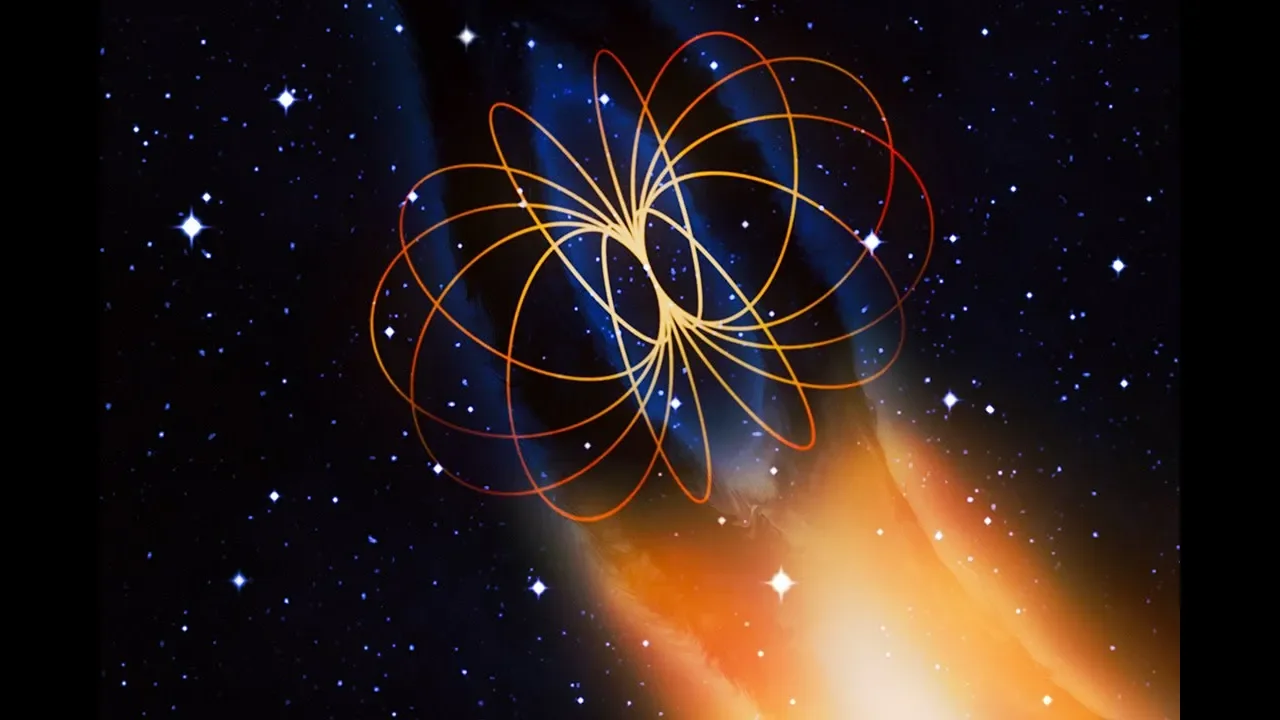


![[Sandro DE CECCO] A la poursuite de la matière noire.](https://i.ytimg.com/vi/7Pap8VTHQEc/maxresdefault.jpg)




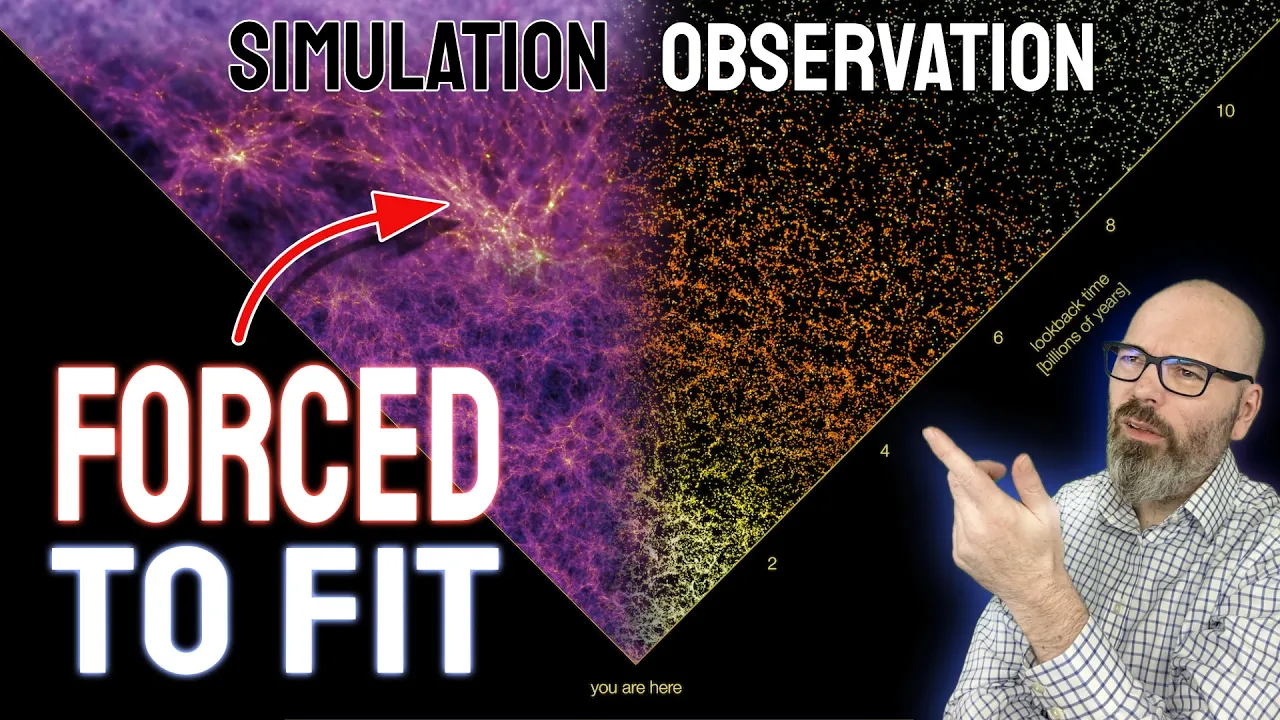


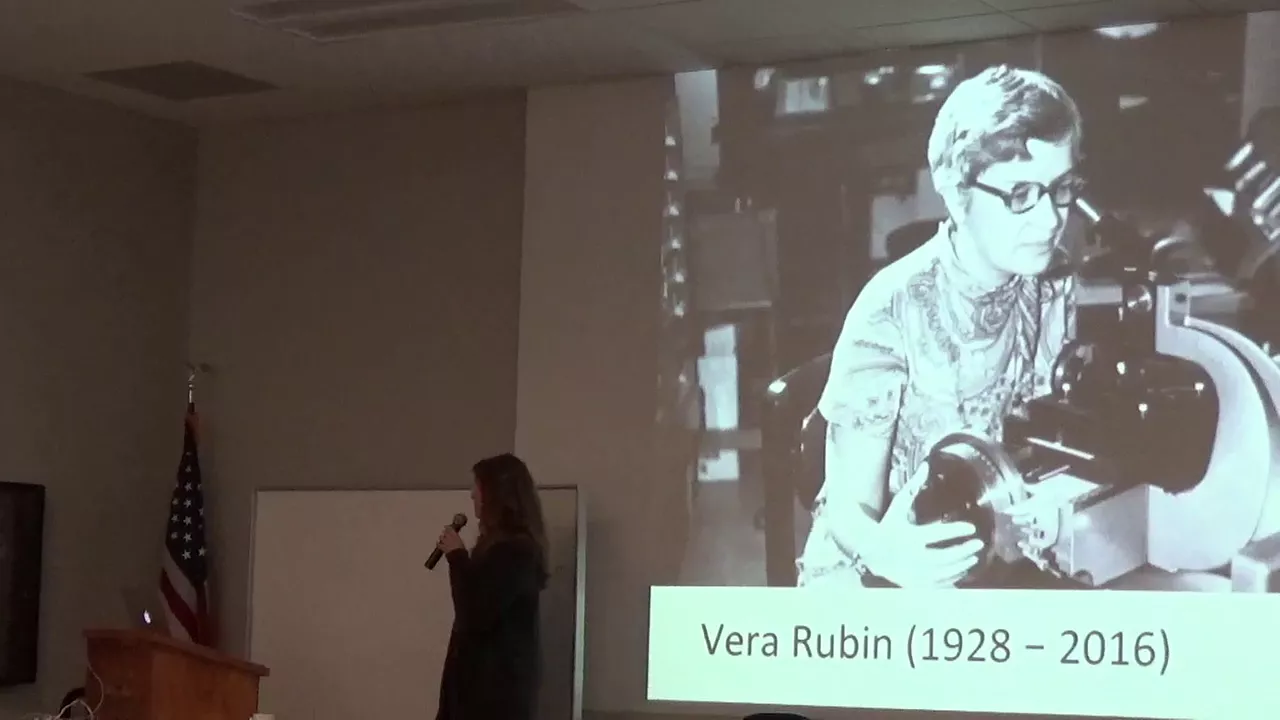
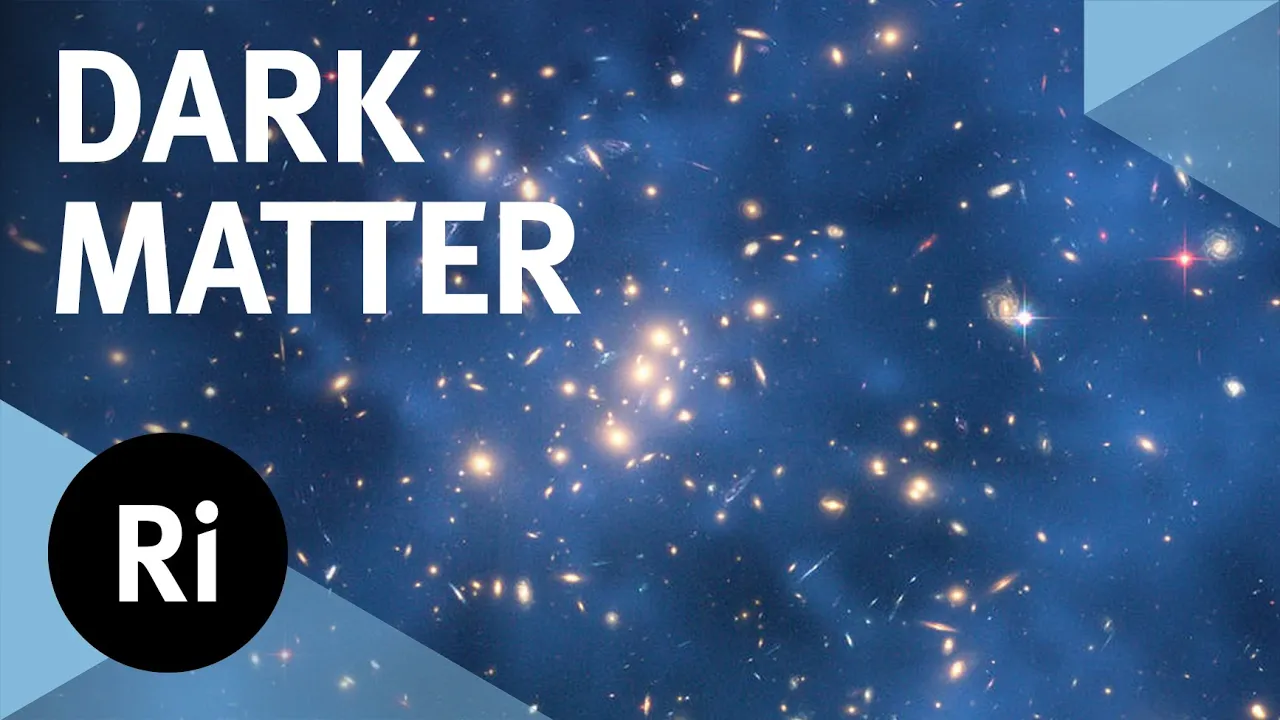
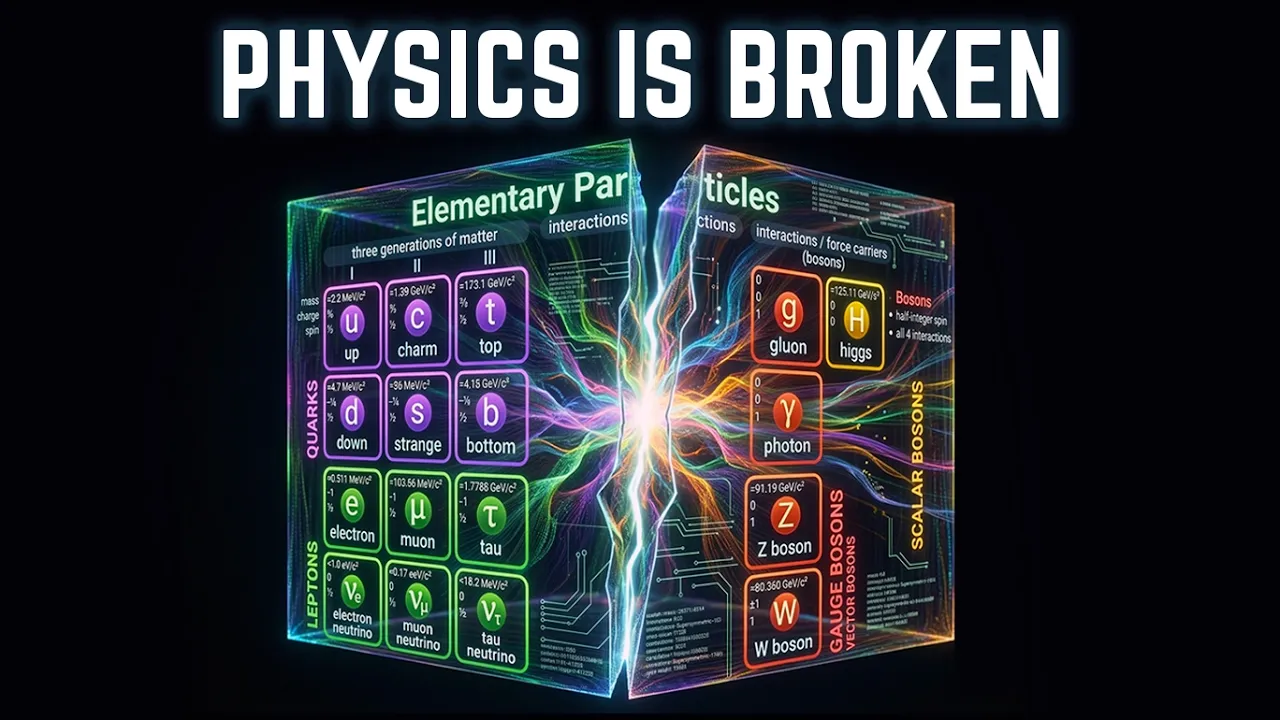
Dark matter is not a theory but an observational phenomenon supported by multiple independent lines of evidence including galaxy rotation curves (first observed by Fritz Zwicky in 1930 and later by Vera Rubin in 1970), baryon acoustic oscillations in the cosmic microwave background data from WMAP/Planck missions, and gravitational lensing in galaxy cluster collisions like the Bullet Cluster. These observations reveal missing mass at various scales—from individual galaxies to the entire universe—demonstrating that dark matter is a real, measurable component of our cosmos rather than an untested theoretical concept.
Dark Matter Evidence: Why It Is an Observation, Not a Theory
Added:Kepler's Laws of Planetary Motion and Newtonian Gravity, specifically how orbital velocity mathematically relates to distance and enclosed mass.
The fundamental concept of Gravitational Lensing, where mass warps spacetime and bends light, allowing astronomers to map mass distributions.
Basic cosmology concepts, including the existence of the Cosmic Microwave Background (CMB) radiation as the relic heat from the early universe.
The distinction between baryonic matter (ordinary matter made of protons, neutrons, and electrons) and non-baryonic matter.
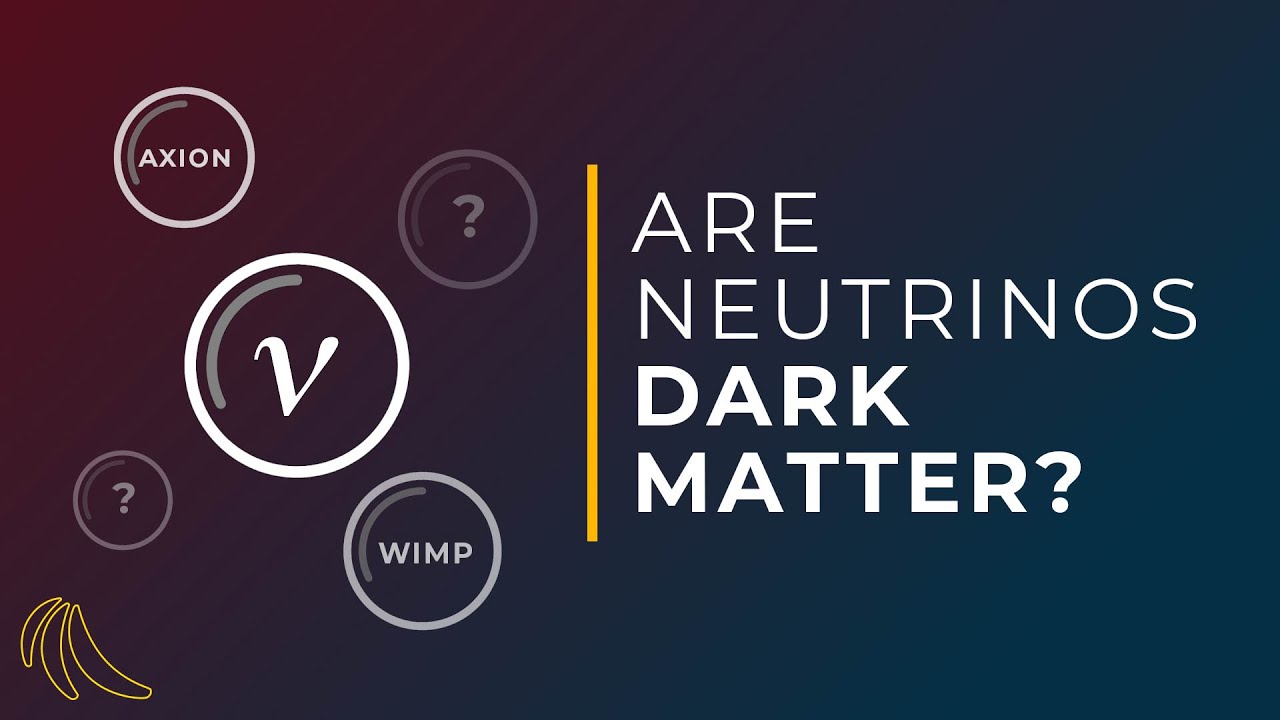
Theoretical candidates for dark matter, such as Weakly Interacting Massive Particles (WIMPs), axions, and sterile neutrinos.
Direct and indirect dark matter detection experiments, including underground liquid xenon detectors and space-based cosmic-ray observatories.
Alternative gravity theories, such as Modified Newtonian Dynamics (MOND), and why they struggle to explain the Bullet Cluster observations.
The Lambda-CDM (Cold Dark Matter) cosmological model and its role in supercomputer simulations of cosmic web and large-scale structure formation.
677.8K views25.9Klikes43:47Original Release: 2023-06-07
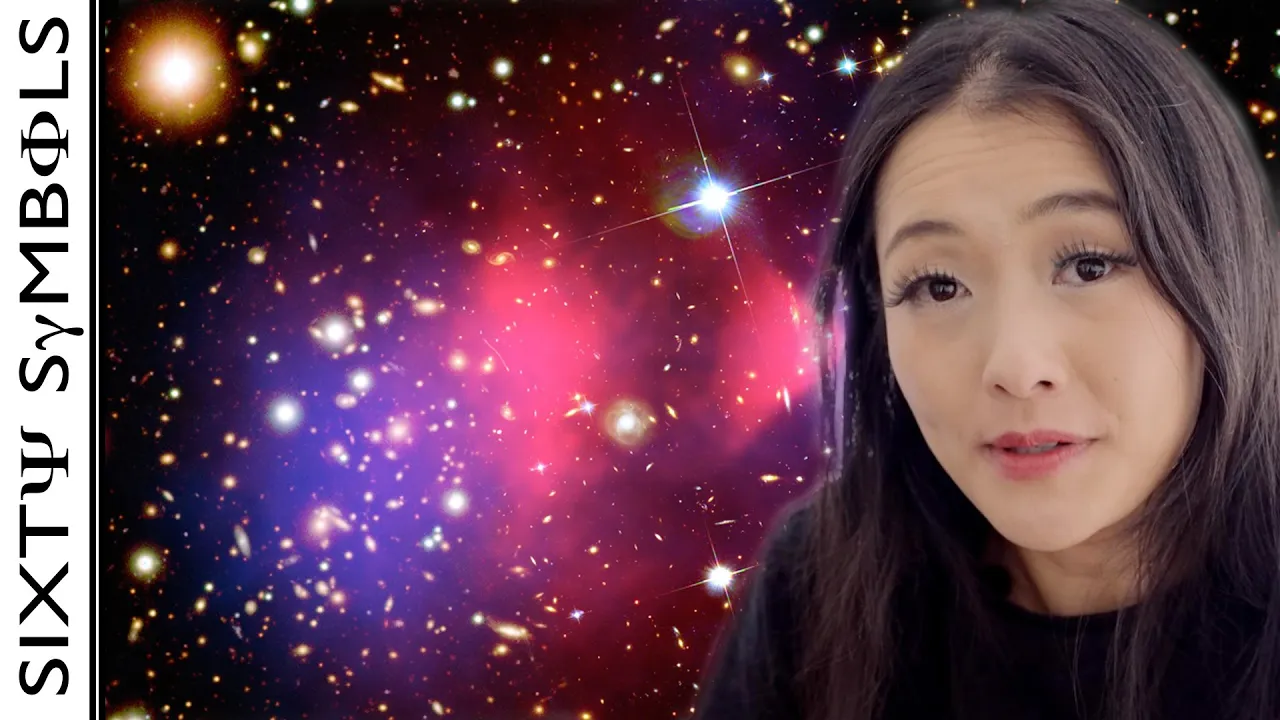
so the title of this video was not clickbait dark matter is not a theory and I think there's some confusion about that so today I want to go over my my top three just my personal favorite evidences for Dark Matter Dark Matter do we need it what is it where is it how much do we need it do we need it do we need it do we need it the music I use in this video is the Dark Matter Rap by Professor David Weinberg from the Ohio State University and I love it so much I'm gonna link it below please go listen to the full version I love it it's perfect velocities in 1930 Fritz Wiki published a paper measuring the mass of the coma cluster the coma cluster is a Galaxy cluster so a Galaxy cluster will have a hundred to like a thousand gravitationally bound galaxies all orbiting around some giant godzilla Galaxy at the center and he was using the virial theorem which relates kinetic energy to potential energy to measure the Velocity in that system so you can measure mass to well you can measure mass more than two ways but you can measure mass using the mass to light ratio so kind of just taking a picture and measuring the amount of light you get from each pixel and getting a mass or you can measure the velocities and use the virial theorem to go from kinetic energy to potential energy and make a mass estimate and he found when he did that both ways using velocities there's like 400 times more mass than what he could see in light and he published this and he called it dark matter but in German and everyone was kind of like huh okay and the way I was taught this was that Fritz Wiki made this measurement and then everyone ignored him for 40 years and then Vera Rubin of course measures rotation Curves in galaxies and we'll talk about that in a second and there's like this absence of anyone discussing this for 40 years but I don't actually think that that's true I read a lot of Galactic Dynamics papers when writing my thesis and in the late 60s people who were studying the Dynamics of galaxies were like well maybe maybe if we took her a little disc and for some reason we just put it in a giant spherical potential that would have an effect on that Dynamics and they would write about that and it's like that's just a dark matter Halo so obviously people were talking about Dark Matter Halos I really wish someone would like apply for a book deal and spend a year like researching this just like reading all the Galaxy Dynamics papers in the 60s and 50s and figure out what the general attitude was because I don't think people were ignoring Fritz Wiki I don't think that's what happened but the general idea as I understand it is that and then in 1970 via Rubin and her collaborator published this paper with this survey of galaxies where they're like hey guys there's lots of missing masks and galaxies as well so in this case she measured the velocities of galaxies like by looking at hydrogen gas so like you know the Spectra of hydrogen and very accurately from that using the Doppler effect you can get a velocity because that Spectra shifts so she measured like in like radial bins the hydrogen lines and was able to plot like velocity versus radius and if you do that same thing with the mass to light you expect this plot and if you do it with the Spectra you get this plot so this is important because now we have missing mass at two scales we have it in these giant clusters and we also have it in all the galaxies we look at I think here is where one of the confusions about Dark Matter like appears when this is presented as like rotation curves galaxies are evidence for dark matter it's it's often presented with a single plot and I think that might lead some people to think that this is like a systematic error like okay well if you get the same measurement in every Galaxy then obviously something is wrong with the way we're taking the data or something but it's not true that we get the same curve in every Galaxy like the amount of dark matter in a galaxy varies wildly like some Galaxies have really small light mass and they have a whole lot of dark Mass uh there have been galaxies observed without any Dark Matter well very very little dark matter at all some galaxies can be huge and have huge Dark Matter Halos and we can also learn about the shapes of Dark Matter halos by looking at hydrogen and measuring velocity of stars in that area like we have learned a lot about dark matter and it's it's not just the single plot but in 1970 this publication was like guys this is real this is happening this is dark matter it is not a theory dark matter is is this measurement something is inside those galaxies that we observe indirectly but we observe it this is not a theory nobody made up the idea of dark matter zwiki and Reuben and collaborators they didn't just decide like I'm gonna look for missing Mass they made a measurement and they had an expected results and they got an unexpected results this is not a theory it wasn't an idea this is an observation dark matter is not a theory it is an observation of missing Mass Dark Matter do we need it what is it where is it how much do we need it do we need it do we need it okay number two dark matter is not a theory it's a list of observations the second observation is the W map data well well the W map data is from 2006 ish and the plank Mission went after and was higher resolution so this is from like 2012 I think evidence of dark matter we did it look at it she's gorgeous and we'll move on to number three I'm just kidding has this ever happened to you has anyone ever shown you this exact plot and been like evidence of dark matter and it's like babe what is that you can't you can't post this picture and oh it's evidence would work better what is it because see scientists do this thing scientists will look at data for six years just every day they go into their little office and they stare at the computer and they look at the same binary files for six full years and over time they develop a way a method a way of plotting it that makes perfect sense to them and they're like oh if you plot like VX versus JY dot R and you color code it by the normal Vector uh you get you get this beautiful plot and it's like I don't know what that means you have to explain it to me this does not scream dark matter is real I've observed Dark Matter it doesn't I I so I'm gonna spend conservatively the next 26 minutes explaining this plot to you I'll have to put my coffee down skip to this time step if you already know what this data means and you want to go to number three okay so in the beginning you have the big bang and if you're not into the Big Bang this is also evidence for the Big Bang so it's like a twofer this is the free one you're welcome and the Big Bang creates your radiation photons your matter and your dark energy which I'm gonna try not to talk very much about at all and if we wanted to plot how those three products of the Big Bang change over time we can make a plot like this I'm gonna put a little cartoon on my face it's just a cartoon don't try to do math with it I'm just gonna draw it on like a tablet on the y-axis we can have like density or energy density so how much of each thing is in like a cubic meter if you want to measure it that way it'd probably make more sense to do a sphere but it doesn't matter on the y-axis we can have time right so after the big bang time moves forward or you could plot temperature right because the Big Bang is very very very hot SpaceX fans temp goes down so you could plot like temperature going down or you could plot like the volume of space right space is very very small and then it expands and volume goes up let's start with photons what do you think photons do after the big bang how does their density change with time temperature and volume six imagine you have a box photons right here and you can just magically drop the walls what do the photons do they spread out right they feel the volume of the room so over time in your little cubic meter of space that you started with the density of photons of radiation in that volume is going to decrease by like R cubed like the three Cardinal coordinate Dimensions but also photons they're waves right so if they're moving along their direction of motion they're going to get stretched they're going to be red shifted so you have to add like an extra Dimension to that so they'll go down by like let's do temperature t to the fourth okay let's plot it on our plot what about matter matter you have your little box of matter you drop the walls what happens to the matter it's also going to spread out with the three dimensions like our cubed but it's it's not going to be red shifted because it's matter so we can add that to our plot it looks like this and then we can talk about Dark Energy I don't want to let's let's equate Dark Energy with the energy trapped in space so as the volume of space increases the energy density just hangs out it's just it's linear the amount of energy in space can't change in space don't read too much into that I don't want to do dark energy I'm just it's fine okay let me plot that there are two interesting points on this plot I'll give you a second to see if you can point them out okay the first is right around when this wmap data was taken it's where the the radiation line crosses the matter line space started radiation dominated the radiation was the dominant thing in space and as space gets bigger the radiation spreads out and it space becomes matter dominated that's the point where these two cross the second interesting point on this plot would be where the Universe goes from being matter dominated to Dark Energy dominated fun fact we're currently right here so we live in a dark energy dominated Universe which is why people talk a lot about how the rate of expansion is increasing and things are moving in the heat death or the cold death or the Crunch and just fun fact you know new existential dread just dropped so I wanted to use that little cartoon to set up where and when and what the universe was like when this plot was taken this plot was taken right about the time that we went from living in a radiation well we weren't there this was this was before Stars this is when the Universe goes from being radiation dominated to manner dominated I need you to picture this early universe it's very very hot the futons are just surviving they're dominating the universe what does this mean for matter first variance the Big Bang makes like a bunch of bear rounds like 75 hydrogen 24.9 whatever helium and then a little bit of lithium by the way Big Bang nucleosynthesis like that observation is also evidence for dark matter but I'm not going into it today because it's not my favorite so what happens to our little hydrogen and our little helium guys when they are living in a very hot radiation dominated Universe they become ionized strip their electrons away they are vibing they are positively charged nucleuses of hydrogen and helium and because of that all of those baryons they're ionized they're charged they're coupled to the photons the electromagnetic force is having a party and you just have this oopy goopy plasma the radiation is just pulling the baryons wherever it's going Dark Matter however if we know a thing about dark matter right it's that it's dark it doesn't care about the electromagnetic force so while this oopygoopy plasma is happening with our ions the dark matter is just like gravity little overdensities of Dark Matter start sucking other Dark Matter toward it it can't pull the baryons because baryons are up in that plasma like yes they can feel gravity but that's not what's important in our hot early early Universe right we're forming these little over densities these little seeds of Dark Matter halos let alone is is evidence for dark matter right the fact that galaxies exist is evidence that in the early early Universe the Little Seeds of Dark Matter halos started forming imagine there was no Dark Matter okay your Ubi goofy plasma I'm gonna stop saying that the plasma the radiation and baryon plasma is is just stuck together they're moving they're couples and then eventually space gets big enough it cools down enough that the ions can like pull in an electron and like settle down and start flipping together to form like big masses if there's no dark matter those molecules and atoms that are now like pulling away from the irradiation don't have these little Halo seats to fall into right they have to start forming their own like baryon galaxies and that kind of delays the process it delays the formation hierarchical structure formation of Dark Matter Halos we need something for the baryons to fall into we need like the little masses to already be there or galaxies don't exist 10 billion years later I mean they might they would just be really small and they'd be farther apart okay the way our universe looks right now requires Dark Matter to be there just after the big bang but we haven't gotten to this plot yet but that's the picture you know where the plot is taken you know what's happening when we look at this plot right there's your plasma with your ions traps to your radiation and your dark matter is forming these little oilos so I am now going to show you some awesome visualizations from Professor Adam Hanks I'm going to link his website below and I'm gonna try to say his name multiple times to give him accurate credit for these awesome visualizations I think this is okay right I can just show you his website I feel like it would be much weirder if I just stole his idea for these visualizations and then made my own and then was like look at this awesome plot I made so I'm just gonna show you his and if you want to go check out his website I will link it below so on the top left you're gonna look at the distribution of mass over a radius of the dark matter the baryons and the photons and on the right you are going to see where they are plotted imagine it's t equals zero it's the big Bang's happening all of this stuff is stacked together and I'm going to move this ticker a little bit forward in time so you can see what happens to these three things okay notice the center of this plot is very blue comes right dark matter is just like following gravity it's just sinking together and sticking together but you also see this yellow ring which is the combination of the red baryons and the green photons being coupled and moving away from that mass together yay see the same thing is still happening so our dark matter you're getting a nice little dark Matter's Halo seed and you still have this yellow ring where Marions photons are coupled now I'm gonna move to the time step where our wnet map photo is taken photo yeah it's a photo okay sorry so I've moved to the red shift to where that wmap photo was taken and what you see is that ring looking a little bit more green because the photons have started to like uncouple and cool down and at the center you still have this dark matter Halo so this is where the photo was taken remember what this looks like and I'll move the thing forward a little bit more okay so here we are at a much later red shift you see the inside of your density is like purpley now because red and blue make purple the Browns are sinking in you see the green photons are moving out to larger larger radii okay this is starting to form a Galaxy so this is what happens that ring that you see is called a very own acoustic oscillation because it kind of looks like a sound wave right you have like your bang and then everything's moving outward and like a ripple um but the the definition of that Ripple is going to depend on the mass of your dark matter that's in the center of that oscillation the mass of your baryons that are like trapped with the photons and kind of starting to pull away at the time when this image is taken that is going to define the shape of your baryon acoustic oscillation and this this is how we make this wmf data let me show you with another beautiful just 10 out of 10 visualization from Professor Hanks from the University of Toronto here's his website I'll link it below okay so what you're looking at is it one of those Rings a single baryon acoustic oscillation but you are only looking at the photons which is why this whole thing is green because photons are the only thing we can observe right we we don't observe dark matter and we don't observe baryons directly either right we observe the photons that they give up so what you're looking at is photons this is a single like shell of that Ripple leaving the Big Bang the brightness of the shell is going to be dependent upon the number of photons in that area that we see so this plot is a representation of what's happening in Big Bang cosmology but it is not showing the whole universe what this is is a slice of a single over density region in space moving outward and expanding with space right like if you did actually have a little box of photons and you remove the walls they wouldn't expand as like a ring they would expand as like a shell so you were looking at a two-dimensional slice of a 3D object and I also want to talk about the size of this object this does not represent the whole universe this is 150 megaparsecs which is about the size of a dark matter Halo of a galaxy it's not a coincidence that that happened and there wasn't just one there's a bunch of galaxies actually so each of these shells will move on to become a Galaxy those over densities are necessary to form structure I'm not going to say this word again don't make fun of me stop it so now I'm once again gonna use the wonderful visualizations of Professor hinks from the University of Toronto he's linked below to show you how you go from this to this okay we're gonna slowly increase the number of shells they're going to be slightly different sizes depending on the distance or depending on what the slice of our 3D object is like they're going to interfere with each other and change what we see if they're overlapping all that good stuff so we can keep increasing it and oh my goodness it's starting to look very interesting it's starting to look like the wmf data what so when somebody plops this plot up and they're like look it's evidence of dark matter what they're talking about is the direct observations of the photons in these very unacoustic oscillations which are representative of Dark Matter existing at the center of these shells and pulling baryons down this image is an indirect observation of dark matter because if Dark Matter was not there in the early days of the universe we would not see these shells this would not look like this there has to be dark matter another thing people like to do is show you this and say look dark matter is real and then they do Fourier analysis on this plot and show you this power spectrum and they say even more proof dark matter is real I I usually like to set things at like high school level and then kind of explain and build on that and hope that people follow along but I just I can't do Fourier analysis it would take me months and months of researching and figuring out like a really nice way to explain it and then I would spend I don't know 18 hours an 18 hour video on Fourier analysis and like six of those hours would be about like the random girlfriend of a mathematician and no one wants to watch that I can't I have a full-time job this is just for fun this is like a hobby so I I'm not going to teach you for analysis I'm gonna like do some hand wavy it's kind of like this and and hope you follow along but I'm sorry again if you just want to skip to number three it's here so imagine you're on a playground and someone is pushing a child on a swing and you're standing here and you're doing the thing where like you pretend they're gonna hit you in the face and then you're like and they never hit you in the face okay if you plotted like the X position and the Z position versus time of that kid it would look like this but maybe instead you wanted to look into frequency space like instead of looking at where they were in physical space you looked at the frequency of the Swing so like how often it almost hits you in the face like a per second rate if you did Fourier analysis on this plot you would get a power spectrum that looks like this we're on the x-axis just a list of frequencies and on the y-axis the amplitude the power and it would have like a single Peak and that single Peak is the frequency of when that kid is almost hitting you in the face right and because it's a swing if you you can figure that out it's like a pendulum right you can figure out the frequency and you can test your platform doesn't matter now let's say you want to get like the average frequency because you want to compare to this equation or something so you do this 10 times where you drop well somebody drops the kid and you take the data except one of the times the kid does that little butt wiggle so now he's going like still up and forward but also side to side and when you do the Fourier analysis of that plot even though it kind of looks similar because you're not measuring y you don't you don't have information that he's going side to side in your Cartesian coordinate plot she took the Fourier analysis of that plot it looks like this you know now it's a little bit different it's a little bit different from your initial frequency so you can look at all your frequency plots and right away you see which one that kid did that little butt wiggle right because you have two peaks the big peak is like his forward motion and this little Peak is like the frequency of that side movement that had an effect on this plot so if you want to do analysis of like a physical thing that happened you can look in frequency space and you can get a different set of information well I mean it's the same information it's it's a different way of doing analysis okay that's what Fourier transforms are there's lots of math and calculus and spherical harmonics but this is the gist okay okay so you just you take this plot you do like your Fourier transform real good and you get this plot so on the y-axis it is a power spectrum of temperature again like the amplitude of our oscillations and they put like an angular distribution it's fine it's a similar idea to our swing plot and each of these Peaks can tell us a bunch of information remember how the kid does a little butt wiggle like the physical situation of the problem changed and it appeared as an oscillation we could observe each of these Peaks shows us something interesting about the physical situation at the time when the universe was going from radiation dominated to matter dominated and that can tell us about the constituents of our universe just to note the green on this plot is like Theory and the red on this plot is observations dark matter is not a theory dark matter is a list of observations Okay so some of the I'm gonna I'm gonna go through the peaks of importance until we get to Dark Matter the first Peak the biggest Peak the most important Peak because the samplitude is biggest tells us that space is flat I I don't want to get into it too much but just imagine you have your sound wave moving out the shape of that wave would depend very strongly on the shape of the thing it is waving through right so if you have a universe that looks like this you would definitely be able to observe it in this plot so from this information you learn that space is flat I I don't that's not what this is about who cares the second Peak gives us information about the amount of baryons in the universe remember in our baryon acoustic oscillations baryons are the primary player they're doing the oscillating right they're going from the photons to the Dark Matter flooping up and down Okay so this tells us the overall density of baryons in their early universe and this actually leads to a big problem in physics right now that like nobody talks about as much as dark matter but it's the missing baryons problem some people call them dark baryons but that's confusing okay so these are baryons traditional baryons interacting with radiation baryons but when we look all over the universe and we look at stars where most baryons are we don't we a bunch of them are we can't find them the very nails they're missing I am dropping a bigger problem than dark matter in the middle of this video that no one seems to talk about the missing baryons it's fine they're they're barium they interact with radiation they behave like baryons but where did they go what a mystery the third Peak however tells us the importance of dark matter because again they're oscillations you have your baryons oscillating between the photons and the dark matter the amount of dark matter is going to affect the oscillation right if you have a whole big giant glob of dark matter it's going to oscillate a lot more strongly than it would if you just had a little teeny guy right because like then yeah here's a plot to show that so from this curve we can put like a number on how much dark matter there is and that's why you'll see a little pie chart that's like the universe is 27 dark matter that is where this number comes from we observe indirectly but we observe that the universe is 27 Dark Matter it is not a theory it's an observation you guys hate when I repeat stuff but it's important so it's not a few dark matter is a list of observables we see it in velocity now you understand why we see it here in this plot and here in this plot tell your friends Dark Matter do we need it what is it where is it how much do we need it do we need it do we need it so my personal most impressive evidence from dark matter is like not a controversial pick it's the most clinched it cinched it evidence of dark matter whatever the sports term would be misses the big one it's it's the bullet cluster this image again it's an image it's it's not a theory it's not an idea it's something we observe here it is here's dark matter it's right there so it's called the bullet cluster because it looks like a bullet the bullet cluster is a result the Collision of two clusters of galaxies so 47 minutes ago or whatever when I was like Fritz Wiki was measuring dark matter in 1930 in the coma cluster I said a Galaxy cluster is like a hundred to like a thousand galaxies they're real big boys they're gravitationally bound they're they're surrounded by dark matter they're big big hunks of things and occasionally two of these guys two giant Galaxy clusters will collide so let's talk about what happens when two Galaxy clusters hit each other well we can we can split them up into components right that the dark matter is collisionless or it's very very very almost collisionless the the cross section might just be very small it depends on what Dark Matter actually ends up being surprised we don't know so your Galaxy clusters hit the dark matter just goes straight through each other like it's like nothing happened okay the galaxies are made up of stars and gas and dust and some other stuff Stars they're also collisionless go right through each other I can tell you why stars are collisionless even though they're made up of matter it's just because they're very far apart if you took the sun and the closest star to it Proxima Centauri and you shrunk them down to the size of a ping pong ball the distance between them would be like 800 miles I'm in Boston what what's 800 miles away like Flora I don't know imagine trying to shoot a ping pong ball from Florida to Boston and hitting it you would never do that like there's no like I mean you could technically you could do it but if you're just throwing them together they're not gonna hit so in our two Galaxy cluster collisions the Stars will also just I mean obviously their orbits will be impacted it'll fly off but they're not gonna like directly Collide create a big explosion for us to see but galaxies also have gas right so the gas inside these galaxies the gas in like the medium the inner Galactic medium between the different galaxies in the cluster is gonna slam into each other and it is going to stop and Collide and produce a bunch of photons we'll see it x-ray is huge like we'll see it it will light up the sky well I mean for our telescopes not for our eyes you can measure the results of a galaxy cluster Collision you would see lots and lots of x-rays from the center like the site of the Collision where gas and dust is colliding and emitting lots and lots of photons and if you could measure the mass you would see that since most of the mass is trapped in Dark Matter it just kind of moved through so you would see your Bright Center with x-rays and then just two big blobs of Mass on either side because the dark matter is all the mass the vast majority of the mass and those systems and that's exactly what we see with the bullet cluster this is from like 2004 I think so the center the pink is the x-rays and the blue is all the Dark Matter well we can't observe Dark Matter directly right so how did we see it here it's with gravitational lensing if you have a big giant giant Mass it will bend space time and cause light to curve around it so you can see the curved light and you can infer the mass gravitational lensing by itself is evidence for dark matter because we use it to look at dark matter indirectly here we use gravitational lensing to show that the results of a collision between Galaxy clusters is proof of dark matter if Dark Matter did not exist you would not see this again we're measuring it indirectly but it is there this is not a theory this is not an idea someone came up with we observe it we see it it is an observation that we see and before you're like well how do we know there's another one another bullet cluster it happens again dark matter is everywhere we see it we observe it dark matter is not a theory it's a list of observations Dark Matter do we need it what is it where is it how much we decided this little video about string theory and I was like it's not really a theory because it doesn't offer observations and in the comments a lot of people were throwing dark matter in to the same pile which confused me because I'm so sorry to say this again but dark matter is not a fury dark matter is a list of observations it is nothing like string theory again I mean I'm I'm on the defensive String Theory now all the time string theory is trying to answer questions that we get from observing things whereas dark matter is a thing we observe that raises questions and requires theories to explain so of course there are theories of Dark Matter tons and tons and tons and tons of them these dark matter and particle is it a superfluid is it Newton's law of gravity depending on R it's like r squared plus a little Epsilon or something and who knows lots and lots of theories don't get mad at me but none of them have yet been very successful but that doesn't mean we have not learned anything about dark matter since 1970. I mean this is like 2012. this is 2004. like we are making progress with theories of Dark Matter theories of dark matter to explain dark matter but Dark Matter itself is not a theory it is a list of observations I'm so sorry I'll stop I promise Dark Matter do we need it what is it where is it how much do we need it do we need it do we need it if you're one of these people in the comments of that video who want us to throw away dark matter what you're suggesting is like we kind of just stop looking at space because we see it like it's there there's evidence of it everywhere we look at multiple scales in cosmology and astrophysics like the dark matter is there we can't just ignore it we can't just stop looking at it like we can't throw out dark matter it's not a theory it's in our universe it's how our universe works and if your suggestion is like well all your measurements are wrong like there's a systematic human error or something like what the kids write in lab reports like I hate to say it but that's also a theory of dark matter your theory is just that all physicists are liars or all physicists are stupid both of which are wild to me if you actually think every single physicist is lying and or wrong and stupid I propose a challenge I want well it's not a challenge in that I want you to communicate with me what you're doing don't do that this is for you this is like your own personal gold star I want you to measure Dark Matter so we are Reuben had a very fancy for 1970 telescope and she measured the rotation curves of galaxies but we have the software and the ability to just do it with nearly any telescope so if you actually like 100 think that dark matter is not real my challenge is that you measure it yourself this amateur astronomer job gehinu um I think he based on his website he's like in audio visual like software designer and he builds a radio telescope in his backyard and it works remotely he's got like some software that he uses to take data he took data of the Milky Way he measured the rotation curve and it looks like this he found the dark matter in the Milky Way you can do this at home like if you really 100 with your whole chest and heart believe that every astronomer every physicist every cosmologist is a phony or an idiot you should measure it yourself I mean yeah this is going to take some time like probably a couple hundred bucks to build the telescope probably a year of testing it and figuring out like what you're measuring and how it works and then a while taking data but it's pretty achievable it's an achievable goal to measure the dark matter in the Milky Way by measuring the rotation curve to do it did I mention that dark matter is not a theory it's just the list of observations and like you can't you can't just throw away dark better you can't just do that would be like if you kept digging up the dinosaur bones and you were like throw away the theory of dinosaurs we'll never see a dinosaur throw it away although I realized I realized that like comparison falls apart because like you at least see the bones what are the bones of Dark Matter Dark Matter do we need it what is it where is it how much do we need it do we need it do we need it do we need it Dark Matter do we need it what is it where is it how much do we need it do we need it do we need it do we need it so I really really liked job's telescope data I thought it was so cool you might have noticed I called him an amateur astronomer and I feel like amateur at least the first time I heard someone call someone an amateur astronomer I was like well that's kind of rude because amateur is one of those words with two definitions right on the one hand it means like whatever you're doing doesn't look professional which would be an insult on the other hand an amateur is like a lover of something someone who does something just for the pure joy and fun and that's what an amateur astronomer is amateur astronomers are the best astronomers they know the night sky better than any astrophysicist ever will because like they look at it all the time in 2016 I went camping overnight so that I could be at a spot where I could see the eclipse the next day and there were a bunch of amateur astronomers there and they all brought their telescopes the night before they're setting them up and like they're just so lovely they want everyone to learn about space and it's amazing by the way there is a solar eclipse in 2024 and if you didn't watch the one in 2016 try to go somewhere to watch it in 2024. I mean you probably only need to see it once but it's really cool on my crackpot video I don't think I said enough that you can be someone who's not a professional scientist who's like super into science and also not be a crackpot like just not having a degree does not make you a crackpot and I would never want people to think of that so I made a little Compass you know the crackpot compass and so on the x-axis you have like education level going all the way up to PhD and on the y-axis you have like crackpot to scientists okay so the bottom left is a crackpot like someone who doesn't understand the field they're trying to work in but is also not trying to do that and they're not doing any science crackpot I've done a video on that and then the top right the boring just people who work as scientists and you also don't have to have a PhD to be a professional scientist like if you get a bachelor's degree in like biochemistry and you go work at a company and you're doing like bench work you're definitely still a scientist like I also didn't mean to imply that like oh look at the PHD no that's that's terrible and stupid absolutely not is someone who has the education and they can't understand the field but they choose to sell crystals for Quantum healing instead you know like a grifter but the top left is the new one I'm introducing today it is the amateur scientist it's the one who does It For the Love of it like your amateur astronomers I was coming up with a list and the next one that popped into my head was like ham radio people but ham radio is just astronomy right it's the same thing it's awesome ham radio people are awesome and very cool but it's also just astronomy it's the same as an amateur astronomer but then I thought of my favorite example which is gardeners you know like imagine you move from California to North Carolina and you want to Garden are you gonna call a botanist are you gonna buy a botany book no no you're gonna go to the library to the gardening club and there are going to be some amazing people who have been gardening in North Carolina for 26 years they're going to give you starters they're going to tell you whether or not you can grow a lemon tree or a peach tree like scientists For the Love of it and that's beautiful and that exists and that's real and I hope you didn't think I thought otherwise okay bye Dark Matter do we need it what is it where is it how much do we need it
Up Next
105:36
Gravitational Lensing Modeling Tutorial: Lenstool Optimization
@mikesobservatory3714
498 views•2020-01-31
20:08
Hollywood Fantasy Orchestrator RPG Expansion Pack Tutorial Walkthrough
@HighResolutionJapan
1.1K views•2024-03-08

9:49
FastAPI vs Flask vs Django: Choosing the Right Python Web Framework
@TechWithTim
302.5K views•2024-05-26

1:42
Game of Thrones Opening Credits: A Cinematic Analysis
@gameofthrones
46.3M views•2011-04-18
Related Study Plans & Knowledge Roadmaps
Structured learning paths in General & Interdisciplinary Studies
general-studies
Containerization: Evolution, Logistics & Trade
01Ancient Trade & Bulk Cargo: Amphorae to Barrels
02The Industrial Revolution & Cardboard Packaging
03The Containerization Revolution: Malcom McLean
+ 2 more learning modules
12h5 modules
Explore Roadmap
general-studies
Textile Tech: Evolution, Labor & Global Impact
01Pre-Industrial Textiles: Handloom & Cottage Industry
02Mechanization: The Spinning Jenny to the Power Loom
03The Factory System & Global Labor Transformation
+ 2 more learning modules
10h5 modules
Explore Roadmap
general-studies
Pharmacology: Botany, Patents & Biopiracy
01Foundations of Ethnobotany & Traditional Medicine
02The Birth of Synthetic Chemistry: Aspirin & Penicillin
03The Battle Against Malaria: Quinine to Artemisinin
+ 3 more learning modules
12h6 modules
Explore Roadmap
general-studies
Writing Surfaces: Papyrus, Parchment & Paper
01Ancient Foundations: Clay, Stone, and Egyptian Papyrus
02Parchment, Vellum, and the Rise of the Codex
03The Chinese Rag Paper Revolution and the Silk Road
+ 3 more learning modules
9h6 modules
Explore Roadmap