

















Fabula and syuzhet are two fundamental concepts in narrative theory originating from Russian formalism (1920s-1930s), distinguishing between the chronological sequence of events as they occur in a story's world (fabula) and the actual order in which events are presented to the audience (syuzhet); while simple narratives like children's stories often align these two structures, modernist and postmodernist works frequently diverge from chronological order using techniques such as flashbacks, temporal jumps, and starting in medias res to achieve specific artistic effects.
Fabula vs Syuzhet: Narrative Structure Explained
Added:Understanding the basic distinction between 'story' (the raw events) and 'plot' (how those events are organized and presented).
Familiarity with standard narrative timelines, including linear vs. non-linear storytelling structures (such as flashbacks, flash-forwards, and 'in media res').
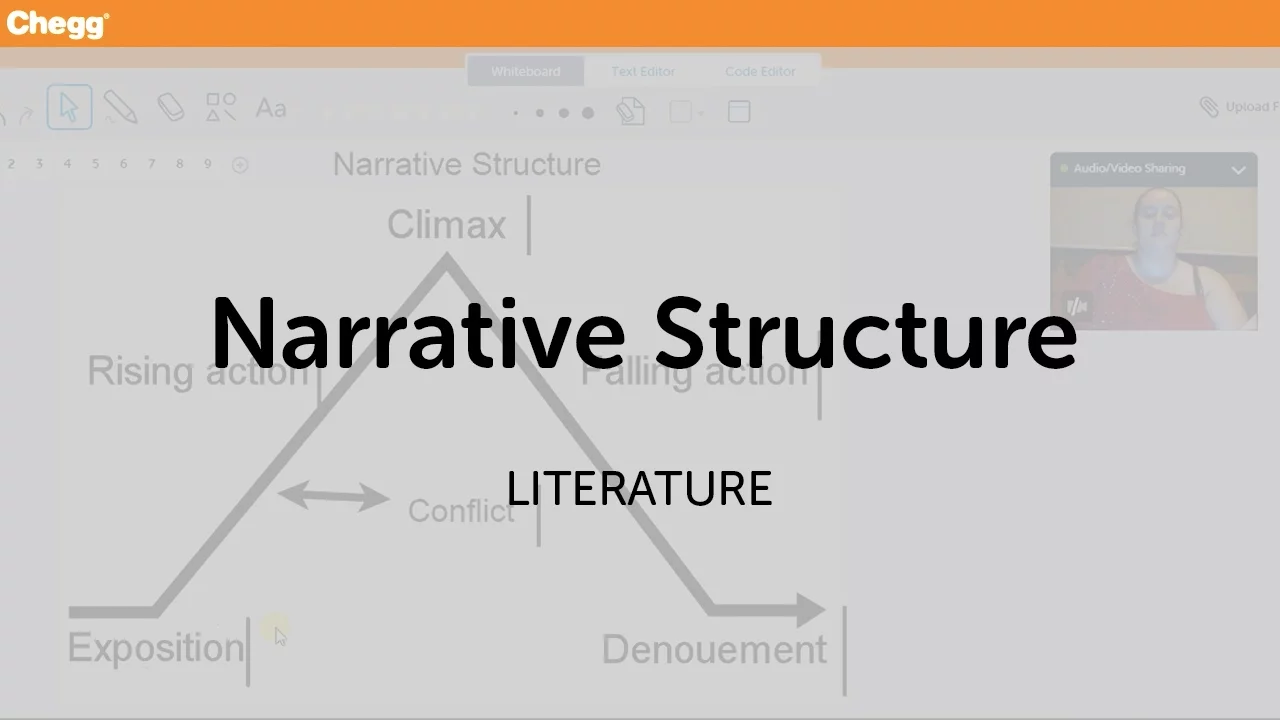
Basic knowledge of narrative components such as exposition, inciting incident, climax, and resolution.
Awareness of the medium-specific tools used in literature and film to convey time and perspective (e.g., editing, montage, narrative voice).
Exploring Russian Formalism, the 20th-century school of literary criticism that originated the terms 'fabula' and 'syuzhet'.
Analyzing complex cinematic works (like 'Memento', 'Pulp Fiction', or 'Citizen Kane') to map out their distinct fabula and syuzhet structures.
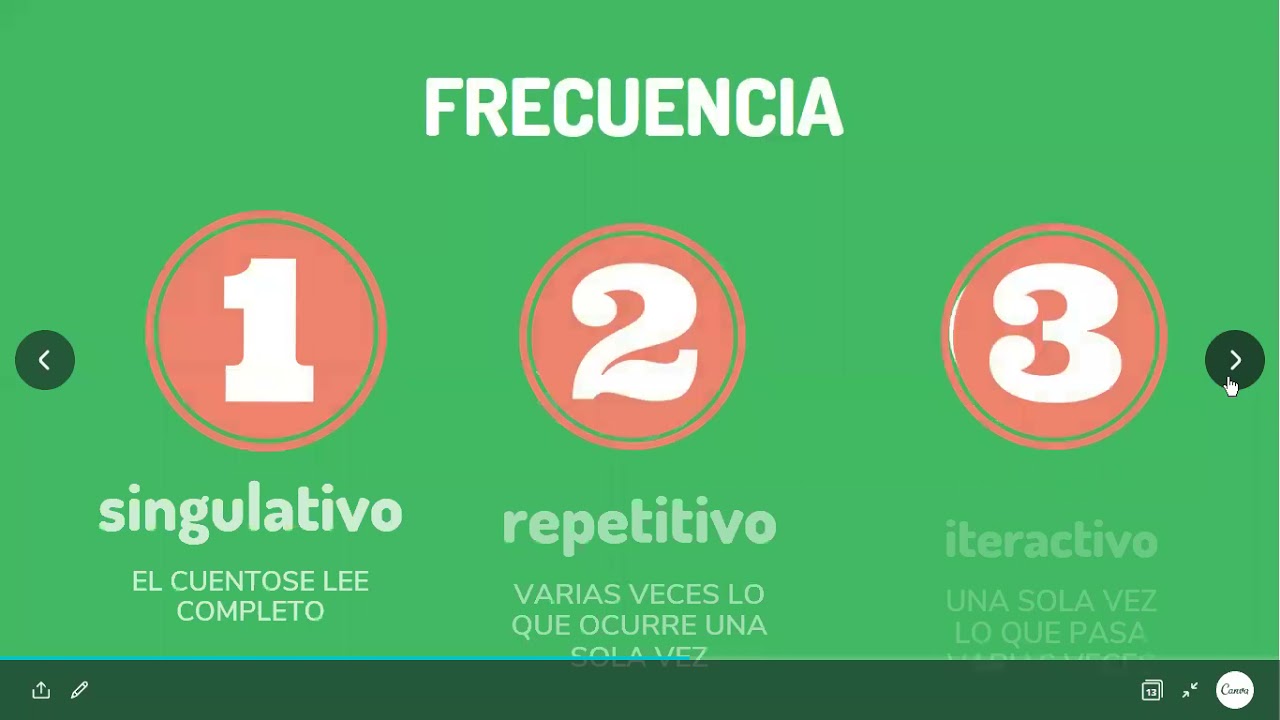
Studying Gérard Genette's theories of Narratology, specifically narrative temporalities such as order, duration, and frequency (anachrony).
Applying the concept to creative writing or screenwriting by deliberately manipulating the syuzhet to create suspense, dramatic irony, or mystery.
454 views11likes12:27Original Release: 2024-06-21
hello so in this video we're going to talk about fabula and Su or suette I'm not 100% sure um I was taught when I took Theory classes to pronounce it Shu or Shu sorry I don't even know I'm losing it I'm losing everything uh yeah I was I was taught to pronounce it Su but Wikipedia pronounces it chette chette so I don't know what it is I'm going to keep saying Su because that's what I have said for years and if you uh don't like it then I apologize uh so fabula and Su these are Concepts that originate with Russian formalism which was a movement in really the 1920 30s um basically Russian formalism was a school that became really interested in the idea that literary techniques are incredibly significant that the particular bits and pieces of how stories are put together how artistic works are put together matter and they matter in specific formal ways so uh this was Russian formalism was a sort of fellow traveler along with disciplines like um Linguistics semitics um and then structuralism all of which are really interested in how meaning is made within systems for conveying meaning like language like the Arts like uh literature poetry fiction things like this so two of the Russian formalists Vladimir prop and Victor schlowsky whose name I may whose names I may be mispronouncing if I am I apologize uh I'mma call him vladin Vic uh vladin Vic came up with this idea that there's a distinction within storytelling between the fabula and the S what they said about the fabula is that it's basically a traditional sort of chronology of the events being depicted right so the first thing that occurs if we think of it not in as a not the story as it is written or told whatever it is um but the story as it occurs for the characters right so the first thing that happens second thing that happens to the character third thing fourth thing fifth thing that happens to the character etc etc right in a straight line from beginning to end that's the fabula it is a very sort of literal traditional conception of temporality within a story and if you go back to something like Aristotle's Poetics right you have Aristotle says that very good story should have a beginning a middle and an end if you put them in that order beginning middle end you're you are working basically from the fabula now there's some gray area there I don't want to sort of say you're you're say you're telling a fabula based story but you you may be hueing quite close to the fabula on the other hand there is the SU and the Su is the order of events within the story itself so the order that a narrative gives us the events and this is not always aligned with the fabula sometimes it is aligned quite qu quite closely right um more simplistic narratives children's stories for instance will often start at the beginning and they'll go through the end end of a story that there may be very very little distinction between the fabula and the Sue in that case the the order of events in the narrative looks a lot like the order of events in as it's told by the author um the speaker whatever it is on the other hand especially in modernism and postmodernism you have a lot of works that radically diverge in the Su from the fabula um times Arrow by Martin Amos for instance the narrative is told backwards we start from the end and move toward the beginning um something like momento which I think is a christop Christopher Nolan I think you fact checked me if I'm wrong on that actually I'm going to check that real quick yeah Christopher Nolan's momento it's a very fragmented narrative um Quinton Tarantino Kill Bill we have temperal jumps back and forward in time um we have sort of the end results of things any story that starts in Med AR this is a a Technique we see all the time time especially on um in uh TV shows where you have a sort of all right your your character is in some kind of precarious or surprising position and then the story goes and then the plot so precarious or or surprising position usually from the end of the storyline the chronology and then the show goes back in time to the beginning and takes us through and how did we yet here type bases so these are two different approaches to constructing stories there is however um also much more sort of subtlty to this distinction right because you think about something so so like Aristotle says story should have a beginning and middle and end right but even stories that seem to have a beginning middle and end do not necess neily follow the fabula you think about you think about something like sophocles's edifus the King right we have the events the play starts with the citizens of Thieves being like ah there's a plague save us King edifus you're really smart and know how to deal with a plague and then it moves forward to the eventual end point where spoiler alert edus realizes is that he is the cause of the plague because he had inadvertently killed his father and married his mother and now he has to pronounce sentence on himself that he should be exiled from thieves in order to save the city according to the will of the Gods but it's not as simple and straightforward as all that because what we have in the fabula would be way way back before this play actually starts so even though aristot or yeah Aristotle would probably say yes this has a beginning middle end it's a well structured story good job Sophocles what we actually have is a distinction a gap between the fabula and the sue the um because the fabula would start at the time at the very least if not somewhat earlier than this would start at the time where lias gets the prophecy that his son will kill him and marry his wife and therefore lias decides not to ever have kids that's way before edus the king actually starts in sophocles's version but it's part of the the the requisite story line right we need that information but we get that information within the edus the king's story line because people tell us oh yeah back in the day these things happened the same thing with edus being sort of cast out by lias and jasta after his birth the same thing with him going to Corinth the same or going from Corinth to um the Oracle at Deli and getting the prophecy and then leaving Corinth and all this stuff all of these things none of them happened in the actual structure of edus the king they are narrated to us and so what we have there is the the gap between the fabula and the Su because if this was a if we were doing this fabulous style we would have to start at the very latest with lias getting that prophecy deciding not to have kids then getting drunk having sex with jasta having edus and then casting him out etc etc all of that stuff would have to be first because chronologically it comes first in the world that the character is inhabit so this is one of those things like it's a it's a really important sort of analytical tool but being aware of the distinction between fabula and Su can also help you as a writer it can help you as a writer sort of decide how to structure a narrative most effectively because if you if you have a sort of awareness of the chronology of the characters within the the world that they inhabit you can decide what are the best ways of giving the audience crumbs Clues indications of where the story is going without necessarily starting and sort of simply giving us a chronology because chronologies are often quite boring they're not artistic the fabula to a certain extent is a non-artistic mode whereas the Su because it is constructed in order to achieve certain artistic purposes is inherently artistic so the use of things like flashbacks like temporal jumps enia rest all of these kinds of techniques can help build the artistic strength of a work and so if you consider I mean and and it's worth doing especially with things like um novels fulllength plays fulllength films things like this large ler scale works storyboarding right you storyboard you set things up and then sort of Trace out the events and decide how you want to slot them into the story line which is not again necessarily going to be chronological but will achieve particular impact on the audience
Up Next
4:01
What Is Magical Realism? Defining Literary Characteristics
@ArielBissett
140.3K views•2016-04-21

13:43
Formalism in Literary Criticism: An Academic Lecture Overview
@mattalberhasky9952
39.1K views•2015-08-05

6:08
Point of View in Fiction: First Person vs. Third Person
@magicalthriftyteacher
153.8K views•2014-03-31

15:25
1984: Orwell's Dystopian World and the Mechanisms of Totalitarianism
@AlternateHistoryHub
7M views•2017-03-04
Related Study Plans & Knowledge Roadmaps
Structured learning paths in Literature
literature
Graphic Memoirs: Visual Art, Trauma & History
01Foundations of Sequential Art and Visual Language
02Autographics and Processing Historical Trauma
03Visualizing Personal Trauma, Grief, and Graphic Medicine
+ 2 more learning modules
14h5 modules
Explore Roadmap
literature
Campus Novels: Evolution, Themes & Critique
01Introduction to the Campus Novel Genre
02Mid-Century Satire and the Post-War Academy
03Dark Academia and the Critique of Privilege
+ 2 more learning modules
14h5 modules
Explore Roadmap
literature
Theater of the Absurd: Philosophy & Plays
01Postwar Existentialism & Historical Roots
02Dismantling Narrative: Esslin & Absurdist Conventions
03Samuel Beckett and Tragicomic Existentialism
+ 2 more learning modules
12h5 modules
Explore Roadmap
literature
Revenge Tragedy: Justice, Madness & State
01Foundations of Early Modern English Theatre
02Anatomy of Revenge: Structural Conventions
03Psychological Complexity: Madness and Melancholy
+ 2 more learning modules
15h5 modules
Explore Roadmap