











![Impact of Plastic on Human Beings [World Earth Day] Nanoplastic and Microplastic](https://i.ytimg.com/vi/IzwDKJmAFj0/maxresdefault.jpg)




Microplastics—tiny plastic fragments that break down from larger debris—are contaminating marine ecosystems worldwide, accumulating through the food chain from zooplankton to humans, with research showing 10-90% of marine organisms contain microplastics; while scientists have discovered enzymes that can break down plastic, the primary solution requires behavioral changes to reduce single-use plastic consumption and improve recycling infrastructure globally.
Microplastics in Marine Life: Examining the Environmental and Health Impacts
Added:Understanding the basic chemistry of plastics, specifically synthetic polymers and the physical/chemical weathering processes that cause them to fragment into smaller particles.
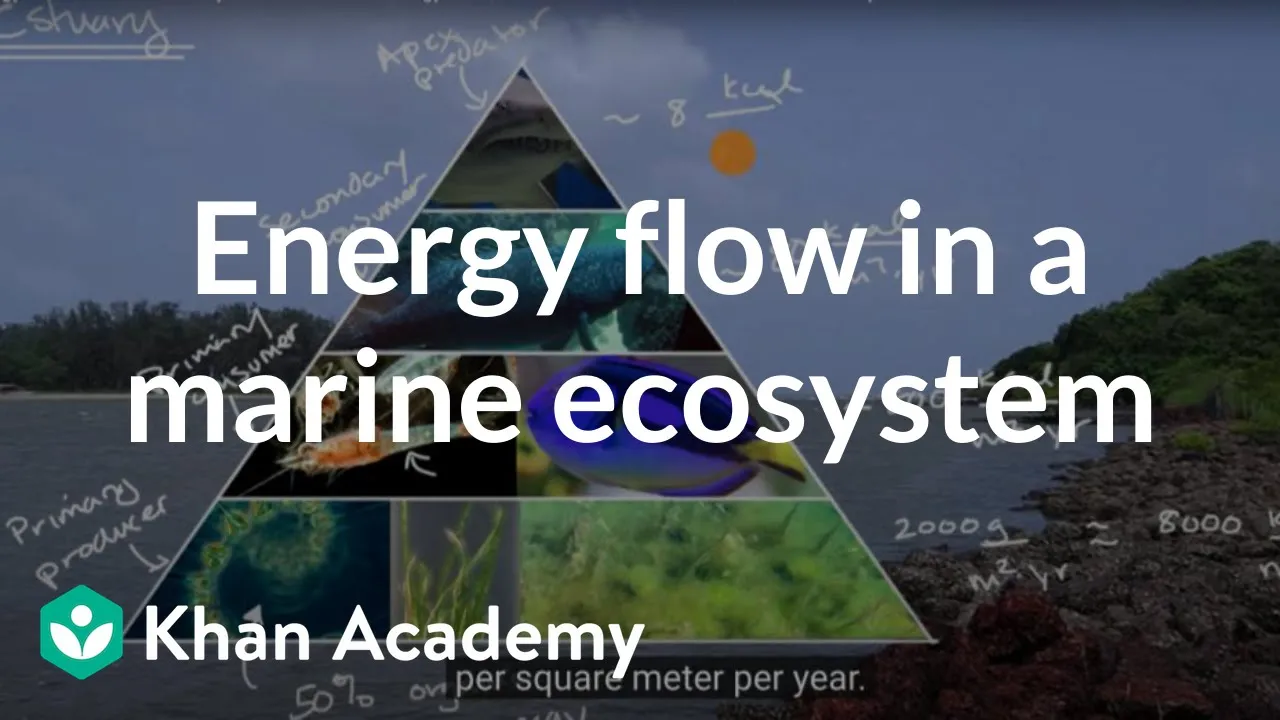
Familiarity with the structure of marine food webs, including how energy and nutrients flow from primary producers to apex predators.
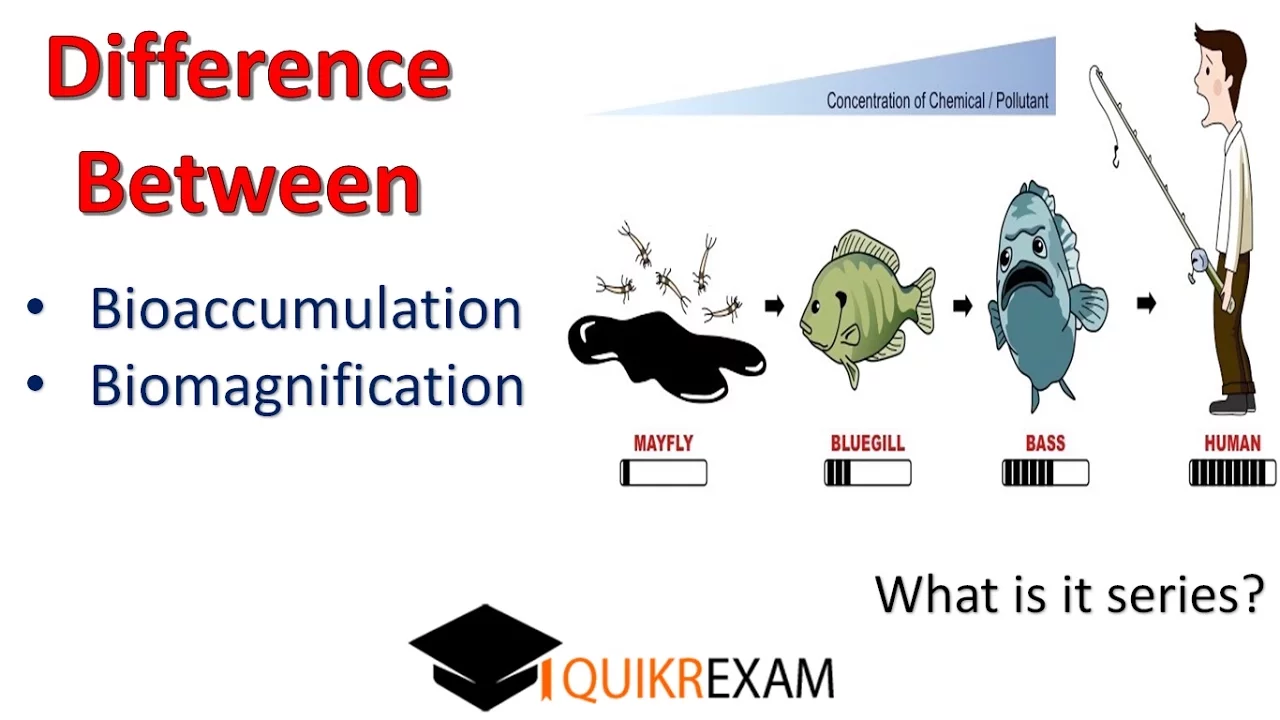
The ecological concepts of bioaccumulation (how toxins build up in a single organism) and biomagnification (how toxin concentration increases up the food chain).
Basic awareness of global ocean currents and gyres, which play a major role in the transport and accumulation of marine debris.
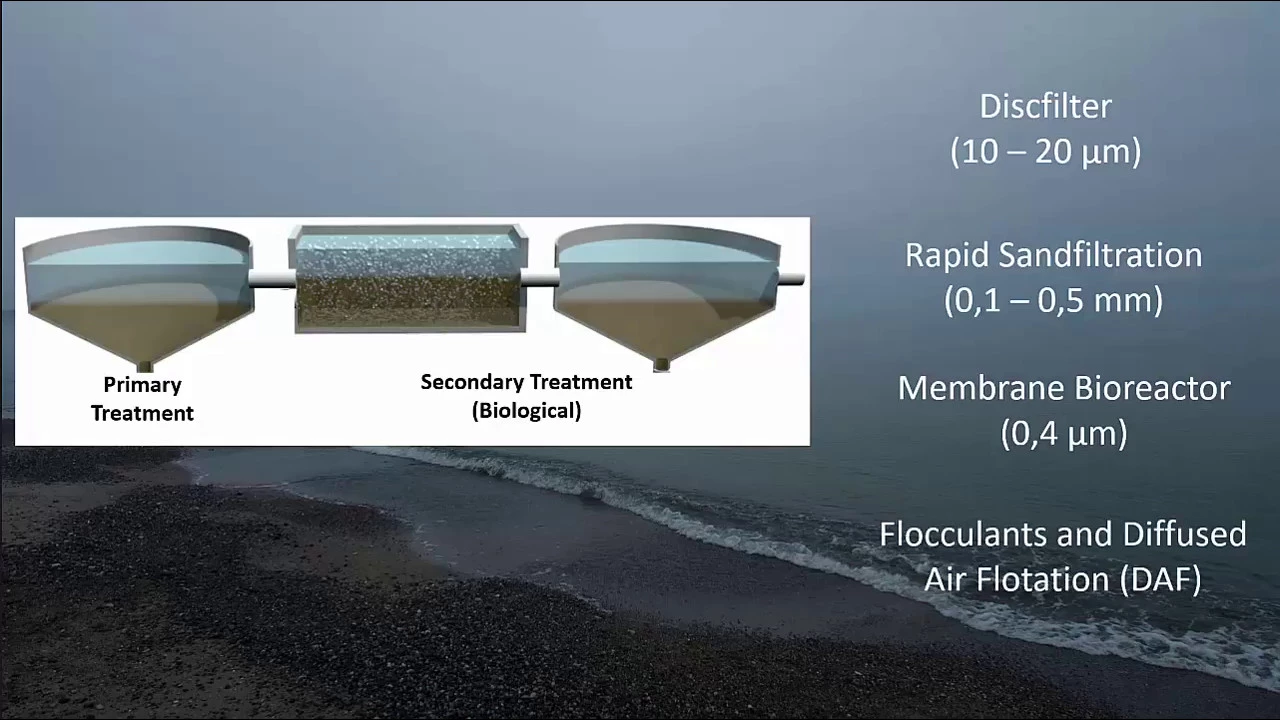
Investigating advanced wastewater treatment technologies and filtration methods designed to intercept microplastics before they reach aquatic environments.
Exploring the specific toxicological impacts of nanoplastics and chemical additives (such as endocrine-disrupting phthalates and BPA) on human physiology.
Analyzing international environmental policies, waste management regulations, and global treaties (like the UN Plastics Treaty) aimed at curbing plastic production.
Studying the principles of a circular economy and green chemistry, including the development of truly biodegradable bioplastics and alternative materials.
1.4K views89likes29:27Original Release: 2021-10-22
i'm tony chang and this is assignment asia since the 1950s plastic in its many forms has been produced at an astonishing rate currently about 400 million tons a year we use it for everything it's light strong flexible and cheap but there's one big problem we don't know how to get rid of it unlike organic substances it doesn't degrade you can't burn it which produces dangerous toxins and carbon you can't bury it which is costly and complicated so often it's just tossed into the sea either to wash back onto beaches like this or to float out into enormous garbage patches in the ocean on this assignment there is a special two-part program we look at what all that plastic pollution is doing to the environment and we try to find out what it's doing to us living our lives in our plastic world [Music] the town of muncha is located on the tip of east java just along the coast from bali for years it was a thriving fishing port one of the busiest in indonesia with the fishermen came canning factories and frozen fish exporters shipping their catch all over the world but all that has changed in the past five years since munchau was hit by a tsunami wave of plastic imam lives in one of the small villages next to mancha born and raised by the sea he started working with his father as a fisherman now he works with his childhood friend mohammed they live next to the beach and their boat is less than 100 meters away they have to cross an ocean of plastic waste [Music] over the years he's seen his home and the beautiful beach next to it swallowed up by plastic pollution the foreign flows down rivers from towns inland and washes in on the tide and over time it's just become part of everyday life but the plastic tsunami is bringing big changes munchau used to be one of the biggest fishing ports in indonesia [Music] effect imam still trying to make a living from fishing but it gets harder every time he sets out to see the number of empty boats bobbing in the harbour suggests he's not the only one suffering he and muhammad have to sail far offshore sometimes for days on end to get a decent catch as they chug out of the harbour into the open seas they seem to leave behind the choking plastic waist but there are always reminders that it's still there hello and he tells me that the fish went when the plastic arrived in an earlier episode of assignment asia we'd looked at plastic waste in the seas although it's generated all over the world asia has become the dumping ground for plastic waste with shipments from europe and america clogging up thailand the philippines and indonesia but researchers quickly showed us that large bits of plastic in the sea aren't the only problem another very significant danger comes from microplastics tiny fragments of plastic that have broken down trawling the waters off hong kong it was easy to find all sorts of microplastics even the cleanest beaches had a high concentration of tiny plastics worn down by erosion and wear and in the lab analysis of wild mullet showed these microscopic particles moving up the food chain but is this just an asian problem thousands of kilometers away in europe the problems of plastic pollution aren't as visible they're still very present the connemara national park in ireland is renowned for its natural beauty facing the atlantic coast it's fed by cold clean waters a loved of shellfish farmers and that is what attracted simon kennedy to set up his muscle farm 30 years ago [Music] as he sets out to check on his harvest flocks of greedy seagulls swoop overhead but the appetite amongst paying customers has declined a recent study showed that a hundred percent of muscles caught in the british isles contain microplastics as he pulls up the ropes of muscles he explains how these bivalves and other marine creatures suck everything out of the water around them these guys are sea squirts so it's actually they are an animal yeah there's a good few animals there if you look hold it up to the light you can see there's the guts through it so the sea squirt has two siphons one to suck in the phytoplankton and the other just and they're called a sea squirt because so right yeah but these are some of the cleanest waters in europe simon does everything he can to produce muscles of the highest quality but there's nothing he can do about this and while he does everything he can to protect his customers there are nagging doubts about the impact of eating plastic particles as from a health point of view we've that's we've yet to find out if if it is a problem or not but i think it is identified that microplastics are carcinogenic carcinogenic that means they could cause cancer it's a huge frustration for simon he produces a premium product and supplies some of the best restaurants in ireland he's deliberately located himself in a place where his muscles will have the cleanest purest waters to grow in but he's facing an enemy so small it can evade any defense what they ingest is is microscopic so yeah yes i suppose we'd have to be looking at that under electron microscopes that's exactly what's now happening as people have become more and more aware of plastic pollution and its potential damage to the environment around us new research is being launched to try and find out how much is out there and what impact it's having although only in the early stages this new research is throwing up some very disturbing findings muscles are important because they're they filter feed so they remove a lot of contaminants and particulates from the water column they keep the waters nice and clean they have a really important role ecologically dr danielle green recently finished a study into the impact of microplastics on muscles so i was interested in did it affect their filtration rate and with the normal microplastics it was about halved not only that but plastic affects vital functions in the muscles biology such as reproduction digestion or producing the adhesive threads they use to cling on to rocks or the seabed they excreted half the number of threads of bisol threads and their attachment strength was halved so they could be dislodged a lot easier if they were in nature exposed to waves which is quite an important result having proven the impact of plastics on mussels dr greene's attention has now turned to even smaller marine organisms while whales and turtles who've swallowed plastic bags often grab the headlines it's the organisms at the other end of the scale that may be suffering most one thing that's overlooked quite a lot with regards to the to the ecological system as a whole is impacts on primary producers so something that is at a lower level that they're not the big fluffy things that people you know that people kind of care about in an on an emotional level but primary producers in the ocean like microalgae which produce a third of the world's oxygen and this is a problem that's only going to grow i think the problem is bigger than what people thought it was and there is other research to suggest that it's still growing because of fragmentation of bigger bits of plastic too and in very general terms is that likely to pass on into human beings as that goes up to the food chain potentially yeah i mean if we're eating um particularly when we eat whole organisms like mussels is something that you you know you eat the whole organism that there potentially could be huge ecological damage if you're losing you know 20 of primary production on on the sediment then that could have cascading impacts for animals higher up the food chain so i would say that the risks are actually quite severe back in indonesia they're already seeing that type of damage to their fisheries imam had told us about the dramatic fallen fish stocks when the plastic arrived and he told us that the plastic is getting into the fish it might be tempting to look at these fish caught in these plastic infested waters and think well that's sad for the people of this small indonesian town but what's that got to do with me but these fish are often sent out to canning factories and frozen exporters who are then sending them off to japan to europe and the united states and some of those fish are ending up here in the uk's oldest fish market billingsgate over the years the market has changed salmon cod had had it from the cold waters of the atlantic and the north sea are far less plentiful in their place traders in indian ocean fish sell more exotic species than micro plastic infested waters like those of mancha in indonesia we are finding plastics throughout the whole trophic range of marine animals so we find it in the zooplankton we find it in the fish larvae we found it in fish and that again ranges from 10 up to 90 of a population will be containing microplastics but even those are increasingly rare the un has predicted that wild fish stocks could well collapse in the next 30 years in part because of plastic when you look around here at all the seafood and fish that come from oceans all over the world you realize that these are species that are so close to extinction because of something that humanity has done and how close we are to losing everything in this market after the break we look at another threat microplastics pose to life in the oceans not to large fish and mammals but to some of the smallest organisms on earth and we hear about some possible solutions we could use to clean up including the discovery of an enzyme that eats plastic out in the english channel a trawler sets its nets but the catch they're looking for isn't very appetizing this is a research ship and the fine mesh nets are designed to catch microplastics it's a lot easier to find cod or haddock the samples are taken back to the plymouth marine laboratory where they're examined under an electron microscope results are very disturbing we're finding microplastic in every type of marine organism that we're looking at under the microscope they find two visible pieces of microplastic once a chip off the boat that took the sample easily dismissed the other a strand of clothing from a fleece or similar material most likely washed out to sea with the waste water of a washing machine far inland average um between 10 and 90 pieces per meter cube so not that much but then we did have an influx once of these white fibers which were rayon and then we were looking at over 17 000 per meter cube also visible under greater magnification tiny sea creatures zooplankton fish larvae and baby shrimp if you did break them down and look what was in the digestive tract would you exp what percentage would you expect fantastic so it would be a sample like this that we've done before and depending on what the organism is how it feeds whether it's a filter feeder and just takes everything up whether it's an ambush feeder and it goes for something specific that maybe moves anywhere between one in 250 zooplankton would have a piece of plastic or one in two so up to 50 of certain groups can have plastics in them it's these tiny organisms that may be most affected by microplastics if we're finding that 50 of the zooplankton contain microplastics or even if ten percent of the zooplankton contain microplastics it's the things that eat those pseudoplankton be they commercially important fish species fish larvae or whales they are going to be exposed to an awful lot of microplastics by consuming their zooplankton you can see the illuminated pieces of plastic ingested by the plankton under the microscope when they eat the microplastics they eat less as their natural prey so that means they're not getting as much energy so they still produce eggs but those eggs that they produce are smaller and they're less likely to hatch so their reproductive success is much lower they're also more likely to die we may presume that's because of the microplastics and they're less likely to grow the zooplankton are vital in the marine food chain if their numbers drop so do the fish we eat and if they contain plastic so do the things that eat them but it's the phytoplankton sea plants and algae that might be most affected so they might be small you might not be able to see them but they play such a vital role if their numbers start to decrease and the microplastics have an impact on their population it's going to have an impact on the whole of the marine ecosystem they also play a really important role in the carbon cycle so that phytoplankton again being very small but can absorb 50 percent of the carbon dioxide in our atmosphere in general terms the world's oceans contain two types of plankton the first is zooplankton tiny animals little shrimp krill jellyfish that float in the water food for fish larvae or larger mammals like whales the other is phytoplankton these and microscopic plants are algae invisible to the eye but vital to the planet like plants they absorb carbon dioxide and use sunlight to turn that into oxygen and they contribute more oxygen to the planet than all the forests on land hundreds of millions of tons of plastic waste in the seas breaking down into smaller and smaller particles ingested and obstructing phytoplankton the tiny organisms that create the air we breathe one of the real concerns about microplastics in the seas is not just for the animals that are consuming it but also for the plant life that the plastics are disrupting the whole ecology of the marine ecosystem not just for seaweeds like this but also for planktons out at sea and they contribute 50 of the world's oxygen and it doesn't seem to matter if the microplastics are in the waters of the english channel or off the polluted coast of indonesia oh my god i guess you can see professor john mcgeehan has made it his job to try and do something about it a scientist based at portsmouth university he's currently working on a remarkable discovery an enzyme that eats plastic this bacteria was growing on the surface producing enzymes that actually break apart that plastic and using that as a food and energy source so this is really where our experiments began first discovered at a waste dump in japan several years ago the enzyme appears to have developed the ability to break down pet plastics naturally and because the enzyme is so small it has no problem handling micro plastics that are otherwise impossible to filter out of our waters nature's defense against the plastic invasion the challenge for professor mcgeehan is to harness that unique ability and mass-produce it so basically what we do is we take the genes from the bacteria that make the enzymes and then we we get them to produce the enzymes for us and large scale we then purify the enzymes away so these are like powdered enzymes that you'd find in your biological washing powder they don't reproduce they're not going to escape and do anything to the environment when news of the discovery broke it attracted headlines around the world could this be an answer to the seemingly impossible task of cleaning up the plastic in our oceans unfortunately the answer is no but it might well allow us to be more responsible in the disposal of plastic we use in the future this is not something that will actually tackle the plastic that's already in our ocean the plastic that's already in our air and on on our land so but the the potential advantage of this technology is that it would massively reduce the amount of plastic and try and keep it into a circular reuse so if we can make value out of that single plastic single-use plastic waste then hopefully we can get it back into circulation and avoid it going into landfill and the ocean in the first place despite being on the very cutting edge of technology professor mcgeehan knows there's a very simple low-tech solution to cutting plastic waste what we really need here is a whole change in behavior because most of this plastic has been used once and it's over designed to be used once we really need to stop doing that the isles of supermarkets around the world are stacked with single-use plastic but is banning it the answer certainly we could use less but there is a reason plastic has become so prolific in modern life one of the things you have to consider when you talk about reducing the use of plastics is what would use in its place for example i've got two fruit juices here this one's in plastic this one's packaged in glass this one is far heavier far more difficult to transport and in doing so you use a lot more carbon and there are things like metal this is in many ways a very scarce resource also very difficult so just saying we need to get rid of plastics isn't necessarily the answer at the violia recycling center in southwark southeast london they're working on a simplest solution so here we're trying to use the latest technology to sort out everything we can make sure we capture all the recyclable materials make sure they go back in their loop back into new products southwark's an area of london that's home to more than a quarter of a million people on average households here produce one ton of domestic waste every year including a lot of plastic in the past much of this has gone to landfill or has even been shipped overseas often to asia now they're aiming to recycle everything [Music] so richard this is the start of the process what are you getting here here you can see the mixture of the paper cards plastic metals and glass everything all the dry recyclables in one bin coming in here all mixed the conveyor belts carry a jumble of different materials grinding and mashing them up as they move through the plant but working in the background are high-tech cameras and monitors filtering off different materials to be separated for recycling bits of this recycling plant might look quite familiar but a bit of technology like this that make it very different this light is full of cells which are identifying plastic as they shoot fast at great speed and the different plastics have fired off the conveyor belt with jets of air so they can be sorted they've even got a computer system that's learning about the rubbish people throw away trying to identify trends and frequencies of materials to better understand how to deal with it it's a camera on the belt and it's taking photos of everything recording that putting it into the big data machine and then and then it's learning what people throw away and that can help us to sort it but high tech can only do so much and particularly with plastics certain types of single-use plastic can be very hard to pick out so a plastic bottle is very very recyclable we recycle 300 million milk bottles in east london back to milk bottles very easy to do films thin films much more difficult because they're all so different so we're trying to agree with manufacturers standards for those films if everyone makes them the same way then we can collect them together and make them back into something else but this is one of the most advanced recycling centers in the world costing millions of dollars utilizing the latest technology could a facility like this help somewhere like mancha in indonesia it just needs to be some political will to change how things are done you know things are being discarded thrown out into the environment there is a cost of that there is a cost to clean up the rivers to clean up the oceans to clean the air so you can prevent that by spending the money up front and if you enable companies like ourselves to build these facilities we can clean the environment for you political wills in short supply for dr hakeem the mayor of mancha [Music] his focus is on cleaning up his city but the source of the problem is not his alone features they are trying to do something about it however a recently opened recycling plants trying to stem the tidal wave of plastic that's washing up on the beaches recycling bins placed around the city collect plastic and other materials and although the system is much more basic than southwark they're doing what they can be category glass plastic classic [Music] formula everything has to be sorted by hand no artificial intelligence or high-tech air jets on the conveyor system here the smiles on the line show that they know they're providing a vital service every piece of plastic sorted is one less piece floating in the sea or clogging up the beach the reality however is that it's just a drop in the ocean there's a very weak culture of recycling here and little encouragement for people to get involved and even if they did faced with a problem of this magnitude it's hard to know where to start the cleanup back on his fishing boat imam and the crew take a break to cool off he loves to swim and making a living on the sea but he says the catch is so poor now he's going to move to bali to find a job in construction the tourists are much more reliable than the fish they keep coming back but despite the fact baal is only a few kilometers away he knows no one's going to visit munchar until all the plastic is cleaned up imam and his crew are trying to get what they can from the sea today but there are very few fish out there and his father says that in the past decade fish stocks have plummeted now plastic pollution isn't the only problem there are also issues with pollution and overfishing but at this stage no one's doing anything about the vast amount of plastic waste that's floating around in these waters but that's all the time we have for this week join us next week for the second part of our investigation into our plastic world where we look at the plastic that's already in the earth that's in the water we drink and even in the air we breathe i'm tony chang thanks for watching and join us again on assignment asia [Music]
Up Next
6:56
Toxic Chemical Exposure Routes: Humans, Animals, & the Environment
@phippsconservatory
312 views•2018-06-05

15:54
Life in Biosphere 2: Sustainable Ecosystems & Human Survival
@TED
334.9K views•2009-06-16
14:30
Microplastics Everywhere: How Plastic Impacts Our Lives
@TEDx
100.9K views•2018-05-08
10:28
Ice Stupa Artificial Glaciers: Solving Ladakh's Water Crisis
@SonamWangchuk66
3.2M views•2015-05-03
Related Study Plans & Knowledge Roadmaps
Structured learning paths in Environmental Science
environmental-science
Ocean Noise: Cetacean Impacts & Mitigation
01Fundamentals of Underwater Acoustics
02Marine Mammal Bioacoustics
03Anthropogenic Noise: Shipping & Seismic Surveying
+ 2 more learning modules
16h5 modules
Explore Roadmap
environmental-science
Road Ecology: Corridors, Overpasses & Fencing
01Foundations of Habitat Fragmentation and Carnivore Ecology
02The Road Barrier: Ecological Impacts of Transport Infrastructure
03Principles of Ecological Corridors and Connectivity Mapping
+ 3 more learning modules
14h6 modules
Explore Roadmap
environmental-science
Ocean Acidification: Kelp Buffering & Shellfish
01Fundamentals of Ocean Chemistry & pH
02Chemical Pathways of Coastal Acidification
03Bivalve Physiology & Calcification Under Stress
+ 2 more learning modules
18h5 modules
Explore Roadmap
environmental-science
Ice Stupas: Glacial Retreat & Water Security
01Foundations of Glaciology & Mountain Hydrology
02Climate Change and Glacial Retreat Dynamics
03The Science of Ice Stupas & Artificial Glaciers
+ 2 more learning modules
14h5 modules
Explore Roadmap