













Human memory is not a static recording but a dynamic and reconstructive process that can be influenced, distorted, or even implanted through suggestion and misinformation. Research demonstrates that people can develop rich false memories for events that never occurred, such as being lost in a shopping mall as a child or witnessing a crime, when exposed to leading questions and suggestive information. This has profound implications for eyewitness testimony in legal contexts, where confident and detailed memories do not necessarily indicate accuracy. The findings challenge the traditional 'tape recorder' model of memory and highlight the importance of scientific skepticism when evaluating claims about past events.
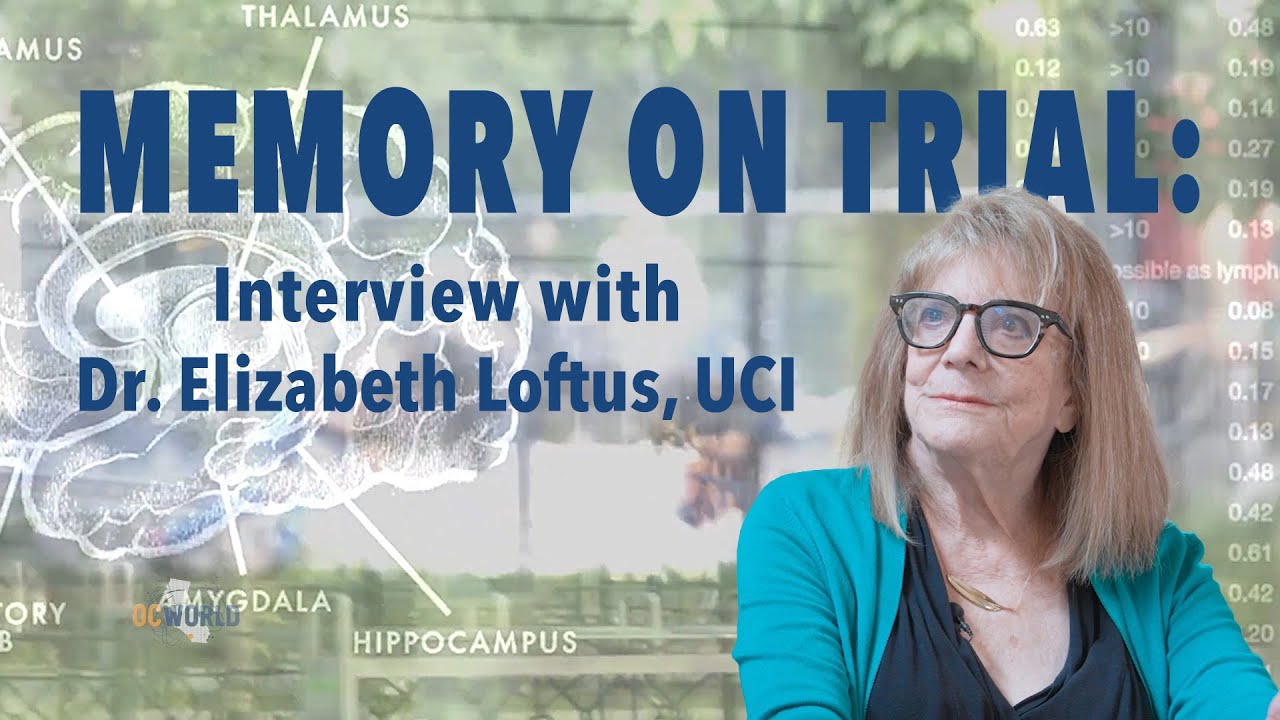
False Memories and Eyewitness Testimony: Elizabeth Loftus Interview
Added:Basic models of human memory, specifically the stages of encoding, storage, and retrieval.
The concept of reconstructive memory, which posits that memory is an active reconstruction rather than a passive, accurate recording.
The fundamentals of attention and perception, and how selective attention limits what information is initially encoded.
An introduction to cognitive schemas and how pre-existing mental frameworks influence how we interpret and store new information.
The legal and forensic applications of memory research, such as cognitive interview techniques and reforms in eyewitness identification and police lineup procedures.
The 'repressed memory' controversy and the ethical debates surrounding recovered memory therapy in clinical psychology.
The Source Monitoring Framework, an advanced cognitive model explaining how people attribute the origins of their mental experiences (e.g., distinguishing real from imagined events).
Experimental paradigms for studying memory distortion, including the ethical implications of implanting rich false memories in research subjects.
19.4K views510likes1:29:34Original Release: 2020-01-27
[Music] hello and welcome to the origins podcast I'm Lawrence Krauss I want to be straight up and say that Elizabeth Loftus is a hero of mine first she's a distinguished cognitive psychologist a member of the National Academy and the American Philosophical Society and she's been president of the American Psychological Society as well she serves as a distinguished professor of psychology law cognitive science criminology and long society at UC Irvine she holds these distinctions because of her groundbreaking work on false memories implanted memories and on eyewitness testimony and the misinformation involved the so-called Loftus effect she's a hero of mine not just because she's discovered all of this but because she's applied it and has devoted much of her life often at great risk to her own well-being subjecting herself to personal and professional attacks by interfacing with the court system advising judges and juries and serving as an expert witness saving people's lives who've been falsely accused she's been involved in many high-profile cases from the McMartin preschool doe Jay Simpson Ted Bundy and the Duke vs. lacrosse team I wanted to talk to her personally about what got her interested in psychology and what caused her to reach beyond academia also about what we know about memory today and what we've learned about eyewitness testimony reflecting on the recent events for example in the Supreme Court and elsewhere our discussion was interesting and highly relevant to what's going on today as always patreon subscribers can find the full video of this program immediately at patreon.com slash origins podcasts I hope you enjoy the show [Music] well Elizabeth I'm so happy you're here today with me you go back aways and I've always admired your work tremendously and I'm really looking forward to having this conversation about memory about your experiences and things that are happening in the world so let me let's begin I never asked you this question but why psychology why did you get involved in psychology what interested you in it in the first place why did you choose that Oh psychology well first of all when I started college I was a math major and good choice well I was I loved algebra I loved geometry when I got to calculus I didn't really love calculus too much but I was a math major and I was going to stick to this because I put so many years into it but I you have to take electives yeah and I took introductory psychology from a professor at UCLA Alan Pardew Chee and it was fabulous so I was kind of hooked on psychology took a bunch of other courses in psychology and by the time I graduated I had enough psychology to have a double major in math and psychology in math and psychology huh now it's interesting that because usually those psychology courses the universities are immense they're usually the kind of things I would think that would turn people off was it a huge class was it oh yeah but it's but it's so but it was good to have a good teacher makes a big difference they fabulous yes and then okay so you had to double major and then what well then for a while I thought maybe I might become a teacher and like a high school didn't teach mathematics but one of my professors said you know there's this program at Stanford mathematical psychology and I thought well how perfect that's my math and my psyche I think I'll go do that and I got into Stanford to go to graduate school in mathematical psychology and I really didn't like it very much I I used to go to the Friday seminars in Stanford the math psych seminars where the faculty and grad students would their latest model of behavior and I would write letters to my Uncle Joe I would have my skirt down and even the other grad students took a poll and I was voted the least likely to succeed because I was so not into it and I mean I did okay in the courses and I passed the course you weren't excited but you did some research right you do you were working actually on your as I remember from reading some things you wrote that you were actually working on a PhD project still in mathematical psychology work well my my master's thesis advisor and PhD advisor they were mathematical mm-hmm people but they also were interested in computer assisted instruction so I was working on their computer assisted instruction projects yeah okay and then I did a side project with one of my professors he said you know you're you're interested in your a cognitive person I'm doing these memory studies would you like to help me when he's how do you know you were a cognitive person well I think we didn't even call it learning it was called back then so you you were interested in learning yeah learning because you thought of being a teacher was there any relationship was that why you were interested in learning or no no that was the subfield of psychology as it was called then and it became cognitive psychology about the time I was graduating so I started doing some memory studies but very different studies than the ones I would do after I got my PhD and continue on with let me as inside let me ask that question cuz people often ask me this I I I as a physicist I think I learned more about physics after I got my PhD than before I'm just wondering in your case whether we're similar that you found that you discovered her you did you get most of the basics and then it was just applying them no I mean the basics I got were how to how to be an experimental psychologist how to how to design a study how to run the subjects how to do the statistical analyses how to write up a manuscript I how to do that in grad school do they have human that they have those stupid subject things back then to where that was a big I think they came later they you where you have to go through human subjects committees get approvals yeah they they really came later and so okay so you so this so this fellow asked you if you want to work in a memory on this project on memory right yeah did you ever did you have an interesting memory before that or was it just then that you'd be great it was really then but this was what's called semantic memory our memory for words and concepts and the knowledge we have about about the world rather than our personal experiences okay so I did studies of semantic memory and like give me the name of an animal that starts with the letter Z I'll just say zebra just I bet everyone says that yep yeah that's a common another animal you know a bird that yellow and I think even though I'm colorblind I'd say canary canary yellow aren't they yeah many so that would work and and so the one from big from Sesame Street Big Bird okay anyway sorry well so I measured reaction times and I drew inferences about the structure of it that kind of knowledge in the human mind that's what I did with dr. Friedman and then and that's what you eventually got your PhD you know I did on the computer assisted instruction this was a side project so I was publishing articles with him at the same time as I was publishing with my main advisors that was where your passion was well I got more excited about it because I was in control you know working on these computer assisted instruction projects I felt like I was a little you know and as an assembly line I was chopping the carrots and somebody else the peas and yes somebody else was gonna throw it together the whole picture wasn't it no but but through the memory studies I realized aiya I could be an experimental psychologist you could control it it's funny again I'm just trying as a as an on by the way I I was a subscriber from the time I was 12 to psychology today I thought because I wanted to do that when I was younger so now you know I became a physicist and and it's interesting to see the differences and there's sort of similar things like that in physics and were you'd be part of a big experiment big experimental collaboration of particle physics experiment where you're doing this little cog here and that and 10,000 people are doing other other things and then they're physicists who want to be doing tabletop experiments where they can sort of control the whole thing and I guess that there's a sort of similar difference for and that's what excited you to be to sort of start to finish to be involved in the project exactly okay so what so but that intrigued that started you to get interested in memory yes and then and then what well then this work on you know animals zebras in fact I once wrote a paper called how to catch a zebra and semantic memory it was just about that stuff and and it got me jobs you know I I I talked about this stuff and got a job offer from Harvard as an assistant professor which I turned down to for other complicated reasons not a bad idea at least in my yeah for reasons that I know what many people have done that made quite happy okay but so it was you know I was having some success with it at work but then one day I wasn't teaching in New York at the time I I had lunch with a cousin she was a lawyer and oh you're an experimental psychologist well have you made any discoveries I said yes I have well give me one I said well I discovered that people are faster to give you the name of a bird that's yellow than to give you the name of a yellow bird and they're 250 milliseconds faster about a quarter of a second and she said oh really and how how much did we pay for you and it was that conversation that made me think you know I would love to work on problems that had more obvious practical relevance okay I wanted to get to that because and we'll get to that because of course in your career you have moved in that way in the extreme more much more than most your colleagues your work and your life has become involved in the in the intertwined immeasurably in real events and real events that most people have heard of an and we'll get to that but that but you already had a predilection and having sort of a practical impact in your work right right now I want to I want to I know that at some point I think you wrote that that that your work in some sense involved a new paradigm of what memory was so as you began to evolve you actually began to think about or change ideas about what memory was so maybe you can describe by what sense it was a new paradigm well one of the things that was happening in the field of learning and memory at the time is that people were working with very simple stimuli they they would have people memorize a list of words and try to or learn a list of words and try to remember them after different periods of times every now and then they use stimuli that maybe we're a little different but they were very simple sometimes nonsense syllables they were trying to have them be as simple as possible and when I started my my experiments I wanted them to more closely match the real world so I started showing people films of acts auto accidents and those were my stimuli and other scientists were not doing what were that way so in in in that sense that was a little different oh yeah sure but the parrot but but am I correct in that by the way those experiments you could get people to just to get and maybe it's a precursor to what would happen later whereas in those experiments where you could get people to infer how fast someone was going by describing an auto accident in different in different terms well you're asking a question that uses a loaded word yeah how fast were the cars going when they smashed into each other versus how fast were the cars going when they hit each other and and we showed that people said the cars were going faster was smashed than hit was already an early indication that you could influence what what people thought by the way by by just giving them a load of words yes but my first thought was I was looking at leading questions I could see that the leading questions would affect the answer then I showed that those leading questions could affect the answers to totally different questions that you put to a person often much later so if I came back to you after I'd asked you the smash question a week later and say by the way a few more questions for you did you see any broken glass people were twice as likely to say yes I saw broken glass there wasn't any yeah if we had used the word smash versus hit so then I began to see these leading questions as just a vehicle for supplying suggestive information to people that would affect their memory and that ultimately would lead to the label of the misinformation effect you supply people with misinformation and they will often accept it absorb it into their memory it causes a contamination or a distortion of memories I think I've heard that called the Loftus effect actually from other people you know that was yes Bennett in any case decide well it's because it's a very it it the notion for many many years was quite different about what memory was you know going back to ancient times where people thought he's sort of memories and knowledge where it was intrinsic and you were just somehow probing what was already there and then and never sort of creating memories or memories as dynamic and and then the idea that memories were like tape recorders were they weren't already there but once they happened they were in your mind and it was a matter of just going to the right data location and calling them out and and what you began to show and have showed of course abundantly since then is that that's not the case at all that that memories are not static and and and maybe didn't weren't even there in the first place well yes I mean and that tape recorder video recorder you know model of memory is still widely embraced by some laypeople yeah I think most people still think memories you work hard you get the memory and and that's it and what if it's there if it's a memory it must have been it must have happened right memory studies as you said had been sort of try to remember the name of an animal named with the letter Z or or a series of numbers or facts and and you you began to your research has involved more stories right why do you think you were thinking stories versus facts in that sense what do what influenced you to think in those terms is it because you were so interested in the way people really work in the real world of trying to remember their own stories or what what caused you to go in that direction uh well I I I think I know actually good you think you know no one told you okay so there I was you know thinking to myself after that conversation with my lawyer cousin yeah where I thought I want to do something that has some practical applicability something that's more socially relevant and for briefly around that time my father had was dying of cancer I wished I could work on cancer but I couldn't work on cancer because I don't know anything about it wasn't I had no skills so but what could I work on that I could be excited about well and then to find out what what excited me I asked myself well what is it you like to talk about when you're let's say at a party a dinner party or something and you can talk about whatever you want what do you talk about and I found myself often talking about legal situations legal cases so this made me think okay and why not like maybe combine memory with with legal cases well how about eyewitness memory accidents crimes things like that that's how I got there so interesting and do you think was because of your lawyer cousin or what what caused you to be no I just I just Terry Mason or someone I know it's not so I remember you know one dinner party okay here's something that happened in New York somebody goes out to his car and a kind of a hoodlum is resting on the car and owner says you know do you think I could get into my car and the hoodlums starts to annoy him and there ends up being a tussle and the hoodlum dies and the owner ends up getting prosecuted and I thought to myself well what's somebody supposed to do if they're getting hassled like that what was what was the fair thing to happen why is he being prosecuted when he was just defending himself and so that's what I was talking about you had a personal event in your life very young where that happened you did that impact I don't know if you want to talk about it you don't have to if you don't want to know I know what you're referring to because I was being interviewed by a reporter and this experience had just happened to me and I told this reporter about the experience because it was so amazing to me that would have been in the 90s so that would have been you know decades you know almost a couple of decades after I started this work so what happened to me that that was so amazing that I told this journalist it was a chronicle of higher education of writers okay my mother did drown when I was 14 and now jump ahead I'm an adult I've been working on memory for 15 years or more when I went to a 90th birthday party for an for an uncle of mine Uncle Joe and at this birthday party a relative made reference to my mother's death from decades and decades before and said you know you were the one who found the body I said no I in lying in the swimming pool I said I didn't her sister did my aunt oh no you're the one who found it and this relative was so positive older relative and it had been so long I started thinking wow maybe I did and then I started picturing her in the swimming pool face down and I started to believe and remember this and I started to draw inferences that were consistent with my having found it I remembered that when the firemen came to the place that they gave me oxygen well maybe they gave me oxygen because I was so upset cause I'm the one who found the body and and so now I had this memory a week later the relative called and said I'm so sorry I made a mistake it wasn't you it was it was your aunt who found the body and I thought boy that's what it feels like that's that's really interesting they went but when you have that personal and experienced exactly where you're walking on OH oh yeah it was so incredible by the way I once finally had the experience of sleep paralysis which was amazing so now I can understand these people with these alien abductions yes how they get started but yeah we'll get to him because I wanted to ask about and read it but I I spent a lot of time over undo time over the years sort of in the early days debating alien abduction people and and and we'll get to that yeah yeah and that whole issue which now which I hadn't seen you talk about but it certainly seemed relevant to but but let's actually step back those who who who who aren't as familiar with the amazing impact and career and real-world application of your work which you're in at least in my circles famous for certainly and and and rightly so and that's the work you've done on on recognizing that memories can be implanted that eyewitness testimony may not be or often isn't accurate and is influenced by the way in which it's presented did you seek out lawyers to help them or did they seek you out how would it happen and well a very clear path I'd so I'd been doing this experimental work showing people these simulated accidents and some time later crime simulations I was studying laboratory witnesses and I thought to myself you know I would to see some real witnesses in in real cases out there in the real world and at this time I had moved to the University of Washington where I knew one of the chief attorneys in the public defender's office Phil Ginsburg so I I said Phil how about I study eyewitness memory how about if I consult on a case with you for free if you let me just hang out watch the progression of a witness through a case and so on so he was working on a case a woman was accused of murdering her her boyfriend and the whole issue was it self-defense or was it murder and I hung out with him during this case giving my little input absorbing the experience for my own benefit as well and when the woman she was acquitted so it was found to be self-defense there were memory issues which I explained to the attorney and some maybe I played a tiny role in this case when I was done with that experience I decide to write an article for Psychology Today magazine and I wrote about some of the early studies I wrote about the experience with that case that woman her acquittal and how psychological memory science could intersect with the legal field and maybe make a difference and that's when the phone started ringing so lawyer said would you help me with my case would you lecture about this to my group and I started doing lectures two groups of attorneys I started being asked to consult on court cases and that's how it's done and that's your life changed that way unfortunately people asked me out this cuz you know I've had a variety of trajectories and tried to juggle them in my life in research and writing and and and and communicating and they asked you know is it taken away as one taken away from the other and you know are you happy you've done this and of course it's hard to know about trajectories that were never taken right in the future much less the past having said that that did change your life I assume it changed your life in a way that ultimately you are happy with oh well I would say I'm mostly happy I mean most you know I have it's brought a lot of struggle and strife here laughs right I've had some really difficult times because of people who don't like what I do but the benefits are I you know I get to see these real world cases I get to live these stories you know it's true crime up close and personal it's it can be lucrative yeah I mean it's interesting for as a lesson for the academics who may be listening that real-world article that Psychology Today article changed everything it brought a whole you into a whole different set of interactions and opportunities that you never would have had otherwise I found some similar things that when I my first time I spoke publicly or wrote anything one thing leads to another and I think it depends on your personal protection for some people they say oh gee whiz I I didn't mean for that to happen but if you're at all in tune with that if you're at all interested it's a wonderful way as an academic to have an impact beyond your normal sphere and to also realize that people are fascinated not just the applique Sun like sort of cosmology where I've never been asked to go at a court case in cosmology directly but but so it's not that relevant to human affairs in that sense but people are still fascinated by by what's going on and what you're learning in the laboratory and I don't think people realize how much the public would like to know directly and what a great opportunity is to reach out and like you did in that article and then and then of course there are lots to be blue can in your case use your use your expertise and that launched you into a as you say change your life it did and the magazine back then was exceedingly popular and it was read not just by psychology people but the Scientific American kind of first measures yeah well and even lawyers read it that's them well if you reach the lawyers who reach everyone but I it was the first magazine I ever subscribed to it age 13 I had I still I was just looking when I was moved recently and I found the first three issues of psychology today that I still have which are prop may be worth something better but I I was it was fascinating they had little experiments in them little they were wonderful they had little viewers and it was three dimensional viewing and all sorts of neat stuff so that had that reached people and that made an impact there was this period which for young people they may not remember but if you're old enough where where children were accusing their parents of crime satanic rituals that had happened thirty years earlier and it seemed to be happening all the time and and I you played an essential role in mmm to mine recollection and in helping save many people's lives as a result me do you want to talk about that at all because I think it's profoundly important okay well so there's a you took a leap yeah a few years yeah so go back okay well there I was I was now I was studying what happens when you expose people to leading questions in other forms of misinformation how does that get incorporated into a person's memory and change their memory for the details of an event that actually did happen yeah they did see as a crime scene they did see an accident and now we've made them believe that the car went through a yield sign instead of a stop sign or that the bad guy had curly hair instead of straight and kick hair changing a detail lots of court cases where I witness memory was disputed and an issue many cases where the wrong person was identified as being the perpetrator when when he really wasn't and along came this really really strange case it was around 1990 where in fact I remember getting the call from the defense attorney he said yeah I'm representing a guy accused a murder and the only evidence against him is the claim of his daughter Eileen defendants name was George Franklin so Eileen was accusing her father saying that she was like in her late 20s that 20 years earlier she seen her father killed her little eight-year-old best friend and she repressed her memory into the unconscious and now through some process the memory was back she said she repressed her memory of you know even other murders she repressed her memory of continual rapes by the father and sexual assaults by other people so the attorney who said who was a very experienced San Francisco attorney said what do you know about this idea of repression I said well you know it's kind of this hand-me-down Freudian idea that we banished all this excessive trauma into the unconscious it's walled off we have no access to it but then we can go into therapy or something and become aware of it and reliably recover at all but when I started to look for the evidence it was amazing there was no credible scientific support for this idea and and I explained that to this attorney but this daughter was so convincing and she had the support of a psychiatrist who basically blessed her memory and said that's how it works and this is you can count on it in so many words and George Franklin was convicted so here you have the first American citizen virtually convicted based on a claim of repressed and recovered memory but what would be happening here if this memory weren't real and I certainly suspected that it wasn't and that her memory had all these details could be found in the public domain from this hot hyperbola City case where could that come from how could such a rich deep complete thing be created in her mind assuming she wasn't deliberately lying if it didn't happen hmm I wanted to study that and so that's what led me into a whole kind of new line of work where we're gonna plant a seed of memory and watch it grow into something big and I began to do those studies starting in the mid 90s and and to this day so that was the famous case the Franklin case eventually he he was relieved that for six years no good memory yeah well he was convicted but you must have imputed them it was upheld by the next level in California on the next level but when it got into the federal a federal judge eventually overturned his conviction but that but then in the newspaper as one then started to hear about a wave of not just this but the weirdest I mean that was one as you say that young woman had memories of him murdering and raping and we went but then there were even wilder ones of satanic rituals and rapes and murders and and it just seemed to be everywhere do you want to comment I mean that thing doesn't happen accidentally it seems to me and and I'm wondering the social context of of globally if people read about that whether you think it maybe affects them you know one person feeds off another and it becomes like a chain reaction or why what happened yeah well I it's a good question for a sociologist but I'll give you my my my my late thoughts okay yes after the Franklin case then we sorted following year celebrities came forward to say I repressed my memory of horrific sexual abuse the actress Roseanne said that she repressed her memory of her mother molesting her when she was six months old I mean that was jarring to me because I know about childhood amnesia we don't have concrete reliable memories for things that happen in the first couple of years of birth and then she accused her father of joining in later so after the celebrities we start to see lots of non celebrities coming forward and accusing their parents of all kinds of things or their former neighbors or teachers doctors whoever they were it it was members of the mental health profession that were fueling these ideas they had this repression theory or what a Harvard psychologist calls folklore and they were communicating it they were communicating it in continuing education seminars they were communicating it to their patients was their book also I don't know if is a psychologist someone who basically said if you think if you feel like you're abused you were abused and even if you don't have the memory I forget the name of that the courage to heal was a book and yes and it was very popular book I mean at one point USA Today said it was the best-selling self-help psychology book out there and and it promoted this repression theory that then the you know these North American psychiatrists and other mental health professionals who were fostering these beliefs would get invited to Europe and other Australia New Zealand other parts of the world and so the infection spread around the world I often say that the United States server exports everything good and bad and and and it happens this was one of those you know not so good things so there were thousands of these cases and then they stopped em you but you played a big role at least my remember memory of it and I don't think it's a false memory well I I did work on a lot of these cases and then they took a slightly different so mostly these were civil cases that where a daughter was say suing her parents or her other relatives or former neighbors or whatever based on these claims of repressed and recovered memories lots of these court cases at some point this was a fascinating development some of these patients who had developed these rich things that felt like memories started to realize their memories were false Oh they call themselves retractors oh how does that happen yeah how does that happen I mean as a memory scientist I mean this is fascinating to me sometimes their insurance ran out so they could no longer pay for the therapy that was propping up this belief system but then these retractors many of them started suing their former therapists for planting false memories and those were just regular medical malpractice lawsuits nothing tricky about them and many multi-million dollar verdicts and settlements and then the fares became a little more careful before they started right right and then they really became careful when we saw the third-party lawsuits where the father sues the therapist for planting false memories in the mind of his daughter so okay so it's interesting that that the backlash in sometimes occurs when people realize them for one reason or other that they recognize they're them it's not you can't you can it's very hard to convince someone that they're wrong they have to convince themselves I've found that in science in general that's why it's so good in physics because you can people often have have misconceptions and you just ask them to follow them through to the logical end and they realize it's ridiculous but in this case it was a matter of just being taken away from that constant reinforcement of that false memory to realize that doesn't make sense well that's one route no that's one route but yes do you do you think I was wondering I don't know if the timing of this so Rosemary's Baby came out and it was it around the same time I've often wondered I mean life follows art for in a variety of reasons but Rosemary's Baby was a movie exactly about that right about satanic rituals and infants and and things going on that she wasn't quite aware of and and I'm wondering if that movie had an impact on do you have you ever thought about that I hadn't really thought about that III don't remember it coming up in a lot of you know because I read a lot of medical records therapy notes and I could see what the patient the therapists were talking about I don't remember a lot of gee I just went to the movies well let me not you know when things are when things are popular and I mean that's why I actually wanted to go into the alien thing because you know there was this another wave of repressed memories or or invented memories so I call induced again by psychologists often of alien abduction yes and and then at when there's one person there suddenly seems to be many and they all have similar stories and one can't help but think what's what's bubbling in the background of society whether it's from a movie or from a popular book ends up also even if it isn't implanted by a individual like a therapist but implanted by society that people can change their memories oh yeah absolutely you're calling to my mind the The Exorcist yeah The Exorcist did lead to a whole bunch of people starting to think that they were possessed by the devil and they started displaying some of those symptoms and well and but also you know what's interesting to me is people often say well you know if it was just one person I wouldn't believe it but there's so many people that are independently coming up with the same thing therefore must be believable but there's that sense of Independence is a fallacy it isn't there because everyone's subject to the same news for example when people report on what the aliens that abducted them look like they all look the same yes now it's there's two possibilities for that one they're really there or is it amazing that they all looked like aliens that were shown on the cover of a magazine at one and so those things must must have an impact and and you can't and therefore when when you see that many people are are saying the same thing one should not assume that these are independent observations they're all quite often tightly coupled by the fact that we're all subject to massive amounts of information and influence from newspapers radio magazines and movies but let me ask you a slightly different question because your research in this area which was so effective was to show that you could impute memories in in people effectively maybe you want to give an example or two of that well for the rich false memories all right so well I'll tell you about the first study we did I mean the first thing I know I knew what I wanted to do I wanted to not just change a little detail but create an entire memory so first I had to decide what what memory should I plant in the minds of these subjects and as you well know you know you're doing research with human subjects you have to go through these human subjects committees the ethics committee so I knew that my university committee was not gonna take too kindly to a proposal to I'm gonna make people believe that their father written a satanic ritual so I needed some kind of analog what was it gonna be took a couple of years actually of chewing on this with grad students and whoever else I could to come up with the idea that's something that would be at least mildly traumatic if it actually happened and that's when we decided we're gonna plant a false memory that when you were five or six years old you were lost in a shopping mall with certain family members there that you know you were lost for an extended time you were rescued by an elderly person reunited with the family and that's that's how we were gonna do it and the way we did it well if I were gonna do this to you I would say Lawrence you know I had a conversation with your your mother about your childhood I I just spoke to her when she was in Palm Springs and she she she told me something that happened to you when you were about five or six years old not I want to ask you about those things if you don't remember what she told us about just say but if you do remember let's hear what you remember then I present you with three true memories things that your mother really told me did happen to you and then a completely made-up experience about how you were lost in a mall or if you grew up where there were no malls then you were lost in a Sears department store or JC Penney's or wherever something what public place by the time we were done with three suggestive interviews we had a quarter of these ordinary adults false weight of the suggestion and remember all or part of this made-up experience so no that was my first clue that you could get people to develop these very what we now call rich false memories the study got criticized even before oh my god even before we published it I presented it at a professional meeting it got a little publicity yeah and the the the the critic the therapist could see where we were going with this and they started to attack it they they said wait a minute getting lost is so common at least show us you couldn't plan a false memory for something that would be more unusual more upsetting more bizarre if it had happened so other scientists came along and we too contributed to this growing literature planning a false memory that when you were a kid you nearly drowned and had to be rescued by a lifeguard when you were a kid you were attacked by a vicious animal when you were a kid you witnessed somebody being demonically possessed that's when I looked into the Exorcist the impact it had when you were a Canadian study when you were a teenager you committed a crime and it was serious enough the police actually came to investigate all of these have been done now and published in top peer-reviewed journals and show that it is possible to take or Neri people and infect them with the seed and out of this acceptably really are those who not just peer pressure to but to to suggestion right now the attacks originally were the therapists were attacking you because they didn't they were worried that their own imposition of false memories was now going to be subject to skepticism at the release but was there a tax this is a real question about the ethics of him I mean is it ethical to impute you know false memories into people it did anyone ever in the under academic review boards or or in the press say you know it's as a scientist your is it fair for you to him to put false memories the issue has come up other investigators and occasionally I've joined them in this effort to do something similar with children with young children you got your hand caught in a mousetrap not to go to the hospital to get it removed three to six year olds will adopt this false memory run with it and so there was a group that tried to say you know that all false memory work with children should be banned that got beaten back but yeah I've had questions and I talk so that I give about this people ask me well what what happens when the experiments over with where are these people and I talk about debriefing and what kinds of reactions for what it's worth we don't have any adverse effects that I know of we don't see our subjects again like they might wonder a month later do they still maybe think they were lost we don't see them and we're not allowed to see oh you know you're not allowed you can't follow up well now we have a proposal right now one of my former grad students is the the lead investigator in this joint project to build into the protocol a follow up to find out yeah what's left has it ever personally were you but that you that you could do this or that you were doing and just wondering I mean well there are a few times in my life when I've been personally worried I mean we can't we'll get to some of those so I'm when for example in in the misinformation days when I could distort people yeah memories for the and I would get reprint requests from Russia during the Cold War I'm thinking do I want to do I want to teach them how to do this but I would fulfill the reprint request of course with a no idea that knowledge is knowledge know exactly exactly we can't censor it I would feel terrible if somehow I played some significant role in getting a guilty person an acquittal hmm and that guilty person goes out and commits some horrendous crime on somebody else uh so far yeah that hasn't happened yeah even in in in Ted Bundy it could have happened except for the fact that when I was involved in the very first Bundy trial in 1976 I think it was he was accused of aggravated kidnapping in Utah he was the first-year law student we didn't know he was the Ted Bundy yeah sure yeah we didn't know it was just a person who could have been innocent well the Ted Bundy we would learn later you know he was but he was just Ted a first-year law student who drove a Volkswagen and was accused of and there were some questions about the identification yeah yeah real question I did testify in that trial it was a bench trial so the judge made the decision to convict Bundy anyhow so Bundy is then shipped off to Colorado to stand trial for a suspected murder you know that he possibly committed in Colorado but I didn't have to worry at least in that case because he'd been convicted because he'd been convicted yeah but but again for people who aren't as familiar the point is that that I wit well why do you talk about eyewitness testimony and how it's abuse sometimes abused by this system and how other times it's also fallible I think it's really important for people to realize because most people I think many people still today think that when if you are in a court case and someone says I saw that that that's unimpeachable well no it's not and and I mean even even a few years ago when I when I gave a TED talk I had to think about well which case do I want to talk about it felt I should talk about one of them and I talked about the case of Steve Titus Titus was a restaurant manager he was you know engaged he was the love of his life long story short he gets accused of committing a rape he he can't believe this is happening and he ends up getting convicted yeah and his life is destroyed it was only because of a Seattle Times journalist who investigated that and found the real rapist that's what we need double-blind experiments in science because it's really easy to misinterpret the results of an experiment in a in a drug study in all sorts of studies and in the real world if we don't follow those procedures it's really easy to affect the results of an experiment just by how you perform it rather than what actually happened and and when it comes to someone's life we have we got to be pretty careful and I think it's so important to have learned what you those things through your work so maybe just walk people through a little bit maybe in that case or another case of how eyewitness testimony how the experiment can be done wrong if it's a scientific experiment how it's done wrong by the police or the court system in a few cases well one thing that happened in the Bundy case is when when the victim and she really was a rape victim when she first attempts to identify she she points to to Titus and says you know this one's the closest she's not very confident but by the time she gets to trial absolutely sure that's him what happened in between what made her so confident well there's a very good chance that it was the police officer who had an agenda who believed it was Titus who communicated and possibly maybe even fudged some information there were suspicions about that and how he may have altered a license plate and so on fed her information that inflated her confidence so now when she goes to the trial and says that's him I'm absolutely positive that's compelling and the jury had no trouble convicting him I didn't testify in the criminal trial maasai de that they didn't need to have a memory expert because they had an alibi which was a phone record and it turns out that they were unprepared for the fact that the prosecution just moved the time of the rape so it fit with this you know the phone record and he didn't have that as an alibi anymore but it that that be that as it may it's an example of how when the police or the person conducting the investigation doing the investigation has an idea has an agenda has the hypothesis they can even inadvertently communicate that and contaminate the witness artificially increase their confidence feed them details even unwittingly and so I and others you know have tried to make proposals to how can we minimize the chances of this happening and you hit on one with blind testing well you know I think the thing is that it happens in science and happens in physics all the time it's said as Fox Mulder said in the x-files we want to believe if you're a scientist and you have hypotheses and you perform an experiment and agree the hypothesis it's very tempting to believe you're right and it was richard fineman who said most eloquently in science we should try not just to prove ourselves right we should try equally hard to prove ourselves wrong and I think it's very tempting and the legal system to say well this seems to work my hypothesis works let's just run with it instead of trying to find all the reasons you're wrong because of course you've got a lot of cases and you've you know you've got people's lives on the line and and and and that's the real danger it seems to me is that we don't try to prove ourselves wrong in at least in that aspect that the prosecutors don't naturally try and presume cells wrong by inclination when none of us want to prove ourselves wrong that's part of the training of being a scientist in substance to overcome that natural tendency to want to believe I don't think people realize sometimes for example in lineups and I learned from from reading some of your stuff of the remarkable things that are done in lineups in order to to get someone to point to the person that the police want to be the suspect maybe you give a few examples I don't want to impugn the police all the time me but but but I think it's important to realize these things actually happen well there I mean they they can go from minor to I I worked on one case for example where a six pack six photographs is shown to an eyewitness he says I really don't identify the perpetrator and the officer said I saw your eyes drifting down to number six take a look at number six so they can do things that happen in this actual case and they can do even really extreme things I mean there was one case where the guy was robbed you said the robber was black goes to a lineup there's only one black and you know four or five whites in the lineup and you know when the the sheriff has asked why'd you put together that particular lineup he said well we have a small town here very few blacks he felt he should have a lineup that's representative of the town so yeah bad things can happen but I think now you know through cooperations with law enforcement lawyers psychologists and so on they're learning best practices by doing what one needs to do as a scientist which is to point out uncertainties you've been attacked and severely attacked right I mean your own in some ways career and life has been has been affected by that and I think it's important to point out how in that effort to just at least promote the notion of that we have to be responsible you've you've had to deal with real repercussions of that that affected your life and maybe we could talk about that a little bit if you don't mind no I don't mind but but when it it when I was the eyewitness lady I was looking at crimes that really did happen victims that really were victims maybe there's a mistaken memory mistaken identification yeah I mean yeah a few prosecutors were irritated yeah because it was mostly the defense in criminal cases that wanted to introduce this kind of information into the case the scientific information and every now and then a prosecutor might say something a little nasty but for the most part the intellectual discussion amongst the professionals and the debates and so on were pretty healthy and and so for example you know I had one healthy debate about the nature of memory with a Johns Hopkins professor and you know after we Duke it out in the pages of the journal he would ask me for a letter of recommendation when he was being considered for another job or a promotion it was that kind of fairly healthy that's we don't god ugly is when I moved into the world of repressed memory and and and started to question the therapists some therapists and what they were doing what they were doing to their patients and how they may be contributing to the development of these traumatic false memories and you you were sue you were sued and you've been and yes I was and and had to go through and and your university to know or well what happened so I I now I was involved in a lot of these repressed memory choices and a psychiatrist I I'd heard the psychiatrist was you know giving presentations about a case history of his a woman who had recovered memories of her mother molesting her when she was five and six years old and the psychiatrist had basically blessed the abuse story back then when the when the now woman was a child the mother lost custody and visitation of her little six-year-old daughter daughter went to the biological father and stepmother and now years later the psychiatrist is interviewing the now woman and right there on tape she supposedly recovers her repressed memory of this abuse so this is now being used as the new proof of repressed memory I think this is the fishiest story I've ever heard but it's all anonymized because when he writes the article it's Jane Doe John Doe mom's town dad's town maybe there were 280 million people in America at that time how am I gonna find the del family and to get to the bottom of this and one summer I did Wow and yeah I did and I once I found the name of crack the identity then I could get into the divorce file and once I got into the divorce file then I found evidence that convinced me that this mother was innocent but before I even wrote anything about the case the the daughter complained to my former University one of your faculties looking into my life I'm upset and with 15 minutes notice they came to my office and seized my files so now I was under investigation but for what for what I mean I I'd worked on so many cases this one I just happen to be working on for free and yeah you know I wasn't retained or brought in by a lawyer but that I felt there there was an injustice out there and oh by the way I had gone to the city to meet the mother eventually when once we found her mm-hmm and they put me under investigation for eventually when you you know you were at an academic so many years you know when can they come and seize your files maybe if you're accused of faking data maybe they can come and take your notes or whatever wasn't that plagiarism maybe it wasn't nothing was written yet it became an investigation of did I violate human subjects regulations by not getting permission when I went and interviewed that mother whom I thought was falsely accused and so that became the investigation I was gagged during this investigation lasted almost two years and when I was finally exonerated of any wrongdoing you know I was pretty upset yeah and you know the money I had to spend on an attorney to help defend me but and nine months later I was still upset and that's when I was offered this fabulous job by the University of California Irvine and I ended up taking the job also right at that time I published the expose she was still Jane Doe John Doe mom's town dad's town but it was then that she said I know that was me and this is libel slander I'm upset and she sued well but you know but it turned well I've often found that sometimes when you're forced to make a change by something it seems awful in the end it can be very beneficial in your case it was I you who told me that the moving to California and a new position just changed a lot well I did I mean I you know I moved in my late 50s I I didn't really want yeah leave particularly but once I got to this new University that you know embraced me and gave me a title of distinguished professor and you know hundreds of thousands of dollars to set up my lab and and treated me with the respect that I had been so long in for in the previous two years and then wonderful colleagues so it's been a great move and I'm glad and it even if it was born out of tragedy how has your perception of yourself changed by your recognition of the fallible nature of memory how has it changed the way you view yourself has it changed it at all have you personalized that once I realized that I could plant really rich big false memories and it would affect people's behaviors I could make people believe they got sick eating strawberry ice cream and they're not as interested in eating it anymore and they don't eat as much of it for example I could make them have a warm fuzzy memory about a healthy food like asparagus and they want to eat it more I could make them have a false memory that got sick drinking a vodka drink as a teenager and they're not as interested in a vodka drink so so should we how should we use this ya mind technology that we're capable of should we use it to make people feel happier or healthier and I got criticized again there she goes you know actually the criticism came when I said therapist maybe can't do that they're not supposed to use deception even if they think it's in your best interest but nothing to stop a parent from doing this with their you know overweight teenager or obese child or whatever plan a little false memory make them not eat so much pizza then the critics started saying you know she's advocating that that parent's lie to their kids well and my first reaction was you know hello Santa Claus but but or the whole and I mean that's what a buret modern advertising our society is is trying to get people to change the behavior for one reason or other using whatever techniques using deception makes people nervous it doesn't make me so nervous interesting and and and and maybe it's because I know that we have all these bits of fiction in there already what's a little more if you can prevent someone from getting diabetes and a shortened lifespan and and all the things that go along with obesity I mean what's a little bit of fiction well our lives are full of fiction we create our own fake in some sense so I know that and it doesn't bother me so I find it myself I create fictions to in order to do things I say oh you know I know if I want to motivate myself to do something I'll build it up in my mind so that you know if it's exercise or something else and in order to we all I think as I don't know Lewis Carroll said leave six impossible things before breakfast just to get up in the morning and be motivated to go to work or do whatever we're going to do and yeah you just say I heard a rumor that you like this I just thought movie about that so it comes in my mind but but with great but on the other hand with another movie thought with great power comes great responsibility as we learn I mean this is an issue for the future because we are becoming presumably more especially with the massive amount of information that's available now on the internet at Google or anything else we are learning what people want and how people change their behavior and are you concerned that that that would that great power comes to much responsibility in the sense that we can effectively cause people to do whatever we want them to well maybe you can when I learned about deep fakes recently I thought whoa yeah this is gonna be a problem yeah because I used to you know I used to say that the the take-home lesson from my work is just because somebody tells you that something with something with a lot of confidence in detail and emotion doesn't mean it really happened go out and get independent corroboration when people say well what would that be well maybe photographs or maybe a video that could be independent corroboration but now with the technology for photoshopping and the deep fake so you can create a situation where it looks like anybody is saying or doing whatever it is you want them to say or do but they didn't say or do where it it's gonna be tough it is gonna be tough but I guess the point is that fortune favors the prepared mind if we don't realize how much if we don't do those studies if we don't know how malleable you are then we are automatically more susceptible to intentional efforts to affect us in you neither vicious or malicious ways so ultimately I guess that kind of that for better or worse even if the knowledge is dangerous refusing to explore the knowledge is more dangerous at least that's my own review I just may have been my view to see that fun on the onion that's why I always tell people I'm so happy I do cosmology because what I said of the future universe has no has no impact on everyone's everyday life so I don't have to worry about those literally I mean this is not a completely facetious way I haven't had to worry about those deep ethical issues of how my research might have a direct effort it a force affects the way we think about ourselves and our place in the universe and I love that but but but I'm personally saved from those deep questions that that you've had to deal with as do you have a good memory by the way well it's pretty good you know I think I'm just as susceptible to these what what do you remember your first memory for a long time I thought my first memory was a happy day when I went to see the greatest show on earth I was for years that was my earliest memory and if you we play this game in psychology what is your earliest memory and how old were you and I figured you know I figured maybe me I was for something like that that's when some people have an earliest memory but one day I was in a bookshop all grown up studying memory and there was a book on movies to the history of movies and I thought oh look up the greatest show on earth and found out that I was eight years old at the time that was released so that wasn't my earliest memory I don't know what is now because that's the one I hung on to for all these years yeah I've thought I mean I have a bunch of really memories but I don't know I mean I don't know why but maybe because I'm naturally skeptical I don't know I've always wondered whether they were real memories or whether there's something my mother told me about falling in a swimming pool and and and I've always been suspicious that it wasn't a real memory I have I haven't now and I vividly remember that first time we met and and when we were we were in an elevator at an atheist meeting talking about about talk you gave do you remember that no I remember the one where you were giving a talk and a skeptics meeting I mean okay no I was trying I was trying to impugn a memory is that one to see like yeah you could have got me going on that I was gonna I I just felt too guilty but I was gonna try you could have gotten me going on that one and in terms remember can you close your eyes for a second just a second what color my eyes I mean I don't know I guess Brown okay that's good I wouldn't maybe Landsat know the green but it's okay I wanna see if yeah I'm not good at observing I'm colorblind which I suppose gives me a really what kind of color blue well sort of a blue green and red red green is a mixture of those two and is what happens at a stop light wasn't one on the top no I can often I can often tell the difference but not always surprising and I think it's one of the reasons by the way why I also got it and as the theoretical physicist rather than an observational physicist and rather than a biologist I mean because you know plants entry they were sort of being able to distinguish flora and fauna was became difficult for me and I think that's one of the reasons why perhaps move towards the physical sciences rather than the biological sciences my mother wanted me to be a doctor but there are many reasons of course of course and she took a long time to know to get over that but I tell you can implant memory you can implant testimony in people the same way you can implant memories I assume it so did does the work you've done have as anyone explored its impact on interrogations and as well as as well as just court cases well the closest we've come is I I have a collaborator who is has a sleep lab at Michigan State University we published a few papers together with some of my graduate students on sleep deprivation to keep people up all night or you allow them to sleep and then put them through some of these false memory tasks or false confession type situations and we find that there are conditions sleep deprivation can under certain conditions make you more susceptible and more likely many more times more likely to confess to a wrongdoing that you didn't do since those interrogation tech the so-called torture techniques often involve this sleep deprivation it doesn't seem like it's a very good idea has that but absolutely but has that scientific work it all flowed into the popular consciousness or or into the the that the the debate nowadays about about the usefulness of those kind of what I would call torture well there are people there are some people who say it works and say they have a study and some people who say well there are suppose I kind of thought there was convincing evidence that that you don't get money and much more information and that the information you get is is is dubious when you went because people will Canali just to avoid the pain they'll confess anything but under conditions as you say they can be convinced that they are that they did do something right well yes and that's usually with some suggestion that they can be convinced by you know the people who want who want to promote the you the continued use of these aggressive methods will claim they have some evidence I I haven't seen it yeah I I don't know of any it's interesting I didn't know if you knew of any evidence because I in my own laypersons looking at this I've never seen any evidence quite deep on the whole I seen the opposite which makes me skeptical and dubious so even if from the moral and ethical issues of whether you have a right to torture people there's the question of the of the utility of it and and if so even if you don't have a method ethical and moral quite you should have a question about whether it really works ultimately that's what matters does it work I mean the that's one of the things that matter and then the next question yeah and then the questions do you have a right to do it and is and is ethical to do it and we can have our own views on that another aspect of the modern implication what about modern technology like smartphones and the impact on memory I know there's an impact on the way young people whether they can read long things I mean longer than a tweet now read chapters of books or books even that's changed by the fact that most people read on their cell phone short concise either 200 sit you know letter combinations or something more what about the fact that we can we don't have to remember facts or details or even stories we can access it we all have in our pocket now a thing that allows us to access a world of information and misinformation albeit does any one sort of looked at impact on that study memory somebody study I can't even tell you the names but it's like floating around my ears ago not that many years ago that showed that if you could if you know you can look it up you're less likely to remember it and but I mean the way as a memory person the thing I most notice is you know I don't know people's phone numbers anymore yeah yeah cuz they're it's just hit the button hit their face with their picture yeah yeah exactly my I just think I didn't know my dog I can't remember mine stepdaughters I'm good with numbers but I have to think a lot about exactly you never do that it's always and and when you're asked even for your own telephone numbers it's really kind of sometimes where a lot of people have our time knowing what their own number sorry and it'll be interesting to see how that how but of course the problem is but that that the fact that we know we imprints will have a reliable source is always a problem because the internet isn't a reliable no it's not and we're even influenced by fake news of when we know it's fake even when we know what they only know it's fake and I think that's a real because certain that's one of the reasons by the way as a scientist that's why I spend so much time trying to talk about skepticism and the technique because the whole success of science it seems me is built around trying to overcome our natural tendencies to recognize how susceptible you are to incorrect information and the and science is nothing other than a process that works to weed out the wrong stuff and that's why it's useful in society because because it's so non-intuitive and yet so necessary if you want if we want to separate the wheat from the chaff and for me that's the whole reason why I think the science is relevant as a process to society and why I've sort of gotten a lot of involved in that you've now had this great experience with the legal system eyewitness testimony is an issue I think you've talked about changing what the legal oath swearing testimony in courts and how we might change that what can we do to improve the legal system based on what we know of memory and and sworn testimony and I mean I there's I'm sure there's no magic bullet but I'm sure you've also thought about about ways to improve that well I mean there's there there so many little specific things that can be done and that have been advocated by people in my field the blind testing is one of them that the person who's conducting the investigation let's say the lineup where somebody's trying to identify a potential perpetrator shouldn't know who the suspect is and the reason it's so important to have that person be blind to who the suspect is is because you don't want them inadvertently cueing the witness and and you don't want them giving feedback which is gonna artificially sure inflate the confidence so that's one that's probably the number one recommendation as far as lineups are concerned but there are others there too instructing the witness that the perpetrator may or may not be in the lineup it's just as important to exonerate the innocent as find the guilty person you want to take the pressure off of people to pick someone then their discussions of who should be in the lineup with with the suspect what should the others look like and you might think well they should look sort of similar but it's not so simple you have to take into account the description that the person gave yeah so you don't just make sure that they're all white males with dark hair and roughly the same height but if the description said you know a mole on one cheek or a straggly beard or something like that then you have to make sure that that is taken into account in putting together that test then okay at the time of the trial you've got jurors out there who are coming in to participate and they've got beliefs about memory that are wrong they've got beliefs that are either unsupported by science or even contradicted so how are we going to educate them and many people have suggested most recently the National Academy of Sciences that we need more education of these jurors either through jury instructions that a judge can deliver or through expert testimony that an expert witness can deliver so that these jurors get educated and they they are making their ver based on accurate scientific information those are just a few of many things that sure well they're all they're all set in port what about not just educating jurors how educated are the prosecutors lawyers and the judges well that's an you know that's another thing I mean you know lawyers and prosecutors and defense attorneys and and the who then go on to become judges some of whom some of them you know they've got a lot of things they got to learn yeah and so they memories just one of them yeah exactly and it becomes much well that's interesting case I've we've had some debates but ultimately whether a I would be a much better and it'll happen I'm sure in the legal system where people will be placed by a I'm because they have access to so much more information than mere humans do in terms of being up lowest because the the the requirement the knowledge that the technical issues that are being debated was in an article in New York Times a while ago about how in certain cases the technical questions become so sophisticated it's hard for the jury it's hard for lawyers it's hard for the judges and so some as as society evolves we're gonna have to consider that in the legal system I think absolutely plus by the way I was thinking about your cue thing when you talked about the the the lineups a great example it seems to me it to use is that all the examples of the animals who could count or who knew how to answer questions and the owners didn't realize that they were cueing the animals these cues are very subtle and you can end and you can easily not be aware of them even if you're if even if you're trying to do something fairly yes yeah anyway it's a it's a challenge and and that we that we all have to recognize and and I think society's got to evolve but ultimately as you say knowledge is the at least is one way to help exam not be the only way the in terms of the outrage to what to the things we're learning and there is outrage about a number of these things that often tells us about ourselves what are you how do you think it reflects what does it say about ourselves that we're uh we're outraged to learn that that we are not reliable I guess what it's taught me well actually this and another bit of work that I haven't told you about has taught me how much people cherish their memories they don't want to give them up even when they're gonna be harmful and I saw them so clearly so so I am I am challenging their memories and that makes people very uncomfortable but where I really saw it clearly is when I collaborated on a study of their art their drugs their clinical trials testing drugs that you could take after a trauma that would weaken your memory and minimize your chances of getting post-traumatic stress disorder now we're not doing those clinical trials other people who are in a position to do that kind of work are doing that but we enter this debate by just asking people let's say you were a victim of a horrible crime somebody bashed you in a park and robbed you you know you go to the emergency room and the doctor says we got this drug it'll weaken your memory for this it'll reduce your chances of getting post-traumatic stress disorder do you want the drug and to my shock like 80% of people said no I don't want that drug you we changed the scenario a little they still don't want the drug I mean and and they had they have different reasons I don't I don't know what the side effects will be what other memories are gonna go I might want these memories yeah even when we tell them how bad PTSD is for people they still don't want the drug so why and because they won't they're afraid of not I'm not gonna go of those memories yeah I I think we identify our memories as I said with who we are what we are I mean what are we in some sense except the sum total of our memories for many people yeah it must be terrifying and it's that I you know I didn't my collaborators she said I wouldn't take and I said I would you know but I wanted you know I want to die of an overdose of morphine I just don't want to feel the pain yeah well I but I'm in the minority apparently it's interesting that's that I was surprised that people will be willing to avoid something really won't be willing to avoid something really bad by by doing some minor intervention that's it well weakening their memory is not something that sounds appealing to people well speaking of not appealing the last thing I want to go to and I think it would be we have to it's the elephant in the room is how this relates to current things where there is a lot of emotion attached but I think it's important that we address some of the current issues for example the let me bring up the Cavanaugh hearings and and and and and and that there's an example of that that people feel very strongly one way or another about memories and in the case of a person who clearly was earnest at least one person who was earnestly had memories that that may or may not have happened and Noah and people fall and my even by bringing it up people I'm sure are gonna be upset with me bringing it up at the possibility that it might have happened other people will be upset at the possibility I did but but what let's talk about that because I think we have to try and relate it to the modern times a little bit well okay I mean since I soaked myself with that testimony at the time and and and Here I am somebody who has been questioning 30 and 40 year old memories for the last two or three decades and saying you need to know so much more you can't just use the the way the person tells the story and decide it must be true that's what the rest of the world is doing yeah and and and and I had to you know I felt like a you know sort of fish-out-of-water be dealing with a whole society that just wanted to uncritically accept the story because it it's how she was so appealing and because she was confident and because she was detailed and because she was emotional and not asked you know how exactly did that memory come to be but and it's not and it's not popular and you know the Cavanaugh people tried to get more information about how the memory came to be but were were thwarted I mean and of course when they want to see the rest of the therapy records and find out is that what did it it's it it's done it and so many hundreds of other cases well that for me that was a signal that it came out in therapy I musta get it because of probably reading so many things I'm always suspicious when things come out after the fact well after the fact in therapy but maybe that's just a bias on my part well but we you know we didn't we didn't learn all there was to learn to make a more informed decision about about what really happened but let's hit another hot-button issue that's gonna impact people cuz I think you wrote an op-ed you were just years ago about it but recently you know Woody Allen has become a name whose be again you minute mentioned the name people fall on one side or another many years after the fact which surprises me after this was adjudicated and and it's recently come up in under context and it's all based on a childhood memory I don't know what your op-ed was about it so I'd like to hear what your context wasn't in in in that case well that that you know that was written some time ago when when you know there's there's a seven-year-old daughter who's in part of a ugly Messi's separation custody whatever situation who makes an accusation that's thoroughly investigated by I think the Yale investigators and and no finding of any any abuse but what I what I've noticed recently now is the the seven-year-old who's now grown up says hey people didn't believe me before will you believe me now and she's come forward in the midst of the of me to saying won't you believe me now yet I was reading the LA Times my hometown newspaper just last year and a therapist wrote a letter to the papers saying as a therapist I believe her memories real because they have a ring of authenticity about them and I'm thinking to myself what is ringing for this therapist who's never met the child were the adult woman probably what's ringing is that she looks emotional and detailed when she tells the story's coherent and cogent and well-spoken right but but but again yeah I mean you know yeah this is a well anyway so there's a lot of factors in that case that are but I'm surprised how many people well I guess I'm not surprised how many people make a judgement a priori because they feel always feel in substance why would someone say this if it wasn't right if it wasn't right and and it's and yet there are many examples of people as you throughout your history of your research that show that exactly the opposite case it's not malicious intent it's just the way our mind works and we have to be aware of that I think as we think about who especially in times of you know where people are easily easily accused on and and condemned on the internet or anywhere else orin orin ly or in the legal profession as you as you work down let me ask you one last question because recently I wonder about this and it depending upon with when we broadcast this it'll be a recent but but Joe Biden who loves to hug people has been in the news and and I'm wondering do you think it's possible that people can have had an experience with Joe Biden that wasn't uncomfortable but then learn that when other people are uncomfortable and they reflect upon it they remember that they were uncomfortable if they weren't do you think that kind of thing can happen or not definitely there there's there's a well going back to the earlier cases that we were talking about where these women are going into therapy and with maybe the depression or something coming out believing their parents molested them in satanic rituals or some of it some of it is well maybe not the satanic ritual stuff but something a little bit more pallid and an experience that it's a something ambiguous happens this is according to the trauma myth book Susan Clancy's book that was that we I reviewed for science magazine or the Wall Street Journal or someplace I forget where now but in any event that that there is a reinterpretation into in today's light may be that ambiguous thing that you know made me seemed a little strange it's now labeled as I'm a victim of sexual abuse and that's what gets you upset in in in and who knows what Biden I mean I I don't know what we are to think when when he's presumably you know had hugged and kissed and whatever millions of people in the course of his political career and a few were announced now today in 2018-19 saying you know when he did it to me I was uncomfortable what are we supposed to do with that's it yeah well that's maybe a good question to almost leave this with I think it's these are difficult questions and and there's and and but ultimately I think for me the moral of what of what what I get out of our discussion and your work is that is that the only way to deal with these difficult questions is to is to be informed of who we are and what we are as human beings and and I and that's why I I've so applaud your life's work because that effort to inform us of what the real world is whether we like it or not and that's the whole point I've always said as a scientist the world is the way it is whether we like it or not we need to understand that if we are at a better deal with the drama challenge good and bad of being a human being and I want to thank you for helping all of us hopefully the better laws thank you you said it so well I'm gonna plagiarize you okay absolutely any time okay thanks again it's really been a pleasure take care the origins podcast is produced by Lawrence Krauss Nancy doll Amelia Huggins John and Don Edwards Gus and Luke Horta and Rob's EPS audio by Thomas a misen edited by Evan Diamond web design by Redman Media Lab animation by tomahawk visual effects and music by Rick Alice to see the full video of this podcast as well as other bonus content visit us at patreon.com slash origins podcast
Up Next

17:36
How Reliable Is Your Memory? The Science of False Memories by Dr. Elizabeth Loftus
@ucicnlm5846
48.3K views•2017-02-15

68:32
Cognitive Skills for Differentiated Instruction | Teacher PD
@BrainWareLearning
631 views•2017-12-17

9:55
Thinking, Fast and Slow: Daniel Kahneman Animated Book Summary
@FightMediocrity
2.3M views•2015-06-05

6:40
The Nocebo Effect: How Beliefs Can Cause Real Harm
@CGPGrey
10.4M views•2013-12-23
Related Study Plans & Knowledge Roadmaps
Structured learning paths in Psychology
psychology
Neuroscience of Creativity: Networks & Training
01Foundations of Creative Cognition
02The Cognitive Neuroscience of Insight & Fixation
03The Triple Network Model of Creativity
+ 1 more learning modules
15h4 modules
Explore Roadmap
psychology
Imposter Syndrome: Etiology & CBT Framework
01Defining the Imposter Phenomenon
02Socio-Developmental Etiologies
03CBT Fundamentals & Thought Distortions
+ 2 more learning modules
15h5 modules
Explore Roadmap
psychology
Adult ADHD: Executive Dysfunction & Scaffolding
01Neurobiology of the ADHD Brain
02The Core Triad of Executive Deficits
03Executive Dysfunction and Emotional Regulation
+ 2 more learning modules
12h5 modules
Explore Roadmap
psychology
Loneliness: Evolution, Neurobiology & CBT
01Evolutionary Origins of Human Connection and Loneliness
02The Neurobiology and Physiology of Chronic Loneliness
03Maladaptive Social Cognition: The Psychological Loop
+ 2 more learning modules
12h5 modules
Explore Roadmap