![HUMAN MEMORY [ lecture1] /Atkinson & shiffrin #encoding #storage #retrival #ugcnet #psychology](https://i.ytimg.com/vi/tm9gF9NxNhw/sddefault.jpg)










![🙅🏻♀️상대방이 기억을 우기기 시작하면 이 영상을 보여주세요! [뇌과학자가 말하는 기억 왜곡의 진실] @CuriousBrainLab](https://i.ytimg.com/vi/-MAjsjDv_jA/maxresdefault.jpg)









Human memory is not a faithful recording device but a constructive process that can be easily influenced by post-event information, leading to false memories; research demonstrates that leading questions, suggestive information, and even therapeutic techniques can implant detailed false memories that feel real to individuals, with approximately 34% of wrongful convictions in the United States attributed to faulty eyewitness memory, highlighting the critical need for independent corroboration when evaluating memory-based testimony.
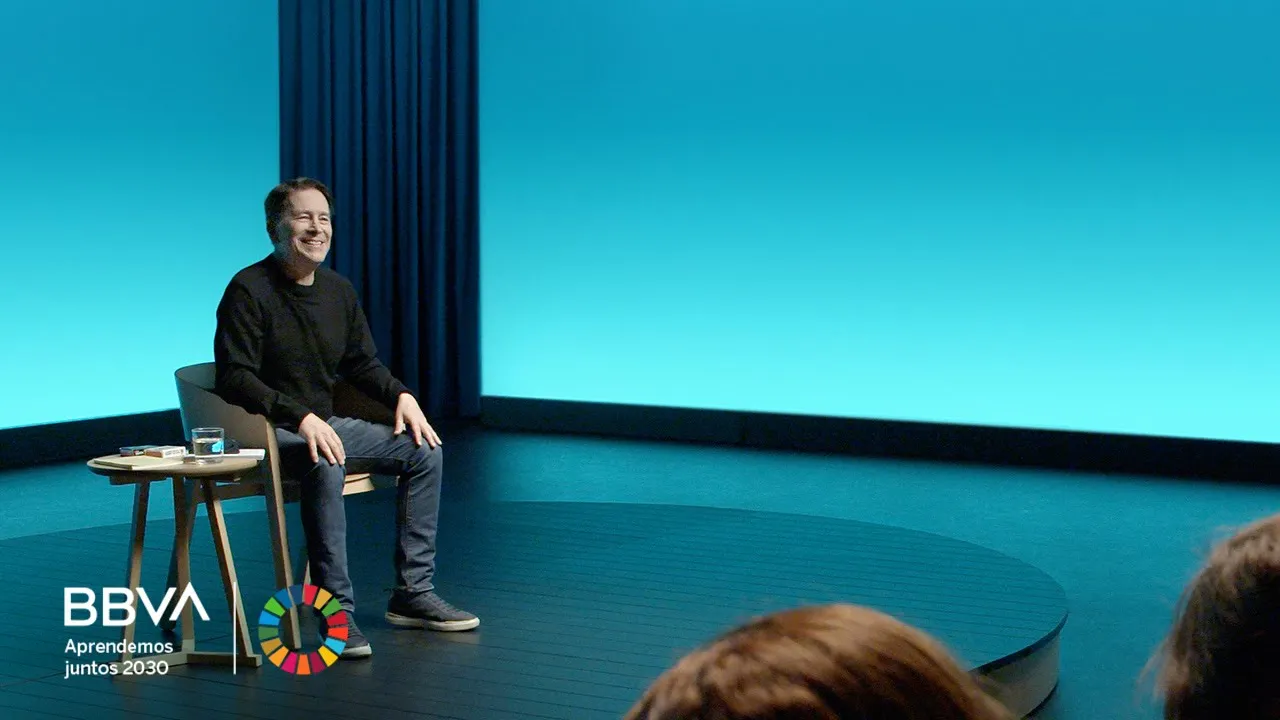
How Reliable Is Your Memory? The Science of False Memories by Dr. Elizabeth Loftus
Added:Basic models of human memory, specifically the three-stage process of encoding, storage, and retrieval.
The concept of reconstructive memory, which posits that remembering is an active reconstruction rather than a passive playback of recorded events.
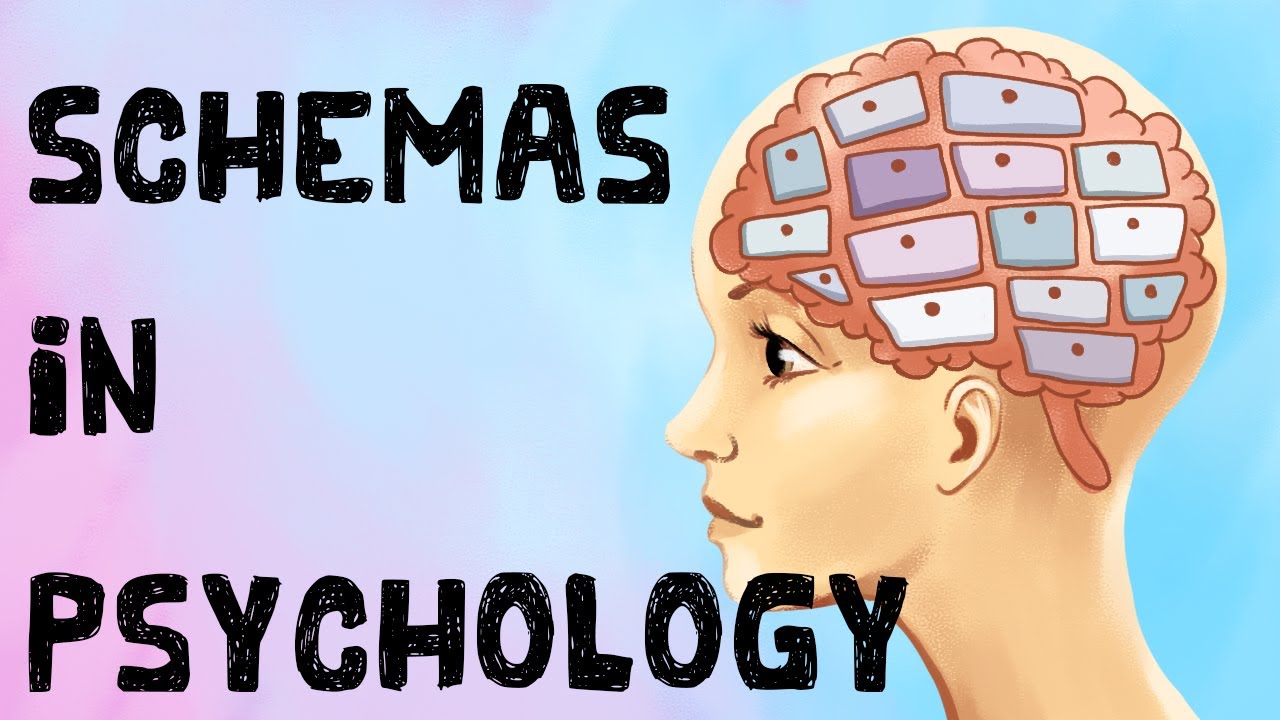
The role of schemas and cognitive frameworks in organizing, interpreting, and sometimes distorting new information.
An introductory understanding of cognitive biases and how human perception can be easily influenced by external suggestion.
The legal implications of false memories, particularly regarding the reliability of eyewitness testimony and police lineup procedures.
In-depth analysis of the 'misinformation effect' and how subtle changes in language can alter a person's recollection of an event.
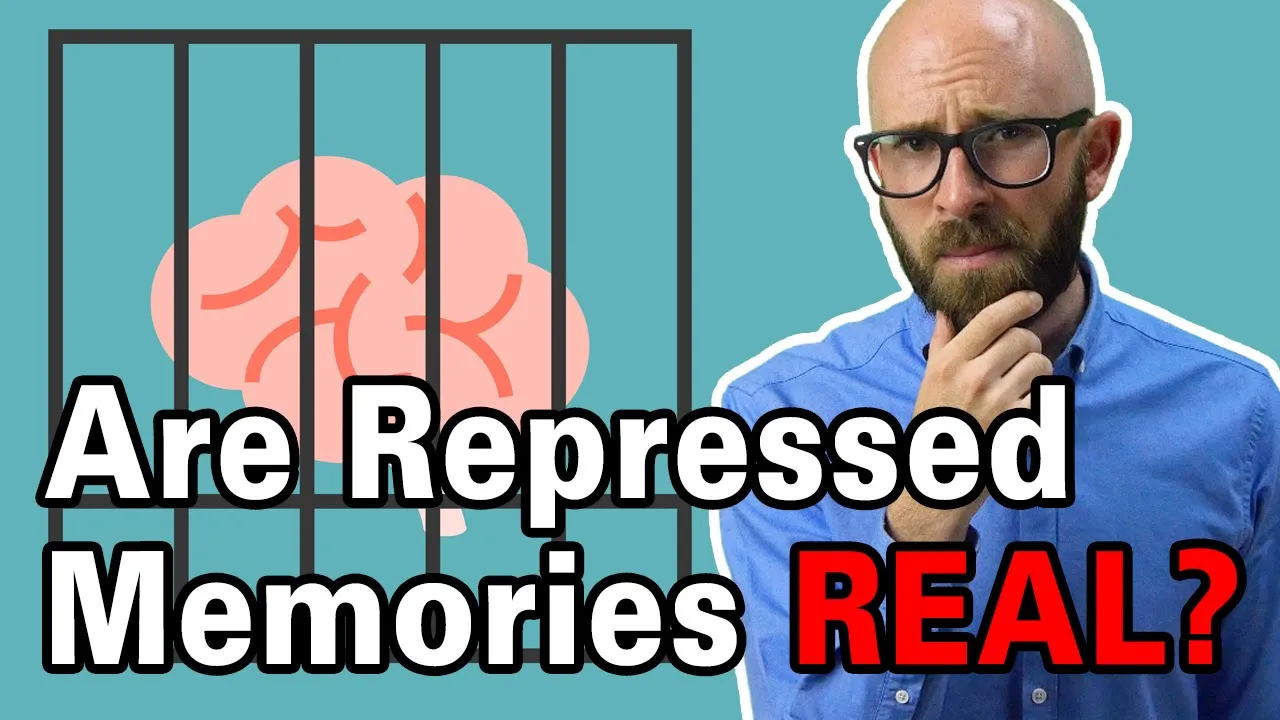
The historical and clinical controversy surrounding repressed memories, recovered memory therapy, and memory implantation.
Forensic application techniques designed to minimize memory distortion, such as the Cognitive Interview protocol used by law enforcement.
The ethical implications of memory manipulation, including modern neuroethical debates on memory dampening or erasure technologies.
48.3K views301likes17:36Original Release: 2017-02-15
[Applause] I'd like to tell you uh about a legal case that I worked on involving a man named Steve Titus Titus was a restaurant manager he was 31 years old he lived in Seattle Washington he was engaged to Gretchen about to be married she was the love of his life and one night the couple went out for a romantic restaurant meal they were on their way home and they were pulled over by a police officer you see titus's car sort of resembled a car that was driven earlier in the evening by a man who raped a female hitchhiker and Titus kind of resembled uh that rapist so the police took a picture of Titus they put it in a photo lineup they later showed it to the victim and she pointed to titus's photo she said that one's the closest the police and the prosecution proceeded with a trial and when Steve Titus was put on trial for rape the rape victim got on the stand and said I'm absolutely positive that's the man and Titus was convicted he proclaimed his innocence his family screamed at the jury his fiance collapsed on the floor sobbing and Titus is taken away to jail so what would you do at this point what Would You Do Well Titus lost complete faith in the legal system and yet he got an idea he called up the local newspaper he got the interest of an investigative journalist and that journalist actually found the real rapist a man who ultimately confessed to this rape a man who was thought to have committed 50 rapes in that area and when this information was given to the judge the judge set Titus free and really that that's where this case should have ended it should have been over Titus should have thought of this as a horrible year a year of accusation and trial but over it didn't end that way Titus was so bitter he'd lost his job he couldn't get it back he lost his fiance she couldn't put up with his persistent anger he lost his entire savings and so he decided to file a lawsuit against the police and others whom he felt were responsible for his suffering and and that's when I really started working on this case trying to figure out how did that victim go from that one's the closest to I'm absolutely positive that's the guy well Titus was consumed with his civil case as he spent every waking moment thinking about it and just days before he was to have his day in court he woke up in the morning doubled over in pain and died of a stress related heart attack he was 35 years old so I was asked to work on titus's case because I'm a psychological scientist I study memory I've studied memory for decades and if if I meet somebody on an airplane this happened on the way over to Scotland if I meet somebody on an airplane and we ask each other what do you do what do you do and I say I study memory they usually want to tell me how they have trouble remembering names or they've got a a relative who's got Alzheimer's or some kind of memory problem but but I have to tell them I don't study when people forget I study the opposite when they remember when they remember things that didn't happen or remember things that were different from the way they really were I study false memories unhappily Steve Titus is not the only person to be convicted based on somebody's false memory in one project in the United States information has been gathered on 300 innocent people 300 defendants who were convicted of crimes they didn't do they spent 10 20 30 years in prison for these crimes and now DNA testing has proven that they're actually innocent and when those cases have been analyzed three4 of them are due to faulty memory faulty eyewitness memory well why like the jurors who convicted those innocent people and the jurors who convicted Titus many people believe that that memory works like a recording device you just record the information then you call it up and play it back when you want to answer questions or identify images but Decades of work in Psychology has shown that this just isn't true our memories are constructive they're reconstructive memory Works a little bit more like a Wikipedia page you can go in there and change it but so can other people I first started studying this constructive memory process in the 1970s I did my experiments that involve showing people simulated crimes and accidents and asking them questions about what they remember in one study we showed people a simulated accident and we asked people how fast were the cars going when they hit each other and we we asked other people how fast were the cars going when they smashed into each other and if we asked the leading smash question the witnesses told us the cars were going faster and moreover that leading smashed question caused people to be more likely to tell us that they saw broken glass in the accident scene when there wasn't any broken glass at all in another study we showed a simulated accident where a car went through an intersection with a stop sign and if we asked a question that insinuated it was a yield sign many witnesses told us they remember seeing a yield sign at the intersection not a stop sign and you might be thinking well you know these are filmed events they're not particularly stressful would the same kind of mistakes be made with a really stressful event in a study we published just a few months ago we have an answer to this question because what was unusual about this study is we arranged for people to have a very stressful experience the subjects in the study were members of the US military who were undergoing a a harrowing training exercise to teach them what it's going to be like for them if they are ever captured as prisoners of war and as part of this training exercise these soldiers are interrogated in an aggressive hostile physically abusive fashion for 30 minutes and later on they have to try to identify the person who conducted that interrogation and when we feed them suggestive information that insinuates it's a different person many of them misidentify their interrogator often identifying someone who doesn't even remotely resemble the real interrogator and so what these studies are showing is that when you feed people misinformation about some experience that that they may have had you can distort or contaminate or change their memory well out there in the real world misinformation is everywhere we get misinformation not only if we're questioned in a leading way but if we talk to other Witnesses who might consciously or inadvertently feed us some erroneous information or if we see media coverage about some event we might have experienced all of these provide the opportunity for this kind of contamination of our memory in the 1990s we began to see an even more extreme kind of memory problem some patients were going into therapy with one problem maybe they had depression eating disorder and they were coming out of therapy with a different problem extreme memories for horrific brutalization sometimes in Satanic rituals sometimes involving really bizarre and unusual elements one woman came out of psychotherapy believing that she'd endured years of ritualistic abuse where she was forced into a pregnancy and that the baby was cut from her belly but there were no physical scars or any kind of physical evidence that could have supported her story and when I began looking into these cases I was wondering where do these bizarre memories come from and what I found is that most of these situations involved some particular form of psychotherapy and so I asked were some of the things going on in this Psychotherapy like the imagination exercises or dream interpretation or in some cases hypn nois or in some cases exposure to false information were these leading these patients to develop these very bizarre unlikely memories and I designed some experiments to try to study the processes that were being used in this Psychotherapy so I could study the development of these very rich false memories in one of the first studies we did we used used suggestion a method inspired by the Psychotherapy we saw in these cases we use this kind of suggestion and planted a false memory that when you were a kid five or six years old you were lost in a shopping mall you were frightened you were crying you were ultimately rescued by an elderly person and reunited with the family and we succeeded in planting this memory in the minds of about a quarter of our subjects and and you might be thinking well that's not particularly stressful but we and other investigators have planted Rich false memories of things that were much more unusual and much more stressful so on a study done in Tennessee researchers planted the false memory that when you were a kid you nearly drowned and had to be rescued by a lifeguard and in a study done in Canada researchers planted the false memory that when you were a kid something as awful as being attack by a vicious animal happened to you succeeding with about half of their subjects and in a study done in Italy researchers planted the false memory when you were a kid you witnessed demonic possession I do want to add that it might seem like we are traumatizing these experimental subjects in the name of science but our Studies have gone through thorough evaluation by research e ethics boards that have made the decision uh that the temporary discomfort that some of these subjects might experience in these studies is outweighed by the importance of this problem for understanding memory processes and the abuse of memory that is going on in some places in the world well to my surprise when I published this work and began to speak out against this particular brand of psychotherapy it created some pretty bad problems for me hostilities primarily from the repressed memory therapists who felt under attack and by the patients whom they had influenced I had sometimes armed guards at speeches that I was invited to give people trying to drum up letter writing campaigns to get me fired but probably the worst was I suspected that a woman was innocent of abuse that was being claimed by her grown daughter she accused her mother uh of sexual abuse based on a repressed memory and this accusing daughter had actually allowed her story to be filmed and presented in public places I was suspicious of this story and so I started to investigate and eventually found information that convinced me that this mother was innocent I published an expose on the case and a little while later the accusing daughter filed a lawsuit even though I'd never mentioned her name she sued me for defamation and invasion of privacy and I went through nearly five years of dealing with this messy uh un unpleasant uh litigation but but finally finally it was over and I could really uh get back uh to my work in the process however I became part of a disturbing Trend in America where scientists are being sued for simply speaking out on matters of great public controversy when I got back to my work I asked this question if I plant a false memory in your mind does it have repercussions does it affect your later thoughts your later behaviors our first study planted a false memory that you got sick as a child eating certain foods hard-boiled eggs pickles strawberry ice cream and we found that once we planted this false memory people didn't want to eat the foods as much at an outdoor picnic the false memories aren't necessarily bad or unpleasant if we planted a warm fuzzy memory involving a healthy food like asparagus we could get people to want to eat asparagus more and so what these studies are showing is that you can plant false memories and they have repercussions that affect Behavior long after the memories take hold well along with this ability to plant memories and control Behavior obviously come some important ethical issues like when should we use this mind technology and should we ever ban its use therapists can't ethically plant false memories in the mind of their patients even if it would help the patient but there's nothing to stop a parent from trying this out on their overweight or obese teenager and when I suggested this publicly it created outcry again there she goes she's advocating that parents lie to their children hello Santa Claus I mean I another way to to to well another way to think about this is which would you rather have a kid with obesity diabetes shortened lifespan all things that go with it or a kid with one little extra bit of false memory I I know what I would choose for a kid of mine but maybe my work has made me different from most people most people cherish their memories know that they represent their identity who they are where they came from and I appreciate that I feel that way too but I know from my work how much fiction is already in there if I've learned anything from these decades of working on these problems it's this just because somebody tells you something and they say it with confidence just because they say it with lots of detail just because they express emotion when they say it it doesn't mean that it really happened we can't reliably distinguish true memories from false Memories We need independent corroboration such a discovery has made me more tolerant of the everyday memory mistakes that my friends and family members make such a discovery might have saved Steve Titus the man whose whole future was snatched away by a false memory but meanwhile we should all keep in mind we do well to that memory like Liberty is a fragile thing thank you thank you thank you thanks very much [Music]
Up Next

98:24
Juvenile False Confessions: Legal & Psychological Factors
@cail_law
1.1K views•2021-10-07

68:32
Cognitive Skills for Differentiated Instruction | Teacher PD
@BrainWareLearning
631 views•2017-12-17

9:55
Thinking, Fast and Slow: Daniel Kahneman Animated Book Summary
@FightMediocrity
2.3M views•2015-06-05

6:40
The Nocebo Effect: How Beliefs Can Cause Real Harm
@CGPGrey
10.4M views•2013-12-23
Related Study Plans & Knowledge Roadmaps
Structured learning paths in Psychology
psychology
Neuroscience of Creativity: Networks & Training
01Foundations of Creative Cognition
02The Cognitive Neuroscience of Insight & Fixation
03The Triple Network Model of Creativity
+ 1 more learning modules
15h4 modules
Explore Roadmap
psychology
Imposter Syndrome: Etiology & CBT Framework
01Defining the Imposter Phenomenon
02Socio-Developmental Etiologies
03CBT Fundamentals & Thought Distortions
+ 2 more learning modules
15h5 modules
Explore Roadmap
psychology
Adult ADHD: Executive Dysfunction & Scaffolding
01Neurobiology of the ADHD Brain
02The Core Triad of Executive Deficits
03Executive Dysfunction and Emotional Regulation
+ 2 more learning modules
12h5 modules
Explore Roadmap
psychology
Loneliness: Evolution, Neurobiology & CBT
01Evolutionary Origins of Human Connection and Loneliness
02The Neurobiology and Physiology of Chronic Loneliness
03Maladaptive Social Cognition: The Psychological Loop
+ 2 more learning modules
12h5 modules
Explore Roadmap