


















Science-based investigative interviewing replaces traditional coercive interrogation methods with evidence-supported techniques that reduce false confessions and improve information reliability; research demonstrates that non-coercive approaches using active listening, cognitive interviewing, and strategic evidence disclosure produce more actionable information while minimizing the risk factors for wrongful convictions such as mistaken eyewitness identifications and false confessions.
Science-Based Investigative Interviewing Techniques | Legal Training
Added:Familiarity with traditional accusation-based interrogation styles, such as the Reid Technique, and their historical context.
Basic principles of cognitive psychology, particularly regarding memory encoding, retrieval, and susceptibility to suggestibility.
Fundamental legal frameworks governing police questioning, including constitutional rights like the right against self-incrimination.
An introductory understanding of the psychological mechanisms behind false confessions, including compliant and internalized confessions.
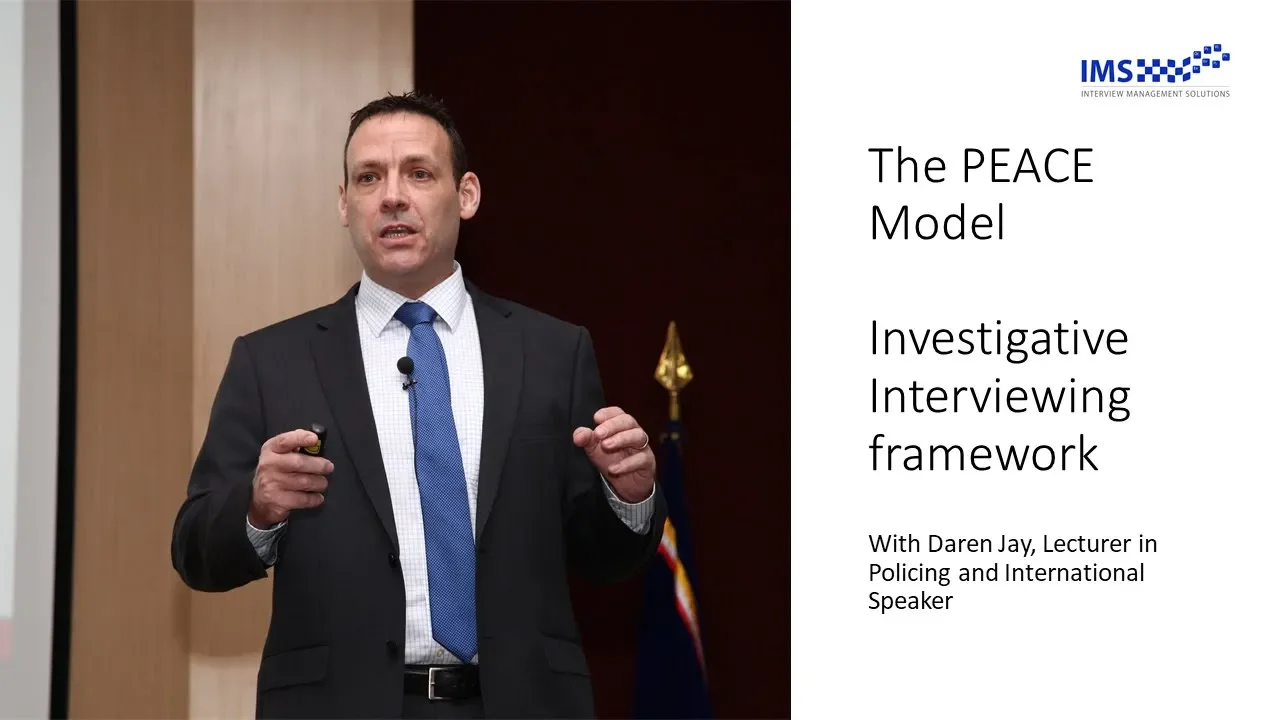
Advanced application of the PEACE model of investigative interviewing (Planning, Engage, Account, Closure, Evaluation).
Mastery of the Strategic Use of Evidence (SUE) technique to systematically assess the consistency of a suspect's statement.
Specialized interviewing protocols for vulnerable populations, including minors, traumatized victims, and neurodivergent individuals.
Analysis of cognitive load approaches to deception detection in active forensic investigations.
4.2K views42likes1:14:54Original Release: 2022-11-09
to continue and welcome everyone to our monthly meeting for lawyers involved in post-conviction work prosecutors and defense side as most of you know I think my name is Marissa Bluestein and my colleague Kia Hayes and I work here at the quatron center for the fair administration of justice at the University of Pennsylvania Cary law school and we hold these meetings every month as part of a grant that we have from the Bureau of Justice Administration to provide Technical Training and assistance to those of you engaged in post-conviction work and this month I do apologize for the kind of discombobulated timing because usually these meetings are on the second Wednesday the month from three to two to three fifteen PM Eastern however because of the subject matter was so important and we had a conflict with the presenters we agreed to move this about so I appreciate everybody kind of sticking with us in terms of how things have moved around a bit but I promise you it's worth it so for today we are focusing in on investigative interviewing or science-based interviewing and for those of you who are not familiar with that term you soon will be because the two folks who are presenting today and I'm so grateful to have you are Matt Jones and Melissa Rosano they are both leaders in this field they are actively engaged in working with law enforcement to develop and train in new techniques of interviewing and interrogations in ways that are non-coercive that are respectful of autonomy and agency for the person being interviewed and which actually gets more actionable information from the interaction than a more coercive interview that you probably are more familiar with and moreover as and not insignificant side benefit do not yield false confessions and we will hear more about the science of that from Dr Melissa rossano Dr Rosado is a professor at the Roger Williams University in this forensic psychology department and she is a leading expert in country on false confessions and interrogations it's not just a matter of research for her she actually does the trainings involved applying the science to working directly with law enforcement and working hard to kind of change the way that law enforcement is conducting interviews almost literally as we speak our other guest is former detective Matt Jones detective Jones retired from the Tucson Police Department several years ago to pursue full-time the work that he's going to talk to us about today so detective Jones was I think the first law enforcement individual to attend training through Haig which is a Department of Defense funded research training program called the high value and high value detainee interrogation group went through that on his own learned the techniques went and got his Masters in forensic psychology and has been using those techniques and and refining them for the use here in the United States with law enforcement so I'm just 100 thrilled to have them both with us today Detective Jones Dr Rosano thank you so much for your time I know that they would very much like to hear from you so if you have questions please put them in the chat we will be watching the chat um for them and let we will be happy to incorporate them into the presentation as we go along and then finally at the end of this program I have two polls that I'm going to launch one is for those who are interested in setting up a training for your team either at you know within your team directly or with others that could be for prosecutors or for innocence lawyers doesn't matter we will follow up with you and see if we can help arrange that through on the grant that we have from Vara Justice Administration to help subsidize that to be able to help make that training happen for you and the second of course is an evaluated poll on on this asking you for other ideas for trainings for future and at the end of this um my colleague Kia Hayes will tell you about what's coming up the next couple months we have but for today I'm handing it over to detective Jones and Dr Rosano thank you so much for being with us okay uh thank you very much Marissa and for those of you that were scheduled for last week respecting this presentation I apologize we had to make the change uh that was purely my fault I contracted covid after all these years and thought I was invincible and it was a very humbling experience so I'm actually glad to be here before you today and thank you again for rearranging your schedules and coming back this week uh so my name is Matt Jones I actually was not with the Tucson Police Department I was with the Tempe Police Department out here in Arizona and my background spanned between three different law enforcement agencies over the last 21 years what happened that's really I think of a value for all of you is not what I did blog was in law enforcement but when I started to get involved in on my way out the door from law enforcement and that happened back around 2013.
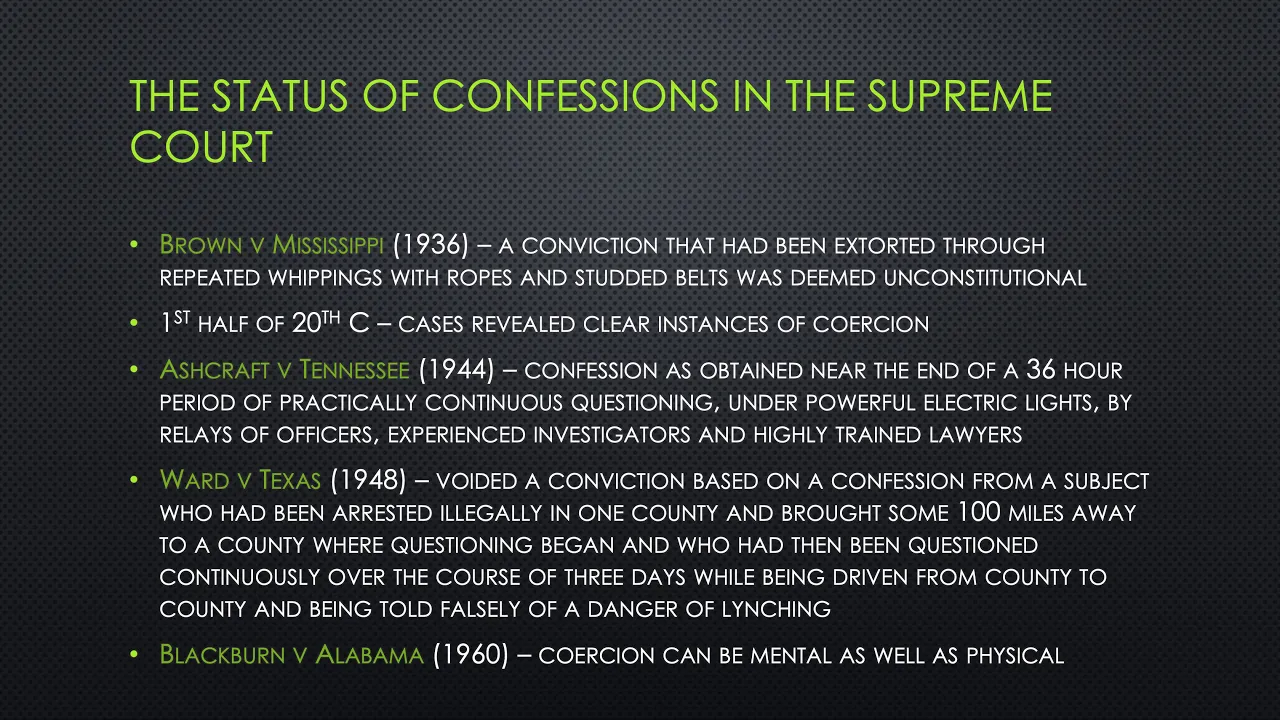
I started looking at the interview curriculums that we have been teaching all across the country and started to look at the research that was supposedly supporting these curriculums and to my surprise I could not find any research that was supporting what we were teaching to federal state and local law enforcement but I did find a lot of research that was supporting that what we were doing in these curriculums and how we were conducting these interviews was actually working against us and also contributing to false confessions and it was from that Curiosity that we have two researchers with the government's high value detainee interrogation group also known as the egg these researchers were doing grant funded projects sponsored by the Higg looking at a research surrounding investigative interviewing that was non-coercive and ethical and from that I began to get in contact with folks like Dr Melissa Rosado here and really developed my sense of curiosity about how we could improve investigative interviewing this curiosity I will tell you very quickly got the best of me I got sucked into the research community and started getting involved in the research projects themselves and trying to help the researchers to better facilitate how do we present these techniques to investigators they use the techniques and from that we started hand it to him where he's working I mean I like and the other thing is like say it once if you have but like once let me see if we can mute her there we go uh from that we were able to start talking about developing a curriculum that we could then teach the local law enforcement as well and we'll get to that in a little bit but let me turn this over to Dr Rosano to introduce herself everyone uh for inviting us as as she mentioned I am a professor at Roger Williams University which is in Rhode Island although I live across the border in Massachusetts and um my journey to here in this room um started back when I was a graduate student I was um I have a PhD in Massachusetts in legal psychology and um so I'm a research psychologist I'm not a clinical psychologist and I went to a conference and I I heard a talk by a man named Saul cassen whose name you might be familiar with for those of you who've worked false confession cases and I had that aha moment where I thought oh my God why would anyone falsely confess to something they didn't do that's just fascinating and that's where my journey began around the year 2000 or so and so from that point on I've been conducting research in the area of interviewing and interrogation and I started where most researchers start which is that fascination with false confessions but it has broadened since then to really try and focus in on not only how can things go wrong but how do we do it better so what techniques can we use to facilitate the elicitation of information whether it's from a witness a source a victim right um or a suspect in a way that is both ethical of course but also diagnostic so we're using techniques that should elicit reliable information while minimizing the chance that we're going to get false or unreliable information from the person um so I've conducted lots of different types of studies from laboratory studies to field research to training evaluations you'll hear a little bit about the latter today um and through that I became one of those Higg funded researchers that that Matt mentioned the Hague for those of you don't know came into existence in the year around the year 2010 and I can certainly Matt and I can talk about that organization if there's interest in understanding but what you need to know for now is basically that it is both an operational um entity but also it funds research and it it funded it has funded me since 2010 um I've been funded through them on a variety of projects it's how Matt and I ultimately met through those connections and it was the Hague who funded me and and my colleagues to do a training evaluation for some interview training that they were doing which then led to a evaluation of a training that Matt and I developed and now that we are and and since then we've been delivering um those types of trainings to other law enforcement agencies so um so yeah I'm really I'm happy to be here and um I'm gonna I think Matt's gonna take it from here and we'll be jumping back and forth between us okay give me just a second to pull this up as Matt does that I think we're both really open to questions as we go along so please don't be afraid to interrupt us um either through the chat or if you want to turn your camera on we'll see you and you can wave your hand however you want to Signal us great thank you uh so just as we do with the trainings we provide to investigators we always have a practitioner like myself and a researcher involved in these trainings so these investigators are getting The Best of Both Worlds they're getting the the practitioner talking about the actual experience of using these techniques out in the field and then they're getting the research component where the researchers can come in and answer these questions uh of why these things are problematic and why we have these risk factors so we're going to use that kind of combination throughout this presentation today and as Melissa said if you have any questions at all please feel free to jump in at any time and ask your questions we'd love to hear from you as we go through this especially any of the challenges that you're experiencing out in the field so when we talk about the science-based interview training I think it's important to not only talk about where we're at right now but also where we've come from and I like this slide to talk about the training transitions that we've gone through in local law enforce enforcement specifically back in the 1920s and 40s we had this period of time where we were physically beating confessions out of people and and this was just a really difficult time in law enforcement we're receiving a lot of criticism for how we were conducting our investigations and how we are obviously we're listening these confessions but then we had this transition after the 1940s where we moved away from the physical coercion into more of the psychological coercion this is where we started to use these techniques that were more confrontational accusatorial uh but from a psychological standpoint and this is where we see this curriculum being developed that the confrontational accusatorial types of curriculums that are still prevalent today 80 years later they dominate the types of interview training that we are seeing provided to local law enforcement and at the federal level all across the country however back in 2010 as Melissa already mentioned we had the development of the high value titanium interrogation group this is a three-sided partnership between the FBI the CIA and the dod and one of their mandates is to present training to Federal investigators but it's also to fund Research into ethical science-based interviewing practices that can then inform the training out in the field as well so researchers such as Melissa and others have received grants from the Hague to conduct This research I have been fortunate enough to be involved in these projects since 2015 and this is really what's pushing this whole transition now that we're seeing into this science-based informational Gathering area here in the U.S now in talking about this prior approach for the last 80 years that we've been using is it supported by the research and the simple answer from that is is no okay what has been driving these types of confrontational accusatorial types of curriculum is what is called customary knowledge that customary knowledge was taken from law enforcement through anecdotal based trainings through shared experiences about what they thought worked best and also amazingly from what they saw actually working on in the TV and in the movies so this is how they were developing these interview curriculums uh I can tell you and I know I'm dating myself back when we used to get faxes coming to our agency every single day I would see these faxes coming in from a retired uh FBI agent or someone with the ATF talking about how their interview curriculum was the greatest thing ever and that this is what will work best to get confessions this is what we've been sending our folks to from local law enforcement uh for the last 80 years okay there's been nothing to support that these curriculums are effective and this is what we're trying to now move away from and start looking at what types of training have actually been validated by the research the other challenge for local law enforcement is that they've never been asked have you vetted the training curriculums that you are providing to your officers along with that they don't know how to vet out which training programs have actually been validated so this is something else that we're working around now with the science-based interview templates Melissa if you wouldn't mind jumping in here I'd like you to talk about how the customary knowledge compares to what we're seeing now with the science-based tactics and why they're different and why this difference is important for everyone to understand sure so so when we um and I would like to point out that that that first shift where we moved from sort of physical methods of persuasion for lack of a better word to psychological was was well meant and it was an improvement over where we were right um but as Matt pointed out we've been we've been doing that approach for about 80 years and we haven't updated it we had it hasn't evolved with the science um and there has been science to evolve it and and we do have this um 2010 demarcation almost where we saw a huge increase in funding for this type of research but but I do want to point out that the science of investigative interviewing has been around longer than that it's it's been building and building through for at least 20 to 30 years prior to the Higgs existence so what when we talk about science-based techniques we're not just talking about the more recent funding and specific research but an entire body of psychological literature on memory and perception and persuasion that we can we can build upon the other thing that I will say is when we say the term investigative interviewing we're using that really broadly to cover not only suspect interviewing which which I understand is certainly an important Focus for this group but also I think Melissa got frozen for a second there unless if you can hear us I think your your internet froze up hazards of virtual learning Matt can you maybe pick it up for a moment till we get Melissa back yeah okay so one of the areas that we like to touch on here when we talk about the research is how it's different than what has been done with the customary practice so let's think about this when a researcher like Melissa wants to put forth a research project that's looking into investigative interviewing whether it's how to develop Rapport uh how to handle resistance they can't just go out and present these programs to local law enforcement without going through a process and this is called the scientific process here first they developed by the hypothesis for example active listing helps to facilitate information disclosure which also helps to facilitate report and once they develop this hypothesis then what they want to do is test the hypothesis and actually go through tests to identify whether or not this is actually effective we take that information that we collect through pre and post interviews and we code that information to substantiate whether or not the hypothesis has proven to be true or not and then after that the research will take this information and put it forth before peer review before it can be publicated if anybody has ever tried to take research and put it or a peer review committee is absolutely terrifying this is where a committee of experts in the field that you are doing the research on tears apart everything that you've done okay what's nice about this is that this helps to weed out junk science from getting through and being published and this is a really important process that never took place with the customary knowledge type of curriculums that we are presenting in the past and then after the peer review and then after it gets published then we'd like to see it go through a replication process where we are actually seeing this go out in the field to Independent research labs and seeing if they can replicate the same studies and then same results I should say so this is really important for us to understand this process really helps us to weed out the junk science where what we know can be validated out in the field as being effective and this is also how we improve upon prior resource so this is one area that we'd like to talk about here in terms of how these science-based techniques are developed now why have these science textbooks been developed in the interview uh specifically well when we look at this uh specifically with wrongful convictions this is the one area where we like to talk about the advantages of the science-based techniques because we're removing a lot of the risk factors we know that some of the leading causes of wrongful conviction related specifically to DNA cases mistaken eyewitness identification 69 jump forensic science another one at 43 percent false confessions 29 and also informant based information is also prevalent in these wrongful conviction cases so these are the areas that we really start to focus in on and how can we mitigate the effects of these risk factors from influencing more wrongful conviction cases here and this is what the science-based interview techniques have been developed to do is to reduce the likelihood a mistaken out of witness identifications to reduce the likelihood of these risk factors with false confessions especially so we're going to address some of these as we get through the curriculum today but please if you have questions feel free to ask um I just wanted to let you know that I'm back I apologize okay I thought you were ghosting me for the rest of the video you know sometimes I we're experiencing some pretty bad storms um and thunderstorms so I I think it's causing some connectivity issues on my I could continue to hear you but you could not hear me so okay so why don't you jump in here because this was actually my worst nightmare coming in today that we get all the research slides and your audio would go out so please Jump Right In I apologize um so I I'm assuming that Matt talked to you a little bit about the scientific process and what that looks like and that it's very important that we stay true to making sure that whatever we're teaching whatever we're delivering is is grounded in science and evidence right and that's how we identify those techniques that are what I like to use the term diagnostic the ones that are going to elicit reliable information reliable information but minimize the chance of unreliable information including false confessions and I think that this is a group that I don't need to convince why this is important because from my understanding most of you are working in the context where you've come across problematic statements whether they be witness statements or um or suspect statements right and so the problem of false confessions which Matt was just showing you on the next slide we know that this is an issue we can see it in bodies of cases like the DNA exoneration cases but also the National Registry of exonerations where we can look at what were the factors that contributed to these wrongful convictions and we can see that false confessions in this particular in this DNA database occurs in about 29 percent of cases um and you know the numbers are different depending on which data set you're working with one of the things that strikes me about this particular DNA exoneration data set which is from the Innocence Project is that if you break it down by type of crime for example in homicide cases for people who are convicted of homicide the most serious of cases the false confession rate is actually about 60 61 percent so kind of counter-intuitively people are more likely to confess to murder than less serious cases which you would think to yourself okay well maybe I'd confess to something minor it's no big deal right the punishment's not too bad but in fact it's in exactly the most serious of cases where we see an increase um and and I think my personal opinion which is is some mostly based on speculation but informed speculation is that is precisely the type of case where investigators are more likely to use problematic tactics because the stakes are so high and because they don't have much else to go on um so we know that false confessions are a problem but it's not just false confessions and so if you've worked these types of cases it's false witness statements it's secondary confessions um that that are contributing to these problematic situations and cases and I again I'm pretty sure I don't need to convince you that every time we have an innocent person in prison that means the guilty person is out there right and often committing more crimes and so um for me it's really important for the whole system the system as a whole to be looking towards this science-based method where we can really focus in on what works um so Matt if you want to go to the next slide okay um so I'm gonna hand it back over to Matt in a few minutes but I just want to give you a little more detailed history of sort of where we've we've come as a field so I mentioned that there's been a lot of research on this even before the Hague came into an existence about memory about persuasion about interviewing and um as we've collected this really good information in terms of how these work these techniques work in the laboratory how do we best interview somebody how do we help them retrieve information how do we um appropriately persuade someone to provide information if they're if they're reluctant to do so we've learned a lot about how that works in the laboratory we've gone out into the field and we've studied we've done some field studies and it came to a point where people were ready to start trying to train science-based interviewing right so it's one thing to have this knowledge and understand these are the techniques that it's work that that work from a research perspective but the next step is to be able to deliver it right so we started to see um uh packaging of science-based techniques into an interview training but unlike customary interview training as scientists as researchers it's not enough to say okay here's the science but now we need to know if we do this if we teach you the science first of all are we doing a good enough job of teaching the science that investigators will understand it and go out there and use it and once they Implement these techniques in the quote-unquote real world are they going to work in the way that we expect them to so we're kind of putting our money where our mouth is here and and saying you've got to test what you're rolling out what you're teaching to people to make sure that it works that's part of the scientific Loop so the Hague was one of the first organizations to start um delivering their science-based interviewing course which was originally developed more for um uh the military and intelligence context but they started what they I love this phrase giving away the science and training other agencies including law enforcement agencies and eventually they they came to myself and some colleagues of mine and they said we'd like to test our training we want to know if it works the problem is most of the groups that they were delivering the training to were working in a classified environment so we couldn't get access to the interviews that they were conducted and so what we landed up doing is they partnered with a federal law enforcement agency and Air Force OSI for those of you who might be familiar with that and they delivered the training their training or a version of their training to Air Force OSI agents and we came in and we assessed the effectiveness of that training and we do that by asking two questions the first is when we put these science-based techniques together into a training curriculum if you deliver that training will investigators use the new techniques right is the training effective at changing practice that's the training evaluation piece and then the second piece is once they go out back into the field if they deploy these techniques is it producing better outcomes are they getting more cooperation are they getting more detailed statements are they getting more admissions from in suspect interviews okay so that's the field validation piece does it work the way that we think it's gonna work Matt next slide so I'm not going to go through all of these training evaluations these are the evaluations that I've been a part of directly so I mentioned there the first one was with Air Force OSI we then delivered the Hague delivered a version of that training to local and state investigators in Rhode Island and Massachusetts as well as the Tempe Police Department and what I will summarize is it turns out that you can effectively package these techniques right you can train them and that when they're implemented in the real world they can be effective and we're going to show you some data of what that looks like in a minute because Matt's going to talk about the training that he and I have have um been working towards but I will say that with each of these iterations we learn something right so we learned not only that the training works but it's really more detailed than that because some of it worked better than others right so they got some Concepts more than others and so we go back and we we continually Tinker with the training to make sure not only that we're doing it effectively but that it's of practical use in the field so um Matt is going to talk about what the training curriculum looks like in brief I'm going to we're going to share some data with you and then we'll we'll go more specifically into the content of that training all right thank you so back in 2018 um you know Marissa was right I I was one of the first few uh of local law enforcement to go through the Higgs training I wasn't the first one those were two detectives from LAPD I believe I was the first one to actually go through the entire curriculum however and I was incredibly grateful at the time to Dr Susan Brandon who was the research director at the Higg who openly invited me into these classes with the other Federal Partners uh imagine myself being in a room with 30 some other investigators from federal agencies and they're all wondering um you know how did I get in there how did I get clearance to attend these classes [Music] so it was kind of a hostile environment in and of itself just going to the trainings but from the trainings what I really took out of it were these networking opportunities with the researchers and also this passion for developing a training for local law enforcement now in thinking about the type of training that I thought would appeal to local law enforcement what really struck me is that all the trainings that were being thrown out there to them none of them focused on the core competencies of what I thought was important for local law enforcement meaning how to ask questions that were not contaminating an interview how to effectively use your active listening skills to develop Rapport how to disclose evidence so there were a lot of areas of these core competencies that were being completely ignored the error with many of these training curriculums out there is that they were assuming that investigators whether they had five years on or 20 years on when they would show up to these trainings would already have these core competencies by the time they got into the training and this was a tremendous mistake the other challenge in looking at what was suitable for a five-day class for local law enforcement was that in looking at the models of resistance and how to address and mitigate resistance in an interview that were out there from the science-based research some of these were very theoretical and while they were very interesting I felt that they were too theoretical for what would be suitable for local law enforcement and wanted to develop something that was more intuitive that they could relate to right away and utilize very quickly Matt I'm sorry interrupted if you could just explain what you mean by resistance yeah so resistance can manifest itself in several ways we have actual resistance where where someone's being very condescending towards the investigator um where they are refusing to talk where they are being avoidant so there are a lot of different types of resistance that we can see in the in the interview some of these resistance behaviors are very proactive and very intentional others are are less so and there are more types of what we call information management strategies where they're not so much displaying resistance as they are managing their information in terms of what they want to tell you and what they don't want to tell you uh and this is a great question I'm glad you brought this up Marissa because I want to make sure that everybody understands resistance is always thought of in the area of just with suspects but we see resistance from eyewitnesses we see resistance from victims as well so it's not just with suspects as I like to tell our investigators everybody that we talk to has motivations for why they do or do not want to talk to us it's our job to explore what is behind those motivations some people whether it's a victim or an eyewitness may want to be you know giving us information just because it's the right thing to do for others they're motivated by monetary compensation for other people for suspects they may be providing information because they're trying to hide the person who actually committed the crime so really it's up to us to find out what their motivations are and what might be supporting the resistance we're seeing in the room so from that aspect we want to develop a model and it's not just for resistance but for the whole five-day course that was intuitive and had a high degree of internal validity for investigators walking in right away and learning these techniques the other point and I really credit uh the Hague for suggesting this and the way they were presenting their training is the model of having a practitioner paired up with the researcher as they're presenting these instructional modules this has been incredibly effective and we've found that the investigators really appreciate hearing from the researchers more importantly they really appreciate understanding where the research exists so that they can access it as well this has been the other challenge in getting science-based techniques out there for investigators to utilize is they don't understand that the research exists in the first place and more importantly they don't understand how to access the research as well so we developed these teams practitioner with a researcher and that's how we conducted the training the training itself had another component that was missing from prior curriculums and that were the Practical exercises okay the majority of interview training that I had in the first 13 years of my career we never had to do a single practical exercise in class we never had to demonstrate competency in the techniques we're being utilized and all the things we do in local law enforcement there are expectations of demonstrating competency whether it's Defensive Driving whether it's defensive tactics whether it's Firearms we have to demonstrate competency so what we did in this training is we changed the expectation we want them to understand that they have to demonstrate competency in the techniques by the end of the week so that was a little those were a few of the things that we changed in terms of what we were looking for as we were developing this training to be taught to local law enforcement by both a practitioner and a researcher but Melissa do you want to talk about the four iterations that we then went through with this sure so um so once uh we developed this um this course that was designed and and I I want to emphasize here this was led by Matt right so this is somebody with a wealth of practical experience who's been in the field who is coming in with the knowledge of how this needs to be communicated what is the best way to communicate to the audience that we're we're seeking to to reach right um and so we developed this course the Hague funded a field validation for us which is the data that we'll share and the way that we actually conduct these studies is that we had um in this case we had 43 different investigators um across three different police departments and we had them submit pre and post-training suspect interviews so these were actual interviews they conducted out in the field prior to training and after training and once we had these interviews we would de-identify them right make them Anonymous and then we would we would code them we would score them and we had independent scores not Matt and I um but people who were trained to co code is just a fancy way of saying scoring for a variety of different techniques to see what techniques they were using and then also our outcome variables cooperation Information Gain how detailed they were whether they made admissions during these suspect interviews okay so remember there's two questions we're looking to answer one does the training affect their use of the techniques that's the training evaluation and then how does it all come together does it does it impact um those outcome variables that we care about so Matt's going to show you the next slide and we're going to go over the emphasis of what the different content is after this but for each of these bars this is representing a focus in the course so for example how to how to use productive questioning something called the cognitive interview which some of you may be familiar with and I'll talk about more in a few minutes I'm sorry if I could just interrupt as a lawyer my head is exploding looking at P's and D's and yes I know I'm gonna here's how you read this chart thank you so um if you see a bar right so post training if the bar is above the x-axis which is just the line that means there was an increase in the use of those techniques so there's an increased use of productive questioning after training there's an increased use of cognitive interview and so on and so forth the P's and the D's don't worry about it I left it in there in case there are scientific type people in the room what you care about is that red star that red star means statistically significant effect and the size of the bar gives you a sense of how big of an impact there was so there was a bigger impact on say cognitive interview than productive but both of the all of these are good effects the evidence disclosure you see a slightly shaded star that means it was um approaching significance in the world of researchers we'd had no effect on their use of accusatorial tactics because we also scored for that the the more traditional stuff and the training did not decrease it in a significant way which is something that we learned from because it what it taught us is we can't just expect people if we train them on the new stuff to stop doing the old stuff we have to be much more proactive at saying here's what you shouldn't do anymore and that's something prior trainings stayed away from because um because it's a touchy subject right we are actually much more aggressive I would say it's the word assertive in saying okay I know that this is what you're currently doing here's what's the problem and and here's what maybe we can salvage from that but here's why you should stay away from theming and you should stay away about stay for stay away from lying about evidence so this slide just tells you that the training was effective we see a change in tactics post-trainment the next slide if this was overwhelming for you the next one's really going to make your head explode um Marissa so what I'm going to show you now is called a path model basically what we can do is we can put all this data into an analysis to help us understand what predicts what what affects what so I'm going to take it slow and hopefully if there's any questions let me know so getting my aspirin ready just in case okay so when we train people remember I said it had an effect on their use of the techniques the science-based technique so Matt go ahead and create that bar for me all right so what this be the way you read this is when you see an arrow leading from one block to another that means the training caused an increase in the use of science-based tactics right when you train them they use more science-based tactics we created this one big factor of representing the science-based tactics from there we want to know does the use of the science-based tactics affect those really key important things like cooperation and Information Gain because ultimately that's what we're looking for and in fact it does so let's hold there Matt I don't want to overwhelm anyone right so the use of the science-based tactics when they're used it increases cooperation by the Suspects and it also directly increases disclosure I I am keeping an eye on the chat and I promise I'll get there okay so we measured two things cooperation and how much information they provide and the use of the science-based tactics when they're used they increase both of those things cooperation also directly increases disclosure right so when you get somebody into a Cooperative State you're increasing the likelihood that they're going to disclose and importantly um especially for law enforcement disclosure increases the likelihood of making self-incriminating statements and admissions okay now um somebody asked in the chat what is um am I am I is in fact motivational interviewing very nice job Brooke um and we're going to talk about what that means in a few minutes so um that's part of the science-based package of techniques that we're we're training in that week um the other thing that we can do in this path model is not just look at what effect the science-based tactics have but looking at what the effect of those accusatorial tactics are right the traditional stuff that they're still using um and what we find here is a very consistent effect of what we've found not only in this data set but in many other data sets in the field and in the laboratory which is despite the fact that there is a notion out there that accusatorial tactics the confrontational stuff is the way that you get people to talk to you it actually increases resistance so the use of those in uh accusatorial tactics increase what we call counter-integration tactics or behaviors which is resistance I don't want to talk to you disengaging I don't remember right not being willing to provide which in turn decreases cooperation so Matt's going to put up a bar right now notice that the arrow is red that's me telling you that's a negative relationship so the more resistance Behavior the less cooperation and the less cooperation the less information the fewer the admissions and so we have this effect on increasing resistance and also just directly decreasing cooperation I know this is a bit of an overwhelming slide but I want you to understand not only is it important to understand if the training is impacting practice but we also want to make sure that the techniques are operating in the real world the way that we would expect them to and that's what we learn from this data are there any questions on this before we move on I'm not seeing any there was a question in the chat about memory and I'm going to address it I haven't ignored it I just know where I'm going to do it so that it fits in okay Matt okay so thank you so when we put together this five-day course back in 2018 uh this is the outline of what we initially started with and I just want to go through these uh main modules that are in the bold print here so that everybody can understand exactly what we were training to these investigators we started out excuse me on Monday morning with course introduction what's important about the introduction is this is where we set up the expectation for these investigators this class that we were teaching was not only designed to educate them about the techniques in terms of science-based interviewing but it was also to educate them about how to provide constructive feedback to one another out in the field one of the things that we are seeing consistently is that investigators are not getting feedback on the things that they are doing well and the things that they could improve upon with their interviewers there is nobody sitting in the monitor room saying hey you're asking too many leading questions um you know you didn't prepare enough for the subject interview they're not getting that type of feedback we see small pockets for example and sex crime units that have to do peer review interviews every quarter where they are actually providing feedback to one another but by and large we're not seeing that feedback so we really encourage the students to take over the coaching role for us after we get past Tuesday by that point in time we expect them to start providing feedback to their peers as we are going through these practical exercises right after that we have the foundational Concepts and this is where it's important for us to talk about the terminology and the concepts that we're going to be teaching for the week and also make sure that they are on the same page in terms of what we are referring to there are a lot of different terms out there especially related to theming tactics and other practices that have been used for a long time and we want to make sure everybody understands a Common Language the other part of this bill is right in this first hour we are identifying for everybody what we are not going to be teaching and this is really a sensitive module to talk about because this is where we explain to the students we are not going to be teaching you how to use theming tactics we are not going to be teaching you to lie to people we are not going to be teaching you to present false evidence use uh the alternative question present forced choice questions all these Concepts that have been taught for the last 80 years that we know are risk factors for you know encouraging or listening to false confession we are telling them right away we're not going to be teaching for some people this creates a lot of anxiety because this is what they have based all their success on in their interviews for the entire time that they've been on the job what we are telling them is that we're going to provide you with options of techniques that are more diagnostic and are going to be more helpful for you to elicit actionable intelligence okay so right away foundational Concepts we are addressing this issue this third module on prep and planning initially when we conducted these these trainings prep and planning was always the area that we received the lowest scores of interest from people when they talked about what they enjoyed most during the week since that time we have invested a lot of time and energy to improve the way that we present prep and planning to investigators and now this is one of the most highly rated components of the entire week most investigators have never been taught how to prepare for an interview the expectation was always as if their supervisor came to them and asked them what was their goal for the interview they would say the goal was to get a confession we are training investigators that if that is the only thing they can say they have not adequately prepared for this interview they should be able to explain to their supervisor what they've done to prepare in terms of identifying information that's been vetted that's not been vetted they should explain to their supervisor that they've considered alternative reasons of who and why this crime may have to be committed they should be able to explain to their supervisor that they developed an Evidence disclosure plan with the available evidence they have and they've also identified a prioritization of how they're going to disclose the evidence if they need to so there's a lot more involved here in prep and planning than just going in and having a conversation and that's how I was trained I was trained just to go in the room and have a conversation that was the extent of prep and planning that we did in the past after that we have framing questions and funneling okay this idea of how to frame a productive question I think that this module right here is the most important module for the entire week it's you know if you look at these other modules for resistance and credibility assessment evidence disclosure all of those are dependent upon productive questions being asked that are non-suggestive and non-leading okay that's why we spend a lot of time here just removing bad habits in terms of question strategies and then once we develop good habits in terms of them asking productive questions we show them how to funnel those questions down to reach an objective using a funnel questioning framework so that whole first day is about removing bad habits and start laying the foundation for everything else that we're going to do the entire week on Tuesday we started out with active listening and this has been the one area that's been neglected in interview training tremendously and this would be right up there with framing questions in terms of its value for productive interviews after that we do practical exercises where they have to demonstrate Proficiency in using their active listening skills after that we remove we move into Rapport building and also motivational interviewing and this is where we talk about the concepts of Rapport Common Ground liking um you know flatterly flattery and complements uh reciprocity that are important for establishing a relationship motivational interviewing Concepts refer to a interview curriculum that was initially developed by clinical psychologists to help people with alcohol addiction motivate themselves to get over their own addiction issues and there's been five principles that have been identified from the motivational interviewing literature that we also see very productive in investigators that are conducting really good interviews and we'll talk more about those components later but motivational interviewing and Rapport is a whole blocking and of itself because we want these investigators to think about that they are not establishing a short-term relationship with these people many of these people if they're having contact with during this investigation they're going to see again okay so we want them to start changing the framework of how they look at this interview to think of it as a long-term relationship and establish that through the use of Rapport and motivational interviewing principles and then we round out the day with resistance here's where we talk to investigators about not only identifying what resistance looks like what it feels like but also what are the strategies more importantly that we can use to mitigate resistance not only before it occurs but also once we're involved in the interview and we see it cropping up what are those mitigation strategies that we can use to hopefully explore what resistance is and resolve it if we can the other thing that we're doing here with resistance is we are reframing the way it is perceived by investigators we want them to stop looking at resistance as an obstacle and look at it as a fantastic opportunity to find out how this person is perceiving this investigation why won't they talk with us why are not they not providing us with credible information it's a great opportunity for us to explore that so we're reframing the whole way we look at resistance um Melissa you want to touch on memory in the cognitive interview from Wednesday sure so um Wednesday we spend the day um starting out by helping understand memory because when you're talking about getting information from somebody it's all about pulling that information from memory so if you don't understand how memory Works you're going to fall into you're going to make a lot of mistakes and also if you know how memory works you can use it to your advantage to be more effective so we have a block we're sort of giving them the science of memory we try not to to overwhelm them and then we we move into the cognitive interview now let me just stop there was a question about memory being malleable and and asking if that is my understanding and it is absolutely my understanding and I could talk to you for a couple of hours just about this topic and I'm happy to do that some other time but memory is fragile you all know I'm sure that mistaken eyewitness identifications are the number one contributor to wrongful convictions and that has everything to do with memory right and um the good news is that if you understand how memory is what works and you use proper techniques you can elicit reliable information understanding that there are going to be constraints so we talked to them about that we talk to them about how easy it is to manipulate memory how by simply asking a a suggestive question even if they don't realize it's suggestive that that can affect um the the information that they're getting from a person right um and and and then from there we move into the cognitive interview for those of you who don't know what that is that was a protocol that was developed initially for Cooperative Witnesses and victims and has now been adapted to be used with suspects as well because as I said before good interviewing doesn't change whether you're dealing with a witness or a victim or a suspect it's all the same if there's just some additional layers with suspect interviewing so we we show them a cognitive interview which is a protocol that uses what we know about how memory works and also incorporate social dynamics and communication we demonstrate it for them we I do a lecture or whoever's doing a lecture we explain the science of it we explain the different techniques that are a part of it and there are many I could spend we spend a day on this right so I can't do it justice in a couple of minutes and then importantly we spend the afternoon where each one of them not only conducts a cognitive interview but they have a cognitive interview conducted on them so they can experience what it's like to go through those memory retrieval techniques and we not only want them to see so on Wednesday they see what it looks like when someone who is Rich someone is going through a cognitive interview and searching their memory when they're telling the truth because Thursday is when we talk about deception and what that looks like and how you can use these same techniques with somebody who is is potentially being deceptive so Matt do you want to take it from there sure um real quick Melissa do you want to touch on here you know for a lot of the folks that are here from the conviction Integrity units that are dealing with cases that have been 5 10 15 20 years old how's the cognitive interview going to be helpful for them going back and re-contacting people yeah I mean so any time that you are I know many of you um either are investigators or work with investigators who are having to go back and re-interview people from years ago right the cognitive interview is fantastic training for anyone who has to elicit information from anyone in any context but especially if it's a searching your memory context so even if we're talking about an event that happened many years ago there is utility to going through a cognitive interview and reinterviewing that person and you would be surprised um how how the level of detail with people can recall from 10 15 years ago when you're using the principles of memory to help them remember and that is the bread and butter of the cognitive interview so absolutely for for investigators who need to re-interview this is exactly what you want to understand for anyone witness victim subject okay thank you so then on Thursday we start out the morning and Thursday with credibility assessment and what I like about day four or Thursday in the curriculum is that this is where we tie together everything that we have taught the entire week into the framework to show them how they can use it from start to finish however credibility assessment is a topic that is more widely researched than any other area in investigative interviewing and it also is a topic that many interview companies realize is of such interest to local law enforcement I am trying to do my best to change the perception of credibility assessment for interviews for investigators and here's why at the end of the day if I can go to a prosecutor and I say hey I can tell you that he's lying I know he's lying oftentimes when I will hear back from the prosecutor is so what you still need to prove your case and that is a really important point that I don't think is explained well enough to investigators that they are so consumed with identifying people who are being deceptive that they miss out on other areas in the investigation that are more important and of more value to prosecutors when you're submitting these cases so credibility assessment here is where we really break a lot of hearts and we see some tears from the investigators because we explained to them that the research shows that looking at non-verbal cues to identifying people that are being deceptive is not very accurate horribly inaccurate in fact and we instead spend our time for that entire module teaching them about the more diagnostic cues which are the verbal cues and to that point I will then get up after we teach the module and credibility assessment and I will do a demonstration for them in front of the class where we have two people come in one subject may be lying and one may be telling the truth or they both may be telling the truth or they both may be lying and the students are then tasked with identifying using the techniques we've just taught them focusing on verbal cues not the non-verbal in terms of who might be credible I will tell you that even when it goes horribly wrong and they can't identify who it is that's a win for us because they recognize very quickly how hard it is and how much uh energy it takes to identify people who are being deceptive so it is a great module for them to start changing their perception on not only how to identify people who are being deceptive but how challenging it is after that we move into evidence disclosure and this is a very important module for myself I've spent the last two years working on an Evidence disclosure project with Simon oluskiewitz from the Netherlands some of you here today have gotten to already participate in that two-day class on proximity-based evidence disclosure and this is where we are teaching investigators a whole new way to look at evidence disclosure number one investigators all across the country have never been taught how to evaluate the reliability of evidence that's pretty important wouldn't you say that if we're going to be submitting cases to be charged we should start to understand that evidence whether it's physical evidence technological evidence or statement evidence all has limitations and we need to understand what those limitations are and how they affect reliability after that once we start to teach investigators how to assess reliability we want them to teach how how to disclose evidence and how to do it in an ethical way without contaminating the information they're getting and this is where we prepare investigators to develop an Evidence disclosure plan and this is a really important step in terms of giving them a strategy an operational purpose for what this interview is going to accomplish so we spent the whole afternoon talking about evidence disclosure and taking them through practical exercises to get them to use those techniques and then finally we close out the training on Thursday afternoon with reliability of statements and Melissa you want to take us through that and what we do to close out Friday as well sure so when we first started doing these trainings um the purpose of this module was to teach them about false confessions what are the risk factors what are the different types of false confessions we recognize that they're going to go back out into the field they're going to be working with other people who are using those more traditional accusatorial approaches so it's a it's a module where we want them to understand what the red flags are what they should be looking for what techniques to stay away from um and then more recently I've started to add a section on how to evaluate the reliability of a statement that you've taken again whether it's witness victim subject or a suspect and so what I did was I used a framework that I use when I serve as an expert consultant on cases so I will will serve as an expert where usually a defense attorney will contact me sometimes prosecution and they say we think we might have an issue of a false confession and I I explained to them the analysis that I use when I'm essentially being a Monday Morning Quarterback of looking at the reliability of a statement and I walk them through that process um and and teach them essentially what they should be doing so that hopefully we avoid the wrongful convictions hopefully I don't have to see these cases later on if they can use that same process to then um kind of stop the the path to a wrongful conviction or uh an unreliable witness statement or victim statement um so I we don't have time I know that we're we want to leave times for questions so I'm not going to go into much more detail than that but I'm happy to answer questions after all right did you want to discuss uh the Practical exercise for Friday Melissa sure so then in the day putting this into Pro into practice so Matt do you want to flip to the next slide actually yeah we give them an overview of what an interview should look like and this is the this is the overview that we give them and remember that we're teaching them not just how to conduct suspect interviews but Witnesses and victims as well um and we we give them this framework and then we say but it doesn't always go exactly like this this is a typical kind of flow of the interview process as we see it but there's flexibility to move in and out of things so for example you might spend some time doing active report building but you have to weave Rapport building throughout the process you might get to a point where you're disclosing evidence but then you stop and you move back into the cognitive interview technique so even though it's it's set up or it looks like it's this linear step-by-step process it really isn't and Friday is about them understanding how to put this into practice so on Friday they spend all day in Practical exercises where they are interviewing a suspect um the it's a very immersive exercise these are not role players they are not acting we put them through an actual experience where they commit a crime and so they are retrieving they're working with true memories because we spend all week talking about how memory works if we had them pretending it doesn't work um and they are ultimately interviewing the suspect interview with the goal of implementing all of the techniques that they have have been working with all week so um Matt I don't know if you want to say anything more but I'll stop there yeah the only thing I want to say is that while we provide the slide to the students of how this process could go one of my pet peeves about prior interview curriculums is providing you know a framework like this that everything's going to flow easily from step to step to step what we are spending our time on doing this entire week with the students is teaching them how to be adaptable we want them to be adaptable in the moment in the interview and to recognize when they have these other areas of where they can use components of the cognitive interview where they can pause the interview to you know do some Rapport building or or you know focus on resolving resistance we want them to be adaptable and not get into a flow chart mentality when we see students that come from other interview curriculums and have this flowchart mentality they really struggle when it comes time to an interview if things don't go the way that the flow chart tells them to go so we really focus on the adaptability of being in the moment and being present and feeling comfortable that when you do get resistance when you do have opportunities to show empathy uh to to pause and do evidence disclosure to take advantage of these opportunities and recognize them so this is just a a nice way of saying here's the initial process but it's not going to go this way as Melissa already mentioned okay I think we are out of time all right uh I would like to open this up to questions Marissa if there are any pending questions I know there was one about where to get the training right right so while Matt's searching for that I want to say that um you if this sounds like an advertisement for the training program it's not meant to be that although we will discuss that in a moment but it to give to get across that not just about what we know about false confessions and and how they're generated by coercive and accusatory tactics but that that science tells us there are ways to do it differently and that we are that there are individuals who are diligently developing those other techniques that we should be using not just necessarily for law enforcement but as Dr Rosado said even for folks who are involved in investigating now and when you're conducting these interviews when you're out there talking to Witnesses when you're trying to piece together what happened having knowledge of the science of what may have led to a false confession is incredibly helpful to have but how to do it differently and better so that we are getting information which is generated by an actual memory and which is helpful that's kind of the goal here so um Matt I don't know if you were able to find that question you were looking for but let me take that um yeah so I think the question was you know how can departments get this training uh as Marissa said you know we did not want this to turn into a training advertisement uh for what we are doing we wanted this to be an educational seminar today and we continue to want to do that with all of you moving forward if you have agencies that are interested in training please feel free to reach out to myself uh uh I Melissa I think we have our contact information we didn't pull it up there at the end but you can provide my contact information to everybody we're more than happy to talk about the type of trainings we offer uh some of you that are on the call today have been had an opportunity to sit through the two-day class on evidence disclosure and I think part of the five-day class uh if you would like to share anything with anybody here about those please feel free to in terms of what you found of value and what you found was not a value as well but uh yeah we are more than happy to have other discussions in terms of how to provide the training we do provide a lot of training in a virtual format which we found to be quite successful I was actually very hesitant to do this but thanks to Melissa who's had a lot of experience doing this with their students I found it to be quite enjoyable and also extremely effective in terms of teaching these techniques to students as well as being in person so and if I could just interject one of the things that we at the quatron center particularly interested in is trying to help prosecutors and defense lawyers either tend this training or help modify the training to fit your needs so I'm going to launch a poll now um for those who might be interested in either attending or helping to put together a modified training for folks if you are please fill out the poll we will follow up with you um quickly so let me relaunch that now Matt there was a question in the chat about um uh have you researched what happens when evidence disclosure is moved to the beginning of a process it's a great question Greg um so actually traditionally that's what law enforcement tend to do so if you if you look at sort of standard interviewing models there's usually this um portion where they say it's the information gathering portion presumably right getting the information it's really about detecting deception um in many situations and then there's a switch in the interview and they say okay we know that you did it um I don't need you to tell me that you did it I just want to give you an opportunity to explain why you did it and it moves into this accusatorial shift and oftentimes investigators are actually taught to dump their evidence right in the the early stages to overcome resistance right I know you did I've got your fingerprints I got this I got an eyewitness bubble and it's all designed to overwhelm them well and there has been research on this and it is far more effective to do a later disclosure of the evidence and do an incremental disclosure of the evidence so um uh the reason for that is what you want to do is you want to lock the person into their story and and what I mean by that is is I want to get a really good accurate recall using my really good memory recall techniques so that I've given them every opportunity to explain in as much detail as they can um the the potential discrepancies I have with their story and their evidence and then I'm going to give them a piece of evidence and I'm going to see what happens they're gonna have to make a decision either me giving that evidence is going to make if it's an innocent person they're going to say oh you know what actually and they're going to explain that piece of evidence a guilty person is going to have to make a decision of whether they're going to shift their story shift to their narrative right or make an admission and we do that incrementally and we wait until we've we've gotten a solid narrative um the other danger of putting your evidence out early is that suspects or whoever it is are able to shape their story to fit your evidence and that's not a good strategy um so without going there's there's more benefits to waiting but that's the short answer is yes there's been research and it supports later incremental disclosure um can I can I interject just a second by Audio right hey Greg so I uh just quickly how does that compare with other cognitive interviewing processes like behavioral modification in other words if you're working as I understand it with a client who's trying to stop an addictive behavior Etc you don't withhold evidence of their behavior till late you start out with or you you early on introduce rational evidence to counter irrational views but it seems like here there's still a part of deception that's going on and maybe that has to be and that you are withholding what you know you're not showing your cards till later and is there any reason do we know for sure that works better in this setting and you're saying yes so far I guess yeah so I I I'm not sure that I would categorize withholding information as deception in the the way that we traditionally think about it but absolutely um and that we we train and the research supports investigators um using their own Information Management strategy um so that as I said if you if you give evidence right at the outset the person you're interviewing has the ability to shape their story to fit that evidence and so the power of presenting evidence often gets undercut right off the bat um in terms of an analogy to behavioral modification I would say that the goal here I guess if you're thinking of Behavioral medication as stop lying to me right and if I show you evidence of your lying maybe that's where you're going with it um uh what what we tend to find is if you if you accuse somebody of lying and you say I know you're lying actually that that tends to shut them down and if you do that too early in the interview you're getting nothing from them so what you want to do is give them every opportunity to tell you the truth first and make sure you've exp explored the possibility that they are in fact telling the truth when you go in there with that accusatorial mindset of I have evidence and I'm going to accuse you of doing it you're also going down that tunnel vision road which is very dangerous so we're training them to rethink about their evidence to think about alternative possibilities and to use it very strategically yeah if I can just expand on what Melissa said here Greg because it's a really good question um one of the challenges is that with eyewitnesses victims and suspects we always have discrepancies between things they tell us and things that we know in terms of vetted information and or potential evidence we have uh we are trading investigators to stop coming in with a guilt presumptive mindset that everybody they talk to is guilty whereas being deceptive we are teaching them an extent to hold back this information collect an initial account and we want them to explore innocence instead of presuming guilt we want them to explore every possible explanation as to why this person had nothing to do with this potential crime if they can't do that anymore then they need to do further investigation as to why this person might have been involved in that so exploring the innocence is more of a priority here and to that point if we have a discrepancy we want them to explore all the plausible explanations as to why that discrepancy exists we can't do that if we provide all the information up front in the interview and that's why we're holding that back because for an eyewitness for a victim we want to make sure we're getting credible information from them and that enhances the Integrity of the investigation overall which is good for everybody and it also is Good from a procedural Justice standpoint because we're doing it in a way where we're not using theming tactics false evidence poison lying to people does that resonate with you Greg okay yeah that that's excellent and I um I I just have to think you know is it different with the um with a victim versus a suspect what you do with that I mean it still seems to me that that is the you know the honeymoon's over when I say you've told me this story but here's the evidence and um a lot of this seems to be accepting and developing rapport but man there's still that gotcha and uh as long as there's that as long as you have research that shows it I'm willing to uh to follow your model but uh so Greg I I don't want you to follow the model I want you to be skeptical I want you to come in with the same attitude you have right now because I love the skepticism here and the Curiosity but we are teaching them to treat victims Witnesses and suspects the same way right that that is really what we're trying to drive home here is that we want investigators to be curious additionally investigators investigators to be curious about who this person is in front of them there won't be a gotcha moment we're going to keep on being curious no matter what and that's the difference in the mentality we're trying to get across to everybody that we train with this I don't know if you had a question because you had unmuted there for a second but if so please feel free to ask others we have we're waning time but please feel free to ask more questions if you have and we have launched an evaluation poll which we would appreciate you completing before you sign off but we'll wait to see if there's some more questions here foreign if some people need to leave okay so it being 3 15 then we will officially say thank you everyone and especially thank you to detective Jones and to Dr Rosano for your time with us today um Greg is clapping he doesn't do that very often so that's High Praise um there you go we will follow up with those who said that they would like to work on a training for your organization certainly um and we will be back at our regular time next month on the second Wednesday the month from 2 to 3 15. hope to see you all there but I will keep the zoom open if folks want to have some questions for Matt or Melissa but again thank you both so much
Up Next

7:49
The Cognitive Interview: Psychology of Eyewitness Recall
@crime101x
44.4K views•2014-11-11

68:32
Cognitive Skills for Differentiated Instruction | Teacher PD
@BrainWareLearning
631 views•2017-12-17

9:55
Thinking, Fast and Slow: Daniel Kahneman Animated Book Summary
@FightMediocrity
2.3M views•2015-06-05

6:40
The Nocebo Effect: How Beliefs Can Cause Real Harm
@CGPGrey
10.4M views•2013-12-23
Related Study Plans & Knowledge Roadmaps
Structured learning paths in Psychology
psychology
Neuroscience of Creativity: Networks & Training
01Foundations of Creative Cognition
02The Cognitive Neuroscience of Insight & Fixation
03The Triple Network Model of Creativity
+ 1 more learning modules
15h4 modules
Explore Roadmap
psychology
Imposter Syndrome: Etiology & CBT Framework
01Defining the Imposter Phenomenon
02Socio-Developmental Etiologies
03CBT Fundamentals & Thought Distortions
+ 2 more learning modules
15h5 modules
Explore Roadmap
psychology
Adult ADHD: Executive Dysfunction & Scaffolding
01Neurobiology of the ADHD Brain
02The Core Triad of Executive Deficits
03Executive Dysfunction and Emotional Regulation
+ 2 more learning modules
12h5 modules
Explore Roadmap
psychology
Loneliness: Evolution, Neurobiology & CBT
01Evolutionary Origins of Human Connection and Loneliness
02The Neurobiology and Physiology of Chronic Loneliness
03Maladaptive Social Cognition: The Psychological Loop
+ 2 more learning modules
12h5 modules
Explore Roadmap