




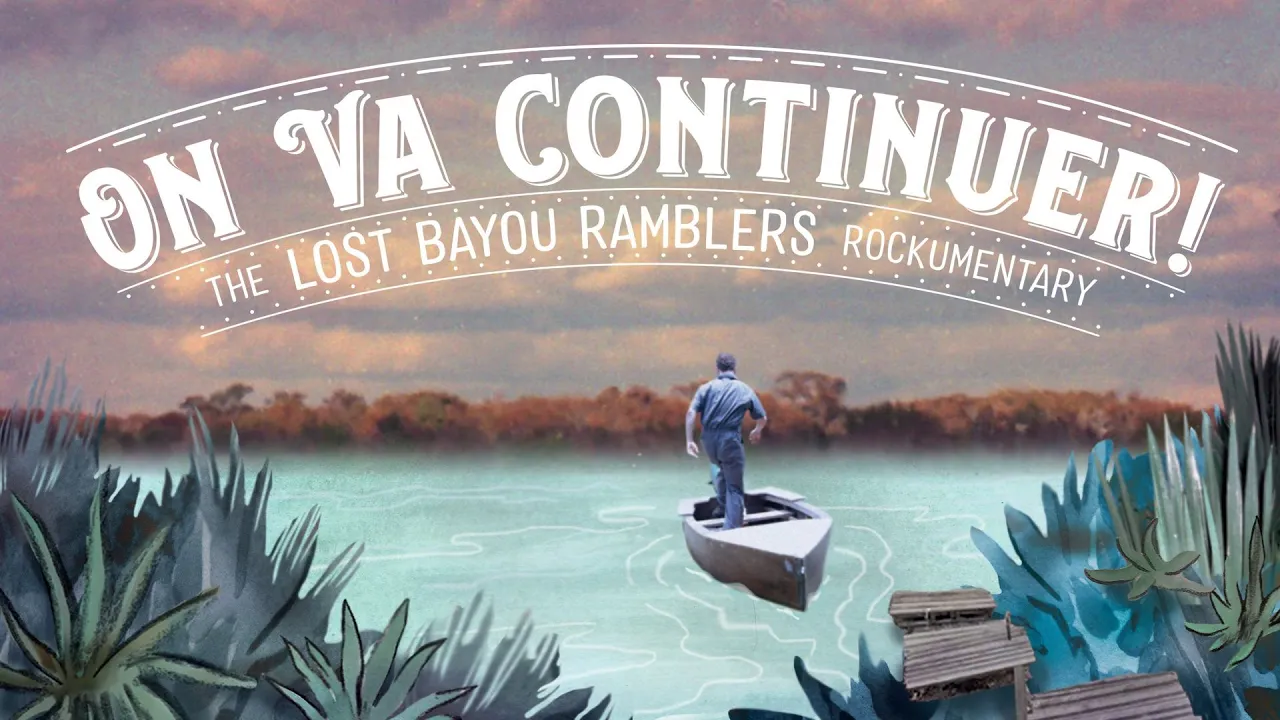









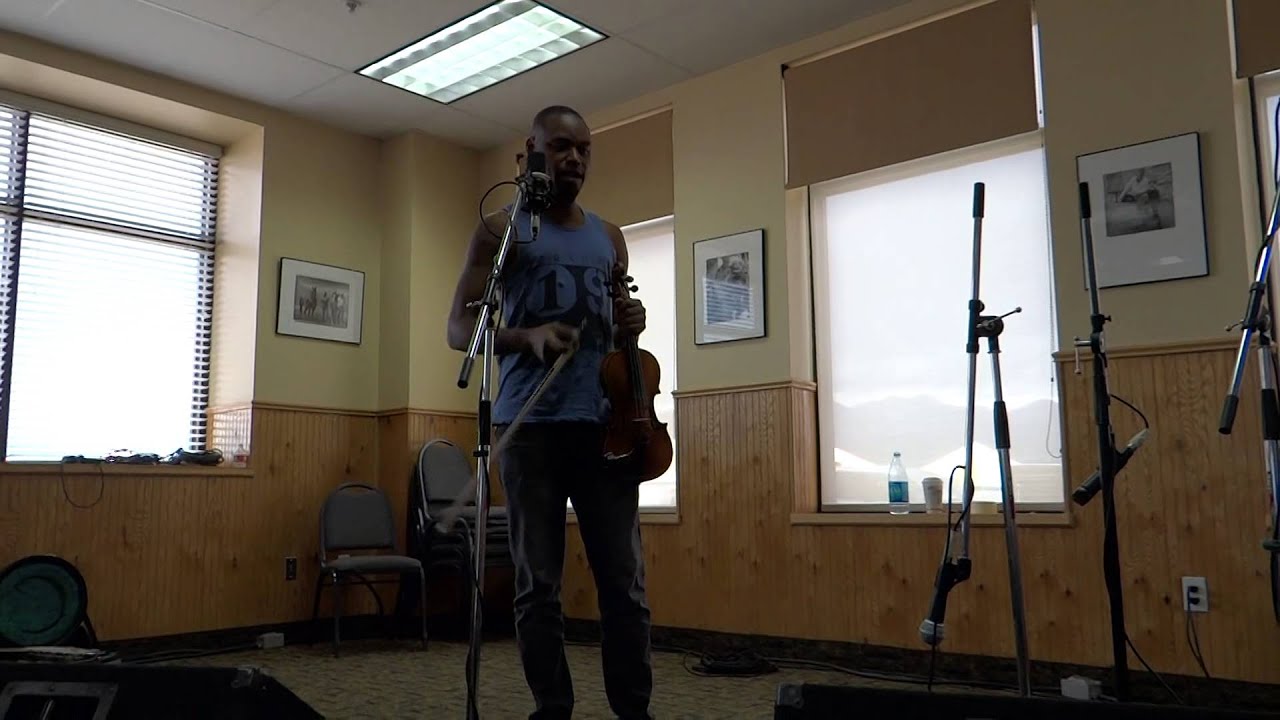
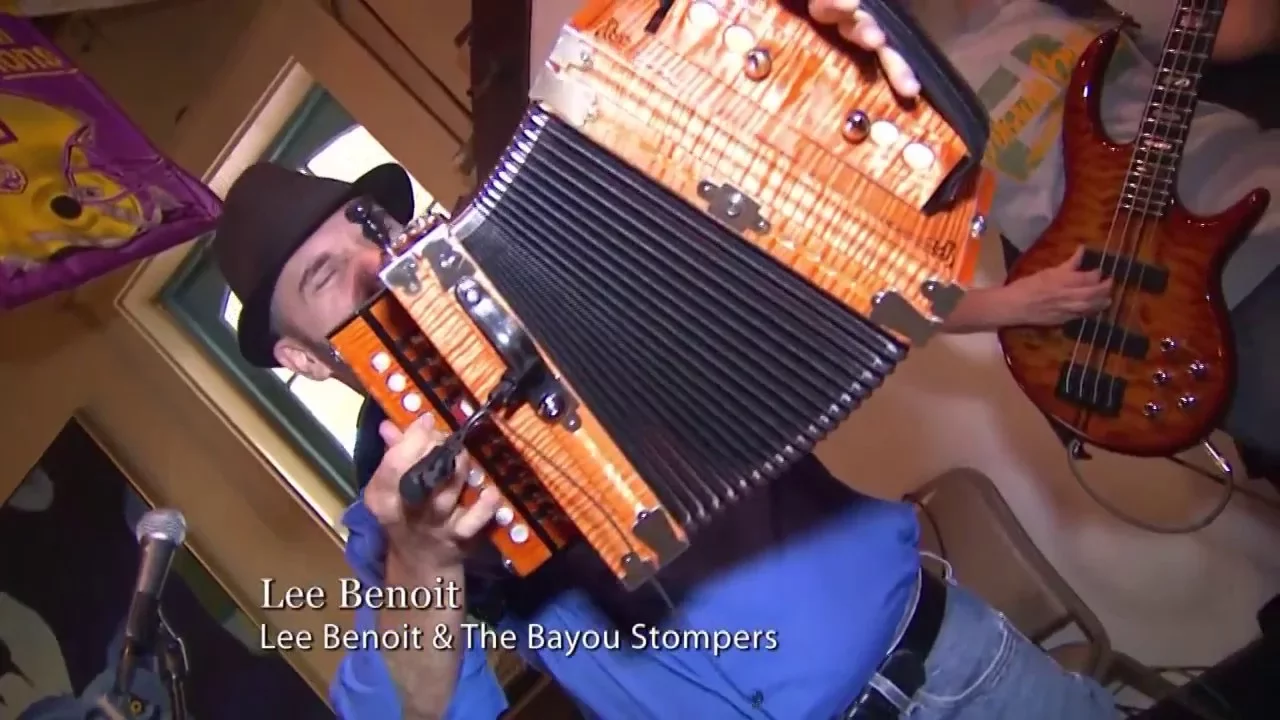

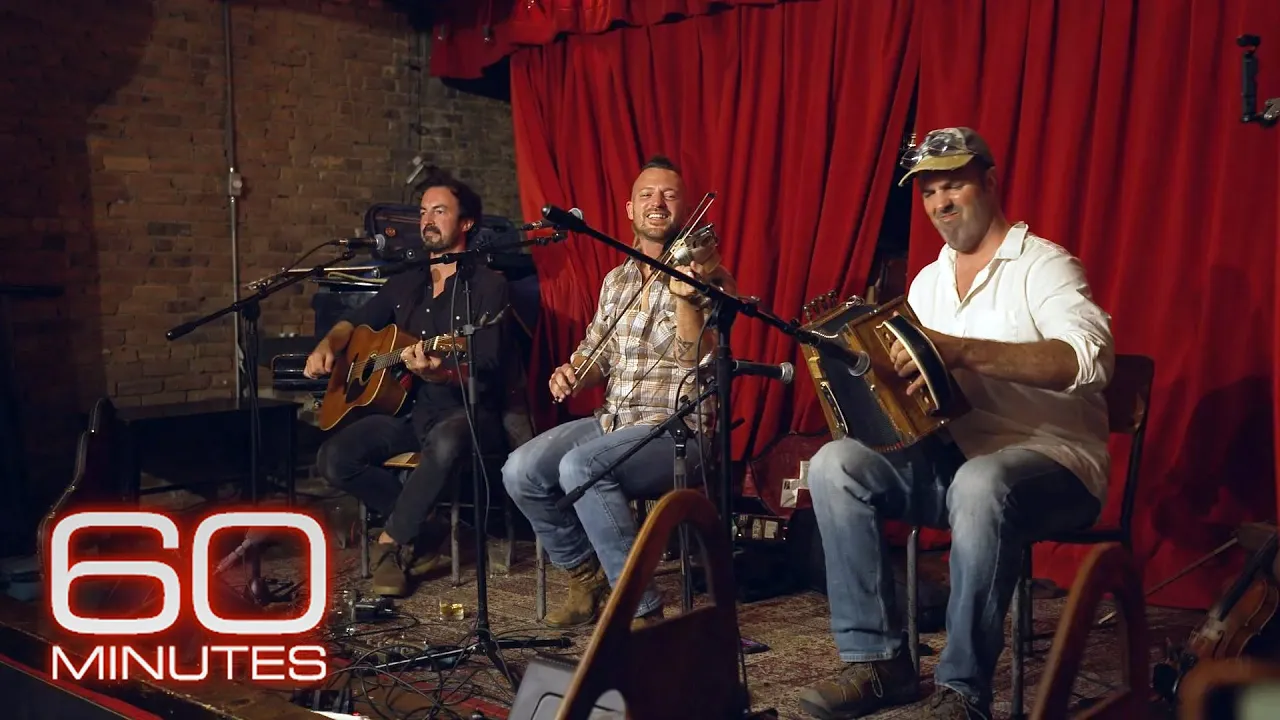







Cajun music is a traditional folk music genre originating from French-speaking Acadians in Southwest Louisiana, characterized by its use of fiddles and accordions; it evolved from early 19th-century French-Canadian settlers who brought their musical traditions, with the accordion arriving around the 1850s alongside German immigrants, eventually becoming the dominant instrument alongside fiddle traditions that predated it; the music is traditionally performed in Cajun French, preserving both linguistic and cultural heritage, and features songs ranging from traditional repertoire dating over 100 years to contemporary compositions written by local musicians who contribute to the ongoing evolution of this distinctive musical tradition.
Cajun Country Revival Full Concert Film: Louisianan Folk Music
Added:The historical context of the Acadian expulsion (Le Grand Dérangement) from Canada and their subsequent settlement in Louisiana, which shaped Cajun culture.
The core instrumentation typical of Cajun traditional music, specifically the prominence of the Cajun diatonic accordion, the fiddle, and the iron triangle ('tit fer).
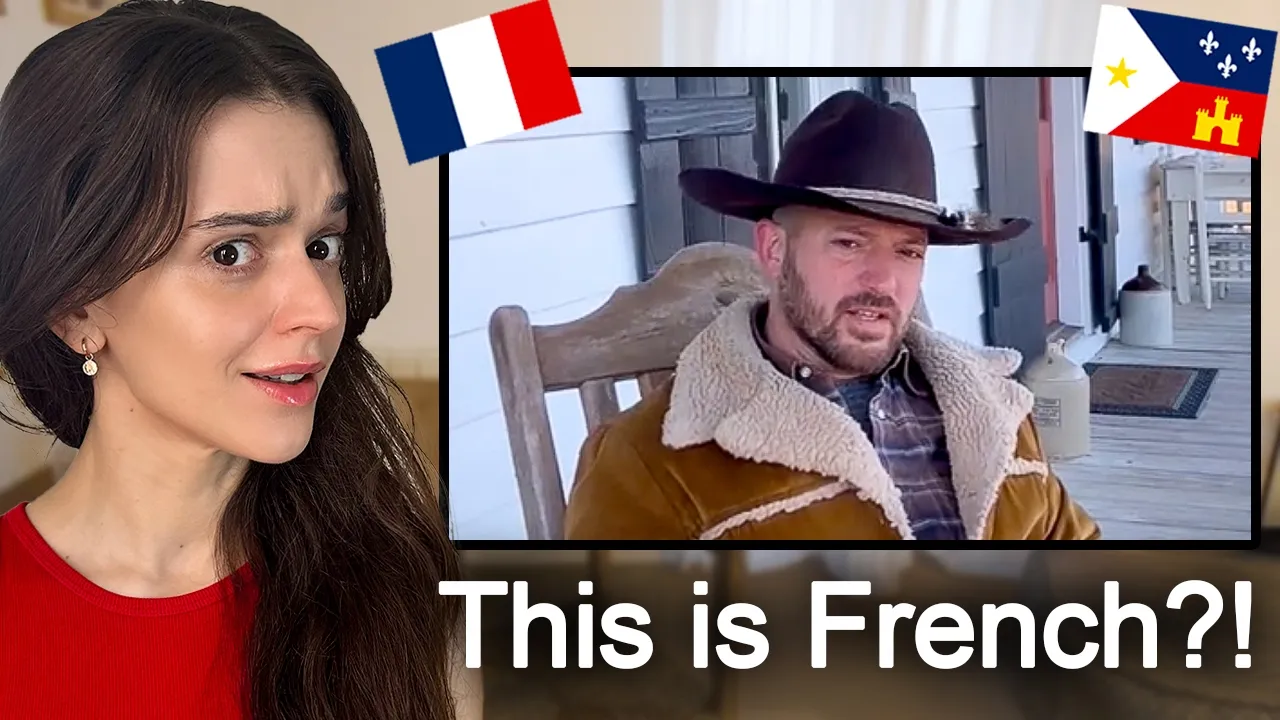
The significance of Cajun French, a distinct dialect derived from 18th-century French, as the primary language of traditional Cajun song lyrics.
An understanding of basic traditional music structures, particularly regional dance rhythms such as the Cajun two-step and the Cajun waltz.
A comparative study of Cajun music and Zydeco, exploring the historical intersections and stylistic differences between Cajun and Creole musical traditions.
The mid-20th-century Cajun cultural renaissance, analyzing how musicians like Dewey Balfa popularized and preserved the genre on national and international stages.
Advanced ethnomusicological concepts regarding how oral traditions are maintained, adapted, and passed down through generations of folk musicians.
The role of regional music festivals and cultural tourism in the preservation and economic viability of indigenous American folk arts.
447.9K views4.2Klikes1:38:42Original Release: 2019-06-24
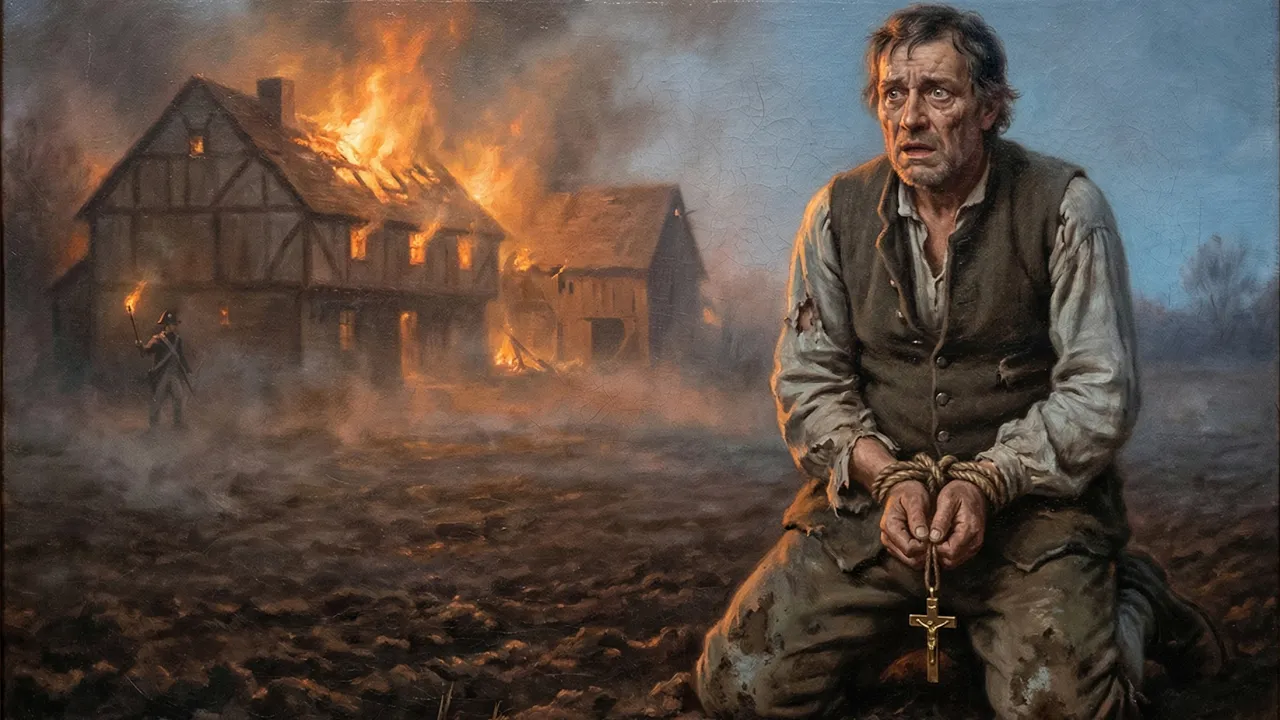
[Music] [Applause] thank y'all so much for being here thanks David and Ellen for hosting this wonderful concert this is normally the time in the show that I like to introduce this guy right here but David was pretty thorough I don't have too much more to say about him at the moment we'll see what comes up but uh this is mr. Jesse Lachey jesse has a wonderful game he loves to play when we go out on tour he never wants to repeat songs and what that means is it will start out on a two week long tour a three week long tour and the first night he'll play a set never has a setlist we made one tonight because we're being filmed but we'll play a set and then the next night he won't repeat any songs from that's first night of sets then the next night he won't repeat anything from the previous night and he'll keep going that's how many songs you know he has so much to offer y'all so much this is a new one that he's pulled out of the depths of his dark mind recently it's called Jolie Blonde are you a Jolie blonde the pretty blonde where are you [Music] the dollar I [Music] [Applause] [Music] [Applause] [Music] everyone [Music] it come on [Music] [Applause] [Music] we're dead guys oh my lord [Music] [Applause] [Music] thank God [Music] in [Applause] [Music] [Applause] [Music] [Applause] [Music] when Jesse gets the talking you might not understand it anyway but when he's singing he's singing in French I don't know if you all knew that that's that's one of the reasons you don't understand him but Jesse's first language was French he grew up you still Jesse grew up speaking French and all of this music traditionally is in the French language down Southwest Louisiana there's still a great pocket of people not only the older generation but a lot of young people that still speak a language we call Cajun French today and all this music that you'll hear tonight but most of it at least would be in a French we also have another native French speaker in the band this is miss Nadine laundry [Music] [Applause] don't worry she can't understand what you want to sing for us Dini well we'll do a nice one called Madame bozo it's kind of an open letter to Madame bus so from this guy who says it's not me who stole your calf it's this other guy oh they're over there yeah and then on the second verse is like Madame bozo it's not me who took your daughter it's the same guy who took your cab don't shoot me my number [Laughter] [Music] [Applause] [Music] [Applause] we having fun yet this is definitely I think I can speak for the whole band when I say this is our absolute favorite kind of setting display music in just two get to be in a small space I like to talk a lot about the music there's a lot of times we play for dances and we don't get to talk at all because everybody just dances the whole time and all they care about is when you end one song and start the next I wanted to say that a lot of music you're gonna hear tonight and a lot of music that you've already heard it's all traditional music it's 100 years old something like that but there's a lot of new Cajun music being written in south Louisiana today music written in French on fiddles and accordions and one of the guys that I get to play with a lot is named Jordan Thibodeau and Sammy first heard this song yesterday in the van driving down here and he played it he must have listened to it 30 times yesterday while we're sitting out by the pier and so we all decided that we would learn it and play it for you tonight so we'll send this out to Sammy but uh this is called shot Creole and it's about an old guy an old Creole guy and it's my friend Jordan who wrote it in his singing and he's saying hey but uh what's that song you play and the guy says it's a beautiful old waltz and then he says uh he went on to tell me his troubles he says my job was gone my house was gone my wife was gone and then he says I don't have any money I just have my fiddle and I'm just gonna play so shot Creole let me just make sure this guy's in tune [Music] Thank You squishy [Music] [Applause] [Music] [Applause] [Music] [Applause] [Music] [Applause] [Music] it's [Music] [Applause] [Music] in my [Music] [Applause] the gun [Music] [Applause] [Music] [Applause] [Music] Oh [Music] [Applause] [Music] No [Music] [Applause] [Music] you [Music] [Applause] [Music] [Applause] everybody well Joelle and I are gonna do a couple little dance here just the just a couple fiddles couple fiddle tunes on a couple fiddles but I've been oh we've been running around together for probably 2005 I think was the first time we met and mostly played a lot of Cajun music over the years but we spent a lot of time together at different festivals and playing different kinds of music and he's been picking up a few of these old-time tune so I thought I'd challenge me yeah but we'll play a couple fiddle tunes once called KC's hornpipe it's from the late great Bob Walters a great Midwestern fiddle player and then I guess I learned the second old-time tune from this guy so maybe you should this is the hilarious way the tunes get passed down I learned this song that the second part of this tune or the second part of this set this tune from my ex-wife who's from North Carolina who learned it from her dad who's from North Carolina no he's from Alabama who learned it from another fiddle player in Alabama James Bryan who learned it from a Canadian guy that wrote it he wrote it about a Midwestern guy and a guy from Wyoming and Sammy learned it from a Louisiana guy Casey Casey's hornpipe and chirps and Williams [Music] [Applause] Stephen Samuel and on the federal yeah [Applause] all right well maybe we thought we'd sing a song in English so we don't have to translate what we're singing about I seem to like to turn Loretta Lynn's song into Cajun sounds it's a second one I've done so - this one is called a man I hardly know [Music] No [Music] well I'm always tried trying to be careful not to brag on Jessie too much because I don't want his head to get too big but he is a pretty cool guy he's done a lot of good things he's been playing this music for longer than I've been alive for sure I first met him when I was about 18 I got a job filling in playing rhythm guitar and we kind of hit it off and I've been buddies ever since then but uh you know if you're a traditional musician and you learn the folk repertoire where you come from that's great and if you you know to me one of the highest honors about that kind of music is writing tunes that become kind of absorbed into that traditional repertoire and Jesse's written a bunch of songs that in Louisiana are part of the traditional repertoire that everybody knows and he you know that's it I think that's an amazing thing we're gonna get him to do one of his right now what is it called it's time to duel where'd this come from that much talk about one of my yeah one of my one of my great inspirations in the Cajun music was a guy named Lawrence Walker who died some time back in the sixties late sixties and he wrote a song called Reno Reno waltz and I took it upon myself to make it to step out of it which is common in Cajun music so we did I've been playing long enough being playing professionally long enough for good I'll probably rank one or two more buttons on me at least but I can't use all timid mess it is [Music] [Applause] [Music] tricorder [Music] [Applause] just and I are gonna play our little hone down accordion fiddle just like the early house dances in Louisiana with the help of Miss Nadine on the triangle something called my ballsack Gabrielle Gabriel's waltz this tune had been barred a few times and uh put different words good business sense the only person of hit that I that I know and I like this one better than your house what we gonna do it you know why we do it [Music] imagine in jump from here [Music] I knew Marty [Music] [Applause] [Music] [Applause] [Music] I play all the classic two-step that comes from well actually where does this come from golden version I heard that would that be bad gold the only person I heard of by a guy name first name ago and happy fat's LeBlanc and he had they turn up character to play the accordion with him back then called the rainbow Ramblers up to the kool-aid widows of the gully it's a song but the girls long time their mom and buy some cotton at the store maybe bloomer so what everybody was little a little dressed up tango with their dance on Saturday night at Joe's or they needed a dance but I never needed that with the tent over [Music] anyway believe me [Music] you [Music] [Applause] [Music] [Applause] we did how many I got to see the foghorn shrink man when they came through for Jessie and I is one of our greatest pleasures to get to travel around with those guys we don't always get to travel as a six-piece band so we take Sammy na Dean they kind of complete us we get to do a little bit more traveling with them but spend a bunch of time with Caleb and Reeb and my ex-wife and I made a record with them as a tribute to Jimmy C Newman and Jimmy C was this guy from Mamou Louisiana a horrible little town just north of my house there's like 10 bars and 15 churches it's been described by an English woman as a vile little place but he came from there and he got he made it big he moved to Nashville he was on the Grand Ole Opry for about 60 years 55 years something like that and he wrote a bunch of wonderful early country songs that we put out the record kind of paying tribute to that stuff but he also had some novelty songs and the one that I did on the record that I kind of fell in love with was the alligator man I don't really know where it came from it wasn't really autobiographical but he wrote it with one of his buddies and we're gonna play for you right now and take a quick break if that works I'm sure everybody's getting hungry I heard there was gumbo anyway this is the alligator man we hope you like it if you want to sing along there's a really silly part you can sing along all you have to say is [Music] cuz healed buzzing around my head Spanish balls for my bed I seldom see dry land I hunt the Gator all night long I sell his hat and then I'm gone to see the bells by you saying [Applause] [Music] it's Bayou country is my hole and from this place I'll never roll for I'm the leader of our clan the alligator man and when I bring my hide to town all the people gather round they just wanna shake the hands of the top gear man [Music] some people search the world to fame but fighting Gators is my game see the scars on my hands I'm an alligator man a gator man until I die and when I marry by-and-by a pretty Belle from Bayou Shan will raise a little [Music] [Applause] thank y'all so much for OH okay everybody ready to roll I thought it'd be nice to start off with a little story if y'all want to hear a little story so I come from a little town in southwest Louisiana called Eunice and there was a great the reason that we know a lot about Cajun music is because of a fiddle player who comes from there named dennis mcgee and you might think that sounds like an irish name but dennis mcgee says it was a french name because he didn't know any McGee's that didn't speak French and when Dennis was a young man he learned a lot of his repertoire from a hundred year old man in the same area so this is some of the earliest versions of Cajun music it's way before the accordion arrived in Louisiana the accordion arrived around 1850s with the German immigrants that came to farm rice but there was already a whole group of fiddle playing french-speaking people there and a dennis mcgee was our window into a lot of that he recorded a lot starting in the 20s all the way until his death in the 80s and preserved a lot of this ancient Cajun music and I had the good fortune to transcribe one of his records for my label at the friend a French friend of mine recorded him back in 1976 and interviewed him about all kind of stories about house dancing in Louisiana and things and he responded all in French and played a bunch of different styles of dances and things and he told this story that I could never get out of my head and it's about a civil war deserter who was a fiddle player and he was caught and sentenced to death because that was the punishment for deserting and so he was caught and sentenced to death and he's sitting there on his deathbed and they would lie this is dennis mcgee telling the story all in french he lined up ten soldiers with muskets and each musket had the powder in a wad in it but only one of them had a lead ball so when they would call fire they would all shoot but only one person would have actually delivered the fatal blow but none of them would ever know who it was so that's how they did things the guy the deserters name his last name was Guilbeau and the captain's name was Pelican Pelican and a Pelican was also a fiddle player Guilbeau knew this they probably spent plenty time playing music together you know and so Guilbeau makes a request from the company captain he says for my last words can i play my waltz to be remembered by and he and the captain had probably spent a lot of time together hang out already playing so the captain grants him the wish goes and gets his fiddle and Guilbeau plays his Walt and the captain you know I guess learns it or make sure that he remembers it so that Guilbeau can live on through this song in a song then I started calling the song the Guilbeau Pelican waltz named after both of their names and I'm gonna play you that right now and it's pretty eerie to think about that story while you're hearing this archaic Cajun music but I'm just fascinated by this sound sir so this is the Gilboa Pelican waltz you're all you all have to learn this before it's over [Music] [Applause] talking about the fiddle tradition in Louisiana I was just saying how before the according arrived there was a strong tradition of fiddle players playing together there's a lot of different kinds of music kind of like this very different sounding than Cajun music as we know it today there's a lot of people in Louisiana still riding fiddle music today twin fiddle music and I thought I'd get to mr. Sami back out here to play a set of contemporary Cajun fiddle tunes for you right now both of these Tunes were written about Native American tribes in Louisiana the first is written by the late al bear art a good friend of mine and the second one was written by the mr. Beausoleil himself Michael do say and I will play the tack up our trail in the real day maybe k right now [Music] you [Music] [Applause] [Music] [Applause] [Music] [Applause] I'd be happy to talk about this next time but I don't know anything about it really except my father recorded back in the 70s with Dewey boffin do Minard it's called Donnelly kerb de la ville in the heart of the city love song there was a beautiful girl something about whenever there was other guys around she never liked me but as long as there was no one else around she always liked country music only in bridge [Music] it's not a live TV there's no we don't make the big money [Music] thank God I mean younger people a party [Music] [Applause] [Music] I'm warning me [Applause] [Music] Hey now you can do that be [Music] [Applause] [Music] [Applause] there's an old French song that ended up in Louisiana called javi Loulou little gnarly la belleza that means I saw the wolf the Fox in the weasel and the vs. in Cajun music somehow became I saw the wolf in the Fox in the weasel clapping their hands and tapping their feet I saw them kissing and hugging and then do we bow for saying I saw them with another woman but thank God it wasn't mine you never know what you're gonna see walking around the forest in Louisiana at night [Music] [Applause] [Music] [Applause] [Music] yes [Music] I saw them all kissing and I saw them all caressing each other is what it actually says what will do once now this one I picked because I've mentioned Saturday afternoon but it's not as happy as we are today the guy arrives at his house on a Saturday I realized that his wife was with someone else so I just took off this is called Nawaz of no return be careful if you [Music] it [Music] [Applause] [Music] [Applause] illegal or not even though Lafayette was one of the happiest places it was voted one of the happiest places to live Cajuns get the blues sometimes [Music] [Applause] [Music] [Applause] [Music] [Applause] [Music] [Laughter] [Music] [Applause] [Music] [Applause] [Music] [Applause] [Music] [Applause] well um someone requested a song which is really nice we don't always get requests and this one we happen to know so we happen to notice it we actually had a request that we decided to come and play anyways this one is called Mach tiller my veneer and it's kind of like in the spectrum of sad to happy it's kind of like the guy has a girlfriend who left buddy he says you know what it's ok my turn will come one day so it's the kind of guy whose glasses have to walk for sure like country music [Music] I'm amazing as this long to deviate from our setlist I mean normally [Music] [Applause] [Music] [Applause] [Music] [Applause] and black widow any other questions play dark tune or you play our key of D key of C so for those that don't know in secret the court in the Cajun accordion it's just like a harmonica that you play with your fingers he's got ten buttons just like ten holes in harmonica if he pulls one way if he pushes the other way it's a different and all he has is the D scale in this accordion and the C scale in this Accord so when we play different keys we have to switch chords [Music] do what these buttons over here that's amazing cool so these instruments arrived in Louisiana like gotta say and around the middle of the 1800s and they started arriving in all kind of crazy keys and the fiddle players that were there we're used to playing in certain shapes like on the field they got used to playing their songs in certain ways and the accordions were arriving in weird Keys like sharp keys that the fiddle players didn't know how to match up to so the fiddle players never liked the accordant we still don't by the way eventually by kind of the early 1900s accordions started arriving in Louisiana continuing with the German immigrants who came to farm rice in Louisiana more according sike in the keys of C and D and things like that arrived and the fiddle players could finally match up their fingerings to the accordion and the court have it kind of kind of became the dominant instrument in Cajun music but yeah you can stand on accordion and you cannot stand on a Philly it never has to be tuned and fiddle always has to be tuned there's a zillion reasons why both of these were made by my father yet my father's been rebuilding these for 65 years and you need to stand up one I have we could talk about the the front one the front ones have for four sets of breeds in here just one well there's four holes under each of these placards can you see the four holes there's four holes into each piece this is a digital piccolo small Reed in Bay three so and two these are stops are hard to push down but these two theorem or medium the front row so right now all of the four banks of reeds are closed except for the same [Music] they're all tuned just tip words so see Aquarius 2 to the C scale so all the thirds are 15 cents flat so you're a notes and the a notes and the B notes are 15 cents flat to play the keys of C F and G and on the D according in the epidural and the bees and the chose them to accept the range of the person who's playing them or whoever in the bands playing and Jesse or a singing and so there's a lot of song they call it playing on the pool or to push and Jessie's amazing because he can play the other side like the all of them but a lot of songs a higher range [Music] [Applause] [Music] [Applause] I worked on a project in 1934 John and Alan Lomax came to Southwest Louisiana to record non-commercial music for the Library of Congress they want to capture all the stuff that had not already been found by record labels so they found all this wacky music in Louisiana and not only Cajun music is that had already been recorded in 20s they found all kind of a gospel music some Irish sounding music a lot of blues different stuff a lot of ballads and one of the ballads that they found was that this beautiful song called Salem or keep my side will occur and that means it was love that seduced my heart and uh last year I worked on earth three years ago I worked on a project with a friend of mine and as someone else noticed - and we we recorded 24 of those songs from the 1934 Louisiana Lomax recordings with all current Louisiana artists today we got a Grammy nomination for it that was fun and I think this is my favorite song from the project so Nadine if we didn't record it on the record someone else did but we like it a lot so we're gonna sing it for you right now the lyrics say it was love that seduced my heart yes mama it was love what it was I can everything in the first word when you'll hear the funeral bells ring and the candles all lit around my coffin you'll be able to say that it's all over but in my tomb I love you forever and then he says when the ocean breeze stops blowing and when the the the roses stopped blooming then also I will stop loving you and the birds will never sing again moriki my cv like [Music] Finnair it [Music] my [Music] save where's [Music] [Applause] [Music] please go down sister [Music] Racing [Music] [Applause] [Music] [Applause] I just wanted to say thank you before I forgot but thanks to all of you for supporting live music I mean if you weren't here we'd still have fun but maybe not as much it starting to feel like Louisiana I try to get Jesse to play this song all the time and um 99% of the time he says no and tonight is Emma doing he's at MIT but I wrote it on the setlist he's agreed to do it this is called my poor papa and that means the hens aren't laying and it's a story about a guy who wants to get married but he can't because the hens are laying I'm sure you understand what that means so the guy says I want to get married but I don't have any money because my hens are lying so I have any eggs to sell so too bad can't happen I want to get married now my hens are laying but now the girl doesn't want to get married anymore then says I want to get married and now my girl wants to get married and the hens are laying and I'm loaded but now her parents better let her but this is a fun little song this is gonna be our last one I know we got all kind of stuff in store we got gumbo we got Jam in swimming let's have a party thank you so much [Applause] [Music] [Applause] [Music] [Applause] [Music] anybody ever [Music] [Applause] [Music] [Applause] [Music] [Applause] [Music] [Applause] [Music] [Applause] [Music] [Applause] [Music] [Applause] [Music] [Applause]
Up Next

5:54
Preserving Sound History: Library of Congress Archivist Interview
@AtYourLibraryOrg
340 views•2011-09-14

12:54
Triumph of Orthodoxy Icon: Byzantine Art & History Explained
@BenCallan
2.1K views•2024-08-06

9:49
FastAPI vs Flask vs Django: Choosing the Right Python Web Framework
@TechWithTim
302.5K views•2024-05-26

1:42
Game of Thrones Opening Credits: A Cinematic Analysis
@gameofthrones
46.3M views•2011-04-18
Related Study Plans & Knowledge Roadmaps
Structured learning paths in General & Interdisciplinary Studies
general-studies
Elevator Engineering: History, Physics & Cities
01From Hoists to Safety Brakes: The Dawn of Vertical Lift
02Hydraulic vs. Traction: The Engineering Physics of Elevators
03Modern Speed, Safety, and Algorithms
+ 2 more learning modules
12h5 modules
Explore Roadmap
general-studies
Rubber: Material Science, History & Geopolitics
01Origins of Natural Rubber & Mesoamerican History
02The Chemistry of Natural Rubber & Vulcanization
03The Geopolitics of the Rubber Boom & Colonization
+ 2 more learning modules
12h5 modules
Explore Roadmap
general-studies
Containerization: Evolution, Logistics & Trade
01Ancient Trade & Bulk Cargo: Amphorae to Barrels
02The Industrial Revolution & Cardboard Packaging
03The Containerization Revolution: Malcom McLean
+ 2 more learning modules
12h5 modules
Explore Roadmap
general-studies
Textile Tech: Evolution, Labor & Global Impact
01Pre-Industrial Textiles: Handloom & Cottage Industry
02Mechanization: The Spinning Jenny to the Power Loom
03The Factory System & Global Labor Transformation
+ 2 more learning modules
10h5 modules
Explore Roadmap