

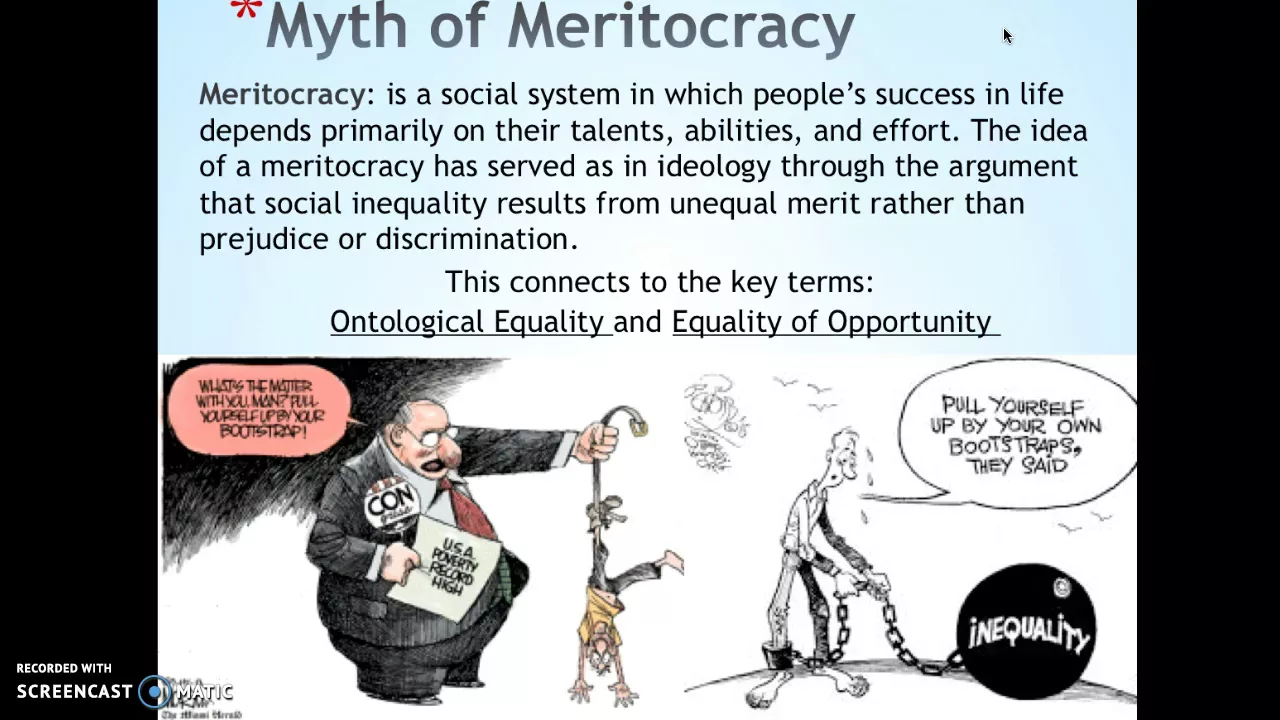


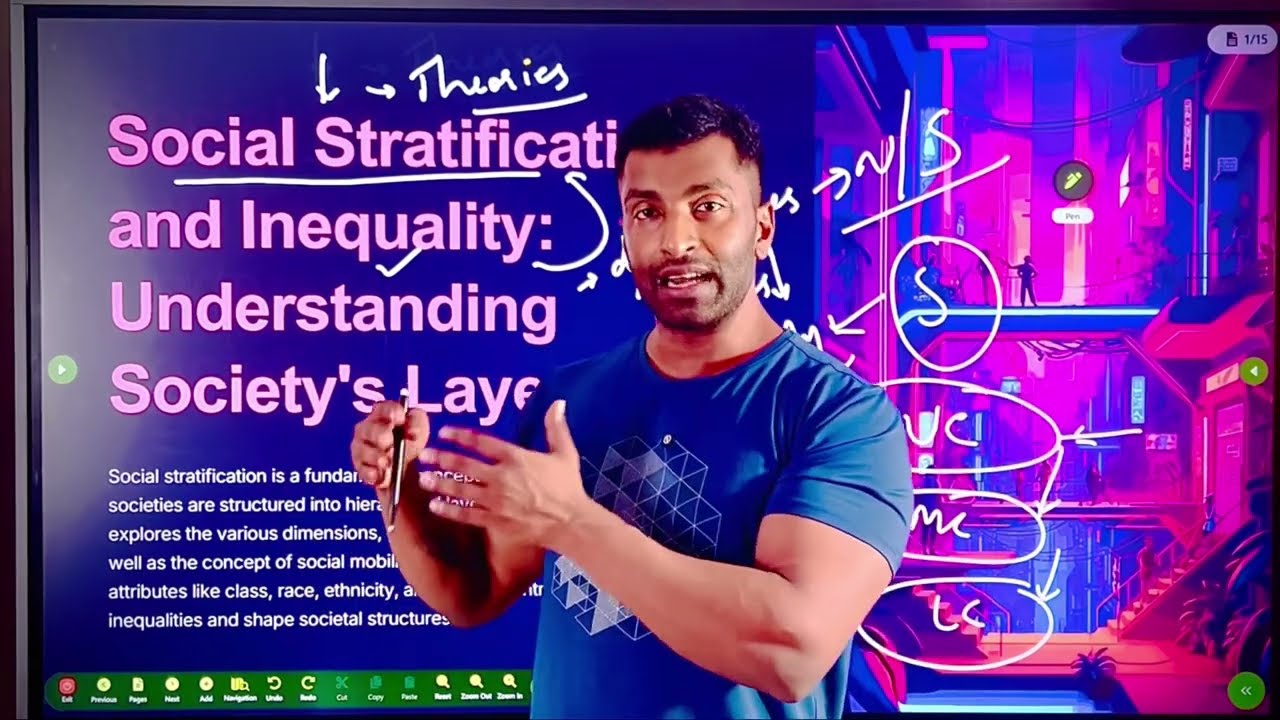













Climate change disproportionately affects vulnerable communities, including low-income populations and communities of color, who often lack resources for adaptation and face higher exposure to environmental hazards; this creates systemic inequalities that require intentional policy interventions to address.
Environmental Justice and Climate Change Impacts
Added:Basic understanding of climate change science, including the greenhouse effect, global warming, and anthropogenic drivers.
Concepts of social stratification and systemic inequality, particularly how socio-economic status, race, and geography influence vulnerability.
The historical context of the Environmental Justice Movement, including landmark cases of environmental racism and disproportionate waste facility siting.
An introduction to public policy and environmental regulations, such as the role of environmental protection agencies.
Advanced policy frameworks and environmental law, such as utilizing civil rights legislation to combat environmental discrimination.
Community-based participatory research (CBPR) and local climate adaptation planning to design equitable resilient infrastructure.
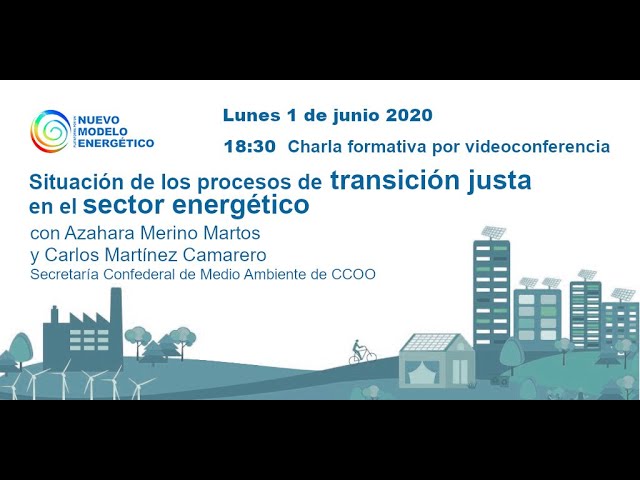
The concept of a 'Just Transition,' exploring economic and social strategies to transition to renewable energy without harming vulnerable labor forces.
International climate diplomacy and global environmental justice, focusing on climate reparations and Loss and Damage funds for the Global South.
68.5K views2.8Klikes5:11Original Release: 2018-05-03
What do you think of when you hear the words “climate change?” Chances are, you might think of sad nature, somewhere far away.
But climate change also affects humans, in every corner of the world, including the corner where you live, and where I live.
It impacts the people and places we see everyday, and it will impact some of us more than others.
[TITLE] The 2017 Atlantic hurricane season was one of the most active seasons in history -- with 17 named storms and 10 hurricanes.
Six of those hurricanes had winds more than 110 miles per hour.
And while it’s hard to know if any single weather event is due to climate change, we do know that it will make conditions more extreme.
We’re seeing what that future could look like in Cape Town, South Africa.
There, a drought has stressed local reservoirs, leading to water rationing as the city prepares for the day when taps run dry.
And when you take a community that’s already facing these disparities, and add in extreme weather caused by climate change, it can make it even harder for those communities to recover.
Not every community experiences these climate changes in the same way.
Some communities have more resources, better infrastructure, or more political capital than other countries.
There’s a concept to deal with these inequalities.
It’s called “environmental justice.” And the idea is pretty simple: Communities shouldn’t be forced to suffer disproportionate environmental effects or deal with more pollution than others because they belong to a certain race, national origin or income bracket.
People in wealthy countries often think these concerns are far away.
But even in a place like the U.S., where we tend to think we’re ahead of the curve on protecting all people, the execution has been spotty.
We can still find lots of environmental disparities right in our backyard.
As Miami cleaned up after Hurricane Maria, officials dumped debris next to a community with lots of low income residents and people of color...definitely close enough to see and smell it.
And in Houston, residents who couldn’t afford or weren’t physically able to evacuate before Hurricane Harvey had no choice but to stay behind as the city flooded.
Puerto Rico has faced budget shortages and a lack of infrastructure for decades.
And after a spate of hurricanes, residents there had trouble finding clean drinking water, and large portions of the island remained without electricity for months.
It’s more than extreme individual events.
In many places, days that were already hot are getting even hotter, and there are more of them.
This heat can be especially deadly in homes without air conditioning.
For example, the heat index inside public housing in Harlem stays dangerously elevated overnight, even when it cools off outside.
And as climate change brings the average temperature up, systemic inequalities like this will become more obvious.
It’s not that the United States hasn’t tried to fix these problems before.
The fight for environmental justice in the U.S. traces its roots to 1982 in Warren County, North Carolina, when residents mounted mass demonstrations against a plan to put contaminated soil in a nearby landfill.
The U.S. Environmental Protection Agency, or EPA, found that similar landfills in southern states were all located in black or low-income neighborhoods.
Several years later, a report found this was a pattern around the country: hazardous waste facilities were more likely to be located in minority communities.
The proof was undeniable, so in 1992, President George H.W. Bush founded the office of Environmental Justice inside the EPA.
Two years later, Bill Clinton signed an executive order that told federal agencies to consider environmental justice in all policies, and effectively included environmental protections under civil rights law.
Sounds like things were going pretty well, right?
Well, environmental justice policies stalled when George W. Bush shifted the focus of the Office of Environmental Justice from protecting low-income and minority communities to protecting “all people”.
That sounds good, but in practice, it meant those efforts no longer focused on protecting the people who needed it most.
At the same time, many environmental civil rights claims were delayed for years, or downright rejected.
After Barack Obama’s election, his administration re-committed to environmental justice.
Democrats controlled the House, Senate and White House for two years.
But guess how many bills they filed to strengthen environmental justice protections?
Zero.
Today, EPA funding itself is under threat, so these vulnerable communities remain at risk.
It’s easy to assume that climate change will affect us all equally, but the truth is that communities all around us -- including the one you’re in -- may be forced to bear an unequal brunt of our changing world.
If we want to change this, we have to recognize those disparities and engage with those communities That way, as we find solutions, everyone has a seat at the table.
Up Next
7:57
Cancer Alley: Louisiana Town's Toxic Air Risk and Community Resistance
@theGuardian
53.4K views•2019-05-06

26:22
Walking in the City: Urban Rituals and the Flâneur in Contemporary India
@PSBTIndia
1.9K views•2016-08-02

9:49
FastAPI vs Flask vs Django: Choosing the Right Python Web Framework
@TechWithTim
302.5K views•2024-05-26

1:42
Game of Thrones Opening Credits: A Cinematic Analysis
@gameofthrones
46.3M views•2011-04-18
Related Study Plans & Knowledge Roadmaps
Structured learning paths in General & Interdisciplinary Studies
general-studies
Artificial Light: History, Tech & Human Impact
01The Pre-Electric Era: Fire, Oil, and Gas Lighting
02The Incandescent Revolution and Grid Electrification
03Gas Discharge and Fluorescent Illumination
+ 3 more learning modules
14h6 modules
Explore Roadmap
general-studies
Elevator Engineering: History, Physics & Cities
01From Hoists to Safety Brakes: The Dawn of Vertical Lift
02Hydraulic vs. Traction: The Engineering Physics of Elevators
03Modern Speed, Safety, and Algorithms
+ 2 more learning modules
12h5 modules
Explore Roadmap
general-studies
Rubber: Material Science, History & Geopolitics
01Origins of Natural Rubber & Mesoamerican History
02The Chemistry of Natural Rubber & Vulcanization
03The Geopolitics of the Rubber Boom & Colonization
+ 2 more learning modules
12h5 modules
Explore Roadmap
general-studies
Containerization: Evolution, Logistics & Trade
01Ancient Trade & Bulk Cargo: Amphorae to Barrels
02The Industrial Revolution & Cardboard Packaging
03The Containerization Revolution: Malcom McLean
+ 2 more learning modules
12h5 modules
Explore Roadmap