














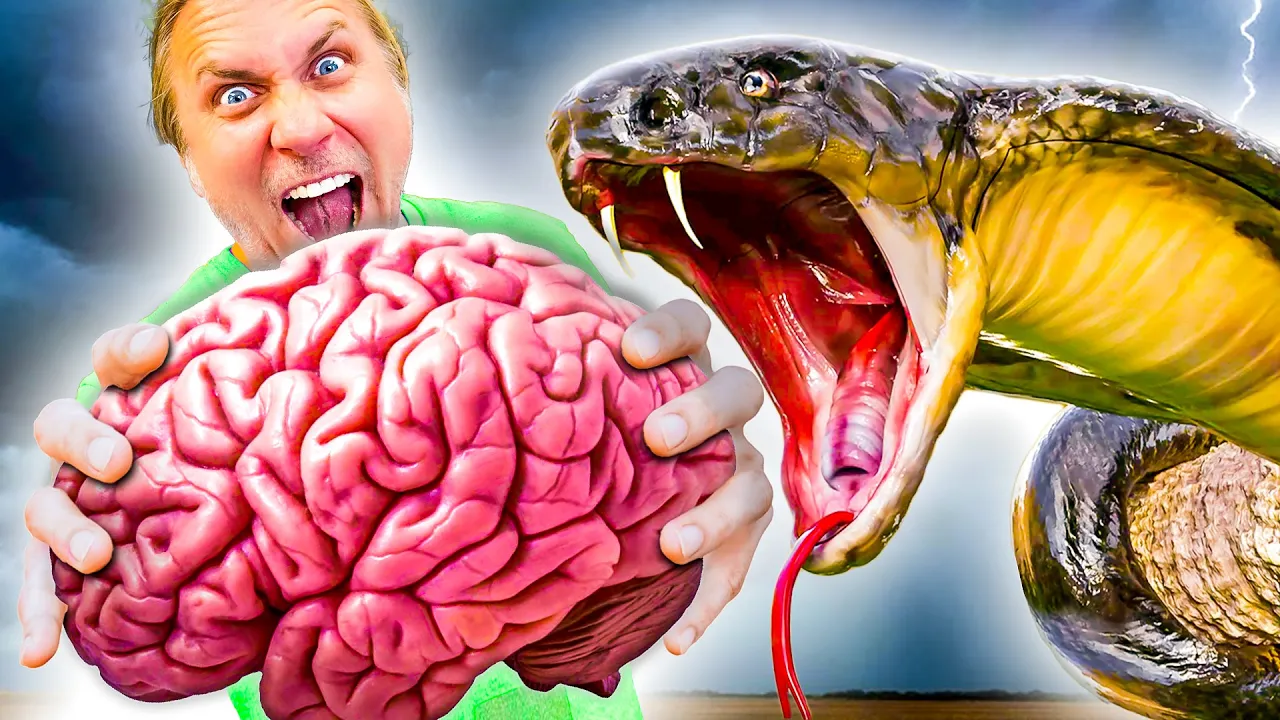





Snake venom kills through complex biochemical mechanisms; hemotoxic venoms like those from the Scaled Viper cause two simultaneous effects: hemolysis (rupturing red blood cells) and initiating the clotting cascade, which thickens blood and forms clots that can block blood vessels, leading to stroke or cardiac arrest, while the continued rupture of blood cells can cause massive internal bleeding, particularly dangerous if occurring in the brain.
How Snake Venom Kills: Blood Clotting & Necrosis
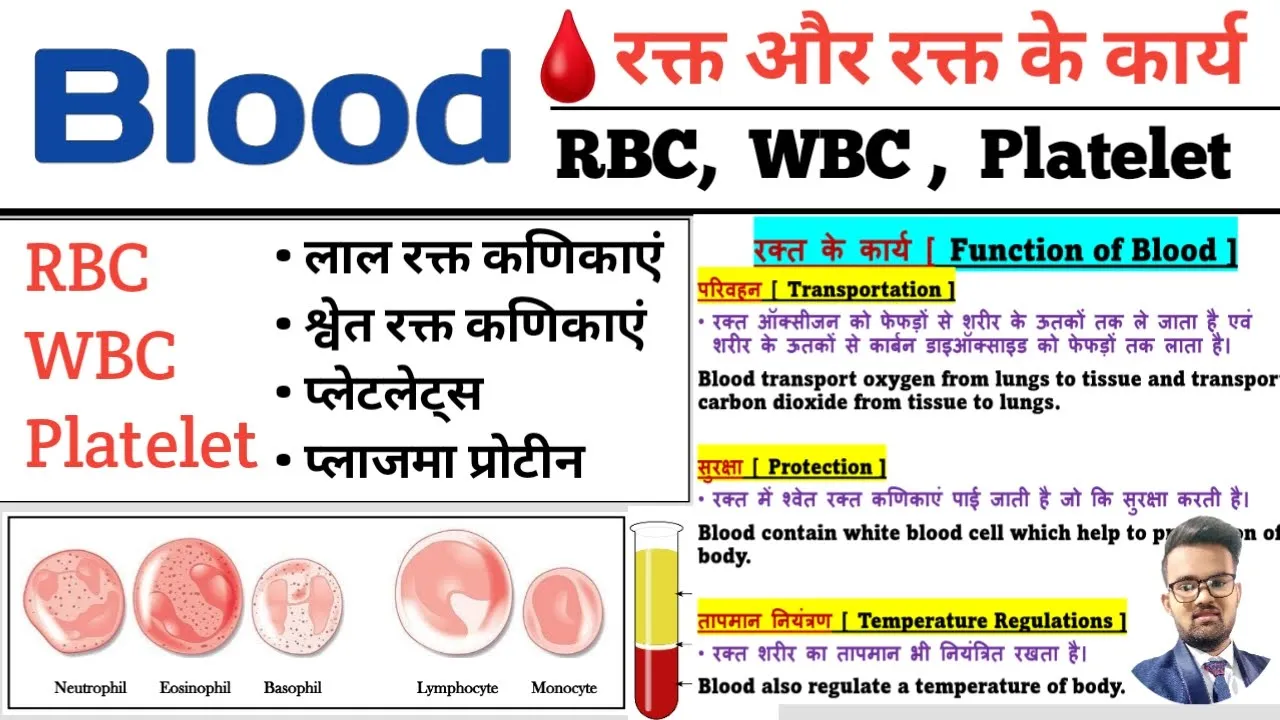
Added:Basic composition of human blood, including the distinct roles of red blood cells, platelets, and plasma.
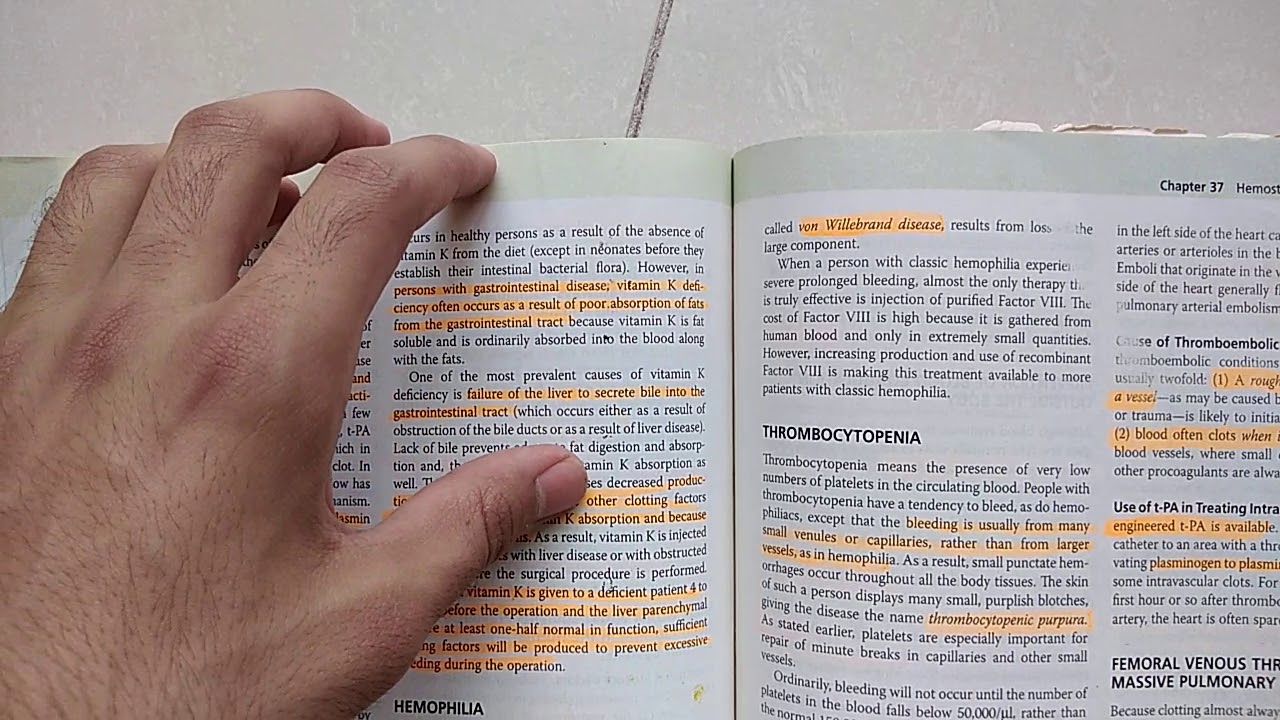
The physiological process of the coagulation cascade, particularly how thrombin and fibrinogen interact to form normal blood clots.
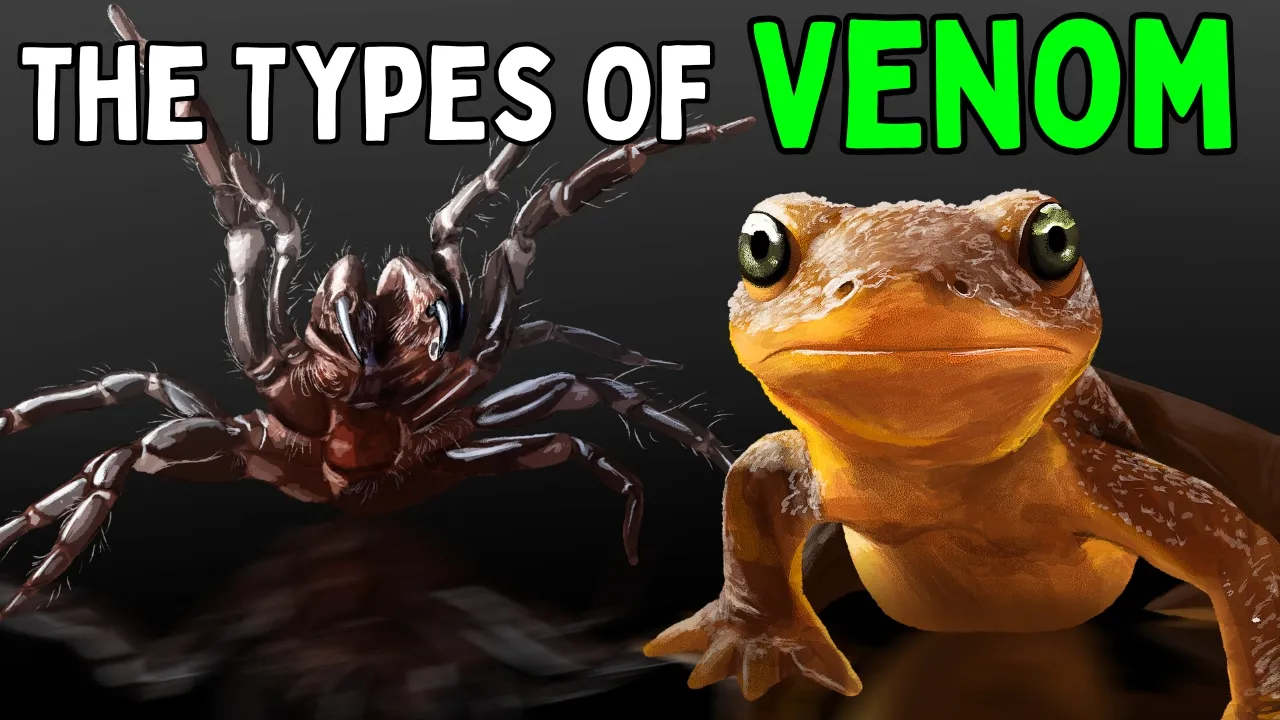
The biochemical definition of venom as a protein-based mixture and how it differs conceptually from poison.
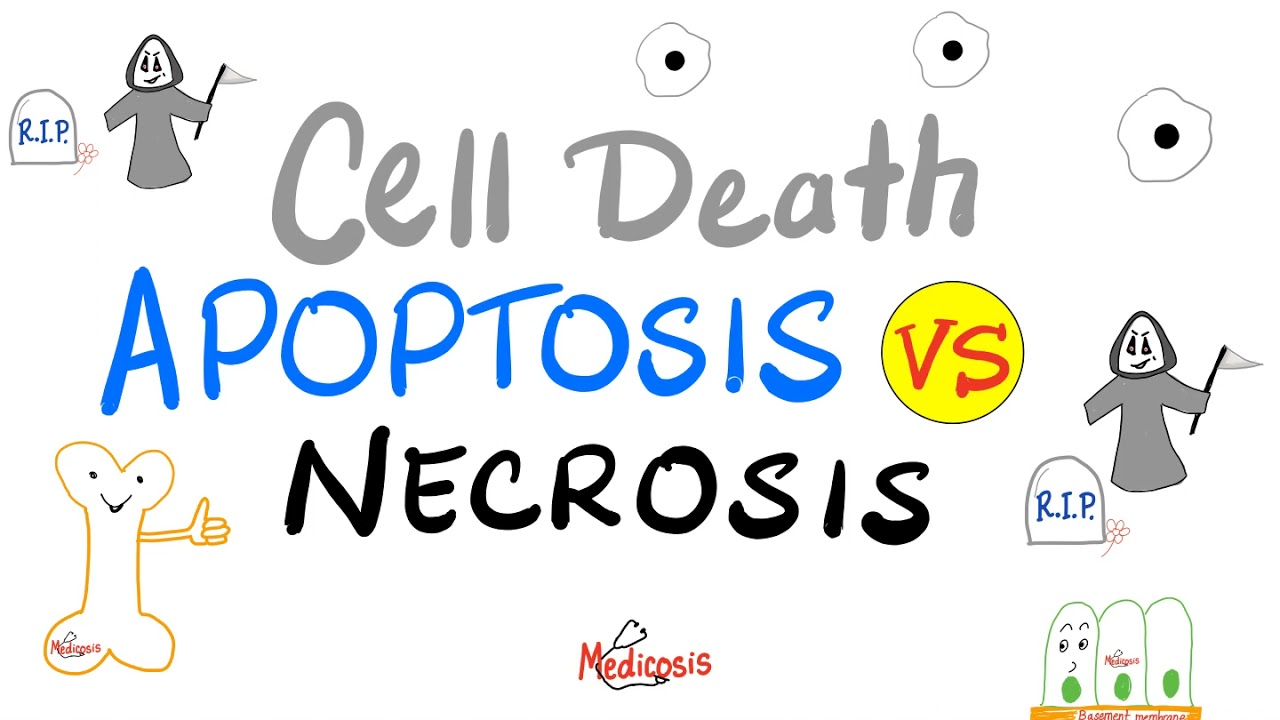
The cellular mechanisms of necrosis (accidental cell death due to injury) compared to apoptosis (programmed cell death).
The science of antivenom production, including how host animals are immunized to harvest neutralizing antibodies.
Medical and pharmacological applications of hemotoxins, such as using venom enzymes to develop blood-thinning medications or wound-healing agents.
A comparative analysis of other venom classifications, specifically neurotoxins (which attack the nervous system) and myotoxins (which destroy muscle tissue).
The evolutionary biology of venom systems, exploring how gene duplication allowed ancestral salivary glands to evolve into highly specialized toxin delivery systems.
1.9M views10.3Klikes7:21Original Release: 2016-04-20
have you ever considered how snake venom kills you I wasn't [Music] nervous that is so weird it's really odd the snakes thought to cause 100,000 deaths a year with another half a million left severely disfigured their venom contains some of the most powerful bioactive compounds and this is the Venom solution from a sore scaled Viper echis ocelus it's a hemotoxic Venom which means it targets its victim's blood and it's been provided by Venom specialist Nick Caswell from the Liverpool School of tropical medicine and he's going to be watching my every move because I'm going to mix some of this with my own blood to show you exactly how it works this is Dave cookie he's an operating Department practitioner and he's kindly agreed to draw some of my blood for the experiment so we're going to need about 10 mil there's a reason Nick has given me this particular Venom today it's one he studies a lot because the sore scaled Viper family are responsible for causing the most snake bite related deaths in the world I can see which one you're going for I wasn't nervous you are know it's amazing how similar the need need looks to the Fang of the snakes that we've been looking at they don't have the most potent Venom and they're not even in the top 10 most venomous snakes in the world but their small size and their tendency to live near people who can't afford treatment and their aggressive nature makes them a real killer okay ready yeah L pressure yeah we're drawing now so there we go that is so weird it's really odd right so here you go this is 10 mil of my fresh blood and as you can see at the moment it has a relatively low viscosity but that's all about to change with just a few drops of Venom and terrifyingly that's all it needs there we go okay the Venom is doing two things firstly there's something called hemalis which is when all of the red blood cells that are coming into contact with the Venom are rupturing and secondly the Venom is initiating something called the clotting Cascade and that's where my blood is beginning to thicken Ooh It's Beginning to clot until eventually I'm left with one mass of congealed jelly blood [Music] in the bloodstream of a snake's prey lots of tiny clots will form and these then get pumped around the body and become lodged in blood vessels here they cause fatal blockages causing death by stroke or cardiac arrest in larger animals like us the clotting Cascade continues until there are no more clotting components left in the blood but as the clotting stops the initial hemalis that's the blood rupturing effect continues and it could cause a huge internal bleed and if that was to happen in the brain the results could be terminal the S scaled Viper injects its venom into its victim through Hollow fangs much like these whilst other snakes have grooves in their teeth to channel the toxin into its victim this is actually a Fang from a Boon Viper btis gabonica and they have the longest fangs on record and it also delivers the most venom from a single snake bite almost 250 times more than some smaller snakes and enough to kill around 10 people but there are loads of different types of Venoms and not all of them attack the victim's blood typically coral and mambas snake Venoms are neurotoxic and this means that they violate the nervous system the Black Mamba is is one of the most feared snakes in Africa its neurotoxic bite shuts down its victim's nervous system paralyzing it so it can't breathe and they suffocate spitting cobra Venoms are myotoxic causing necrosis at the sight of the bite attacking cardiac muscle and killing by heart attack other Venoms cause blood pressure to crash leading to shock and kidney failure the truth is these chemical cocktails and their effects very WID from snake to snake even within the same species the Venom recipe May differ slightly between individuals which means finding an antivenom can be very difficult indeed cheap robust antivenoms are being developed by scientists like those at the Liverpool School of tropical medicine captive snakes are regularly milked for their venom which is then diluted and injected into host animals such as horse or sheep and their immune system then synthesizes an antibodies which can be extracted and processed to form the resulting antivenom but antivenom isn't the only thing to come from Venom research the Brazilian pit viper bothrops jaraka has saved thousands if not millions of lives one of the toxins in its venom is a major component of captopril a treatment for hypertension not only does it have the least side effects of any hypertension drug but it also reduces the risk of diabetes and kidney disease and it's not just snake venom that has beneficial components Venom from the death stalker scorpion contains an amino acid peptide called chlorotoxin which has been pivotal in the treatment and diagnosis of multiple types of cancer brain surgeons are able to paint specially modified chlorotoxin onto areas of the brain to identify tumors for accurate removal of the cancerous growth even Botox was developed from a natural toxin produced by a bacteria called stdium botulinum and if you thought snake venom was potent think again because a single teaspoon of the botulinum toxin could kill the equivalent of 1.2 billion people for more shocking stats from the natural world please subscribe to earth unpluged right so what we're doing today then so today mate is the Western Diamond Back rattlesnake one of the most dangerous snakes in the world but it's actually not the business end I'm King on today I want to see that rattle but I don't know whether it goes side to side or round and round or how fast it's shaking it and really where that sound comes from there a good job for the um highs speeded camera I think let's go have a look by the end of the first postum year all human head life and body life would go extinct in fact all animals that thrive on our existence would struggle
Up Next
67:43
Man Uses Snake Venom on Himself to Develop Universal Antivenom
@apexcommunicationsnetwork8090
843 views•2020-07-04

105:00
The Internet's Own Boy: Aaron Swartz Documentary (2014) | Digital Rights & Activism
@moviemaniacs
2.4M views•2014-07-01

9:49
FastAPI vs Flask vs Django: Choosing the Right Python Web Framework
@TechWithTim
302.5K views•2024-05-26

1:42
Game of Thrones Opening Credits: A Cinematic Analysis
@gameofthrones
46.3M views•2011-04-18
Related Study Plans & Knowledge Roadmaps
Structured learning paths in General & Interdisciplinary Studies
general-studies
Elevator Engineering: History, Physics & Cities
01From Hoists to Safety Brakes: The Dawn of Vertical Lift
02Hydraulic vs. Traction: The Engineering Physics of Elevators
03Modern Speed, Safety, and Algorithms
+ 2 more learning modules
12h5 modules
Explore Roadmap
general-studies
Rubber: Material Science, History & Geopolitics
01Origins of Natural Rubber & Mesoamerican History
02The Chemistry of Natural Rubber & Vulcanization
03The Geopolitics of the Rubber Boom & Colonization
+ 2 more learning modules
12h5 modules
Explore Roadmap
general-studies
Containerization: Evolution, Logistics & Trade
01Ancient Trade & Bulk Cargo: Amphorae to Barrels
02The Industrial Revolution & Cardboard Packaging
03The Containerization Revolution: Malcom McLean
+ 2 more learning modules
12h5 modules
Explore Roadmap
general-studies
Textile Tech: Evolution, Labor & Global Impact
01Pre-Industrial Textiles: Handloom & Cottage Industry
02Mechanization: The Spinning Jenny to the Power Loom
03The Factory System & Global Labor Transformation
+ 2 more learning modules
10h5 modules
Explore Roadmap