




























Liminal spaces are transitional environments that evoke feelings of both familiarity and eeriness, characterized by emptiness, nostalgia, and a sense of being in between; in Minecraft, these spaces emerge from the game's open-ended design, empty older versions, and lack of ambient sounds, creating an unsettling yet nostalgic experience where players feel neither at the beginning nor the end of their journey.
Liminal Spaces in Minecraft: An Analysis of Digital Nostalgia and Eeriness
Added:The concept of 'liminality' in anthropology and spatial theory, referring to transitional spaces or states of being.
The psychological phenomenon of the 'uncanny' (das Unheimliche), where something familiar feels strangely unsettling.
Basic history of Minecraft's development, specifically the distinct aesthetic and technical limitations of its Alpha and Beta versions.
Fundamentals of game sound design, particularly how ambient noise, music, and sudden silence affect player immersion and emotion.
The study of 'Hauntology' in digital culture, exploring how lost futures and past aesthetics persist in modern media.
Advanced architectural theory applied to virtual environments, such as Marc Augé's concept of 'non-places' in video game level design.
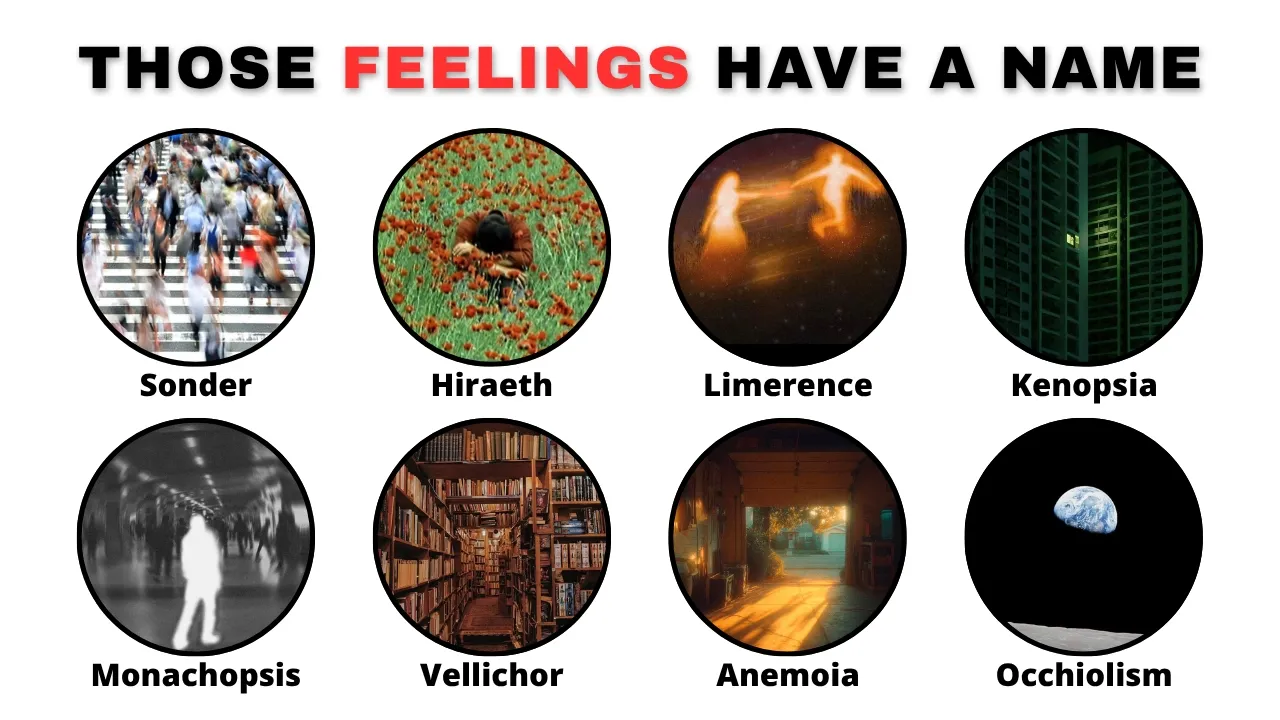
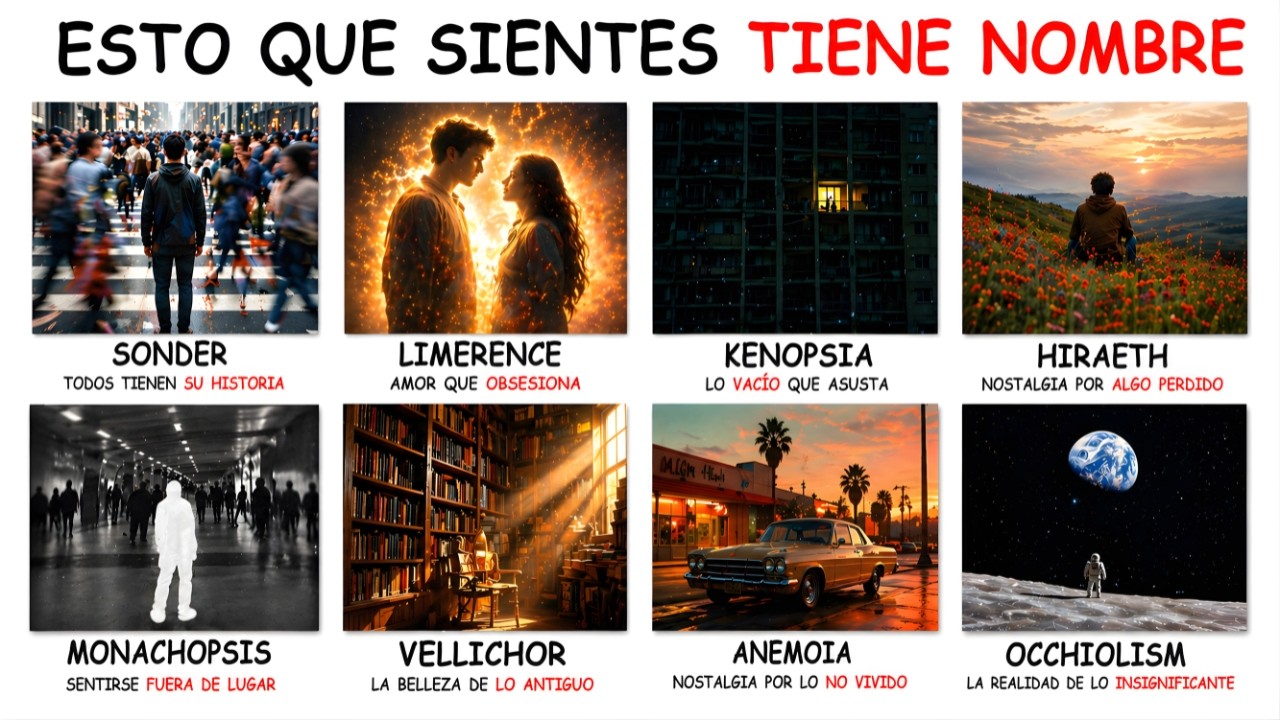
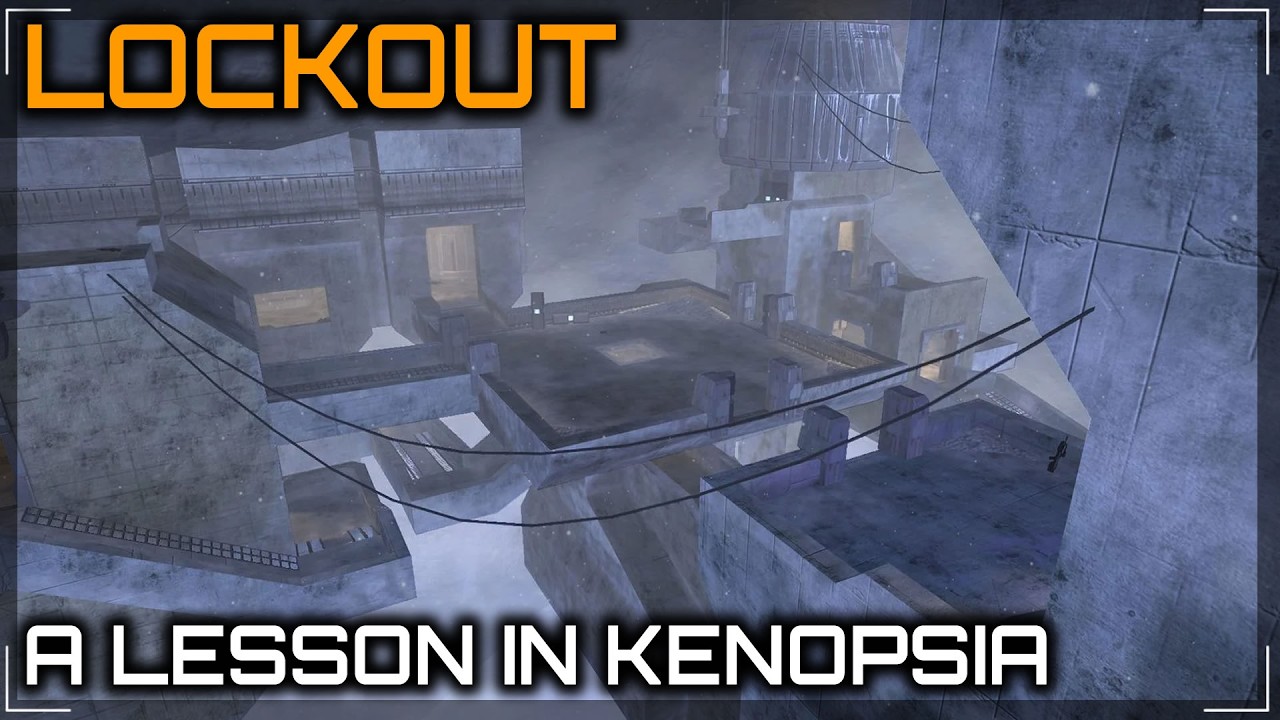
The psychology of 'kenopsia'—the eerie atmosphere of a place that is usually bustling with people but is now quiet and abandoned.
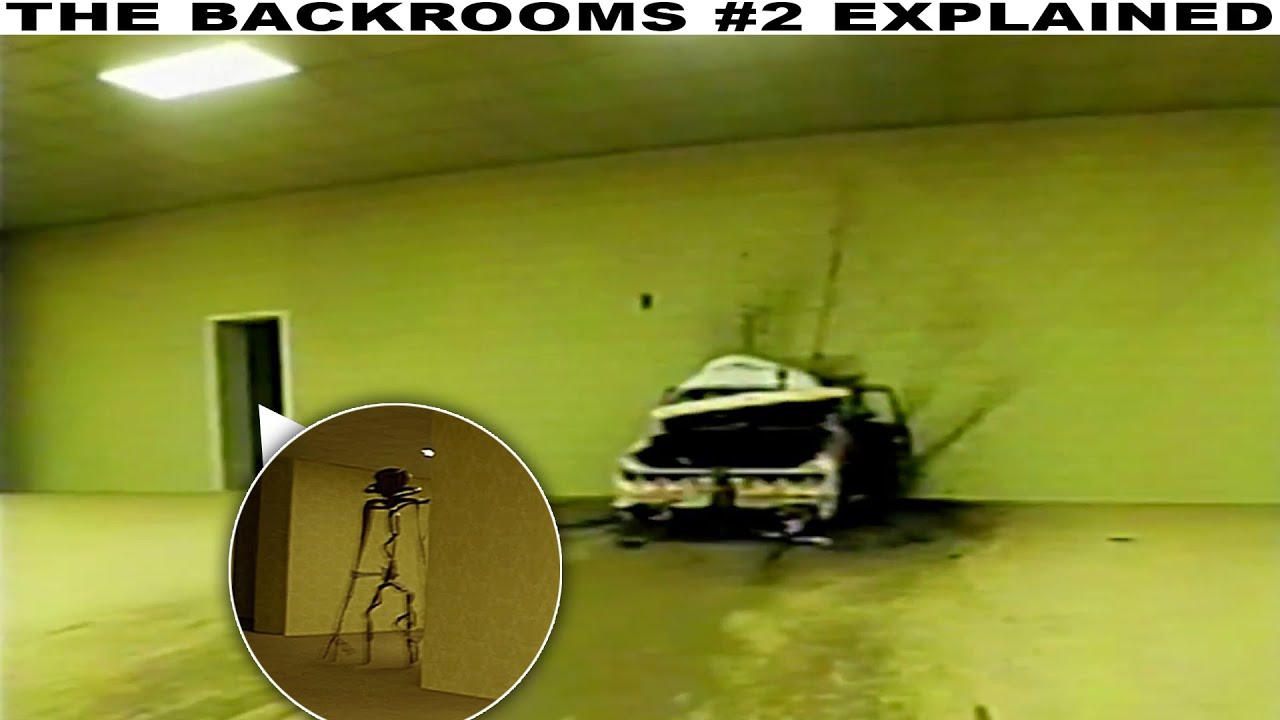
Analysis of internet folklore and digital creepypastas (e.g., The Backrooms) as modern myth-making born from liminal aesthetics.
The strategic use of minimalism and negative space in environmental storytelling within modern game design.
461.8K views14.2Klikes8:09Original Release: 2024-01-13
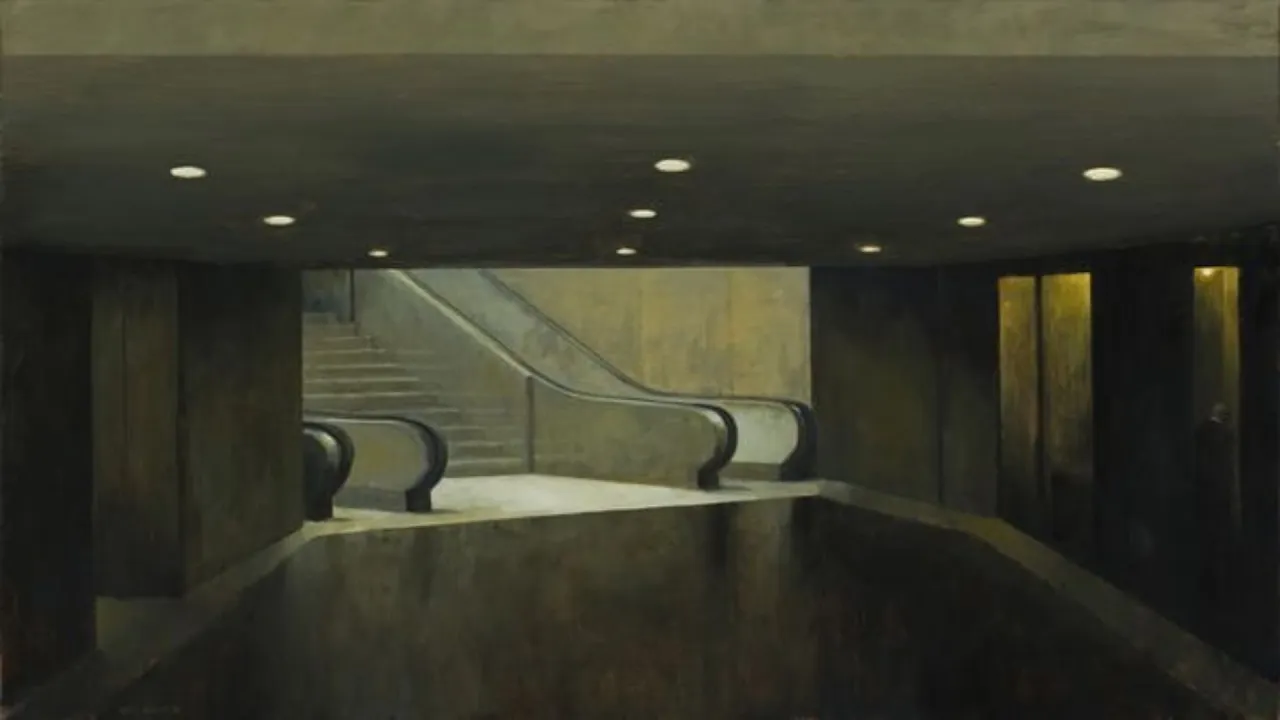
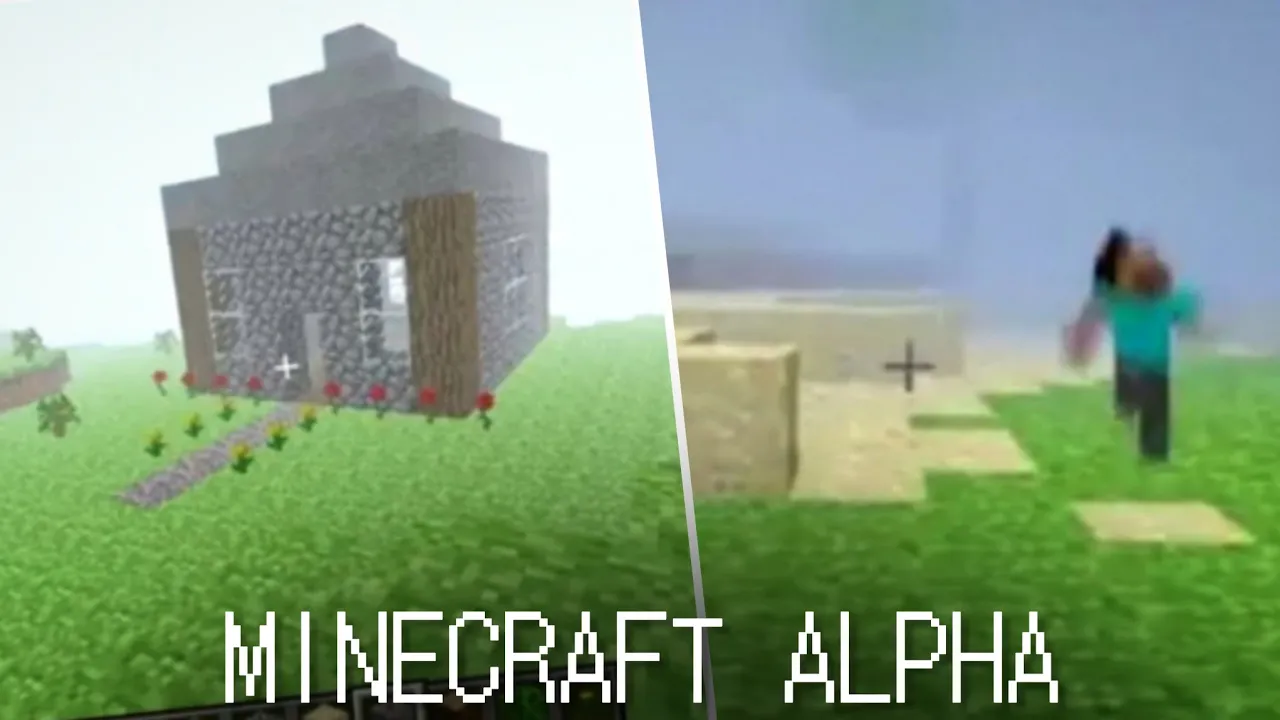
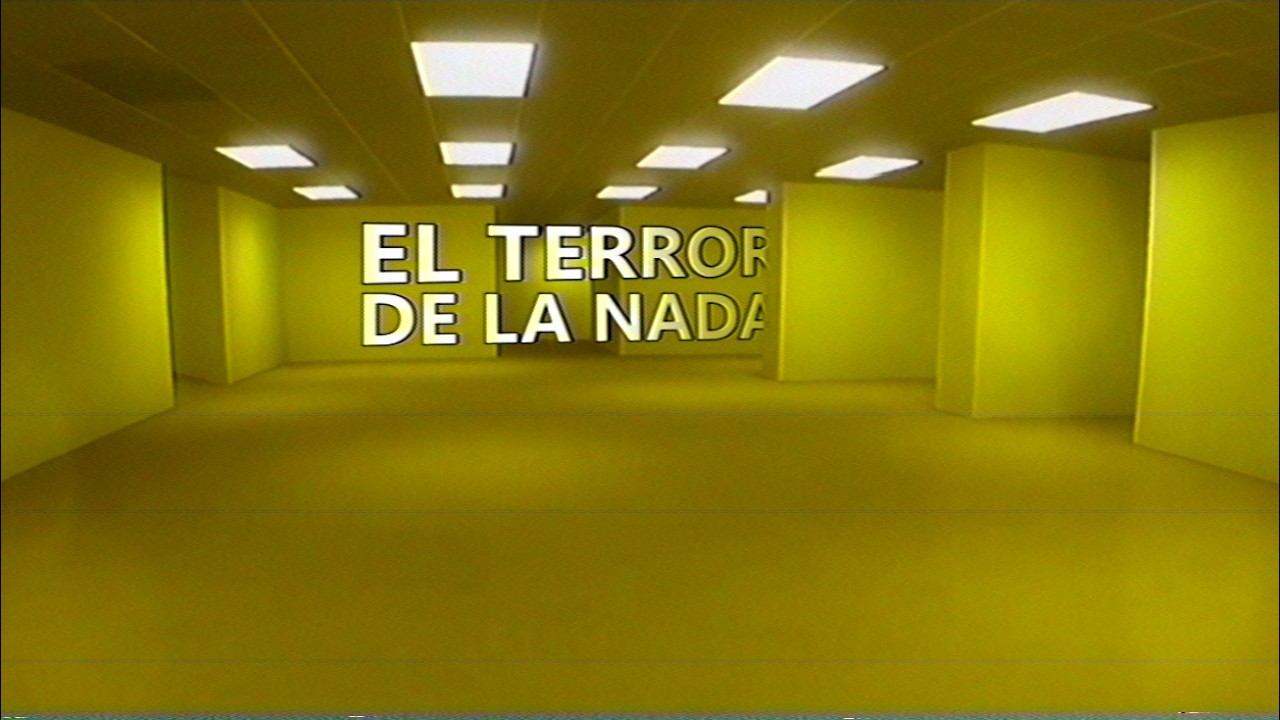
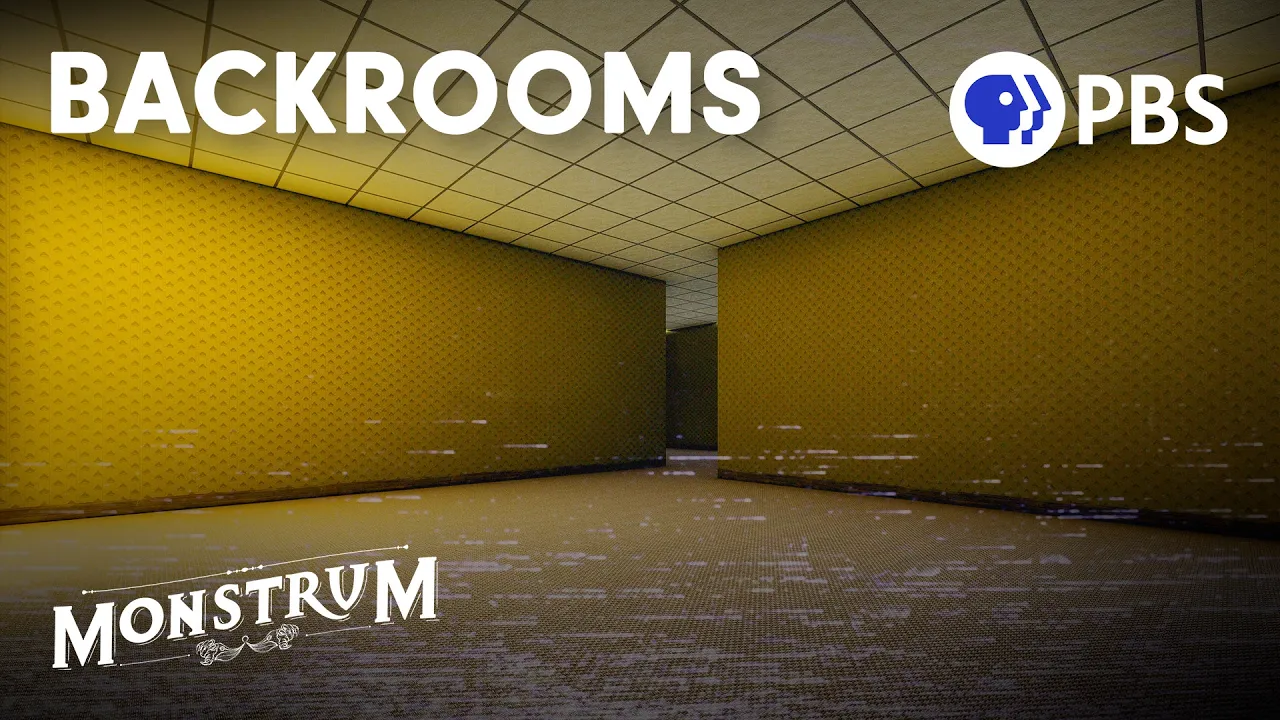
when you hear the word Minecraft Lial spaces are probably the last thing that come to your mind however beneath the surface of Minecraft as a silly block game there is something in this game that resonates with many players as a distinct sense of liminality a feeling of both familiarity and eeriness that you get when playing the game or even when looking at screenshots of it have you ever been completely alone in a server after all your friends logged off for the night or have you ever built a huge City in single player just for you to be the only person in it if so then you have definitely experienced Lial spaces in Minecraft in online Aesthetics Lial spaces are empty or abandoned places that appear eerie and often surreal they feel familiar somehow and they usually convey feelings of nostalgia or sadness and elicit responses of both comfort and unease considering the fact that the main characteristics of Lial spaces include absence of other people strangely familiar or nostalgic places unnatural lighting and an unsettling feeling of eeriness it's no wonder that Minecraft seems like a lional experience to so many people including myself liminality means being in between two things without fully being part of either for example think about the time after school ends for the summer you're not in the previous grade anymore but the next one hasn't started yet hallways and stairwells are examples of Lial spaces because they're designed to take you from one place to another and not meant to be stopped there other places can sometimes feel like those you're no longer where you were and not yet where you will be that endless middle Minecraft especially in the older versions often places players in a transitional State the vast open Landscapes and the absence of specific goals create an in between experience where players are not in their starting point and not yet at the Final Destination since the game is open-ended the endless middle concept can be applied to the open and expansive nature of the Minecraft world players can find themselves in a continuous exploration phase neither completing the game nor reaching a final destination this Perpetual state of exploration aligns with the idea of an endless middle Minecraft shows Lial qualities by placing players in a continuous transitional state where they are neither at the beginning nor the end I'd say this feeling of liminality in Minecraft can mostly if not entirely be found only in the older versions of the game and there are a bunch of reasons for that first of all we have the Nostalgia Factor Nostalgia plays an important role in the perception of Lial spaces in real life since they frequently feature places that we saw during our childhood years due to their nostalgic appeal these are usually places like Mall schools or playgrounds this leads to a lot of people reflecting on the passage of time and thinking about their childhood when looking at those images and it's the same in Minecraft too the earlier versions of the game evoke a strong sense of nostalgia for a lot of us and that definitely makes the Lial feeling way stronger especially when we see something familiar from our childhood turn into something Eerie or creepy the visual Aesthetics of the old versions really bring the linal vibe together in terms of how it looks and feels if you've ever played the alpha or beta versions especially with a low render distance you have most likely felt like you're being watched at some point or another by someone or something lurking in the fog in the older versions like beta 1.7.3 which is the version I mostly play on the only generated structures in the world are Dungeons and so that means there are no Villages desert temples Pillager outposts or any other structure the world is completely empty with the exception of animal spawns here and there this emptiness Bears a striking resemblance to elements found in limal spaces which are often depicted as expansive empty rooms in various images in a way you could say that the world in older Minecraft carries the essence of a vast unending Lial space now let's talk about the sound in Minecraft or should I say the lack of it part of Minecraft which I think makes the Lial feeling stronger is the sound design the lack of any Ambience noises in Minecraft like birds bugs or even the wind just leaves the player completely isolated from the world in a way but at the same time completely immersed in it I don't know about you but I've had those moments playing single player when I have the music off and I'm just mining hearing the blocks break and then I hear footsteps somewhere nearby just for a split second and just freeze for a moment trying to listen and even though I know it's pretty irrational since I'm all alone in the world it still puts me a bit on edge and I think that says a lot about the unintentional horror of Minecraft the creepy part of Minecraft is is not the fact that you are alone but the thought that you might not be and to be honest seeing how unsettling Minecraft's World looked in the older versions I'm not surprised at all that creepy pastel like Herobrine started popping up in the Minecraft forums which were centered around mysterious entities watching you from the fog outside of your render distance the isolation of the player and the aesthetic of the game probably made people see and hear all kinds of things back then personally the way I was introduced to the whole linal aspect of Minecraft is by getting recommended those nostalgic slideshows of old random Minecraft pictures usually with some C418 music playing in the background you might have seen them before when you're recommended they usually have a Minecraft screenshot as a thumbnail and some strange title like question mark and this is pretty much how they go [Music] and well after I watched some of these I was intrigued so I went down the rabbit hole and ran into their spookier counterparts too which basically take the concept of Minecraft Nostalgia videos and add a creepy undertone to it by including pictures of Lial unsettling or random places in Minecraft here are some [Music] examples [Music] [Applause] okay I'm sorry but I just had to include that in the video it was so good anyway videos like these are so interesting because you don't know whether to feel scared relaxed or distressed and while they are terrifying at times they're also comforting and nostalgic today Minecraft isn't as empty or as uncanny as it used to be now there's way more stuff in the game more structures more creatures more mobs you name it so that feeling of being totally alone in the world isn't as strong as it was back in the day even if if you are playing single player and because of that the limonal Ence of Minecraft has also pretty much disappeared luckily though you can always play on older versions to get that Lial feel again so yeah that was pretty much it like the video If you enjoyed it dislike it if you didn't enjoy it subscribe and I'll see you in the next one [Music] peace [Music] n
Up Next

44:21
The Psychology of Competition in Modern Sports Culture
@littlelightstudios
53.2K views•2023-02-11

26:22
Walking in the City: Urban Rituals and the Flâneur in Contemporary India
@PSBTIndia
1.9K views•2016-08-02

9:49
FastAPI vs Flask vs Django: Choosing the Right Python Web Framework
@TechWithTim
302.5K views•2024-05-26

1:42
Game of Thrones Opening Credits: A Cinematic Analysis
@gameofthrones
46.3M views•2011-04-18
Related Study Plans & Knowledge Roadmaps
Structured learning paths in General & Interdisciplinary Studies
general-studies
Artificial Light: History, Tech & Human Impact
01The Pre-Electric Era: Fire, Oil, and Gas Lighting
02The Incandescent Revolution and Grid Electrification
03Gas Discharge and Fluorescent Illumination
+ 3 more learning modules
14h6 modules
Explore Roadmap
general-studies
Elevator Engineering: History, Physics & Cities
01From Hoists to Safety Brakes: The Dawn of Vertical Lift
02Hydraulic vs. Traction: The Engineering Physics of Elevators
03Modern Speed, Safety, and Algorithms
+ 2 more learning modules
12h5 modules
Explore Roadmap
general-studies
Rubber: Material Science, History & Geopolitics
01Origins of Natural Rubber & Mesoamerican History
02The Chemistry of Natural Rubber & Vulcanization
03The Geopolitics of the Rubber Boom & Colonization
+ 2 more learning modules
12h5 modules
Explore Roadmap
general-studies
Containerization: Evolution, Logistics & Trade
01Ancient Trade & Bulk Cargo: Amphorae to Barrels
02The Industrial Revolution & Cardboard Packaging
03The Containerization Revolution: Malcom McLean
+ 2 more learning modules
12h5 modules
Explore Roadmap