







![[벙커1특강] 파토, 김상욱 - 과학같은 소리하네: 함 찔러보는 양자역학](https://i.ytimg.com/vi/NVgeV9ACexY/maxresdefault.jpg)







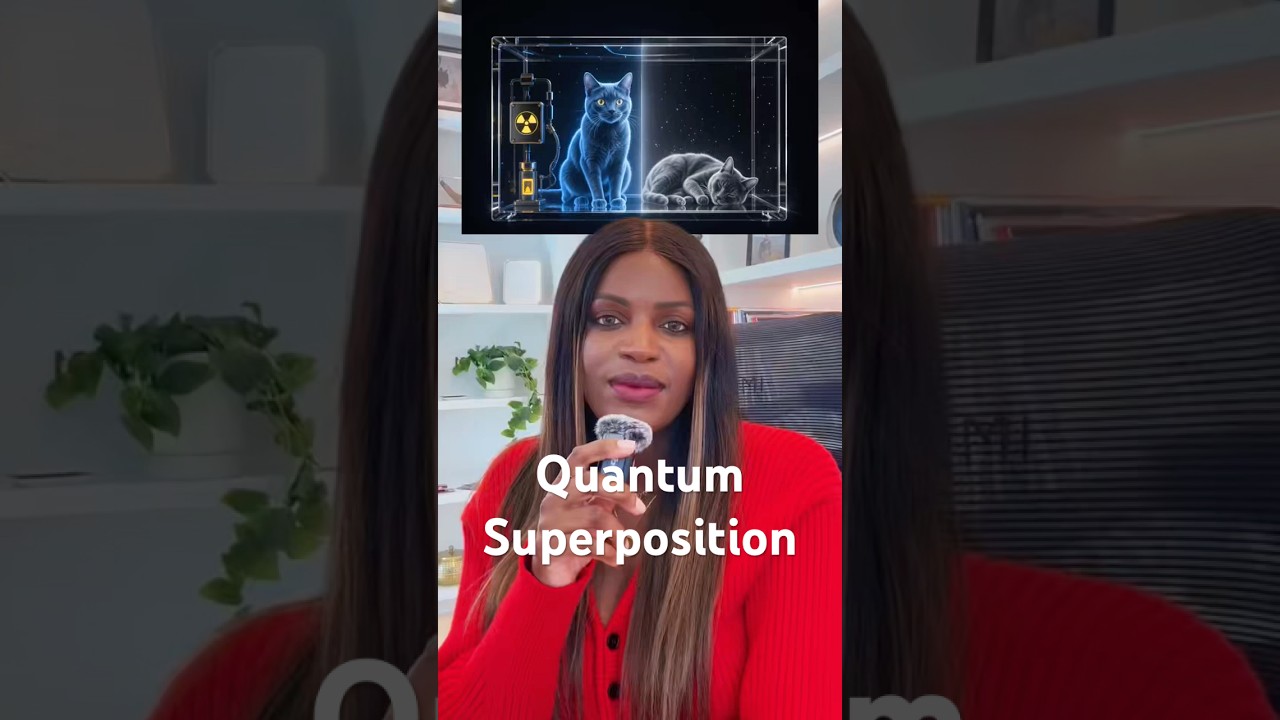


Schrödinger's cat is a thought experiment devised by Erwin Schrödinger in 1935 to critique the Copenhagen interpretation of quantum mechanics, illustrating how quantum superposition (where particles can exist in multiple states simultaneously) leads to seemingly absurd macroscopic consequences; however, physicists still debate what quantum mechanics actually means, with surveys showing that 25% of physicists have no preference among interpretations like Copenhagen, Many Worlds, or Pilot Wave theory, indicating that the fundamental nature of reality at the quantum level remains unresolved.
Schrödinger's Cat Explained: What It Really Means in Quantum Physics
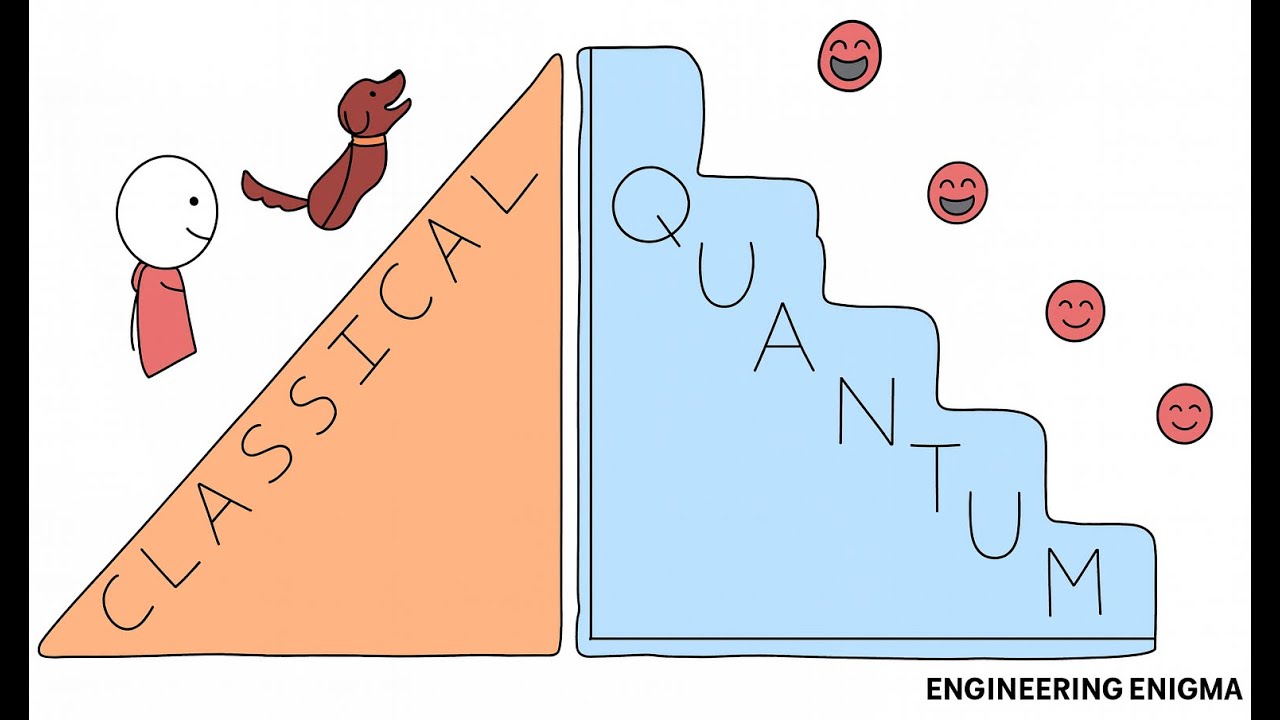
Added:Understanding the difference between classical physics (deterministic) and quantum mechanics (probabilistic).
The concept of wave-particle duality, demonstrating that light and matter exhibit both wave-like and particle-like properties.
The definition of a wave function (Psi) and the role of probability amplitudes in determining quantum states.
Basic familiarity with the Copenhagen interpretation and the concept of 'wave function collapse' upon measurement.
The concept of Quantum Decoherence, which explains how quantum systems interact with their environment and transition to classical behavior.
Deep exploration of alternative interpretations of quantum mechanics, such as the Many-Worlds Interpretation, Pilot-Wave Theory, and QBism.
Quantum Entanglement and Bell's Theorem, exploring how two or more entangled particles interact instantaneously over distances.
Practical applications in Quantum Computing, specifically how quantum bits (qubits) leverage superposition to perform complex computations.
547.4K views28.1Klikes11:20Original Release: 2021-12-16
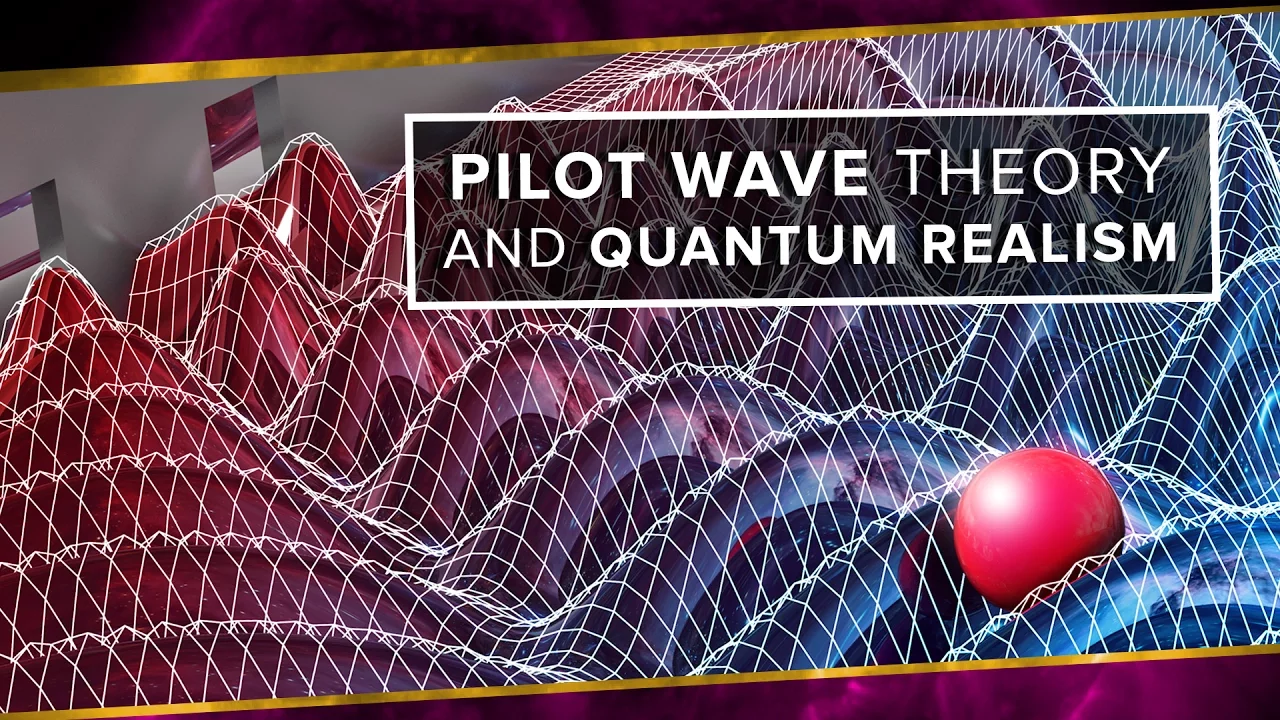
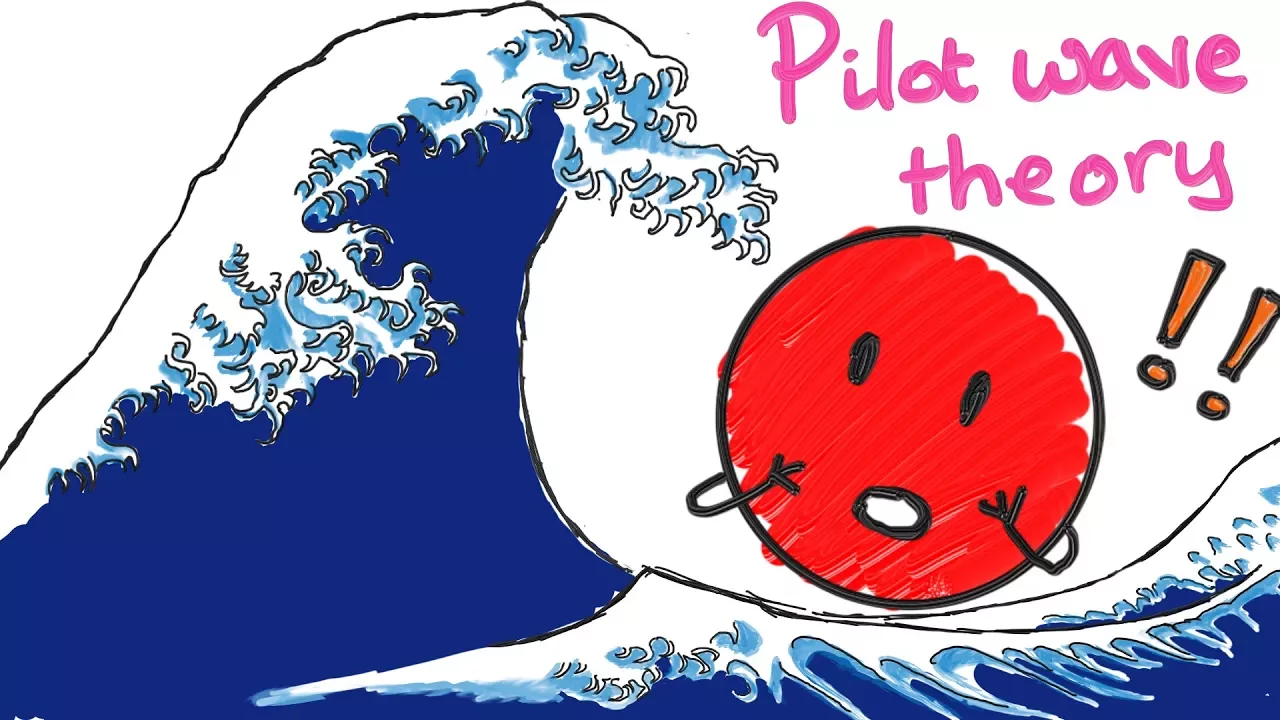
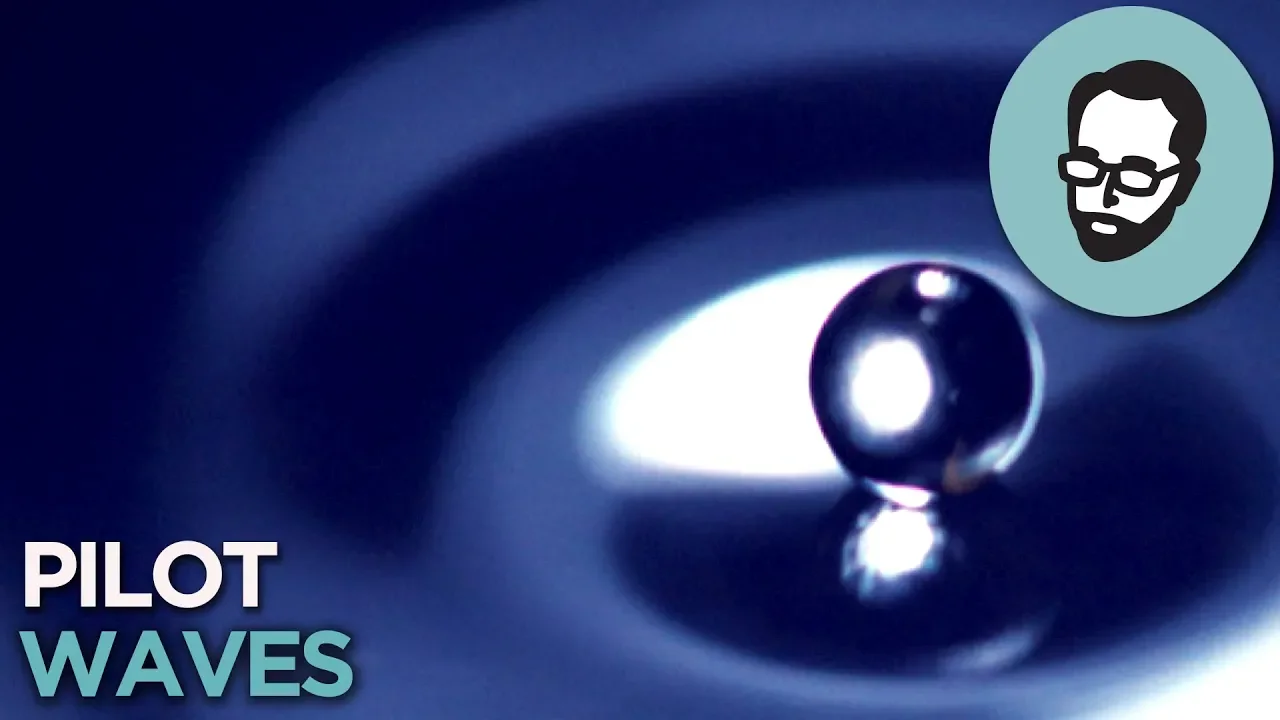
normally when you learn about schrodinger's cat they describe the thought experiment and i promise i will eventually but they don't tell you that schrodinger was using the cat to criticize an interpretation of quantum mechanics they don't even tell you that there are interpretations of quantum mechanics which means interpretations of reality and that physicists don't even agree on reality and i didn't even know any of this until i went down the rabbit hole thanks to google pixel 6 for sponsoring a portion of this video today is about explaining schrodinger's cat to my production team you guys are included too so i'll talk to you sometimes what do you guys know about schrodinger's cat potentially the cat is both dead and alive it's a good start cool schrodinger's cat was actually thought experiment meant to show how ridiculous quantum mechanics is but to start out schrodinger's cat is based on some really crazy physics specifically something called superposition so let's start there erwin schrodinger in 1935 devised this thought experiment i'm going to get my box out our cat has a 50 chance of dying and a 50 chance of still being alive the implication is that the cat is in something called a super position of alive and dead it's not that it's alive or dead in here and we just don't know it's that it is literally in this other state called a superposition does that make sense not officially i have another experiment that i think will help explain what a superposition means have you heard of the double slit experiment always helpful to have some diagrams this looks like if you just had a wall with two holes in it and then you send a bunch of ping-pong balls i don't know flying at the wall so these are the two paths that they can take then they're gonna land on this side with two stripes right if you sent water waves like a ripple would go through here then that breaks up into two sources so it's almost like you have two sources of waves and two sources of waves interfere with each other and i did that with two yoga balls in the water we have two point sources of the waves and you end up getting those stripes because you have areas where the waves are cancelling and areas where they're adding up sometimes the waves cancel you get dark sometimes they add you get light what's called these interference patterns this is showing what waves do when you pass them through a double slit then this is the best part what happens if we if we send electrons through the double slit would you expect to see like the two lines or the the wave interference i'm gonna go with the first one i mean that would make sense because they're particles it would make sense right but ta-da you see waves like they sent those through individually individually one at a time okay before we learn how that experiment is possible a quick message this portion of the video was sponsored by google pixel 6. as creators you'd be surprised how much we film last minute or in the moment on our phones and the google pixel 6 is the ultimate tool for creatives looking to film an experiment or a candid moment with your editor the pixel 6 has some incredible crazy tools like the magic eraser which gives you the ability to remove annoying background objects like photobombers or traffic cones from an otherwise clean beautiful shot the magic eraser tool is surprisingly easy to use and all of this is powered with google's own chip the google tensor chip which was designed for machine learning tasks that's just the cool tech that i find interesting you will notice the super clear four times optical zoom when taking photos or you'll get to use the live translation that adapts to your language to help you understand and communicate in many other languages and my pixel 6 runs on the fastest 5g network t-mobile it's the fastest pixel ever on the fastest 5g network check out google pixel 6 pro at t-mobile thank you to google pixel 6 for sponsoring that portion of the video and now back to how it's possible for electrons to act like waves like they sent those through individually individually one at a time okay and they're building up and over time they're building up not in two lines but in this interference pattern yeah yeah that's cool that's pretty weird right if you got one particle how could it be creating an interference right that's the question the electron can be in a superposition of going through the left slit and the right slit at the same time and that's why we see the wave interference pattern watching back through all this i realize that i'm missing something which is that in person i went on and on about how the electron is not a physical particle it's this wave function that goes through the left and the right slit with some superposition and interferes with itself and that's why you get the pattern but it just got really long-winded so i cut it all out but the point is that the electron is not a physical particle but the wave function is also not this physical thing it's a mathematical entity that interferes with itself and it's all very confusing this is a really groundbreaking experiment to show that electrons actually have wave properties yeah how is it not just battleship then and it's in one spot yeah and then we guess until we find it you're like as soon as you hit it and the other person says it was only there because you guessed it no it was there guess the right spot yeah if that were the case then then a few experiments that we see would act differently so for example the double slit experiment that i just explained if the electron really were in just one place then you would not get this interference pattern but if you do all the math and you you figure out the wave function of the electron then it makes a whole lot of sense why this probability cloud or whatever this wave function is not an electron particle passing through one side or the other it's actually going through both with some probability and interfering with itself here's one more twist to the whole thing if you put a detector on the two slits to detect which side the electrons going through then you end up getting just those two lines you don't get the interference pattern anymore so just your active measuring it affects the result of the experiment [Music] so this is how the experiment went it's a thought experiment so it's not an actual experiment no one actually did this it's still alive for now and this is a soundproof steel box then you put a radioactive substance in here a bit of a marisium and then imagine that it's tied to a geiger counter so the geiger counter is going to detect whether it decayed then the geiger counter is tied to a hammer and the hammer is going to hit a bottle of little vial of acid if it decays hammer hits the acid releases into the box and kills the cat but this is all happening when the box is closed our little sample of american has a 50 chance of decaying and a 50 chance that it has not which means in here our cat has a 50 chance of dying and a 50 chance of still being alive some people like to say sleeping and and awake but does this look like sleeping to you the implication is that quantum mechanics states it's not that it's alive or dead in here and we just don't know we have a 50 chance of finding either way it's that it is literally in this other state called a superposition if you're about to say that that's how the quantum world works then yeah that can make sense but that doesn't technically make sense for ours like yes so that was schrodinger's point i set out to tell you about schrodinger's cat and then i went down the rabbit hole of interpretations of what quantum mechanics means we've got this math but then people interpret that math in different ways what's really going on fundamentally in reality is the thing that is still debated schrodinger's cat was actually schrodinger saying um yeah okay so imagine this scenario that's ridiculous so quantum mechanics can't be right and it actually wasn't quantum mechanics can't be right it was an interpretation of quantum mechanics can't be right specifically the copenhagen interpretation the most popular interpretation is this one that i've said over and over called the copenhagen interpretation and that one involves superposition it involves entanglement this is the interpretation that we're taught in textbooks like i learned this in high school and in college at mit it's the one that physicists sort of say is is like real they're like yeah superposition is real quantum entanglement is real but 25 of physicists like professional physicists supported something else not that interpretation there was a survey in 2017 of about 150 physicists and 36 percent of them so like a whole third of physicists said that they didn't have any preference for what was going on they're like here's the math it's kind of like they gave up they were like it's really hard to figure out what's going on and here we are nearly 100 years later and we're still not sure what's going on therefore it doesn't really matter like the math works out and as i mentioned there are other interpretations of what's going on oh my gosh i don't want to go into this for too long but there's an idea called many worlds and the idea is that multiple universes are created i am so crudely describing this but the particle that has a 50 50 chance of decaying that actually creates a number of universes maybe there's infinite universes but half of them will have a cat that's alive and half of them will have a cat that's dead and therefore you don't even get this collapse of the wave function then there's other theories besides many worlds there's a theory called the pilot wave theory where there's like a wave that is guiding an actual particle schrodinger helped come up with all of this like this was partially his theory the schrodinger equation his name is all over it he thought the copenhagen interpretation was so ridiculous saying like okay so you put a cat in a box and then it's in a superposition of dead and alive i don't think so like it just seemed totally unrealistic to him but we know for sure that at least quantum systems act in superpositions what is really going on here what is the reality here what are we actually what's actually happening what's physically happening and the honest truth right now is that we don't know the physicists have no idea so i know you've been watching this entire video being like wow that cat's really cute i kind of want one of those well guess what you're in luck i'm so excited about these we've been working on designing these little schrodinger's cats for a year and a half we also have these little shrinkers cabinets oh my god somebody make me um less of a crazy sounding cat person okay so here's the deal these are on sale on our store which is on the shelf underneath the youtube video but also on the url on the screen i'm so excited they're so cute oh oh and then these ones okay yeah this is the most this is the coolest part you can either get both of these or one or the other or you can get the schrodinger option where you don't know which one you're gonna get and if you never open the box then you never know whether it's dead or alive and it'll stay in a superposition your choice your universe there are unlimited options really oh my god they're so cute i'm gonna buy them all i know what my whole family is getting for christmas i hope they watch my video so they know what what this is i hope you learned something because i certainly did in researching this video and we had so much fun making these so i hope you enjoyed them too even just in concept happy physics [Music] you
Up Next
4:44
Heisenberg Uncertainty Principle Explained by Chad Orzel
@TEDEd
5.2M views•2014-09-16

12:53
21cm Hyperfine Transition in Neutral Hydrogen: Radio Astronomy Basics
@AaronRobertParsons
12.4K views•2011-10-13

9:24
How to Build an Acoustic Levitator: Physics of Sound Levitation
@physicsgirl
689.7K views•2017-12-14

27:14
Entropy and the Second Law of Thermodynamics Explained
@veritasium
27.5M views•2023-07-01
Related Study Plans & Knowledge Roadmaps
Structured learning paths in Physics
physics
Nuclear Physics (Decay, Fission & Reactors)
01Atomic Structure and the Binding Force
02Radioactive Decay and Half-Life
03Nuclear Fission Mechanics and Chain Reactions
+ 2 more learning modules
12h5 modules
Explore Roadmap
physics
Soft Matter (Polymers, Colloids & Rheology)
01Foundations of Soft Matter & Thermal Forces
02Polymer Physics and Macromolecules
03Colloids, Surfactants, and Self-Assembly
+ 2 more learning modules
38h5 modules
Explore Roadmap
physics
Analytical Mechanics: Lagrangian & Hamiltonian
01Mathematical Foundations: Calculus of Variations
02From Newtonian Mechanics to Constraint Dynamics
03The Principle of Least Action & Lagrangian Mechanics
+ 3 more learning modules
28h6 modules
Explore Roadmap
physics
General Relativity (Spacetime & Cosmology)
01Foundations of Relativity: Special Relativity
02The Geometry of Spacetime: Equivalence Principle & Curvature
03Einstein's Field Equations: The Mathematics of Gravity
+ 2 more learning modules
55h5 modules
Explore Roadmap