
















Pressure Support Ventilation (PSV) is a spontaneous ventilation mode where the patient controls breathing timing, duration, and depth while the ventilator provides pressure assistance; the breath begins when patient effort causes a pressure drop in the circuit, is limited by the set pressure support level, and ends when inspiratory flow decays to approximately 25% of peak flow, making it ideal for weaning patients off mechanical ventilation but requiring intact respiratory drive and limiting precise control over tidal volume and minute ventilation.
Pressure Support Ventilation: Principles of Mechanical Ventilation 13
Added:Fundamentals of respiratory physiology, including lung compliance, airway resistance, and the mechanics of spontaneous breathing.
Core principles of mechanical ventilation, specifically the definition and function of phase variables: trigger, limit, and cycle.
The operational differences between fully controlled ventilation modes (e.g., Volume Control, Pressure Control) and assisted ventilation modes.
Basic understanding of patient-ventilator interaction and the concept of work of breathing (WOB).
Clinical weaning protocols and the administration of Spontaneous Breathing Trials (SBTs) using PSV.
Identifying and troubleshooting patient-ventilator dyssynchrony specific to flow-cycled modes, such as delayed cycling or premature termination.
Advanced proportional ventilation modes that dynamically adapt to patient effort, such as Proportional Assist Ventilation (PAV) and Neurally Adjusted Ventilatory Assist (NAVA).
The application of pressure support in non-invasive ventilation (NIV/BiPAP) for managing acute respiratory failure.
55.5K views623likes18:23Original Release: 2015-07-21
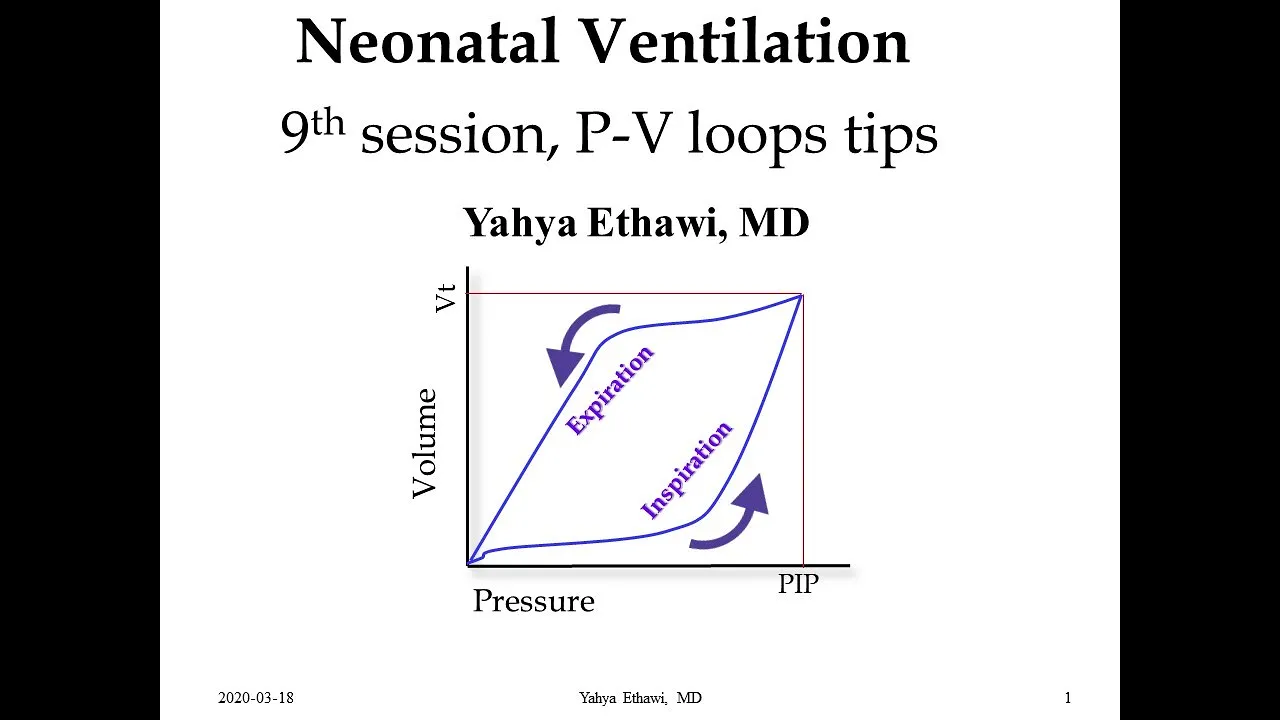
welcome to this video on pressure support ventilation this is uh a video in the series of videos that we have on the respiratory review page on modes of mechanical ventilation so we're going to break down this mode of mechanical ventilation and um answer some of these questions that we have highlighted down here and hopefully leave you with a better understanding of pressure support ventilation now as I've said in many other videos on mechanical ventilation one of the biggest problems with understanding ventilation is termin Tech ology pressure support ventilation um on different ventilators is called different things it can be called uh CPAP and pressure support um it can be called simply spontaneous ventilation um there's lots of different terms for this mode of ventilation but the theory behind it all is is is the same so let's get stuck in a little bit when um what I encourage you to do before watching this video is go back and watch a couple of different videos that we have on the respiratory view page go and watch the videos on the other modes of mechanical ventilation um because that those will be useful in understanding this go and watch the videos on phases of a breath specifically looking at trigger variables limit variables cycle variables in terms of how a breath is constructed um and that will really help with with this video this would be about 40 minutes long if I had to recover those topics so I encourage you to go back and watch those if you don't understand them um so let's get stuck into this the Crux of precious swap ventilation is that the patient has as much control over their breathing as we can give them okay so they're on a ventilator but they are controlling most of um what's happening with their breaths unlike controlled ventilation there is no set respiratory rate there is no set minute ventilation um we don't control when the breaths take place or how big they are or how much minute ventilation is going to be achieved across the minute that's all controlled by the patient okay so the good thing about that is that makes it a little bit more comfortable for the patient right the patient determines their respiratory rate they determine how long inspiration takes place how big each breath is okay and we just sort of support them right we support them by giving them pressure okay pressure support so let's look at these waveforms and this just this may look like complete um foreign gold to you right now but that's fine we we'll sort of piece our way through it so at the bottom here we have a pressure um waveform okay this Baseline along the white line is five that's because our Baseline pressure is usually elevated it's usually a positive Baseline this wouldn't be zero normally on a mechanical ventilator right we set a peep level um so this is their Baseline so this is where they're kind of hanging out and then the patient decides that they want a breath remember we don't tell them when they want a breath they decide for themselves when they want to breathe so when they do that they're going to make an effort to breathe okay what that's going to do it's going to cause a drop in the pressure in the circuit and you can see that right here this kind of this sort of deflection below five it's a little drop in the circuit pressure and that tells the ventilator that the patient's trying to take a breath okay so then what the ventilator does is it increases the pressure from five up to a certain point here we have it increasing up to 15 um so the difference between these two would be 10 right so the patient makes an effort to breathe and the ventilator increases the pressure in the circuit from the Baseline pressure up to some point which we're going to we're going to decide okay that increase in pressure causes flow to enter the patient right if you increase the pressure flow goes into the patient's lungs so then we can see here on our flow wave form that when the patient takes the breath there's a sharp increase in in the flow right leading to this point here which is the peak flow so this is the peak inspiratory flow P okay and then that flow is going to Decay over the course of the breath it's going to start very very quickly as you go through the big Airways at the tracher and the main broni and then that flow is going to slow down as it gets into the tighter air passages okay so as that flow decays it's going to Decay eventually down to zero if we let it um but we don't let it once that uh flow decays down to a certain point you can see it here the breath ends okay so this point here is the flow cycle off which sounds confusing but all it is is determining when the breath is going to end the breath ends when the flow decays down to a certain point okay this is usually set at around 25% okay so when the the flow KS down to 25% of the peak flow the breath ends okay and as a result of that pressure being elevated and that flow entering the patient we get a tital volume right the there's a volume generated as a result of that increasing pressure causing the flow to increase which causes the volume to increase okay and that's that's the breath so what do we what have we determined we determined that the patient decides when the breath is going to take place we um the volume will vary and we'll get to Y in a second and it's the breath ends when the flow decays down to a certain percentage of the peak flow and that's called the flow cycle off okay so that's a pressure supported breath the patient makes the effort and we've supported that effort with some pressure okay pressure support so let's talk about these breath characteristics the trigger variable again go back to the the video on these if you don't understand these the trigger variable is what causes the breath to begin what triggers the breath to begin so we can say that it's patient right it's patient effort firstly um but specifically it's due to a drop in the circuit pressure okay so the variable would be pressure right on some ventilators you can also do this using flow if the patient generates enough of a change in flow in the circuit it can trigger the breath but it's going to be pressure or flow usually pressure okay so the breath begins when the patient makes that effort and you can see that green deflection in the in the pressure away from there in the middle of the breath in the the stach that's limited within the breath but doesn't cause the breath to end is pressure right we're going to elevate the pressure up to a certain point and you can see here that we hold this this pressure at this point for a certain period of time until the breath ends when the flow tells us the breath is going to end right so we're limiting the pressure in the circuit during the breath okay so our limit variable is going to be pressure right and then the cycle variable what causes the breath to end well we've said here that once the flow decays down to a certain percentage of peak flow the breath will end okay so this the breath ends do um the ending of the breath is caused by flow so the cycle variable is flow okay so this is important this is this is very technical terminology stuff but this is important understanding how the breath ends okay so what do we set on the ventilator well we're going to set our Baseline pressure here which we always set okay that's our peep we'll do a whole series of videos on peep don't worry so if you understand it great if not um wait for those videos to come out um we're also going to set our pressure support level quickly terminology thing peep can also be called CPAP continuous positive Arrow pressure this is peep positive end expiratory pressure again terminology thing it's something which I wish was less confusing but it is what it is we set our pressure support level so here remember how we see it said that we went from five up to 15 and that change in pressure was 10 okay so that was that's our pressure support level okay in this is 10 because that's the difference between the the where we end up and where we started okay so we set our pressure support we're going to set something called rise which I'll talk about in just a second um we're going to set our F2 I I.E how much oxygen we're giving right how much O2 um and what else we can oh we're also going to set something called apnea criteria and I'll get into that in a second criteria yeah so what's rise rise essentially is just how quickly We rise up to that Peak pressure that we set remember we're going from five up to 15 okay that change of pressure is 10 5 up to 15 now how quickly we go from 5 to 15 is the rise in this in this one here you can see how it's pretty much just straight up and down so we almost go straight from five all the way up to 15 immediately in this one it's kind of slanted right it's kind of on an angle there so that's that would be a slower rise it's the rise time how long does it take to get us from 5 up to 15 okay that's what rise is not super important in this context um so and then um so what do these things do let's just maybe um qualify these next to them so peep we set that for oxygenation oxygenation and recruitment okay we want the lung tissue to be open and having an elevated pressure all the time helps to keep that lung tissue open we'll do as I said we'll do lots of videos on peep pressure support what that does is it augments augments the patient's typ volume right if we increase our pressure support we're probably going to increase the person's title volume because we're giving them more help to take a breath if we decrease the pressure support um it's more likely to decrease that tile volume because we're giving them less help okay um and then obviously F2 is just how much oxygen we've given and Rise is what we just talked about so apnea criteria what is that well imagine we're here now down the end and the patient doesn't make this effort this little drop in the circuit pressure doesn't happen they don't take a breath maybe they are still got a little bit of anesthetic on board or maybe they've um they don't have an intact respiratory drive okay what's going to happen well they're not nothing's going to happen for for a while right because the the the mode of ventilation is spontaneous it requires the patient to make respiratory effort it requires the patient to take breaths and if they don't the isn't going to give them any but so that's not great right we don't want that to that to happen so in order to protect against that we have these things called apnea criteria so maybe we'll just talk a little bit about this so this here would be no effort so we determine that as an apnea right this is apnea and that's not good because that causes them to hypo ventilate the CO2 will go up the the oxygen SATs will probably start to drop and and we don't want them not breathing so we set apnea criteria and that is to protect against sort of profound hypoxia and profound hypoventilation so um apnea criteria so what we're going to do is we're going to say okay how long can they go apneic for before we intervene okay so that's called an apnea time all right we're going to set that on the ventilator we choose it and it's usually about 20 seconds to 30 seconds but again you can manipulate that if you need to if someone's having big prolonged apneas all the time this we don't want them clicking into apnea ventilation because it' be it' be frustrating for the patient and for everyone else so we can you can adjust this apnea time and then we're going to have apnea ventilation right we need to be able to ventilate the person um if they stop breathing on their own so we need to set a respiratory rate and we need to set um a title volume we essentially put them into volume control now on some ventilators you can also put them into pressure control but for that's not really relevant I mean we basically apne criteria is just what happens if the patient doesn't breathe well we need to do it for them with the ventilator so we set a certain amount of time they can go apnic for and then we set the conditions for the ventilation if they do go apnic and that's called apnea ventilation so that's super important that's a protection thing right that's a sort of safety net if the patient doesn't breathe so let's talk about the sort of pros and cons we've already discussed a couple of them so we should be able to should be able to talk about these um so why what are the pros and cons so it's it's good because the patient um the patient and the ventilator will be synchronous patient ventilator synchrony it's a big Topic in mechanical ventilation and the reason there's good patient ventilator synchrony is because the patient determines when they breathe they deter determine how long inspiration is they determine how big their title volume is so that increases synchrony and what that does is it increases Comfort it's more comfortable to be breathing when you choose when to breathe and how big your breaths are what other benefits do we have so we've talked about ventilator synchrony patient ventilator synchrony and the comfort that that brings um this also allows us to balance the work of the vent right the ventilator doing some work um balanced with um the patient doing some work right so as we um as we adjust our pressure support level we adjust the amount of work the patient has to do versus the amount of work that the ventilator is helping with so what this really leads to is that this is great for weaning okay so it's great for weaning people off mechanical ventilation because we can grab gradually lower the amount of help that we're giving them to take their own title volumes until they're able just to spontaneously take title volumes on their own without any help at all from the from the um from the ventilator or without with or with minimal help from the ventilator so that's those are the benefits of pressure SW ventilation um some of the the setbacks or the drawbacks are we there's no um there's no um guaranteed title volume right there's no set title volume so that's that's kind of a benefit and a and a um and a sort of drawback as well so we don't we can't guarantee a set title volume and similarly um there's no certain um minute ventilation right we don't we don't have a specific minute ventilation that we're going to get um it's all going to be dependent on on the patient so as a result that leaves us um we're less able right less able to control their um their blood gas the ABG because really the patient respiratory drive is going to determine what their arterial blood gas is we're not going to be able to manipulate that blood gas as closely as we would in a control mode of ventilation and they require a um intact respiratory drive right they need to be breathing on their own they can't be anesthetized they can't be super critically ill they can't they can't have a closed head injury and not be breathing spontaneously so there's a sort of specific population of people this is going to work for and and there's also a large population that it isn't going to work for they do need to be breathing on their own and they need to have sufficient lung mechanics to allow them to breathe on on on it's pressure p ventilation so when is it useful the big one to take away is weaning I'm not going to get into all the other modes there's there's literature out there about using pressure spontaneous ventilation pressure ventilation in critical illness but we'll get into that later on when we get a bit more in depth in it but for now the big one is weaning we want to allow the patients to slowly take over their own work of breathing so let's just to finish we're going to go through a couple these what I've drawn on these waveforms here is really three different breaths it looks like it's all the same thing but just to highlight some of the sort of details of it and these aren't super important but they're they're useful to know so you can see here that we get a volume generated when the patient takes a breath so they make an effort that we add some pressure support once they've got an effort flow starts and then they have a breath right in this second example here you can see that the title volume that's generated is quite a bit smaller so even though they got the same level of pressure support they triggered a breath got the same amount of pressure support as they did before there's a lower title volume so this would be someone with decrease um decrease lung compliance right um they get a smaller volume generated as a result of the same level of pressure this is just speaking to the variability that you get in pressure W ventilation and in this last context here you see that really this should be a little bit lower down there um a bit of a deeper inspiration um they get the same level of pressure support a deeper pull in from the patient and the flow goes up higher and then we get a larger tidal volume so this would probably be something like increase patient effort right they so you can see that they if they want to they can take a bigger breath they get the same amount of pressure spot as they did before but allows them to take a bigger breath breath that's just because they're making more effort okay so pressure p ventilation is variable there's going to be lots of variance in the title volume there's going to be variance in the minute ventilation we talked about how the breath is delivered how the breath starts how what how it's limited and how the breath ends what we set on the ventilator um how we protect against apnea and the sort of pros and cons of when pressure BL ventilation is useful
Up Next
9:07
Ventilator Peak and Plateau Pressures: A Clinical Approach
@theicucurriculum
62.1K views•2022-01-14

48:47
Graphic Medicine: Comics for Collaborative Healthcare Communication
@nationalpatientadvocate
189 views•2023-12-04

11:38
Modes of Mechanical Ventilation: Pressure Control Explained
@RespiratoryReview
37.6K views•2014-08-20

3:05
Stages of Labor and Vaginal Birth | Childbirth Animation
@nucleusmedicalmedia
52.1M views•2017-08-18
Related Study Plans & Knowledge Roadmaps
Structured learning paths in Medicine
medicine
Abnormal LFTs: Diagnostic Workup & Pathology
01Liver Anatomy and Basic Physiology
02Introduction to Liver Function Tests (LFTs)
03Hepatocellular vs. Cholestatic Patterns
+ 3 more learning modules
12h6 modules
Explore Roadmap
medicine
Analyzing Blood Smears: RBC, WBC & Platelets
01Introduction to Blood Components & Smear Preparation
02Normal Morphology of Blood Cells
03Erythrocyte Pathologies & Morphological Variants
+ 2 more learning modules
12h5 modules
Explore Roadmap
medicine
Mechanical Ventilation: Waveforms & Alarms
01Anatomy and Physiology of Breathing
02Introduction to Mechanical Ventilation & Core Modes
03Ventilator Settings and Waveform Interpretation
+ 2 more learning modules
12h5 modules
Explore Roadmap
medicine
Neuro Exam: Localization & Stroke Syndromes
01Foundations of Neuroanatomy and Vascular Supply
02The Neurological Examination: Step-by-Step
03Principles of Neurological Localization
+ 3 more learning modules
18h6 modules
Explore Roadmap