





















The BrainGate neural interface system allows individuals with paralysis to control robotic arms by translating brain signals into movement commands; this technology uses implanted sensors that detect electrical impulses from motor cortex neurons, which are then converted by computers into precise movements, enabling paralyzed individuals to perform complex tasks like reaching, grasping, and drinking independently.
BrainGate Neural Interface: Thought-Controlled Robotic Arms
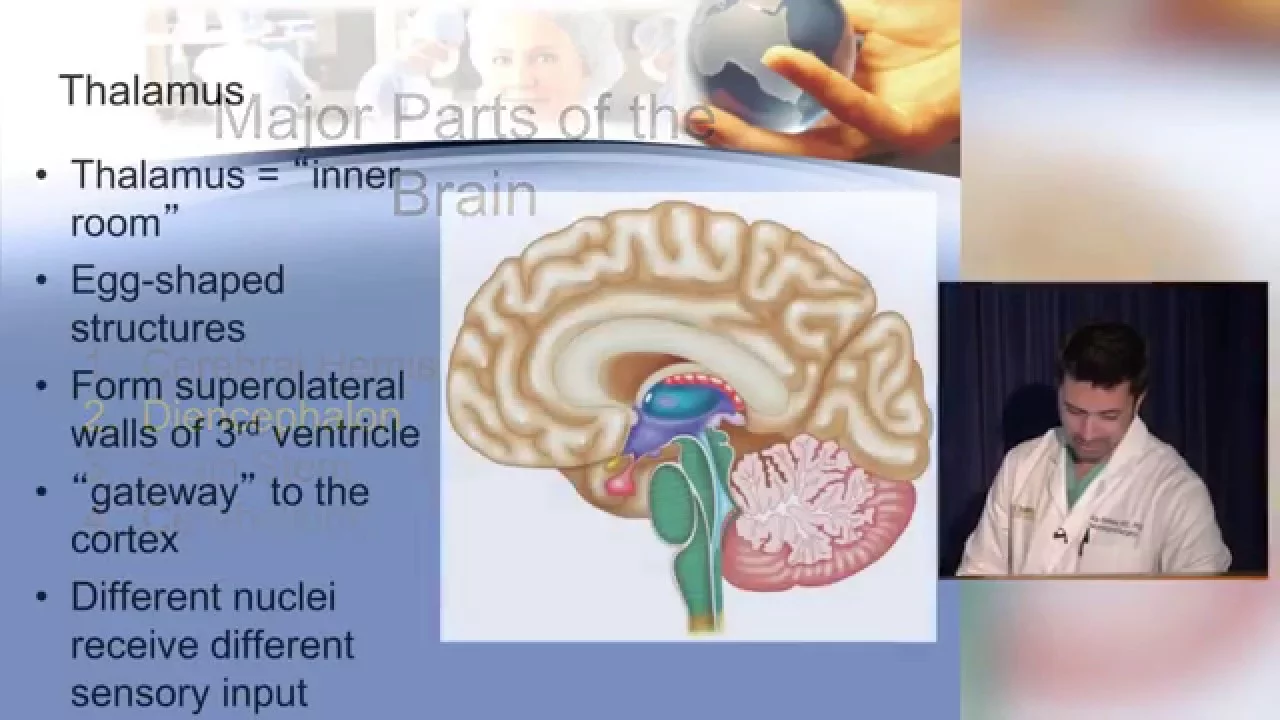
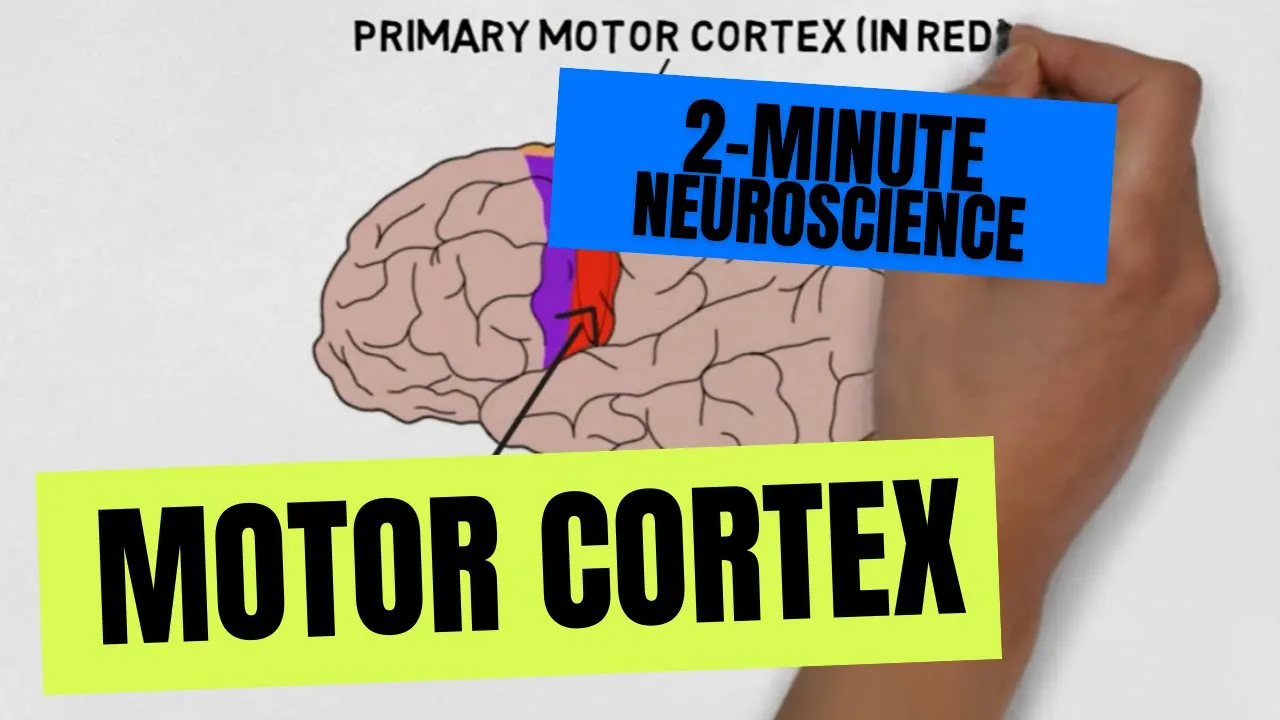
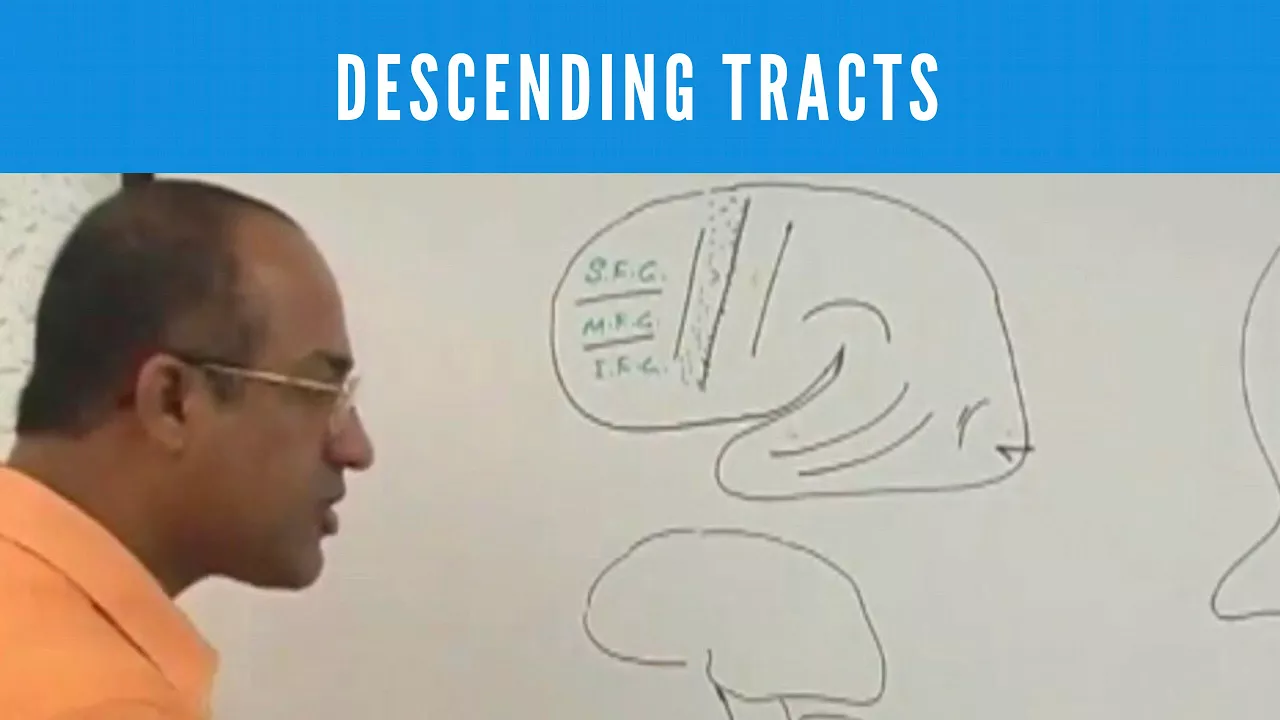
Added:Basic Neuroanatomy of the Motor Cortex: Understanding how the human brain plans, controls, and executes voluntary physical movements.
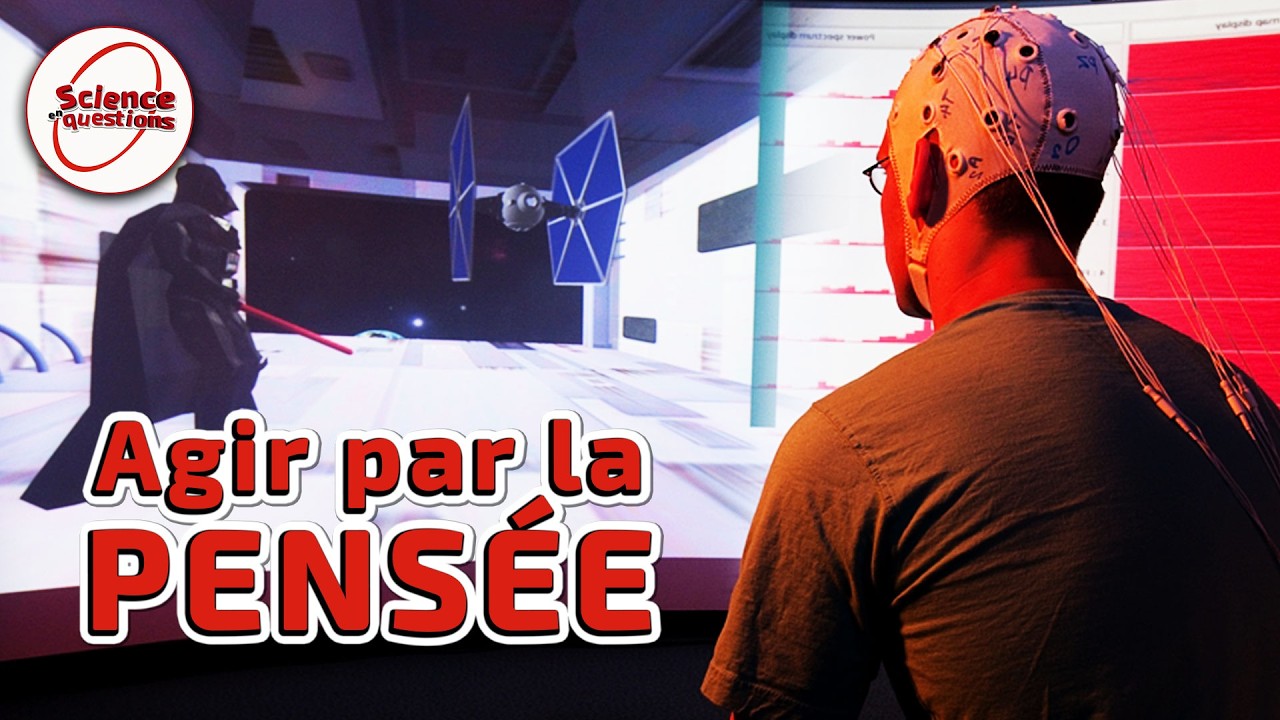
Fundamentals of Brain-Computer Interfaces (BCIs): Distinguishing between invasive neural implants (like microelectrode arrays) and non-invasive methods (like EEG).
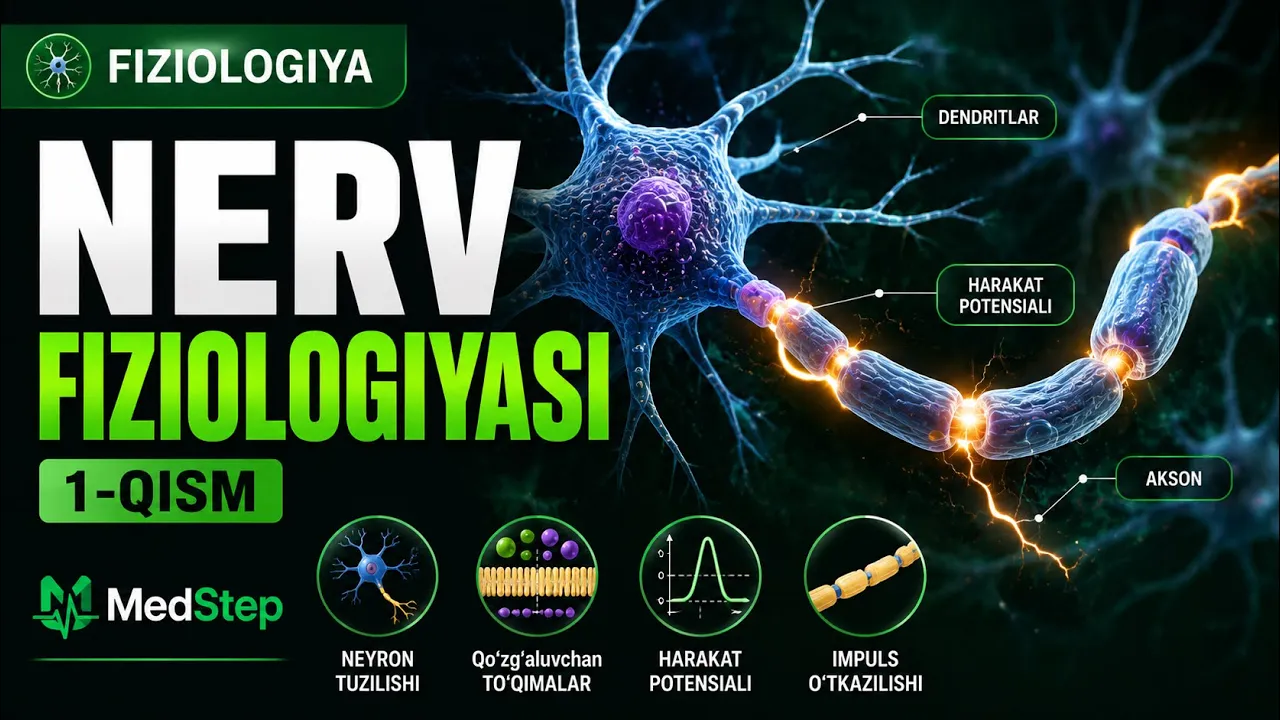
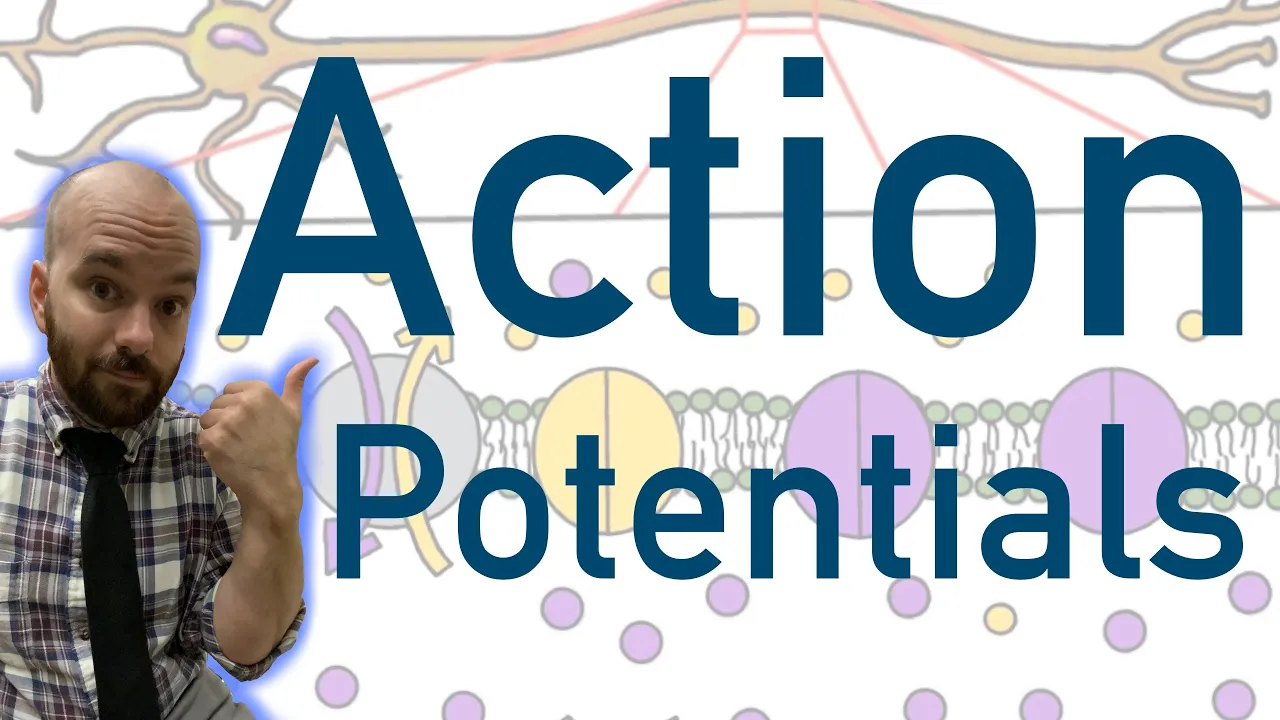
Neural Signaling and Action Potentials: How individual neurons generate electrical signals and how these signals can be recorded extracellularly.
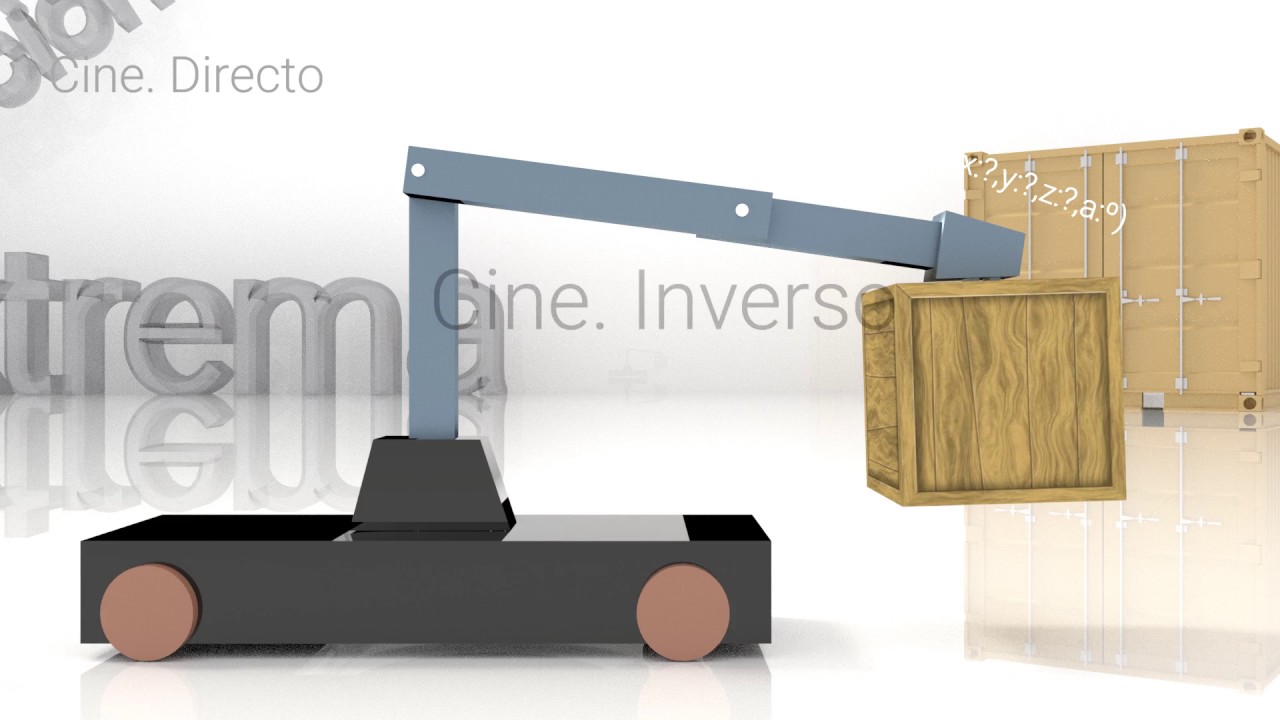
Basic Robotics and Kinematics: How electronic actuators, joints, and control loops translate digital commands into physical reach-and-grasp movements.
Closed-Loop BCIs and Sensory Feedback: Exploring how bidirectional interfaces write sensory information back to the somatosensory cortex to simulate the sensation of touch.
Advanced Neural Decoding Algorithms: Investigating how machine learning models and mathematical decoders translate complex neural firing rates into precise velocity vectors.
Neuroplasticity in BCI Adaptation: Analyzing how the brain structurally reorganizes itself and learns to control external prosthetic devices more efficiently over time.
Ethical, Regulatory, and Neuroprivacy Challenges: Examining the safety standards, FDA approval processes, and ethical concerns regarding permanent neural implants and neural data privacy.
327.3K views2Klikes3:31Original Release: 2012-05-16
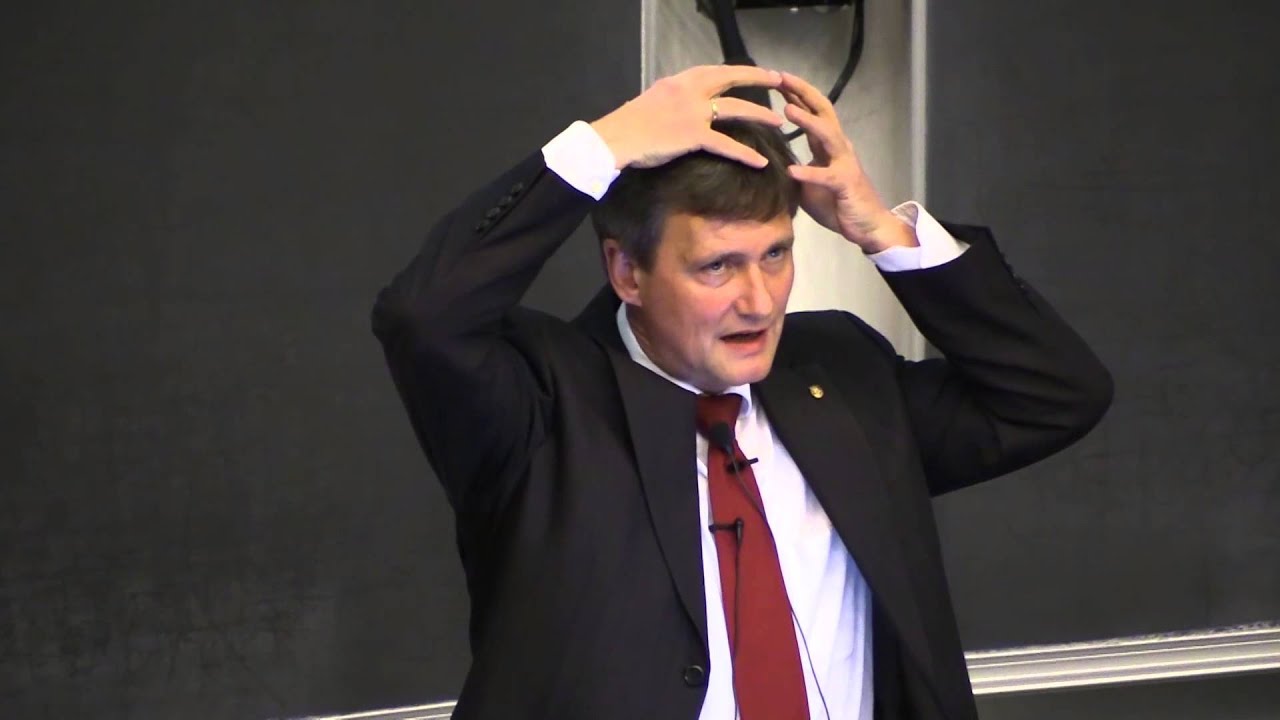
In this paper, two people with tetraplegia - that is two people who were unable to move their arms or their legs in any functional useful way - were able to control a prosthetic or a robotic arm simply by thinking about the movement of their own paralyzed hand.
And they did that using the investigational BrainGate neural interface system.
They thought about using their own arm and hand as though they were reaching out themselves with their own limb, and the robotic arm moved much the way their own arm would have moved.
One of the longstanding questions not only in neuroscience but in neuro-rehabilitation, is whether the cells in the motor cortex and other parts of the brain - whether they continue to function the same way years after that original injury.
It is possible for people to use their thoughts to control devices, either a computer or a robotic arm. The way that happens is that we implant a tiny sensor, just about the size of a baby aspirin just into the surface of the brain. And that sensor picks up the electrical impulses from a bunch of neurons.
And each of those little neurons are like radio broadcast towers putting out impulses and when they get to the outside, a computer translator converts the pattern of pulses into something that is a command.
One of our participants was able to do something that when all of us saw it for the first time it gave us all pause.
She reached out with the robotic arm, she thought about the use of her own hand, she picked up a thermos of coffee, brought it close to her, tilted it towards herself and sipped the coffee from a straw.
That was the first time in nearly 15 years that she had picked up anything and been able to drink from it solely of her own volition.
There was a moment of true joy, true happiness. Beyond the fact that it was an accomplishment - I think an important advance in the entire field of brain-computer interfaces - that it was really a moment where we helped somebody do something that they had wished to do for many years.
This is the culmination of more than a decade of work beginning with science at Brown University that laid the foundation for all of the translational work that led from monkeys playing video games using their thoughts to humans being able to control a cursor in 2006, ultimately to today's accomplishments.
This kind of research can only happen when institutions come together and bring together teams of scientists and engineers and physicians to work closely together to create the ultimate device – one that works 24 hours a day, seven days a week works perfectly every time and works for a lifetime.
That's where were all headed and we still have some distance to get there, but to know that it's possible makes all of us quite encouraged about the future.
Up Next

104:41
Neuralink's Brain-Machine Interface: Science and Vision Explained
@neuralink
1.7M views•2019-07-17

12:54
Triumph of Orthodoxy Icon: Byzantine Art & History Explained
@BenCallan
2.1K views•2024-08-06

9:49
FastAPI vs Flask vs Django: Choosing the Right Python Web Framework
@TechWithTim
302.5K views•2024-05-26

1:42
Game of Thrones Opening Credits: A Cinematic Analysis
@gameofthrones
46.3M views•2011-04-18
Related Study Plans & Knowledge Roadmaps
Structured learning paths in General & Interdisciplinary Studies
general-studies
Elevator Engineering: History, Physics & Cities
01From Hoists to Safety Brakes: The Dawn of Vertical Lift
02Hydraulic vs. Traction: The Engineering Physics of Elevators
03Modern Speed, Safety, and Algorithms
+ 2 more learning modules
12h5 modules
Explore Roadmap
general-studies
Rubber: Material Science, History & Geopolitics
01Origins of Natural Rubber & Mesoamerican History
02The Chemistry of Natural Rubber & Vulcanization
03The Geopolitics of the Rubber Boom & Colonization
+ 2 more learning modules
12h5 modules
Explore Roadmap
general-studies
Containerization: Evolution, Logistics & Trade
01Ancient Trade & Bulk Cargo: Amphorae to Barrels
02The Industrial Revolution & Cardboard Packaging
03The Containerization Revolution: Malcom McLean
+ 2 more learning modules
12h5 modules
Explore Roadmap
general-studies
Textile Tech: Evolution, Labor & Global Impact
01Pre-Industrial Textiles: Handloom & Cottage Industry
02Mechanization: The Spinning Jenny to the Power Loom
03The Factory System & Global Labor Transformation
+ 2 more learning modules
10h5 modules
Explore Roadmap