


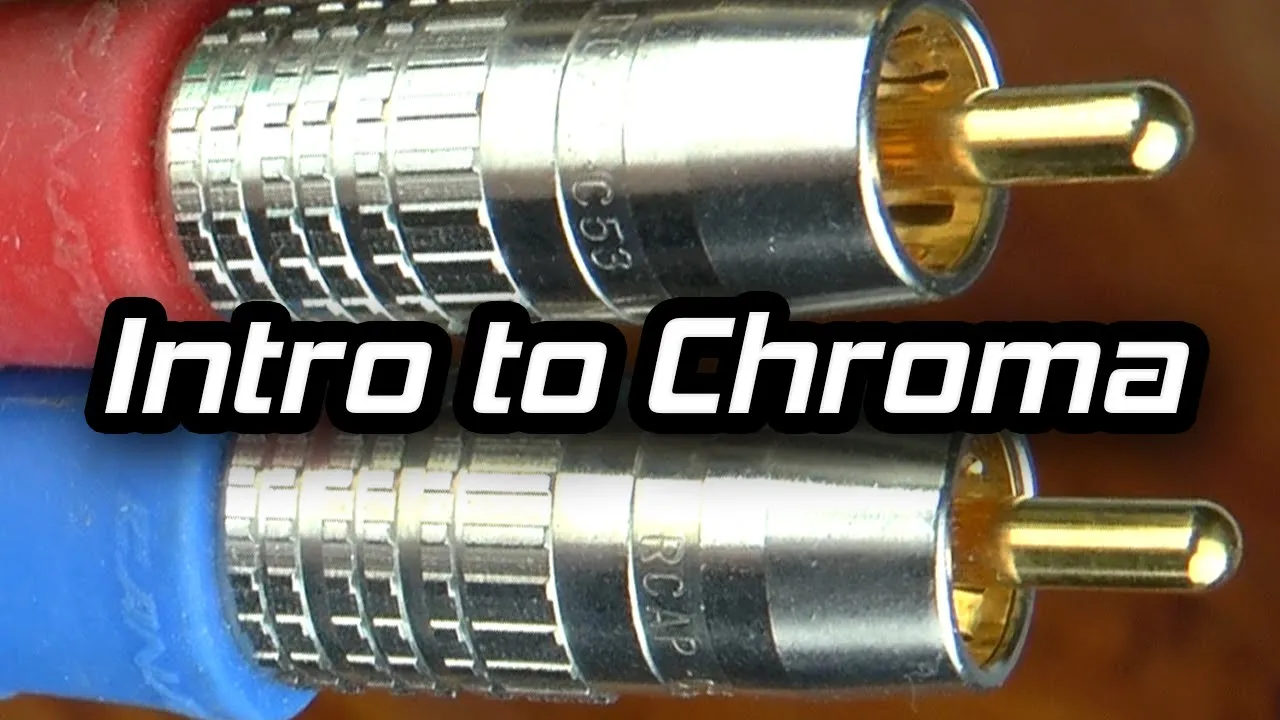















A ROV video system can be constructed using a 700TVL camera with BNC output, a composite-to-VGA converter, and a repurposed laptop LCD screen, with the video signal transmitted through a tether via RCA cables and converted for display on a surface monitor.
Building a Cost-Effective ROV Video System with a 700TVL Camera
Added:Basic DC electronics and power distribution: Understanding voltage matching, polarity, and current requirements for powering diverse components (camera, converter, monitor) from a common power source.
Analog video signal standards: Familiarity with composite video (CVBS), NTSC/PAL signal formats, and how resolution is defined by Television Lines (TVL).
Display hardware fundamentals: Understanding how laptop LCD panels interface via internal connections (like LVDS) and the role of third-party LCD controller boards in repurposing them.
Basic wire splicing and soldering: Knowing how to safely join, insulate, and waterproof electrical connections for custom cabling.
Signal attenuation over long tethers: Studying how analog video signals degrade over long distances underwater and how to use video baluns or twisted-pair transmitters to maintain signal integrity.
On-Screen Display (OSD) integration: Learning how to overlay real-time telemetry data (such as depth, heading, temperature, and battery voltage) onto the live video feed.
Transitioning to digital HD video systems: Exploring low-latency digital video transmission solutions, such as IP cameras, Raspberry Pi systems, or specialized HD video links, to improve image quality.
Underwater optics and housing design: Analyzing the physics of light refraction at water-to-air interfaces and designing optically correct waterproof enclosures for camera systems.
3.2K views39likes3:39Original Release: 2013-11-17
hi there this is a video about my rov video system it is based around a 700 tbl pcb board camera there's a shot of the markings and the output from that is a bnc connector 75 ohm and there's a bnc2 rc adapter and then an rca cable for the video feed composite it's powered by 12 volts standard wall outlet and the rca feed ntsc actually composite video goes into this converter which converts video composite video to vga powered by five volts at one amp and it feeds into this controller board for a laptop display screen 15 inch which will go in my surface controls unit whoops there and so this that controls the monitor there's a standard array of buttons you know menu up down volume that type of thing and then a converter so you can see on screen um the camera let's see the there's the bnc connector we talked about more wires there's a converter power supply there's the little button board control board and all that right there like i said this does have an on-screen display menu so once i activate that you have some settings for the camera that you can adjust the lens shutter white balance you can do a backlight balance and there's a bunch of other settings you can go through and just some just some stuff if you want to change it and let's see so we go back uh white balance is a little bit off right now but you can let's not do that white balance anyway is a little bit off as you can probably tell but i think it's fine for now and other than that that's about all it is uh camera was about 30 bucks the vga converter was 15 or something and the video board setup was 50 bucks probably the controller board and the monitor was free of course so um 80 90 bucks something like that for this video setup and the tether for my rov will be this connection right here basically so you'll have video out go to a bailin and they'll be the tether which will be about 150 feet or so 200 300 i don't know yet and then rca out on the top once it's been once it's gone over the length of the tether and then that'll go through this the converter and then onto the video screen so if you have any questions don't don't hesitate to leave them in the comments and thanks for watching
Up Next

33:13
DJI Avata FPV Drone Review: Performance, Goggles, and Durability
@RotorRiot
125.8K views•2022-08-25

12:54
Triumph of Orthodoxy Icon: Byzantine Art & History Explained
@BenCallan
2.1K views•2024-08-06

9:49
FastAPI vs Flask vs Django: Choosing the Right Python Web Framework
@TechWithTim
302.5K views•2024-05-26

1:42
Game of Thrones Opening Credits: A Cinematic Analysis
@gameofthrones
46.3M views•2011-04-18
Related Study Plans & Knowledge Roadmaps
Structured learning paths in General & Interdisciplinary Studies
general-studies
Elevator Engineering: History, Physics & Cities
01From Hoists to Safety Brakes: The Dawn of Vertical Lift
02Hydraulic vs. Traction: The Engineering Physics of Elevators
03Modern Speed, Safety, and Algorithms
+ 2 more learning modules
12h5 modules
Explore Roadmap
general-studies
Rubber: Material Science, History & Geopolitics
01Origins of Natural Rubber & Mesoamerican History
02The Chemistry of Natural Rubber & Vulcanization
03The Geopolitics of the Rubber Boom & Colonization
+ 2 more learning modules
12h5 modules
Explore Roadmap
general-studies
Containerization: Evolution, Logistics & Trade
01Ancient Trade & Bulk Cargo: Amphorae to Barrels
02The Industrial Revolution & Cardboard Packaging
03The Containerization Revolution: Malcom McLean
+ 2 more learning modules
12h5 modules
Explore Roadmap
general-studies
Textile Tech: Evolution, Labor & Global Impact
01Pre-Industrial Textiles: Handloom & Cottage Industry
02Mechanization: The Spinning Jenny to the Power Loom
03The Factory System & Global Labor Transformation
+ 2 more learning modules
10h5 modules
Explore Roadmap