










![[분석화학] NMR Spectroscopy - NMR J-coupling의 계산 및 이를 이용한 구조 해석](https://i.ytimg.com/vi/GyB1g9oRxYY/hqdefault.jpg)


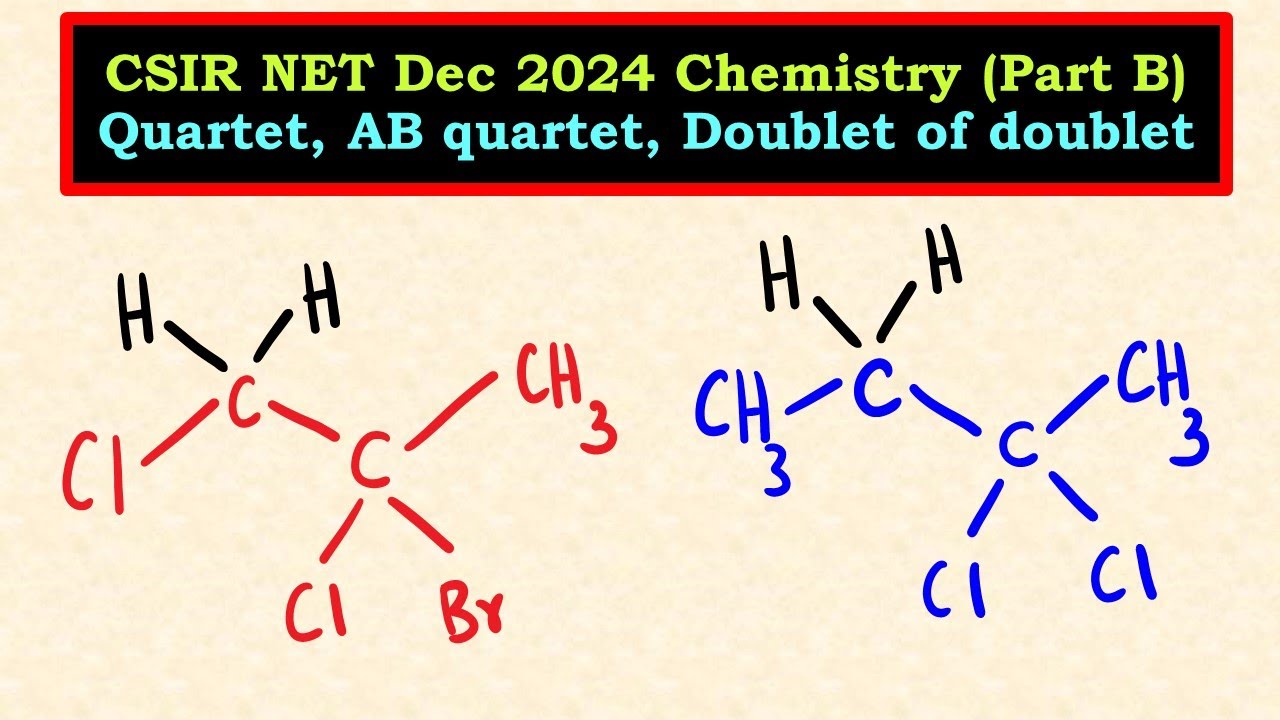

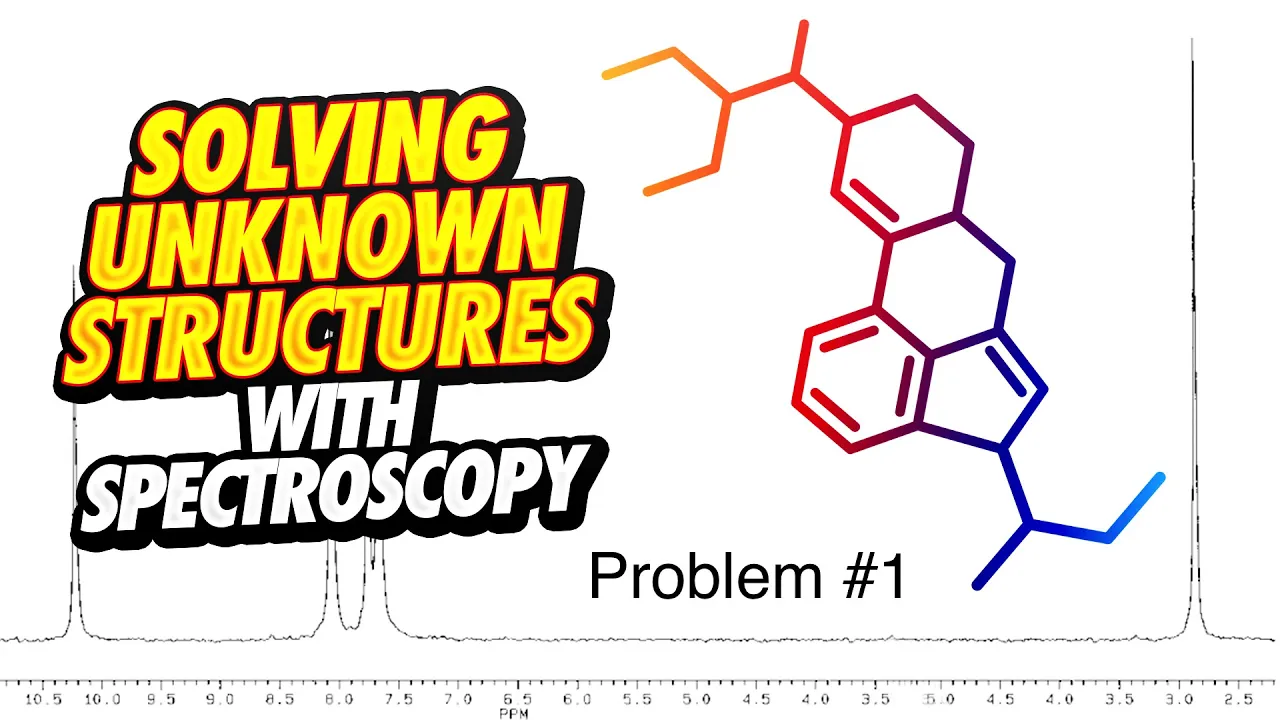



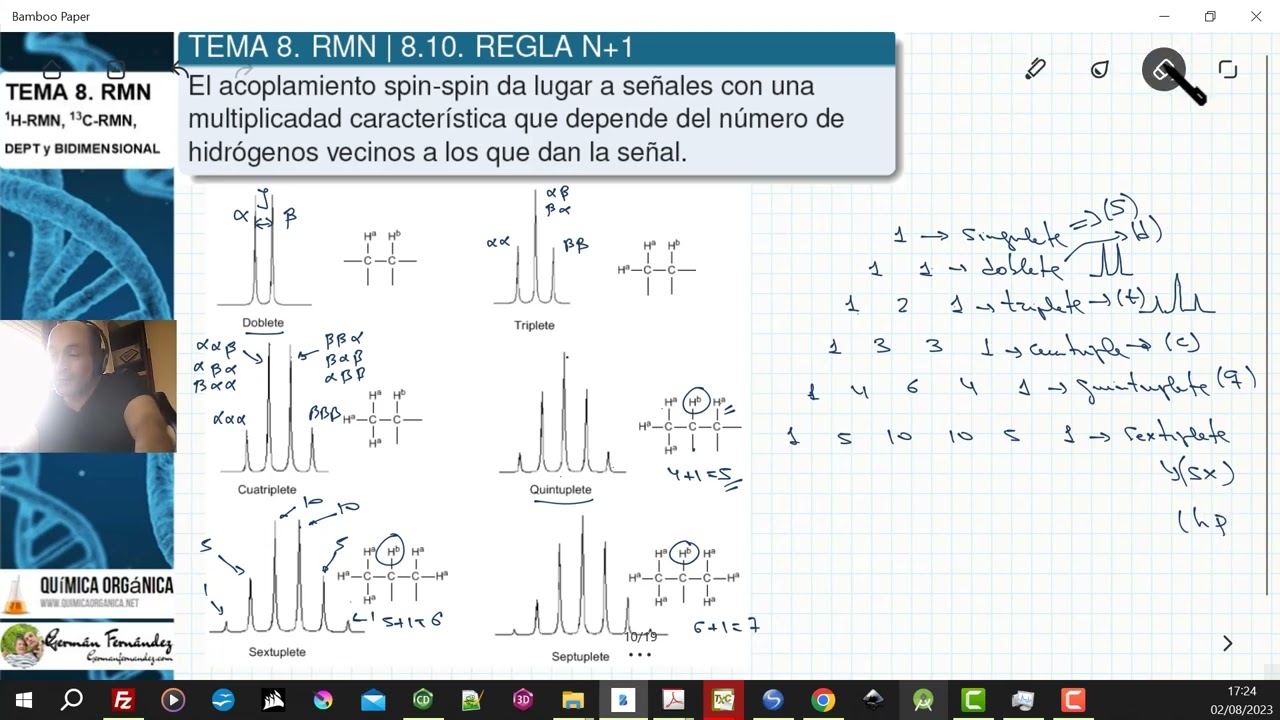
In proton NMR spectroscopy, spin-spin splitting (or coupling) occurs when neighboring protons interact through their magnetic moments, causing a single signal to split into multiple peaks; the number of peaks follows the (n+1) rule where n represents the number of equivalent neighboring protons, with the intensity distribution following Pascal's triangle (e.g., coupling to one proton produces a doublet, coupling to two equivalent protons produces a triplet).
Spin-Spin Splitting in Proton NMR Spectroscopy Explained
Added:Basic principles of Nuclear Magnetic Resonance (NMR) spectroscopy, including nuclear spin and resonance in an external magnetic field.
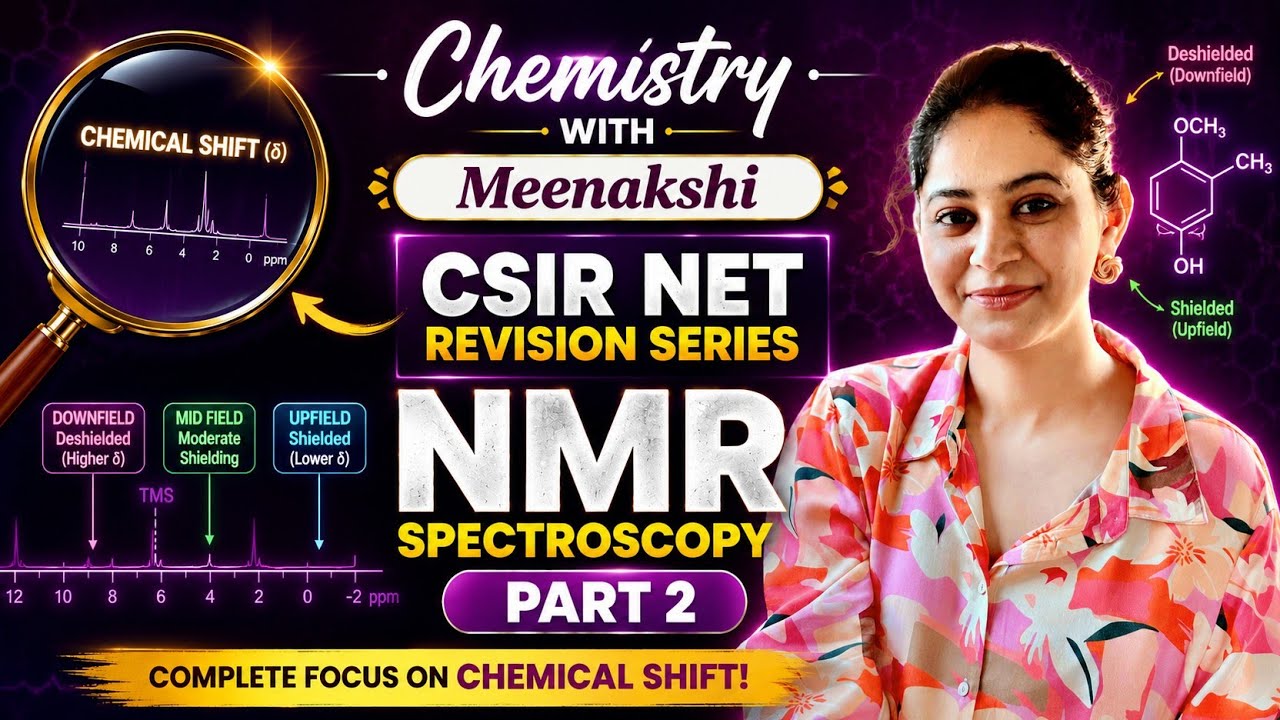
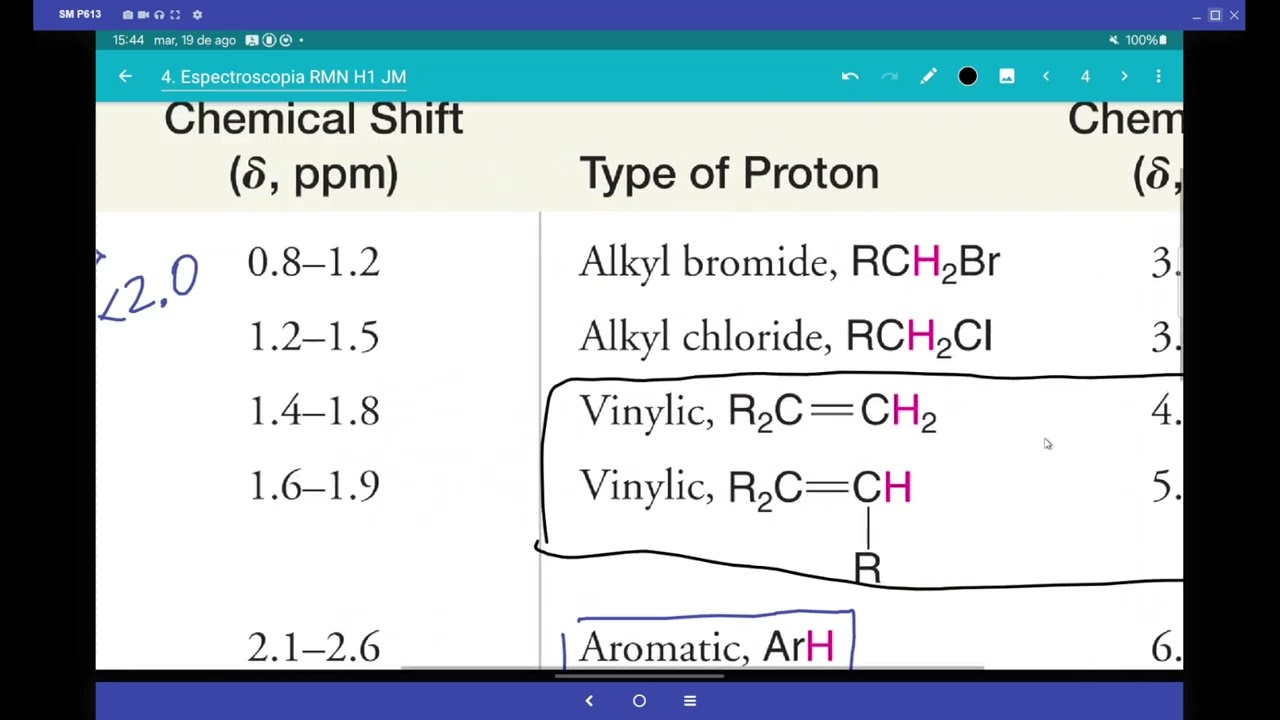
The concept of chemical shift, shielding, and deshielding of protons in different chemical environments.
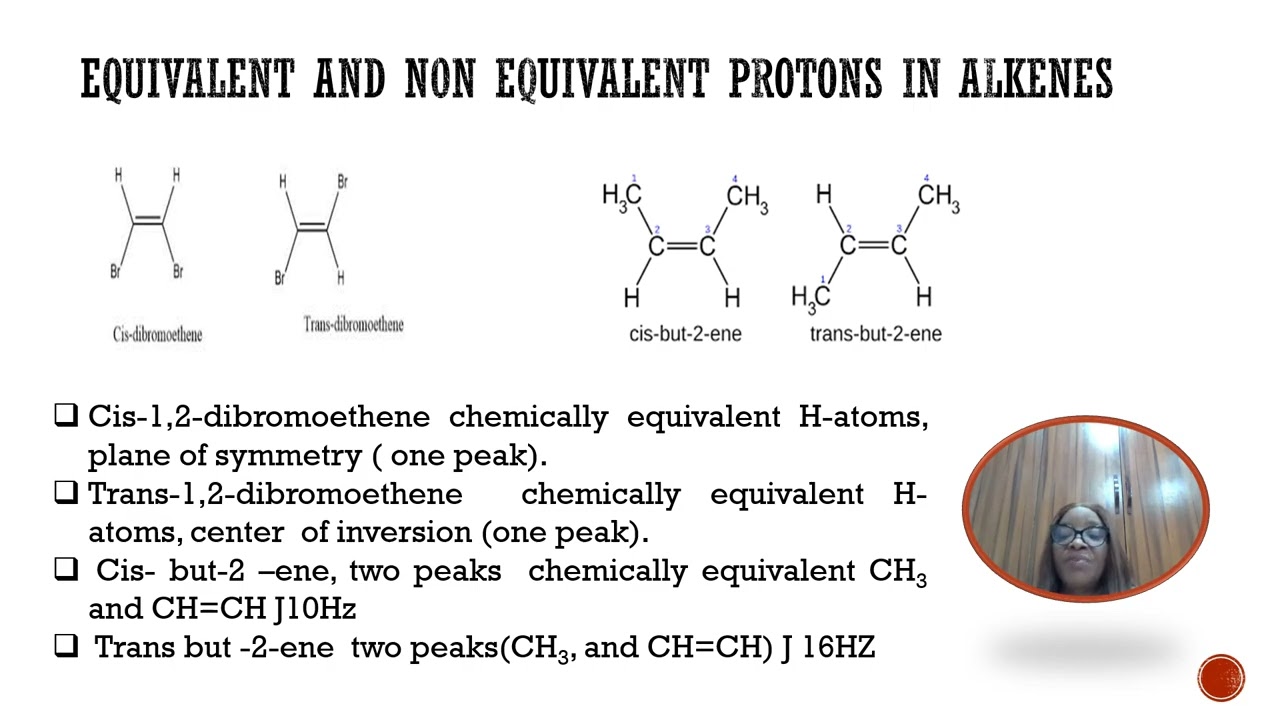
How to identify chemically equivalent versus non-equivalent protons in an organic molecule.
The significance of peak integration (peak area) and how it relates to the number of hydrogen atoms representing a signal.
Application of the N+1 rule and Pascal's Triangle to predict and analyze complex splitting patterns like quartets, quintets, and multiplets.
Understanding and calculating coupling constants (J-coupling in Hertz) to determine spatial relationships and molecular conformation.
Analyzing non-first-order splitting patterns, including doublets of doublets (dd) and the effects of diastereotopic protons.
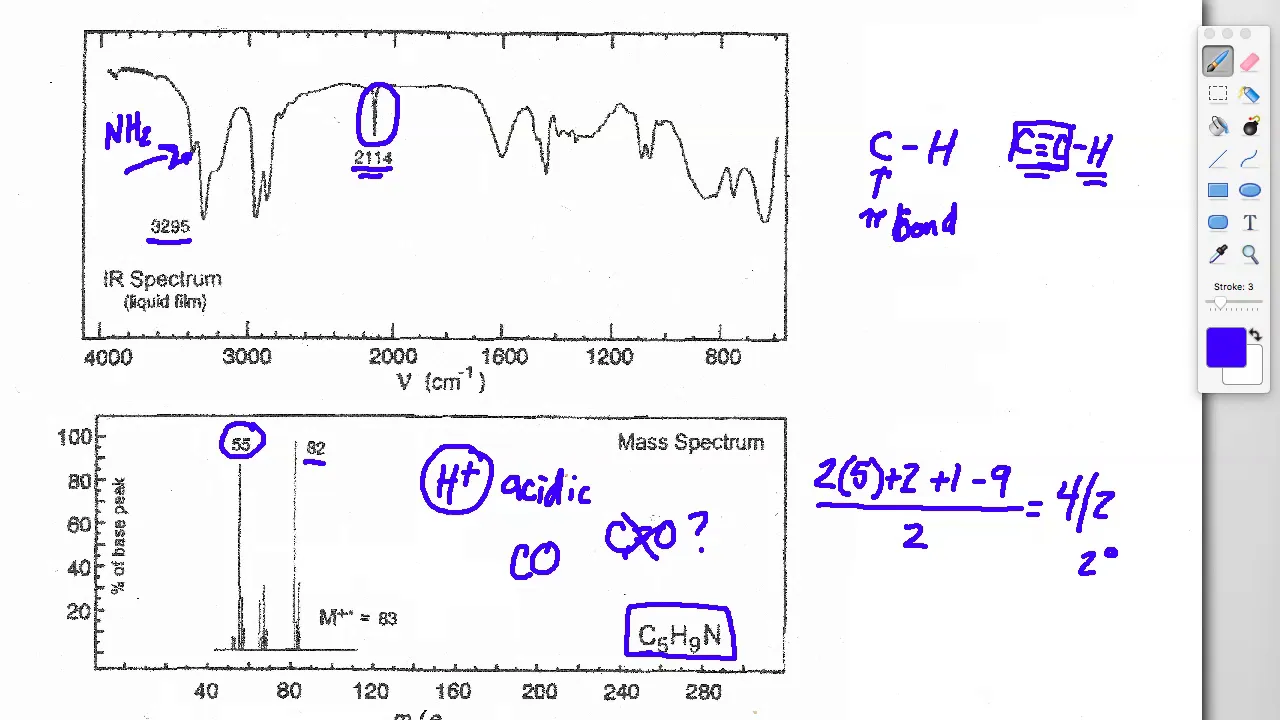
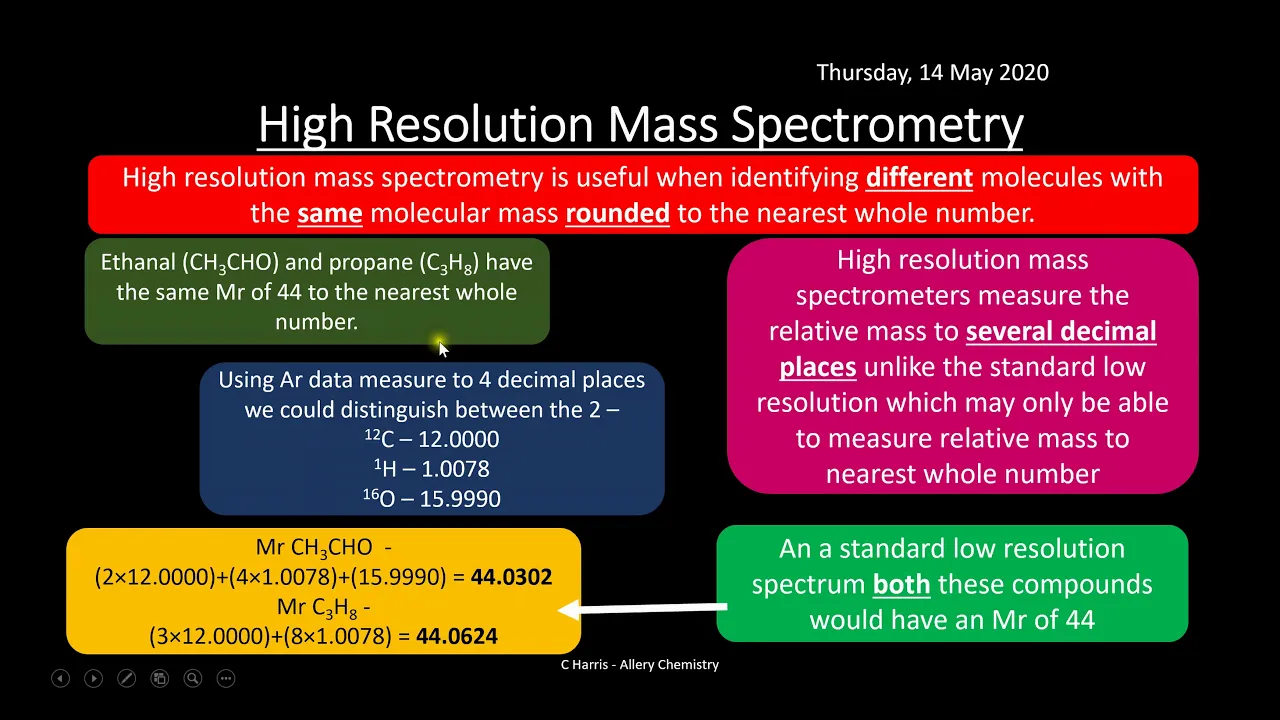
Utilizing proton NMR spectra in combination with IR and Mass Spectrometry for complete structure elucidation of unknown organic compounds.
Introduction to Carbon-13 (13C) NMR spectroscopy and heteronuclear coupling (e.g., proton-fluorine or proton-phosphorus coupling).
356.5K views1.3Klikes12:22Original Release: 2014-07-26
- [Voiceover] If we look at this molecule, we would expect three signals on an NMR spectrum.
So this proton has a chemical shift of 7.25 parts per million.
This proton is in a slightly different environment and so we get a slightly different chemical shift at 6.7.
This three protons are equivalent and therefore, they give us one signal at a chemical shift of 3.9 parts per million.
So based on what we know so far, we would expect the top NMR spectrum.
So these three protons give us a signal at a shift of 3.9.
So that would be this signal right here.
Let's make the next proton red.
So this proton right here in red has a shift of 6.7 so we would expect this signal.
And then the last proton here I'll make it blue.
This one is at 7.25.
So this is the expected NMR spectrum based on what we know so far but this is not the actual NMR spectrum.
So the actual NMR spectrum is this one down here.
We still see this one signal with one peak for the protons in green.
But if we look at the signal for the red proton, so on the top version we had one signal with one peak.
In the bottom version here, that one signal has been split into two peaks.
Let me go ahead and highlight those.
So there's one peak and then there's the other peak.
So the signal was split into two peaks.
The exact same thing happened for the proton in blue.
So we had one signal with one peak in the top version and down here that signal for the blue proton was split into two peaks.
So we call this spin-spin splitting or spin-spin coupling and let's look in more detail about what's happening with that red and the blue proton.
So let me go down here.
We have some more room.
Let's go ahead and draw in the spectrum with no interaction between the proton.
So the first version that we talked about we expected one signal with one peak at 6.7 parts per million.
That was the proton in red.
And then we expected one signal with one peak at 7.25 parts per million and that was the proton in blue.
So this top version here is the spectrum with no interaction between our two protons.
But in reality there is an interaction because remember the red proton, the magnetic moment of the red proton can be up or down.
It can be aligned with the external magnetic field or it can be aligned against the external magnetic field.
So the red proton has a magnetic moment or a magnetic field that's going up or it's going down.
Let's think about the example where the magnetic moment or the red proton is aligned with the external field first.
We have our red proton and let's say the magnetic moment is aligned with the external magnetic field.
Let me go ahead and draw in the external magnetic field like that.
We called this B knot.
And these two vectors are going in the same direction.
So the magnetic field, the red proton adds to the external magnetic field and let me go ahead and draw in a larger vector here because now the effective magnetic field felt by the blue proton has increased.
So the effective magnetic field is larger than the applied magnetic field because the red proton's magnetic field is adding to it.
And so the proton in blue feels a larger effective magnetic field.
And remember what that does, the energy difference between the alpha and the beta spins states.
If you increase the magnetic field you increase the difference in energy between the alpha and the beta spin states.
Therefore, you get a higher frequency signal and a higher chemical shift than expected.
So this has the effect of increasing the shift, the chemical shift for the blue proton.
We can draw in the blue proton at a higher chemical shift than expected.
All right, let's do the same sort of thing except this time let's think about the red proton's magnetic moment aligned against the applied magnetic field.
So this is the situation where the magnetic field of the red proton is going down.
That's in the opposite direction of the applied magnetic field.
So I draw in the applied magnetic field here.
And so, the red proton's magnetic field is going to cancel out some of that external magnetic field and the proton in blue feels a smaller effective magnetic field.
So I'm exaggerating here just to get the point across.
But the proton in blue feels a smaller effective magnetic field that decreases the energy difference between the alpha and the beta spin states.
Therefore, you get a lower frequency signal and a lower value for the chemical shift than expected.
So a lower value for the chemical shift for the blue proton.
So I go ahead and draw in the signal for the blue proton at a lower value for the chemical shift.
And so, the end result is the signal for the blue proton is split into two.
The signal for the blue proton is split into two because of the two different magnetic fields of the red proton.
The blue proton also has a magnetic field pointing up or down and so the blue proton splits the signal for the red proton in the same way.
So we can go ahead and draw, we can go ahead and draw the red proton being split in the same way.
This down here represents the spectrum of where both protons are coupled to each other.
We call this coupling.
And so we end up seeing the signal split into two different peaks which we call a doublet.
Let me go over here and let's look at our protons again.
The proton in red is split into two peaks.
The signal is split into two peaks like we talked about here.
And the proton in blue, the signal is split into two peaks like this which we talked about right here.
That's the idea of spin-spin splitting.
Next we're gonna look at another example which is just a little bit more complicated but uses this exact same idea.
Let's look at this molecule.
So this proton has a chemical shift of 5.77 parts per million.
And the protons here in red are equivalent and we would expect a signal at 3.95 parts per million.
So we expect a signal due to two protons at 3.95.
This represents two protons here and we expect a signal for one proton at 5.77.
This signal isn't as intense because it's only representing one proton.
If the red and blue protons did not interact with each other, we would expect that this for the proton NMR spectrum but they do interact with each other.
And so we need to think about the magnetic moments of the two red protons.
I could think about the first red proton having a magnetic moment that's pointing up and the second red proton having a magnetic moment that's also pointing up.
So this is one possible combination of magnetic moments.
Another possible combination, I could have the first red proton having a magnetic moment pointing up and the second red proton having a magnetic moment pointing down.
Or the first proton can be pointing down and the second proton pointing up.
That's two more possible spin combinations.
The last possible spin combination would of course be the first protons magnetic moment is down and so is the second protons.
This represents the possible combinations of magnetic moments or magnetic fields for the two protons in red.
Let's take the first possible combination.
Let's think about both protons having magnetic moments pointing up.
Let's say our applied magnetic field, our external magnetic field points in the same direction.
When you think about the magnetic field experienced by the proton in blue, we would add the magnetic fields for the protons in red.
And so the effective magnetic field is increased, it's higher than the applied magnetic field.
So we've increased the magnetic field experienced by the proton in blue.
Therefore, increasing the energy difference between your alpha and your beta spin states increasing your frequency, and we get a higher chemical shift.
So we get a higher value for the chemical shift.
We could think about the chemical shift being higher.
Let me go ahead and draw that in like that.
So past 5.77.
Let's look at the next two possible combinations.
So this one and this one.
We had magnetic moment up for the first proton, magnetic moment down for the second proton, and then down for the first and up for the second.
What effect do those magnetic fields have on the effective magnetic fields felt by the proton in blue?
Well, let's think about the first combination.
So this combination right here.
We have one, one magnetic field up, one magnetic field down, they would cancel.
Same thing with this combination, one down and one up.
Those magnetic fields cancel.
And so, the effective magnetic field felt by the proton in blue is equal to the external magnetic field because the magnetic fields of the protons cancel each other out.
And so we would expect, we would expect a signal at the proper, at the correct chemical shift.
We would expect a signal at the correct chemical shift at 5.77 and this signal is actually going to be more intense than this signal and that's because of probability.
There's a greater probability of having one of these combinations of magnetic fields than having this combination.
So twice the probability gives you a doubly intense signal at the correct chemical shift.
Finally, let's look at the last combination.
So both magnetic fields pointing down.
Both magnetic fields for the protons in red pointing down and we have our applied magnetic field pointing up.
The effective magnetic field felt by the proton in blue is smaller.
So we have a smaller value for the effective magnetic field.
So we've decreased the magnetic field felt by the proton in blue.
Decrease in the energy difference, decrease in the frequency, decreasing the chemical shift, right?
So we'd expect a lower chemical shift.
So we can go ahead and draw in a lower chemical shift so like that.
Let's think about this signal up here.
We said we'd expect one signal for the proton in blue but that one signal is affected by the magnetic fields of the different protons in red.
And the possible combinations of the magnetic moments of the red protons take the signal for the proton in blue and give you three peaks.
So we have one peak at a higher chemical shift, one peak of double intensity at the correct chemical shift, and one peak of lower intensity.
And so, if we look at the NMR spectrum, so this is the signal for the proton in blue.
The signal is split into three peaks, one, two and three and we call this a triplet.
This is a triplet.
What about the protons in red?
The protons in red are affected by the magnetic field of the proton in blue.
And the magnetic field of the proton in blue can be aligned either with the external magnetic field or against the external magnetic field.
It's like the previous example we saw.
Two possible magnetic fields for the proton in blue therefore, the signal for the protons in red is split into two.
So we get a signal for the protons in red split into two, I'm attempting to draw that here.
The signal is split into two peaks.
The signal for the protons in red is split into two peaks and we call this a doublet.
All right.
More about spin-spin splitting in the next video.
Up Next

7:55
Complex Splitting in NMR Spectroscopy Explained
@readysetorgo
372K views•2014-07-28
83:56
Biocatalysis and Catalysis in Islatravir Synthesis | Merck Webinar
@SCIwheresciencemeetsbusiness
675 views•2020-10-08

10:10
Properties of Ethers and Crown Ethers | Organic Chemistry
@readysetorgo
57.9K views•2012-09-19

17:31
Edible Water Bottles: A DIY Guide to Sodium Alginate Spherification
@ryan
10.5M views•2019-06-21
Related Study Plans & Knowledge Roadmaps
Structured learning paths in Chemistry
chemistry
Nuclear Chemistry: Decay, Meds & Fuel Cycle
01Introduction to Nuclear Structure and Radioactivity
02Decay Dynamics and Kinetics
03Radiation Interaction and Detection
+ 2 more learning modules
24h5 modules
Explore Roadmap
chemistry
Supramolecular Chemistry: Forces & Machines
01Foundations of Chemical Bonding and Intermolecular Forces
02Introduction to Host-Guest Chemistry
03Thermodynamics and Dynamics of Self-Assembly
+ 2 more learning modules
16h5 modules
Explore Roadmap
chemistry
Photochemistry: Excited States & Reactions
01Foundations of Light-Matter Interactions
02Molecular Orbitals and Electronic States
03Photophysical Processes and Jablonski Diagrams
+ 2 more learning modules
18h5 modules
Explore Roadmap
chemistry
Coordination Chemistry: Bonding & Properties
01Introduction to Transition Metals and Ligands
02Crystal Field Theory (CFT) and Geometry
03Magnetic Behavior and Spin States
+ 2 more learning modules
14h5 modules
Explore Roadmap