








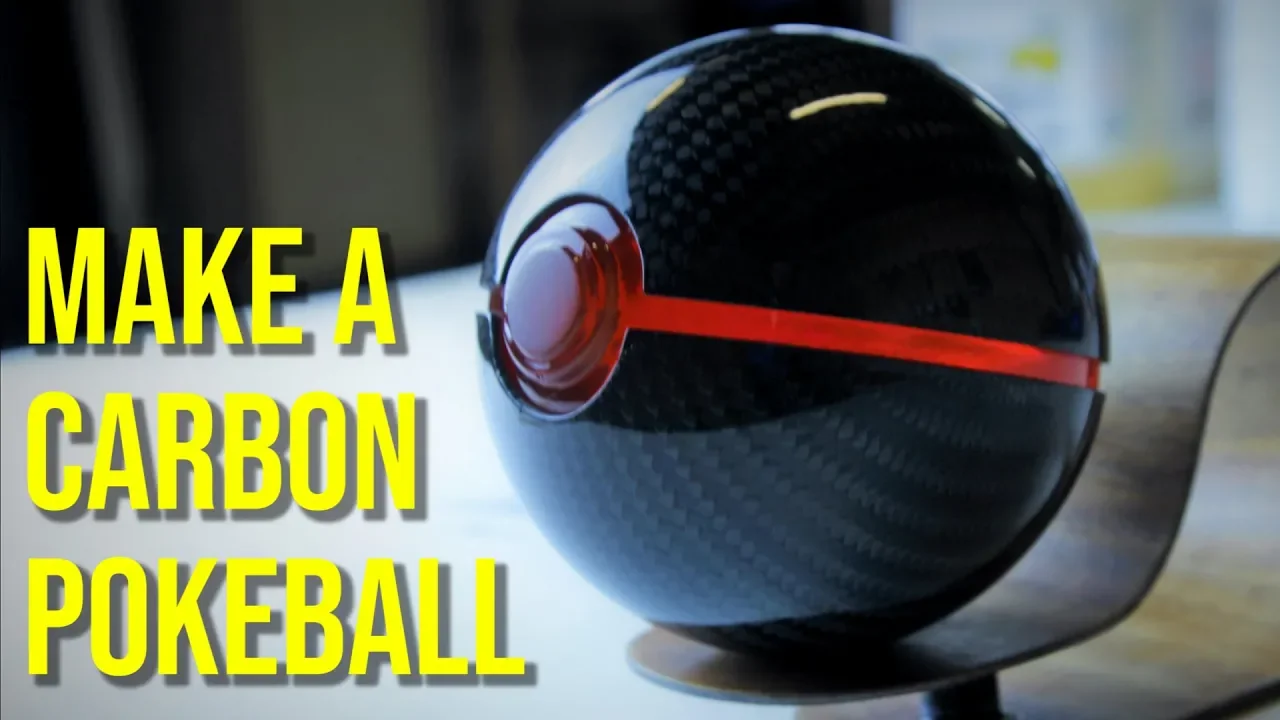




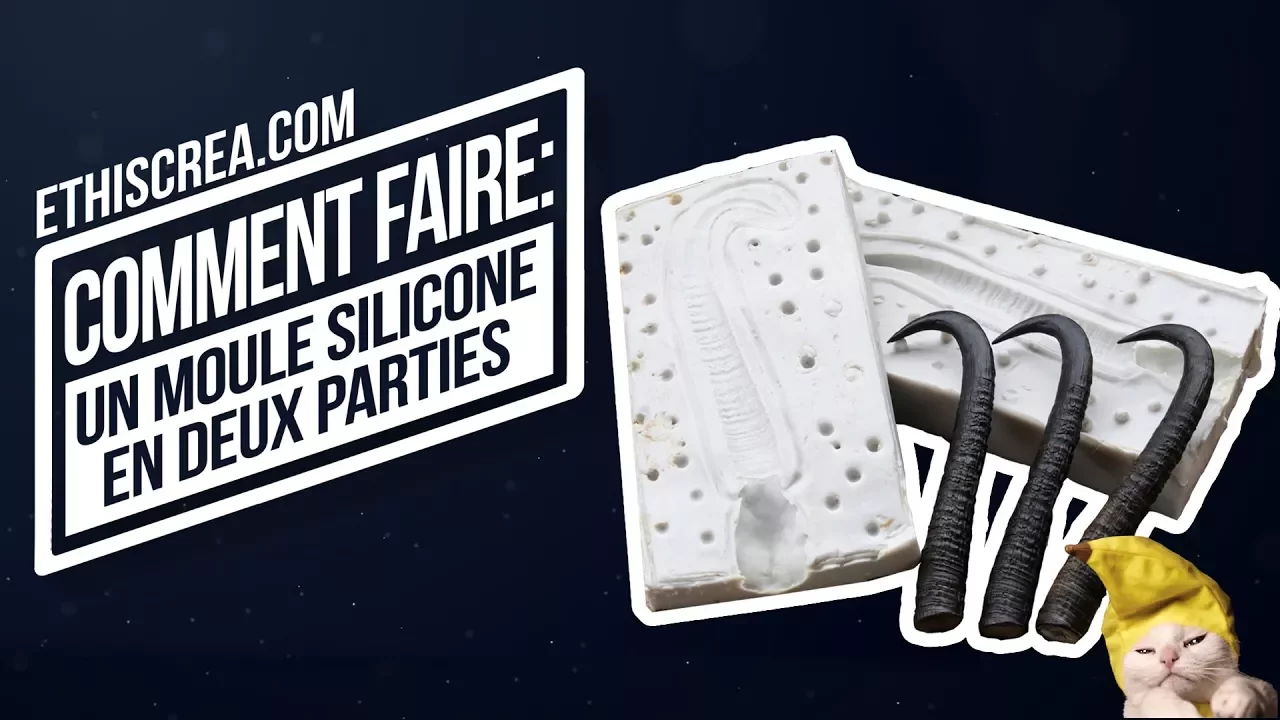



This video demonstrates how using a vacuum chamber to remove air bubbles from silicone and wax before curing creates significantly better molds and casts. The process involves placing the material in a vacuum chamber to extract trapped air, which results in a smooth, bubble-free surface. The video shows practical applications including making a wax Pokeball mold, where the vacuum degasification technique produced a dramatically smoother result compared to previous attempts. Additional tips include warming silicone in a microwave before pouring, rotating the mold while pouring wax to coat inner walls, and using a vacuum chamber after pouring wax to remove any remaining air bubbles.
DIY Silicone Mold Making: Wax Pokeball Casting with Vacuum Degassing
Added:Understanding of silicone chemistry, specifically the properties and mixing ratios of Room Temperature Vulcanizing (RTV) silicones.
The physical principles of vacuum and air pressure, including how reducing atmospheric pressure causes trapped air bubbles to expand and rise (Boyle's Law).
Basic concepts of mold design, including parting lines, draft angles, and the role of a master pattern or prototype.
Safety protocols for handling heated materials (molten wax) and operating vacuum degassing chambers safely.
Advanced casting techniques using alternative mediums like polyurethane resins, epoxy resins, or low-temperature metal alloys.
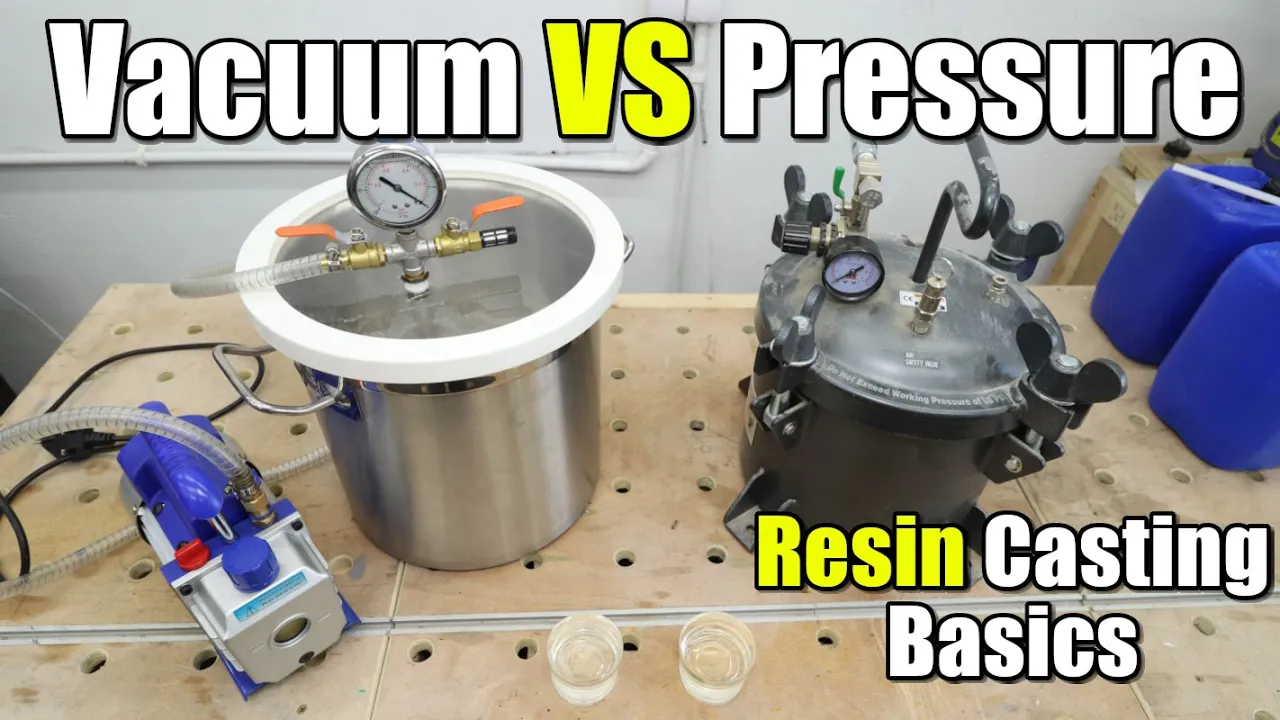
The comparative application of pressure pot casting versus vacuum degassing to eliminate micro-bubbles in dense polymers.
Designing complex, multi-part molds with integrated registration keys, pouring sprues, and air vents for intricate geometries.
Introduction to industrial manufacturing scale-up, such as injection molding, rotational molding, and soft tooling for prototyping.
2.7M views52.4Klikes8:29Original Release: 2017-01-31
Hey guys we're back.
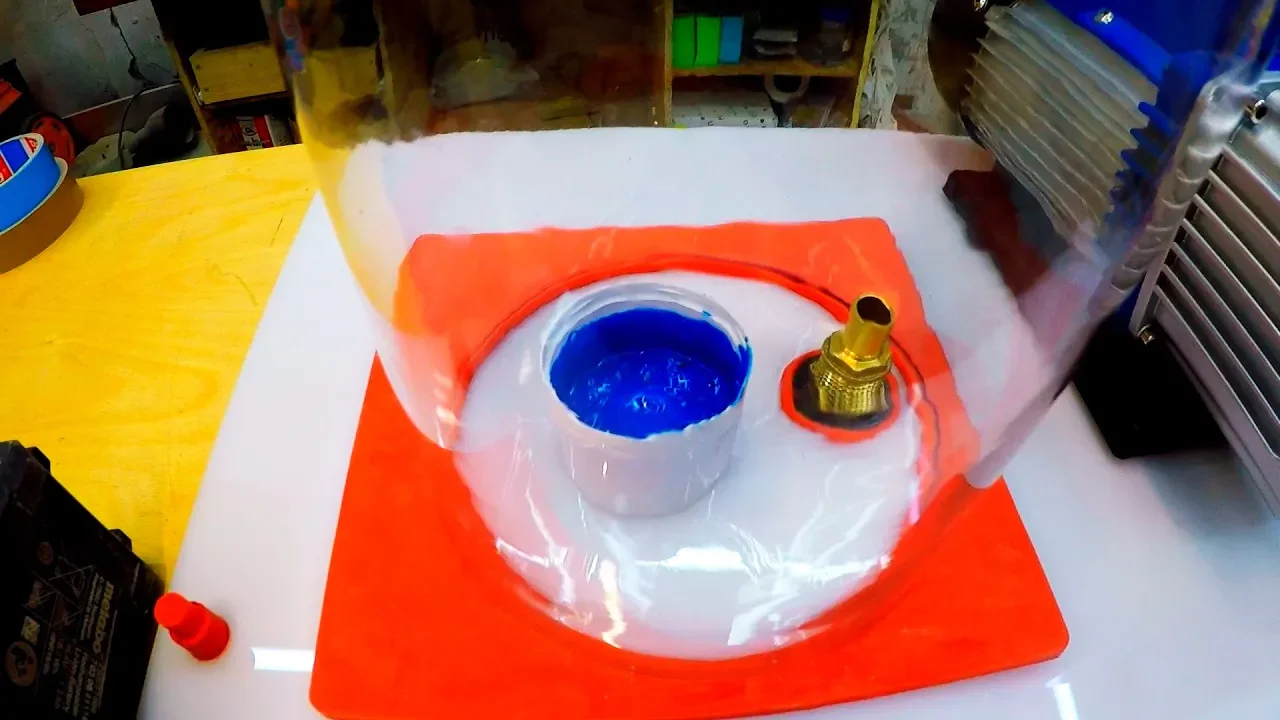
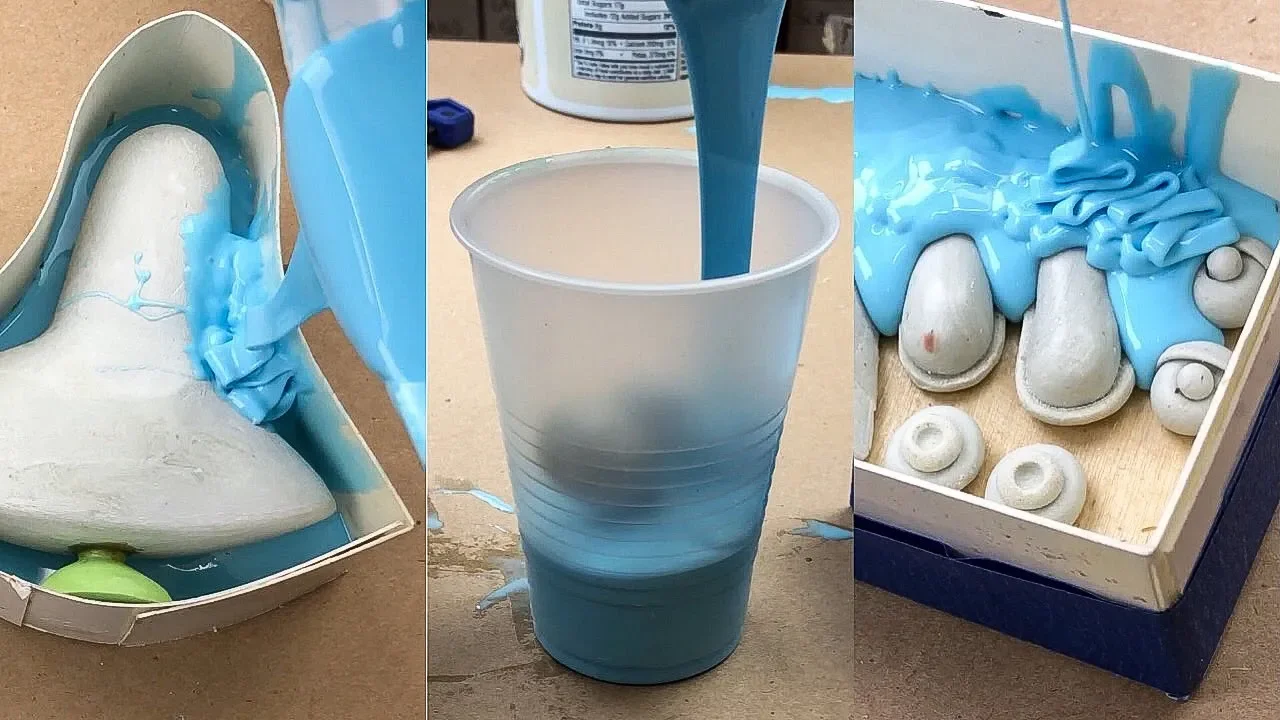
It's the next day and our silicone has fully cured from our last experiment where we took a vacuum chamber and sucked all the air bubbles out of the silicone first The idea being, that now our pokeball molds should be completely bubble free.
So now we get to see if that is really the case.
Now you've already seen me rip these off and cut them open in a previous video So I'm not gonna spend a lot of time doing that here Lets just dive right in and get it done.
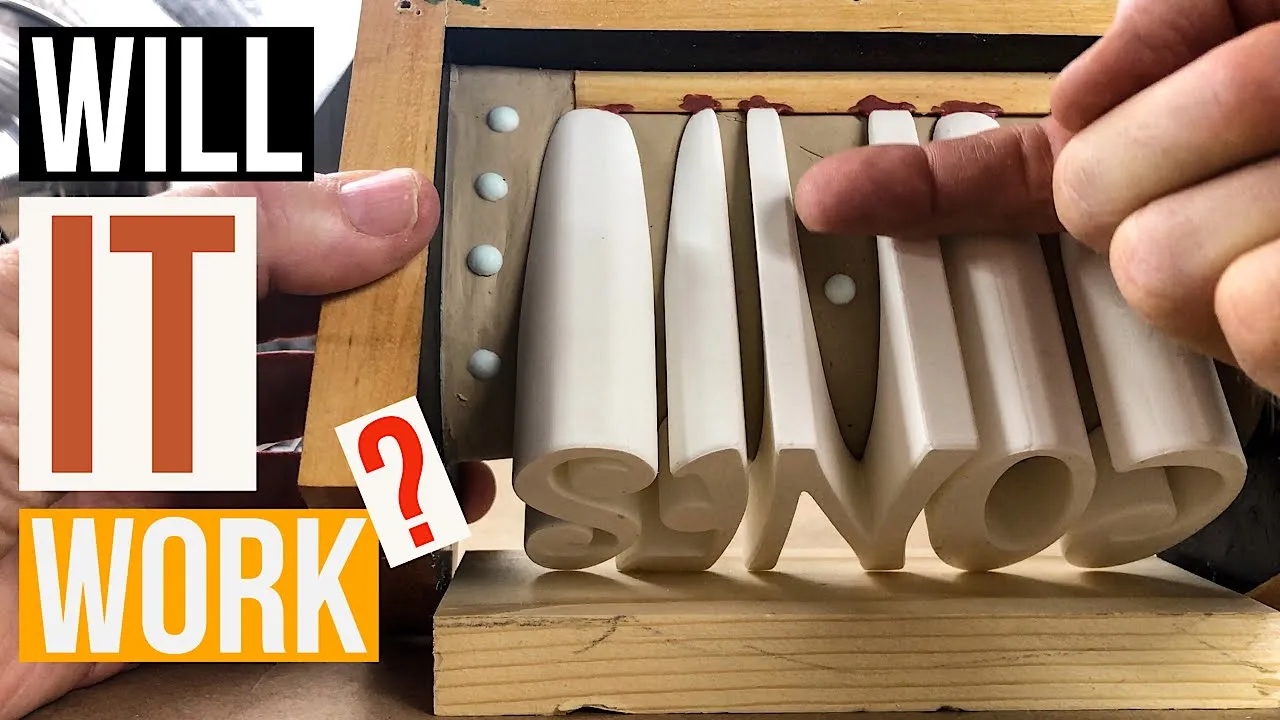
Cool guys. so we got our silicone molds out of the casings And if you look down here, where the clay was, you can see it makes a really cool cavity.
And so now, when we pour molten Aluminum, Wax or even gummy Syrup It's gonna have a reservoir to draw from as it cools and shrinks I did notice on this one however, the clay was pushed up a little bit too high into the ball and that creates a bit of a problem because now the ball is exposed that means the inside of this ball mold isn't fully complete The cool thing about silicone is: even though it's cured we can add more and it will fuse in and make one solid chunk of silicone.
So even though we messed up here and didn't completely cover the ball We can just mix up a little bit more, pour that in and when it sets, it should be perfect The only problem is, we only need one tablespoon of silicone and i've got 5 gallons of the stuff This looks like white frosting, it's really cool Now we're not gonna need a lot of silicone, so i just mixed up about 100 grams worth here and honestly we're probably gonna waste more than we actually use But when you're dealing with quantities this small there's not much else we can do Now I am gonna stick this in the vacuum chamber as well and one interesting thing about this vacuum chamber is that if you look at this gauge it's still suctioned up I set this last night and sucked it down to about 25 inches of mercury and interestingly enough over the entire night, it's only slipped down to about 23 and the vacuum pump is not running, it's just maintaining vaccum pressure with these valves here so i thought that was pretty cool and it means our proto-putty seal is working as intended Sweet! Thats the stuff right there. Just made it to the lip of that cup and now the bubbles are being extracted. So we just need that to settle down and then it should be good to pour.
See, that suctions on pretty good And our glass jar is not exploding, that's always a plus. :) And now if we just drizzle this straight over this pokeball until the bottom is covered we should be in business.
alright, let's call that good!
(tries to pull it up) It's stuck. (laughs) This bottom is actually so smooth that if I slam it down on a hard surface It creates a suction cup that's actually Very difficult to get back off (arrrrrrrrr) WOW!
Impressive hehehehe Maybe we could use silicone to make our own suction cups Now before we cut this thing open you guys tell me in the comments... "Do you think we made a mold that came out bubble free?"
I'm a little bit nervous and a little bit excited to find out because i have no idea There we go... another successful extraction so, cool!
now another little tweak I made to these pokeballs before I stuck them in the silicone I took a bead of hot glue and wrapped it around the inside to prevent the silicone from seeping in It looked like it actually work out pretty well that time we don't have these things loaded up with silicone so yay!
alright so the moment of truth how does it look on the inside? Lets take a peak ohh yeah that is actually looking really good I see nothing but smooth silicone no bubbles this time that's a dramatic difference from our last mold do you remember our last one was pocked with bubbles everywhere and this one completly smooth that is very encouraging I like that yeah that looks.. just about perfect all we have to do now is trim up some of the flaps here, you can see where it leaked into the balls a little bit but if we can trim those up i think were going to have ourselves a pretty dang nice pokeball mold (sings) Like a surgeon so cool guys so our mold is looking awesome im really excited to see how our wax castings is going to turn out but before we cast the wax there are a few suggestions from my friend Nate about how to make this work little bit better. First of all, maybe we should put it in the microwave for about 3 minutes to warm the silicone up Second of all when we pour the wax in here let's start off with a little bit and rotate the mold around so it coats the inner walls of the mould first and after we fill this thing up with wax let's throw it in a vacuum chamber for a couple of minutes so see if there's any air in molten wax If we follow all those suggestions perfectly I'm fairly confident we're going to end up with a perfect wax Pokeball.
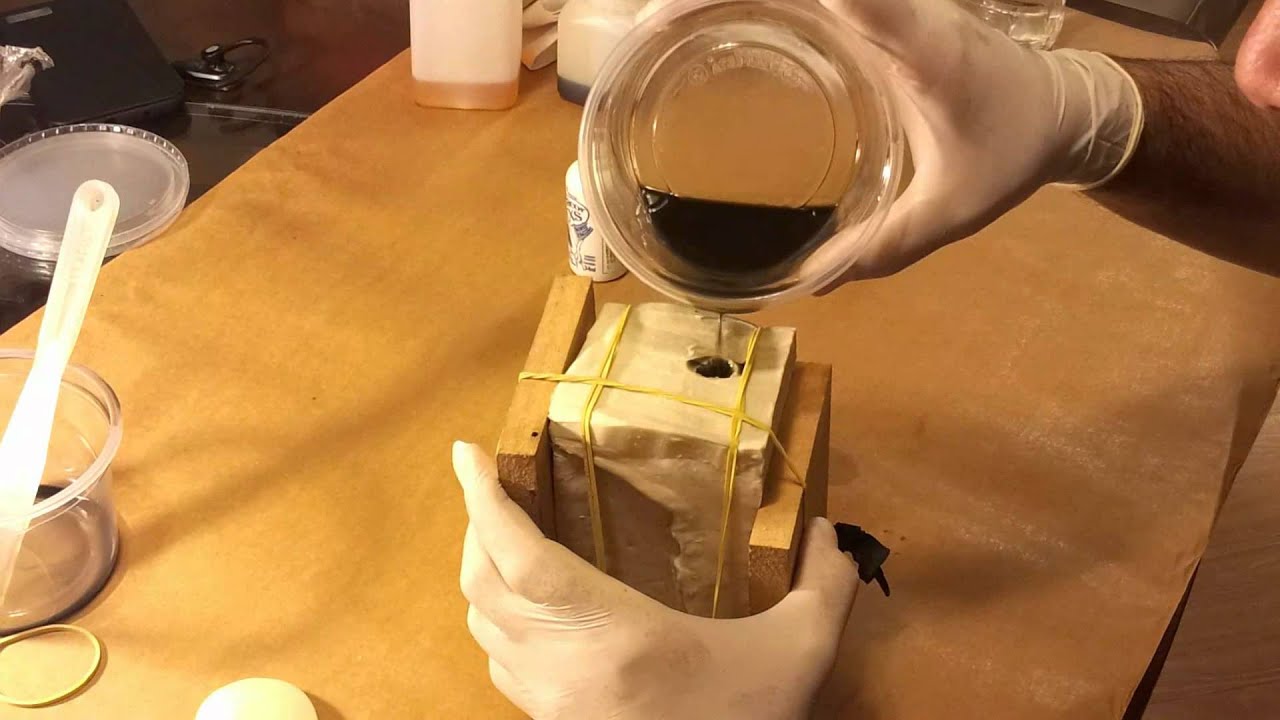
So our mold just came out of the microwave It's nice and toasty warm right now and our wax is completely molten So, let's pour the WAX!
Beauuutiful.... alright, gonna stop there for just a second.
So what I'm doing now is I'm just rotating this gently to put a nice wax coating on the inner walls of the mold.
The idea being that that will fill in any gaps and prevent any air bubbles.
Let's pour the rest.
Ok now at this point I'm just going to stop for a second and put this thing in the vacuum chamber to see if there are any air bubbles in there that we can suck out first.
Oh I see some bubbles rising there!
Interesting!
Wow that's incredible!
So I'm not really sure where those bubbles are coming from whether they're leaking through the cracks in the side of the silicon mold or these are actually bubble that were in the wax itself but in either case I'm feeling a lot more confident now that we have run them through a cycle in the vacuum chamber alright let's release the pressure [ Air hissing back into vacuum chamber ] super cool beauteous there's our wax... hopefully bubble free it's interesting it also looks like the wax has shrunk down a little bit I wonder if that's because it's cooled in the vacuum?
but in either case we're going to top this thing off so it has a nice reservoir to draw from there we go right to the very top and we'll see how much that actually shrinks down.
Up Next
3:05
Arduino PID Controller for BAR30 Pressure Sensor Guide
@RoelVandePaar
126 views•2021-10-28

12:54
Triumph of Orthodoxy Icon: Byzantine Art & History Explained
@BenCallan
2.1K views•2024-08-06

9:49
FastAPI vs Flask vs Django: Choosing the Right Python Web Framework
@TechWithTim
302.5K views•2024-05-26

1:42
Game of Thrones Opening Credits: A Cinematic Analysis
@gameofthrones
46.3M views•2011-04-18
Related Study Plans & Knowledge Roadmaps
Structured learning paths in General & Interdisciplinary Studies
general-studies
Elevator Engineering: History, Physics & Cities
01From Hoists to Safety Brakes: The Dawn of Vertical Lift
02Hydraulic vs. Traction: The Engineering Physics of Elevators
03Modern Speed, Safety, and Algorithms
+ 2 more learning modules
12h5 modules
Explore Roadmap
general-studies
Rubber: Material Science, History & Geopolitics
01Origins of Natural Rubber & Mesoamerican History
02The Chemistry of Natural Rubber & Vulcanization
03The Geopolitics of the Rubber Boom & Colonization
+ 2 more learning modules
12h5 modules
Explore Roadmap
general-studies
Containerization: Evolution, Logistics & Trade
01Ancient Trade & Bulk Cargo: Amphorae to Barrels
02The Industrial Revolution & Cardboard Packaging
03The Containerization Revolution: Malcom McLean
+ 2 more learning modules
12h5 modules
Explore Roadmap
general-studies
Textile Tech: Evolution, Labor & Global Impact
01Pre-Industrial Textiles: Handloom & Cottage Industry
02Mechanization: The Spinning Jenny to the Power Loom
03The Factory System & Global Labor Transformation
+ 2 more learning modules
10h5 modules
Explore Roadmap