














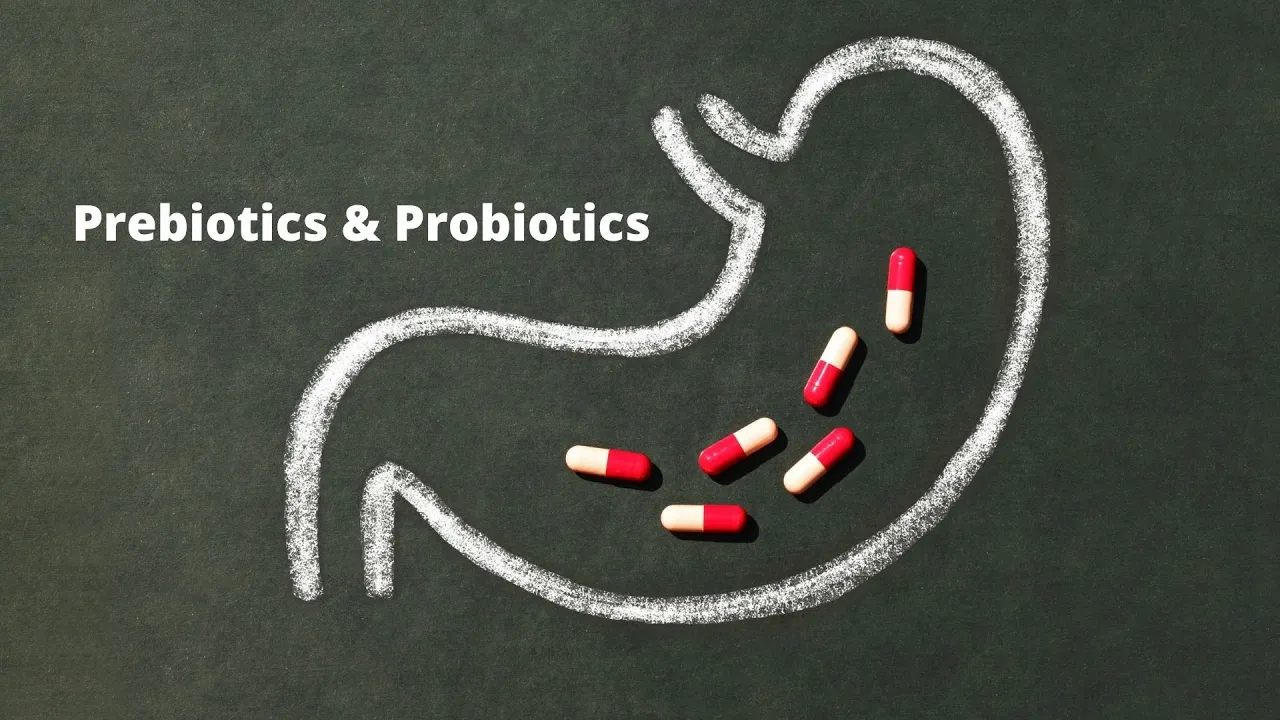







The gut microbiome, consisting of trillions of microorganisms, plays a fundamental role in overall health by maintaining intestinal barrier integrity, regulating immune function, producing essential vitamins (B vitamins and K2), generating short-chain fatty acids that influence metabolism, and even producing neurotransmitters like serotonin and dopamine. Imbalances in the gut microbiome, known as dysbiosis, can lead to leaky gut syndrome where bacterial toxins called lipopolysaccharides leak into the bloodstream, triggering chronic inflammation linked to numerous conditions including obesity, diabetes, autoimmune diseases, cardiovascular disease, and mental health disorders. Specific probiotic strains offer targeted benefits: Lactobacillus and Bifidobacterium strains help with gastrointestinal symptoms, metabolic health, and immune support; Saccharomyces boulardii is effective for yeast infections, antibiotic-associated diarrhea, and IBS; and spore-based Bacillus probiotics are particularly useful for treating small intestinal bacterial overgrowth (SIBO). For optimal results, high-quality probiotics should be taken on an empty stomach in the morning, ideally containing multiple strains and sufficient colony-forming units to survive stomach acid and effectively colonize the gut.
Probiotic Strains for Disease Prevention: A Clinical Guide
Added:Welcome Friends I'm Dr rajr buod and today's video is all about probiotics did you know that in the future I predict that a probiotic will be part of the treatment of every disease and that's because every disease entity is tied to our gut microbiome so whether you're struggling with allergies and autoimmune disease diabetes obesity depression gastrointestinal symptoms or even skin rashes a high potency probiotic can be helpful so what exactly are probiotics probiotics are live microorganisms that when administered in adequate amounts C for a health benefit on the host so basically you're swallowing bacteria to improve your health but which specific probiotic should you take there's so many different strains of lactobacillus bifidobacterium bacillus probiotics as well as sacris bardi many people have no idea which specific strain will help their condition that's what inspired me to make this video today we're going to talk about the health benefits of specific strains of probiotics then we're going to go over many common health conditions and discuss which specific strains of probiotics have been shown to be helpful for these conditions based on the scientific literature and finally I'll talk about how to choose a quality probiotic but first let's review the tremendous importance of our gut bacteria our gut bacteria help us to maintain a healthy intestinal barrier in other words they can help prevent leaky gut next they help regulate the immune system this is why those who have a disrupted gut microbiome often fall sick more often or develop an autoimmune disease they also help crowd out harmful bacteria and yeast they produce enzymes to help us digest food food this is why those with an altered gut microbiome often develop food sensitivities did you know that our gut bacteria also synthesize vitamins for us like B vitamins and vitamin K2 next they produce postbiotics called short chain fatty acids which strongly influence our Energy and Metabolism our gut bacteria also play a critical role in detoxification of hormones and toxins from our body they also produce neurot transmitters like serotonin and dopamine and even the sleep hormone called melatonin our gut bacteria even have the power to turn on and off certain genes in fact research shows that highd probiotics can induce a sharp increase in gene expression of over 1,700 different genes a lot of my patients are generally healthy but they want to be proactive to be their healthiest my recommendation is to always eat need a healthy diet exercise regularly get quality sleep take some key vitamins and take a quality probiotic because probiotics can help protect you from diseases as you'll see on this video more than 2,000 years ago hypocras known as the father of medicine said that all disease begins in the gut indeed our gut microbiome can impact every organ in our body including our brain heart liver skin bones and joints fat cells thyroid and even kidneys in case you're a little skeptical and wondering how our gut microbiome could affect our kidneys let me give you an example Jonathan was one of my patients in his 40s who started to have frequent kidney stones which were extremely painful this all happened soon after taking antibiotics for a sinus infection it turns out the antibiotics completely eradicated a critical species in his gut mic biome called oxala as a result he was no longer able to break down oxalates which are present in spinach and almonds not realizing this he was having spinach salads for lunch every day which led to his calcium oxalate kidney stones stay tuned because later in this video I'm going to explain how I was able to help Jonathan overcome his kidney stones using probiotics now what about prebiotics and postbiotics in order for for the good bacteria in probiotics to thrive in our gut microbiome they need prebiotics which are the fibers found in fruits and vegetables the fiber gets metabolized by our gut bacteria into postbiotics called short chain fatty acids these postbiotics can influence our mitochondria which are the energy producing powerhouses of our cells they also influence our fat cells called adipocytes hence impacting our metabolism in order to understand the power of probiotics we first have to understand why imbalances in your gut microbiome called disbiosis can have far-reaching consequences on your health so what is disbiosis well an analogy is to think of our gut microbiome as a gut Garden we have trillions of different microorganisms and hundreds of different species that are all living together when the healthy bacteria in our gut are balanced we call this ubio is but if something disrupts the delicate balance in our gut and diminishes the growth of the good bacteria this can allow the overgrowth of bad bacteria which we call disbiosis think of this as an overgrowth of weeds in your gut garden and it can be caused by an overgrowth of certain bacterial species yeast or fungal organisms or even parasites now let's talk about what causes dysbiosis antibiotics and certain medications are a b big cause of disbiosis a lot of the foods present in the standard American diet including refined sugar alcohol processed foods and refined flowers can promote the growth of bad bacteria and yeast in the gut leading to disbiosis if you have slowed motility and chronic constipation this can lead to the overgrowth of certain bad bacterial species that can also lead to disbiosis infections with certain bacteria like H pylori in the stomach or parasite can also cause disbiosis finally if you're under chronic stress this can cause higher cortisol levels which can change the types of bacteria that grow in your gut leading to disbiosis research is now showing that disbiosis is a potential root cause of numerous health conditions and diseases including obesity insulin resistance and diabetes irritable bowel syndrome and inflammatory bowel disease as well as autoimmune diseases like lupus and rheumat arthritis dispos has also been linked to alzheimer's dementia and even mood disorders such as anxiety depression addiction and even schizophrenia this biosis has also been linked to heart disease and certain cancers it can also affect your immune system leading to frequent infections dis biosis is often evident on your skin where it can cause acne rosacea psoriasis and even fungal rashes in addition disbiosis has been linked to fibromyalgia chronic fatigue syndrome as well as hormonal imbalances if you'd like to learn more about disbiosis please check out my video on this topic which goes into a lot more detail normally the lining of our small intestine is made by a single layer of cells that are bound together by tight junctions but if you have disruption in these tight junctions we call it leaky gut unfortunately if a person has disbiosis combined with leaky gut this can allow bacterial toxins called lipopolysaccharides to leak into the bloodstream and cause an inflammatory process called metabolic endotoxemia this has been linked to many chronic health conditions including autoimmune diseases obesity diabetes fatty liver disease cancers dementia and even heart disease now let's take a closer look and look at the domino effect of a poor diet in u biosis the good bacteria produce metabolites that actually protect the gut lining but if you're eating the standard American diet this will lead to disbiosis and these bad bacteria produce harmful metabolites that disrupt the gut lining leading to leaky gut the lipopolysaccharides from these bad bacteria leak into the bloodstream causing metabolic endotoxemia this inflammatory process can then affect your organs leading to fatty liver disease insulin resistance heart disease and even autoimmune diseases the good news is that by changing your diet and taking probiotics you can help prevent this from happening and that's what we're going to talk about in today's video every human being on this Earth has a unique gut microbiome and it's determined by numerous factors including whether you are breastfed or bottle fed your diet where you live in the world your occup ation and even your stress levels our gut microbiome is influenced by so many different factors beginning with the microbiome of your mother next how you were born influences the microbiome babies born by vaginal delivery are colonized with lactobacillus which is a good bacteria in contrast babies born by C-section are more likely to be colonized with stafilic cacus which is a skin and Hospital Associated bacteria more likely to be assoc assciated with illness and infection next whether you were breastfed or bottle fed impacts the microbiome babies who are breastfed have higher levels of Bal bacterium in their gut which is another good bacteria finally antibiotic exposure early in life can have a big impact on the microbiome for example babies who receive antibiotics in the first year of Life have a three-fold increased risk of inflammatory bow disease compared to children who don't receive antibio iotics additionally conditions like autism asthma allergies and obesity have all been linked to antibiotic use during childhood did you know that we can actually test your gut microbiome from your stool this is a test that I often order for my patients and I find incredibly helpful it tells us if there's any inflammation in your gut by reporting markers like fecal secretory IGA and Cal protectin we can diagnose most leaky gut by measuring a protein called zulin zulin is found in the tight junctions between the intestinal cells so if it's elevated this indicates leaky gut it reports your entire bacterial profile telling us if you have disbiosis with a bad bacteria or an overgrowth of yeast like candida it also reports any infection with parasites or H pylori next it measures your pancreatic elastase level which indicates how well your pancreas is producing enzymes it also tells us how well you're digesting proteins and fats finally it measures your short chain fatty acids in your stool such as butyrate which is your postbiotic score and this reflects the types of Prebiotic fibers you're consuming in your diet unfortunately a lot of people suffer from serious imbalances in their gut microbiome for example sometimes we find undetectable lactobacillus and bifidobacterium which are the a good bacteria for your gut microbiome next we often see tremendous inflammation and leaky gut some people have a low postbiotic score so they have low short chain fatty acids and Pate I frequently see high beta glucuronidase which is an enzyme made by bad bacteria in the gut that can cause recycling of toxins and estrogens from the gut disbiosis is a very common finding and finally I'm noticing more and more that people are missing key bacterial species like Jonathan from the beginning of this video who was missing oxalobacter and getting kidney stones now let me introduce you to the four main types of probiotics today we're going to talk about lactobacillus bifido bacterium basilis probiotics which are spore-based as well as a yeast probiotic called sacris bardi now let's review what's the genus species and strain when it comes to a probiotic for example these are the species that are present in our probiotic 225 billion the first word like bifidobacterium indicates the genus the second word like bifidum indicates the species and finally the letters and numbers such as bb- 06 indicate the strain you also want to note the strength of the probiotic which is indicated in Colony forming units so this probiotic has 225 billion Colony forming units per serving when it comes to choosing a probiotic multistrain probiotics are preferred over single strain probiotics and that's because research shows when there's multiple strains it's more impactful on the gut microbiome our probiotic 225 billion and 100 billion both have six strains of bacteria our probiotic 20 billion with espi has seven strains and our Spore probiotic IGG has three St drains now there is one exception to this rule I want to introduce you to a very special yeast probiotic called sacchromyces bardi this is the only probiotic that's been proven to be very effective even as a single strain it was discovered by a French microbiologist Henry bouard while he was visiting China in 1920 during a caler outbreak he noticed that people drinking a special tea that was made from the peel of light fruit and mango fruit were not getting chera it turned out that the peel of these fruit contained sacris bardi sacy's bardi has a unique ability to block pathogen toxin receptor sites so it inhibits pathogens like vibrio claustrum defil candida albicans salmonella urenia Giardia and even chela es bardi has the ability to survive stomach acid and because it's a yeast it's resistant to antibiotics additionally ESP POI does other great things for your microbiome like it increases the production of short chain fatty acids like butyrate and it increases the production of brush B enzymes which can improve food Toleration in the literature sacris bardi has been shown to be helpful in improving symptoms of irritable bowel syndrome or IBS it can also help restore the Integrity of the gut line and heal leaky gut es bardi is helpful in preventing and treating traveler's diarrhea as well as antibiotic Associated diarrhea it's also helpful in treating inflammatory bowel disease which is Crohn's disease and ulcerative colitis espari can also help crowd out and prevent the overgrowth of other bad yeast in the gut microbiome so it can be used to treat candida as well as small intestine fungal overgrowth additionally espi can help improve symptoms of histamine intolerance now we want to Spotlight another unique type of probiotic which are the spore-based basilis probiotics these Grand positive r-shaped bacteria are isolated from soil water dust and Air in response to environmental stress these bacteria produce spores and these spores are able to survive extremely stressful conditions including stomach acid extreme heat freezing and even radiation these spores can then germinate in our intestines where they have a longer life of activity up to 21 days compared to other probiotics which typically last up to 7 Days spore-based basilis probiotics is the number one choice when treating small intestin bacterial overgrowth also known as sibo it's been shown to improve symptoms of irritable bowel syndrome or IBS and it can improve symptoms of gas floating and gastrointestinal discomfort it's also been shown to be helpful for both constipation and diarrhea our Spore probiotic IGG has three strains of basilis probiotics including basilis coagulin basilis clausi and basilis subtilus in addition to the probiotics it also contains imunoglobulin or IGG antibodies these immunoglobulins can work to rapidly heal inflammation in the gut bind toxins and improve food Toleration now let's review in more detail which specific probiotics work for specific health conditions according to the scientific literature all of these gastrointestinal symptoms can be improved with probiotics this includes constipation diarrhea bloating irritable bow syndrome traveler's diarrhea acute infectious diarrhea clusterid defal colitis also known as C colitis as well as antibiotic Associated diarrhea probiotic species helpful for constipation include lactobacillus acidophilus lactobacillus rosis lactobacillus paric Casi bifidobacterium bifidum and sacchromyces bardi so when I see a patient with constipation I'll often recommend our probiotic 100 billion or our probiotic 225 billion which have these essential strains you could also add sacris bardi now what about those who have the opposite problem and they're constantly running to the bathroom after every meal in those suffering from diarrhea predominant IBS also known as ibsd these are the strains that have been shown to be helpful this includes lactobacillus rosis lactobacillus plantarum lactobacillus paraki bifidobacterium bifidum as well as Spore based basilis coagulants so these strains are found in three of our probiotics our probiotic 100 billion probiotic 225 billion or Spore probiotic IGG so if you're struggling with ibsd you could try any of these three probiotics to see if it improves your symptoms now let's look at irritable bowel syndrome as a broader category first of all we have to remember that sibo is a big root cause in up to 70% of IBS the probiotic strains shown to be helpful for IBS include lactobacilus acidophilus lactobacillus paric Casi lactobacillus plantarum lacto bacilus rosis bifidobacterium bifidum spore-based basilis coagulants as well as sacchromyces bardi these strains are found in three of our probiotics so someone with IBS could benefit from our probiotic 100 billion our spor probiotic IGG or sacchromyces bardi now if you suspect you might have sibo because you have tremendous bloating or if you've had a sibo test that comes back positive then I recommend our Spore probiotic IGG please check out my video which covers my herbal protocol for treating sibo where I present my four-phase Approach and how to implement the Spore probiotic IGG so that you have the most successful outcome now when traveling abroad what can you do to protect yourself from traveler's diarrhea traveler's diarrhea is often caused by pathogenic bacteria like eoli salmonella shagel and capoa acute infectious diarrhea is really con ous and it's caused by viruses like norovirus adov virus and rotavirus three strains of probiotics that are helpful for both conditions include lactobacillus acidophilus lactobacillus rosis and sacchromyces bardi so these are two probiotics that you may find helpful to carry with you when traveling because they can help prevent and treat both travelers diarrhea and acute infectious diarrhea this is our probiotic 225 billion as well as sacris spard a lot of people experience changes in their gut microbiome after antibiotics and one thing we want to avoid is antibiotic Associated diarrhea these are the strains of probiotics that have been shown to be helpful in preventing and treating antibiotic Associated diarrhea it includes lactobacillus acidophilus lactobacillus KCI lactobacillus paraki lactobacillus plantarum lactobacillus rosis bifidobacterium bifidum and sacris bardi although it's preferable to avoid antibiotics there are certain situations where they are absolutely necessary and if that's the case consider taking one of these three probiotics to help protect your gut microbiome this includes our probiotic 100 billion our probiotic 225 billion or sacris bardi remember sacris bardi is actually resistant to antibiotics because it's yeast rather than a bacteria one of the most serious complications of antibiotics is the overgrowth of a bacteria in our gut called clostridioides defil this can cause C colitis which causes life-threatening diarrhea probiotics helpful in preventing and treating seed of colitis include lactobacilus acidophilus lactobacillus Casi lactobacillus paraki lactobacilus plantarum lactobacillus rosis bifidobacterium bifidum and sacrifices bardi CF colitis is a potentially life-threatening condition so it needs to be treated under a doctor's guidance often with antibiotics but these are probiotics that can also be helpful this includes our probiotic 225 billion along with sacris bardi I also find it helpful to use IG guard which is bovine immunoglobulins because it can help bind the seed of toxins and reduce inflammation in the gut anyone with a prior history of seed of colitis may want to be proactive and take these three things anytime they're on an antibiotic next our gut bacteria can significantly impact our mood and this is why probiotics can make a big difference when treating anxiety or depression and that's because 80% of our brain neurotransmitters like serotonin dopamine and Gaba are made in the lining of our gut in fact our gut and brain are connected in a b directional relationship called the gut brain axis probiotic strains that can help improve your mood are called psychobiotics this includes lactobacilus acidophilus lactobacilus KCI lactobacilus rosis and bifidobacterium bifidum these strains have been shown to improve production of Serotonin which is a happy brain neurotransmitter as well as Gaba which is a calming neurotransmitter Studies have also shown that strains of lacto billus and bifidobacterium can also improve the production of bdnf which is brain derived neurotrophic factor bdnf is like Miracle growth for our brain it helps support the growth of new neurons as well as new synapses which are the connections between our brain cells so these probiotics can help those suffering from neurological disorders as well as depression in fact meta analyses have shown that probiotics reduce depression when given alone or as an add-on to standard anti-depressant therapy once again this is because our gut microbiome can strongly influence our mood that's why they refer to our gut as the second brain so if you're looking for a probiotic to help support your mood and brain health consider our probiotic 100 billion or our probiotic 225 billion because they contain many of the psychobiotics that have been shown to be helpful in the studies now let's talk about the benefits of probiotics during pregnancy research shows that women who take probiotics during pregnancy are 18% less likely to deliver a pre-term baby they also have a 20% lower chance of developing gestational diabetes in addition they lose weight faster after delivery and they have less postpartum depression maternal use of probiotics during pregnancy and lactation also offer benefits to the baby Studies have shown that it can help reduce the risk of colic eczema asthma childhood obesity as well as diabetes examples of broadspectrum probiotics that may offer these benefits during pregnancy and lactation include our probiotic 100 billion as well as our probiotic 20 billion with ESP bardi did you know that probiotics can improve symptoms of allergies this includes both food allergies as well as environmental allergies that's because our gut microbiome influences allergies probiotics with strains of lactobacillus like lactobacillus plantarum lactobacillus rosis lactobacillus KCI as well as bifidobacterium can help reduce symptoms of food allergies as well as lactose intolerance additionally they can help reduce symptoms of hay fever eczema as well as asthma these strains are found in our probiotic 100 billion as well as our probiotic 225 billion so either of these may be helpful in improving symptoms of food allergies as well as food sensitivity ities now let's talk about how probiotics can help in obesity which is a growing epidemic research shows that people with obesity have a lower ratio of bacteroides to fices bacteria in their gut and this allows them to extract more calories from their food because the bacteria produce more enzymes for the breakdown of dietary polysaccharides in addition bacterial toxins called the lipopolysaccharides enter the bloodstream causing metabolic endotoxemia which creates a state of chronic lowgrade inflammation obesity is also associated with a lower abundance of good bacteria which are bifidobacterium and lactobacillus normally short chain fatty acids being produced by our gut microbiome help to stimulate glp1 which is a satiety hormone unfortunately in obesity the lower levels of good bacteria leads to lower levels of short chain fatty acids which leads to lower levels of glp1 this means less control of their appetite this is how probiotics can help improve your metabolism when you take a probiotic that has lactobacillus and bifidobacterium this can lead to a higher production of short chain fatty acids such as butyrate these short chain fatty acids can then increase glp1 which can improve your satiety they can also help increase amp kinas on your fat cells known as adipocytes and this can help increase your metabolic rate when it comes to treating metabolic conditions whether it's diabetes insulin resistance obesity or fatty liver disease the main strains of probiotics that are helpful are lactobacillus and bifo bacteria these drains have been shown to help with weight loss improve glucose tolerance and reduce visceral fat also by improving the Integrity of the gut barrier these strains can help reduce metabolic endotoxemia and help to reduce inflammation a study that was done in mice helps to illustrate this example one group of mice was given the probiotic lactobacillus paric Casi what's fascinating is this group of mice did not gain any weight when fed a high fat diet look at what happened to the mice who didn't get any probiotics so if you're frustrated with your weight and can't seem to lose a pound despite eating well and exercising it could be related to your gut microbiome and it may be helpful to try probiotics our probiotic 100 billion as well as our probiotic 225 billion have many strains of lactobacillus and bifidobacterium which are great for metabolic health I want to point out that our 100 billion has lactobacillus paraki which is the same strain used in the mouth study and our 225 billion has a similar strain called lactobacillus KCI for metabolic issues it's also helpful to feed the good bacteria with pre biotic fiber our Prebiotic fiber contains organic green banana flour as well as large or Rabino galactans from the large tree this fiber can help stabilize blood glucose improve satiety and feed the good bacteria to make more short chain fatty acids now did you know that probiotics can also help prevent cardiovascular disease this biosis has definitely been associated with heart disease and these bad bacteria produce higher levels of TF Mao which is a toxic metabolite that's bad for your blood vessels and heart we also see lower levels of short chain fatty acids which are the good postbiotics the disbiosis can then lead to metabolic endotoxemia and cause chronic inflammation that can be a contributing factor in heart disease this is where probiotics can be really helpful and by altering your gut microbiome they can help protect your heart by several mechanisms probiotics actually have an antioxidant activity they have antiplatelet activity as well as anti-inflammatory activity in addition probiotics can help improve your gut metabolites helping to lower tmao and increase short chain fatty acids certain strains of probiotics can also help lower cholesterol this includes lactobacilus acidophilus lactobacilus rosis and lactobacillus plantarum these beneficial strains are found in three of our probiotics including our probiotic 100 billion probiotic 225 billion as well as our probiotic 20 billion with ESI did you know that probiotics can also help improve your skin they're especially helpful in improving skin conditions like acne eczema rosacea psoriasis as well as ticaria which is hives and that's because our gut microbiome strongly influences our skin microbiome and we call this the gut skin axis I cover these Concepts in great detail in my videos on acne and eczema so if you have these conditions please check out these videos to learn more these are the probiotic strains that have been shown to be helpful in healing skin conditions it includes lactobacillus acidophilus lactobacillus plantarum lactobacillus rosis lactobacillus KCI and bifidobacterium bifidum these strains can help improve the Skin Barrier and an additional benefit is that they can help reduce body odor we all want our skin to look healthy and Youthful so what about anti-aging skin benefits of probiotics probiotics that can help with wrinkles include lactobacilus acidophilus and lactobacillus Plum they work by inhibiting an enzyme that degrades collagen in the skin to reduce photoaging from UV light we see improvement with lactobacilus acidophilus lactobacilus plantarum as well as buff bacterium so if you're looking to improve your skin we have three probiotics that contain many of these beneficial strains including our probiotic 100 billion probiotic 225 billion as well as our probiotic 20 billion with es bardi now let's talk about how probiotics can be helpful in autoimmune diseases 70% of our immune system is in the lining of our gut so the root cause of many autoimmune diseases is thought to be a combination of dis biosis and leaky gut which leads to metabolic endotoxemia this activates immune cells and can trigger an autoimmune disease such as Hashimoto rheumatoid arthritis lupus shrin syndrome psoriasis or inflammatory ball disease so a big part of healing autoimmune diseases is restoring a healthy gut microbiome and healing leaky gut our probiotic 100 billion or our probiotic 225 billion are EXC ENT choices because they can help recolonize the microbiome with key species of lactobacillus and bifidobacterium to heal leaky gut we can use Al glutamine powder or IGG guard which is imunoglobulin to learn more please watch my video on autoimmune disease where I review my holistic approach for reversing autoimmune diseases through diet and lifestyle probiotics can make a big difference in inflammatory bowel disease which includes Crohn's disease and ulra of colitis both are autoimmune conditions and Crohn's can affect any part of the GI tract whereas ulra of kitis only affects the colon disbiosis and inflammation in the gut are a big root cause of both conditions and the literature shows that there are several probiotic strains that can help in achieving remission this includes lactobacillus acidophilus lactobacillus KCI lactobacillus plantarum lactobacillus rosis bifidobacterium bifidum and sacris bardi to heal inflammatory bowel disease I recommend our strongest probiotic which is our probiotic 225 billion along with sacris bardi additionally I recommend IG guard which is Bine imunoglobulin which work to rapidly heal inflammation in the gut this has been a very effective combination that's helped a lot of my patients to achieve and maintain remission we can also use Herbal anti microbials to treat this biosis probiotics are great at crowding out bad bacteria but sometimes we do need herbs to kill the bad bacteria and yeast that are overpopulating in the microbiome my three favorite herbs are berberine oregano oil and alidon these herbs have excellent efficacy against a wide range of conditions including disbiosis CBO SEO which is small intestine fungal overgrowth as well as candida overgrowth now let's talk about how the gut microbiome can affect the vaginal microbiome a lot of women are prone to getting yeast infections soon after taking antibiotics and that's because antibiotics can reduce the abundance of lactobacillus which is a good bacteria both in the gut microbiome as well as vaginal microbiome this can allow yeast like candida Albans to overpopulate causing a yeast infection probiotic strains that have been shown to be helpful in treating and preventing yeast infections include lactobacillus acidophilus lactobacillus rosis lactobacillus KCI and sacchromyces bardi for women who get frequent yeast infections I recommend sacchromyces bardi along with our probiotic 100 billion for milder cases you could use our probiotic 20 billion which also contains sacris bardi disbiosis in the vaginal microbiome can cause another common condition called bacterial vaginosis once again this is caused by a reduction in vaginal lactobacillus which normally produce lactic acid and help to maintain an acidic pH this allows other bacterial species to overpopulate like gardnerella atopobium megas fera and pratella these bacteria increase the vaginal pH causing discomfort as well as a foul odor the key to treating bacterial vaginosis is to reintroduce the healthy species of lacto billus which can help fix the disbiosis and crowd out the bad bacteria depending on the severity of your symptoms you could choose our probiotic 20 billion 100 billion or 225 billion which all have multiple strains of lactobacillus now you may be wondering what about getting probiotics from yogurt great question let's review all the food sources of probiotics fermented foods are natural sources of probiotics and they include yogurt kefir kombucha sauerkraut kimchi miso soup and tempy the only downside to fermented foods is that they're high in histamines unfortunately some people with gut microbiome issues have histamine intolerance and these foods can cause symptoms like skin rashes nasal congestion headaches anxiety as well as insomnia if this is the case then taking a probiotic would be preferred over eating fermented foods so if you are reacting to fermented foods please watch my video on histamine intolerance to learn more about why this is happening when purchasing yogurt you want to check the label to make sure it has live active cultures generally it'll have strains of lactobacillus and bifidobacteria but if the yogurt is pasteurized the high heat eliminates all these bacteria Keir is fermented longer than yogurt so it has a more concentrated amount of probiotics now what should you look for When selecting a highquality probiotic not all probiotics are the same quality so you want to choose a brand that's third party tested the label should list all the strains of bacteria that are present as well as the strength in Colony forming units quality probiotics are shelf stable until the expiration date and they're successful at colonizing your microbiome because they're able to withstand stomach acid and bile I'm happy to offer five different probiotics that are extremely high quality they're made by freeze-dried technology which keeps them dormant and stable without Refrigeration our probiotics are third party tested to confirm that they maintain their strength until expiration these are all high potency probiotics that are designed to best withstand stomach acid and bile our strongest probiotic is the 225 billion which comes in powder packets that mix with water this is a great probiotic to reboot and recolonize a damaged gut microbiome next we have our probiotic 100 billion which is also very strong and effective and comes in capsules our probiotic 20 billion also contains sacris bardi and is a great maintenance probiotic next we have sacris bulard by itself which is a remarkable yeast probiotic remember it helps with IBS and traveler's diarrhea it's also resistant to antibiotics and it can help prevent yeast and fungal overgrowth in the gut microbiome and finally we have the Spore probiotic IGG which is the number one choice when treating sibo now what about prebiotics our strongest probiotic the probiotic 225 billion contains a Prebiotic called a large arabino galactan we also have a separate Prebiotic fiber that's made from Green Banana flow and also has large arabinogalactans from the large tree this fiber is great for softening and bulking up your stool so it can help with constipation and unlike many other fibers it dissolves easily in liquids and tastes great on my supplement store I have links to recipes on how you can incorporate this fiber in making smoothies collagen lattes and even fiber brownies now there is one condition where we want to avoid prebiotics can you guess what it is it's sio because while we're treating sibo we actually want to starve the bacteria and the small intestine to help reduce the bloating once the sio has cleared prebiotics can be reintroduced so you might be wondering when is the best time to take probiotics you want to take probiotics when stomach acid and bile production are minimal in other words separate from food I recommend taking probiotics first thing in the morning on an empty stomach with a glass of water when starting a new probiotic a slight increase in in gas and bloating initially is normal but it should subside within a few days as your microbiome adapts the great news is that probiotics have an excellent safety record and they're generally considered to be safe for all age groups as well as during pregnancy and lactation the probiotics that we offer are designed for adults and older teens for younger children please check with your pediatrition also if you're severely immunal compromised for any reason it's best to check with your doctor before beginning probiotics now how do you know if the probiotics are working well it can take a few days up to a few weeks to really see the full impact of the probiotics so you want to observe your symptoms as well as your bow habits sometimes it's helpful to try different probiotics to figure out which one works the best for your symptoms let's return to Jonathan from the beginning of the video who was having kidney stones remember how the antibiotics wiped out the oyoa in his gut microbiome as a result whenever he'd eat foods high in oxalates he'd get a kidney stone the good news is that lactobacillus and bifidobacteria also helped to break down oxalates so I gave him my probiotic 100 billion and although he had to temporarily restrict oxalates in his diet a few months later he was able to go back to eating his favorite spinach salads and he no longer gets any kidney stones the great news is that when we retested his gut microbiome it turned out that the oxala had returned and repopulated his microbiome now let me introduce you to my patient Devon Devon is a 45-year-old woman with polycystic ovary syndrome when I first met Devon she weighed 186 lb and couldn't seem to lose any weight which we attributed to her insulin resistance she also suffered from irregular periods constipation as well as acne Devon was frustrated because she was eating a really healthy diet and exercising regularly but she still couldn't seem to lose weight I suspected she had disbiosis so I started her on our probiotic 100 billion which she took every morning that's when she started to notice a shift in her health first her bowels became more regular and then her skin began to clear up after a few months she noticed her periods were becoming more regular as well and best of all she was slimming down 4 months later her fasty insulin had come down from 16 to 7 and she felt amazing weighing 155 lbs so in summary the answers to your health often lie in your gut microbiome taking a high quality probiotic first thing in the morning on an empty stomach with a glass of water is a great way to improve your health and prevent disease this is especially the case when traveling or taking antibiotics I hope you feel more familiar with some of the key strains that we talked about today including lactobacillus and bifidobacteria the unique probiotic yeast known as sacris bardi as well as spore-based billus probiotics thanks so much for watching this video If you enjoyed it please give it a thumbs up and subscribe to my Channel please post all your questions and comments below I really look forward to hearing from you thank you again and have a wonderful day
Up Next

How Stress Response Harms Health | Stanford Neurobiologist
@stanford
239.6K views•2008-09-19

Graphic Medicine: Comics for Collaborative Healthcare Communication
@nationalpatientadvocate
189 views•2023-12-04

Neuroanatomy: Central and Peripheral Nervous System Divisions Explained
@AKLECTURES
136.2K views•2014-09-20

Stages of Labor and Vaginal Birth | Childbirth Animation
@nucleusmedicalmedia
52.1M views•2017-08-18
Related Study Plans & Knowledge Roadmaps
Structured learning paths in Medicine