![[25[ ]영화 오펜하이머 2배 즐기기 6] 핵폭탄의 기본 구조-포신형과 내폭형 Basic structures of the nuclear bomb](https://i.ytimg.com/vi_webp/jTNZYvXCkBY/maxresdefault.webp)



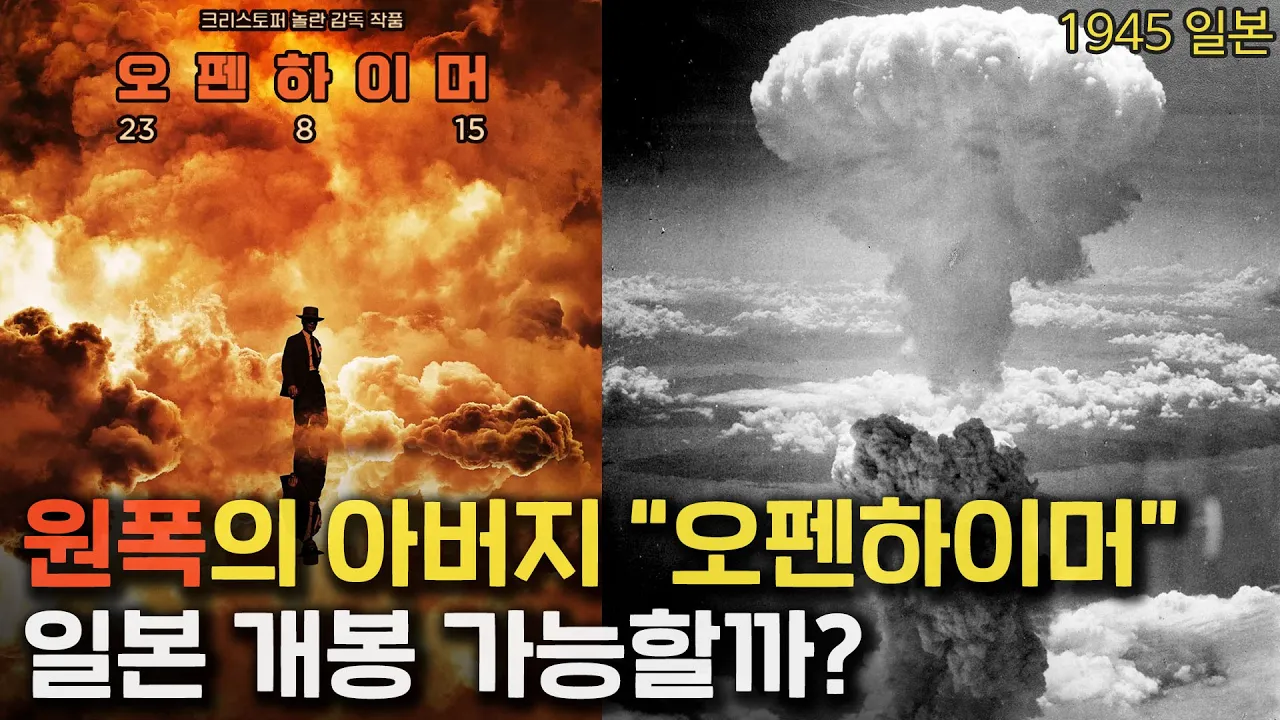
















The nuclear bomb was developed during World War II through the Manhattan Project, a secret U.S. government initiative led by physicist Robert Oppenheimer and military commander Leslie Groves, which successfully created the first atomic weapon tested at Trinity in New Mexico in July 1945, subsequently used against Japan in August 1945, fundamentally transforming global politics by initiating the Cold War arms race, nuclear deterrence strategies, and ongoing debates about nuclear proliferation and disarmament.
The Bomb: History of Nuclear Weapons Documentary Analysis
Added:Basic atomic structure and the concept of nuclear fission (including isotopes like Uranium-235 and Plutonium-239).
The geopolitical context of World War II, specifically the rise of Nazi Germany and the origins of the Manhattan Project.
Fundamental principles of radioactivity, half-life, and the physiological effects of ionizing radiation on the human body.
An introductory understanding of the Cold War rivalry between the United States and the Soviet Union.
The physics of nuclear fusion and the development of thermonuclear weapons (hydrogen bombs).
International relations theories of nuclear deterrence, Mutually Assured Destruction (MAD), and game theory.
The history and effectiveness of global non-proliferation treaties, such as the NPT, SALT, and New START.
The environmental and ecological long-term impacts of nuclear testing and nuclear waste disposal.
The dual-use nature of nuclear technology, comparing nuclear weaponry to peaceful nuclear energy and medical applications.
1.4M views8.4Klikes1:55:06Original Release: 2017-09-03
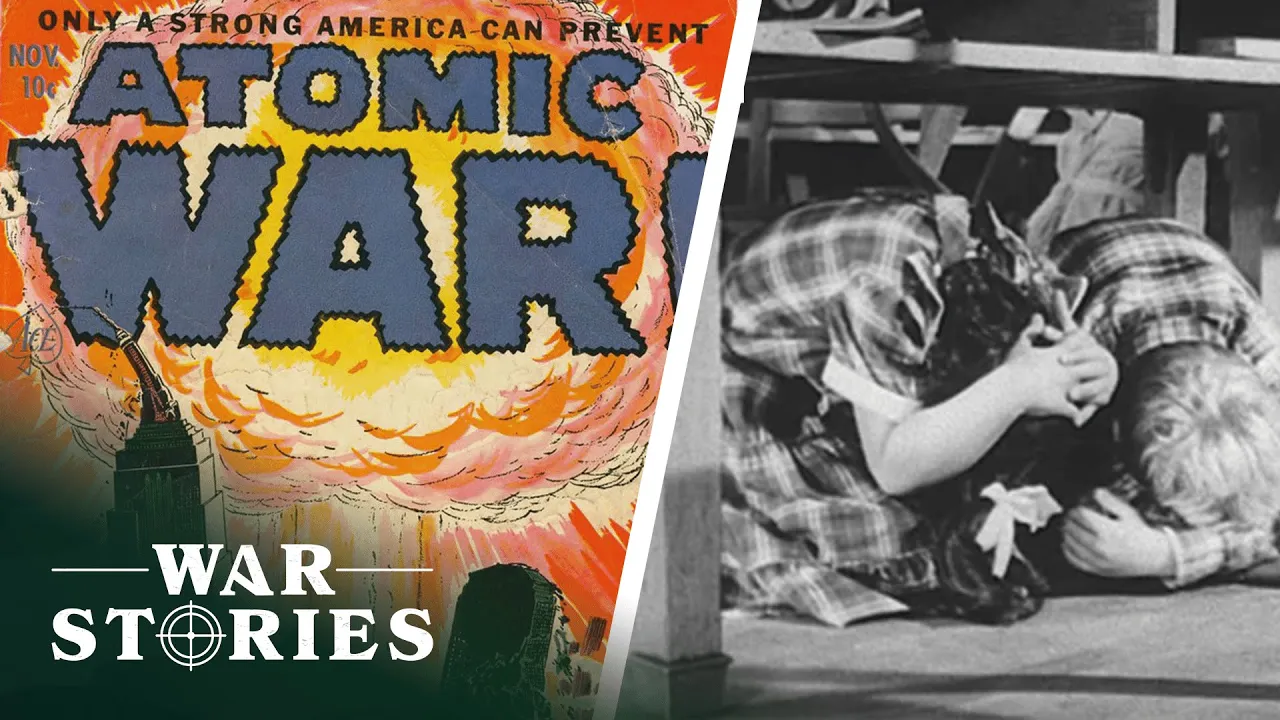
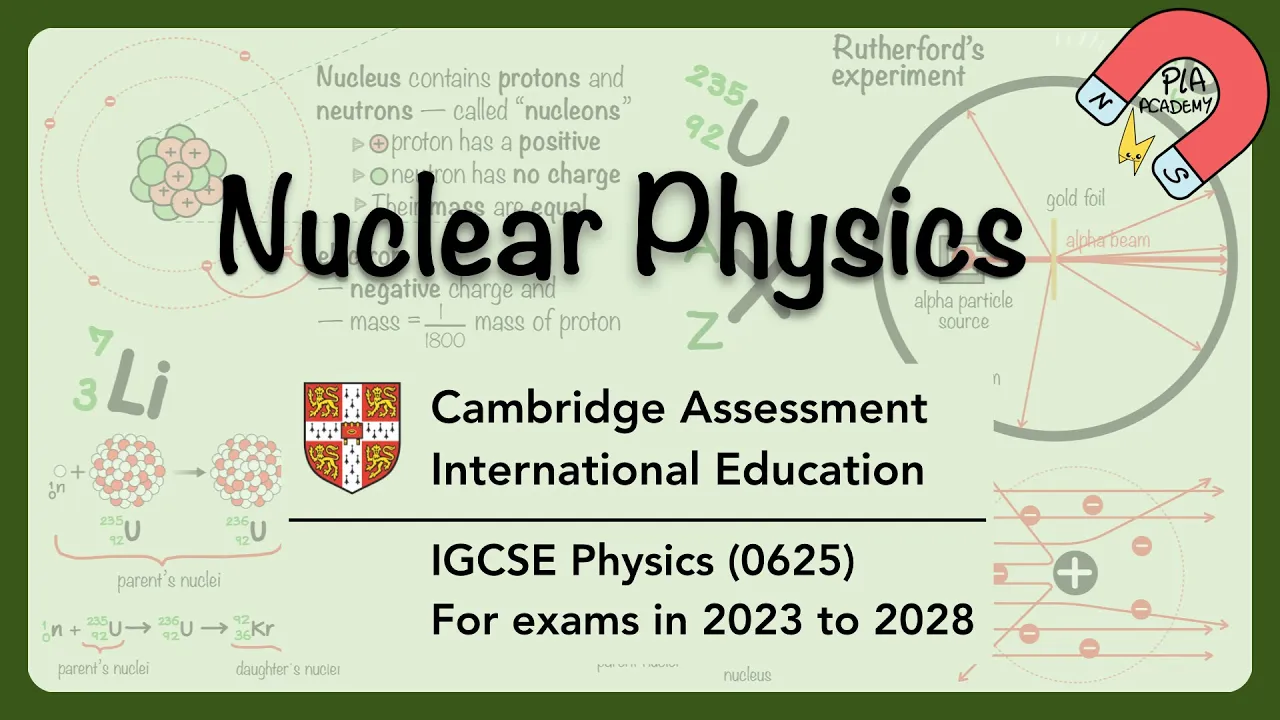
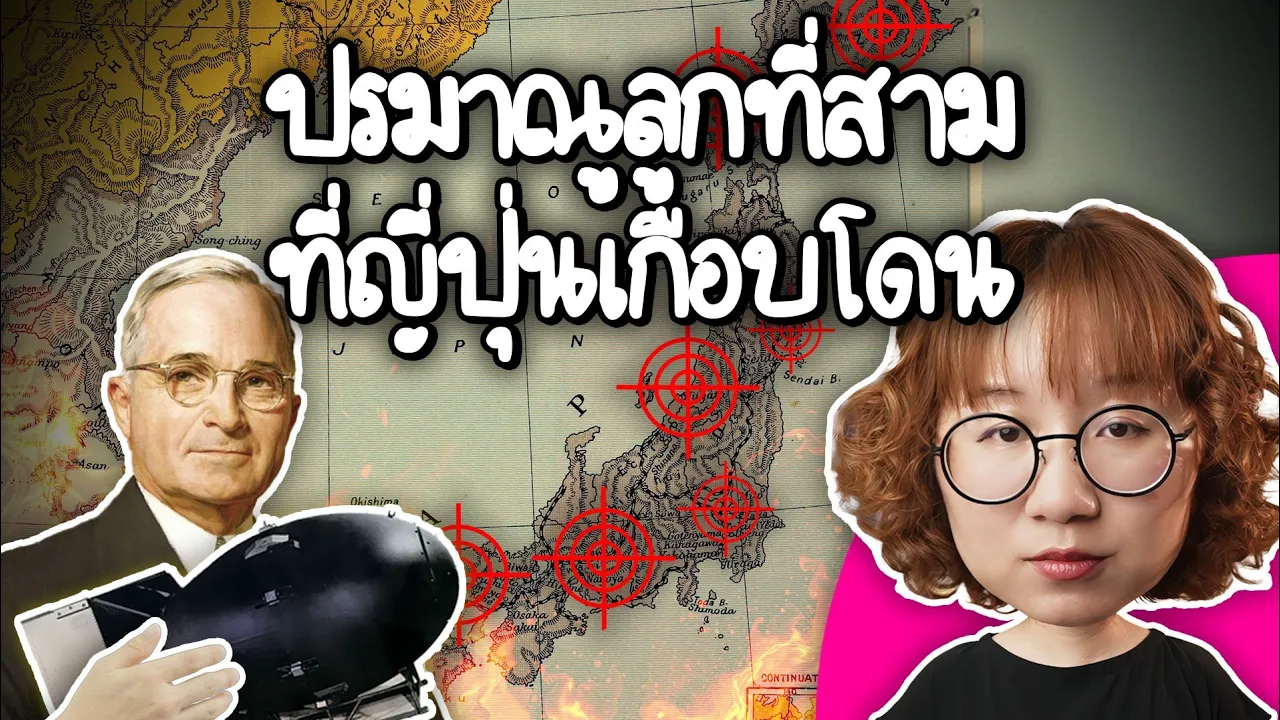
[Music] seventy years ago the nuclear bomb altered our reality forever for the first time in human history we now were capable of our own destruction as a species the bomb affects everything it was the opening shot of the cold war all u.s citizens are now going to have to be on high alert radio alert the bomb produces some of the worst psychological tension ever in world history an international arms race confrontations and close calls politics culture even sex [Music] there was a kind of thrilling excitement about it fire entire industries were created to build this incredible energy opens limitless horizons new cameras film stocks and techniques devised to photograph it now thanks to state-of-the-art restoration of original film masters we can see the incredible power of this device in a new way a technology that has changed human existence forever the bomb has receded in the public's imagination but it's still there we still live in its shadow everybody's affected by it there's no place to hide it is an environmental issue it's a political issue it's a moral issue it is the most important issue that we face the bomb the bomb was made possible in part by contributions to your pbs station from viewers like you thank you it first appeared in the new mexico desert [Music] a place the spanish called cornada del of the dead here miles and miles from anywhere the bomb came to life the exact spot is inaccessible hidden inside a 3 000 square mile weapons range but for a few hours once every year it's open to the public they come from all over like pilgrims to a shrine to see and stand in the spot where the nuclear age began where the modern era started it's probably what it is turning point would be actually at ground zero where it actually happened it's world history too it changed it changed everything the bomb that was tested here 70 years ago turned night into day and set the world on a new and dangerous path it was a beginning that would lead to over a thousand nuclear explosions through five decades test after test in desert landscapes on tiny islands a cold war that brought the world to the brink and produced an enormous stockpile of bombs most of which could destroy in one instant a city and much more sixty thousand nuclear weapons between the united states and the soviet union if something should go wrong the consequences would be catastrophic not simply for one nation or another but for mankind no less than the discovery of fire the bomb marks a dividing line between all that came before and everything that follows nuclear war would entail the end of civilization this was a millennial change in human affairs everyone was at risk the force that first appeared on this spot a power greater than we can imagine where did it come from how did it all [Music] start the understanding of how the world worked was being revolutionized and in 1938 in germany and it's important to emphasize in germany the greatest revolution of all occurred in berlin two german chemists otto han and fritz strassmann discover that bombarding uranium with neutrons creates a different substance barium they have no idea why but a friend physicist lisa meitner suddenly realizes they have split the nucleus of the uranium atom what she calls fission mightner publishes her conclusion in the scientific journal nature the news begins spreading through the international physics community the implications of that were obvious to physicists all over the world out of a little bit of material it can produce an enormous amount of energy [Music] the timing could not be worse nazi germany is on the rise adolf hitler is about to start world war ii [Applause] as physicists around the world digest lisa meitner's news they quickly realized this discovery nuclear fission could determine the outcome of the war uranium can be fissioned when hit with a neutron producing the tremendous amount of energy a lot of energy for einstein's equation a equals mc squared every physicist knew all over the world an atomic bomb could be built by the nazis after all the discovery had been made in germany germany had very good physicists maybe hitler's building the bomb the threat of germany getting a bomb first is so unthinkable hey we're in a race with the germans perhaps but so far the race is only in the scientists minds no one else understands the danger of a bomb that doesn't yet exist physicist leo zillard is convinced the only way to stop hitler is to get the bomb first zillard dictates a letter a warning about the threat of a nazi atomic bomb and he thought that the best strategy would be to get albert einstein the most famous scientist in the world to sign a letter to the president franklin roosevelt and get things moving zillard's letter and einstein's fame do the trick president franklin roosevelt authorizes a project to research uranium [Music] two years later the japanese attacked pearl harbor hitler declares war on the us america is fighting two wars against germany and europe japan in the pacific suddenly roosevelt's uranium research project is critically important what began as scientific inquiry is about to become a crash program to build a bomb [Music] the bomb had its roots in many places all of them managed by the u.s army corps of engineers in this building on broadway in new york city the engineers set up an office on the 18th floor the largest government scientific project in history begins to take shape to keep its real purpose secret the project is named after the engineer district where it's located manhattan ultimately over half a million people will contribute to the manhattan project they'll be led by this man leslie richard groves army engineer groves has been in charge of building the pentagon and internment camps for japanese americans now he's itching for the next step in his career and overseas combat assignment then groves gets a surprise update from his boss i have a project for you and groves realizes what it is oh no not that thing no he's ready to go overseas and he's very disappointed developing an imaginary bomb based on invisible particles that will probably never work seems like a career dead end but hey you do what you're told you do what you're told and you do it to the best of your ability and he put his foot on the accelerator and never let up but first he negotiates a raise he says i'm gonna have to be a general i mean these scientists encouraged would respect me if i'm just a colonel now he gets to work friday day one purchase 1200 tons of uranium ore saturday negotiate special top priority rating for the project monday meet with presidential science advisor vannevar bush wednesday go to tennessee by 56 000 acres of land for factories next visit universities and meet scientists columbia harold yuri university of chicago arthur compton berkeley california ernest lawrence back to washington groves has put in motion what will become a vast industrial complex in less than two months [Music] there's only one thing missing the bomb itself it'll be years before there's nuclear fuel ready the uranium has produced one tiny particle at a time but when that fuel is ready groves will need a design for a bomb that works and for that he needs scientists he's been meeting plenty of them at columbia chicago berkeley no question they're smart but they just rub him the wrong way uh he's a military man so we've got a clash of cultures here groves was a very smart man and knew a lot about a lot of things but he didn't know much about physics he also had a pretty thin skin about people looking down on him who who had phds which he didn't have eggheads he thinks that these these guys are up in the clouds they're not very practical their politics are for the most part suspect they talk too much what about security here this is going to be a big secret here they're blabbing all over the place amongst themselves they're gonna have to be put in put in shape groves needs a scientist he can work with someone who can turn theories into a working bomb and run a lab and manage a team of the most brilliant and can tankers minds ever assembled in one place [Music] against the advice of most of the senior physicists in america he chose robert oppenheimer oppenheimer oppenheimer ran graduate seminars of 15 people that was it he couldn't run a hamburger stand i mean he had no administrative record groza's security people were totally against oppenheimer they were appalled his wife's a communist his brother's a communist sister-in-law is a communist [Music] and yet the no-nonsense general senses something in this brilliant dreamer that strikes a chord oppenheimer was very good at explaining things and oppenheimer explained things so beautifully and so respectfully to general groves that groves just was dazzled and decided this is my man it was a brilliant decision and insightful oppenheimer understood better than any of the others what needed to be done and oppenheimer saw in groves something absolutely essential which was grove's ability to get oppenheimer anything you wanted any person any resources anything general leslie groves and dr robert oppenheimer complete opposites yet each in his own way a virtuoso together are made for this moment the two of them were bound together and both saw in each other what i call the route to immortality [Music] it's 1942 groves has his lead scientist now he needs a special kind of uranium u235 the only substance that can make an atomic explosion natural uranium u-238 won't work and that's a problem the uranium that you dig out of the ground has only about seven tenths of one percent u235 so we then had to figure out a way to separate u-235 from u-238 you can't do it chemically because it's all uranium groves builds a huge complex at oak ridge tennessee to produce u-235 but it's agonizingly slow getting u-235 is not difficult in tiny quantities but since you have to get them one atom at a time it is an enormous task to do that just one bomb will need pounds of the stuff getting it one atom at a time will take years but chemist glenn seborg finds another option plutonium it can be produced faster than uranium in a nuclear reactor [Music] so groves builds another complex reactors at hanford washington to produce plutonium but all this will take time and both wars are going badly in the pacific the japanese capture the philippines they force 60 000 weak and starving pows to walk 60 miles with little food or water the baton death march if you stopped you were killed if you just couldn't take another step forward you died and how did they kill you either bayoneted you to death shot you or decapitated you depending on how they felt at that moment the war with germany is just as bad german u-boats are creating havoc in the atlantic [Music] hitler's armies occupy europe north africa and are hammering the soviet union [Music] and no one knows how close the nazis are to an atomic bomb groves is of course consumed by this question of what the germans are up to the nazis are already committing unspeakable atrocities if adolf hitler gets the bomb he will be [Music] unstoppable the bomb came out of the minds of men to create it they would need isolation freedom from distraction and utmost secrecy here deep in the jemez mountains they could think their thoughts work numbers follow the equations los alamos new mexico where the scientists worked was created by and for the bomb today only a few traces of its beginnings remain an old mess hall an army barracks robert oppenheimer's house the main lodge of what was once a private boys school in 1942 oppenheimer tells groves this is the perfect place for a secret laboratory up on a mesa in the middle of a national forest with only one telephone line to the outside world it's isolated we'll keep these scientists away from what they're used to and we can keep our eye on them so they close the school boom and we can get going right away now oppenheimer must convince some of the best science talent in america to move to the middle of nowhere and live behind barbed wire for the indefinite future they needed a good salesman to encourage these people to come to los alamos and oppenheimer was very good at that eventually thousands will be recruited to work on the bomb hal bell was an aeronautical engineer lily hornick and her husband don were scientists for all of them joining the project began with a mysterious cryptic conversation here's this major sitting behind a desk and he said i have a very neat job for you but we only take volunteers well tell me about it he's i can't don was asked how would you like another job don said well you have to tell me a little more and he said well i can't tell me where i'd be cause i can't which direction in the country north south west and i can't tell you any of that just tell me what i'd be doing he said i can't i said do you think i'm going to volunteer you're out of your cotton-picking wine i'm not going to risk my future on something i know absolutely nothing about that's ridiculous so he said hornig you know there's posters in the post office that uncle sam is pointing his finger at you don't thought that was very corny but we got the message so the next day i was on my way to oak ridge tennessee yet even in the midst of a national emergency some assets are ignored the women at los alamos ran the schools the libraries they did a lot of the calculations but this was a male environment some women do work as typists and machine operators but of more than 400 scientists at los alamos less than 10 are women lily hornig is one they said how fast do you type and i said i don't type and they said what makes you think you can have a job i said i'm a chemist with a master's degree and a year of work experience and eventually they've turned up a job in the chemistry division so they took some women but they made it very clear that we were not top drawer the first lesson everyone learns is secrecy officially los alamos doesn't exist it's called site y or the hill the bomb is referred to only as the gadget you only need to know enough to do your job and know more and don't be inquisitive about anything more everything was hush-hush go where you're told and there was no preliminary information given to me they knew exactly who i was and why i was there and that was better than i knew i knew very little about the project i just picked up rumors about their building balloons up there submarines you did not talk about bombs atoms uranium you just didn't say that my wife didn't know what we were doing oak oakridge tennessee where uranium is produced has been created nearly overnight this was a town that one year before had just been a farm and suddenly was a large city with 70 000 people houses streets [Music] los alamos new mexico is far more remote and much less developed one of the scientists here hugh bradner has a movie camera the bradner home movies offer a rare glimpse of life at los alamos the films are remarkable because they exist at all a look inside the most secret facility in the world hidden deep in the remote west many of these people had come from you know urban academic places and here they were living a rather primitive life the living conditions were rough western you could turn on the water tap and worms were as likely as water to come out there was mud during the rainy season on the other hand there were parties and the oppenheimer was a great lab leader and the punch was spiked with 100 lab alcohol so it became exciting their average age is 25 and they know their work may be the only thing that can prevent a nazi atomic bomb i came to this country at the age of 12 from hitler germany and my motivation was very much tied to that all of them were told that they could shorten the war through their efforts and that was enough to know at the time by spring 1944 they have a design it resembles a gun two chunks of nuclear fuel will be slammed together creating a critical mass and a nuclear explosion [Music] it's simple but there's not enough fuel to test it uranium production is so slow it will take years to make enough for just one bomb since plutonium can be produced faster it is the key to making multiple bombs the success of the entire project depends on making plutonium work but when physicist emilio segre gets the first tiny sample of plutonium from hanford he makes a devastating discovery a plutonium gun bomb will melt not explode the gun type plutonium bomb will not work it was a disaster there was just enough uranium for one gun bomb if you couldn't use plutonium there would only be one bomb maybe this whole 350 million dollars is going to go for naught because plutonium won't work oppenheimer really considered resigning from los alamos at that point it's a dead end los alamos scraps the plutonium gun design and starts over after years of work they can only count on one uranium bomb it's summer 1944 the allies have invaded france but the outcome is still in doubt nazi scientists are introducing frightening new weapons the world's first jet fighter a cruise missile and a supersonic rocket they could be close to an atomic bomb we knew they were working on it but we didn't know how far along they were the war could be lost if germany got it first in los alamos they've got a new approach a possible way to use plutonium implosion usually an explosion is outward this time they're going to push a ball of plutonium and compress it taking a ball of plutonium and using explosives to compress it might be impossible but it's their only hope that was the greatest problem at los alamos how to make plutonium work they reorganized the laboratory and there's a crash program for implosion [Music] chemist george kistiakowski from harvard is brought in to work the problem [Music] kistiakowski will spend the rest of 1944 and beyond experimenting desperately trying to make implosion work as complex and daunting as implosion is kistiakowski and his small team will not be nearly enough they turned to the british who sent some of their scientists to los alamos groves wanted all of them vetted for possible security infractions and the british said no no they're okay we'll take care of them among the new arrivals is a quiet and strange refugee from germany his name is klaus fuchs he was a very good physicist he made interesting suggestions very cooperative but a sort of sort of an odd guy and he made me uncomfortable although no one seems aware of it besides being brilliant and odd klaus fuchs is a dedicated communist in a few short years his presence at los alamos will come to haunt groves and oppenheimer by early 1945 the war in europe is in its final months nazi germany is being squeezed between americans british and french on the west and soviets on the east in los alamos the design for the uranium gun bomb is complete all that's missing is the uranium there should be enough for one bomb by summer as for a plutonium bomb they're still working on implosion then in april tragedy when he heard that his chief was dead his simple humanity expressed itself in these words to mrs roosevelt what can i do to help now ultimate authority over the bomb falls to harry truman my duties and responsibilities are clear i have assumed them but there is one enormous responsibility that's not at all clear incredibly truman has never even heard of the bomb he's got this responsibility that he really didn't know about because franklin roosevelt didn't tell him he had been the vice president for 82 days he had met once with roosevelt essentially for a picture oh by the way here you're in charge of a project that could end human civilization thank you very much in may germany surrenders the war in europe is over hitler and the fear of a nazi atomic bomb the very things that gave birth to the whole project are gone [Music] but in the pacific the war against japan is still raging the job wasn't done i was the boy of seven that spring of 1945 and i remember vividly there were still young men being killed every day the race may have been inspired by fear of germany but japan is now the only enemy and thus target for the bomb the very first bomb was called the gadget after three years and two billion dollars this is it a six-foot sphere filled with batteries electronics explosives covered with cables to set it off and measure what happens at its center a grapefruit-sized ball of plutonium the core if this thing works the world will never be the same everything comes down to a test in the new mexico desert code named trinity it's july 1945 they've been preparing for months putting in roads shelters and bunkers miles of cable it's the biggest science experiment in history if it works they'll set off the world's first atomic explosion no one has any idea what that will be like they need to measure record photograph everything radiation levels shock waves temperatures all unknown all must be documented [Music] thousands of miles away in potsdam germany president harry truman is negotiating with stalin does he have an atomic card in his hand it all depends on the trinity test back in new mexico george kistiakowski has discovered a problem it looked as if the bomb might be a dud since they had poured the explosive and it was hot when it was poured there was the possibility there would be bubbles in there so kistiokowski decided he had to fill those bubbles with liquid explosive now kistiakowski must drill holes in the explosive and carefully fill each bubble the outcome of the test depends on his fix and there's no way to know if it will work there was a test on july 14 a full up explosive test they went really bad which then made them worry even a little bit more they are out of time all they can do is press on and hope they'll hoist the bomb to the top of a 100-foot steel tower they pile mattresses under it just in case thousands of people years of work are on the line the last crucial piece the grapefruit size plutonium core a 350 million dollar box is delivered by carr from los alamos in potsdam truman waits the test is scheduled for tonight begins to rain we're going to have to postpone this thing so there's great nervousness most everybody really had a knot in their gut about all the electronic connections and there's a zillion things could go on the weather looks bad but groves refuses to give in and gross becomes his own weather man here and decides we're going to have this test at 5 30. it looks as though it might clear just enough to get the test in dawn was just beginning to break we heard the countdown it's july 16 1945 three years hundreds of thousands of people the futures of groves and oppenheimer their careers involved there's two billion dollars spent unproven science a president waiting a chance to end the worst war in history will it work the world will never be the same no one who was there will ever forget it couldn't believe that i would see it when i had my eyes closed it was the most incredible sight i've ever seen in my life so it was a brilliant white yellow to start with developed reds and orange and purple blue i was just standing there with my mouth open engineer jack abbey has brought his camera i snapped the shutter wide open jack abbey's picture is the only properly exposed color still photo from that night [Music] a new age has begun the bomb is about to change everything i have to admit i didn't feel much of anything except great joy that it was a success it was really later that we all began to think more about it the thing worked and there was plutonium flowing from the hanford reactors to los alamos groves now knows they can make implosion bombs as fast as plutonium is produced in potsdam truman gets the news what to do about the russians here should we tell them what's going to happen after the war truman tells stalin the u.s has a powerful new weapon stalin barely reacts because he already knows klaus fuchs has been telling the soviets all about the bomb stalin and the people closest to him were very well informed about the progress of manhattan project and that's partly why at putsdam stalin kind of just looks at them and doesn't say much back in the u.s now that the atomic bomb is a reality some scientists are having misgivings about using it leo zillard who warned of a nazi bomb drafts a petition to the president urging him to consider the moral consequences off-hand i'd have to say the scientists were probably about evenly split for and against scientists also worry that using nuclear weapons now will put the us in danger after the war by encouraging stalin to pursue the bomb they thought if they are used they are likely to precipitate a nuclear arms race with the soviets some scientists urge a demonstration of the bomb to give the japanese a chance to surrender but to the japanese surrender does not seem to be an option they send kamikazes suicide pilots against u.s ships in battle after battle their soldiers killed themselves rather than be captured the u.s is now firebombing their cities 100 000 japanese die in one night in tokyo alone their war is hopeless yet they still refuse to surrender the next step seems unavoidable invade japan itself thousands of americans and perhaps millions of japanese will likely die for harry truman the bomb seems by far the lesser evil i may be faced with an actual land invasion of japan so if there's anything that can shorten the war before that and prevent it i'm for it on july 26th the japanese are given an ultimatum surrender unconditionally or face destruction the japanese were not interested in unconditional surrender they wanted their emperor to remain in power they wanted to oversee their own war crimes trials they did not want u.s occupation of the home islands the japanese reject the ultimatum [Music] now all the pieces fall into alignment japanese leaders who cannot bring themselves to stop a massive science project that has spent two billion dollars racing to create the bomb a president facing a horrific battle who suddenly sees an alternative [Music] what happens next dropping two atomic bombs on japan in august 1945 will become one of the most controversial decisions in american history seventy years later remarkably evidence suggests the president never actually gave this order now that it's ready it may be harder to stop the bomb than to let it go there is a question about whether or not truman ever really authorized the use of the bomb and it's my argument that he never did that there was so much momentum built up that truman new to the job decides not to interfere with ongoing plans on tinian island in the pacific the uranium gun bomb nicknamed little boy is ready it's never been tested but it's so simple that they are sure it will work the bomb is loaded into the b-29 enola gay a few hours before dawn on august 6th the plane takes off [Music] it flies 1500 miles through the night at 8 15 a.m over hiroshima it drops the bomb now the bomb controls its own destiny when it's 1900 feet from the ground it explodes a fireball a quarter mile across reaches 10 000 degrees anything close to the center is vaporized then a shockwave explodes buildings knocking down anything in its path almost everything within one mile is totally destroyed only a few concrete structures remain where something or someone absorb the heat a shadow is left behind [Music] at least 80 000 people die other bombings have killed more people what's new about hiroshima is how easy it was one plane one bomb and still even after this the japanese will not surrender the shock of the first bomb didn't quite do it actually they couldn't even at first accept that hiroshima had been bombed the japanese have their own plan to end the war behind the scenes they have been secretly talking to the soviets hoping the russians will broker a deal with the us a conditional surrender but two days later the soviet union declares war on japan now the brokered conditional deal the japanese hoped for is dead but there's still no sign of surrender the level of resistance in the japanese government was very very difficult to understand it was so great [Music] on tinian crews are preparing the next bomb nicknamed fat man as president truman addresses the nation if they do not now accept our terms they may expect a reign of ruin from the air the like of which has never been seen on this earth [Music] on august 9 a b-29 carrying the fat man bomb takes off the target is kokura but kokura is obscured by clouds so the plane heads for the backup target because it happens to be cloudy thousands of fortunate people are spared others will die in their place the second city hit by an atomic bomb will not be kokura but nagasaki [Music] nearby in pow camp 17 lester tenney sees the explosion we saw this tremendous cloud rise and it was the most unusual thing it seemed to have a pedestal and we had no idea what it was [Music] up to 70 000 people are dead even now after the soviet invasion and two bombs japanese leaders still cannot agree about surrender the russians invade them they still do not surrender the second bomb was dropped and then the emperor decided to surrender even then the japanese army did not want to nothing speaks well for the japanese nothing the emperors and his advisers were callously uninterested in the lives of their citizens that were being lost they just did not care about how their people were suffering while the japanese leaders try to make up their minds groves is planning more atomic attacks the orders for the bomb are to keep using them as made ready that very important phrase so the bomb after nagasaki if necessary and a bomb after that if necessary and a bomb after that if necessary they will drop atomic bombs as fast as they are built three or four a month and finally truman said enough no more until the president authorizes them finally the day after nagasaki japan agrees to surrender on one condition they keep their emperor i have received this afternoon the unconditional surrender of japan truman agrees though he calls it unconditional qualification that was japan's hope was to uh surrender conditionally to have some say in how it would happen in pow camp 17 the prisoners sent some things up but they don't know what lester tenney tries a daring experiment speak to a guard without bowing now if you saw a japanese guard two blocks away you better stop turn to him and bow or you're beaten and so i went outside and saw the japanese guard right out there and i just walked up to him in my best japanese i just said konnichiwa and i never did stop and bowed and he stood at attention and within a matter of five or six seconds he bowed to me he bowed to me that war is over the war is over period just exactly like that [Music] [Applause] on september 2nd 1945 japan signs the surrender documents war ii is over the war was finally over we were so relieved [Music] it's time to celebrate not only the end of the war but the remarkable new bomb that helped win it after years of secrecy overnight the gadget is big news and all of a sudden it's not only out but here it is in the newspaper in front of me i bought a half a dozen papers of the different kinds but it it it was a shock it's a whole new era the atomic age with its own genesis story secret cities massive factories the genius in the general are suddenly part of the culture and the press went wild the atomic age loomed upon the threshold of history suddenly the cat is out of the bag well what did you think of that farm we dropped on the jabs it was new an american invention thousands of able young scientists were called to the service los alamos laboratory a secret laboratory in new mexico was work work work and more work here it is plutonium uranium releasing unimaginable force the basic power of the universe and at the center of all of this robert oppenheimer father of the atomic bomb one of the most famous people in all of america trump's einstein the triumph of the bomb winning the war with science seems the perfect american success story good thing it was dropped ended the war saved american lives end of story the bomb seems to have brought an answer for how to end the war but it has also raised questions the question right away became when are the soviets going to get a weapon when are they going to get the bomb scientists who warned about hitler having the bomb now worry about the us and soviets getting into a competition to build more and bigger bombs a nuclear arms race little do they know it's already too late the race started the minute stalin saw pictures of hiroshima suddenly this project that's on paper comes to reality and the destructive possibilities of this bomb were made clear the soviets felt very vulnerable and that spurs stolen into action it's after the hiroshima and nagasaki bombing that stalin creates the crash program to catch up and create the soviet nuclear weapon the soviets have an invaluable head start thanks to espionage not one but two scientists at los alamos are spies klaus fuchs who was german and another spy who was an american a graduate student at harvard named ted hall having two independent sources inside los alamos is an incredible espionage coup well imagine when apple was designing the iphone and if apple's competitors had two people in the room with steve jobs listening to steve jobs work through the various difficulties and snacks they don't have to make the mistakes that steve jobs is making that's what made fuchs and hall so valuable and so extraordinary in the history of espionage and the in the history of science no one in the us has any idea how close the soviets are to getting the bomb [Music] with the war over americans are getting back to normal enjoying peace but the atomic bomb is a question mark hanging over the future the manhattan project is still in place what to do about the bomb how many we have how many to build at the secret laboratory in new mexico the scientists are anxious to go home to their universities we had a group of young professors who had good jobs to go back to an academia and you had young students who had not yet completed their studies you got to remember living here in little wooden shacks with cold stoves eating bad food on mud streets so as soon as the war ended everybody left the town dropped from three 4 000 people to like a thousand people in just a matter of weeks robert oppenheimer whose vision created los alamos is one who leaves the lab he built now seems destined to fade away in the summer of 1945 trinity hiroshima and nagasaki opened the door to the new age but it won't be until a year later in the summer of 1946 that major turning points will determine the future of the bomb we are here to make a choice between the quick and the dead it begins in june at the united nations when the u.s offers the world a plan to get rid of the bomb one manufacturer of atomic bombs shall stop two existing bombs shall be disposed of pursuant to the times of the treaty america will give up its atomic bombs if other countries pledge not to build them and agree to inspections it's an idea that will become known as trust but verify [Music] the soviets refuse to pledge anything unless america gives up the bomb first the battle to save mankind from destroying itself is still deadlocked it is later than we think debate will continue for months it's late june 1946 and the nuclear arms race will soon explode time now is measured in seconds five four three two one fire just a few weeks later a huge fleet of warships is sent to the bottom of the pacific ocean by the atomic bomb today they still lie where they sank bikini lagoon here in july 1946 the public would be invited to witness an atomic explosion for the first time the u.s military would discover how vulnerable it was to its own bomb and the future of los alamos laboratory would be guaranteed all the result of an event appropriately named crossroads [Music] crossroads is the brainchild of this man louis strauss or straws as you like to be called a curious figure of a man who had been a shoe salesman and had made himself very rich and then he was an admiral in the navy but he never sailed the ship extremely politically ambitious strauss is worried about the navy how will the new atomic bomb affect its future historically what did we have in the country we had an army and a navy what does the bomb mean for each of them it's the thing to have it's a winning weapon everybody wants it but only the air force has it and in 1946 the air force is still part of the army people have been arguing that the navy's obsolete now air forces will control how wars are fought and won the traditional line in the navy during the cold war it was remember the soviet union as our adversary the army is our enemy louis strauss thinks he has the perfect answer to the navy's problem a bomb test to prove navy ships can survive atomic weapons operation crossroads sort of a contest between the navy and the air force in which air force bombers will try and sink navy ships first casualty in the contest is leslie groves the navy not groves will be in charge of crossroads they'll do the test in the middle of the pacific ocean at the tiny island of bikini [Music] the navy evicts the residents and assembles a target fleet over 90 captured german japanese and surplus u.s warships will be bombed there'll be three explosions abel baker and charlie one in the air two underwater crossroads is a huge operation 100 million dollars 42 000 men 240 ships not counting the targets instruments cameras cameras and more cameras film miles and miles of it animals so doctors can study what the bomb does to living creatures and reporters from all over the world it was a show it was a spectacle at last all was ready for able day tentatively july 1 1946 the show begins dave's dream is roaring down the runway engine singing for the first test able they'll drop the bomb from a plane bomb bay doors are open the plane approaches the bomb is dropped unfolded are a myriad of majestic startling and awesome effects a panoply that only the cameras can record in faithful detail the bomb the same fat man model dropped on nagasaki as a force of 20 000 tons of tnt [Music] b-17 drones flown by remote control are sent into the mushroom cloud to take measurements it's the first nuclear explosion to be witnessed by the public but the public is 18 miles away and after all the build-up of the flash you didn't see ships flying through the air and the first reaction was now the atomic bomb not such a big deal three weeks later a second test baker this time the bomb will be underwater the scientists think it's a terrible idea they warned that exploding an atomic bomb under water will create a witch's brew of radioactivity releasing enough plutonium to poison the entire armed forces of the u.s they knew what was going to happen when you set off an underwater explosion it was going to make a lot of contamination but i guess they lost out to admiral blandy navy admiral william blandy is the man in charge of crossroads and from the start he's got a pr problem i am not an atomic playboy as one of my critics labeled me exploding these bombs to satisfy my personal whim many considered it a boondoggle the bomb will not start a chain reaction in the water converting it all to gas and letting all the ships on all the oceans drop down to the bottom there was a tremendous amount of pressure i think on on the navy to try and convince the public that this was worthwhile bikini atoll and faker day the underwater explosion of the fifth atomic bomb the bomb and instruments are set into action aboard the los alamos firing ship nerves are stretched to the breaking point five radio control circuits will set off the blast in this value to push button warfare two one fire an underwater shock wave is clearly visible in the first one second two million tons of sea water are lifted into the air as the water rises it creates a column nearly a half mile wide now it starts to fall back the water falling out of the sky creates a base surge like the mist at the bottom of a waterfall the surge nearly a thousand feet tall completely envelops the target ships no one has ever seen anything like it the sheer power and magnitude of the atomic bomb but so far despite two of these bombs the results looked pretty good for the navy 75 ships survived less than 20 sunk the navy felt that they came out of it with flying colors and blandy said yes the navy can withstand the atomic bomb the navy plans to put sailors on these ships and sail them triumphantly back to the us but there's a problem at first there seemed to be little damage but succeeding days told a different story the thousand-foot high wave of water that drenched the ships was highly radioactive the ships are now contaminated geiger counters rattle wildly the area is loaded with death dealing gamma neutron and other lethal rays and there is no complete protection against this terrifying invisible killer at first the navy simply doesn't believe it you can't smell radiation you can't feel it and these navy guys were just gonna get back on their ships and survive the bomb now they have no idea what to do the ignorance was rampant there was no real plan for decontamination they try hosing down the ships with sea water trouble is the sea water itself is now highly radioactive and when the sailors go back to their own ships to change clothes they contaminate those ships too the man in charge of radiation safety army dr stafford warren tries to cancel the operation stafford warren doesn't want the sailors back on the ships but it's pretty hard to go up against the entire u.s navy in desperation stafford warren gets a fish from the lagoon and places it against a piece of film the fish is so radioactive it exposes the film all by itself the glow was produced by the exposure of the film to radiation [Music] finally admiral blandy and the navy are convinced crossroads is halted it's been called the world's first nuclear disaster only nine ships are ever successfully decontaminated most of the rest are towed away and deliberately sunk [Music] the air force will remain the primary keeper of the bomb for now but crossroads turns out to be a good thing for los alamos i don't think the laboratory would have stayed in business very long had we not had a customer but the navy came in and gave us a job it gave us some work to do and kept the laboratory going through some very uncertain times [Music] after july 1946 los alamos lab will grow building and testing more and more bombs over the coming decades crossroads also becomes part of popular culture [Music] even today the baker shot remains the most enduring single image of the power of the bomb [Music] just a few weeks after the second crossroads shot an unexpected event will give americans another much darker look at the bomb and for the first time a major public debate about using it will begin on august 31st the latest issue of the new yorker magazine appears on its cover a whimsical portrait of central park on a summer day inside a very different portrait of another city on a summer day the entire issue is one single article an essay by john hersey about the experience of the people in hiroshima told through the eyes of six survivors one's a catholic priest one's a talis widow a couple of them are doctors kinds of people that americans can relate to the special issue sells out in hours hiroshima by john hersey this astounding report written for the new yorker magazine has deeply affected thousands of americans radio networks in england canada australia and the us preempt regular programming and do live readings by actors this chronicle of suffering and destruction is not presented in defense of an enemy it is broadcast as a warning that what happened to the people of hiroshima a year ago could next happen anywhere chapter one a noiseless flash at exactly 15 minutes past eight in the morning no one had ever seen the consequences of a nuclear bomb and the knowledge of what this meant doesn't really soak in until afterwards now in august 46 a year after hiroshima one essay is giving the world a whole new perspective on the bomb it has enormous consequences it begins to make people rethink their attitudes towards nuclear weapons but nuclear weapons are becoming the key to u.s security harry truman and his advisors begin to think atomic weaponry can be the basis of diplomacy former secretary of war henry simpson worries that americans are turning against nuclear weapons so he writes a response to the new yorker piece to justify using the bomb it says there were two choices use the bomb or invade japan and it is a false framework there were alternatives to both the bomb and an invasion would japan have surrendered without our using the bomb there's no way of answering it one way or the other we cannot relive history if truman had not used the bomb why didn't he my son was killed because you didn't use the bomb an american airplane the debate continues to this day all that is certain is that life in the atomic age is turning out to be more complicated than it seemed when the bomb first appeared yes the atom is on its way to brighten our towns and to help manufacture our most dependable and indispensable household service the public flocked to atomic exhibits in search of understanding the bomb had a certain kind of mystique both terrifying and awe inspiring and that was the whole other side of the atomic age x-rays and medicine and atomic power and all these things that are going to contribute to the good life the atom has come to town atomic power was given by the mighty hand of god atomic power do you suppose that our appliances would run as well on atomic energy today's bonanza is a metal more precious than gold or silver there's uranium in them thar hills it will protect your health improve your food bring you less costly living products and a greater measure of leisure and security paid a big price for their sins when scorched from the face of earth their battle could not win put on no longer just a laboratory dream is here today working wandering atomic someday this machine yours is going to be operating on atomic power well i can run it on kerosene with the ever-increasing use of nuclear energy more towns may eventually become atomic cities one part of the early atomic age is still going strong today where do we get the word bikini the designer of the bikini bathing suit designed it four days after the test on the bikini island because of its explosive dangerous potential [Music] while the country is adjusting to life in the atomic age scientists in the original atomic city are looking to update the device that started it all [Music] every bomb america has is still the original implosion design first tested at trinity and dropped on nagasaki fat man few realize how crude it actually is fat man was a science fair project i mean this was not a production weapon it was a handmade craftsman fit all the pieces together it takes about a week to build one two years after crossroads los alamos has a new design to try they'll explode three shots on the pacific island of enewetak a test code named sandstone sandstone had three tests x-ray yoke and zebra and each one tested a new concept in weapons this time the public and press are not [Music] invited sandstone is the end of an era in january 1947 the bomb is put under civilian control administered by the atomic energy commission aec they replaced the handmade fat man with a new model the first mass-produced nuclear weapon and they open a new lab to build the bombs los alamos designs it's the beginning of america's nuclear weapons complex a massive juggernaut that will drive bomb making and testing for decades through multiple administrations to the end of the cold war the year after sandstone another test but this one isn't at bikini and ouita or new mexico it's in kazakhstan to the immense surprise of everyone soviet union tested its first atomic bomb and the balance of power was suddenly and dramatically shifted testing the atomic bomb in soviet union was very important because this is about balancing if you have this possibility you're feeling yourself much safer psychologically we are now on the same level with the united states now the united states cannot dictate to us [Music] if the power of the adam was god's gift to america well now he had given it to our enemy too it was a very very scary moment for the united states how to respond now to the soviet union having a bomb we need a quantum leap beyond the soviets we have to stay way ahead of them some believe the answer is hydrogen fusion the same energy that powers the sun a hydrogen or thermonuclear bomb could be far bigger than an atomic bomb there would be no theoretical limit to the size of the bomb you could make the leading advocate for the hydrogen bomb is physicist edward teller teller is kind of egotistical and rightly so he's a really smart guy but he was kind of hard to get along with an idea man he'd have 10 ideas a day one idea every month might be good but he had 10 ideas a day he was always taken with the idea of going the next step beyond an atom bomb to a thermonuclear weapon and i give him a tremendous amount of credit for sticking with this and campaigning for this but no one knows how to build a hydrogen bomb it might even be impossible we knew how to make atomic bombs we could fill warehouses with them but we didn't know how to make hydrogen bombs why would you stop producing a sure thing to work on something you didn't know how to do moreover some scientists believe this is a chance to save the world by choosing to stop this could be a turning point in human history we can pursue the hydrogen bomb but we don't have to we can send a positive message to the international community we can put pressure on the soviets not to continue building nuclear weapons basically we can set a good example two months after the soviet atomic bomb a committee led by robert oppenheimer unanimously recommends against a crash program for a hydrogen bomb louis strauss and edward teller are outraged but the decision is up to president harry truman the debate over the hydrogen bomb involved the united states restraining itself without any ability to restrain the soviets the soviets had proven that they could build a bomb well that's that's a huge risk to take if you're president of the united states the soviets seemed determined to expand they already control eastern europe in 1948 they cut off west berlin hoping to take that over as well to harry truman the answer seems obvious containment contain the soviet union don't allow it to expand don't allow it to grow or to gain any more influence and if we do you know it's just going to creep and creep and creep until they'll be in our kitchens we need to speed up our work with other countries in strengthening our common defenses we are united in detesting communist slavery at the end of january 1950 truman announces the u.s will build a hydrogen bomb truman decides to respond with an even bigger and more destructive weapon and this is the start of the arms race this is the start of the escalation that will last for decades just days after truman approves the h-bomb physicist klaus fuchs who worked at los alamos is arrested for spying it suggested that this was sort of a leaky system and we had to plug the leaks it was a shock and this was one of the first major events that set in motion the era of mccarthyism and the red scare five months later communist north korea backed by the soviet union invades south korea which is backed by the u.s spearheaded by tanks in two days they were attacking the capital city itself the cold war wasn't even cold it was a hot war from pretty much the beginning there were proxy wars between the us and the soviet union that were fought elsewhere when the korean war goes badly the u.s begins preparing to use atomic bombs and quickly discovers a problem is a very mountainous country and there was concern that the bombs would not have much effect that if we use the bombs it might diminish their threat in the eyes of the soviet union so they were never used in korea [Music] as the korean war drags on the soviets are doing atomic tests with bombers [Music] some atomic scientists have created a symbol to show how close the world stands to nuclear catastrophe the doomsday clock at first they set it at seven minutes to midnight now with a nuclear arms race accelerating it's reset to three minutes to midnight three minutes to global disaster with the threat of soviet bombers carrying nukes americans have to adjust to a new reality we could be hit at home in the cold war the front line was the front lawn you have to take care of yourself so how do you do that you could duck under a desk you could take shelter in your basement and survive this our congress leaves the responsibility for the personal initiative of each of us the government does tests to see what would happen to typical americans we begin with the question of shelter for shelter might save our lives if we were far enough away from ground zero they put a family of mannequins dressed in jc penny clothing inside a suburban ranch home and they furnished it they put food in there canned goods and they blew them up five four three two one in fact the mannequins are blown into various states of dismemberment but civil defense administrators the lesson they took from this is that if you took the proper precautions you could move through this but only if you do the right things a house that's neglected is the house that may be doomed in the atomic age a series of civil defense tests were made to discover the effects of atomic heat on american homes the house on the right an eyesore old unpainted wood and look at the paper leaves and trash in the yard all the earmarks of untidy housekeeping the house in the middle in good condition with a clean unlittered yard let's see what happens under atomic heat the house on the right is the first to ignite the trash serves as kindling for the dry weathered wood the lack of fire safe housekeeping has doomed this house to destruction the house in the middle cleaned up painted up and fixed up exposed to the same searing atomic heat wave did not catch fire the point was if you clean up your yard and you don't have debris and things like that you too can survive a nuclear blast it is your choice the reward may be survival and it's your responsibility not the government the government can't do it for you you have to take care of yourself and if you don't if you're hurt that is your fault and just cleaning up may not be enough you may have to do some remodeling well folks i'm glad you could come down to see my fallout shelter just finished painting it last night this room can be put to other uses as well yes you could use this as an extra bedroom for company it really was the beginning of a kind of militarization where everyone is expected to be prepared thick heavy walls and ceiling protect against radiation the thicker the better it is preparedness culture well this finishes my fallout shelter so what is civil defense about really it's a domestic theater uh for purposes of diplomacy civil defense supported that idea that nuclear weapons should be the basis of american foreign policy and in that sense it was useful we'll learn how to save lives so well it won't be worth your while to drop any bombs on us if our adversary thinks that the society can survive it means that our threat to use nuclear weapons is more credible [Music] even as the government is trying to convince the public that nuclear war is survivable in the pacific scientists are ready to test the first prototype of what edward teller calls the super a hydrogen bomb the test is secret but documented in a now declassified government film if everything goes according to plan we'll soon see the largest explosion ever set off at the face of the earth the device is more science project than weapon not so much a bomb as a building the liquid hydrogen fuel must be chilled to 400 degrees below zero so part of the bomb is a refrigeration plant the whole thing weighs over 70 tons all to see if the thermonuclear concept will work this is the first full-scale test of a hydrogen device if the reaction goes we're in the thermonuclear era it is now 30 seconds to zero time pull on goggles or turn away do not remove goggles or face bursts until 10 seconds after the first light [Music] three it explodes with a force of 10 million tons of tmt 600 times more powerful than the bomb that destroyed hiroshima just nine months later the soviets explode their first hydrogen bomb it's less powerful than america's h-bomb but it's small enough to be carried by a plane [Music] the soviet union has solidified control in eastern europe acquired the atomic bomb supported a war in korea and now has a deliverable hydrogen bomb the u.s is in the midst of a red scare a quest to root out anyone who can be blamed for communist success in this climate of fear and recrimination robert oppenheimer is about to become a target the victim of lewis strauss he is a horrible horrible person really one of the evil men in this story he's already looking for a way to attack oppenheimer and humiliate him strauss has never forgiven oppenheimer for opposing a crash program to develop a hydrogen bomb when president eisenhower makes strauss chairman of the atomic energy commission he sees his chance for revenge the first thing he did when he took office was to begin a process that would lead to having oppenheimer's security clearance lifted the aec has a hearing strauss picks the judges and the prosecutor he gives them secret files in oppenheimer dating back to the 30s and he enlists the fbi the fbi is tapping oppenheimer's phone and his attorney's phone and feeding this information to the prosecutor it is totally a kangaroo accord [Music] they went back over his life step by step mistake by mistake people come to his defense people attack him the women in his life all of this communist past and oppenheimer got smaller and smaller and smaller sitting in this hard chair in the middle of the security hearing the moment of truth comes when edward teller is asked do you believe oppenheimer is a security risk and tell her very cleverly never said yes i do what he said was i would feel more secure if oppenheimer were no longer asked to advise the government and with that he drove in the final nail the father of the atomic bomb is stripped of his clearance kicked out of government forever you know it was witch hunt time i thought that was disgusting frankly it achieved exactly what his enemies wanted to achieve it destroyed him it killed him spiritually but teller pays a price the hatred to edward was so thick you could cut it with a knife the people who dealt most closely with edward i think at los alamos at least disliked him for the rest of his life [Music] even as the aec is going after oppenheimer in the pacific another test america's first practical h-bomb if it works a deliverable thermonuclear weapon on march 1 1954 it becomes apparent that the bomb does indeed work only too well because of design errors it's twice as powerful as predicted 15 megatons equal to 15 million tons of tnt approximately 1 000 times as powerful as little boy this is a massive massive weapon the mushroom cloud rises over 15 miles spreading radioactivity through the atmosphere fallout contaminates inhabited islands and a japanese fishing boat ironically named lucky dragon one of the japanese fishermen dies over 200 islanders get sick the test was secret but the fallout makes it an international incident it brought worldwide attention to the fact of atmospheric testing should we be testing in the atmosphere when all that happens is this radiation's going to get in the wind currents and expose everybody to radiation the incredible power of the h-bomb reveals the futility of civil defense the concern before the hydrogen bomb was could we take shelter what the hydrogen bomb tests reveal is that that is inadequate there may be no safety except run it's estimated over 4 million would have died in new york city [Music] if surviving a soviet h-bomb is impossible the only option is to deter them from attacking in the first place to do that president eisenhower creates a new policy any soviet aggression will be met with massive nuclear retaliation delivered by the strategic air command sack the air force maintains part of its bomber fleet airborne at all times prepare to proceed to specific targets sac is led by curtis lemay lemay realizes that the bomb has forever changed war he saw very early that wars would last for days or even hours and everything had to happen right up front the may plans a massive first strike on the soviet union what he calls a sunday punch ready to go at a moment's notice his crews drill constantly [Music] [Applause] [Music] b-47s and b-52s taking off from bases throughout the free world all of a sudden you've got 90 airplanes departing this airport nuclear weapons on board you take off you don't know whether it's really a mission or not everything is so classified you won't get those code instructions until you're airborne and you know that at eight or ten other bases the same damn thing is happening if these flow of airplanes are in the air they will be coming towards the soviet union and unless the soviet union backs down sharply it's not going to be around when this red phone is picked up direct lines to sac bases on four continents are seized massive retaliation means u.s defense is increasingly dominated by the air force the air force controlled 47 percent of the national defense budget at which point the navy and the army began thinking wow we better get some atomic bombs too as the military services compete america's nuclear stockpile grows and diversifies los alamos was happy to make it and the military was happy to pay for it and so every time they asked for something the lab responded sure no problem nuclear weapons were viewed as just regular weapons only bigger how many different kinds can we fabricate big bombs little bombs big warheads little warheads a nuclear cannon for ground troops even a one-man backpack nuke a way to stop thousands of soviet tanks from invading germany one nuclear round will be detonated here 26 minutes prior to the attack blocking avenues of approach by barriers of flooding and cratering and landsliding attacking autobahns or highways or railroads or bridges atomic demolition munitions [Music] eventually the drive to make a nuclear version of anything and everything gets a little out of hand there was a nuclear bazooka which i think probably is a contender for being the most ridiculous it detonated perfectly releasing its lethal radiation some of the physicists said we could actually develop a nuclear hand grenade the only problem was finding somebody dumb enough to throw it so the american stockpile blossoms by 1947 we had a stockpile of 13.
by 1953 we had over 1100.
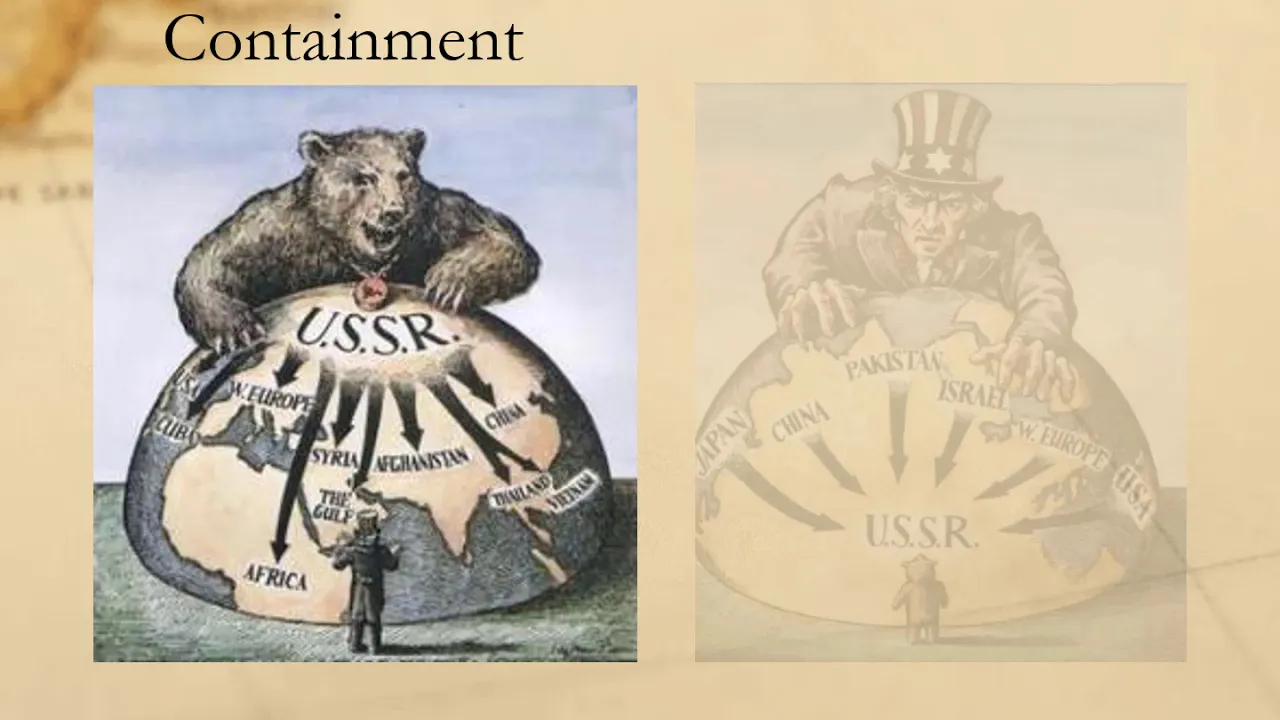
by the late 60s we had over 31 000 nuclear weapons and 36 different types i kind of wonder exactly did you really need all this but i think a lot of it was the military thought they did and a lot i think is just political you know we have more than you you know [Music] the ultimate example of we have more than you comes in october 1961 when the soviets detonate the largest bomb in human history 50 megatons 50 million tons of tnt when the pilot landed so the plane was highly warped skin buckled and the pilot never flew again he said he had done his job for the motherland and he retired after the drop but it's good for nothing except symbolism a bomb this big is not really of any utility you don't kill a lot more people with a gigantic bomb like that than you can with a couple little bombs you've had two super powers and you had to suppress the other superpower from making a first strike and the only way you could do that was to be so strong that if they did strike you first they would be wiped out mutual assured destruction mad and looking back i think it was on the other hand by both sides being so strong that they knew they could destroy each other [Music] it kept the peace until it almost didn't in october 1962 soviet leader nikita khrushchev sees a chance to make a bold stroke in america's backyard pushup decides to put missiles in cuba in order to change the balance of power even today new details about khrushchev's power play are still coming to light we still don't know the full story but it was not just the missiles the soviets were planning to create a massive military base in cuba the most powerful soviet military base in the world he was thinking of a remapping of the cold war relationship dramatic unprecedented but to make it work khrushchev had to do it secretly because if the united states knew that missiles were going to cuba we would stop them it almost works but before the soviets can complete the installation a u.s spy plane discovers the plan the showdown begins with a speech it was about nine o'clock in the evening that they announced the speech of the president to the nation good evening my fellow citizens this government has maintained the closest surveillance of the soviet military buildup on the island of cuba and my father told me i think they discovered missiles a series of offensive missile sites is now in preparation on that imprisoned island the soviets were very worried they were kind of expecting kennedy to announce not just a blockade but maybe an invasion of cuba and then it will be strong possibility of the real nuclear war and it will be end of the world shall be the policy of this nation to regard any nuclear missile launched from cuba against any nation in the western hemisphere as an attack by the soviet union on the united states requiring a full retaliatory response upon the soviet union full retaliatory response on the soviet union and i knew exactly what a four-way television response meant and what the consequences of that would be we would consider bombing you with atomic weapons to see the president of the united states go on national television tell the world that could happen that got people's attention at united nations headquarters in new york the cuban crisis is the one and only subject of discussion the issue which confronts the security council is grey as kennedy considers invading cuba he calls former president and general dwight eisenhower for advice general what's your judgment as to the chances they'll fire these things off if we invade cuba i'd want to keep my own people very alert yeah no hang on tight kennedy has no idea that tactical nuclear weapons are already in cuba they were thinking well if the americans land in cuba then we will have to use at least tactical nuclear weapons to repel them and maybe even mid-range weapons missile officers in cuba had authorization from the soviet union to launch those missiles rather than allow them to be destroyed now imagine if marines had landed on the beaches of cuba and had been met by a volley of tactical nuclear weapons very scary days i truly thought we were going to war really every time i went into that office during the day i thought it was going to be my last day on earth [Music] in the end kennedy and khrushchev both stare into the nuclear abyss and step back two leaders took control of this crisis they decided no we will not start the war we will try to resolve this diplomatically there is a great story of nuclear learning here when they realized what the consequences could be rocho really changed his position in a radical way very quickly khrushchev withdraws the missiles in return kennedy secretly agrees to remove u.s missiles along the soviet border given missile crisis was a much closer call than i think people to this day really realize both sides were behaving really recklessly really recklessly but once they saw what the real danger looked like then both of them made concessions and became very reasonable and you can even say that the cuban missile crisis began the process of arms control as president of the united states i now have signed the instruments of ratification of this treaty nine months after the missile crisis the u.s soviets and britain agree on the first test ban treaty which bans nuclear tests in the atmosphere in space and underwater and within a year the first direct hotline is established between washington and moscow before the missile crisis opposition to the bomb had been building often spearheaded by women don't give irradiated milk to my children you know you have a bomb test the winds blow radiation to the fields where the cows eat the grass and then you get the milk and we serve it to our children no we're not going to do this anymore so many mothers marched against atmospheric nuclear testing that the united states government finally said all right we'll put the tests underground [Music] underground tests also explore the potential to use the bomb for landscaping on a gigantic scale possibly excavating road cuts harbors canals the testing that began in 1945 and continued through 1962 included over 200 nuclear explosions once it moved underground there were 800 more before all u.s testing stopped in 1992 but moving testing underground was only the first step books and films began to explore what nuclear war and its aftermath would mean grim dramas like on the beach fail safe the dark satire of dr strangelove no nukes a groundbreaking concert film and rally the day after a television movie that draws 100 million viewers and becomes a major cultural event and war games which cautions that a nuclear war the only winning move is not to play slowly but surely the public is leading the leaders what began in 1963 with the first test ban treaty leads to other agreements attempts to slow down the build-up of nuclear weapons by 1986 ronald reagan is president george schultz his secretary of state in october reagan meets soviet leader mikhail gorbachev in reykjavik iceland and something remarkable happens reagan's on one end of the table and i'm sitting next to him garbage shops on the other end of the table chevrons sitting next to him and we talked about eliminating nuclear weapons he and gorbachev in a totally unscripted totally improvisational way moved closer to a superpower agreement to denuclearize the world than ever happened before or has happened since such a dramatic moment where two presidents of these superpower enemies suddenly find this common platform common wish but the common wish to get rid of the bomb ultimately proves impossible the sticking point is a new u.s technology called star wars promoted by edward teller it was a technology the soviets did not have and it was a technology that they felt could be used to make it impossible for the soviets to have a nuclear deterrent and garbacho was not able to accept that the cold war is thawing three years after reykjavik the berlin wall comes down in 1991 mikhail gorbachev dissolves the soviet union all without the bomb being used we got out of it with the skin of our teeth we had a couple of close calls along the way and i i think you know we were lucky these two countries were able to end the most dangerous the most protracted confrontation in history at the height of the nuclear arms race the u.s and soviet union together had over 60 thousand nuclear weapons it's absolutely insane and when we get enough distance from this people will look back on it as a moment of humanity's most extraordinary insanity it was an overkill by 5 000 on both sides it was stupid it was wasteful it would have been the ultimate catastrophe and yet it worked the bomb is what keeps this whole cycle a cold war not a hot war without the bomb at some point we would have been fighting each other the legacy of the bomb was that it really changed the nature of global politics it was just a whole new ball game the bomb bring the understanding to the politicians that now you cannot win the war because if you will start the war you will lose more that you will gain today besides the us and russia six other nations also have the bomb plus south africa which had it and got rid of it and israel which will not confirm or deny having it we don't have control over them or what they might do with it the scariest one is india and pakistan some experts believe even a limited nuclear war between india and pakistan would be catastrophic for all of us [Music] there would be so much smoke and smog from the cities burning that there would be a sort of nuclear winter around the whole world dropping average temperatures just enough to cause crop failures worldwide and about 2 billion human beings would starve to death people do not understand the danger they don't understand the likelihood that's going to happen is really high and they don't understand their magnitude over 70 years ago a few scribbles on a blackboard opened the door to a new reality fateful decisions set the world on a path to nuclear weapons i don't feel any guilt or blame about it i think my view really is if we hadn't done it somebody else would have and it would be with us in any case there is no going back the knowledge of how to destroy ourselves is here to stay it appears that our task is learning how to live with it i think what should give us hope is that in all the decades since 1945 not one nuclear weapon has been exploded in anger anywhere in the world we've managed somehow to keep our thumb off the button and let's hope we continue the bomb was made possible in part by contributions to your pbs station from viewers like you thank you the bomb is available on dvd to order visit shoppbs.org or call 1-800 play pbs you
Up Next

1:02
The Alcántara Roman Bridge: Engineering Marvel
@learnhistorysimply
430.7K views•2025-05-28

33:02
The Great Schism of 1054: Causes and Consequences
@SacredCathedrals
113.5K views•2026-02-19
91:57
The Geopolitics of the Ukraine War and the Rise of Global Autocracy
@JordanHarbingerShow
468K views•2025-04-19
17:05
Understanding the Cold War: Superpower Conflicts and the Road to Détente
@OverSimplified
46.1M views•2019-01-24
Related Study Plans & Knowledge Roadmaps
Structured learning paths in History
history
Byzantine Iconoclasm: Theology, Art & Politics
01Foundations of Byzantium and Early Christian Images
02The First Iconoclasm: Leo III and the Crisis of Images
03Empress Irene, Nicaea II, and the Second Iconoclasm
+ 2 more learning modules
9h5 modules
Explore Roadmap
history
Iranian Revolution (Causes, Events & Legacy)
01The Pahlavi Dynasty and the Roots of Discontent
02The Spark of Rebellion and the Rise of Khomeini
031979: The Fall of the Shah and the Climax of the Revolution
+ 2 more learning modules
8h5 modules
Explore Roadmap
history
Mali Empire: Mansa Musa, Trade & Timbuktu
01Foundations of the Mali Empire
02The Trans-Saharan Gold and Salt Trade
03The Reign and Pilgrimage of Mansa Musa
+ 1 more learning modules
6h4 modules
Explore Roadmap
history
1947 Partition: Politics, Borders & Legacies
01Foundations of British India and the Divide
02The Political Negotiations and the Mountbatten Plan
03Drawing the Boundary: The Radcliffe Line
+ 2 more learning modules
8h5 modules
Explore Roadmap