





















![IB Economics Revision Session: Microeconomics [HL/SL]](https://i.ytimg.com/vi/j6Rxiss1qiE/maxresdefault.jpg)



Market equilibrium occurs where supply equals demand, maximizing economic surplus (consumer surplus + producer surplus). Consumer surplus is the difference between what consumers are willing to pay (demand curve) and what they actually pay, while producer surplus is the difference between the market price and producers' marginal costs. When markets deviate from equilibrium through price controls or taxes, dead weight loss emerges as a reduction in total economic surplus, represented by the triangular area between the actual quantity traded, the marginal benefit curve, and the marginal cost curve.
AP Micro Topic 2.6 & 2.8: Equilibrium & Deadweight Loss
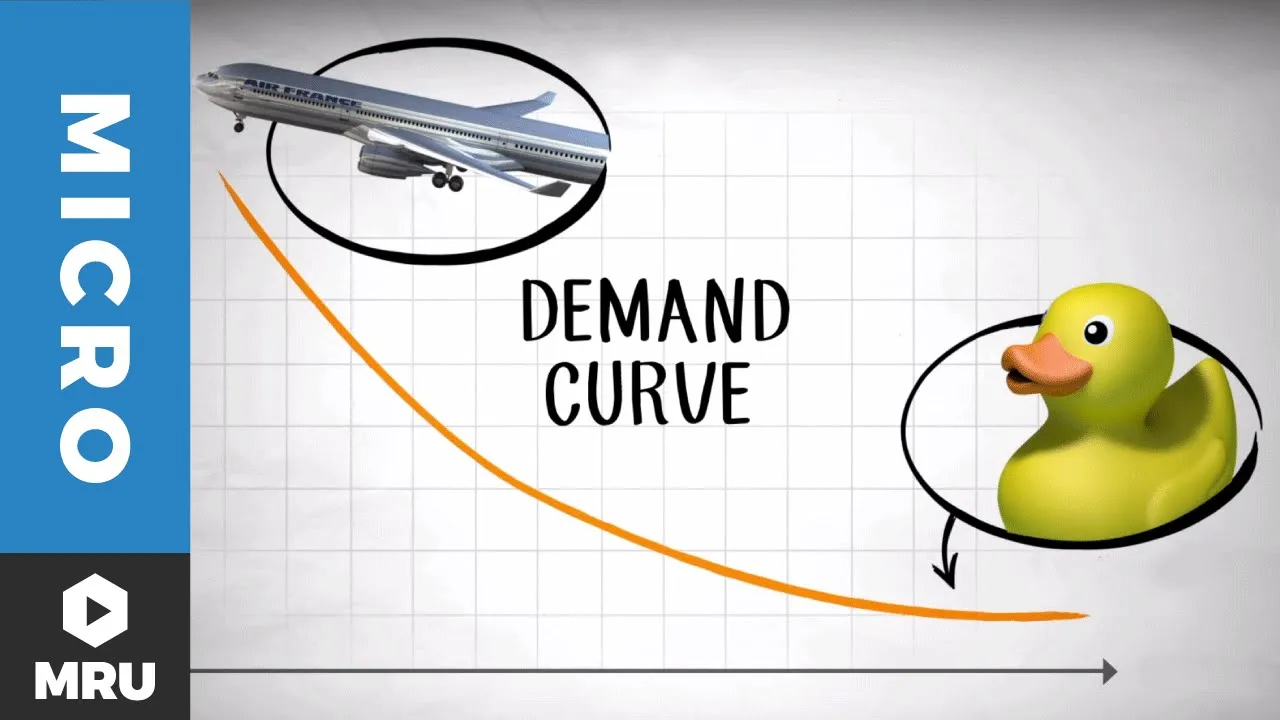
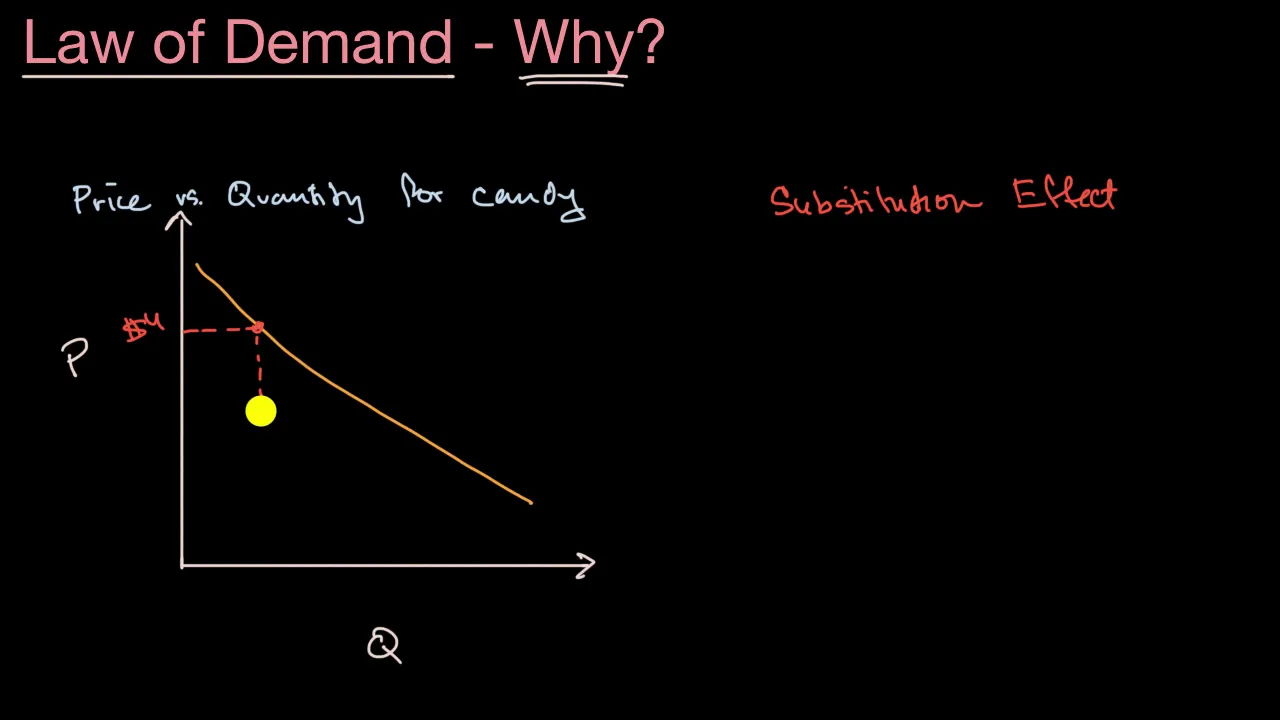
Added:The Law of Demand and how to graph a downward-sloping demand curve, representing consumers' marginal benefit and willingness to pay.
The Law of Supply and how to graph an upward-sloping supply curve, representing producers' marginal cost and willingness to sell.
The basic concept of market equilibrium, where the quantity demanded by consumers equals the quantity supplied by producers at a market-clearing price.
Fundamental coordinate graphing skills, specifically the ability to identify and calculate the area of geometric shapes (like triangles and rectangles) on a supply and demand graph.
The economic impact of government interventions, such as price ceilings, price floors, taxes, and subsidies, and how they distort market equilibrium to create deadweight loss.
How the price elasticity of demand and supply determines the relative burden (incidence) of a tax and the magnitude of the resulting deadweight loss.
International trade and trade barriers, analyzing how tariffs and import quotas redistribute consumer and producer surplus and affect net societal welfare.
The study of market failures, such as externalities (positive and negative) and monopoly power, where the free market fails to maximize total economic surplus, requiring corrective policies.
19.7K views162likes11:03Original Release: 2023-08-31
hi everybody Jacob Reed here from review econ.com today we're going to be talking about consumer and producer Surplus as well as dead weight loss if after watching this video you still need a little more help head over to review econ.com and pick up the total review booklet it has everything you need to know to Ace your microeconomics or macroeconomics exam let's get into the content so first we're going to talk about market equilibrium the equilibrium price is the price that clears the market that means that the number of people wanting to buy equals the number of people willing to sell at that particular price we find market equilibrium at the intersection between the supply and demand curves at that intersection we find our equilibrium price on the y-axis and the equilibrium quantity on the x-axis that intersection between the two curves is our equilibrium point it is the price where the quantity supplied equals the quantity demanded if prices are above equilibrium we're going to have a surplus and prices will eventually fall to that equilibrium point if prices are below equilibrium we're going to have a shortage and prices will eventually rise to that equilibrium point and that's why the price you typically see in a competitive market is the equilibrium price for the product now as a consumer consumer surplus is extremely important to me the definition of consumer surplus is the difference between the value of the product to the consumer and the price they have to pay let's say that the price of a cheeseburger is six dollars and my marginal utility for that cheeseburger is ten dollars I value it at ten dollars but it costs six the difference between the two is four dollars worth of consumer surplus if I buy that cheeseburger now if I was thinking of buying multiple cheeseburgers we might find the marginal utility for each cheeseburger I might eat that first cheeseburger has a marginal utility of ten dollars but my fifth cheeseburger has a margin utility of just one dollar and as you learned in our first unit people will continue to consume as long as the marginal benefit in this case the margin utility is greater than or equal to the marginal cost in this case the cost is the price of the product of six dollars and so my utility maximizing number of cheeseburgers here is 3 and to find out my consumer surplus for those three cheeseburgers I'm going to take the margin utility for each cheeseburger and subtract the price that first cheeseburger has a consumer surplus of four dollars the second one has a consumer surplus of three dollars and my third and final cheeseburger has a consumer surplus of just one dollar add up the consumer surplus for each cheeseburger I've consumed and that gives me a total consumer surplus of eight dollars for the three cheeseburgers I've consumed and a little reminder that I would not consume that fourth and fifth cheeseburger because the margin utility of those cheeseburgers is less than the price of those cheeseburgers if we go back to our Market graph to find consumer surplus within an entire Market it's going to be the difference between the price and the demand curve because the demand curve shows people's willingness to pay for their product and that is the margin utility that those consumers get from the product and so that demand curve is the margin utility curve and the consumer surplus is from the price of the product all the way to the quantity that we're getting of QE up to the demand curve it gives us that purple triangle there of consumer surplus and if we had numbers on the graph instead we could calculate the value of the consumer surplus in this market and we would find that consumer surplus by calculating the area of that triangle remember you can find the area of a triangle with base times height times one half so we're going to multiply the base of 20 units times the four dollar height of that triangle that's the ten dollars minus the six dollars times one half and that gives us a consumer surplus of forty dollars within this market and that forty dollars is the difference between the demand curve which is the margin utility and the price of the product for each of those 20 units consumed by the consumers within this Market next we're going to talk about producer Surplus the definition of producer Surplus is the difference between the marginal cost of production for the product and the price of the product again we're going to use our six dollar cheeseburger as our example here if the marginal cost of that cheeseburger is four dollars and the producer sells it at six dollars the difference between the two is two dollars worth of producer Surplus for that particular cheeseburger and if that producer made multiple cheeseburgers we could have a table that shows the marginal cost of each unit produced and you'll learn about the profit maximizing number of cheeseburgers in our next unit but here let's say that this producer maximizes profit at four cheeseburgers that first cheeseburger is going to be sold at six dollars which gives us four dollars worth of producer Surplus the second cheeseburger gives us three dollars worth of producer Surplus the third gives us two dollars and that fourth cheeseburger gives us one dollar worth of producer Surplus add it together and we find out that this producer has 10 dollars worth of producer Surplus and if we go back to the graph we can find the producer Surplus as well as you will learn in our next unit that the supply curve is the marginal cost curve and if we take the difference between the price and the marginal cost for each unit produced it gives us this triangle of producer Surplus at the equilibrium price for the equilibrium quantity and if we redraw the graph and throw some numbers on there we can calculate the area of that triangle which is equal to the producer Surplus within this Market again it's base times height times one half we have a base of 20 units and a height of six dollars minus one dollar which is five dollars for that height times one half gives us fifty dollars worth of producer Surplus in this market now you could see the term economic surplus economic surplus is mostly going to be the producer Surplus plus the consumer surplus so in the graph we've seen that is both of these triangles added together a little side note you could see graphs with tax revenue or tariff revenue and that will also be part of the economic surplus because tariffs and taxes can be used to benefit society as a whole essentially economic surplus is the benefit gained for producers consumers and society as a whole as a result of the production and sale of this product again we can add numbers to this graph and calculate the value of the economic surplus base times height times one half that's 20 times nine times a half equals ninety dollars worth of economic surplus within this market now when economic surplus is maximized we have what we call allocative efficiency it means that the economy is producing where the marginal benefit equals the marginal cost and when we're at equilibrium we have that allocatively efficient quantity of output because that supply curve is the marginal cost and the demand curve is the marginal benefit and when we produce at the allocatively efficient point we have maximized economic surplus finally we're going to talk about efficiency loss which is what we often call dead weight loss dead weight loss is a reduction of economic surplus let's say that we have this Market where the price is not at equilibrium but rather at P1 at that price that's higher than equilibrium we will have a surplus but only q1 is actually going to be exchanged because the producers can't sell more than consumers are willing to buy at price so at that high price the difference between the price and the demand curve up to the quantity we're getting of q1 we have that triangle of consumer surplus and from that price all the way down to the supply curve to the quantity we're getting of q1 we have that area of producer Surplus so at this high price the producer Surplus has grown the consumer surplus has shrank and we have not reached the allocatively efficient quantity we find at equilibrium and that means we're going to have deadweight loss in order to find the dead weight loss triangle you first find the marginal cost of the quantity we're getting you find that on the supply curve above q1 then you find the marginal benefit of that quantity which you find at the demand curve and then the marginal benefit equals marginal cost point right there at the intersection between the supply and demand curve that's equilibrium those three points give us a triangle of dead weight loss that is an area of what could have been economic surplus had we reached equilibrium but since we have reached equilibrium we have that efficiency loss if the price was below equilibrium the quantity supplied would be less than the quantity demanded and we would have a shortage but q1 is all we're going to get here because consumers aren't going to be able to buy more than producers are willing to produce and if you go from that low price to the quantity we're getting all the way up to the demand curve that's what we get for our consumer surplus at P1 and q1 and if you drop down to the supply curve from P1 you get your area of producer Surplus and again since we have not reached equilibrium we have some dead weight loss we're going to find the marginal cost of the quantity we get we find the marginal benefit of the quantity we get and the marginal benefit equals marginal cost point at equilibrium those three points give us our triangle of dead weight loss and if we add some numbers here we can calculate the areas of consumer surplus producer Surplus and deadweight loss the deadweight loss here is a base of 10 a height of 16 that's 27 minus 11 times one half and that that gives us eighty dollars worth of efficiency loss or dead weight loss again that's economic surplus we could have had but lost out on because we didn't reach equilibrium now when it comes to calculating the consumer surplus here we need to remember the formula for calculating the area of a trapezoid we're going to add the two heights together and divide that by two and times that by the base so the height found on the price axis is 22 that's 33 dollars minus 11 and the height that is found at the quantity of 10 is 27 minus 11 which is sixteen dollars add those two together and divide by two then times it by the base of 10 units and we have 190 dollars worth of consumer surplus now you can also get dead weight loss for over production as well and you'll see that more in unit 6 when you learn about negative externalities but let's say on this graph we are producing q1 which is greater than the equilibrium quantity we can find the marginal benefit of that quantity on the demand curve the marginal cost of that quantity on the supply curve and the allocatively efficient point where marginal benefit equals marginal cost those three points once again give us our dead weight loss and there you have it that is everything you need to know about economic surplus and dead weight loss you'll learn more about this in future units so don't forget it if you still need more help head over to review econ.com where there's lots of games and activities to help you practice the skills you need to know on your AP microeconomics and macroeconomic exam if you need more help after that pick up that total review booklet it has everything you need to know to Ace your exams that's it for now I'll see y'all next time
Up Next

7:52
Government Intervention: Price Floors Explained | IB Economics
@ibeconguru
15K views•2016-04-16

5:07
Impact of Yuan in Indo-Russian Trade Amid Sanctions
@WION
261.9K views•2022-07-01
10:33
Behavioral Economics Explained: Rationality, Nudges, and Risk
@crashcourse
1.1M views•2016-03-12

113:18
The Age of Easy Money: Fed & Inflation | Full Documentary
@frontline
21.2M views•2023-03-15
Related Study Plans & Knowledge Roadmaps
Structured learning paths in Economics
economics
Sovereign Debt: Defaults, IMF & Restructuring
01Introduction to Sovereign Debt & Government Bonds
02Debt Sustainability & Credit Ratings
03Anatomy and History of Debt Crises
+ 2 more learning modules
12h5 modules
Explore Roadmap
economics
Market Design: Matching Theory & Gale-Shapley
01Introduction to Market Design and Price-Free Markets
02Two-Sided Matching & The Gale-Shapley Algorithm
03School Choice Systems and Mechanism Design
+ 2 more learning modules
10h5 modules
Explore Roadmap
economics
Impossible Trinity: Forex, Capital & Policy
01Introduction to Monetary Policy and Central Banking
02Exchange Rates and International Capital Flows
03The Mundell-Fleming Model
+ 2 more learning modules
8h5 modules
Explore Roadmap
economics
Healthcare Economics: Market Failures & Systems
01Introduction to Healthcare Markets and Market Failure
02Asymmetric Information and Adverse Selection
03Moral Hazard and Insurance Design
+ 2 more learning modules
12h5 modules
Explore Roadmap