























Commodity fetishism, a concept coined by Karl Marx, describes how consumers develop an almost mystical relationship with products, attributing arbitrary value to commodities based on collective belief rather than their actual labor or utility; this social conditioning explains why people feel compelled to purchase items they didn't previously need, as demonstrated by how lifestyle content creators and ultra-cheap retail platforms like Temu exploit this psychological tendency by presenting products as essential solutions while obscuring the human labor and exploitation behind their creation.
Commodity Fetishism Explained: Temu and Consumer Culture
Added:Karl Marx's critique of Capitalism: A foundational understanding of Marx's analysis of class, exploitation, and the capitalist mode of production.
The Labor Theory of Value: The economic theory that the value of a commodity is determined by the socially necessary labor time required to produce it.
The definition of a 'Commodity': Understanding how goods are produced for exchange on the market rather than for direct use-value.
Basic mechanics of global supply chains: Familiarity with how modern e-commerce platforms (such as Temu or Shein) source, manufacture, and distribute goods globally.
Marx's Theory of Alienation (Entfremdung): Exploring how commodity fetishism distances workers from the products of their labor, the act of production, and each other.
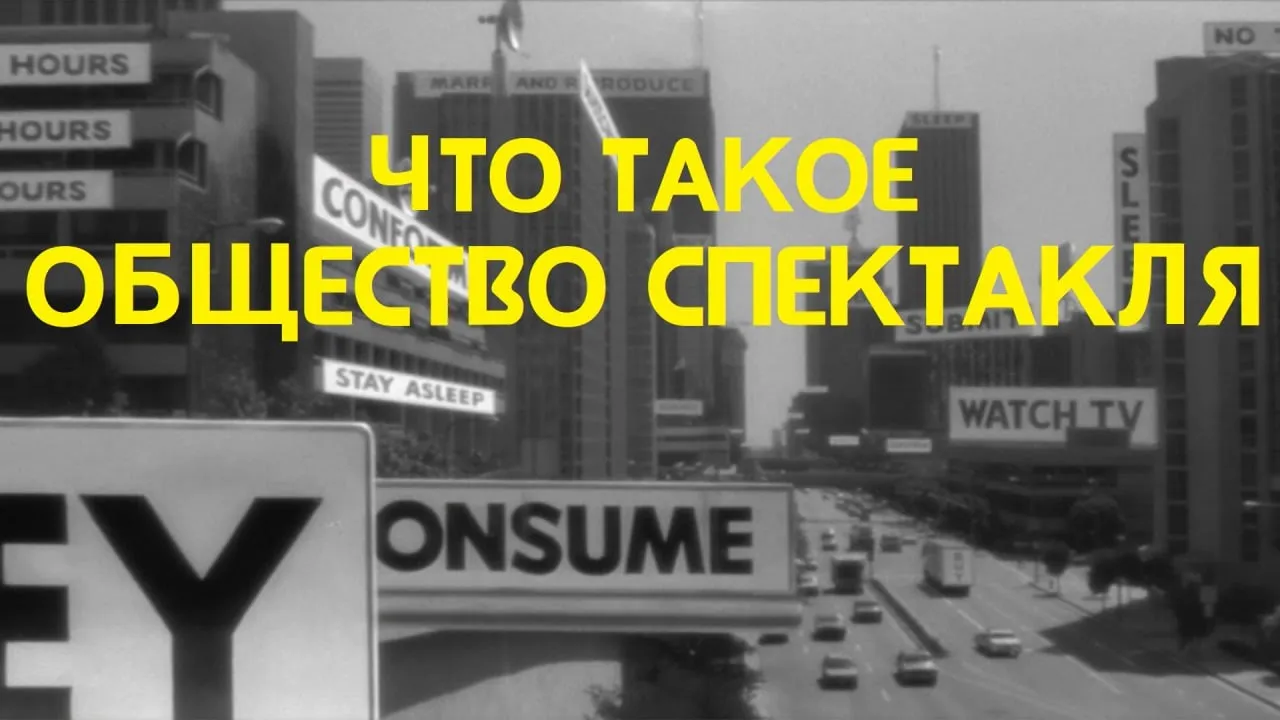
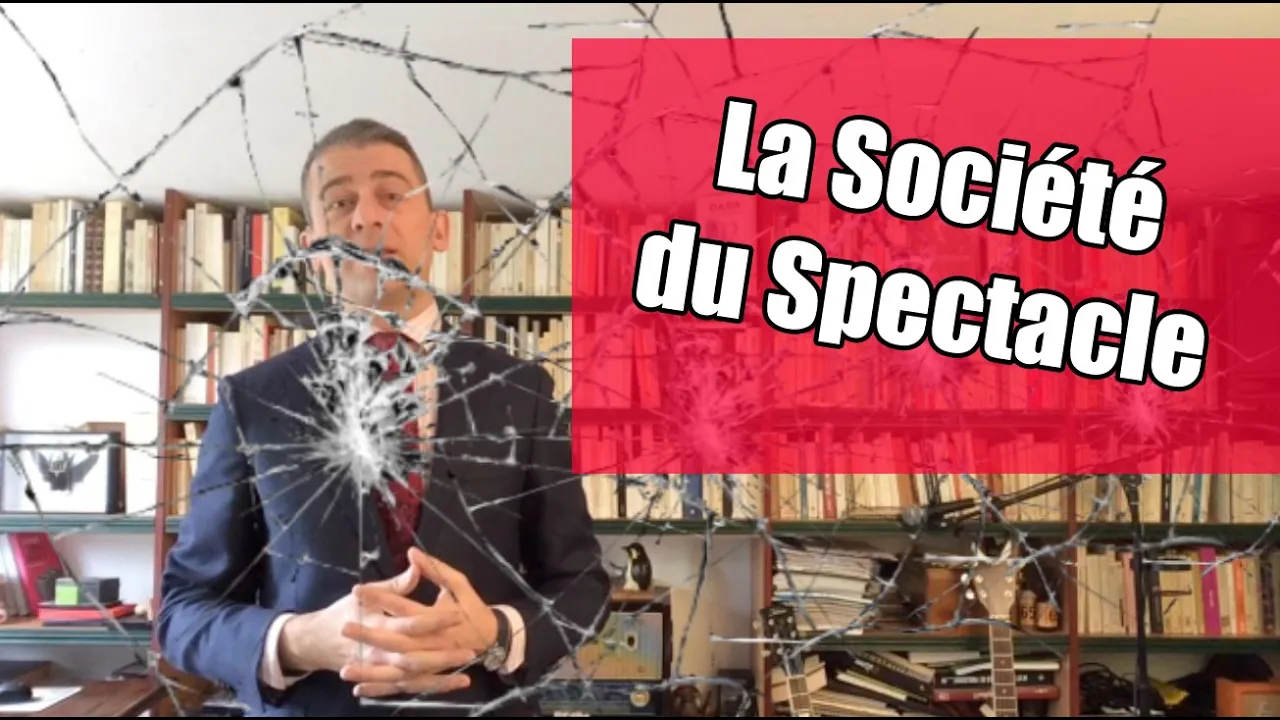
The 'Society of the Spectacle' by Guy Debord: Examining how commodity fetishism evolved in the late 20th century into a media-saturated society of images and consumption.
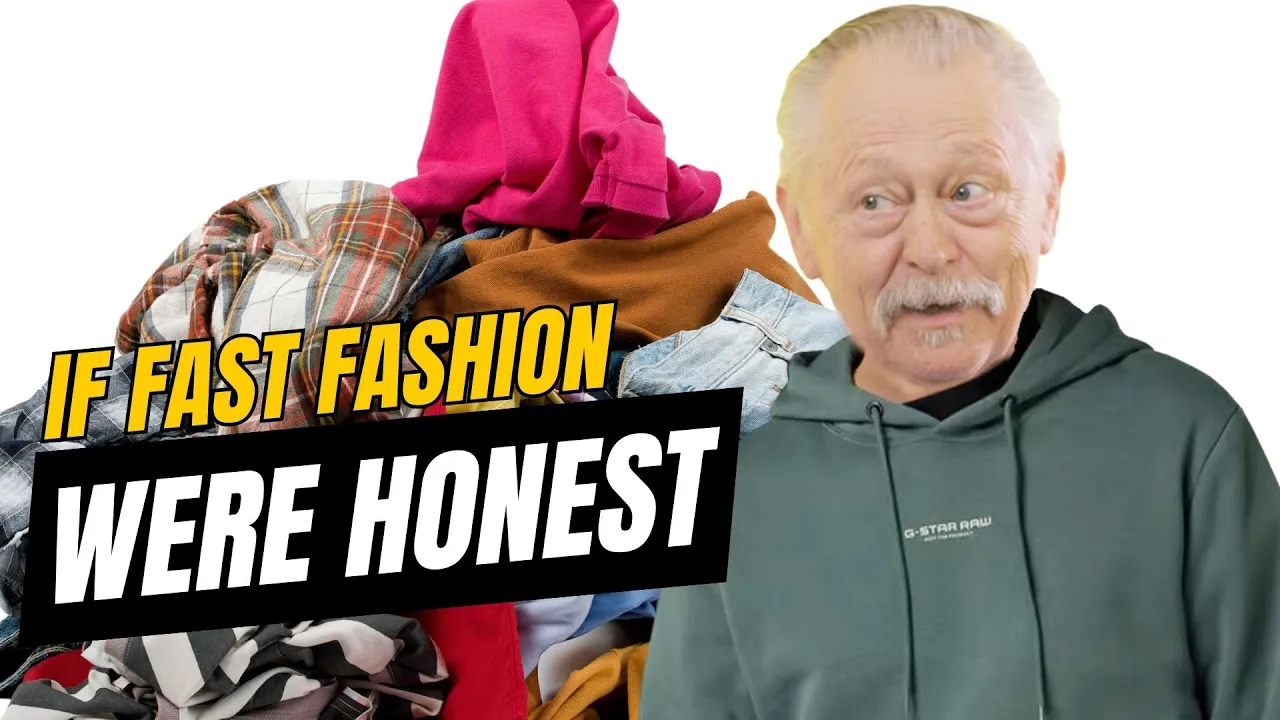
Environmental sociology and 'Fast Fashion' ethics: Analyzing the ecological footprint and human rights implications of ultra-fast-fashion and ultra-cheap e-commerce models.
De-growth and Anti-Consumerism movements: Investigating economic alternatives and social movements that challenge the necessity of constant consumer demand and capital accumulation.
117.3K views7.8Klikes19:03Original Release: 2024-09-25
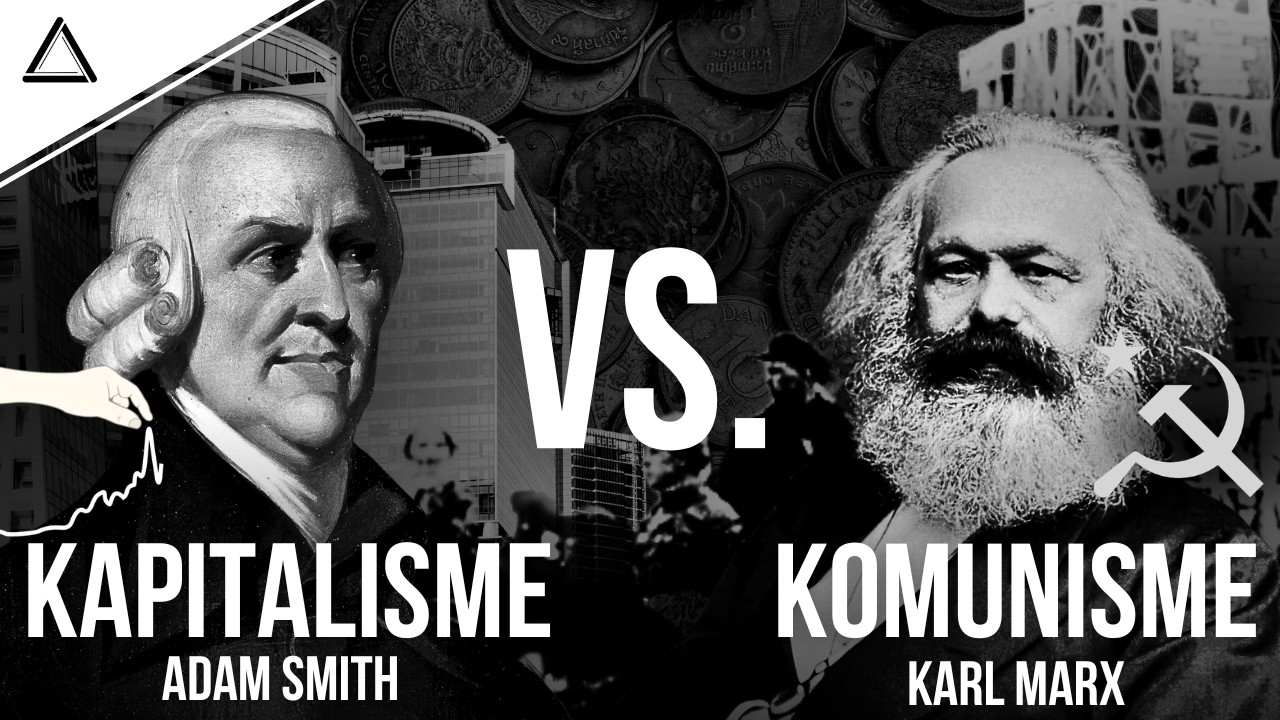
when I was researching for my video on introversion wait wait wait the introversion video is actually going to come after this one so you know if you don't want to miss it you can subscribe to the channel turn on the notifications just saying but anyway let's go back to the video when I was researching for my video on introversion in which I talked about content creator Michelle Choy I had to watch a lot of Michel choy's videos to you know find that cool angle that hot take that haha moment and in the process of doing that I couldn't help but notice how satisfying her content was Michel Choy is a popular social media influencer and content creator known for her lifestyle Vlogs particularly on YouTube and Instagram based in New York City she shares her daily routines travel experiences beauty tips and personal grow Journey with her followers with that being said I feel like the satisfaction that I felt when I was watching her videos came down to the number of practical gadgets that she has in Michelle's home every single need is met with a product and this is not just satisfying to watch it makes you want to buy the things as well like a bin that automatically collects dos from the floor or a machine that prints cute labels I didn't feel like I needed that 10 minutes ago but now I'm scrolling on Amazon or Etsy trying to find the goddamn thing so I paused for a second and started to do my little Rital okay do I really need this if the answer is I wait for 24 hours and decide if the answer is no I just leave it but still I wanted to understand what's going on why do I feel this way now I'm not necessarily interested in the psychology of buying this won't be the topic of this video I'm rather interested in the social conditioning that make that psychological impulse so strong and so free basically in this video I'm going to talk about a concept called commodity fetishism they offer her the romance the adventure of choosing from Foods gathered from the four corners of on each can so the customers and the cashiers of the checkout stand will know how much each cost in this video we're going to take a look at a very important Market the Commodities Market commodity commodity Market commodity fetishism I'll give a brief definition for now but the goal of this video is to fully understand what we mean by it through the example of Michelle Choy but also and probably more importantly through good example of the platform U I'll make the connection later stay with me for now so first commodity fetishism commodity fetishism is made of two words the commodity and fetishism a commodity is a product with a value assigned to it that is meant to be exchanged on the market and fetishism is a word invented by European colonizers to refer to African Traditions or religious practices it comes from the Portuguese fat show which means means magic or spell so fetish is something Supernatural magical even commodity fetishism then refers to the almost mystical relationship people have with commodities and the value we give them a common example is the diamond ring so in order to make the ring someone had to get the diamond Forge it then stick it to the ring then transport it and then sell it often times that involves more than one person as a buyer there you don't see all those social relations that are part of the process of making the diamond ring what you see instead is the ring with its monetary and cultural value which have little to do with its creation process in other words you're willing to pay a high price for the diamond ring because of the value we culturally give it the high price is entirely based on the collective belief that the diamond ring is valuable it's precious it solely depends on you and other people believing in it so if tomorrow we all woke up and collectively decided that diamond rings aren't that special after all then the value of the Ring would drop so that is commodity fetishism the concept was invented by KL Marx in response to his Economist contemporaries one of them being Adam Smith Marx did not like Smith Marx believed that the engine of progress was class struggle whereas Smith believed that it was human nature Guided by reason in the form of lfer policies in the eyes of Smith the price of Commodities is naturally established by individuals so markets reflect human nature Marx disagreed that's why he invented the term commodity fetishism to expose the supernatural not natural so Supernatural relationship between a commodity and the value we people um give it as a Marxist Marx gosh you're so funny Alice Marx believed that commodity fetishism prevented buyers from seeing the labor that went into the production of the commodity that they want to buy now to go a little bit deeper a bit more abstract uh Mark saw commodity fetishism as the answer to avoid an absence that the buyer feels when they are confronted with an object like a table for example because they are intelligent enough to understand that tables don't grow by themselves so they can't help but wonder where the did I come from you know to Marks those subconscious questions aren't met with a practical answer like I know a little note saying that this table was made by Georgio Georgio lives in Italy he has two kids and by the way he's been struggling to make hands meet because his bus doesn't want to raise his salary despite four years of loyal Services no you won't see that the absence of a little ner so the void the lack of answers is replaced by The Fetish so the magic of having a nice chair with an arbitrary price that is ready to be purchased and put in your home like how cool is that how cool is that is what I kept repeating to myself as I was chain watching Michelle choy's videos how cool is that little label printer seriously the satisfaction was compounded by the fact that everything looked so functional and I'm obsessed with little functional things so I felt legitimized to imagine myself getting the same thing it's the same as when you go shopping with a friend and you know you try to convince yourself that you need that specific thing your friend is definitely giving you the are you sure Luke but mentally you're ready at the checkout and you answer yeah sure I definitely need another black baby top really it's a funny little psychological trick that we do to ourselves and Michelle Choice content is so triggering for that because you don't need to think too much if the thing is useful or not it screams useful it's capitalism best surviving strategy create a fake need and fulfill it and Michelle is a great agent of cism because she's strengthen that need by staging the product in the flat showing the audience how convenient it is in fact the more I thought about it the more it became clear to me that the experience of watching Michelle Choice content was very similar to the experience of scrolling on a platform like teu yet TAMU for those of you who don't know U is an online selling platform that sells a variety of home and fashion items for super cheap prices it looks a lot like Fast fashion websites like Sheen or platforms like Etsy or Amazon but the variety of products and its accessibility is insane on teu it seems like all needs can be fulfilled it's hard to scroll and not fail the urge to get something sure the products aren't introduced by a friendly lifestyle YouTuber like Michelle Choy but they're still staged in a way things are organized in categories and the presentation is optimized experts also noticed that teu use gamification which is quote the practice of implementing gaming related elements into the e-commerce experience customers are encouraged to keep shopping with the introduction of bonuses and coupons that mimic the rewards you might accumulate in a video game end of the quote and just to make it clear 90% of my closet is secondhand I am not trying to promote TAMU even though they did reach out to me for sponsorships in the past which is kind of interesting I've heard that they pay good money for sponsorships but um yeah I promise I won't sell out won't promote TAMU I promise I promise anyway people were quite shocked when they saw how platforms like Shen or Etsy kept dropping prices lower and lower but U is even worse than that that's late stage capitalism you feel like it cannot go worse but it eventually does the fact that I've mentioned cism twice in this video is not a coincidence yes I'm a leftist but also as I've explained at the beginning of the video I'm not too interested in the psychological um element of the buying process I'm more interested in the social conditioning so what makes that psychological impulse uh so strong and so free to do so we introduced the concept of commodity fetishism we connected it to Michel Choice content and we've just made a parallel with the platform TAMU which often reproduces the experience of Michel Cho's content but replaces the friendliness with catchy content and gamification commodity fetishism is enhanced on tamr because the platform doesn't want you to think about the making of the product instead they bombard you with a ton of information prices deadlines ads colorful pictures popups it is cheap it will be sent to you for free you can return it don't need to think about it just add to the card no need to worry about who made the product in which conditions what are their wedges right hm what if it was too good to be true let me explain so the whole idea behind commodity fetishism is that the Labor Relations involved in the creation of a product are replaced by The Fetish so the magic inherent to the arbitrary value attribution of a product when we see a price tag we assume that there is an explanation for it we don't question it too much because these are the natural laws of the market Adam Smith said it it must be true well U like most companies let's be honest love your denial they love love the fact that you don't really question where the product comes from and just choose to accept the value that was attributed but Tam is not like most companies TAMU wanted to disrupt the market of fast fashion fast homeware by offering something completely new something extremely cheap so to sum it up in the process of competing on a capist market with other brands like Etsy Amazon Shen U pushed commodity fetishism to a level never seen before but what is the limit is there a limit when does commodity fetishism stops when do people start to demand an explanation you see tamary is the latest invention of a hyper capitalist Society but it may also cause its death because too much magic kills magic magic is most powerful when we feel like it helps us make sense of certain phenomenon that are otherwise hard to explain that is true for most religions most spiritual practices full commodity fetishism as well magic has a purpose it fills a void something that reality cannot fully explain the belief in Magic persists because of its relation to the real that's why religious people like to mobilize their faith to make sense of real life events that's why the best magic tricks are the ones we feel we could uncover but somehow can U's Magic on the other hand is so far from any possible reality it's so cheap that we can't help but be skeptical the skepticism then leads us to stop believing in the magic so to stop believing in commodity fetishism and face What U is trying to hide from us now that's a really interesting phenomenon you see often times when we think about getting rid of something bad like commodity fetishism or by extension capitalism we think about how to challenge and dismantle it from the outside in the case of timu or fast fashion fast home Weare in general climate activism has been a source of challenge in the past decades climate activists and journalists have raised Awareness on the dangers of capitalist overc consumption they've conducted campaigns and wrote papers that served as a basis for popular social commentaries read and viewed by millions of people they worked hard to counter commodity fetishism and reframe the emotions it triggers I particularly like this video from climate activist Michela Lo let's have a quick look and um discuss it she's closed in strength and dignity or is it fast fashion this quote from proverbs 31 was a big part of my initial boycott of fast fashion if the clothes you wear are our chosen skin do you want to be closed in something which funds and supports oppression and violence or do you want to be closed in strength and dignity I like the fact that she brought up the terms uh strength and dignity because it is true that the act of buying is emotionally charged it releases dopamine it's exciting so she chose to remain in the field of emotions and replace dopamine and excitement with strength and dignity she could have chosen guilt but instead she focused on positive emotions which is rhetorically good expression of personality through clothing can be empowering but this empowerment should be on both sides both the maker and the wearer need to be empowered otherwise your empowerment is just some modern day imperialist BS in that second part Michaela exposes the social relations hidden behind commodity fetishism she mentions the people where they live and the nature of their working conditions for me this is a really good piece of climate activism challenging the system from the outside but what we've described with u is quite different we said that U goes so hard on commodity fetishism that it forces us to question it that is coherent with Mark's belief that capitalism has internal contradictions that when they are pushed to a certain limit could lead to its demise so to sum it up Mark says that capitalism could cause its own death by wanting its cake and eat it I don't know about you but I feel like that is exactly what Tamir is doing when scrolling through the timu page and despite their efforts to cover it it is really hard not to acknowledge that the extremely cheap prices means someone got screwed in the process of making the thing the exploitative Labor Relations that commodity fetishism aims to hide suddenly reveal themselves it's the same experience as the spiritual person who suddenly understands that their spiritual religious community might not be as you know kind and inclusive as it likes to portray itself once they have this Revelation they have two options either they double down on their beliefs and accept the immorality of that choice or they choose a more moral path in the case of U you could choose to continue believing in the magic you know to refuse to see all the exploitation that takes place in the process of making Fast fashion making Fast homeware and by that we mean the exploitation of Working Class People often times women sometimes kids on the other side of the world that's one way to look at it another way to look at it is what we call accelerationism in that situation acceleration would argue that we should let TAMU and other fast fashion fast home Weare brands do their thing they would think we should push on that internal flaw to accelerate the downfall of capitalism and move onto something else now be careful because there are different types of accelerationists you have the leftwing accelerationists who want to replace capitalism by communism anarchism anarco communism or other sort of movements and then you have the right-wing or fascist accelerationists who want to accelerate acts of violence towards minority groups in order to establish a white ethn State and that is not cute that is not something we want to support so yeah this is how people can respond to the TAMU situation one denial of Truth second accelerationism and third we said it earlier activism I mean yeah there is no definite answer a proper conclusion to this problem this is more like a philosophical debate conversation speculations as to uh what happens in the world of fast fashion fast homeware fit F into a broader historical narrative maybe we're witnessing the self-destruction of the fast fashion fast Hare industry maybe will continue to thrive for decades if not centuries who knows what's clear there is that Sheen and timu have been fighting for Monopoly in the last couple of years threatening their existence in the process because yeah the accumulation of lawsuits between the two led us safety Regulators to think hm maybe there's a problem there let's investigate we'll see how that goes where that leads we see how cism ends but actually what do you think what is your theory are you more of an accelerationist so you think capm will kind of destroy itself or do you rather believe in activism so that we should put pressure and challenge the system in order to dismantle it or do you believe in birth I would like to hear your take please share it in the comment section let's keep the conversation going um that's it for today I hope you enjoyed it don't forget to like to subscribe if it's not already done as always I would like to thank my patrons for their support and a special thank to top tier patrons my battery died so I'm going to do it here a big thank you to Wolf Gratz Sebastian gazi shik Neil Verma enrin Patrick bton davish moan Mina Jeff Le Dominic D Yan hang Tay Martin Nick Brandon James ell Pablo Patrick Boris Ria Ivon Don Alex Tuki Ki Tristan Christopher Patricia Manuel and Christopher France and thank you to the other ones who prefer to stay Anonymous thank you to Perry as well I almost forgot Perry final thank you to the sponsor of this video Squarespace Squarespace is an all-in-one platform to grow your presence online they give you a bunch of tools to create your ideal websites so this is mine so far Alis Capel um I use it as a platform to kind of show all the work that I do on YouTube My contributions but also my book I also added all my social media media accounts you also have analytical tools you can run effective email campaigns on their website you can also get advice from professionals on how to build your website Etc so many things you can do so if you interested in it if you want to try it out then go to squarespace.com to get a free trial and once you're ready to go public then you can go to squarespace.com Alis scapel to get 10% off your first purchase of a website or domain thank you sbas for sponsoring the video and yeah I'll see you very very soon Sal
Up Next
10:51
Postmodernism Explained: Baudrillard's Simulacra & Hyperreality
@TheMediaInsider
754.2K views•2022-02-13

164:01
John of Damascus on Holy Images: A Theological Defense
@BannedBooks
139 views•2026-04-25

68:32
Should We Destroy the Machines? Big Tech Surveillance Critique
@TheStoriesWeTell303
167.9K views•2025-11-30
4:57
The Myth of Sisyphus: A Greek Legend of Eternal Punishment
@TEDEd
8.6M views•2018-11-13
Related Study Plans & Knowledge Roadmaps
Structured learning paths in Philosophy
philosophy
Frankfurt School: Critical Theory & Culture
01Foundations of the Frankfurt School and Critical Theory
02Horkheimer & Adorno: The Critique of Instrumental Reason
03The Culture Industry and Mass Deception
+ 2 more learning modules
12h5 modules
Explore Roadmap
philosophy
Philosophy of Language: From Frege to Austin
01The Linguistic Turn: An Introduction to Language in Philosophy
02Gottlob Frege: Sense and Reference
03Early Wittgenstein: The Picture Theory of Meaning
+ 3 more learning modules
15h6 modules
Explore Roadmap
philosophy
Feminist Epistemology: Standpoint & Injustice
01Introduction to Epistemology and Feminist Critiques
02Sandra Harding and Standpoint Theory
03Donna Haraway and Situated Knowledges
+ 2 more learning modules
12h5 modules
Explore Roadmap
philosophy
Environmental Philosophy: Ethics & Deep Ecology
01Foundations of Environmental Ethics & Anthropocentrism
02Biocentric Individualism and Animal Liberation
03Ecocentric Holism and Deep Ecology
+ 1 more learning modules
10h4 modules
Explore Roadmap