



















Philosophy is the discipline that examines the fundamental assumptions underlying our beliefs, values, and concepts, particularly those that are so deeply embedded in common sense that we rarely question them; unlike empirical sciences (which investigate facts through observation and experiment) or formal disciplines (which study logical relationships within systems), philosophy deals with questions that resist straightforward answers—questions about meaning, value, and existence—that require clarifying concepts, reformulating problems, and critically examining the models and presuppositions that shape our understanding of the world.
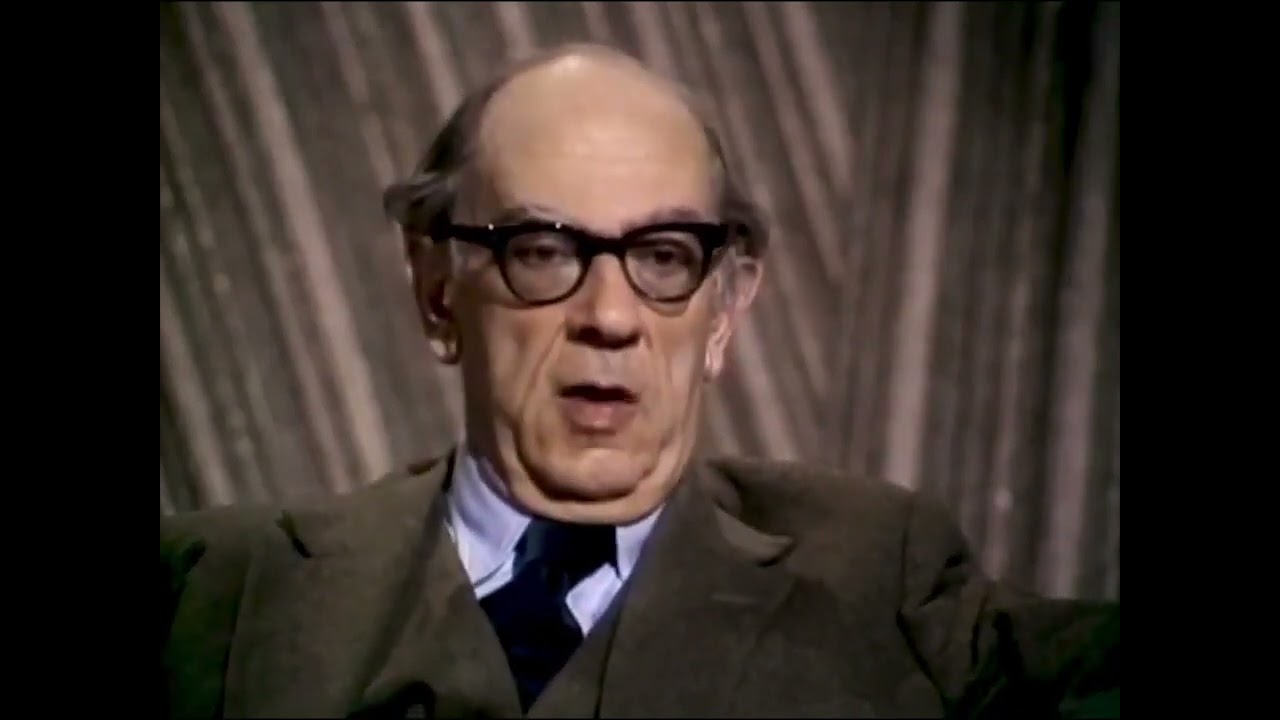
What Is Philosophy? Isaiah Berlin & Bryan Magee (1977) | Men of Ideas In-Depth Philosophy Interview & Introduction to Key Concepts
Added:Understanding the basic branches of academic philosophy, specifically metaphysics (the nature of reality), epistemology (the study of knowledge), and ethics (the study of moral values).
The distinction between empirical questions (which can be resolved by observation or scientific testing) and formal questions (which can be resolved by calculation or logic, like mathematics).
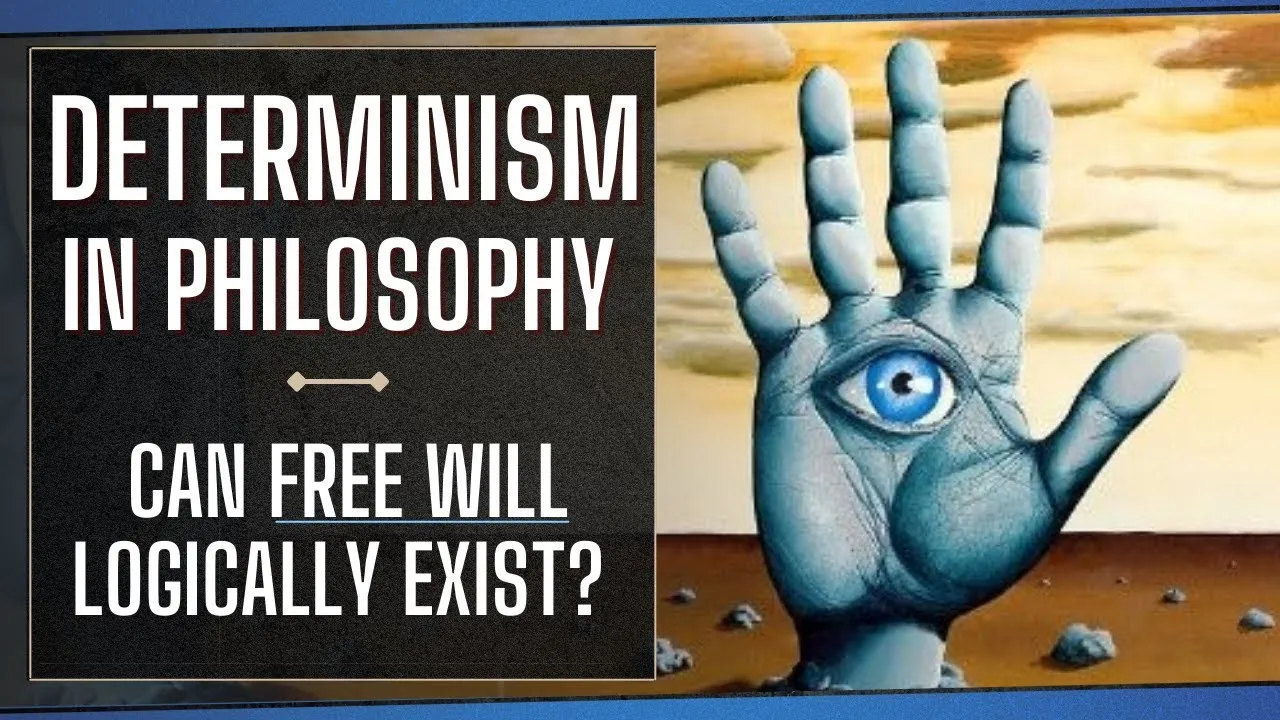
An introductory familiarity with the philosophical debate surrounding free will versus determinism.
A basic awareness of how political philosophy addresses foundational societal concepts like individual rights, liberty, and the role of the state.
An in-depth exploration of Isaiah Berlin's seminal essay 'Two Concepts of Liberty', which examines the difference between 'negative' and 'positive' freedom.
The concept of 'Value Pluralism', Berlin's influential theory that fundamental human values can be equally genuine yet incommensurable and in conflict with one another.
The history of 20th-century ordinary language philosophy and the analytical tradition in which Bryan Magee and Isaiah Berlin operated.
Applying philosophical inquiry to contemporary ethical dilemmas, investigating how abstract concepts of rights and liberty translate to modern legal and political issues.
64.1K views1.5Klikes44:47Original Release: 2022-03-25
[Applause] so this is the first in a series of programs about modern philosophy later in the series we shall be dealing with the ideas of such world-famous figures as jean-paul marcusa karl popper chomsky and some of these will be taking part personally in the programmes discussing their own work one or two programs will also be devoted to thinkers who are dead but whose ideas still exert an enormous and living influence karl marx is an obvious example but so too in their quite different ways are wittgenstein and heidegger and of course a series produced in english for an english-speaking audience must pay particular attention to recent developments in philosophy in the english-speaking world so my hope is that the series as a whole will add up to a lively and illuminating report on the state of philosophy in the world today partly in terms of outstanding individuals and partly in terms of important movements but in the opening program by way of introduction i want to confront some absolutely basic questions why should anyone be interested in philosophy anyway why is it important indeed what is it exactly i'm going to put these and other questions to someone who is himself of international reputation sir isaiah berlin om fellow of all souls college oxford biographer of karl marx and particularly distinguished for his knowledge of the history of ideas so isaiah what reason when can one give to someone for taking an interest in philosophy if he hasn't done so already on his own account or if he hasn't been led led to it by the education system well to begin with these questions are interesting in themselves but for anyone who doesn't think that it's possible to point out that what philosophy deals with are the assumptions on which a great many normal beliefs rest not sort of things which people like to dig up because people sometimes don't really want their assumptions examined over much because if people are uncomfortable when they're made to look into what really their beliefs rest on but in fact the sort of assumptions which in great many ordinary common sense belief rest are matters for philosophical analysis when looked at they turn out to be greatly less secure and greater more complicated than they seem at first and philosophers by examining these teach people self-knowledge they explain to them but very sometimes very in a very dominating way what they believe and why they believe it and this is a very central task where all of us made very uncomfortable by having our assumptions examined as you just say by digging into the presuppositions of our own thought and i think we all beyond a certain point resist it why do you think we resisted well of course because people don't like being overly analyzed i suppose and partly because action itself perhaps precludes this kind of thing quite obviously for simply actively engaged in some kind of life constantly to be asked why do you do this are you sure that what the girls which are pursuing are true girls are you certain that what you are doing is not in some way it doesn't contravene some kind of moral beliefs which perhaps you want to hold or are you sure that some of your values don't conflict with certain other values and you're simply not facing that that sometimes when you're plunged into some kind of dilemma you are so frightened of looking in the face that you avert your gaze and try and get the responsibility upon some other back on the back of the state for example in the back of your teachers in the backyard class on the back of some other association which will belong shouldn't you perhaps face this responsibility this i think daunts people naturally creates resistance i will say this that if everybody in a society were skeptical intellectuals constantly examining their own roots nobody would be able to live at all and therefore men reaction cannot be called upon all of them constantly to be examining themselves and it's not for the task of philosophers who are i suppose people particularly curious about these things to be doing this particular thing but on the other side it must be said that if these things are not examined and left fallow then societies become ossified beliefs turned into dogma imagination is warped the intellect becomes sterile societies decay as a result of simply lying on some comfortable bit of unexamined dogma if the imagination is to be stirred if the intellect is to work think assumptions must be questioned presuppositions must be challenged the whole thing has to be constantly looked at and not by too many and not too much perhaps but a great nevertheless sufficiently to keep the society moving society moves by some degree of parasite by which the children on the whole kill if not our fathers at least the beliefs of our fathers and arrive at new beliefs and this is how development occurs this is what progress is can you give me some examples of assumptions of this kind well let's say uh for example i think perhaps political and moral philosophy produced the most familiar one of these take for example talk about liberty or talk about equality with of which the world is the present moment full take for example the famous phrase used in the uh pre-humble to the american declaration of independence but which is a lot of talk because uh it happened about 200 years ago and it's suddenly coming to prominence quite a lot is being written about it at the present there there is a sentence about the fact that men were created i think i can't quote it exactly men were created um equally and in order and among the rights which have been conferred upon them we hold these truths to be self-evident but all men are created equal they are endowed by their creator with i think certain unalienable rights that among these are the right to life liberty and the pursuit of heaven thank you very much that's what i wanted rights now what are rights if you ask an old demand in the street what the right is he'll be stopped he won't quite be able to be able to answer it supposing you say what kind of thing is the right is it something you have at birth is it something stamped upon you is it some intrinsic characteristic of a man is it something which someone has given you who for example can writes be conferred can they be taken away can you waver right what does that mean can you lose the right or is it is the right something which somehow is an intrinsic part of your nature in the way in which thinking is or or choosing or having having a will or something like that is that what the right is are the natural rights what kind of nature what is nature in that sense how do you know what these rights are people have differed a very great deal about what these rights are take for example let me give an example take for example the 17th century when there's a great deal to talk about rights well there's a there's tremendous after all there's a civil war about about this whether for example there is such thing as divine right of kings well we don't believe in that very much now but a lot of people did believe in it they believe that kings were special beings with special rights then there were other people who believed that no such thing existed how did they argue what kind of arguments did they produce what convinced people take there's a french thinker towards the end of the 17th century who says supposing the king of france wanted to transfer some subjects to the king of england what would these subjects think about being transferred and the answer is they have no business to think all they've got to do is to obey their subjects and the king has a perfect right to do with them as he pleases the very idea that they can think about it or doubt it is itself blasphemous impeachment well we reject it but still this is something which was passionately believed by a lot of people who believe in hierarchy they believe that the world is a hierarchical whole and metaphors are used it's a kind of pyramid we've gone to the top and the amoeba below every human being has his proper position in this hierarchy and ought to do those things which this position imposes upon him well this is uh something which is believed for hundreds of years then there were people who denied this and said there's no such thing there isn't any such hierarchy men are equal they are born as they are born all men have certain natural desires and all have meant certain natural rights and in these in respect to these rights they are perfectly equal now the kind of argument which we produce either for one or for the other are a proper subject matter for philosophy what else what other subject can deal with these and yet these are things which are very profound these are things about which very very deeply these are subjects which bloody was been fought these are subjects which touch the very heart can you give a straightforward example of a moral philosophical question well let me tell you a story what somebody once told me during the last war this was a a british intelligence officer in france who towards the end of the war had to interrogate a french traitor whom the resistance had caught he'd worked for the german secret police for the gestapo and the resistance was determined to execute it as a traitor and the british intelligence officer asked the permission to interrogate him because he thought he might give him useful information which might save people innocent people from torture and that sort of thing and tell him something about what he started still doing behind the lines well he went to see this man he was a young man and he um young man said to him well why should i answer your questions if you can promise me my life i'll answer but if you can't promise my life i know these people intend to kill me tomorrow morning why unless should i talk at all well now what should that officer have done the british officer his duty as an officer was to extract as much information as he could he could only do that by like it was no good saying well i'll do my best to persuade them or something the man would have seen through that he would say yes i can save your life if you talk to me i'll save your life and in this way he might have obtained information which would have enabled him to save the lives of his comrades or british officers or of innocent people or whatever of course if this had happened the man would have kissed him with his dying breath when he discovered that he'd been deceived it was an easy choice if you're a utilitarian you say well in order to increase human happiness of course he must tell a lie but of course there may be other things such as human relations such as not telling a man a lie is the very last thing which happens to him in his life when dostoevsky's one of the thefts is here he said if i'm asked whether i'm prepared to purchase the happiness of millions of people at the price of the torture of one innocent child i refuse was his answer obviously wrong a utilitarian would be forced to say yes it was obviously wrong sentimental and wrong but of course people don't think that they think a man is perfectly entitled to say i will not torture an innocent child i will not inflict pain upon an innocent creature i don't know what will happen next there are certain things which no man may do no matter what the cost well here are two philosophies in conflict one is utilitarian and the other apparently it's concerned with certain absolute values there are two sets of values here which come into conflict it doesn't the job of the moral philosopher to tell a man which of these values to make his own but it is his job to tell him that in a situation of this kind these are the values that are involved these are the forms of life which have come into collision these are the issues which he has to decide between and in the end of course a man has to accept personal responsibility and just do what he thinks right one thing that i think astonishes many laymen and indeed puts many of them off is the discovery that a tremendous amount of philosophical discussion especially nowadays is about words it's about language now can you explain why that is so in a way that'll justify it well i don't know i'll do my best i think modern philosophers some of them have done themselves in disservice by insisting that they're mainly concerned about language people then think that there's something trivial in what they do that they're concerned about language in way in which lexicographers or grammarians are concerned in which case lexicographers and romanians are better at it than amateur philosopher amateur persons of this kind yes they are concerned with language because they believe that we think in words and therefore the examination of language is automatically the examination of thought as it used to be called and therefore when these difficult philosophical questions face one to which there isn't any obvious answer where we don't know the root the first thing to do is to ask ourselves what kind of question is this what sort of answer are we looking for is it like this sort of question or like that sort of question is it empirical is it formal is it like neither is it more like this or more like that the first thing to sort it out sorting out is quite a difficult thing to do and this sorting out is in a sense if you like the clearing up of linguistic confusions and those kind these kind of confusions often lead to terrible muddle in people's heads which sometimes lead to barbarism in practice i don't know i mean certainly all kinds of beliefs which i don't know all kinds of totalitarian states for example implant in the heads of the a lot of nazi beliefs about race for example invested on muddles of all kinds partly empirical partly not i mean the very notion of a submarine the very notion of certain sub-human creatures jews whoever whoever it might be or gypsies or negroes or some human and therefore it'll be exterminated well the notion that if they were great danger to society they ought to be exterminated was no doubt found it in a false political belief but the notion of subhumanity at all what it means to be human some human series of concepts that is something which if it sounds trivial which is an examination of language how we use the word human what human nature is what it is to be human being what what it is to be inferior and superior these are philosophical questions not empirical questions so indeed some language philosophers could claim and have claimed that by analyzing the use of language they are in fact freeing us from the spell of language it isn't in other words it's not they who are under the spell of language but we and an analysis of our misuse of language can liberate us from them indeed indeed i should say that's one of the major services and i think that is why the regard is dangerous people by those who want the original use of language to be kept it was the german paid haina who said do not mistake the quiet philosopher in his study he's a very powerful and formidable figure do not think him a mere harmless pendant engaged upon a lot of trivial tasks if had not beheaded the god of the theologians robespierre might not have beheaded the king the german the great german physicians christians schedlingians and the like are people who will one day not be deterred either by fear or by pursuit of pleasure and will destroy a great many monuments of our civilization when this great metaphysical rage explodes over the world the french revolution will seem to a mere child's play and so on and so on the power of philosophical or metaphysical ideas is very great well i mean there is something very peculiar about questions of the kind that philosophy raises isn't there i mean if you ask what is a right you use that just now as an example is one inquiring into the meaning of a word or is one inquiring into the nature of some abstract entity which nevertheless exists even though it's abstract i mean what kind of a question is the question exactly well what you're already doing i think is you are saying when you say that you have a certain right what is it like to say that i mean how do we discover whether the sort of thing is true or false how do we discover what kind of arguments would lead you to accept a proposition if you have a certain right say your right to happiness or a certain or all of the country not i mean when luther i'd like to say says when somebody said to him that men are entitled to happiness or the goal of life is happiness he said happiness certainly not lying enlightened christ christ suffering suffering the cross the cross well this is at the heart of a certain form of christian religion and it's certainly one of the most profound motifs if you like one of the most profound beliefs which a very large number of exceedingly unshallow human beings have built their lives upon this is surely not trivial we would say words yes we say what does red cross mean what does the word suffering mean that is the point we're not grammarians we're not lexicographers in order to find out what these words mean it's no use looking up dictionaries it's no use looking up encyclopedias that is the point but it's still not entirely clear if you're not trying to find out their meaning in that sense what is it you're trying to get at after all uh some of the greatest geniuses in the history of the human race have thrashed out issues of this kind for two or three thousand years without reaching any settled and generally accepted answers this again points to the peculiarity of the questions i think well let me put it this way let's ask ourselves what how questions in general are settled what sort of questions can be settled well there are two great classes of these questions about which this can be said with a certain firmness i think one is ordinary empirical questions that's the questions but what there is in the world this is the sort of thing which the scientists deal with i mean are the black swans in australia yes there are because someone has seen them there what are what is matter made of it's made of certain types of molecules miracles are made of atoms there is a certain amount of evidence for this because experiments are conducted and these experiments are sometimes crucial and lead to the the confirmation of the areas common sense is like that where is the trees the cheese in the cupboard how do you know i've looked this is regarded as a full and perfectly sufficient answer to this question and i wouldn't doubt that no we do these are called empirical questions questions of facts which are settled either by ordinary common sense or in more complicated cases by rather controlled observation by experiment by hypotheses by the verification hypotheses and so on that's one type of question then there is a question for example there are formal questions questions which mathematicians ask which logicians ask there you have a certain number of definitions you have a certain number of transformation rules about how to deduce things in these definitions and you have conclusions which follow in a rigorously logical manner from these premises and there you have certain sets of rules in accordance with which all answers all propositions can be checked this is not about the world at all this is about formal disciplines which are so to speak entirely divorced from questions of fact mathematics logic chess heraldry this you don't discover the answer by looking at the window by looking at the cupboard if i ask you how do you know that the king in chess moves any one square at the time it's no good with someone saying well you say and it moves one square at a time but you know one evening i was looking yeah just bought and i actually saw a king move two squares this would not be regarded as a refutation this proposition because what you're really saying is there is a rule interest according to which the king and how do you know the rule is true the rules don't have to be true they just have two rules you either accept them or you don't this is how mathematics works and all form of disciplines these are great provinces of human knowledge between these if i was i put it there are certain questions which cannot be answered in this version and there are great many such questions the thing about the two classes i've just tried to explain about is the formal methods of how to set about the answer you may not be able to know the answer to an empirical question but you know what kind of answer the answer would be if you knew it if you say when was how long did seizure live for you may not know how many years he lived for but you know how to find out you know what kind of authors to look up you know what kind of evidence would be evidence for it if you ask other flightless birds in thailand whether they may not be you may not know the answer but you know what kind of experiments to conduct to the purpose of discovering it to the same history of astronomy we don't know what the other side of the planet serious looks like we've never seen it perhaps but you know that if you could fly the eyes you can now fly to the moon perhaps you wouldn't see it it's all this is true formal disciplines equally there are certain unsolved problems but there are certain accepted methods for solving these and you know that looking smelling touching when doing when doing mathematics calculations won't do in the empirical state in the case of philosophy the great hallmark i would like to say is that you don't know how to proceed someone says to what is the good what are what are the ends of human life should we pursue pleasure or should we pursue justice or truth even if it doesn't give any pleasure how do you set about answering this question someone says to what do you mean by real how do you distinguish reality from appearance somebody says to um what is knowledge what do we know can we know anything for certain apart from mathematical knowledge is there anything else we know for certain how do we know it's related for certain what do you do we don't immediately there isn't there isn't a formal discipline which we say well now there's an expert he'll be able to tell you what is good he'll be able to tell you what is right he'll be able to do what his duty he'll be able to tell you what her rights he'll be able to tell you whether happiness is the right goal of human beings or isn't you just listen to him mathematician of course can answer mathematical questions we don't think that there are moralists who give absolutely clear answers which any human being who can follow their reasoning is bound to accept there is a certain puzzle at the very beginning about where to look nobody quite knows what to do with them there's a sort of sense of mental cramp which sets him fairly early in the case of ordinary men welcomes all these questions until they stop asking them you've come to about something absolutely fundamental that's riser and what i'd like to if i may is as it will recapitulate what how we've got to the point we're at before we start making further forward moves i take it that what you're saying is that uh throughout the history of mankind men in their search for knowledge have asked most commonly two kinds of questions in the first place there are questions about the world man is simply finding out about and mastering his environment and coping with his environment and questions about the world are answered by looking at it by investigation observation testing experiment and so on these are factual questions the second kind of question are questions of a more abstract or formal kind like questions in mathematics or in logic or as you said in games or in heraldry and with questions of this kind you can't find out the answer by observing the world because questions of this kind concern the interrelationships between entities inside formal systems the one we most commonly use obviously being that of arithmetic or more generally mathematics so you have empirical questions about the world which involve looking at the facts and formal questions which involve relating one thing to another inside a formal system and that nearly all knowledge nearly all questions fall into one of these two baskets so to speak now what you're saying is i take it that philosophical questions the hallmark of the philosophical question is that it doesn't fall into either of these baskets a question like what is a right is something that you can neither find the answer to by looking out of the window nor find the answer to by looking at the internal coherence of a formal system and therefore you don't know how to go about finding the answer and this uh this possession of a question without any understanding of how to look for the answer is as it were the hallmark of a philosophical question is is that far better than i have yes much more clearly yes yes but i accept this reformulation of it with pleasure these are very fundamental questions and we don't know how to go about answering them what are we to do with questions that that we don't know how to answer i mean what what uh what progress can we make with them and how do we make them and well you might you have to ask historical questions why do we admire the thinkers who've treated them we would buy things to treat them because they've managed to reformulate the questions usually in such a manner as to make certain answers at least seem plausible when there isn't a fixed method for doing a thing you do what you can that is to say you simply worry anything out you say well now when i ask a question like do things have a purpose what is it like what kind of question is it what sort of answer am i looking for um what would be the kind of argument which would lead me to think it's true or false and this is what i think philosophy is about you iam foster once said everything is like something what is this like this is exactly what you do in the case of philosophical questions when there isn't any obvious method of doing it you do what you can and historically what has happened is this i think certain questions have been in this rather confused condition important crucial people value themselves deeply about them and indeed rightly because they affect the ultimate values to a large extent and they didn't quite know how to set about so those were dogmatic or simply accepted the pronouncements of sacred books or of inspired teachers of course didn't write it but there were always people a little bit skeptical about this and who asked them so why should we accept these answers what they say that but do we know that they know how do we know they do know they say god said sir but of course god seems to say very different things to different people which is true historically i think what has happened is that some of these questions have been so reformulated they fall into one of the other two baskets historically speaking for example let me explain what i mean um take astronomy in the 12th century it was perfectly right to say astronomy was a philosophical subject why because it wasn't very empirical and it wasn't formal because people thought that planets went in circles but the circle was a perfect figure now the proposition that the circle is a perfect figure is not an empirical proposition and it isn't a formal proposition i do why one should believe it as another question it certainly is neither of those you can't prove it by experiment and you can't prove it by mathematical proof so this is obviously a metaphysical truth so long as metaphysics entered and people knew that stars had to do certain things candidates have to do certain other things the sun had to do something so long as they knew and they knew on metaphysical or theological grounds it was perfectly properly philosophical then i need to tell you how everyone knows astronomy gradually became an observational science it shed its metaphysical presuppositions and it is now a respectable part of what might be called the physical i.e empirical sciences and in this way it ceased to be philosophical and one of the interesting things about the career philosophy is that it constantly sheds certain parts of itself into one of these two baskets i think it was the mike coney austin who once put this truth in the form of this hypothesis of the great sun gradually secretes outwards of the other planets and as the other planets become independent great masses of burning gas become become planets they acquire an independent life of their own this has been to a large extent in history philosophy in this way for example i suppose economics is part of philosophy when it was mixed up with a lot of a power i believes metaphysical assumptions but then gradually became a political science but there remains also even when the sciences or when the other uh fields of inquiry have hived off on their own like economics or astronomy or psychology or linguistics or whatever it might be they remains in a very important sense doesn't there a philosophy of almost any subject you care to name what i have in mind is this that in any field of activity there are certain fundamental terms or i prefer i think to say fundamental concepts that people use for example physicists are constantly talking about light mass energy velocity gravity motion measurement time or politicians are constantly using terms like freedom equality social justice or lawyers are constantly using terms like guilt innocence justice again though they mean something different by it and usually the people practically involved in these fields of activity don't argue about the terms they're using i i should think most physicists go through the whole of their lives without arguing with another physicist about what light is or what they mean by the term energy but the philosopher of science comes along and says well what exactly do we mean by light what do we mean by measurement what are we doing when we measure something or the political philosopher comes along and says yes but what exactly do we mean by freedom what do we mean by equality and there's even a philosophy of law and the philosopher of law comes along and says what exactly do we mean by justice in other words one of the activities of philosophy surely is to elucidate and analyze the concepts the fundamental concepts that are used characteristically used in each different area of human thought and human activity i think this is right aren't these philosophical questions like what is time what is light what is good they have something in common with children's questions in fact yes i've often thought that uh children ask these questions of their elders they say um they don't say what is time they don't say that but what they say is uh why can't i meet the person supposing a child said that seems quite natural thing for a child to do and you say you can't he's dead and then you say well why why is this why does this prevent one and then if the father is sophisticated he has to explain that death means his body becomes dissolved in the ground he can't be resurrected it happened a long time ago um and then if the child's at all sophisticated his fiscal child would say well count all the bits we brought together again and then the father says no they can't what kind of card and then listen physics follows and the child says no i didn't really want that i didn't want to put him now i want to go back to the see him as he was at the battle of austerlitz that's what i'd like well you can't since the father why not because you can't move back in time why can't i then we have a philosophical problem what is meant by can't is not being able to move back in time the same sort of count as when you say tries to can't be seven or the same sort of counters when you say you can't buy cigarettes at two o'clock in the morning because of the law against it or i can't remember or i can't make myself nine foot tall by merely wishing it what sort of god what sort of must and that would have plunged into philosophy was straight away and then you have to say well nature of time and then some people say no no there isn't such a thing as time time is just a word for before and after and simultaneously with to talk about time as if it was a kind of thing is a metaphysical trap and well launched well most um fathers don't want to answer questions children that way they just don't shut up and not ask silly questions go in time a tree as it were but these are the questions which constantly recur and philosophers are the people who are not terrified of them and are prepared to deal with them children of course ultimately conditioned not asking these questions more as the pity the children who are not so conditioned turn into philosophers i think you need to say a little more about this because i think one of the hardest things for the layman is to see what kind of illumination can be got out of trying to answer unanswerable questions well how can you make progress they're not unanswerable they're not an answer you can make some way towards an answer they're not unanswerable by clarifying the concepts sometimes you discover that the question has been falsely put sometimes you discover this an empirical question muddled up with a formal question some do all kinds of things happen but if you really want me to let me give an example of something i'm trying to say take moral philosophy again which is quite a good example because most people have more have moral problems in their lives now what should we say it's supposing we ask a partly model partly political question supposing we say this an ordinary question in a hospital there is a kidney machine it costs a very great deal there are not very many of them many people have kidney disease which which this machine might be useful should we use these machines only for important people because they confer a lot of benefits in society if there is a very important scientist who suffers from kidney disease should the kidney machine be reserved for him in a fortnight's time or there is some innocent child dying for which the kidney machine should remember which the kidney machine might save how do we decide what are we to do supposing there aren't enough machines to go around what do we do should we put such questions to ourselves as which of these is going to benefit society most this is an agonizing question of practice well the moral philosophy is not going to give an answer to that and say no no save the great scientist save the child doesn't matter which it's what it will do a good model philosopher will explain to you what are the kind of considerations involved now what you're asking are you entirely concerned about the happiness of mankind is that your only consideration if it is then i just say it's right to save the scientist because he'll probably confer greater benefits than this child however innocent or are you do you also believe that all men are equal and that all men have equal claim to be saved and one mustn't even ask which of these people is more important is this your thought well you see there is some conflict of values here on the one hand you believe in increasing human happiness on the other hand you believe there is something wrong in obviously preferring some to others and creating a kind of hierarchy of claims when you said that the model philosopher wouldn't tell you what to do in the case of your example should we use the kidney machine for the scientist or the child i think you said something extremely important for our present discussion because i think a lot of people come to philosophy wanting to be told how to live or wanting to be told wanting to be given an explanation of the world or an explanation of life or something and it seems to me that to have that desire is is an abnegation of personal responsibility one shouldn't want to be told how to live one shouldn't want definitive answers but it's an entirely different thing to want clarification of one's life clarification of issues so that one personally can can take decisions and take responsibility for oneself it's a painful thing you are saying but of course i agree with it most people want to be given answers one other thing i remember very well with when he's writing about his own writing says one of the troubles about his novels why they're not more mad than they should be is the russian reader in the 19th century wants to be told how to live and he wants to be quite clear about who are the heroes who were the villains and he turgeniev doesn't do this tolstoy did it did it a lot of other writers do it in dickens no doubt who's who who is good and who's not but rogania says all i do is paint human beings as they are i don't guide the reader i don't tell him on which side to speak i myself stand and this irritates them irritates them annoys them leaves them hanging in some sort of way and people hate that it's not the business of the moral philosopher any more than the business of the novelist to guide people in their lives what is business is to face them with the alternatives with the issues explain to them what they're choosing among and then in the light of whatever it is they believe they must plump there is of course one philosophy in the modern world which is uh perhaps the most widely influential and the most widely discussed in the world as a whole and that is marxism which does tell people how to live and does give them a complete explanation of the world and of history and of life in general do you think that differentiates it from other kinds of philosophy it differentiates my kind of philosophy to this extent that it doesn't it isn't typically a philosophy at all marxism is a theory of history and marxism says we can explain the development of human society by you know in a causal sort of way by explaining how human beings developed as they have there are certain laws and when you grasp these laws you will understand why things have happened as they have where you are where you are or on the social map uh why you hold the ideas that you do because perhaps you belong to a given class and this particular class has the ideas it has because it has it is engaged in the struggle with certain other classes and your ideas are in some way determined by your position in the class struggle now this is an empirical theory of history they may pretend that it's something else but it is actually an attempt to produce a science of human development this is theology in fact on a level with physics chemistry biology using different concepts using different categories of course but it's a science and once you understand how human society develops you will then be able better to operate to live better just as if you understand physics you know physics if you understand chemistry to understand biology you are better able to go about the universe without being a victim of unknown forces which perhaps breed superstition and terror this is what marxism claims but that's not its philosophical aspect that is simply marxism as a an empirical theory of historical development it does offer one a model of society and a model of history and a model of man's man's relationship to man and indeed that brings one to something a question that i i want to raise with you very much i talked earlier about how one of the tasks of philosophy and philosophers is to elucidate concepts but of course that is only one of the tasks i mean concepts are as it were atoms of our thinking but we we don't only think with the atoms we also think in what are usually called models that is to say for example if we're talking about society some thinkers have seen society as a sort of machine put together by man to accomplish certain tasks in which the various moving parts connect up with the various moving parts in certain ways other people have tended to look on society as a sort of organism something that grows like a living thing in the way that the oak comes out of the acorn now depending on which metaphor or which picture or which model as people usually say of society you use you will usually derive all sorts of other practical consequences from it and tend to behave in different ways have different attitudes to government to history and so on now another of the tasks of the philosopher is is it not the critical examination of models yes yes this is absolutely true um marx is a good example of what you mean you see marxism uses this model something rather like an evolutionary theory it applies it to the whole human society but marx himself is perfectly conscious indeed proud of the fact that he supposed himself to have discovered the if not the solution that he made the road to the solution of what might be called the social development on the analogy of darwinism in the realm of biological nature whether he did or not is another question that's what engels claimed for him and that means that he used this particular model now i may be i think i'm not mistaken in supposing i've always thought that the history of philosophy is largely the history of changing models and the examination of these models is in a way a very typical philosophical task again mr foster everything is like something what is this like the only way in which you can explain things to people usually is by some kind of analogy from the known to the unknown you are faced with something puzzling what is man what is human nature and you say well uh human nature is rather like takes away now we know a great deal more about that take botany we know a good deal about that human nature isn't awfully unlikely there is a general science of all creatures in nature that's what the 18th century thought why should we suppose that human beings are different what we can do said condorcet for bees and beavers we ought to do for men zoologists are able to produce the science of bees and beavers and in time we shall have a science of men on the same sound naturalistic principles plato who is the beginning of all these things where i suppose it was whitehead once said that philosophy was simply a lot of footnotes to plato plato rarely started all the great questions which have troubled us ever since plato thought that the mathematical model was the model and you could somehow explain the universe in some sort of geometrical terms by deducing what there is from some kind of indestructible ultimate truth which to which he tried to show the path when you saw the idea of the good you would understand how everything is necessarily what it is everything follows from some huge quasi-mathematical model in which everything fits absolutely precisely as it does in geometry and is totally used by logical models other people used other models in the 17th century for example people tried to explain what society was like in terms of legal models that's what the social contract is about and always when a new model comes it throws light on something people say ah yes the old model the old hierarchical model of the middle ages in which the thing was like a pyramid or perhaps like an orchestra in which every group of instruments had its own specific function which god assigned to it that doesn't really explain things we don't think that there is something really sacred about kings and sacred about great captains which isn't true about ordinary peasants this just isn't so this is much better contract this is the real thing so that the new model liberates one from the oppression of the old one and then this model obscures the truth which the l model showed and is it's in turn replaced by another model which of course liberates you from the second model but obscures bits of that and then the fourth model comes and the fifth model comes and say we give a model to model and why do we choose certain models because there are certain problems which oppress us particularly at particular moments of history because of what happens around us because of the pressures upon us it seems to be extraordinary that so many so-called plain men should assert that the critical examination of these models is really an abstract and unrealistic activity because if you don't drag out into the light the presuppositions of your thinking especially in moral and political and social spheres then that makes you simply the the prisoner of whatever the reigning orthodoxy is it makes you the prisoner of the existing model of the model of your age or the model of your day and of course these philosophical ideas that we're discussing have had such immense practical influence i mean on the the american revolution the french revolution the russian revolution on the religions of the world on the marxist governments of the world i mean these are all examples of how philosophical ideas in the most direct and obvious way have practically influenced human beings so the view that this is sort of unconnected with real life seems to me to be itself unconnected with real life profoundly unrealistic but i would entirely agree i think if all women think so it's because perhaps some philosophers have used unnecessarily language for dealing with these things but of course one mustn't blame them either once one becomes absorbed in the subject one must be absorbed in his detail too and although the great philosophers have always spoken in a manner which somehow managed to penetrate to ordinary men so they have understood in some simplified version at least the minor philosophers tend i think perhaps to become over over uh occupied with the minutiae of the subject but that's all it comes to i think it was russell who once said something would seem to be profoundly wise rather unexpected from him oddly enough i think which is this that the great the the the central philosophies of the great philosophers of the world are essentially simple that the elaboration is not in the model of the world not in the pattern in terms of which they saw the world but in defenses of this pattern against real or imaginary objections that of course a lot of ingenuity comes in there a lot of technical language comes in and all this is very necessary but the fundamental vision is intelligible it's comparatively simple you really do know the fundamental version of the cart the fundamental version of lock the fundamental vision of plato the fundamental vision of the fundamental vision of some contemporary philosophers too is intelligible to ordinary men it isn't esoteric well i hope we shall succeed in the rest of this series in making uh some of these visions as you call them intelligible to ordinary men thank you very much
Up Next

50:07
Frege on Sense and Reference: The Analytic Tradition Lecture
@PhiloofAlexandria
53.2K views•2017-01-27

164:01
John of Damascus on Holy Images: A Theological Defense
@BannedBooks
139 views•2026-04-25

74:32
John Searle: The Logical Structure of Human Civilization | Social Ontology Explained
@Philosophy_Overdose
201.4K views•2022-07-27
4:57
The Myth of Sisyphus: A Greek Legend of Eternal Punishment
@TEDEd
8.6M views•2018-11-13
Related Study Plans & Knowledge Roadmaps
Structured learning paths in Philosophy
philosophy
Frankfurt School: Critical Theory & Culture
01Foundations of the Frankfurt School and Critical Theory
02Horkheimer & Adorno: The Critique of Instrumental Reason
03The Culture Industry and Mass Deception
+ 2 more learning modules
12h5 modules
Explore Roadmap
philosophy
Philosophy of Language: From Frege to Austin
01The Linguistic Turn: An Introduction to Language in Philosophy
02Gottlob Frege: Sense and Reference
03Early Wittgenstein: The Picture Theory of Meaning
+ 3 more learning modules
15h6 modules
Explore Roadmap
philosophy
Feminist Epistemology: Standpoint & Injustice
01Introduction to Epistemology and Feminist Critiques
02Sandra Harding and Standpoint Theory
03Donna Haraway and Situated Knowledges
+ 2 more learning modules
12h5 modules
Explore Roadmap
philosophy
Environmental Philosophy: Ethics & Deep Ecology
01Foundations of Environmental Ethics & Anthropocentrism
02Biocentric Individualism and Animal Liberation
03Ecocentric Holism and Deep Ecology
+ 1 more learning modules
10h4 modules
Explore Roadmap