


















![최근 주목받고 있는 소형 모듈 원자로 (SMR) 기술! 우리나라의 기술력이 이 정도?! [원자력 2/3] (한국원자력연구원 이창화 박사)](https://i.ytimg.com/vi/CbVrGj0Sjfw/hqdefault.jpg)


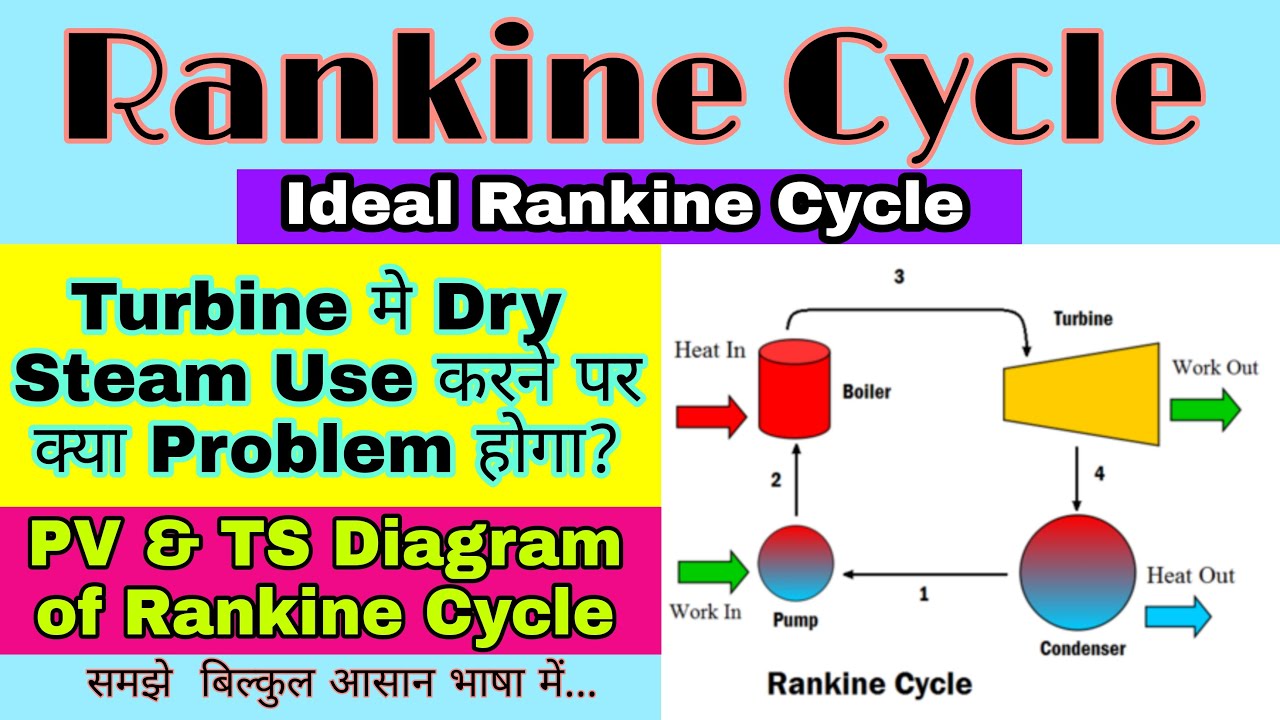
The two most common nuclear reactor types are the Pressurized Water Reactor (PWR) and Boiling Water Reactor (BWR), which differ fundamentally in their thermodynamic cycles: PWRs use high-pressure water circulating only in the primary circuit to transfer heat to a secondary circuit via a steam generator, achieving higher temperatures (~320°C) and accounting for over half of global nuclear reactors; BWRs generate steam directly within the reactor vessel at lower pressure (~7 MPa), simplifying plant design but requiring larger containment structures. Both use enriched uranium oxide fuel in zirconium cladding, with PWRs employing control rods and boric acid for reactivity control while BWRs utilize steam void effects for inherent safety through negative temperature coefficients.
PWR vs. BWR: Pressurized & Boiling Water Reactors Explained
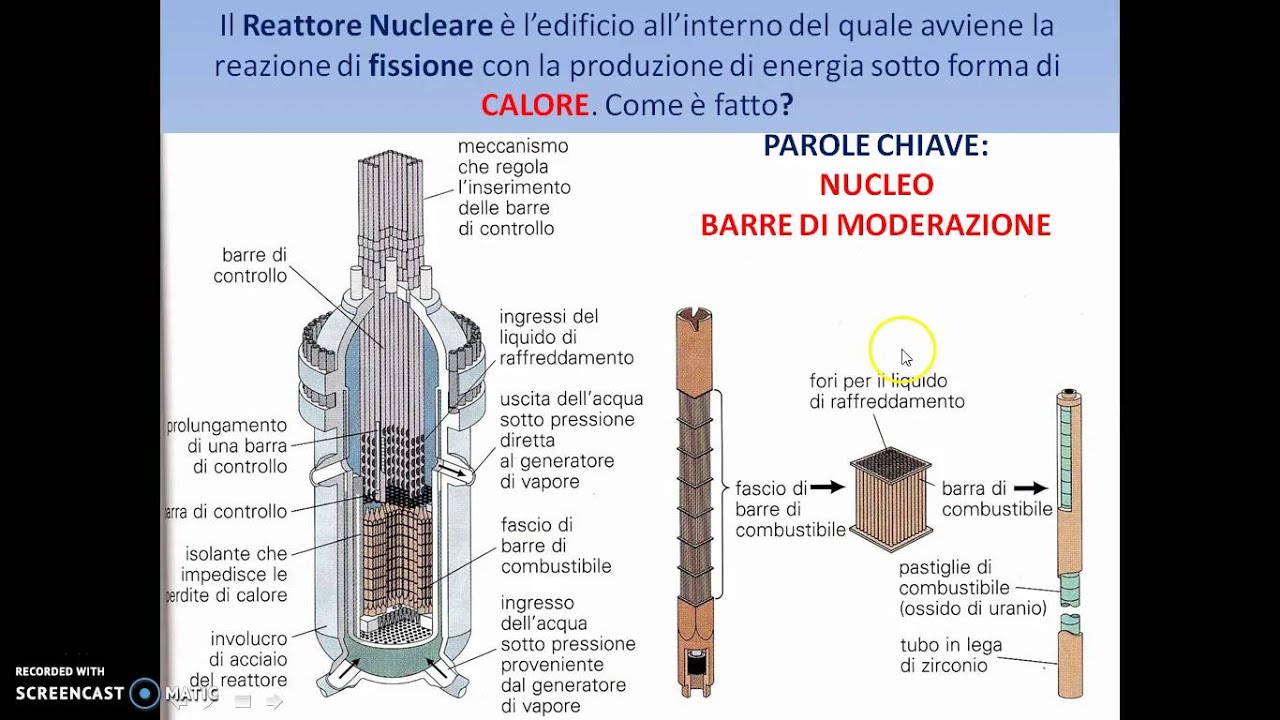
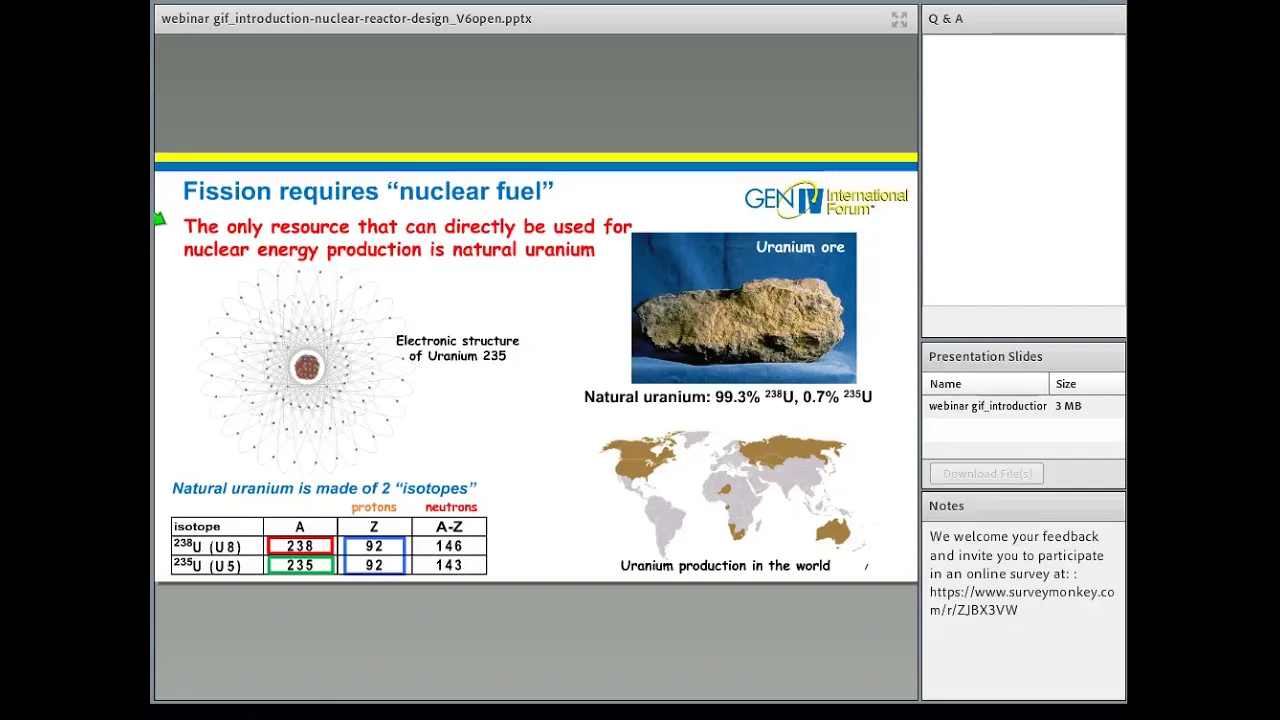
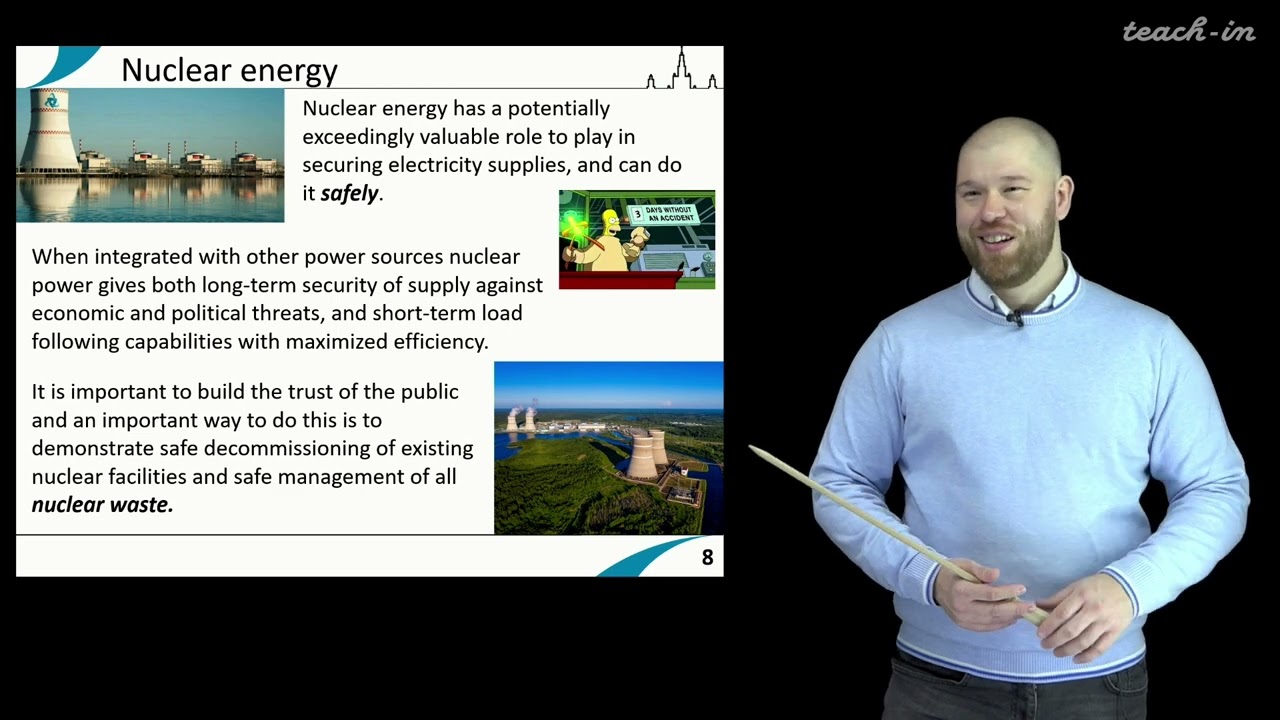
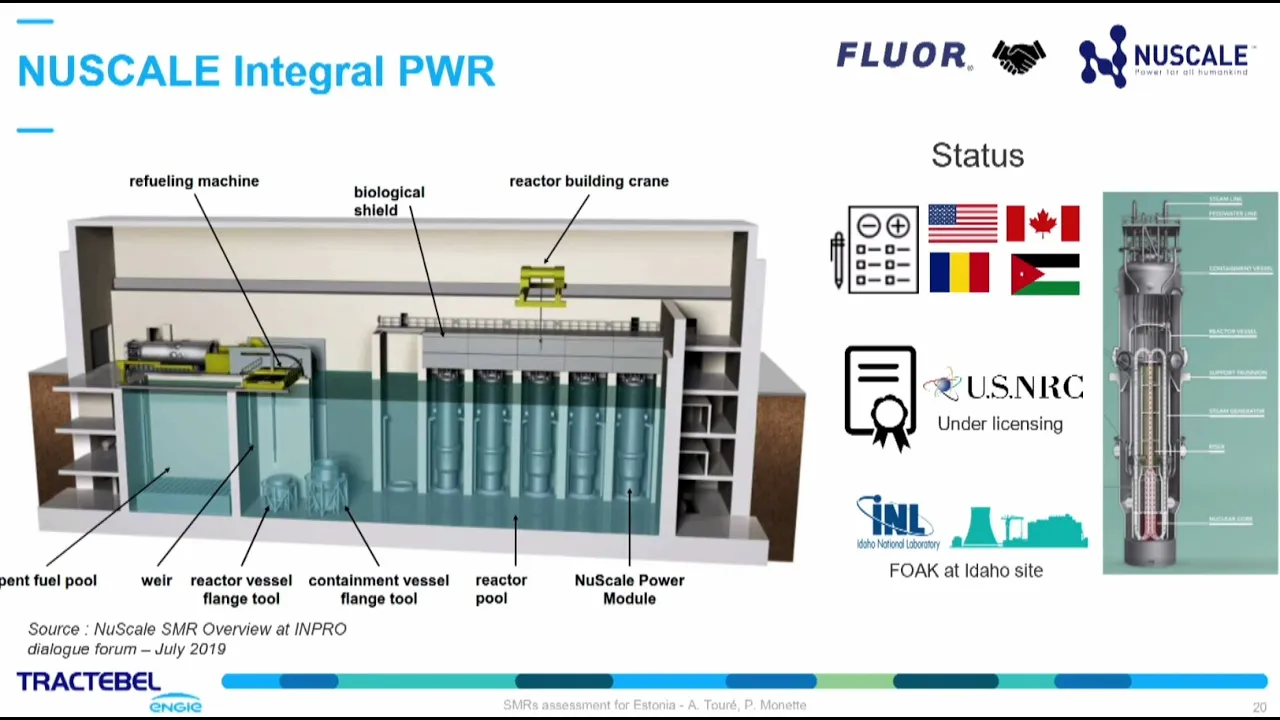
Added:[Music] during the development of nuclear technologies various types and designs of nuclear reactors were created differing primarily in the moderator and the coolant used the types that used ordinary water for these purposes the pressurized water reactor known as pwr and the boiling Water Reactor known as bwr eventually achieve the widest use their names already sufficiently describe the main differences between them a pressurized water reactor uses water under high pressure circulating only within the primary circuit to remove heat from the core whereas in a boiling reactor heated water is boiled at a lower pressure and the resulting steam is brought directly into the turbine more than half of all operating power reactors in the world are pressurized water reactors their design was developed in the USA from proven nuclear sources for the US Navy and later adopted and modified in Russia the Russian modification of the pressurized water reactor is denoted by the abbreviation vve based on the full Russian name VES reactor the main task of pressurized water reactors is to heat the circulating water to the highest possible temperature the achievable water temperature is directly dependent on its pressure and therefore the core must be placed in a thick walled pressure vessel withstanding approximately 150 times of atmospheric pressure at this pressure with a certain safety margin until boiling the exit temperature of the water from the reactor is around 320° celsus the pressurized water reactor vessel is made of low alloy steel but the inner surface is provided with a layer of stainless steel lining the separable part of the container is the upper lid through which the control rod and the outlet for the measurements of the internal reactor goes during a refueling shutdown the lid is removed to allow the loader to access the fuel assemblies that need to be replaced ceramic pellets of uranium oxide enriched to 3.5 to 5% are used the most often as fuel in pwr reactors they are inserted into zirconium fuel Rod claddings which are then assembled into 4 M long square or hexagonal fuel assemblies the core of the reactor composed of fuel assemblies has a diameter of 3 m control rods containing Boron or cadmium are used for immediate control of reactor power and boric acid dissolved into a coolant is used for slow control and compensation of excess reactivity the coolant that removes the heat from the reactor and at the same time the moderator that slows down the neutrons in a pwr is ordinary light water after entering the reactor it flows downwards through the gap between the core and the pressure vessel where it turns and continues past the fuel rods in upward formations passing through the core where its moderating properties are also used the water is heated by approximately 30° C and continues through the primary pipeline to the steam generator where it transfers its heat to the steam water mixture of the secondary circuit after drying the resulting clean steam is conducted to the turbine through a steam p pipe the cooled water of the primary circuit is then returned from the steam generated to the reactor using the main circulation pump for safety reasons the reactor and all parts of the primary circuit are placed in a protective cover which fulfills the function of mechanical protection of the reactor against external influences and at the same time functions as a closed hermetic space to protect against the leakage of dangerous substances into the external environment during normal operation and in the event of an accident the mass of containment acts as highquality radiation shielding the second most common type of nuclear reactor is the boiling lightwater cooled and moderator reactor known by the abbreviation bwr approximately one in five operating reactors in the world is of this type the reactor consists of a steel pressure vessel with a core structurally similar to the pwr core however the steam to drive the turbine is created here directly in the reactor and some modifications to the design must also correspond to this enabling for example a reliable control of the reactor output or steam drying in the upper part of the pressure vessel in a single circuit layout of a power plant with a boiling reactor the reactor itself fulfills the function of a steam generator the simpler construction of the power plant with fewer components is cheaper and easier to control but on the other hand it brings the potential possibility of radioactivity transfer to the turbine the controlled area must therefore also include an entire auxiliary building due to the presence of the steam phase in the upper part of the core and the occupation of the upper space of the pressure vessel by the steam generated by the separator and dryer systems the control and emergency rods are inserted into the reactor from below the performance of bwr reactors can be regulated mainly by changing the position of the absorption rods and by changing the flow rate of the coolant with the content of the steam water mixture through the core the bubbles contained in the boiling water reduces its moderating abilities and thereby suppresses the ongoing fusion reaction the fuel is again cylindrical ceramic pellets made of slightly enriched uranium oxide the pellets are stacked acted into 14 mm diameter fuel rods which are assembled into square fuel assemblies approximately 4 M long four fuel assemblies among which an absorption rod with a cross-section in a shape of a cross moves form the basic fuel module of the bwr reactors the reactor is refueled once a year during shutdown when the reactor is opened and a quarter to third of the fuel assemblies are replaced ordinary demineralized water reliably fulfills the function of moderator and coolant at the same time the bwr reactor operates with a water pressure of approximately 7 megapascals and its temperature reaches up to 290° C the presence of steam in the reactor and the power control by changing the density of the moderator increase the production of plutonium and thus contribute to more efficient use of the fuel the lower pressure and overall lower power density compared to a pwr in turn extends the life of the reactor's steel pressure vessel last but not least the advantage of bwir reactors from the point of view of safety is also their large negative temperature coefficient of reactivity in power plants with bwr reactors all operational systems including the fuel exchange system are hermetically sealed within a protective cover consisting of a steel jacket and a concrete building in case of an accident the protective cover fulfills an important safety function it prevents the release of fision products into the environment
Up Next
Nuclear Reactor Construction and Operation | MIT 22.01
@mitocw
1.2M views•2019-09-26

Ultrasonic Transducers: Resonant Frequency Measurement and Horn Design
@imajeenyus42
229.9K views•2017-02-22
Polymer Environmental Degradation: Mechanisms & Stabilization
@iit
1.8K views•2012-07-10

How a Student's Question Saved a NYC Skyscraper from Collapse
@veritasium
22.8M views•2025-04-26
Related Study Plans & Knowledge Roadmaps
Structured learning paths in Engineering