















![세계 경제학 필독서 50 [BOOK 45] 리처드 탈러의 《행동경제학》](https://i.ytimg.com/vi/FyuVRnU5mc8/maxresdefault.jpg)







Libertarian paternalism is a policy approach that uses subtle environmental cues called 'nudges' to guide people toward better decisions without restricting their freedom of choice; based on the insight that humans are not always rational and consistently make predictable suboptimal choices, this approach employs six key principles of choice architecture—including defaults, error anticipation, feedback, information mapping, complex choice structuring, and incentive clarity—to help individuals make healthier, wealthier, and happier decisions while preserving their fundamental right to choose freely.
The Key Insights of Nudge by Thaler & Sunstein | Book Summary & Behavioral Economics Explained
Added:The fundamental difference between Classical Economics (which assumes humans are perfectly rational actors) and Behavioral Economics.
Dual-process theory, specifically the distinction between intuitive, fast thinking (System 1) and deliberate, slow thinking (System 2).
Basic cognitive biases and heuristics, such as status quo bias, loss aversion, and anchoring.
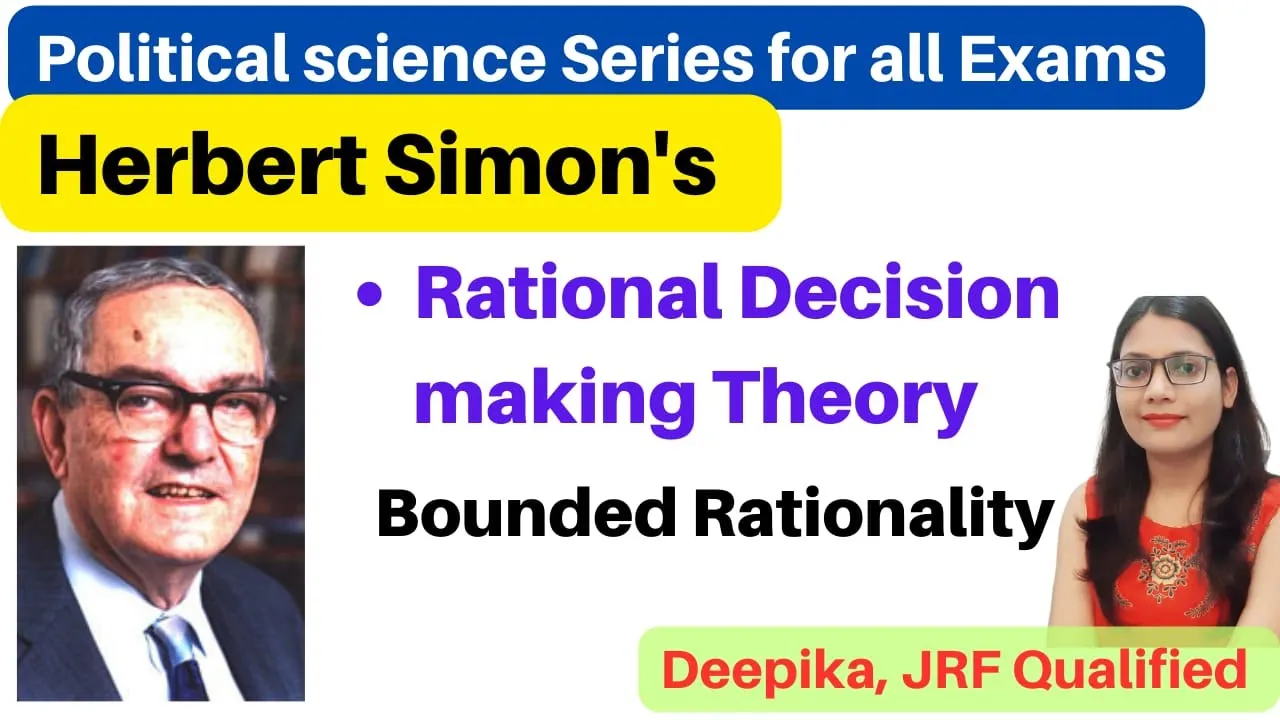
The concept of bounded rationality, which explains how cognitive limitations and environmental factors restrict optimal decision-making.
The philosophical and ethical debate surrounding 'Libertarian Paternalism' and when nudging crosses the line into manipulation.
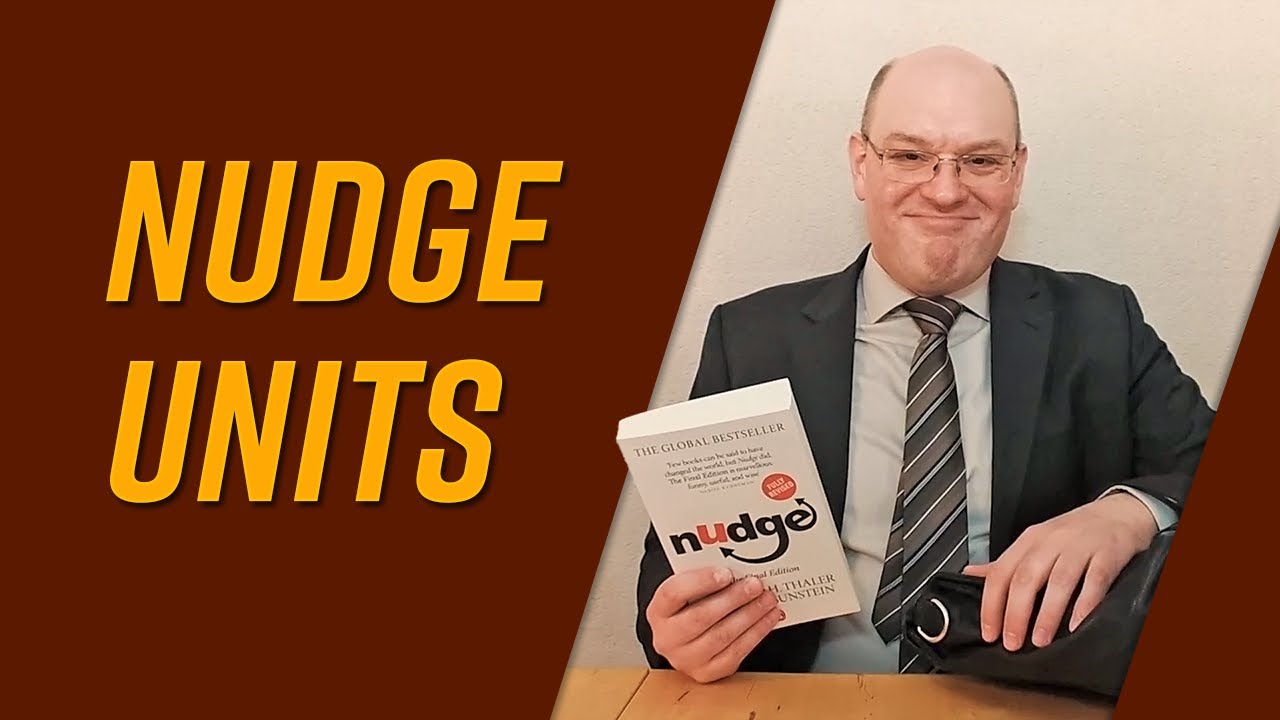
Practical applications of behavioral design in public policy, specifically how government 'Nudge Units' optimize tax compliance and organ donation rates.
The concept of 'Sludge'—the use of cognitive friction and poor choice architecture to discourage beneficial human behaviors.
Designing digital user experiences (UX) using ethical choice architecture, contrasting helpful nudges with deceptive 'dark patterns'.
42.5K views189likes6:04Original Release: 2021-03-17
hi everyone and welcome to big ideas growing minds we are so happy you're here please consider subscribing to the channel your support means the world to us today's big idea is put forward in a remarkable and invigorating book by cass sunstein and richard thaler called nudge improving decisions about health wealth and happiness every day we make choices about what to buy or eat about financial investments or our family health or education we are so used to choosing that often we are not even aware of why we pick one thing over another and regularly we make less than optimal choices ponder this if grocery stores didn't stock candy at the register would you buy it less frequently in nudge thaler and sunstein explore how subtle prompts also referred to as nudges can help us make better decisions without infringing on our fundamental right to free will this video will focus on the first part of the book called humans and econs here we learn how flesh and blood humans differ from the uber rational people presented in economic theory and discover why real humans don't always make the smartest choice as always we recommend reading the full book where you will learn more about how nudges can be applied in matters of money health and education humans and econs one of the most critical insights of behavioral economics is that contradictory to common sense humans are actually terrible at doing what's best for them we consistently and predictably make bad choices this fact that humans don't always make the right choices keeps economists puzzled since it contradicts a central assumption underlying traditional economic theory that human beings are always rational meanwhile over the last 50 years social scientists have discovered how seemingly inconsequential details cause humans to make bad decisions unwittingly and despite good intentions often we are driven by impulse or fueled by mistakes and logic failure and sunstein build on this awareness and while they consider freedom of choice a fundamental right they still dream of making choosers better off through a non-intrusive method their solution a new movement labeled libertarian paternalism libertarian paternalism is a way of influencing people without blocking or prohibiting free will it's libertarian because they firmly believe that people in general should be free to do what they like and they should always be unrestricted to opt out of undesirable arrangements it's paternalistic since they nonetheless believe that it is legitimate for policy makers influencers and private companies to influence people to make better decisions libertarian paternalism encourages policy makers and private companies to use purposeful choice architecture to gently push people towards the most beneficial choices choice architecture can make significant improvements to the lives of others by designing user-friendly solutions it is the science of designing options in a thoughtful well-intentioned way to nudge people toward the best possible outcome while preserving their indisputable right to make bad decisions the moment someone is forced to do something the influence ceases to be a nudge nudges attempt to influence choice in a way that presents all options while gently steering the chooser toward the most beneficial selection nudges aim to show the best choices not force them thaler and sunstein explore six essential principles of good choice architecture one defaults people often tend to go for whatever choice offers the least effort to complete two expecting error an essential aspect of nudges is due diligence design your choices to be flexible and alert in case the choosers make an error this can be done by setting reminders installing choice confirmations and provide options to change an answer if they initially get it wrong three feedback giving feedback helps people confirm their successes and curb their failures a great example is when our computer gently informs us that we only have five percent battery power left and politely asks us to plug in the charger four mappings a good choice architect helps people improve their ability to choose also when the alternatives are complex you do this by translating complicated information into more understandable data or by recapping and highlighting benefits or shortcomings five structuring complex choices when people are presented with a choice they usually address it by weighing each option this works excellent for choices that involve a few options but the more options the less viable this approach is for example if a person is trying to pick from a field of 200 vacation destinations you can help them by filtering them by country or star ratings this helps simplify the choice by quickly removing unwanted options six incentives to make informed choices people need to know their incentives and there you have it our key takeaways from nudge by cass sunstein and richard thaler we hope you enjoyed the video if you did please remember to give it a like take care and see you soon
Up Next

15:51
Richard Thaler on Nudges and Choice Architecture Explained
@SydneyExecutivePlus
24.8K views•2021-10-15

5:07
Impact of Yuan in Indo-Russian Trade Amid Sanctions
@WION
261.9K views•2022-07-01
10:33
Behavioral Economics Explained: Rationality, Nudges, and Risk
@crashcourse
1.1M views•2016-03-12

113:18
The Age of Easy Money: Fed & Inflation | Full Documentary
@frontline
21.2M views•2023-03-15
Related Study Plans & Knowledge Roadmaps
Structured learning paths in Economics
economics
Sovereign Debt: Defaults, IMF & Restructuring
01Introduction to Sovereign Debt & Government Bonds
02Debt Sustainability & Credit Ratings
03Anatomy and History of Debt Crises
+ 2 more learning modules
12h5 modules
Explore Roadmap
economics
Market Design: Matching Theory & Gale-Shapley
01Introduction to Market Design and Price-Free Markets
02Two-Sided Matching & The Gale-Shapley Algorithm
03School Choice Systems and Mechanism Design
+ 2 more learning modules
10h5 modules
Explore Roadmap
economics
Impossible Trinity: Forex, Capital & Policy
01Introduction to Monetary Policy and Central Banking
02Exchange Rates and International Capital Flows
03The Mundell-Fleming Model
+ 2 more learning modules
8h5 modules
Explore Roadmap
economics
Healthcare Economics: Market Failures & Systems
01Introduction to Healthcare Markets and Market Failure
02Asymmetric Information and Adverse Selection
03Moral Hazard and Insurance Design
+ 2 more learning modules
12h5 modules
Explore Roadmap