








![অধ্যায় ৩: অবস্থান্তর মৌলের বৈশিষ্ট্য (রঙিন যৌগ গঠন, চৌম্বক ধর্ম, প্রভাবন ধর্ম) [HSC]](https://i.ytimg.com/vi/CM1ZUe70UE0/hqdefault.jpg?v=63b410b5)
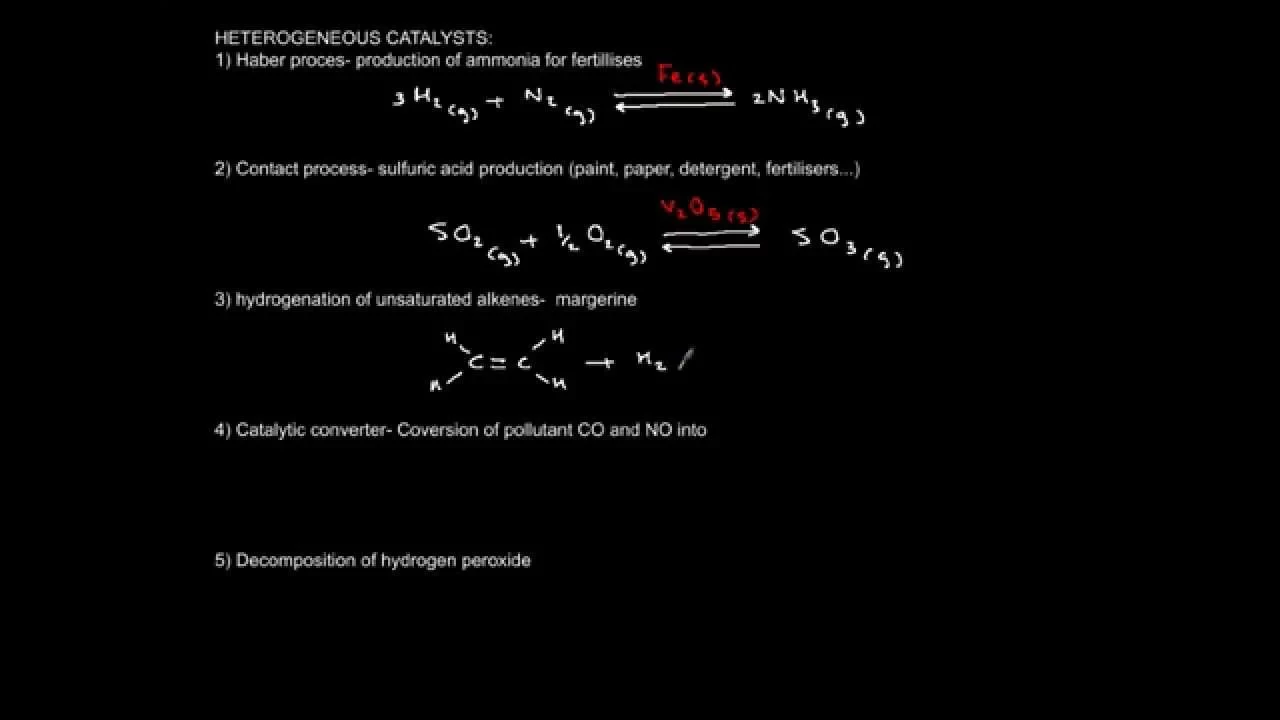
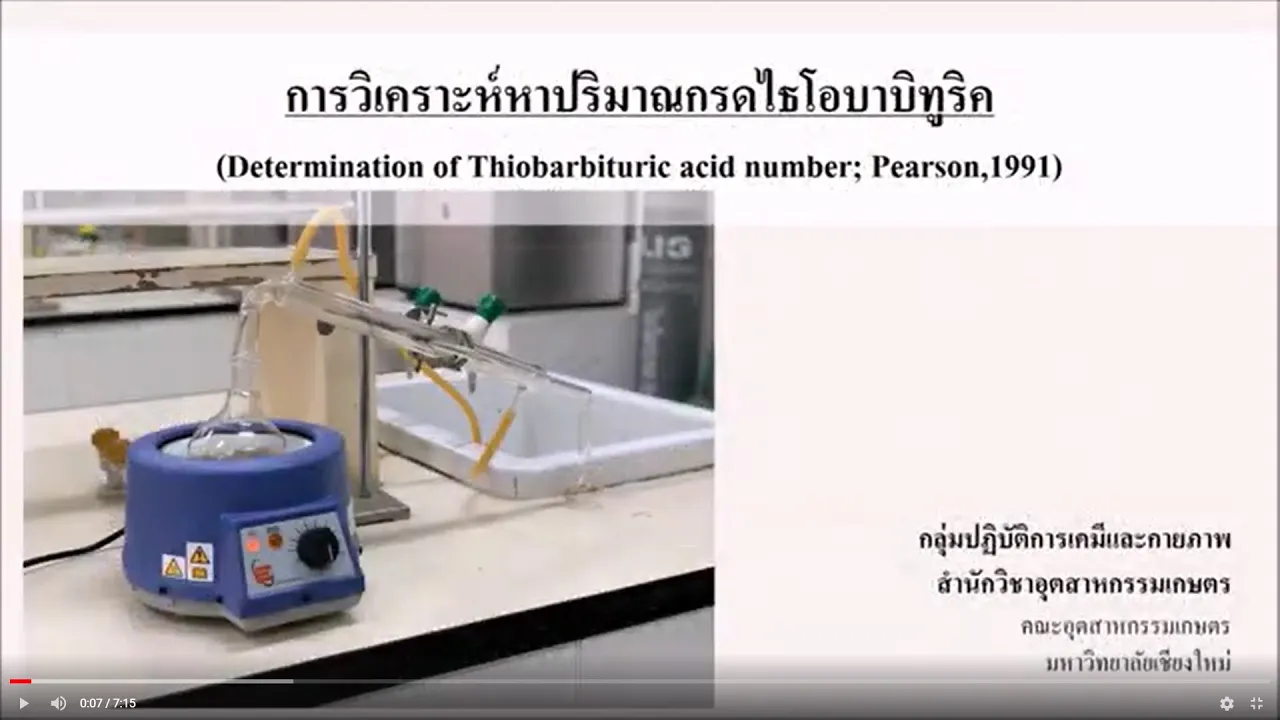

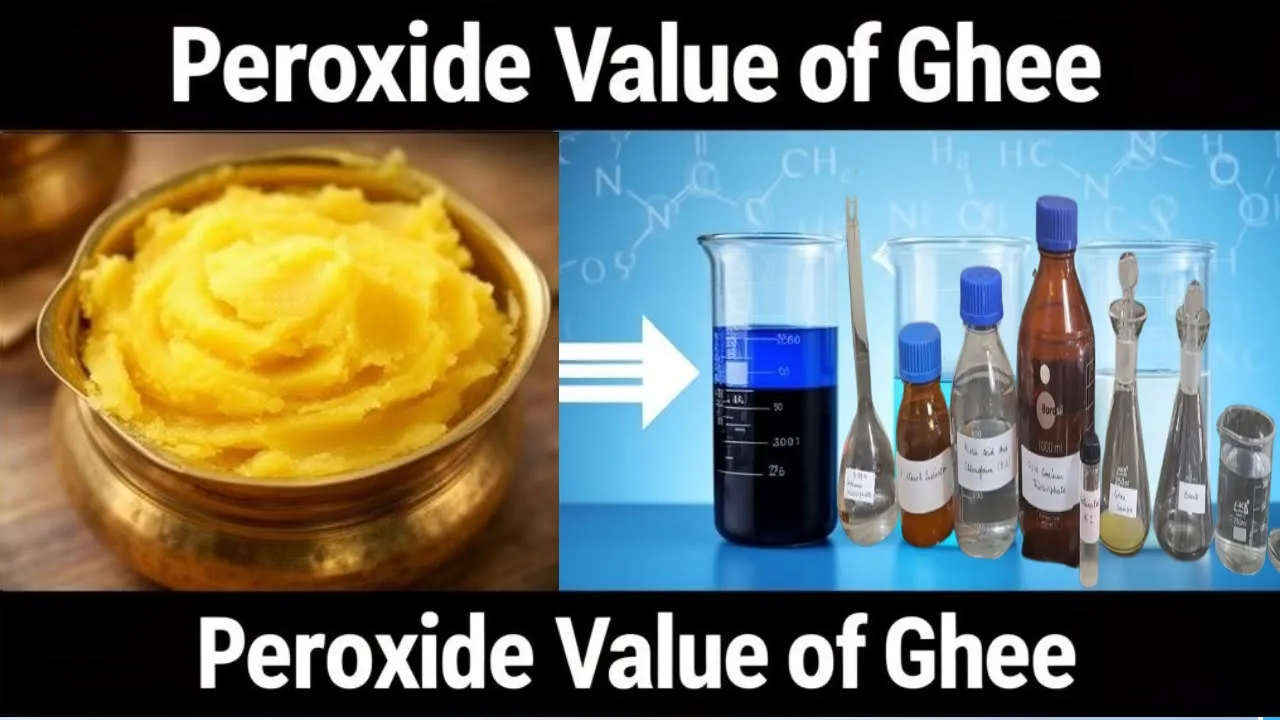
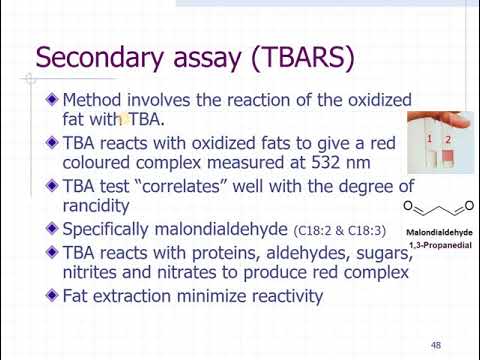






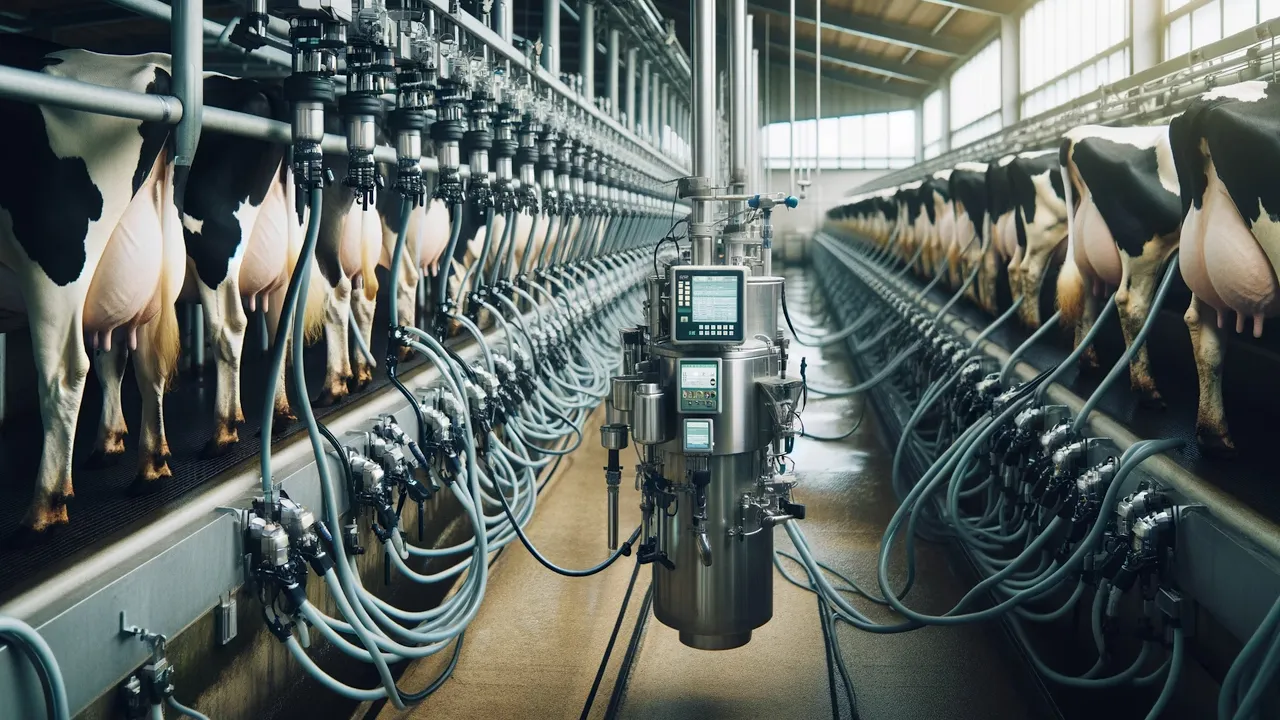

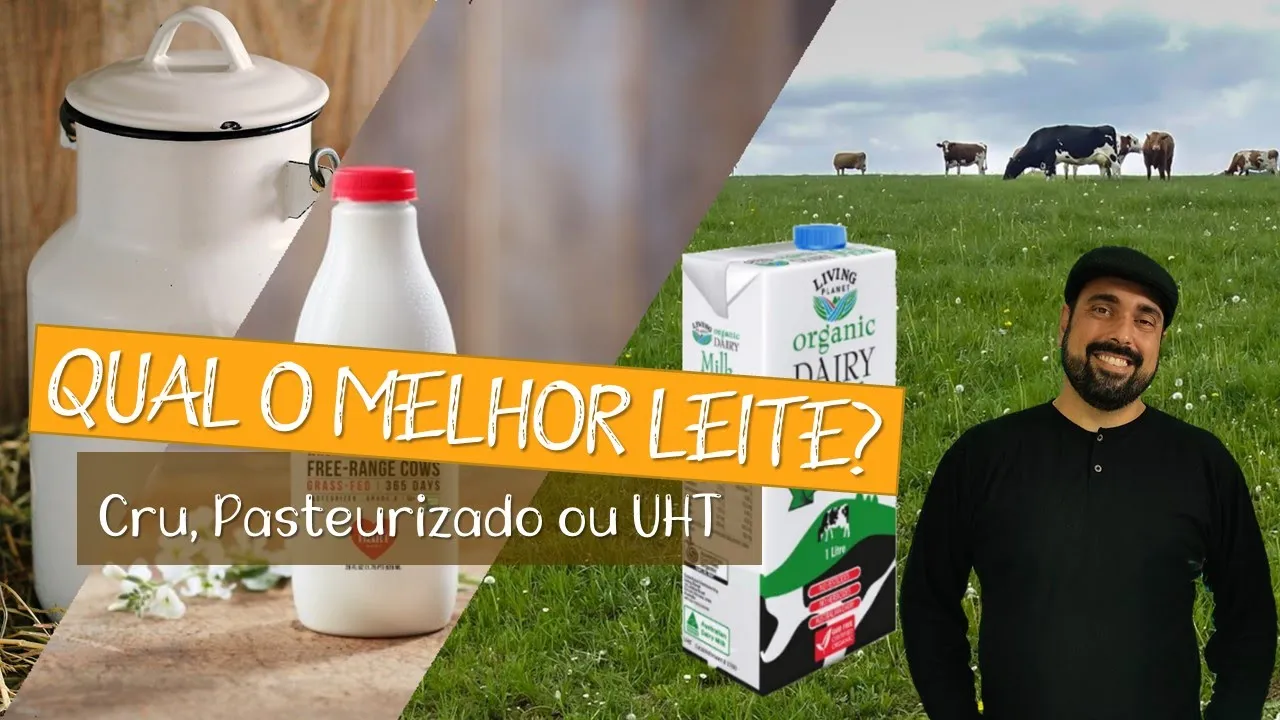



Lipid oxidation in milk and dairy products is a free radical reaction involving oxygen addition to unsaturated fatty acids, primarily catalyzed by light (via photosensitizers like riboflavin and chlorophyll) and metals like copper, resulting in oxidized flavors characterized by cardboardy, metallic, or painty notes; this process produces carbonyl compounds such as hexanal and malondialdehyde that cause off-flavors, and can be prevented through nitrogen flushing, light-blocking packaging, antioxidant addition, and controlling oxygen exposure during processing and storage.
Lipid Oxidation in Milk & Dairy Products | Food Science Webinar
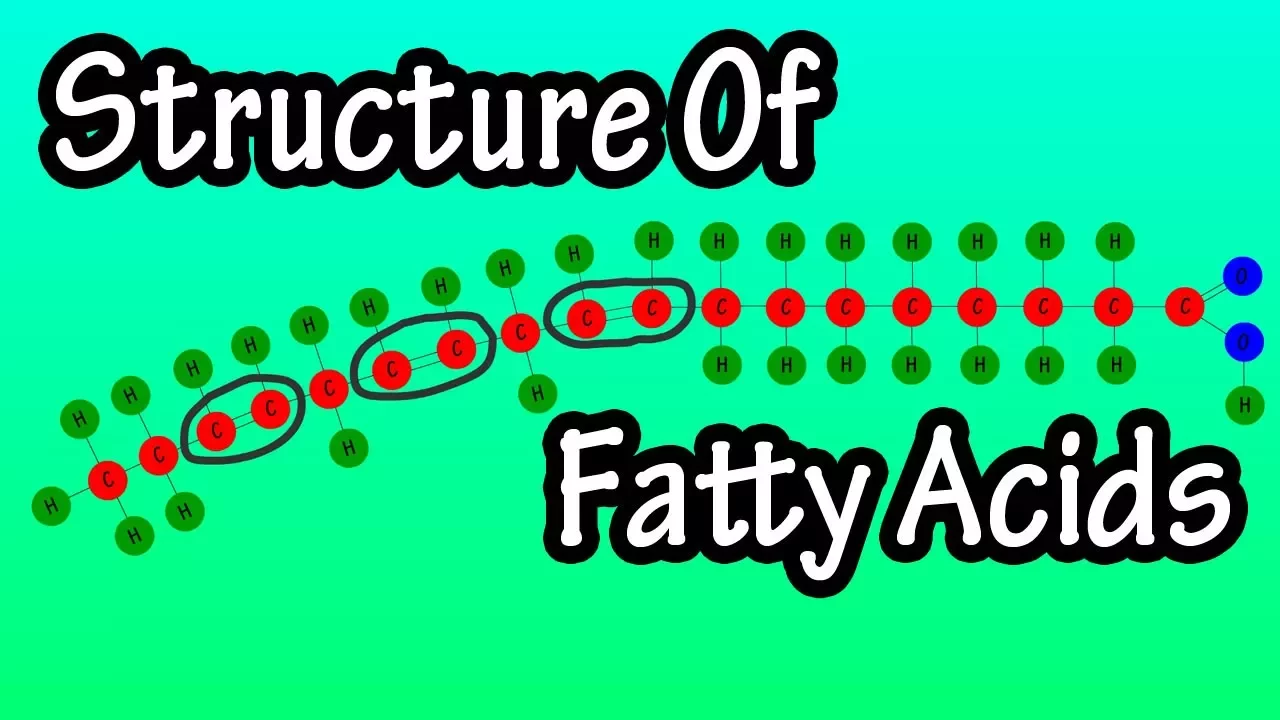
Added:Basic lipid chemistry, including the molecular structure of saturated, monounsaturated, and polyunsaturated fatty acids.
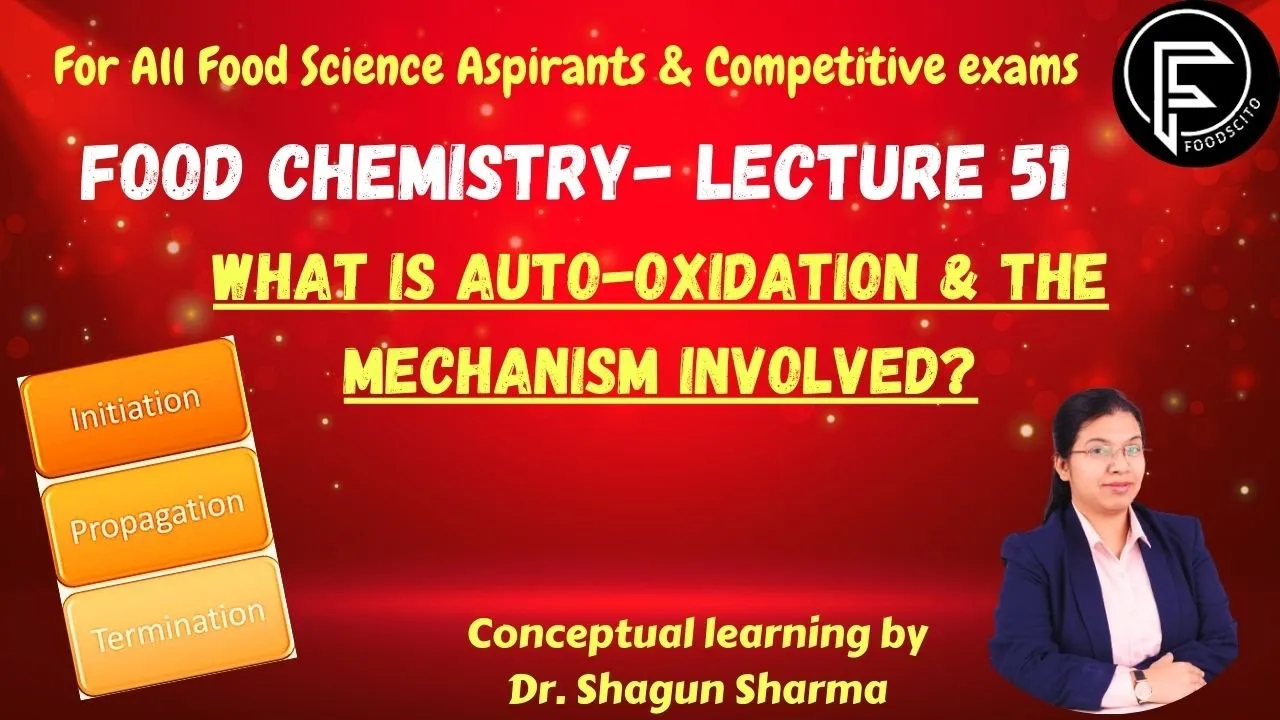
The fundamental mechanism of lipid autoxidation, specifically the free-radical chain reaction stages: initiation, propagation, and termination.
The physical structure of milk as an emulsion, including the role and composition of the milk fat globule membrane (MFGM).
The role of transition metals (such as copper and iron) and light exposure as catalysts in food degradation reactions.
Analytical methods for quantifying lipid oxidation in dairy, such as Peroxide Value (PV), Thiobarbituric Acid Reactive Substances (TBARS), and volatile profiling using GC-MS.
Industrial food preservation strategies, including the formulation of natural versus synthetic antioxidants and active packaging technologies (e.g., UV-blocking materials).
The specific effects of thermal processing (such as HTST pasteurization, UHT treatment, and homogenization) on dairy lipid stability.
Shelf-life modeling and accelerated stability testing protocols for commercial dairy and fat-containing food products.
177 views5likes56:30Original Release: 2023-05-12
foreign thanks Jenny for the introduction and welcome to all you people who are listening in somewhere um some of you will have heard me before and uh if so then you're you're a terror for treatment but uh you're very welcome um I do recognize some of the names on the list that um uh that Jenny show me so um welcome to uh to to you all so today is over a different topic than what I've spoken about before so we're talking about lipid oxidation and particularly oxidized flavor in milk and milk products this this Topic's been around for a long time but um it just doesn't go away and I think we need to to know the background of it as we go along so just an outline there I'll talk a little bit about the background uh what's oxidized flavor a little bit about oxidation in milk fat and why why milk fat does oxidize large induced oxidation because that's one of the the main problems spontaneous oxidation for milk and some of you may never have heard of this one so that might be of interesting interest to you and then a little bit about some of the products and and how oxidation affects them um some other effects of oxidation not just oxidized flavor and then just one slide on measurement of oxidation you could do a whole webinar I think on measurement of oxidation but um uh I've just given you an outline of some of the tests that we can we can use and then just a few conclusions just by way of background as I mentioned it's been around for a long time I've said there it's a perennial issue in the in the dairy industry and I've put there a reference into 1948 reference oxidized flavor and milk and milk products and and that was the review so obviously there'd been a lot of work done before that people have a a range of experiences with milk fat oxidation and I'll put down a couple of them there my one one that that I remember is when I first started work I was working in the Queensland butterboard and as soon as you walked in the door you could smell this this smell and I'm sure it was was oxidized milk fat and a lot of you will have experienced the age whole milk powder if you've kept milk powder at home for for very long um apart from the going of a bit yellow and a brownish color from from molo's reaction uh you also get quite a lot of uh oh I've got um someone come up there okay welcome to Paris Creek Farms uh yeah so the the milk powder will often smell after a while and that that smell is largely due to uh two more fat oxidation there's been a lot of research done on it uh when I first started um in Dairy research I was given a project on oxidation of of milk or oxidized flavoring milk and butter and I couldn't believe just how much had already been done I spent my first few weeks just reading them it was an awful lot that had been published at that stage at that time oxidized flavor in butter was it was a big problem uh so the the graders used to always put oxidized flavor and you know when they knew what oxidized what oxidation as a chemical process was or not it did describe the the stale type of flavor that you get in in some butter and one of the reasons for the problem at that time was that there was a lot of copper um in in the milk and that was because coppo was um a component of what was called Dairy metal which which was what a lot of the Milky machines and a lot of the dairy equipment was made of not stainless steel like it is now so because copper is a very powerful Catalyst of oxidation we tended to get a fair bit of oxidation uh those days butter of course was um a major product in those days and hence it was the probably the major product where oxidized flavor was uh was noticed and um I'll put down there that much the butter at that stage was made from Farm produced cream and that cream was stored unrefrigerated on farms and I grew up on a dairy farm producing such cream and sometimes it was two days sometimes three days sitting at room temperature so you can imagine the quality of it by the time it reached the factory so it's not surprising that it suffered some defects along the way um up there some of the descriptors that um have been used for it cardboardy metallic fatty or oily painty fishy stale um so all those sort of refer to the chemical process of oxidation in um if it's really bad oxidized favors often referred to as being as Ransom or rancidity but I've just put down put a note there saying that um we're now talking about oxidative rancidity because sometimes people talk about uh milk fat being rancid but it's actually due to um to lipolysis so that's a lipolytic rancidity which is caused by lipases um producing free fatty acids and a lot of you will have heard me talk about that in the past so an oxidized flavor affects a whole range of products including milk and butter and hydrous milk fat or ghee and fat containing powders even cheese and some other products so I'll speak a little bit about those later in the webinar I like to just mention a bit about fat in milk and sorry someone's trying to ring me just forget about that so the um fats and oils are mostly characterized by their their fatty acid composition and in terms of oxidation this is important because we would like to know how much unsaturation there is unsaturation is the number of double bonds and um if you remember your Chemistry that's um that's what we're really talking about is the double bonds uh in the in the fatty acids and I've just put down here the different types of unsaturation that we can have we can have one with uh with no saturation so these are saturated the fatty acids are saturated fatty acids an example there is diaric acid which has got 18 carbons and no double bonds that's very stable and doesn't oxidize very readily at all so it's quite quite stable to oxidation then you've got your monounsaturated fatty acids or the mufas and woofers um and I guess oleic acid is the is the classic um example of that it oxidizes slowly then we've got Napoleon saturated fatty acids and little league as the is the best known one of those uh and then Atlantic little Lennox little leaks got two double bonds and then Lennox got three they oxidize pretty rapidly but then I've got just got in small type there because they're not in not in milk fat fish oils have the omega-3 polyunsaturated fatty acids for example EPA and and DHA and some of you will be familiar with those they're very unsaturated the EPA has five and DHA has six double bonds and they are they oxidize very rapidly um so milk fat contains a pretty high percentage of saturated fatty acids medium amount of monounsaturated fatty acids in a pretty low percentage of of polyunsaturated fatty acids so if we compare that with some of the other common oils I've just got milk fat there about 70 saturated 27 27 mono and around about three percent poly if we go to Sunflower Oil which is a common vegetable oil we've got a very different situation where we've got 63 polyunsaturated and and much less of the others and then if we go to olive oil and Macadamia Oil fits into the same category here um 73 monounsaturated fatty acids so very very very different compositions from those three and each those three will oxidize at quite quite different rates and to give you an idea of the relative rates of oxidation of the different fatty acids I've just taken the the c18 fatty acids here and uh steric there if we look at that as having an oxidation rate of one our league 18 with one double bond is a hundred times more reactive to oxygen 18 2 than oleic acid 1200 times if we go to 18 3 linolenic acid 2 500 times and I haven't got in there the the the omega-3 polyunsaturated fatty acids with five and six double bonds and that would be several thousand times the oxidation rate of um of stearic acid so that just gives you an idea of the relative rates so I I guess it um brings up the question why does milk fat readily oxidized when it only contains a pretty low percentage of unsaturated fatty acids and much a much higher percent of saturated fatty acids well there's a couple of reasons one is that it has pretty low levels of the antioxidants so things like um Alpha to cholesterol or vitamin E and it also has some promoters of oxidation and the major one of those is riboflavin or vitamin vitamin B2 um that's a yellow green color um it's it's the yellow green color of whey when you take out the um the casein so if you have a look at that picture there the the one on the left that covers mostly due to to rival flavor and that's that's why and you've got the milk on the on the right um there's also chlorophyll compounds chlorophyll being the yellow pigment in in um in grasses Etc and that there are they're also promoters of oxidation and and some people think that um in in milk fat they're they're one of the principal promoters of oxidation so a little bit about the mechanism why how does it happen why do we how do we um uh get oxygen into the the fatty acids I guess that's the first thing is that fat oxidation involves addition of oxygen if you don't have oxygen you don't have oxidation it's as simple as that it's a free radical reaction and like all free radical reactions it has and three different steps the the initiation step and then a chain reaction or a propagation step and then it has terminating steps and they're the ones where we get other products being formed the initiation is commonly by light but it can also be and that's in conjunction with your photos sensitizers that I just mentioned like riboflavin but it can also be initiated by copper and to some extent iron as well and so as I mentioned earlier one stage copper was a a real issue for the dairy industry because much of the um equipment used for processing and producing milk had a substantial amount of copper so when Oxygen's added to an unsaturated fatty acid one of the first products formed is peroxides and you a lot of you will know that peroxide value is one of the the major tests for oxidation in in fats and oils so this is um this is where um the peroxide comes from so if we if we have a look at this this picture here the you've got our unsaturated lipid there on the on the left and a hydroxyl radical and the hydroxyl radical extracts the hydrogen out of the unsaturated um lipid on the left there and produces a radical and once once you produce that radical the oxygen and you Reactor with oxygen the oxygen forms a peroxy radical as you'll see in the bottom right hand corner there that takes on another hydrogen and say you've got a lipid peroxide and that's what we often measure um as a measure of the amount of oxidation so just keep in mind that this is in the early stages so what we're what we're measuring here is one of the primary products of of oxidation thank you so in the termination step the peroxides tend to break down to produce a whole range of of smaller molecules um a lot of these are carbonyl compounds so they have a CO bond in them a lot of them are aldehydes um some are ketones there's a whole range of these different compounds even hydrocarbons are formed I'm not going to go into any any more of the other ones but concentrate on the aldehydes which are the the major ones and they're the major ones that cause flavor change as well as well um and I've put down two there because they're they're very much um used in measuring oxidation so we've got hexanal which is a C6 aldehyde it's um commonly measured by hplc as a measure of the second of secondary oxidation and I've put Melinda aldehyde down there as well and that's um that's also measured and it's in the classic TBA test or t-bars diabarbaturic acid reactive substances test that's probably one of the the other most common chemical tests for for oxidation of of fats now I want to just talk a bit a little bit about light induced oxidation in milk because if we didn't have light then a lot of the the issues that I'm going to talk about um uh wouldn't be of concern um and I guess this this one's raised it's uh it's had in recent times because uh a lot of pasteurized milk is is packaged in um light perm or plastic bottles and so forth and um and so it's susceptible to light activation when stored in in Coal cabinets in supermarkets and so forth and those coal cabinets are often lit with quite bright bright light so this can actually cause oxidation in the world be short time there's been a few papers come out where they've subjected milk in plastic bottles to to fluorescent light at various strengths and it's it's been shown that in in some cases people can pick up an oxidized flavoring in that Nook in a fairly short time so down the bottom there I've got a train train specialist can pick it up in in less than an hour some some papers papers talk about 45 minutes as um there's a Time taken for a trained panelist to to to pick up that oxidized flavor but for the rest of us um we're not trained we'll we'll pick it up but not as quickly as that and I've got their flavor score in unprotected plastic bottles you know just by a cabinet decreased from 7.2 to 5.85 in eight hours which is which is pretty significant because one of the papers that I read estimated that the average time that a milk that milk spends in one of these cabinets is about eight hours and to in that particular paper where I got these figures from they also used bottles that have been wrapped in foil so there's no light getting to the milk and that score remained above seven for 168 hours so I I think that just demonstrates just how how powerful uh an initiator light is of oxidation in in milk uh if there is if you've ever tasted um what we call light activated flavor it's it's um it's quite disgusting and I use that that word disgusting um advisory because that was the way it was described in in one of the papers where they where they gave some of this milk to a range of panelists and them the most common term that came up was discussing so others have called it chemical or burnt scorched cabbage like uh mushroom like burnt hair plastic bird feather so none of that sounds very good I'm sure but uh um but it really is a a quite disgusting sort of a taste and and smell the smells big smells being described as wet cardboard or wet paper and it's quite different from the symbols you get from other types of milk and I guess a lot of the other what we're doing is getting different compounds being formed one of the papers I read thought that um uh light oxidation of milk was was so severe that it could couldn't easily lead to a reduction in sales of milk to people they just get sick of buying milk from the supermarket and get it get it home and find it's got this um this chemical type tape to it um now the lighting just flavor is is mostly due to lipid oxidation but it's also um contributed by protein oxidation and this is a this is the first time I've mentioned protein oxidation but that does occur as well and I've just got ones um I've got a slide on it in a moment here we are um I'll just go to it now but so lighting just oxidation as I said is mainly fat oxidation but we can get protein oxidation and the amino acids uh finally I'll need tyrosine tryptophan and methionine are the major ones that that get oxidized and um the the the flavor uh is mostly due to things like dimethyl sulfide so you can imagine this is a small sulfur containing molecule and some of those uh extremely flavoursome and that's that's one of the reasons why light induced flavor is um is so disgusting the other thing that protein oxidation does is is cross-links proteins via tyrosine so so tyrosine molecules on on two adjacent proteins link up to give what's called dietyrosine if you like so so that's another thing that oxidation can protein oxidation can do now let me just go back a couple um so just a bit on the photosensitization of of oxidation it very much depends on the wavelength of the light that we use um and if it if that light correct that the wavelength of that light corresponds with the wavelength of um where we get our photosynthesis photosensitizers absorbing light then then that's when we we're going to to get oxidation and I've just put up a couple of graphs here that um that I've got from Dr Google um riboflavin absorbance and you'll see that it's mostly around about the uh the 450 range and then chlorophyll absorbance chlorophylls the other one I mentioned is a photo sensitizer in milk and you'll see that's got um uh quite a bit around the 450 as well but it's also got some of the some up in the higher regions as well so then if we go to um artificial light and I've again I've got this one from the from the internet and I thought it was quite nice that it showed uh white LED light which is now commonly used fluorescent light and incandescent light and you'll see that the white LED in fact has its absorbed surrounded um where um you're going to get absorbents from from those photosensitizers with the fluorescent light I've put one graph up there but uh fluorescent lights vary a lot in the in their wavelengths Spectrum so uh that that one there seems to have mostly the longer wavelengths and that's probably what would be called a warm white light and some of you would be familiar with the type of fluorescent tubes you can buy some a warm light and they they're very yellowy sort of color I think the one they're showing there is is more like that than the the what they call a cold right which are a very um Ivory white color so I think if we had a a cold white one there we'd get a lot more absorbance in the in the lower regions so I guess there's been a lot of effort going to devising ways of protecting milk from from light induced oxidation and I've just given you a few of the ways there it can be done um keeping a product in the dark and that's an obvious one um incorporating titanium dioxide into the plastic packaging so a lot of the white bottles have titanium dioxide incorporated into them one paper I saw you said it need about 4.3 percent to be effective fully effective uh 1.5 percent titanium dioxide in the plastic was only partially effective in preventing the the light penetrating the the milk because wrappers on plastic bottles that's very useful of course for not only keeping the light out but also for identifying the product and advertising and you can probably name a few uh milk bottles that have got a plastic wrap on for this reason and of course paper board cartons that's probably one of the major ways in which we can which we can reduce the amount of oxygen at the amount of well certainly amount of oxygen as well but the amount of light getting into our milk uh especially if the paper board cartons have an aluminum foil layer and I've just put up here the sort of paper board that's used in uh two milk and you'll see that um at number three there is an aluminum foil so it's just a it's very very thin foil but it's um uh it prevents light getting into into the milk and of course the uht knockerzonics and later on because it sits around for a long time at room temperature any small amount of light and oxygen getting into there is going to um to cause oxidation and I just put this up here this is um it's kind of came from a company that's um that's developed a method for measuring the light protection capacity of packaging which is obviously important um packaged foods should be kept in the dark consumers shouldn't be I guess that's sort of an advertising for for their company but I think it sums up um the the importance of um of keeping light away from products like milk so I mentioned the beginning that I was going to talk a little bit about spontaneous oxidation and it might be one that you haven't come across before um spontaneous oxidation is a major problem of the dairy industry and I've put that in inverted commas because that came straight out of a paper if it's a major problem a lot of us have probably not very aware of it but it may be the reason why some of our products do oxidize so milk that that is susceptible to this spontaneous oxidation develops the flavor within about 48 Hours of milk in other words it's in the raw milk and the um the the fiber will develop in in that time the susceptibility to oxidation in individual cow milks varies pretty much with the cow so some cows always produce such milk some cows never produce such milk and some cows sometimes produce such milk so um it seems to seems to be very much dependent on on the cow itself and I guess that's um uh and I've put down there at the bottom that the reported instance of in in individual cows is something like 23 to 38 so about a quarter to a third of of all cows produce milk which counts spontaneously oxidize so why do some milks sometimes get oxidize I guess that's a good question there's quite a few hypotheses one that um did the rounds um in the 60s and 70s was a high level of the enzymes anti-oxidase uh in in Nooks antioxidase is known to to oxidize um various uh various compounds and could could well um contribute to oxidation in in milk it contains molybdenum and an iron um and they they could um be involved in in the oxidation um the the papers that uh that presented the evidence of xanthin oxidase were were quite um compelling but um uh people since then have uh have put it down as being of quite minor importance I I think I think it's still a question mark over the role of xantinoxidase in in the spontaneous oxidation a second hypothesis is that the some some of the the uh spontaneous looks if I if I can call them that have a high level of unsaturated lipids particularly little league and of course as we know they uh oxidize pretty readily they might have a high level of copper which is um uh and that's quite possible the copper content of milk varies uh quite considerably um with districts and so forth a lot of it's related to um soil copper in those areas and I guess another hypothesis is that these milks have a low level of antioxidants and I guess we're particularly looking at here at Vitamin E Alpha tocopherol and we know that if we um if we feed cows Alpha tocopherol um and so the milk gets enriched enough for the cough roll then those those milks have a lower susceptibility to oxidation so so the antioxidant story uh may may actually have some leaks and I'll put down their milk from grass-fed cows May produce milk with lower oxidation susceptibility there's a lot of interest now in milk from grass-fed cows and quite a few companies are now specifically targeting um um this this is as a special product now grass-fed cows tend to have more um of some of the the polyunsaturated acids particularly um conjugated linoleic acid but also I had its higher levels of um antioxidants so I guess it's a balance but um from a couple of papers have come out it appears that the the antioxidants actually win and the there's more anti-oxidation in them than what there is peroxidation so that's an interesting one because it could go either way and the last one I've got there is genetic factors and I think this is an interesting one and probably one that's come out in in recent times the reason why people started looking for a connection between um genetics and oxidation was that different herds differed in their susceptibility to spontaneous oxidation and different herds are often um the result of different AI size so it's quite possible it came through the breeding so that led to the suggestion that there was um some some heritability in in this susceptibility to oxidation and it's now come out a couple of papers showing one of the Ins at the the genotype related to production of one of the enzymes in in milk fat synthesis and it's just called dg18 and I've given you the full name of it there but it's one of the enzymes involved in making fat and it's been shown to be associated with a higher risk of of developing spontaneous oxidized flavor so this could be a way of identifying cows which are likely to to produce milk with spontaneously oxidizes but as I'll show you in a moment it may not be to your advantage to to choose these these cows now this is probably the first time that um you've seen this and and um I haven't seen this in any books anywhere I've I've just put it into a book chapters I wrote but um I haven't seen anybody else talk about it some of you will have heard me talk about spontaneous lipolysis in milk this is where some cows in the herd will produce milk which spontaneously lipolyzes to give you free fatty acids and and off flavors associated with it and all you need to do for those books is to is to cool the milk um uh soon after after milking and like spontaneous oxidation some cows have always produced spontaneously like litic milk some never and some sometimes so there's there's a very big similarity between this spontaneous oxidation and spontaneous lipolysis and at the bottom there I've put down that there's a genetic connection um in both of them so the dgat allele K is most associated with the with spontaneous lipolysis and another allele a is both associated with spontaneous oxidation so it's interesting that they're they're um they've both got some connection with this particular Gene but I suppose it's more interesting that um if you happen to choose one that is not going to give you too much spontaneous oxidation you might get one that gives you a lot of spontaneous lipolysis so I guess you've got to be careful what you wish for and and just as a another slide on on the similarity between the mechanisms of these two things uh these spontaneous love policies is pretty much um uh people pretty much agree that it's due to an imbalance of factors that activated and factors that inhibit it um and similarly with spontaneous oxidation it's it appears to be some sort of a balance between pro-oxins and antioxidants so it's interesting to see the the similarity between those two types of spontaneous change in um uh in in milk fat now I just want to talk about oxidation in a in a few products um I haven't I haven't included every product one that I haven't included is butter but um it's not as big an issue as it used to be although it's um obviously being a high fat product is is still an issue and and ghee or or anhydrous milk fat is another one which which does spontaneously oxidize and and it's um I haven't got any slides on that one either but it's um I'm not saying that it's not important I just want to talk firstly about oxidation in uht milk and as I mentioned before milk uht milk is always packaged in in packaging material which uh it keeps our light and and keeps out oxygen so uh you don't you don't want to let either one of those those into uht milk which sits at room temperature for for several months so any of any amount of light or or um or oxygen is going to um to accelerate that oxidation but we do get stale or oxidized flavors in in uht milk sometimes described as calorie coconut like or cardboardy I guess that's similar to what I mentioned earlier um and it's a major cause of our flavor in aged uht milk and interestingly enough it occurs in the absence of light because as I said we normally have an oxygen a light barrier in our Packaging this is a little diagram here of the sorts of flavors flavor changes in uh steam milk during storage so you start with a sulfury flavor which disappears after about a week heated flavor which um is strong to start with and decreases a little bit and then your stale flavor and this is your oxidized flavor comes up after in this one it says after about three or four weeks and just keeps on increasing and um I guess the style of life has been due to oxidation the unsaturated lipids which is not surprising and the main flavor main flavor compounds are aldehydes and methyl ketones uh with aldehydes being probably the um uh the most important um one of the things about uht milk is the amount of dissolved oxygen if you don't have much dissolved oxygen there then obviously you don't get much much oxidation and and the amount of oxygen depends pretty much on the type of processing and if we process by an indirect means this is this is using a plate heat exchange or a a tubular heat exchanger we get fairly high levels of of uh oxygen in fact the the milk is saturated with oxygen which is seven to nine or maybe ten parts per million of oxygen um if we use direct heating this is where we use either steam injection or steam infusion it's always followed by a vacuum uh vacuum step where we remove the water that's added but that also removes a lot of the oxygen so so our final product could have as little as one part per million of um of oxygen in it so you can imagine that they're they're going to make quite a difference to the amount of oxidation that can occur the other the other thing that um affects the amount of oxygen there is the the type of Packaging and I've just put down there the the amount of headspace in in different types of packaging um in a one liter tetrapat carton that's our a very common type of um uht package around about seven mils um of um of air um in a Combi block carton about about 30 mils commonly Rock cartons are made from um or already made um uh blanks so that whereas the Tetra pack carton is made from a continuous roll of of paper board so those two different processes of making the package give you different head spaces and in a plastic bottle or one liter plastic bottle it could be about 60 mils um that's because in a lot of filling situations you get some foaming and if you if you feel right at the top you're going to lose quite a lot of product in firming so around about 60 mils in in a lot of um of plastic bottles yeah I can no power as I mentioned at the staff that um I guess one of the um our experiences with with no fat oxidation is the the smell of um old um whole milk powder one of the reasons why milk powder is quite susceptible to oxidation is because um the particles have a very large surface area and one of the things about milk powders is that the the fat tends to concentrate on the surface of the particle so it's very susceptible to oxidation um and because of that whole milk powder is is produced um differently from say a low low heat skim milk powder um it's usually heated um more the preheat treatment is usually more in the medium heat range 88 to 95 for 15 to 30 seconds so it gets a fair a fair heat treatment and the reason for that is that that heat treatment produces of hydro compounds with antioxidant in nature so that helps to reduce the amount of oxidation of the of the lipids um even when that's done you can still get oxidized flavor occurring in in powders after three to six months if they're not protected in some way and what I mean by that is that a lot of milk powders are packaged under under nitrogen rather than under and in the air and that minimizes the amount of oxidation by minimizing the amount of access the the powder has to to um to oxygen and I just looked down there the results of one trial where whole milk powder was stored under nitrogen at 23 degrees so room temperature it was quite stable for 12 months um but when when a corresponding one was restored without nitrogen it developed a painting well before the 12 months so it's um that's one of the um the ways in which we can reduce oxidation in this particular product okay oxidation in cheese now at first glance you might think that cheese is not going to be very successful to oxidation and the reason for that is it's got a lower pH and also um a lot of cheese have got bacteria and bacteria consume oxygen uh and so the the level of oxygen um inches is extremely low and that's that's um you can measure that by its redox potential milk has around a redox potential of something like plus 300 whereas when we go to a cheese it's got bacteria in it it can go to minus 150 that means is it that the lipids in there are not going to be very susceptible to to oxidation however we do have instances where Jesus do suffer oxidation and that's where we have sliced cheese and this particularly happens with processed cheese and that's it's not uncommon to have sliced processed cheese firstly that has a has a high high surface area but also has no bacteria because once we when we make processed cheese we we kill all the bacteria so that's um that's another big issue there so it'll have a much higher redox potential than what um our normal cheddar has for example a lot of cheese um is is packaged in a lot of the retail cheese is packaging clear plastic and exposed to pretty bright light in display cabinets just like I mentioned earlier uh for for um for milk uh so that's that's where we're likely to get some some oxidation of of cheese uh addition of antioxidants like vitamin vitamin E to the cheese can certainly reduce oxidation that's one of the ways it can be done because the other way is to is to package under um a nitrogen or run under vacuum now I've put this one in because um I guess in recent times functional dairy products like like a lot of functional foods have come to the fore um we Define functional dairy products as those that contain some ingredients which give us some beneficial Health fix I guess benefits over and above Just Pure Nutrients so some of these now contain long chain polyunsaturated fatty acids and particularly the Omega-3s and this this occurs through adding fish oils or um or even through um feeding protected um uh polyunsaturated oils to to cows um this is this is done by protecting the the lipids in the um in the feed by some sort of coating so that they so that the the lipids get through the rumen and don't get hydrogenated there so there's a couple different ways that we can get these functional um um High polyunsaturated fatty acid dairy products um another commonality of these days is conjugated linoleic acid as I mentioned before that's uh um that's very susceptible to uh to oxidation um so when we when we produce these functional dairy products with um with high plant saturated fatty acids we really need to include some antioxidants as well and just a just a little bit about some other effects of lipid oxidation I've mentioned oxidized flavor is is probably being the major one but um some people have been concerned about oxidation of the cholesterol cholesterol has one double bond it's um it does oxidize um not not rapidly but it does oxidize to produce oxy cholesterol and some of these um oxidized cholesterols have been shown to have um to be not beneficial I'm not going to go into the um the the details of the of the um they're anti-nutritive um uh properties but um suffice to say that they're not seen as the good guys um and I guess the other one is um is a reduction of of the nutritive value because we've got vitamins there that um again who absorb oxygen so I've been talking a lot about vitamin um uh B2 and um and also vitamin E now uh they are susceptible to oxidation they might um uh might be there to uh as antioxidants but if they're antioxidants they're going to be absorbing oxygen so that the lipid start absorb the oxygen so so they get reduced vitamin A of course um is very polyunsaturated and and um and does uh does absorb oxygen vitamin C is very susceptible to oxidation but vitamin C in milk is so in such low quantities that um that's not a very big issue vitamin D is another one and I guess um there's a lot of interest now in vitamin D because people are some people are getting less sunlight than they did in other times and so we don't really want to reduce the amount of vitamin D there and the other one is discoloration and I and a lot of this is due to bleaching of the the beta-carotene the yellow color uh in milk fat and I'll just just put there in Brackets to remind to remind me to mention that I remember at a time a while ago when people were adding parsley flakes to to butter and um it worked very well except that um they got little white spots around all the um the parsley flakes and the reason for that is that um parsley can contains iron and ions are very very good initiator of oxidation and so what it was doing was oxidizing the the beta-carotene and um and and um uh taking the the yellow color out of it and bleaching the breaching the product so it's a nice example of of discoloration due to due to oxidation I guess the other um probably more common discoloration that we get with oxidation is more of a yellow color so if you leave um if if you leave butter or out on the bench it um uh it will it will go go yellow uh before it um uh in certainly before it bleaches okay I just um to finish off just a little bit about measuring oxidation and as I mentioned earlier this this could be the topic of a whole webinar but um I just want to mention a few there I've mentioned peroxide value and tea bars and TBA tests they're probably the most common chemical tests that have that are done um these days and have been for some time uh of course sensory evaluation is the ultimate for for detecting oxidized flavor I've mentioned hplc of aldehydes that's become a fairly common test to to measure the hexanal that's produced from linoleic acid uh now specifically um hexanal comes from linoleic acid oxidation we tend to get other aldehydes from oxidation of cellulic acid and there's various ways that we can analyze the the hexanal we can look at the the headspace in in a product and we can extract the um the compounds from that using Solid 5 solid phase micro extraction which is basically just using a silica rod with a um an absorbent layer on it which absorbs the aldehydes and then that's just put into the gas chromatograph and and analyze I'll put the electrons for in resonance um not many dairy labs are going to have an ESR machine but it's one that's can be used to detect those free radicals in that those early stages of the reaction so it's not going to to detect the later stages where we get lots of aldehydes and so forth but it will detect the free radicals in the early stages now the secondary products are often carbonyls so carbonyl value which we can measure by reaction with um a reagent like um two for the Nitro fennel hydrazine um and then just measure the absorbance of 420 that's not an uncommon uh method of um of measuring oxidation and I've mentioned a few other there conjugated dye-ins and one of the things that happens early in the piece with um with our polyunsaturated fatty acids which are not conjugated that means they don't have a a double bond single Bond double bond they have double bond single Bond single Bond double bond so one of the first things that happens a conjugation of our bonds so measuring the conjugated double bonds can give us a measure of oxidation and fortunately they have a high absorbance in the in the between 230 and 375 so we can we can measure them by um by their their absorbance in those wavelengths and then there's a couple others a crease number where you reacted with um a compound to give color same with floor glucernol you get a pink color um and then the initiating value if you act it with an ecidine you you get another color and then there's the iodine value and that's probably one of the the oldest ones where if you add iodine to an unsaturated fatty acid the iodine color um is reduced um and so you can measure the the loss of color in iodine as a measure of the of the unsaturation and if you've got a lot of oxidation then the unsaturation is is reduced and and I guess a little bit different is measuring the oxidized triglyceride so here we're measuring the the not the volatile flavor compounds but the ones that are non-volatile and um are being formed during the oxidation so oxidized triglycerides which which are going to be quite large molecules and the other one is decreasing unsaturated lipids and and fatty acid analysis often measures the decrease in unsaturated lipids and and that's a fairly sensitive way of of measuring the amount of oxidation so just in conclusion um oxidation can give us a off flavors in milk and a lot of dairy products mostly due to oxidation of the unsaturated fats uh it's a free radical reaction in most cases forming peroxides which we can measure and then carbonyl compounds like aldehydes and and ketones it can occur spontaneously in the raw milk from some cows and that may be genetically controlled uh it's catalyzed by copper and light so if we try and keep those things away we're going to reduce our level of oxidation light induced oxidation is stimulated by some of the the photosynthesis photo synthetices like um rather than the vitamin B2 and chlorophyll we always need oxygen if we're going to get oxidation so if we restrict the access to Oxygen by using nitrogen flushing for example then we reduce oxidation and we can measure it by peroxide values or t-bars hplc Etc so there's a lot of different ways that we can we can measure it by so thank you for for listening I've put a few um in there for further reading um I'm a little bit naughty because I put those in there as a record for myself but um uh they might be useful to you as well if you want to look up particular um uh things so thanks very much for your attention I'll be happy to answer any questions or try to answer any questions so thank you and thanks Jenny right thanks Hilton right folks time it's writing your questions um apologies there for Hilton's I'm just going to mute you for a minute Hilton um for Hilton's um draw a voice at times it was just his internet um connection is a little bit unstable at times however we've managed to get through and he's been fantastic with all the information he shared so um Hilton if you um got your chat box open here here um Hilton your sound is really distorted at the moment um I'll just try reading out the question and we'll well we'll try on muting you again now Hilton yeah okay oh dear Hilton try again okay I'll try going again okay Hilton I'm sorry the sound is really really bad um okay I'm sorry I'm just trying to work out what to do on the seat of my pants here um just give us a minute Hilton try again now uh no sorry it's still really bad um Hilton try removing your headphones and just in case that might have anything to do with it but I think it's more to do with your bandwidth okay right how's that now I've removed it is that any good yeah it's much better we've got a big bit of distortion but let's go with James um um first of all James says is lipid oxidation in low-fat yogurt common example a two percent fat yogurt with 50 days shelf life uh 58 shelf life um look I I don't know I don't know whether that's common or not I um it's it's quite possible that it's not not one that I've had anything to do with so I'm sorry about that okay then and also his second question will Paul cold chain promote oxidation in yogurt example export to Asia yeah I I guess um temperature is obviously going to have an effect so the higher the higher temperature the more reactions you get of any kind including oxidation so I guess um I guess that's going to happen so if you get temperature fluctuations it's certainly not going to help okay next question from Carol I think you answered this but is the difference in B2 and chlorophyll in grass-fed versus grain-fed cows yeah I I think I did answer that one and there has been quite a lot of work done on that um you certainly get a lot more um a lot more antioxidants and and you get a lot a lot um but you're also get more polyunsaturated acid so but I think the antioxidants seems to to win over the um the increase in plant saturated acids okay the next one hello Professor Hilton uh thanks for your presentation for powder products do you have any comments on the filling on the filling guests um yeah that's a good point um look I I don't um obviously nitrogen um we know Nike was good I look I don't know about carbon monoxide nitrogen but I I would expect that that would be just as good but look I don't I don't have any experience with that one okay then and from Paris Creek does the age of raw milk make oxidation worse I guess I guess the simple answer is yes um the longer it sits around the more likely you are to to get to get oxidation right okay so look even that Hilton sound has some decreased in quality we might Now call it quits for today but thank you very very much Hilton fortunately all your presentation was quite clear so big clap and thank you very much thank you
Up Next

7:46
Crystalline vs Amorphous Solids | Class 12 Chemistry
@NAJAMACADEMY
303.7K views•2021-09-08
83:56
Biocatalysis and Catalysis in Islatravir Synthesis | Merck Webinar
@SCIwheresciencemeetsbusiness
675 views•2020-10-08
10:06
1H NMR: Determining Number of Peaks from Structure
@MSJChem
59.2K views•2017-04-06

17:31
Edible Water Bottles: A DIY Guide to Sodium Alginate Spherification
@ryan
10.5M views•2019-06-21
Related Study Plans & Knowledge Roadmaps
Structured learning paths in Chemistry
chemistry
Nuclear Chemistry: Decay, Meds & Fuel Cycle
01Introduction to Nuclear Structure and Radioactivity
02Decay Dynamics and Kinetics
03Radiation Interaction and Detection
+ 2 more learning modules
24h5 modules
Explore Roadmap
chemistry
Supramolecular Chemistry: Forces & Machines
01Foundations of Chemical Bonding and Intermolecular Forces
02Introduction to Host-Guest Chemistry
03Thermodynamics and Dynamics of Self-Assembly
+ 2 more learning modules
16h5 modules
Explore Roadmap
chemistry
Photochemistry: Excited States & Reactions
01Foundations of Light-Matter Interactions
02Molecular Orbitals and Electronic States
03Photophysical Processes and Jablonski Diagrams
+ 2 more learning modules
18h5 modules
Explore Roadmap
chemistry
Coordination Chemistry: Bonding & Properties
01Introduction to Transition Metals and Ligands
02Crystal Field Theory (CFT) and Geometry
03Magnetic Behavior and Spin States
+ 2 more learning modules
14h5 modules
Explore Roadmap