






![The Politics of the Olympics [Entire Talk]](https://i.ytimg.com/vi/-89n-Rxci8U/maxresdefault.jpg)



![[2020.03.12] KBN NEWS](https://i.ytimg.com/vi/GXzuJ-EdJDI/sddefault.jpg)





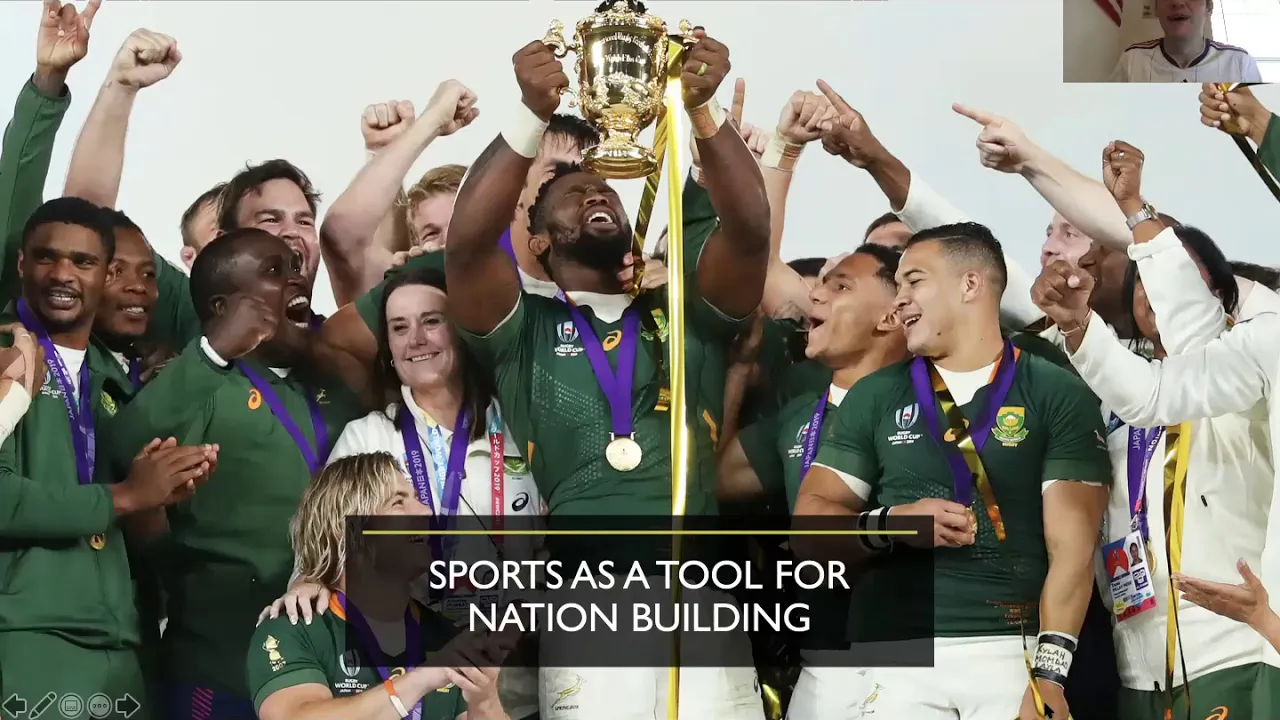


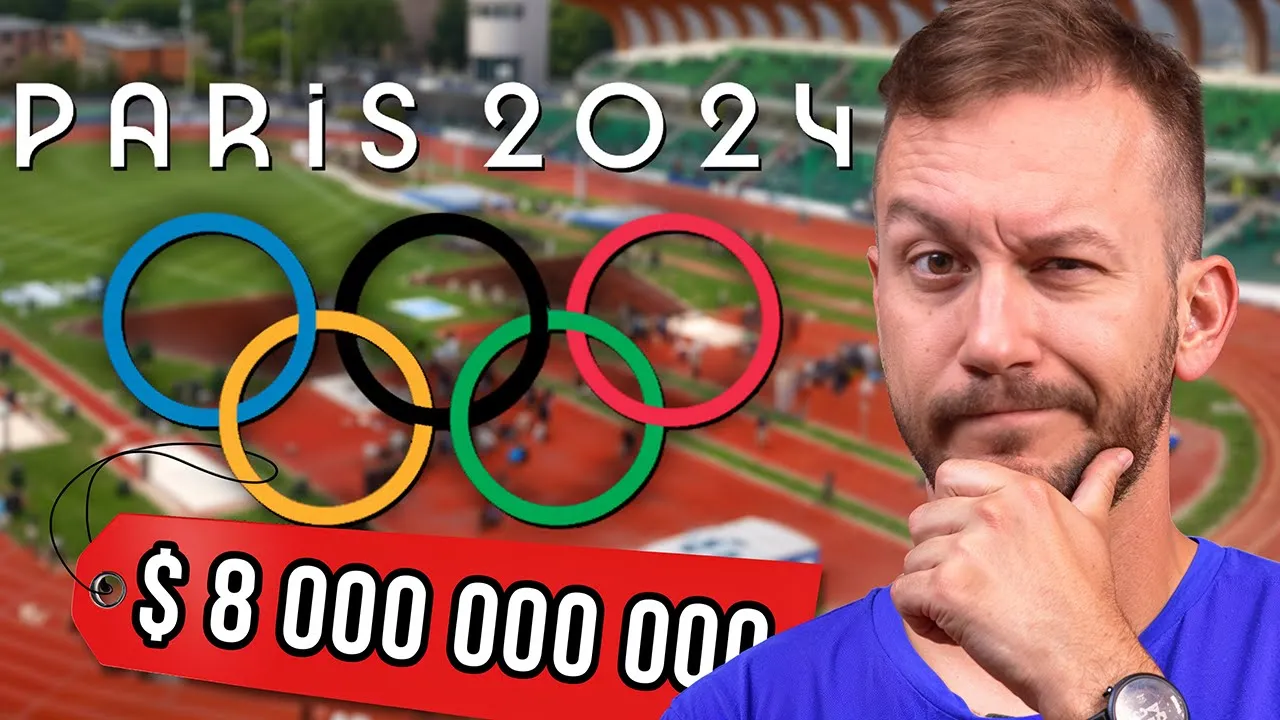
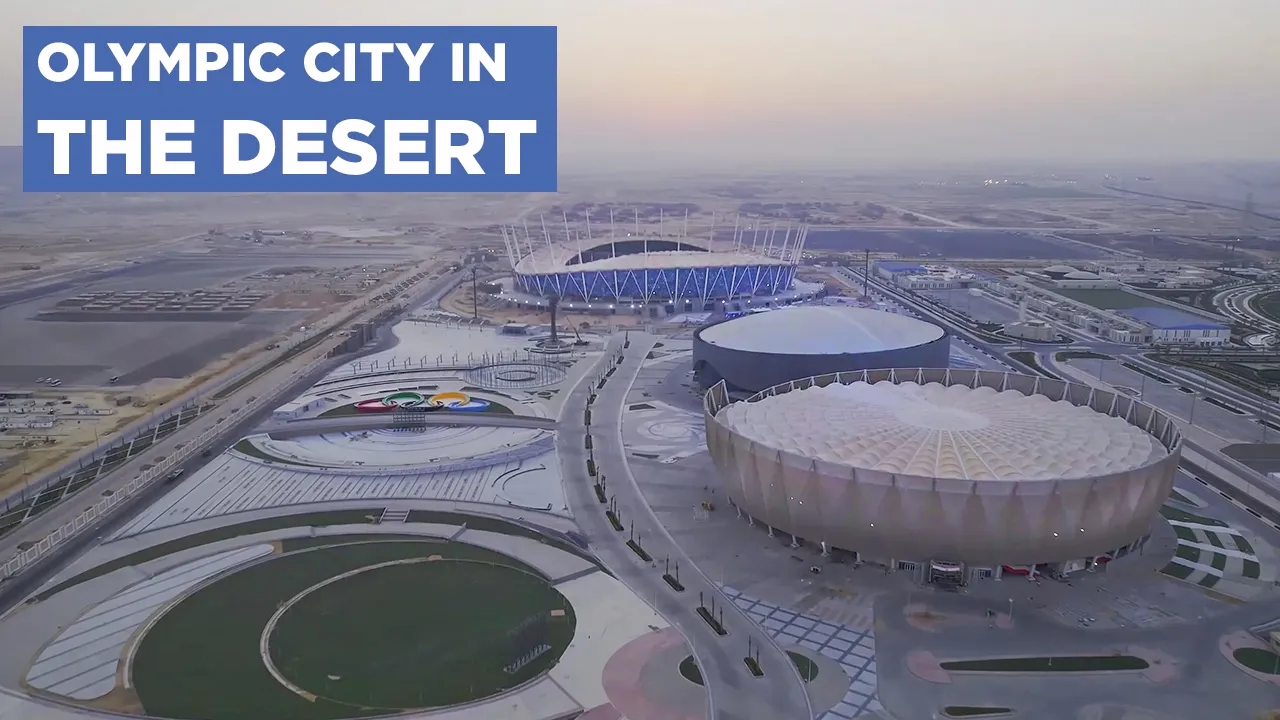
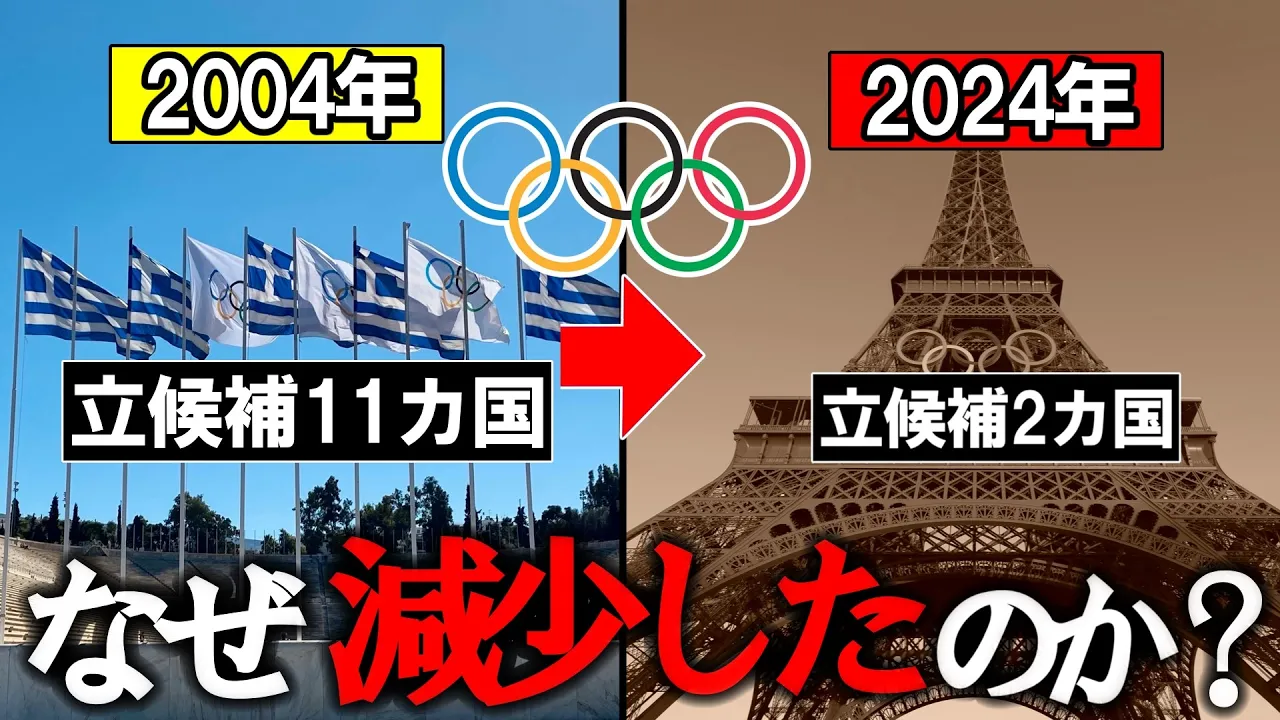



The Olympics have historically served as a powerful platform for nations to project soft power and advance political agendas, with major events like the 1936 Berlin Games, 1968 Mexico City protests, and ongoing tensions around the Beijing Winter Olympics demonstrating how politics inevitably intersects with the world's largest sporting event, making it difficult to separate athletic competition from national interests and global politics.
Olympic Politics and Soft Power: Tokyo 2020's Global Impact
Added:Understanding the concept of 'Soft Power' (as defined by Joseph Nye) and how it differs from hard power (military and economic coercion) in international relations.
A foundational knowledge of the history of sports diplomacy, particularly how global mega-events like the Olympics have historically been leveraged for political propaganda and national branding.
Familiarity with the role and structure of the International Olympic Committee (IOC) as an influential non-state actor in global governance.
Basic context of the global socio-political and economic landscape during the COVID-19 pandemic (2020-2021), including international public health responses and travel restrictions.
Comparative analysis of Tokyo 2020's soft power outcomes with other recent mega-events, such as the Beijing 2022 Winter Olympics or the Qatar 2022 FIFA World Cup.
An in-depth study of 'sportswashing,' examining how nations use major sporting events to deflect from human rights concerns or domestic political issues.
Economic and political cost-benefit analysis of hosting mega-events, exploring why fewer democratic nations are bidding to host the Olympic Games.
Researching policy frameworks for international crisis management and decision-making during global emergencies in multinational sports governance.
13.2K views150likes25:10Original Release: 2021-08-05
it's an olympic games like never before no crowds of supporters in tokyo because of kovid 19 but plenty of politics how's that affected this great sporting event this is inside storm [Music] hello and welcome to the program i'm hazm seeker as the tokyo olympics come to an end this sunday a year late because of the kovit 19 pandemic some athletes and their nations are celebrating their medals while others will be looking at where they can improve in three years time in paris what has arguably been the world's biggest sporting event has always been a chance for nations big and small to showcase themselves on the grandest of stages historically the prestige of the athlete's medal podium has been an opportunity for governments to promote a kind of soft power of culture and influence rather than the hard power of wealth and military might but have some countries now cross that line do the games still have the same impact for the medal-winning nations and the hosts we'll be asking those questions and more with our guests in a moment but first let's take a look at some of the major events involving the games and politics in 1936 nazi germany hosted the olympics but it only allowed what it referred to as the aryan race to represent germany further marginalizing its jewish population in the 1960s apartheid south africa was banned from competing in what was the tokyo olympics but only after it had already been allowed to use an all-white team to compete during the same decade in 1968 in mexico american athletes used their podium wins to raise awareness about racism a move that had them kicked out of those olympics and in 1980 the united states led a boycott of the games in moscow as a response to the soviet union's invasion of afghanistan the irony now being that the u.s invaded afghanistan 21 years later well for more on this i'm joined by our guests in london ontario richard barker adjunct fellow and olympic scholar and co-director of the proposed olympic research network in tokyo we have barbara holtes deputy director of german institute for japanese studies and editor of japan through the lens of the tokyo olympics and in doha ross griffin a middle east editor of into the international journal of the history of sports good to have you all with us um so barbara let me start with you then since you are where it's all happening right now um i think it's fair to say this is not the the olympics that uh um japan had envisioned when they were uh awarded the games in in tokyo back in 2011 uh in the middle of a of a pandemic no spectators um lots of domestic opposition to this with with protests and so on um but you know given all of those limitations can it still be seen as a success and how is that success measured well that is a difficult question and that really depends on which stakeholder is being given that question right so for the iuc they will most definitely say this is going to be a success because their main income comes from tv rights um and it's a tv only event now well if you talk to the japanese population the thing looks very very different as they are being shut out from the games but they're being held there they were very cautious about the possibility of different virus virus mutations coming into the country um you know 200 countries coming into their city um when you look at the japanese government the costs are tremendous when you look at the sponsors a lot of them have now declined uh tv ads they kind of stepped back because they didn't want the negative fallout from this so it really depends who you're talking to ross griffin um we talked there at the top about about this whole idea of soft power and how uh uh nations use the uh olympics as a stage to promote that sort of of soft power with with um you know the accomplishments of athletes um but in terms of of the host nation of japan um what impact has has hosting the olympics and under these conditions had on on on what they were hoping to get out of these games um i think the games has been successful from an athletic's point of view for the japanese olympic committee they're higher in the table than they would historically be so it's given them a chance to demonstrate that they are as accomplished in other fields such as athleticism athletics as they would be in what they would be stereotypically stereotypically conceived of as technology in other areas like that it shows allows it shows that they can compete i suppose alongside the other g7 nations if you look at the middle table it's got the usual characters of china america britain australia and are known as the russian olympic committee and japan is sitting or sat very comfortably alongside them i think they're fourth or fifth currently in the medals table which is as i said historically much higher than they normally would be yeah great britain you mentioned there is an interesting um example that we can come back to uh in terms of their their sporting achievements at the olympics over the last few years but i i want to get um the view of of richard now on this what do you think should be the legacy of the tokyo olympics i think they can be called the compromise olympics or the television olympics i personally thought they should have been delayed another year to have the full effect with the fans there and spectators from overseas but that didn't happen so we have to live with it now and so i think the legacy will be got through covid a few hiccups along the way we've only got five days to go we'll see what happens with the paralympics but they'll be known as the compromised or television olympics that went ahead the ioc pushed forward on that a delay till 2022 could have could have occurred but that didn't so they're going to be back on track and as you pointed out there's only three years until paris to the next summer games in less than six months till the beijing winter games but that might be another political hot potato between now and when they take place uh barbara i saw you nodding in agreement to uh to some of that about this idea of that perhaps it should have been delayed another year uh to 2022 so you could get all the crowds in there um talk talk a little bit more about that why you think that yeah well i mean the hopes and wishes that japan connected with these games were many fold on the one hand of course they wanted 40 million tourists from abroad getting into the country in 2020 and now the country has been completely locked except to olympic related people for a year and a half right so that is huge so they can't showcase themselves they can't get any financial benefits from selling these seats so there's um economically it's really really difficult and it's of course difficult to sell to the people who have been over half a million people have been losing their jobs and of course it's hard to tell people to and that's what the japanese government has been doing over and over in these many states of emergency please you know do self-restraint don't go out don't drink alcohol right don't go to restaurants don't mingle but yet then the world comes together in the city and so that's why partially why we see this large increase now in cold cases in the city uh ross griffin how important is uh you know the achievement of of medals at the olympics for four countries and i suppose it does depend to an extent on which country you're talking about i mean if you if you look at the example of of great britain um and the the decision that was made back in the late 90s um they had they had a terrible olympics back in 1996 uh they won one gold medal finished i think it was 37th in the podium and a decision was made right after that to to to pump a lot more money into into grassroots sports into sports that that would help them win olympic gold medals and since then they've had a huge measure of success and uh you know you know getting into the medals podium in in sort of around fifth or sixth in in the medals table pretty much every olympic since uh uh beijing so it does show you that that this kind of thing does matter for a country's uh uh prestige and with britain we're not we're not talking about china or or you know authority or an authoritarian nation it is it is a kind of uh projection of soft power isn't it for many of these countries oh it very much is um the middle table is always something that's very keenly watched by spectators and imagine politicians as well it's important to note though that every different every country has a different agenda almost when it comes to the medal tables you have the traditional superpowers of sport america china and russia would always be looking to use the middle table to assert their own spin on society that their own social model is better than others but when it comes to nations particularly britain coming out of the backdrop of what seems to be a very confused and bungled brexit process um what many experts deem to be a very very poor mishandling of the corbett pandemic um this is something that boris johnson and his peers in that conservative government can cling on to so you can say look we're doing something right here now i'm not exactly sure how they translate 15 or 16 gold medals into political capital but that's the job of the politicians to do but this trickles all the way down to states that wouldn't be as large or established as the britons of the world or the china's or the americans if you look at the i suppose what it's it's confusing when you look at the mine an olympics platform because they're designated as chinese taipei in the olympic medal table but taiwan by any other name it's important to know that there are 23rd on that middle table and that they used mega event sporting events such as the olympics to establish a sense of legitimacy a sense of identity outside of the umbrella of more dominant neighbors that wish to bring them back in and that's where middle tables they really are important for little and larger nations to assert a sense of national identity for whatever agenda is deemed necessary at the time barbara when we talk about national identity uh the the opening ceremony is always a big opportunity is isn't it for for uh for that host nation to kind of set out their stall it's a kind of it's a huge pr uh spectacle in in in that sense what did you what did you make of of of what we saw in in tokyo almost a couple of weeks ago now i thought the symbolic power and many of these ideas in the opening ceremony were really strong and for example you had asked earlier about you know the goals and hopes and desires of the olympics and one was to show how inclusive japan is and how diverse japan is and inclusion you could really see in the opening ceremony in regards to having a lot of people with disabilities people in wheelchairs participating um in the ceremony you had naomi osaka lighting the cauldron who is multi-racial japanese and uh that has huge symbolic power as well as the japanese flag there uh who is a basketball player hachimura and he is also multi-racial and and so to choose these two in these very exposed positions really um supported this desire of showing how diverse japan has become richard what do you make of um this idea that's been put out that you know the soft the whole soft power thing doesn't matter so much doesn't have the same impact that it used to uh for countries and and it's become more uh about the personalities uh when you when you look at what happened with simone biles um the american uh gymnast and her decision to uh not to compete in in certain events because uh she said she was looking out for her mental um health that that is something that got um a lot a great deal of coverage um in the media and had some asking whether this is this is really um more of a platform for has become more of a platform for athletes than than their nations what do you make of that idea well of course the ioc's athletes commission has gotten more powerful they just voted some new members on as they change them around so they've uh definitely increased their profile the athlete side and the whole olympic issue with respect to politics has has changed of course boycotts we haven't seen a boycott since 84 when it was the tit for tat when the um soviet and lead nations didn't uh come to la and that was in uh sort of punishment for the americans and their boycott supporters not going to moscow so boycotts haven't occurred so when we got to 88 in seoul they were boycott free and everyone went wow this is great no boycotts normal olympics and i think as you've identified it's gone back to more of an athlete focus now i was noticed the other day there was a chinese competitor in one of the sports and another athlete was treating that competitor you know just as if they were any other athlete around the world there could have been some some animosity there because issues are going on in beijing with respect to the a winter games in 2022 but yeah they just seem their athletes are athletes and they don't really want to um do too much in terms of inflaming the situation there to train win medals and they kind of stay out of the political forum there has only been i think one little small protest that the lc didn't want to occur but they've put things in place to to punish athletes and quite do that but yeah i think we've seen that all diminish boycotts and issues that happen it's gone more to an athlete focus uh barbara people say that um that sport that uh politics should should have no business being involved in in sport at all and vice versa but do you think that's perhaps a naive view because when when we look all through history the two have never been far apart and and when you have a a stage as large as the olympic games that's always going to be an opportunity for certain people whether they be countries or individual athletes to uh to to to put forward their their agenda so to speak what do you what's your take on that oh i think um that's of course immediately tied to each other i don't think there could be such a mega event the world's largest meta event without a serious involvement of politics because there's so much money involved and and national prestige that is being pushed and certain agendas and um i think that strong those strong ties i think they're not going to get any less over time ross griffin what's your take on that and the way in terms of the way different different countries uh approach that narrative um like politics and sports have always been intertwined hasn't and it's particularly in the olympic games given the sheer prestige surrounding the event and this goes back to the early 1900s you had irish athletes at the 1906 games protesting british colonization they brought their own flag and this resurfaced again in 1972 when you had irish cyclists an alternate irish cycling team in the 72 games interrupted the road race um you've already mentioned the games involving south africa in the early 60s and jesse own and the 736 munich games also so it's always it's always been a part of um the olympic games um i know that the ioc has tried to minimalize or diminish that the amount of protest or any opportunity for protest in these games and by the american shot putter that was mentioned earlier i don't think i haven't seen any sign or seen of it um in these games so far i don't think you can eliminate it completely once you have people inside involve these games human beings you're always going to have some risk of protest um it's just a part and parcel of the olympic games speaking of protest and politics um richard i know this was mentioned earlier about the um the uh the winter uh games that are coming up in in beijing in in early 2022 and the real possibility of some sort of international boycott there because of uh the chinese government's treatment of the uyghur people um back in 2008 when when china hosted the summer olympics there again there were concerns raised about human rights record but of course nothing happened there that the games were seen as a huge success for china but things different this time around though yes they are i come from australia and currently in canada and they've got two issues with china at the moment the the australians have had so many tariffs put on their trade with china and china bullying australia a smaller nation with lots of raw resources that they need and canada's had the two michaels there's two canadian diplomats are being held there and they've been over a year and so they've got that issue and will that be resolved before the beijing gains both of those aspects of the australian situation and the canadian situation and there's talk of boycotts moving the games delaying them another year the national olympic committees don't want that they just want to compete they don't want politics to enter into it but we can't help and avoid that that might occur because of the strong political you know problems that are on at the moment china won't want to give up the gains they're going to spend all this money it's the first time that games will be in a same city for winter and summer that's a first and they've got the infrastructure done and they'll they'll run technically are very good games so they don't want that to occur and if they move the games china might be willing to pull out of the olympic movement it's a shame they're current first on the metal tally so the world doesn't want to see that neither does the ioc and i don't the athletes want to see that so we're in a situation an interesting six months to see if there'll be a lobby to have some changes occur for the beijing games an interesting six months barbara what what do you think is likely to happen with those winter games in in early 2022.
well what i wanted to mention because you earlier said that you know the postponement was only by one and i think maybe um richard said that but uh that ideally it would have been better to postpone it for two years uh but it was decided against and you know there were many reasons why but one probably is also that japan really wanted to hold these olympics because there's always been that rivalry between japan and china and uh to be the first nation to hold um well it's not anymore post-pandemic but pandemic games um was really important for japan and not to give that to china but you know i i don't know what's going to happen in the next six months um it's there's you know every day things change so much that i would not dare to uh give any assumptions what we're going to be seeing in the next six months fair enough um uh ross griffin um if if uh if if some sort of a boycott does happen and i'm not saying it will for for china in um in uh for uh beijing in 2022 what will be the ramifications of that do you think um it's hard to say um in my own personal opinion i think money talks in these things so i don't see any bike i don't see any boycott happening and i don't see any delay in the games happening um if contracts are signed by television companies and sponsors i think the games are going to go ahead if you want some hint as to how things could pan out i think looking at the russian olympic committee team as it's called in these games might give you some clue um in all of these boycotts it's incredibly unfair to punish the athletes i think who have spent their entire lives not just four-year segments training for each of these individual games so they if there was a boycott it would be largely symbolic with the athletes still being allowed to compete albeit under the mishmash of different colored track suits and songs instead of anthems that we currently see with the russian olympic committee which is still a russian team it has all the markers of nationalism down to the red white and blue tracksuits that they wear on the podium but it's just not called a russia team on the medals table uh yeah what did you make of that uh richard the fact that um uh russian athletes are still essentially allowed to compete they just can't come compete under the russian uh flag um does did that seem like a uh uh a sort of compromise that that didn't really address the issue yes it definitely was a small slap on the wrist so for all intents and purposes there they've got a team there they just can't play their anthem but you know they can count the metal tally although it's under roc instead of russia it's really a small slap on the wrist some athletes think it was american swimmer uh said i wonder what would happen if i that russian athlete wasn't here hinting at some drug issues still there but the athletes the ones that are punished so it's a small slap in the wrist i think uh very shortly we'll see russia back in full swing and very well in beijing which those games will be interesting as we got to six months to see and the only thing they've talked about some countries is some minor changes to how they might support the games for example politicians and key people from countries might not go to beijing they might stay home so they wouldn't have this china wouldn't be able to use the you know the aura of all the top officials in the world politicians and others coming so there could be some things that occur with respect to that athletes may be doing some type of protests in support of the ubers uh despite the ioc regulations so yeah money talks as ross said so it's uh rob said so it's it's going to be interesting i don't think anyone wants to see them cancel and so i think they'll go ahead but we'll be interesting six months between now and then all right we'll have to leave leave it there thanks very much all three of you richard barker barbara holtes and ross griffin thanks very much for being on inside story and thank you as always for watching remember you can see this program again anytime by visiting our website aljazeera.com and for further discussion go to our facebook page facebook.com forward slash aj inside story you can also join the conversation on twitter our handle there is at aj inside story from me has seeker and the whole team here bye for now [Music]
Up Next
85:40
Nationalism and Its Impact on the Nation | Podcast Analysis
@amitvarma
13.7K views•2025-10-24

24:30
BRICS Pay and de-dollarization: A New Financial Order Emerges? | 55 chars
@DannyHaiphongYT
164.6K views•2024-10-22
27:35
Bosnia's Dayton Peace Accords Crisis: Silajdzic Interview | Analysis
@aljazeeraenglish
64.1K views•2025-03-16
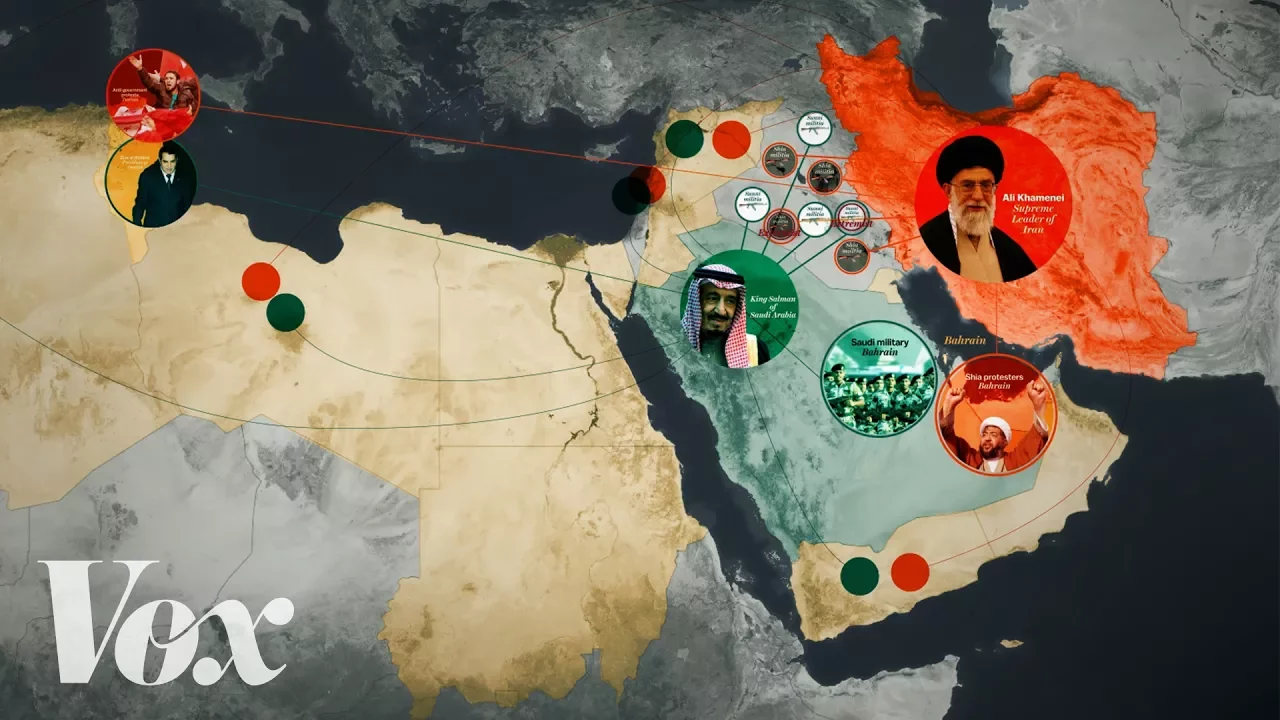
10:19
Explaining the Saudi-Iranian Proxy Conflict in the Middle East
@Vox
18.2M views•2017-07-17
Related Study Plans & Knowledge Roadmaps
Structured learning paths in Political Science
political-science
Economic Statecraft: Sanctions & Chokepoints
01Foundations of Geoeconomics and Economic Statecraft
02The Mechanics of Weaponized Interdependence
03International Sanctions: Types, Implementation, and Efficacy
+ 2 more learning modules
12h5 modules
Explore Roadmap
political-science
Central Bank Independence: Politics & Policy
01Foundations of Central Banking and Monetary Policy
02The Time Inconsistency Problem & Inflation Bias
03The Delegation Model and Designing Independence
+ 2 more learning modules
12h5 modules
Explore Roadmap
political-science
Consociationalism: Power-Sharing & Stability
01Democratic Dilemmas in Divided Societies
02Introduction to Consociational Democracy
03The Four Pillars of Consociational Design
+ 2 more learning modules
12h5 modules
Explore Roadmap
political-science
Rebel Governance: Legitimacy, Economy & State
01Foundations of Rebel Governance and Statehood
02Establishing Political Legitimacy and the Rebel Social Contract
03Wartime Economies and Rebel Resource Management
+ 2 more learning modules
14h5 modules
Explore Roadmap