













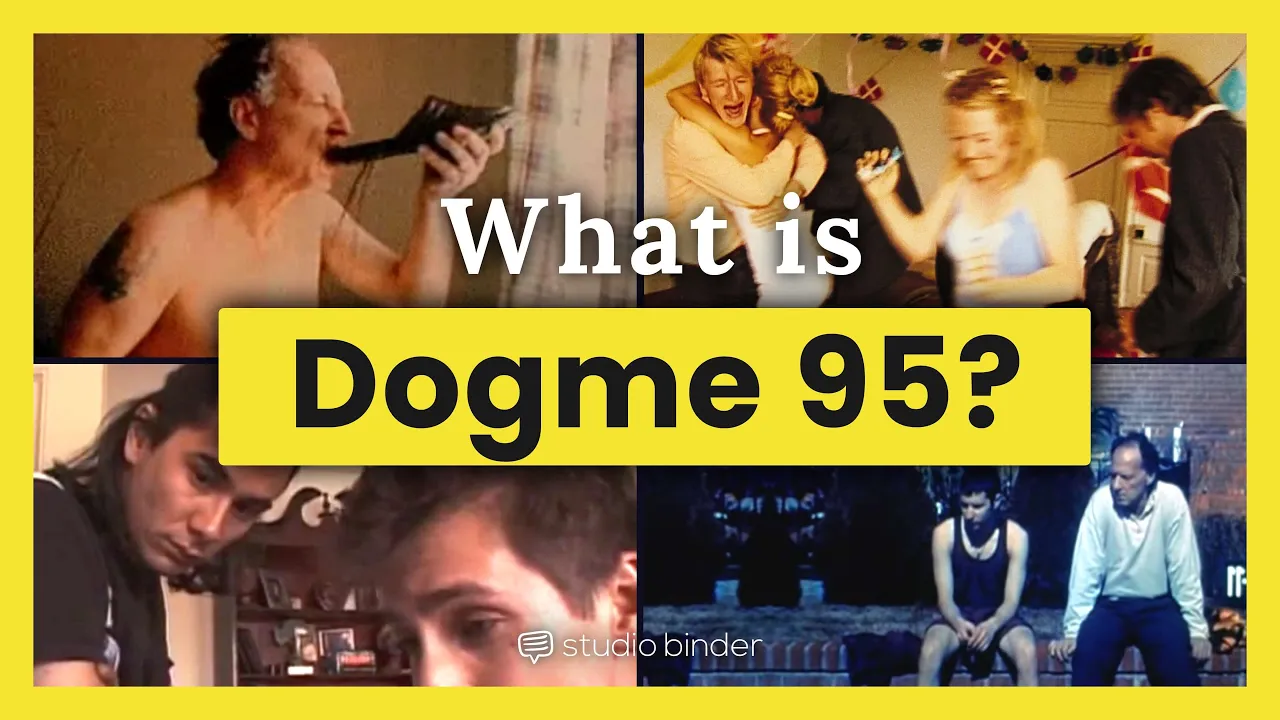









Dogma 95 was a revolutionary Danish filmmaking movement founded in 1995 by directors Lars von Trier and Thomas Vinterberg, which challenged conventional cinema by establishing ten restrictive rules designed to strip away technical artifice and force filmmakers to rely on raw truth and natural performance; these rules included prohibiting special effects, genre films, artificial lighting, and director credits while mandating handheld shooting, natural sound recording, and location filming, ultimately creating emotionally explosive films that prioritized authenticity over aesthetic polish.
Dogme95: The Danish Film Movement Explained
Added:Understanding of basic film production terminology, particularly the distinction between diegetic sound, natural lighting, and post-production optical effects.
Familiarity with the 'Auteur Theory' and how individual directors historically assert creative and stylistic control over their films.
An overview of post-war European film movements, particularly the French New Wave (Nouvelle Vague), which similarly challenged established studio filmmaking.
A basic awareness of the dominant Hollywood studio system and its conventions of high-budget, formulaic production in the late 20th century.
Textual analysis of core Dogme 95 films, such as Thomas Vinterberg's 'Festen' (The Celebration) and Lars von Trier's 'The Idiots', focusing on how the 'Vow of Chastity' rules were executed and occasionally bypassed.
Investigation into the democratization of cinema through low-budget digital filmmaking, which was heavily accelerated by the technical and economic choices of the Dogme 95 movement.
Examination of the post-Dogme careers of its founders, analyzing how their subsequent, less restrictive works (e.g., 'Melancholia' or 'Another Round') still carry the philosophical hallmarks of the movement.
A broader study of constraint-based art and cinematic manifestos to evaluate how self-imposed limitations can foster creative breakthroughs and disrupt industry standards.
19.7K views419likes49:09Original Release: 2021-09-01
do i feel lucky dogma 95 you know these crazy films made by danes running around with camcorders full of damaged people fist fights hard sex and general mayhem so where the hell did it come from in 1995 the centenary year of cinema director lars von trier decided it was time to start a revolution von trier had already earned a reputation as the great enforcer riebler of european cinema hugely acclaimed for complex art films like europa [Music] made in 1991 it established von trier as an incorrigible stylist and innovator international success came with breaking the waves winner of the grand prix at the 1996 cannes film festival [Applause] together with another danish director thomas winterberg he wrote a manifesto called dogma 95.
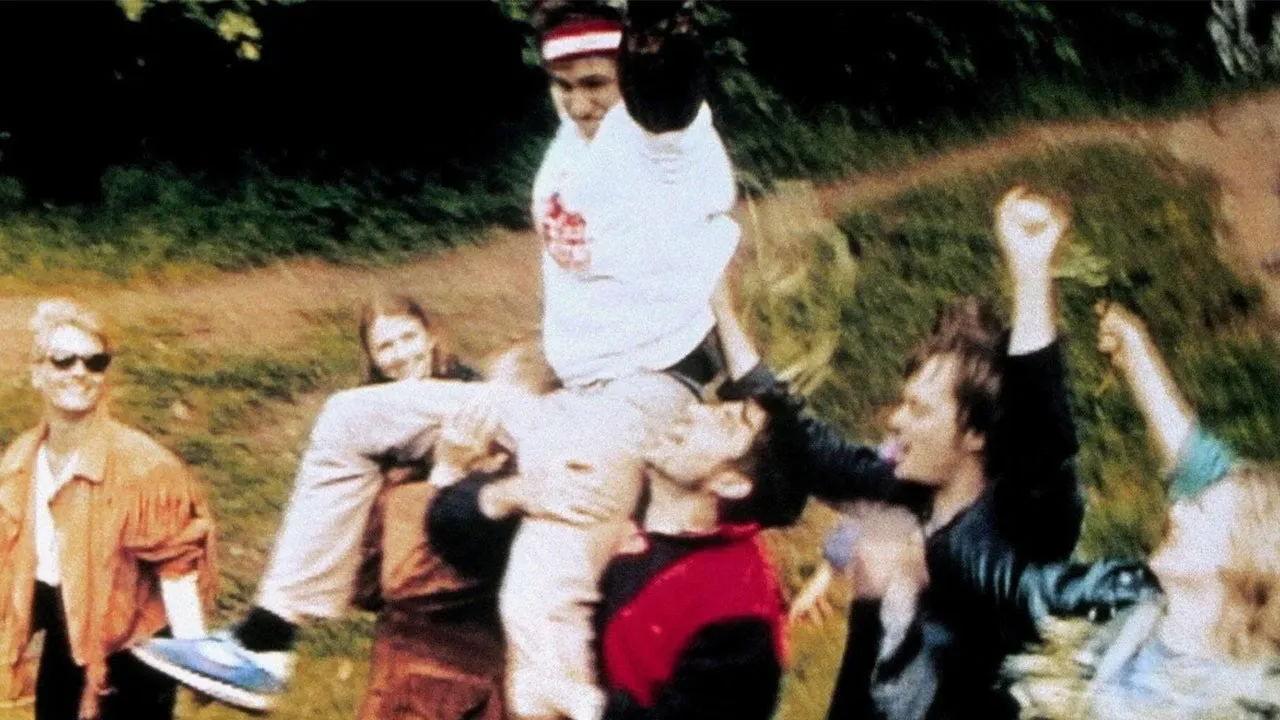
i remember calling thomas and asking him if you wanted to to start a new wave with me you know that was the worst i remember the manifesto railed against how shallow and crass movies had become it proposed 10 restrictive rules for making simpler more truthful films using minimal equipment and with a mischievous nodder catholic piety these rules were branded the vow of chastity von trier and winterberg enlisted two more directors siren crowe jakobson and christian levering thus forming the dogma brotherhood and following the example of jean-luc goddard in the french new wave of the 1960s von trier chose to launch his offensive in paris birthplace of so many great revolutions in the theater in paris kind of took these red leaflets and kind of threw them out over this the balconies it was beautiful it was kind of like in the old days and then i read you know i read the manifesto and then they asked me questions and i said i was allowed by the brothers to read manifesto but not to discuss it so that was very clear and they all said why do you why do you come here when you hate film so much that was kind of the response to this did you both answer that no but but i thought it was interesting it was really provocating yeah well that's very strange because why you know i'm i'm not saying that people have to you don't talk with people just saying that i am doing this so just what were those controversial commandments chicago 1935 [Music] pause a moment for reflection dogma dictates the director must not be credited so let us begin again [Music] better but dogma also states that you cannot use any special effects or filters so no superimposed titles chicago 1935 and none of those smart alec special effects like painting that blood red when everything else is in black and white we're still blaspheming dogma forbid genre films so no westerns no science fiction or in this case no gangster films also the films must take place here and now so no pretending otherwise london [Music] 2000. furthermore you must not have any sounds that are recorded separately from the image so banish your big orchestral soundtrack your overdubbed gunshots and your voiceover the sounds must be real and widescreen that big cinematic experience is also proscribed instead dogma filmmakers must use the square academy ratio like the early silent films and everyday television on top of that shooting must be done on 35 millimeter film stock a rule which we'll discover hasn't been that easy for the brethren to obey further stripping away the artifice all those smooth trekking shots and steadying tripods well you can't have them either everything must be handheld this further simplifies production making it possible to film with fewer crew members and less equipment oh yes dogma demands there'd be no superficial action so purge the story of weapons and murders and all those pretentious arty filmmakers can kiss their black and white goodbye dogma films are exclusively in color and vital to the whole ethos of back to basics production special lighting is unacceptable natural lighting or lights phone or location are all you've got to work with and finally absolutely no sets or props are permitted so all filming is on location and you use what you find there take it all together these ten rules can save directors from the vices and the tricks of the trade that they so often succumb to they must redeem themselves by forcing the truth out of characters and settings at the cost of any good taste or aesthetic consideration thus i make my vow of chastity the resulting films have a very distinct flavor the emotional life is very explosive in all of them which i think is because you have nothing else to tell the story than the actors you have nothing else to to use when when you want to express feelings you don't have the music to make the crescendo you have to make them faint or puke or fight something to express whatever you want to get out [Music] [Music] we're going to denmark to find out what the hell these danes think they're doing and when i say we i mean myself and my crack team of multi-skilled digital video operators who'll be dogging my every move with our favorite track by kim larson denmark's top folk rock superstar we toured copenhagen [Music] [Music] is dogma 95 just a way of having fun with film or is it a whole new way of looking at life through a lens is it just a passing fad in our house cinema or can it capture a wider audience and inspire the filmmakers in its wake or in the end is it just a clever way to make films cheaply these were the questions that were praying on my mind we're at the gates of film city a group of buildings on the heavily wooded outskirts of copenhagen strange to relate this place is in fact the beating heart of the dogma 95 operation because it houses the office of entropa and of nimbus the two production companies responsible for the danish dogma product in the movie business the dogma manifesto hadn't been taken too seriously at first after all von trier had written manifestos before in one of these he'd even described himself as a simple masturbator of cinema so wasn't dogma just another self-publicizing jerk off the mood changed dramatically at the 1998 cairn film festival when martin scorsese's jury gave a top prize to dogma number one faster and faster thomas winterberg i thought he would be talented but not too talented then later on it's it turned out that he was too talented but that you can't win them all you know so yeah are you proud of him there because of uh the way in which he took the concept and made the success of it not at all not at all he should be grateful the bastard festen is the story of a family celebration that goes horribly wrong out there um it's weird that sometimes when christian makes his first terrible speech i think it looks if some of the actors i haven't actually heard what he said we didn't tell the extras that the film was about child abuse and that he was going to make a speech like that so they were there for 14 days getting to know each other becoming a family huge fans of the father he's been doing 40 films as the good guy and then and suddenly this guy stands up revealing this it was interesting because nothing really happened it's quite a quite true moment actually people couldn't really deal with it so they just kept talking i have understood that it has really touched something danish um and i've understood that people have felt that very provoked by a film coming that close to something they know deprived of their usual technical tricks dogma directors depend more than most upon their actors paprika steen is virtually the mascot of the movement having appeared in the first three films actually i didn't know what dogma was before before i was in it and just you know working with it we heard that we don't have to follow the actress doesn't have to follow the camera the camera has to follow the actors so actually we could just you know forget about the camera they would they would get us suddenly the camera became how do you see that's a cliche but the fly fly on the wall oh sorry you came yes he's done he's trying to throw me out the story reads like a classical piece of scandinavian theater but the dogma rules including handheld camera and natural lighting conspired to make the film feel more like a disturbing home movie crucial in the development of this visual style is cameraman anthony dodd-mantle who's now shot three of the first six dogma films and he's celebrated here in las vegas breaking the waves anthony dodd-mantle you are a sinner and you deserve your place in hell the dogma cameraman the dog mr dogma anthony dog my mantle when those rules were written on the lavatory seat or whatever they were written uh i think one wasn't matching the kind of second world war whatever 35 mil handheld camera available like let's go for it boys charge you know it was a financial budgetary choice for you the festoons was digital definitely yeah definitely so we went for the video and i thought we got to do something dynamic here the only camera for me really sat in my hand i really felt well this is a weapon you know was the sony at that time called pc7 which is a about twice the size of class and uh i'm sure you know the camera is a first generation consumer camera and i realized i could make movements and make make this kind of this kind of look work on thomas's film because it was a story that would be appropriate for it was like almost like the camera was to be operated by some family member who didn't really quite grasp what was going on around him at cairn this raw look called critics by surprise i think there was some perplexity because uh suddenly on the big screen in the palais you were watching something that looked like a home video this was very odd there was a feeling that something had somehow wandered onto the screen and i wanted this square academy organic mass to bubble up there i just wanted to find the cinematic language that i felt related to the pretty catastrophic pitiful amusing as well situation these family members were in i wanted to like sort of get a vermeer and get a rembrandt and get a big soup spoon and go like this poor jokes [Music] [Applause] [Music] you allowed yourself one violation of the handheld rule am i right yeah that's right i used to boomstick i gathered the camera onto this so it was like part of the handle i was still holding it was just like extension to my hands and i had it up in the sky and just whacked it down into the face of this actress i suddenly glanced across the room and there's this mirror and i'm standing there in shot and you can actually see it as the camera's moving down you just glance across the back of the room you'll see this pole and this idiot probably as well [Applause] but even if that doesn't break the letter of the law surely giving the film a visual style breaks the spirit of the vow of chastity we didn't prepare we just saw the scene and then we we talked about where to put the camera so that we felt that it kind of happened in the moment and of course that became aesthetic choices but it became instant and improvised aesthetic choices which i found was quite okay controversial acclaimed around the world and a bigger hit in denmark than titanic feston launched dogma with a bang [Music] even more controversial infested was von trier's own dogma offering the idiots and it can its notoriety was exploited by a central figure in the selling of dogma von trier's business partner in zentropa the cigar cigar-smoking bike-riding table-bashing press baiting ring master of the dogma circus peter albert jensen as my partner has you know an artificial fun in between his first and his family name which is totally fake which is also a movie tradition i've adopted the cigar which also is a movie tradition can you tell us how you and lawrence montreal first hooked up together it was in 88 and i was went bankrupt with my first company and then i had to be employed you know was was pretty disgusting for me and last was you can say artistically he was bankrupt because you know nobody wanted to invest in his movies it's a lie yeah i've never been well that's right he has been all his life maybe you know was because two flops you know united and was in desperate need for for each other i don't know but they had works ever since yeah and it's still not good but we're working on and both lars and i are also her old lift wings you know which we are pretty proud of was it this handle wasn't this handy did that we're talking the phone about nothing three to four times each day absolutely about nothing never about work just like lovers yeah all girlfriends uh and uh we've never seen each other privately and that's very important for us to do that that the friendship doesn't include any kind of privacy right so you wouldn't go out for a drink together nope nope that sounds pretty disgusting for both of us too to be together in our spare time jesus christ that's horrible yeah this is his car camouflage painted electric golf car on a military camp yeah if you really push it i think it goes around 20 kilometers per hour there's a little flash here it goes when he's driving around in 1996 von trier and albert jensen had collaborated on breaking the waves a film which foreshadowed certain elements of dogma it's great you're great great but maybe you could talk to me [Music] i'm pretty proud of last night you know after breaking the wish it would have been so easy for him to make a little bit more slick film and a little bit more hollywood-like you know and everybody would have sitting there applauding in their fairy greasy hands you know and say now he's become adult you know and then you know he makes a film that practically everybody hates the film is about a group of middle class male contents who decide to provoke the community at large by behaving like idiots or spazzing as they call it cc [Applause] [Applause] they're designed to challenge what society calls good behavior can be taken as a metaphor for the intentions of dogma itself this idea of putting limitations on yourself something that of course when you think about it something you do all the time but it's provocating to do it and in public what me the idiots embodies the manifesto's commitment to abandon aesthetics and good taste the von trier of old would never have allowed himself such sloppy framing and jarring cuts but like he says that's what you get when you follow the rules what you have done with film until today is that you have made such a great great effort to make it very smooth everything otherwise it doesn't look real but what looks real you know i think it can be much much more abstract and you still i think that within the brain of the spectator or anybody there is a will to find the storyline if you want to call it that all the logic between the things that are happening i'm sure that this will is what we're working with and we should dare much more and kind of because you want to find it anywhere the acting in the idiots and investment is really different i think that uh he takes a lot more chances lars with his actors and he makes them go further out and make them make them go up when it works really embarrassing i mean also bad embarrassing bad acting but it sort of came out you know in a good way from the idea he got until we finished it was really it was dogma all the way it's what you are yearning for when you're an actor this freedom there's no limit there's no barriers and it just comes out as well as the rules von trier has set up a kind of a social theory and he's working with a social theory you know the idea of um the cast as a kind of collective and you know people interacting with each other and with the outside world and very peculiar way i don't think that this that we went far enough you know i i had to hope that it would be much more kind of like a collective you know but but of course my purpose was yeah i was trying to to do this differently from what i've done before finally last spoke movingly of his secret mentor oh baden powell he was a good man he would have made a wonderful doctor film i'm sure with very little boys running around naked in the woods yes oh no they are out looking for bait and power as lars drove off into the sunset we prepared ourselves to meet another icon of danish cinema siren crow jacobson is the third member of the dogma brotherhood and one of denmark's most respected directors but on our travels we've been told rather more about his past life as a rock and roll legend here we are it's from 1975 or something like that this is a classic endeavor it's a classical song vocals he has to sing himself and have written the tune and and everything cern is my generation's biggest idol when he was kids and teenagers he made teenage movies and teenage records and we were just like oh zankari absent is the greatest in the world did you buy his record no i didn't but everybody else did i was more a disco queen now [Music] it's a very very strange name right which name at least my name is rock honda i start all interviews all over the world when people say please just before we go on you know could you pronounce your name sean carl i always compare the dogma movement to the unplugged wave in the beginning of the 90s right yeah saying why in hell did eric clapton suddenly start to play unplugged of course because he were so surrounded by new technique in the studios uh you could do everything to your voice now pitch it up whiten it out sample it in do whatever and suddenly these guys of course wanted to hear how good they really were and that's why they made these acoustic records which some of them are lovely i think and that's exactly what we are doing with film here mifuna is an oddball romantic comedy about two brothers trapped in the remote danish countryside unlike lars and thomas siren wanted to tell an upbeat story with a more conventional look to it mifune well lars and i often talked about you know when we had all the dogma rules and the manifesto and all these things i said besides that last what is this about and he said it's of course to give you and me joyful filmmaking back i said good it happened to suit my temper very much this this speed you're doing it this energy that's in a production form like that i mean actors come in the morning they work eight hours a day we do eight ten scenes a day they are warm like running engines right and it gives it an energy which i really believe you can see up on the big screen now you became the first of the brothers to uh to shoot a dogma film with a film camera with film in it i like the experiment with the with finding a type of film that i could push as much as possible we're showing shooting 1000 acer indoor pushing it two stops and i think it worked very well with the history because it's alive looks a bit like polish film 1969 i wanted to go back there because i happen to like that i don't have anything against doing a feature film on video with three cameras i've been doing so much three camera things on television back in the beginning of the 70s i said it's too easy i mean the challenge might be must be that you have a one camera here you shoot it on film and that's a sport right yes [Music] you know celebration and idiots also you know they're they're interesting films both of them in their own rights and and we knew and certainly so knew that mithunia was going to be something completely different and in itself much more gentle and that's what it scores points on it also loses you know something some people are saying where's the edge dogma is not a style dogma is a set of rules but of course i ran into that many times where people said don't look like a dogma of phil don't look like a dogma film because i asked tony many times to to to to stop moving it would have been totally absurd for me running around with like you know a camera on my head and one out in a breath pocket and you know let's shoot see like this i don't believe that the intensity and energy is in the restless camera i think it's between actors mifuno won the silver bear at the 1999 berlin film festival further promoting the dogma cause and danish cinema the reason for hitting the table so hard is if of course when you're a small country you have to to yell to to get hurt it's the same thing as a person with a small penis wanting a huge motorbike i think part of the the arrogance behind dogma 95 is that we represent a very small country with very small penises leaving denmark we tracked down the 4th danish dogma brother on our home turf london christian levering a big time commercials director was cutting his film here in soho once home to the author of another rather influential manifesto it had become so much a thing to say well that's a way to do a film there is like a standard way and there's also a standard way of telling a story because that all this is very controllable and i think dogma is just a way to say okay let's do it differently the king is alive both an international cast including janet mcteer and jennifer jason lee it's about a group of tourists stranded in the african desert facing almost certain death they try to lift their spirits by performing shakespeare's king lear nothing nothing will come with nothing speak again good my liege i'm happy that i am i cannot leave have it's heave sorry i'm happy that i am i cannot heave my heart into my mouth i love your majesty according to my bond no more no less because when you shoot dogma the actual setup of the scene is very very fast and because of that we were able to reshoot a lot of scenes two or three times and we went on until we failed now it's there now it's good well it's about a king who has two dollars right or maybe it's three i'm not really sure but anyway he has a couple kids and he's old and he wants to retire and he wants to divide his kingdom between his kids right so whoever says they love him the most gets the biggest chair that's it and you get to play the evil daughter right sure i get to play the real [ __ ] you don't have to worry you know nobody has to fall in love and everybody gets to die in the end in a sense the story of your film a group of individuals under adversity relationships falling apart there's a certain relation to movies like the towering inferno beside an adventure alive if you look at that rule i think the way that it's meant it's which is like it's not a western it's not a film noise it's not a historic piece it's not a science fiction you know but of course every film has a genre and if you dig very deep and my film is an ensemble films you say that's a genre i thought about this genre rule and found it a bad rule because it's very difficult to avoid being a genre and it's not very creative because it's it's it's not easy too it's not very specific the good rules the ones who are encouraging creatively were the specific rules you're you have to hold the camera in your hand or you cannot add any props but not being able to make a genre film or not being allowed to have taste is in a way impossible because every time you point a camera somewhere you make an aesthetic choice things you put in your frame and i think you leave out of your frame do this my master calls me lars has talked about thomas has talked about serena's talked about it and i experienced it how joyful it was to do film according to these wolves the king is alive completes a quartet of films by the founding brotherhood so maybe the most vital part of the dogma experiment is now complete do you think we'll make another film when you're finished with this i know i don't think so we invented this in 95 we're done dogma but that's not the end of the story next stop america the new vx-220 has been described as the sexiest car that voxel have ever built rubbish it's scientifically impossible to have a natural feelings towards a car even if it has got a perfectly formed body or a racy exposed aluminium chassis he took dogmas being a chance to get the film done a lot of first-time filmmakers today are thrown into the situation where you know if they they got five million dollars to make a picture but if it doesn't work out they got to go work at mcdonald's really puts them in a very stressful uncreative situation we shot lovers for a budget of about 400 500 000 and in all it took us about seven months and uh all that time not one studio nor television uh company told us what to write how to shoot and that for us was a real change in contrast to other bigger projects do you really have to go to work it's perfect i can't believe you're such a baby i cannot miss today's consecutive i'll be fired wait wait i can't help it jay you get me too excited it's too much for me the way you're dressed i think it's the orange tights what do you expect if you fall in love she wants to go to work come on come on let's go back upstairs what we wanted to make was a film that would touch and have an emotional intimacy that uh the technology that preceded that didn't have we wanted to be able to tell a story where all of a sudden anyone who's fallen in love would be able to identify with what's going on and that for us is a cinematic experience in a really good set of rules it's like a grid where people sort of pass through but in order to pass through they have to leave their own package behind because it won't get through the grid and what's disappointing about for my love is it proves that someone can come to this kind of cinema to these practices with you know the most banal preconceptions the most kind of outmoded kind of you know post-post new volvo you know romance um and and it still gets through when we finished the film uh the hardest thing to deal with was trying to get through the dogma police and and and see if the film could pass and they described that process for us well that we had to write a letter of confession i'm proud to say that i was the one who invented the confessions actually i did that to emphasize how rigid i was everyone the four filmmakers who made the four previous dogma films watched the film and made their criticisms and they allowed us three or four sins it's a very very difficult discussion every time whether people have broken a rule or not whether they have followed the the intentions of dogma 95 or not for example it was not an apartment that existed as you see it it was something that we created so it wasn't really dogma because we didn't know how much light this camera can go by and it's a camera that is very sensitive to light you can shoot in very low light we put a lot of lamps around did you credit yourself as director no no just holding the camera the peculiar thing is that all the directors who have been associated with dogma we know who they are they might not appear in the film but we know who they are they've each brought personal taste to bear they all have turned up at festivals and um i thought well you know if you're going to be if you're going to make this claim to anonymity well you know do it all the way pascal and i thought uh to be a little different and also that the that concept was a bit bourgeois i'm not putting the director's name on there as a director uh but lars wouldn't let us get away with it that's where i'm very dogmatic as i say i think it's it's not interesting if you don't take it serious because when then why do a doctor yeah it is it is a little game right sure and if you don't follow the rules then why you know why why play football if you don't want to kind of put the ball in the you know the goal or whatever in the beginning lars von trier invited many a-list hollywood directors to make a dogma film yeah i've never heard from anybody so does this mean dogma's too radical for the yanks i asked mr spielberg himself whether he wanted to do one or not and he was very enthusiastic about i don't think he's going to do one if he does we will never know because he's not supposed to be credited right exactly so maybe it has been done already but is it really possible for the dogma wave to cross the atlantic after all what does danish culture mean to the average american except for a rather delicious kind of pastry next stop new york in the end it was the most conspicuous figure in alternative u.s filmmaking twenty-five-year-old harmony carine co-writer of kids and director of gummo who rose to the challenge with julian donkey boy [Music] a lot of people think that uh it's a kind of joke or you know or there's like or there's some kind of levity involved but i wouldn't be interested in if there was any irony attached to that valve chastity it's very it's a very serious thing sometimes i wish i was deaf why i don't know i think the world is just too loud i kind of had lost faith and i still have very little faith in a in a kind of um in a formal screenplay structure it's just really boring to me so what i did was i basically wrote a list of scenes of images kind of like looking at photographs it was much more random julian donkey boy is an abstract portrait of a schizophrenic young man in his dysfunctional family she's never going to learn to play this harp she's a diligent and she's a [ __ ] you're a delicate and [ __ ] you're never going to learn to play your i heart can't stand this any longer come on i can't stand this any longer i might accidentally step don't play on this here no come on don't try to defend your sister you just look stupid i'm back just stupid you look so stupid you look utterly and completely and irrevocably stupid and now you're just so stupid you look so stupid if i were so stupid i would slap my own face well i'm not even stupid well i'm not even stupid like that i'm not even stupid like that him to slap his face he might even stupid like just slap his face [Music] i was less interested in making a kind of movie than almost like an artifact or something like just documenting some kind of action we spoke to actor ewan bremner about his experience of a dogma movie it's also a harmony korean movie you know and harmony cream doesn't make films like anybody else you know so just by identifying that working on an army korean movie is going to have demands which are beyond what i'm used to the fact that the dogma film was like icing on the cake for me just understand what last was doing in the idiots which for me is the most one of the very very interesting things of idiots this sudden experience of not quite knowing what you're witness to whether you're in a real or unreal or fictional or you don't quite know any longer i think harmony was looking for that those moments [Music] level people are taking the film people everybody's taking the phone very seriously and which is good a lot of people hate the film quite a lot of people americans seem to be taking it quite technically okay this is a dogma film right okay yes i know all about dogma yes but that floats the dogma doesn't it generally there's nothing in the film that really flicks the dog like nothing anything that there is harmony is admitted you know has confessed the sense there's a lot of ways that you got around the dogma in very ingenious ways all the more interesting directors would of course go in their own direction that is why you know they are interesting but that also means that they would take a set of rules and kind of go to the limit over i mean the good thing about them was they were written obtusely enough that that they left room to basically do anything that you that you would want to do in a film you know they weren't they weren't so restricting that i that i couldn't do what i wanted to do was just i had to go about go about it in another way a lot of people misinterpreted that for some kind of first sinning again or breaking the rules and which was a really boring argument for me because ultimately you want people to watch the film for the film no but if you actually stick a label right on the front of the film and say this is certificated and this is made according to the rules and you know here's the dog's ass and as soon as someone actually does accept a label it's not just any label you know it's now world famous it you know it's a brand name i mean it's nike then you're asking for it to be talked about in very very specific terms [Music] there's of course one thing which is definitely not a dogma i think which is that she was not pregnant yeah i believe he said he tried very hard to impregnate closely but i wouldn't call it a sin because i tried so okay it was just me shooting blanks to me that was that was a very beautiful explanation what i found interesting with harmony's film is that to me it's a very aesthetic film it's very obsessed with its own aesthetics you have a digital camera in your hand and there's a lot of things you can do and you can kind of make stop motion and we kind of agreed on that because it happens in the very moment and it's a part of the set so it follows the rules but to me it suddenly becomes untrue to this the basic idea of dogma surely what's significant is that kareen and the dogma brotherhood recognized kindred spirits in each other and symbolically joined hands across the atlantic but cynical critics insisted that karine was using dogma as a marketing ploy a way of flogging his otherwise unmarketable product by linking it to the latest craze it didn't really help but box office sales it's not like i mean that accusation has no bearing and i mean in america the idea of you know i'm doing it making a dog my money i'm dogging the movie for the money it's like if anything it would hinder i don't even think that making a dogma film is necessarily cheaper than doing it regular it probably would have cost me less money to do it a different way currently there are dogma films planned in denmark spain brazil italy england korea and just about everywhere else so has the movement been hijacked by producers keen to make a fast book it is not meant to be another package another low budget package it's meant to awake some directors and to encourage some directors and to challenge some directors and filmmakers it was not the idea to to make cheap film but it's a dark film and it'll sell i mean yeah that's nothing it's now a tag or a license that other people can pick up i mean i keep finding reviews of little films from around the world and variety where it's either a dogma film you know it's the first albanian dogma film or whatever or someone has done a film dogma style and it's it's a term that's used so loosely the danger is it it means nothing there's many sad things to say about dogma right now i mean it's for me it's sad to hear that when they shoot danish commercials they want to dogma like i mean that's not the point it's it's the point that people get angry and do something else or they do this uh it's the point is to reflect the movie business as as it is not to give it another color it's the idea was to put a mirror in front of it and say listen we can do it another way as well so i was ready to end it but last uh has a very generous mind and he said well other people could get a nice experience with this and [Music] i kind of understood that and for me then it suddenly opened up this whole dartmouth concept so how have the four brothers kept the game fresh short of changing the rules of play there's been a lot talking about rules being modified you cannot change the ten commandments right but as my we've changed one thing that has changed is has it's been that dogma has gone from catholicism to protestantism to get the dogma certificate now a director just signs a piece of paper saying that he or she has obeyed the rules and that's it we didn't expect anything when we sat down there in 1995 we wanted to do four films in another way we wanted to have a brotherhood we it was a kind of protest against several things but now when it suddenly became a wave i don't know why it became a wave why beat your why should we sit there and be being judges estonia or some of these countries they also suddenly can make films you know because if that's a film you know then we can make films too i think that's great fantastic yeah instead of thinking oh if it doesn't look like star wars then we can't make a film and then you know if that is the only thing that comes out of these i think it's fantastic it doesn't worry the the the quality control will fall off and the dog my name will be tarnished it's not a walt disney label you know it's it's it's a political movement so it's free for everybody to use or misuse yeah if it's a political movement what's the objective it's just to to kick some ass in a in a in the sloppy business you know yeah you know there's nothing new to this [ __ ] dogma movie nothing at all if you look into her film history more or less but it's nice even now and then every you know business need a movement that's doing something new or at least try to call it something new so that's good and now we look for someone to rebel against us and it's possible that you'll inspire completely different manifestos i'll inspire people to throw this manifesto over here why not why should they have the phone give the exercise [Laughter] good for your muscles too [Music] madness first film in four's doppler 95 season is feston on tuesday at 11 35.
we're coming up relive the last week in the big brother house and catch lots of juicy unseen footage next on 4.
um [Music] [Music] you
Up Next

0:48
How the Steadicam Revolutionized Filmmaking and Camera Technology
@philmoore
269 views•2025-06-21

12:54
Triumph of Orthodoxy Icon: Byzantine Art & History Explained
@BenCallan
2.1K views•2024-08-06

9:49
FastAPI vs Flask vs Django: Choosing the Right Python Web Framework
@TechWithTim
302.5K views•2024-05-26

1:42
Game of Thrones Opening Credits: A Cinematic Analysis
@gameofthrones
46.3M views•2011-04-18
Related Study Plans & Knowledge Roadmaps
Structured learning paths in General & Interdisciplinary Studies
general-studies
Elevator Engineering: History, Physics & Cities
01From Hoists to Safety Brakes: The Dawn of Vertical Lift
02Hydraulic vs. Traction: The Engineering Physics of Elevators
03Modern Speed, Safety, and Algorithms
+ 2 more learning modules
12h5 modules
Explore Roadmap
general-studies
Rubber: Material Science, History & Geopolitics
01Origins of Natural Rubber & Mesoamerican History
02The Chemistry of Natural Rubber & Vulcanization
03The Geopolitics of the Rubber Boom & Colonization
+ 2 more learning modules
12h5 modules
Explore Roadmap
general-studies
Containerization: Evolution, Logistics & Trade
01Ancient Trade & Bulk Cargo: Amphorae to Barrels
02The Industrial Revolution & Cardboard Packaging
03The Containerization Revolution: Malcom McLean
+ 2 more learning modules
12h5 modules
Explore Roadmap
general-studies
Textile Tech: Evolution, Labor & Global Impact
01Pre-Industrial Textiles: Handloom & Cottage Industry
02Mechanization: The Spinning Jenny to the Power Loom
03The Factory System & Global Labor Transformation
+ 2 more learning modules
10h5 modules
Explore Roadmap