

![[LIVE] 2024 미국 대선 결과 분석 정리](https://i.ytimg.com/vi/rY5_-jEUJYw/maxresdefault.jpg)


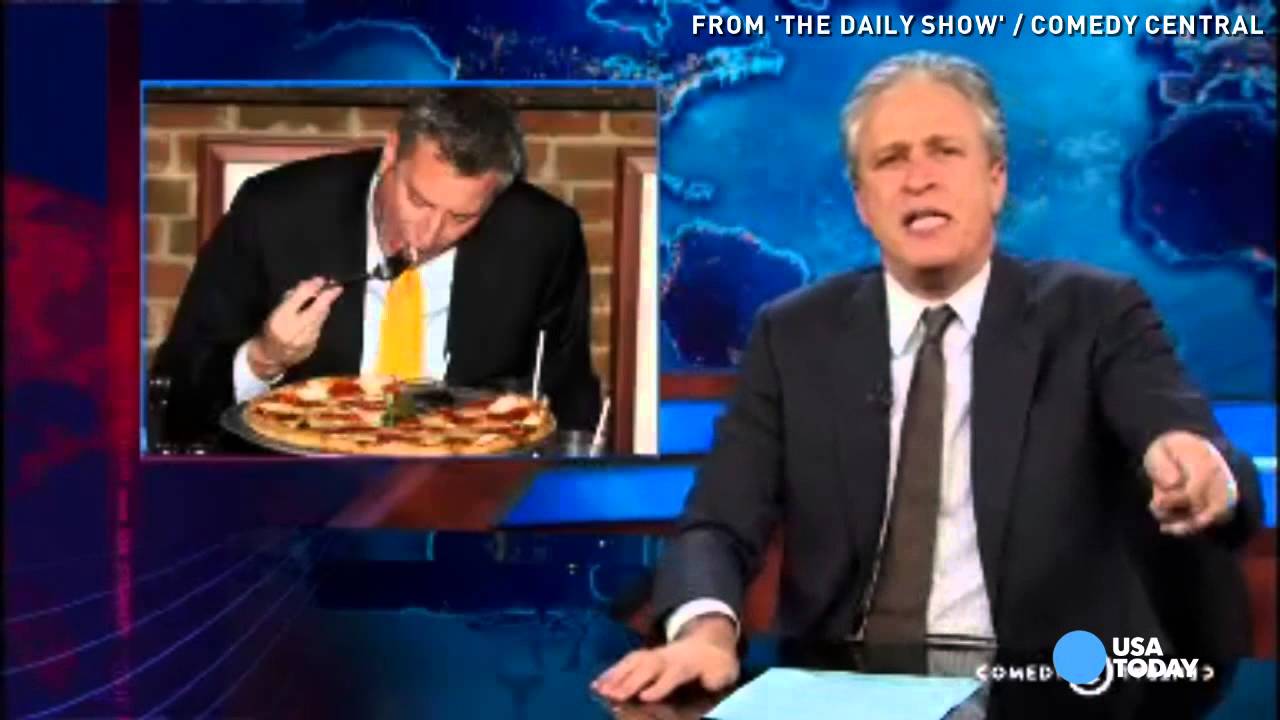
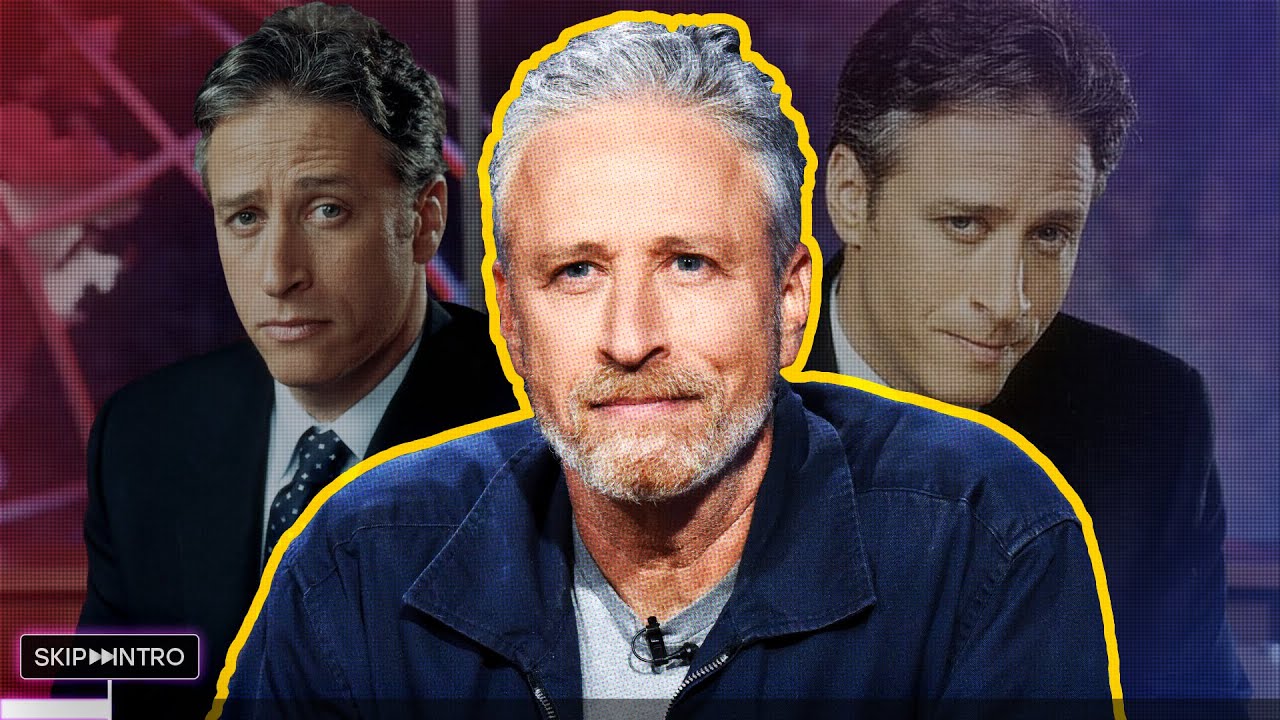
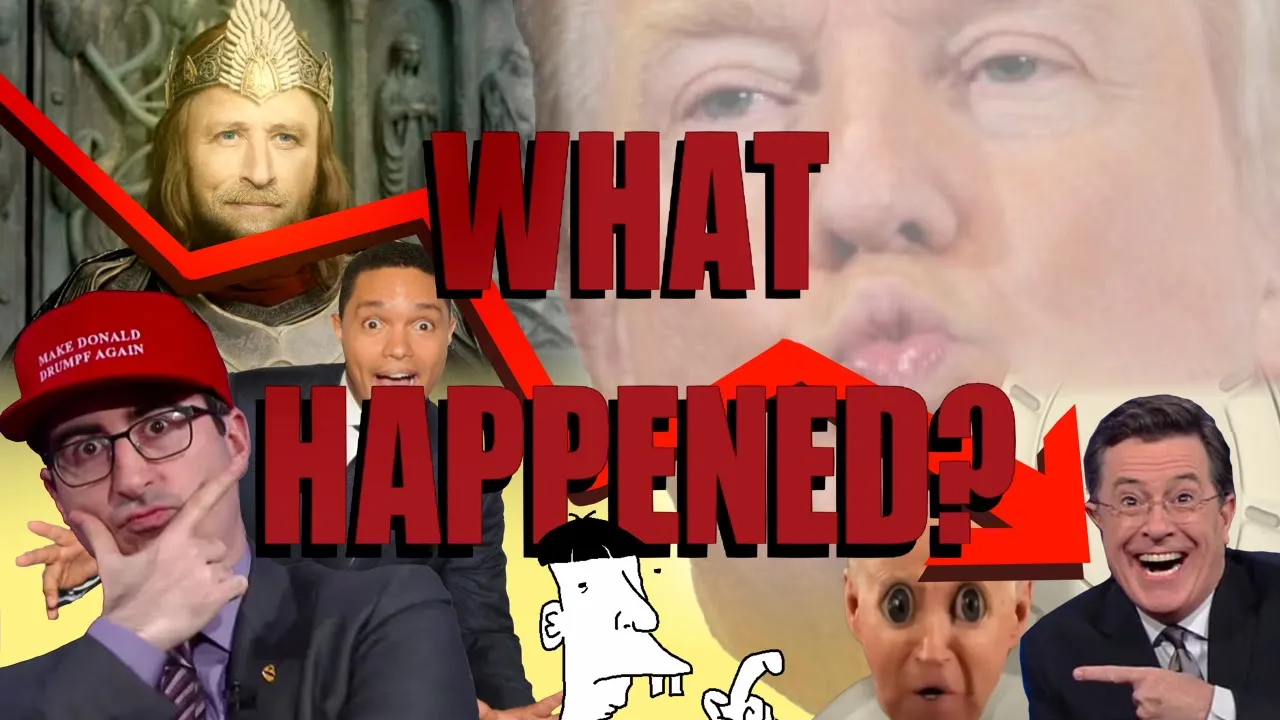
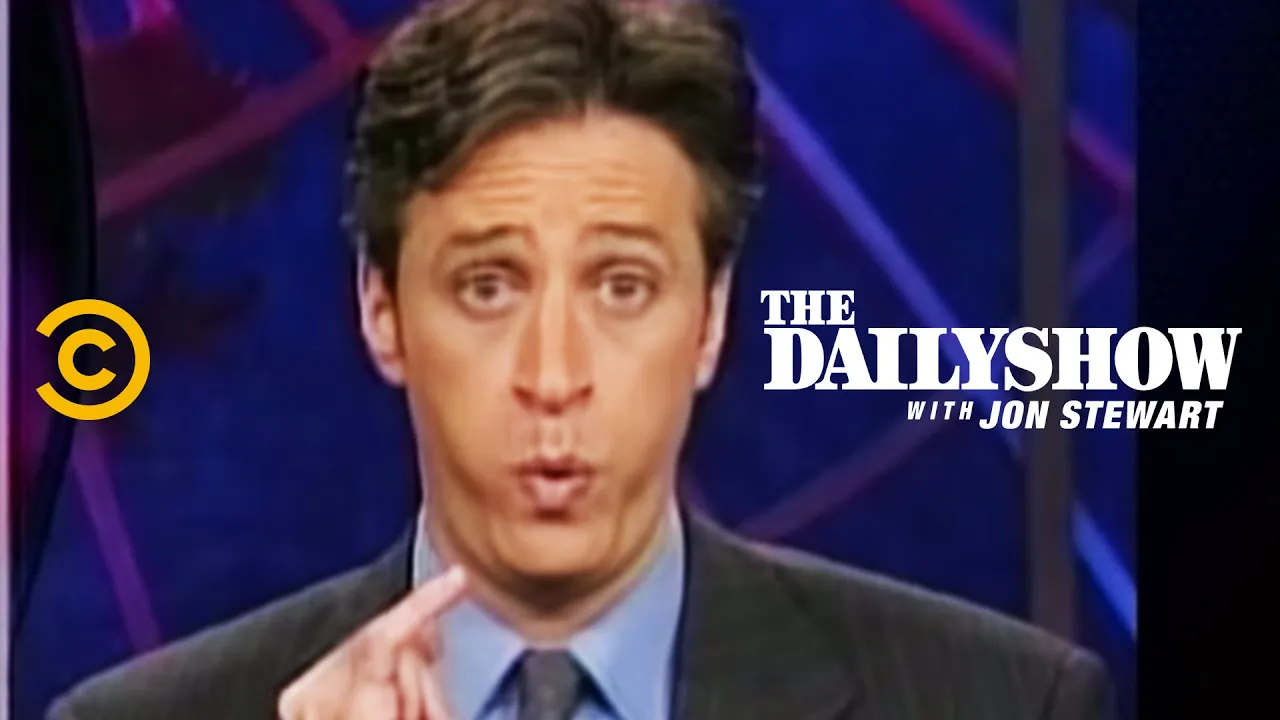










Jon Stewart explains how media polarization has intensified American political divisions since the 2010 Rally to Restore Sanity, noting that media competition and capitalist incentives favor outrage and division over balanced discourse, creating a feedback loop where fear and anger drive engagement and reshape political reality.
Jon Stewart vs. Media Polarization: A 25-Year Political Analysis
Added:Understanding of the historical shift in American media, specifically the repeal of the Fairness Doctrine (1987) and the subsequent rise of partisan cable news networks.
Familiarity with the concept of 'political realignment' and how voter coalitions and party platforms have shifted in the United States over the late 20th and early 21st centuries.
Basic knowledge of 'infotainment' and political satire, particularly the cultural impact of Jon Stewart's tenure on 'The Daily Show' in the early 2000s.
Awareness of cognitive biases in media consumption, such as confirmation bias and the hostile media effect, which fuel partisan divisions.
Examination of the 'attention economy' and how social media algorithms and digital business models structurally incentivize political outrage and polarization.
Analysis of the 'epistemic crisis' in modern democracy, exploring how fragmented media ecosystems lead to differing perceptions of objective reality.
Comparative study of international media systems, analyzing how public broadcasting models (e.g., BBC) differ from the commercialized US model in mitigating polarization.
Evaluation of alternative and decentralized media strategies used in the 2024 presidential election, such as political podcasts, substacks, and direct-to-consumer digital campaigns.
786.7K views10.8Klikes1:05:38Original Release: 2024-11-04
so you go back to the Tea Party moment in 2010 and in DC the newest member of the Fox News team Tucker Carlson joins us Taco Carlson had only just been hired by Fox News he was just two years out from being employed by MSNBC yeah W you just blew my mind by saying that um Elon Musk was standing for Barack Obama from comedy Central's World News headquarters in New York you got John Stewart then into his second decade as a host of The Daily Show and he and St coar hosts this satirical rally to restore sanity and or fear at the National Mall in Washington DC comedy centrals John Stewart and Steven colar are bringing their shows down to Washington at the end of this month and planning a rally to restore sanity is this a political Rally or a big piece of performance art unclear we are going to do this the forms have been filled out so uh what exactly was this and Stuart gives this speech we can have animist and not be enemies but unfortunately one of our main tools in delineating the two broke this moment to me it it has this kind of Rosetta Stone quality when I look back now from the vantage point of the era we're in and the eras we've been in it seemed like a joke then in some way it doesn't seem like a joke now in the years since rally Stewart has continued to track the media's tendency to amplify some of the worst most divisive tendencies in American politics he's now back hosting the Daily Show sometimes I'm excited to be back I'm very excited he's got the weekly Show podcast with John Stewart which is great so with very very little time now before election day I wanted to have him on the show to talk about his understanding of this Arc of these decades what he has seen the way he has seen the media some of the figures in it change the way he has changed as always my email as reclin show atny times.com John Stewart welcome to the show thank you Ezra I'm delighted I'm delighted to be here so can we go in the way back machine to the rally for fear and Sanity and or oh my God hey that's uh uh yeah how many years that's we were all young we were all young and appar innocent getting a contact tie that that has a little bit of a Rosetta Stone quality for me that that that rally how how did it come about how did you decide to do a rally I'm trying to think back I think what happened was this was at the height of Glenn Beck's 912 it was getting America back to and he was doing these sort of oddly demagogues rallies where he would go down to Washington and you know you would see like uh older tea parters in lawn chairs sort of surrounding uh the waiting pool now he brings you an effort to restore honor in America ladies and gentlemen Glenn back hello America and I think it came of that I think I remember being on the phone with Stephen and we were just laughing about it and I said you know we should we should just go down there and and bang one of those out I mean it was it was uh an entire cluster [ __ ] like that we really I mean as as you could tell from watching it probably the preparation was not uh so I can remember it has been very hard to get clean audio from it yes that's been a thing running into that that morning so Stephen and I I was doing my show he was doing coar report so we didn't rehearse anything we didn't do anything and that morning we were driving over to the mall early and you don't at that time you really didn't have a sense of if anybody would show up and we're driving in and there's a just a [ __ ] ton of people pouring out of and we're like oh what's going on and we'd only set up like two large screen TVs like that's pretty much all we had and so we sat in a little makeshift trailer with the roots aie Osborne the OJs and Yousef Islam and walked through like we we were literally walking those guys through the ideas so the roots are playing the songs and we're like Yousef Yousef Islam you're going to come out and do Peace Train we're going to do a whole thing and then Azie you're going to interrupt after like two bar stanzas with crazy train I'm terribly sorry JF Joe if I may what are you I'm sorry I respect you I love you but I am not getting on that train what what are you saying what am I saying yes I'm saying I don't have a ticket for this train I am not interested in in the middle of a song It's a Beautiful song you're not getting me and youf is just looking at us like but peace Train's a beautiful song why would you why would you interrupt it was the whole thing Bonkers there there's something about that R I thought a lot about in in in the years after because in some weird way after that I mean maybe it was happening then too the political coalitions kind of split into the Aesthetics of Sanity institution systems in this house we believe in science and the Aesthetics of fear conspiracy rage anger a kind of nativist populism and you were beginning to see it right Glen Beck was the weird thing happening on on Fox News like when you were looking at the at the landscape then like what what did sanity mean to you and and what did fear mean to you in politics well I think it was I mean again I I I don't I'm I'm trying to put myself back in the heads space of all that I mean all of it was kind of a reaction to and our show was a reaction to what I saw is kind of this at that point probably 40 years project of rebuilding parallel institutions to the left right so there was this idea you know people always talked about like your show uh it degraded the discourse and you know poked fun at things and I'm like do you have an AM radio like I used to because I drove to a lot of gigs you know doing standup to the I don't your listeners may not know this show business is very glamorous a lot of times you would get in what we would call a rental car and drive to Rochester and then you would go to Buffalo if you were lucky and then all the towns in between pipsy connected you know you'd hit the old uh Vaudeville circuit but I listen to a lot of AM radio and the vitriol and I mean non-stop fire hose of degradation towards anything left of I want to say Lyndon larouche but uh anything to the left of that was ubiquitous so I saw that cleaving that that Roger alses sitting in the White House in 1972 or wherever 1973 or 1974 going I will never allow what the left did to Nixon to ever happen again and so the right very smartly rebuilt their own institutions in their image colleges think tanks media and they portrayed any anything that had been the standard institution as wildly leftwing an activist even if it might not be even if it just had the patina of you know Notions of equality or or fairness you know the the kinds of things that just don't fly in those situations so you're describing the fear side of this I want to zoom you in on the sanity side because I think that that gets it something interesting that happens around then and is I think a big part of politics which is that wasn't it's imbalanced in a way right it's it's not like good versus bad the the sort of aesthetic that emerged I think it emerged in media too at that time there is a lot in right-wing media that is about fear and left-wing media was not like we're going to tax a billionaires right maybe it wants to do that right the Democrats had become this party you got to define leftwing media though you're that's totally fair but let me say Democrats right the Obama era Democratic party the way the Democratic Coalition is changing is not a class Warfare Coalition it is a coalition that is makes a big point about technocracy you know if we could just sort of come together and listen to The Experts and look at the right charts I am part of this at won blog we we'd all come to the right conclusion could we just be Saye about this common sense about this uh could we you know try it's kind of a Pro System Coalition and so in this weird way you develop I think this this new aesthetic in politics that you guys pick up on it's not like oh the right wants to go to war against communism and the left wants to tax rich people it has this this other cultural Dimension it's like the left are the experts we're smart we think about things the right are you know they're the Heartland they're The Real Americans they're tough right and it's this whole other like slightly orthogonal but I think now very dominant way that politics Cleaves it is almost barely related to what people want to do first of all I cannot tell you how often people just throw the word orthogonal at me do you enjoy it or or or no everywhere I get no I don't I I don't know what it means tell me what that means see this is a problem with like the the leftwing Coalition over here uh sort of existing separately from right uh it's like a different like a totally different space so that's I think that's that's really a a nice perceptive analysis of of those Obama years I would probably go further and say that was the foundation of of the left from I mean I think that's what the Goldwater Revolution was was more about you know this idea that the best and the brightest right that sort of the the Kennedy idea of we're going to get the best and the brightest and that's going to get us Vietnam you know but I think in some ways what you're describing is that that original cleaving that I I think Obama may be represented but is much more about that Kennedy Coalition that came in and the Goldwater Coalition that that rose up to oppose it or I mean Roosevelt to some extent when you think about the the New Deal and maybe that's what they would consider the original sin of the left this idea that government will expand to help people which which was a huge sin you know the idea that hey wait that guy's hungry what if we gave him sup and people would be like what no that is the that is the job of the Sisters of the Poor that is that government can't do that but but ultimately that that's been the battle I play you uh a bit of your speech that day I was going back and listening to it and one thing that struck me about it worse than this for me this is a Terri this is a terrible terrible nightmare that I'm about to experience by the way and the rally to restore sanity here's what what I think social media exists for social media exists for people to remind you what they will never forgive you for like that was no like what we thought was kind of a lar and we're going to have a fun day has turned into there's very little I can do even today that people won't come on so I get two things on social media uh in the comment section one is you're a Jew that's just kind of no matter what happens whether I put out like this is a picture of my dog and like somebody's going to come in the comment be like why did you change your name Jew and the second is I will never forgive you for that [ __ ] stupid rally to restore sanity that apparently handed control of Congress to the Republicans you know what sucks for you it has become the worst thing of all a text and that is how that is how we are treating it here you you created a text yes so I want to play you a bit of your speech I'm very sorry but one of the interesting things about your speech there and about your show in that time about stepen coar is it's it's not really about the right it's about the the media so and the way that the media amplifies hostility and distorts relationships between Americans sure if we amplify everything we hear nothing and yet with that being said I feel good strangely calmly good because the image of Americans that is reflected back to us by our political and media process is false it is us through a fun house mirror and not the good kind that makes you look Slim in the waist and maybe taller but the kind where you have a giant forehead and an ass shaped like a month old pumpkin jeez how does that hit for you now there is very little in this world more unappealing than the sound of your own voice being uh at moments sincere or also projecting like it's it's very hard to listen to yourself projecting into a field so you you just it's like a a Bizarro campaign speech where you're like oh I it has the Rhythm and tone and volume of a campaign speech but I'm talking about a pumpkin ass so so there was a big idea at that time uh Barack Obama used to talk about this all the time right it's the subject of the famous 04 DNC speech that that launches him to National politics which is that you know you meet us us Americans in day-to-day life and we're complex we you know we're in ptas and we coach little league soccer we worship an awesome God in the blue States and we don't like federal agents poking around in our libraries in the red States we coach little league in the blue States and yes we've got some gay friends in the red States there are patriots who opposed the war in Iraq and there Patriots who supported the war in Iraq We Are One people all of us pledging allegiance to the Stars and Stripes all of us defending the United States of America and later Twitter and the 24-hour news cycle and all the rest of it it distorts us it's a fun house mirror we get pumpkin asses and and single eyeballs I'm so sorry about that that is not the appropriate reference Vivid image and the it's wrong and then on the other hand as time went on and I wonder sometimes whether the media was cause or effect here right politics begins to feel I think a little more not pumpkin ass but when I watch people in politics when I watch Donald Trump when I watch people acting in Congress now I wonder to myself which of us are the real us right it doesn't seem like always that our conflict are so overstated that the enmity is a distortion do do you feel it is something that the media Amplified and then it became reality or do you feel like it's still not reality well it's I it's probably not as black and white as as any of that in terms of you know is it reality but I can tell you this I mean I live in deep Maga country where I am and there's you know New Jersey is a blue state but there are really red pockets and and I live in one on a day-to-day basis so if you're telling me like do I think my neighbors have an emnity and an unpleasantness that like I can't cut no I don't I don't think that at all I you know I have wonderful and meaningful relationships with people that and there's certain topics that you try to avoid and then there are other topics that you don't avoid at all and you give each other tremendous amounts of [ __ ] for so and again that's anecdotal not data so I can't tell you what's what I can only tell you my experience but in my experience media has an effect it has a weight and it has an ability to warp perceptions you know cable news to me was mindblowing 24-hour news cycle is good for one thing and that's 9/11 like when 911 happens you want that [ __ ] station to be on all day and you want people and you want something because the world is so tenuous in that moment but in the absence of it how are you going to keep people watching well you have to in some ways impose kind of a contrived urgency or a fear and it's nothing new it's just a question of degrees how many times you know in the olden days of Roger mud and Eyewitness News it was you know do you have children well you won't believe the dangers in your bathroom and you're like well I would I [ __ ] there like I I would think it's probably not hygienic but it's always been been about how do we keep the eyeballs right I'm going to use can may I use a not sa for work and and somewhat a todger example here Ezra before now this has all been safe for work this has been this has been your version of of PG this is a classy program so I don't you you you do what you need to do Ezra you're a good man thank you uh when I was a young man I'm 13 14 years old if I got a hold of a Sears catalog and there was a picture of a woman in a bra in it I was like this is the most sexually exciting and arousing image I and as you get older you get to like that doesn't work on you anymore and you get to that point where you're like three people a goat and and someone's singing pavara like you know that that is you have to keep stimulating people further and further to different extremities to get that same hit of dopamine and those apps and that media especially now are scientifically designed purposefully like the the woman who was below the whistle on uh Facebook like our food is designed to escape that part of your brain that says I should stop eating right now like this is purposeful the way that we are divided as people some of it is political and weaponized by political actors but the majority of it is capitalism capitalism with the idea of how do I generate the most income out of Engagement and it turns out fear and anger and hate and outrage pay huge I'm not suggesting that a monkey washing a cat is in a tremendous video and that will also get clicks but that's not a business model the business model is creating an atmosphere of outrage and anger and so and so when you ask does that have an effect it absolutely does and I think it it does rewire the brains of the users when I was on your show we were talking about a piece of this actually which is the way that you were saying you know there was AM radio and then there was Fox News and one thing that has happened in I mean in my lifetime right which is and I'm 40 is this tremendous segmentation the media broke into these like little competitive slices and you it's competitive right and competition can be great in the sensity creates a lot of innovation and if the Innovation is how to get your little slice away from everybody else sometimes the competition can become warping and one of the things I always think people get really wrong about the media is they think that it is stronger and more self-directed than it is when particularly when it has gotten very very competitive and has when you say self-directed what do you what do you mean by that I've been involved in lots of different media over the years and I think something that has surprised me from going from somebody who reads it to somebody who makes it is watching the way the media comes to reflect its audience unless a tremendous amount of editorial strength is applied in the opposite direction so the the sense of the media driving the audience not you just named you named the game you know the LIE travels eight times faster than the truth but that means that the truth has to work nine or 10 times harder than a lie and lies are the thing that are most weaponized the truth is rarely weaponized but the lies sure as [ __ ] are because that's what propaganda is and so the thing that you just said about the media not being self-directed I think is probably putting your finger on in my mind exactly what is troubling that they themselves are victims of the incentivized algorithm that they're trying to compete with as opposed to viewing it as part of an ongoing battle to combat lies your show has existed in in two forms over time right there's a form on comedy Central and then the chopped up form that goes on YouTube right did does YouTube change it at all do you understand the YouTube Differences audience and do you think that the fact that it has his other life has shifted the way you know in its earlier Incarnation or in its current one the show gets made or what gets on it it hasn't changed the way we make it I don't know if chopping it up changes the way people experience it I would guess it does you mean in like because people get shorter and shorter like not only do they get shorter and shorter but in a in an episode I think about this all the time in my work right when I was running Vox when I was at the the post used to be that you got you you bought the paper as a whole right or the magazine I was at the American Prospect you got the thing as a whole and so as an editor at one of those places you would balance things out the stuff that was really appealing with the stuff that was maybe a bit more vegetables the stuff that was a little bit more right and the stuff that was a little bit more left across the bundle that you were offering people but when the way things worked was he grabbed one article and shared it around and that article was then how people understood you your ability to exercise editorial control over the whole of the thing went away and so you know maybe you do an episode that has different things in it for different people or as a whole it exists in some way then the fact that each segment has its own life when if I'm watching it on YouTube which is you know often where I watch it right uh that that sort of control that ability to give you the the balanced diet it's actually just not in your control any longer yeah I I mean boy that's a good one because it's you know television is so different than you know I think your background is probably more in writing and and how people consume but but reading is is such a more active process than viewership and and so I think because I have always been in standup or television I assume a more passive audience and so I never think quite about did they get the whole thing because I just always assume they're doing something else like especially you know it's 11: at night it's 11:30 at night I just always assume that I was a mild form of foreplay so I think the interesting thing about our process that's maybe different than what you're describing is how little we think about who might watch it and how they might watch it and someone asked me this once you know they said uh you know is the has the social media or any of those other things change the way people consume your show and I was like I I don't know I don't know them I I know this it hasn't changed the way we make it which is probably stupid it it has changed the way we try to publicize it like we will send out like if there's a good joke chunk we'll send that out there and maybe people consume that as a way to maybe entice them but the the other part of it is you're looking at the totality of analysis and news that makes up you know writing a considered uh art form that you're really able to express a variety of of of different elements and you need the totality of that to you know actualize your your readers The Daily Show really was like one oped the evolution of The Daily Show wasn't we became you know a series of monologue jokes that became slightly more essayistic but it was always just one essay so the burden of carrying that larger information world I think we never felt if that makes sense and because we were steeped in television you don't think of it in the same intellectual way that like you might as your bu fox or as you're thinking about the New York Times yeah the the other thing that makes me think about which is more private thought I've had over the years is one of the dangerous things as media went online you always want to be selling something that isn't the Politics as your service to the audience which is to say you were selling jokes as your first service to the audience and there was politics and Analysis alongside that but they could come for the jokes they didn't have to agree with the politics the New York Times that's reporting right you you might hate you know what you understand to be the New York Times politics but there's a ton of international reporting and we have people all over you know the New Yorker it's the The Narrative journalism right there's a politics to the New Yorker but you can come for the stories first and when you just sell in the politics when you sort of distill it down to that I mean you were sort of making this about lies and truths but I think once it just becomes a politics what you what you can really like you have to be in agreement if you're a highly ideological organization and you have an audience you have to be in agreement with the audience or they have to be in agreement with you or you're going to die and the way that you know um the internet unbundled everything just be coming for the sports so so it's chicken in the egg there Ezra it so again that's when we talk about weaponization so it's this idea it depends on I I would say rather than lies and Truth maybe the binary that I would talk about is good faith bad faith mhm is the are are you a purely political actor or do you believe there's utility in information or utility in good faith argumentation I would say that a lot of the media is not good faith argumentation it's political actors weaponizing forms of communication for the desired goal of shifting a political conversation towards one side whether that means you know and there's different parameters to that uh you can do that by heightening your side's political thing you can do that by demonizing the other side's political thing you can do that by undercutting uh you can do that by warping but that that's the real difference I think there is um there is a feeling there that they I I think media doesn't know how to deal with Bad actors and bad faith actors that have weaponized it and so they're forced to it reminds me of every Supreme Court uh confirmation hearing where the uh the person that has achieved this level of you know uh Accolade as a lawyer or as a judge or whatever it is sits there and they say what do you think about this and they go I am an Umpire and I would call balls and Strikes and I would star decisis the president it's what I and then they get on the court and they're like I hate women and I'm going to do you know it's all a [ __ ] show that's bad faith I so appreciate the segue that you've offered me um thank you you may remember or actually many people may not remember there was a show on CNN called Crossfire for a period of time that I'm not familiar with but it sounds fantastic I like any show that is named after what innocent bystandard get caught in in a let's say gang violence cross fire on the left James Carville and Paul Bala on the right Robert Noak and Tucker Carlson for somebody who's never seen Crossfire because something happened it ended up getting taken off of the air due the actions of a rogue comedian what was it so what it started out as was this idea of good faith argumentation between people of differing political viewpoints I think the the original premise of that is not by definition a bad thing I don't necessarily think that the binary of right and left or liberal and conservative a particularly useful one but it and it was Michael Kinsley and Patrick Pan the original sanity versus fear actually yes that but exactly right slate versus father cochlan but what it turned into was and this is maybe the critique of Crossfire that I think everyone has misunderstood was this idea it wasn't I wasn't calling for civility I was calling for uh a non Kabuki theater version that debate of course should be robust and at times angry and but it should be in a modum of good faith and what it had become was sort of this very weaponized incentivized theater so when you ask again back to the original question what comes first the chicken or the egg well what came first was an intention of having really interesting argumentation that could be Illuminating and articulate differences and what the business model model of 24-hour cable news turned it into was a perverse extracise in cynical weaponized divisive conversation you're going to enjoy this so I'm going to play aor this this is this is not you've done a lot to you've done a lot to deserve this there's Karma this youant you're you have listeners out has this not happened to you no really people don't no yeah unfortunately I've not had a this is your life like this where you you play things my wife after crossb my wife and this was before it everything became viral and things like that like that really hadn't happened at that point this was a long time ago my wife called me called me not texted me on my iPhone like none of that [ __ ] existed she called me and said don't you ever do something like that again why and and I TR I'm going to play first what you did and then we can talk about it sorry you can cover your ears I'm not I'm here to confront you because we need help from the media and they're hurting us and it's the idea is if they let me get this straight if the indictment is uh if the indictment is and I I have seen you say this that Crossfire rues everything as I said in the intro Left Right black white well it's because see we're a debate show it's like single be a storm 30 minutes in a 24-hour day where we have each side on as best we that would be great and have them fight it out to do a debate would be great but that's like saying pro wrestling is a a show about athletic competition I think you're a good comedian I think your lectures are boring let me ask you let me ask you a question on the news now this is theater I mean it's it's obvious how old are you 35 and you wear a bow tie yeah I do I do do so this is no no I know I know you're right let me just go no come on listen I'm not I'm not suggesting that you're not you're not a smart guy because those are not easy to tie but the thing is that this you're doing theater when you should be doing debate which would be great you do no it's honest what you do is not honest what you do is partisan hackery you can put them on now you're it's okay yeah it's it's safe now we're we're back in the safe space yeah it's all right I apologize yeah I knew Tucker Carlson in those days and his signal character istic to me the thing I think you were picking up on particularly about him is he treated it all as a joke you can go back and read Taco Carlson's old magazine journalism and it's great hilarious magazine journalism he's a very very good magazine writer when he was young and he went through all these you know very quick Transformations he was on MSNBC for a while people forget that um Rachel matow one of her early uh breaks was that she was a regular contributor to Tucker Carlson's Show on MSNBC he was this kind of good times Li libertarian type and he was a guy who treated it all kind of as a game I guess what I will say for him now is I don't think it's a joke to him now something happened there I think his politics are much more serious and much more real and obviously for that much more dangerous humiliation happened yeah I'm curious how you understand his what what what I think happened him psychologically well I think that and I I hate to do this to you I'm going to I'm going to describe this to you in professional wrestling terms since that was one of the analogies that I used on there see this is actually the sport I know okay then asra you and I we're in good shape here kayfabe I got it beautiful so what I was complaining about on CrossFire was kayfabe was this idea that this is just theater and everybody's playing a character and nobody's a but the other way to describe it for them is so there's an establish M and then there's the anti-establishment right the disruptors and the rebels tuer Carson was establishment he was it you know and he tried to be a face he was a heel like like Fox News Megan Kelly same thing fa face being a good guy heel being a bad guy in that's right so she was kind of a she's on the heel Network FOX but she's kind of the face on Fox she's the one that like every now and again will say something and like the establishment or liberals would go like wow she actually that's empathy that's like that's interesting oh she's not towing a dogmatic party line right so they decide like oh I will live amongst the faces I will join them I will be a part of the establishment and the establishment and the faces reject them they feel wrongly and with a dogmatic litmus test and it's never good enough and it's their intolerance that put them in that position so they tried to live amongst the normies right and when that blows up and creates humiliation the anger and bitter and returns them to I think their truer selves I I prefer them the way they are right now I kind of dig it it is like explain that I'd rather someone not pretend to be Barbie and just be who she is which is I think Ursula from The Little Mermaid see I went from it really went from pro wrestling to The Little Mermaid you know in many ways Ezra I am still stuck in the same entertainment options that I was using when my kids were little and that's that's I'm I'm frozen in that time but but do do you get my point about like what happened is they View and Donald Trump in the same way he views that there's this world that is excluding them and they are excluding them purely for dogmatic and they think they're better than me and they hold these views that they think their [ __ ] doesn't stink and I stepped into that world and and tried to you know be amongst them and and they rejected that because they're [ __ ] and now I can just be in my own world and be as angry and as vicious as I think I was treated I and I think that's kind of the way it goes I think it's so interesting I I don't know Megan Kelly's story as well as I know or watched Carlson and and Trump I think it's a very I think it's very similar yeah just her moment was the I joined NBC this morning is the launch of Megan Kelly today just about 6 minutes from now Megan Good Morning Good Morning Show didn't go that well and and by the way in both instan and this after being run out of Fox News by the way because she asked hard questions of Donald Trump at the first debate right she was rejected by the right first because she was Nots sufficiently Pro Trump and he came after her and within years and that's why I was see that's what I meant by she was a face she became a face but so if you think about it both Tucker Carlson and Megan Kelly were rejected and the reasoning behind their rejection I think is still misunderstood I didn't get Crossfire cancelled crossfire's rating sucked and CNN looked for a way out and that was a convenient flash point and by the way none of that had much to do you know with Tucker Carlson anyway person I really didn't like there was Novak but he just wasn't on the show that day and Megan Kelly in the same same thing her show just wasn't connecting on NBC I'm Megan Kelly and I want to begin with two words I'm sorry you may have heard that yesterday we had a discussion here about political correctness and Halloween costumes and then she had that moment of uh it was a blackface I think comment about the thing I defended the idea saying as long as it as it was respectful and part of a Halloween costume it seemed okay well I was wrong and I am sorry if her show was killing it they'd have found a way to forgive it they'd have found a way to keep her on there they'd have found but they used it as a convenient excuse Megan Kelly looks to be parting ways with NBC her show Megan Kelly today is now cancelled the move comes four days after her blackface comments that provoked a firestorm leading to a tearful apology the chairman of NBC News condemned Kelly's remarks during a staff Town Hall according to variety saying there is no place on our air or in this workplace for them but I'm sure for her it was incredibly painful and felt like a canell because of my viewpoints but the truth of the matter is NBC Executives and CNN Executives they aren't woke they aren't any of those things they're [ __ ] desperately trying to hold on to their jobs by generating ad Revenue by whatever means necessary and and so that's what they got caught up on and by the way though the way that it happened attacked them at a core level and that's what's created that like I've been cancelled a [ __ ] ton of times but the only reason I was canceled is like the network Executives just were like yeah this show sucks or you're not but they didn't say like you're a bad person and that's why we're cancelling the show and that's what they did to them the industry rather than standing up for what was really going on there which is you're not generating enough revenue and interest to justify your large contract or whatever it is they turned it into we're getting rid of you for a moral failing or lapse and that was wrong I I I really and that's not listen I I don't care for what they do I don't care for their opinions but what happened to them was wrong the executives are interesting here uh I was thinking about this when you were relaying that story about Roger ALS yes because I there's a period of time in my life I did a lot of MSNBC and was a a guest host on a lot of the Prime Time programs there and so I knew the people who ran it pretty well and what I would say about the people who ran it was they were fundamentally not that ideological they were television Executives what they cared about and that's why tuo Carlson had a show and why they were so excited about Joe scarbo uh you know and still and still are why recently they tried to to hire Ron McDaniel the uh RNC chair sort of disgraced RNC chair that didn't end up working out due to a Revolt by people at the um network with morals Roger ALS is honestly ideological right he had as he's put it he had a vision right he had a view about how things should be he wanted to be successful but he also actually knew what he was trying to achieve in the world those MBC Executives who brought on Megan Kelly it was obvious to me that that show wasn't going to work but they they wanted the look of bringing on Megan Kelly because they are not that ideological and particularly don't want to be seen as IDE they're lying to themselves because they place things in a moral Universe when they really are just crass Executives who are trying to sell like that's the part where I think the critique if if there's one critique of the media from the right that I do agree with is the moralizing nature you know the idea that these media Executives moralize their POS position like there may be no greater disparity between uh reality and whatever idealized moral image you have yourselves than the Washington Post putting on their uh uh Mass head democracy dies in darkness like who the [ __ ] do you think you are like what world you have a board up in your room that shows like who's getting what clicks where like that's just nonsense and this idea that I mean I would almost welcome maybe not necessarily a more moral component but a component of the news media that is more forceful uh editorially like als's greatest trick was delegitimizing the idea of editorial Authority while exercising almost complete editorial Authority but doing it a way that was really smart like there is no uh condescension and moralizing on Fox it's people on a couch asking questions are you worried about how many terrorists are coming in on the border do you ever worry about that whereas if you turn on MSE sometimes you're like it's like birds descending you know at at Sea on a tuna boat going that's factually incorrect incorrect not correct Incorrect and you're just like ah I can't listen to this but that's the Brilliance of it but you know so so when I say like Megan Kelly's right like I do believe she's right they pretended that they had to get rid of her out of some moral obligation to enlightened racis you know racism sensibility like [ __ ] you that is so not what you did if they're making money they're making money and they'll let you get away with anything anything as we see but when you ain't making money anymore and they don't for some reason have the tarity to just go go yeah you're not making us any money they find some pretense of your moral failing and yank you and so I get where the where some of that anger comes from from those folks don't have a ton of sympathy because I've been fired a bunch of times too but for the the old-fashioned reasons of sucking when I think of Tucker Carlson now I miss the triviality I miss the that there was enough agreed upon that you could have the theater the Kabuki and now it feels like we've slipped down in this place where it's like will we be a white ethn nationalist State that's harder to have like a funny debate over but you always have to caution yourself against a Nostalgia about this other time that existed because you know uh William Hurst and yellow journalism and you know remember the main can be just as damaging even though it's newspaper or think about you know radio in Rwanda or think about you know uh propaganda that was piped into soldiers ears during you know uh different times on the radio but again media has to continue to raise the bar in terms of the Circadian rhythm of it the Cadence of it it has to happen faster now it happens more and the difficulty is for the parts of media that we look at as utility right think about the checks and balances of the government this is going to be a segue that doesn't make any sense but think about in the way that they describe the House of Representatives and the Senate somebody's got to be the Senate not the Senate as it's pres constituted but the normal Senate before it was an assisted living facility so you know it has to be the the saucer that cools the milk or whatever the [ __ ] they want to describe it as and that's what we're missing because what's happening is everybody's chasing that most uh dopamine addled you know cocaine hamster sitting in a cage tapping the bar like whatever makes content right becomes kind of fodder for all the other outlets that make their bones on content so like whatever you put out like we we're going to talk about this right I don't know what will be uh clipped from this generally something will be clipped generally it's something that will reflect very little context about what we're talking about but could be considered the most divisive or confrontational or provocative or partisan moment right I did an interview with Tim Walls what will get clipped out of that is I had a moment where I was like do we need the chenies The Cheney thing do do we really have to do that uh look I it goes Broad in that look Bernie Sanders Dick Cheney Taylor Swift having the chenies on board n you can't Dick Cheney or Taylor Swift no and that's the moment that would be grabb because how do those other outlets make their money they don't make their money by going oh I saw this interview and it had blah blah blah blah they make their money by getting people to click so rather than cooling it or debating it in good faith or looking at the issues they look for a moment that they can exploit and I don't look back with fond nostalgia over the early 2000s even the New York Times credulously published something and Dick Cheney and his friends got to go on all the Sunday shows the next day and go even the New York Times says Saddam Hussein is trying to make a nuclear weapon with these tubes that can only enrich uranium like I have no Nostalgia that somehow this form of media can be more dangerous or persu like it can all be very dangerous and that's why we have to in whatever moment we're living in fight like [ __ ] hell to take the danger out of it and and to get better understanding into it and we have the mechanisms and we have the talent and we have the people we just need the Will Roger alses built Fox news media out of tenacity and will and skill as a producer we have to match that with the same intentionality that he brought to it I sat in his office one day and and we yelled at each other for an hour but my takeaway from it was that Empire was built out of the back of his head purposefully with an idea to delegitimize any media that may take away from his vision of what the world should be God there's so much there um when you were when you were talking about Nostalgia and I am I keep saying this like every seventh show like I will I will die on the hill your Sabbath this is your sabath will die on the hill of fighting the George W bush revisionist Nostalgia like the the Donald Trump is the fault of Dick Cheney I believe this to my core we would not have Donald Trump if we had not had Dick Cheney and the Iraq War and the delegitimization of the entire upper echelons of the Republican party that came out of that much failure right and so something about seeing Dick Cheney who now endorsing Harris and and Liz Cheney who to be fair I do admire that Liz Cheney was willing to lose her seat to oppose Donald Trump's anti-democratic movements but there is something about think about the bar that think about the bar that sets though Ezra that's I applaud the courage of someone who recognizes a coup and decides to say something about it yeah but how many of the others didn't no that that's what I'm saying that's like that is the lowest bar but but there is this way it's like between recognizing there's something important there and the like the genuine absence of accountability right I mean there is something oh I think other people recognize there's something important I just think they put the project over the principle yes the overall project is the look we're in a different world now man like the old world uh communism versus capitalism moment is over and by the way it was a fight that you know had more death and destruction in it than I think was probably ever necessary all that really I think this country needed to fend off communism and socialism is a decent social safety net which I think was was demonstrated but now we're in a different world where the alignment is I think woke versus unwoke and the interesting thing is the unwoke people think they're The Defenders of classic liberalism when all of their allies in it like Orban and Putin and that that's the new alignment of the world woke versus unwoke and the the classic Defenders the people in the media and in government who say I'm the Defenders of the Constitution and free speech and would like to align myself with Orban and Putin like the cognitive dissonance that occurs there is mindblowing I remember when El musk took over Twitter to protect free speech and make sure Twitter was politically neutral and now here we are but no it's and but but it's in many ways a cynical exercise and you can say to them Donald Trump is threatening broadcast license because he doesn't like that they're critical of him or Donald Trump is calling people the Enemy Within and not migrant gangs he's talking about Nancy and you say so how are you the defender of the First Amendment and that's the guy you're throw well that's just Bluster oh he doesn't mean that he does a thing you know none of this particularly makes any sense and if you want to talk about cancel culture there is no greater cancel culture than being a Republican and speaking out even in the mildest forms against Donald Trump so where's where's the where's the free speech in any of this it does none of this makes any [ __ ] sense Ezra make sense of it Ezra you're very smart please help me I like the cut you're making like I do think there's something to the woke non-woke I think that people I mean we were talking about this when I was on your show it's funny because we're circling some of the same topics here right it is uh one of the oldest findings in political science that people are not that ideological that the people who have definitely agree with that have this like who experience Politics As this well-connected sense of this web of policies that all go together and if you you know you you pick the liberal web or the conservative web that's like 10% of the population like most people not have the experienced politics or the world and one of the things that bugs me is the endless at this point I don't think people should still be saying should still be surprised that Donald Trump has appeal we've seen Donald Trump like figures in too many other countries the fact that he doesn't appeal to you but if you believe Donald Trump should be losing this election by 60 you know 6535 and it's just like a failure of political strategy on kamla Harris's part like I think you've missed the boat you've missed the actual like appeal of strongman politics which have been there forever you've missed the appeal of people who say I don't like how all this is changing and I wanted to stop there are people I love who support Donald Trump and it's one of the best things in my politics that I have them in my life because like you can you know one it keeps my sense of people's complexity alive but but two one thing you hear is just people saying I don't know everything's different now and I don't like I I don't feel like I have a place in it and on some level Donald Trump agrees with them it was better before make America great again and that's a politics that sometimes gets policies attached to it but it's not really a politics that is about policies or even about any one thing I mean Vibes a sense of do you fit in the world and where it's going do you status in the world and where it's going I think we I don't mind a strong man as long as it's my strong man as long as it's following along to that point E I mean you know look I'm not in a swing state so I don't know exactly but we still have down ballot races that are being you know communicated all the time the big clamoring about kamla Harris was she has to Define who she is through a series of policy things that appeal to the American people and that will help them get comfortable with her as a leader and d d every commercial that I see on my television there's only two arguments the Republicans are making Republican candidates are making two arguments we're all going to die because of people coming over uh from the border and KLA Harris is for they them Donald Trump is for you those are the only two commercials trans people and migration that's it and that's you know listen and they all talk about trans people shouldn't be in sports as though like that is the dominant theme of like High School athletics now is like my kids were high school age a couple years ago I don't recall there ever being uh uh a trans person playing the sport or Domina or having any consequential uh action on that but I will tell you this if you're concerned about uh competition and fairness I seen a lot of parents who reclass their kids to drop them down a grade not because they can't handle the social aspect of it not because they can't handle the academics but because it will make them a more appealing athletic Prospect so 19-year-olds are beating the [ __ ] out of 14-year-olds in high school sports you want to you want to do something about competition do that but what they've done is they've taken a kind of nonpr and blown it into a catastrophic emblem of a society in Decline but emblem is such an important I think word there because the thing the reason there is strength to what doing cuz yeah it's not look I am fully happy to say if we could agree on giving people rights and protection from discrimination we can then have some conversations about the right way to manage swimming at the NCAA level like I think like like a society could say like sports are arbitrary we're going to figure something out but it's a it's all a signal like of they are turning Society into something you don't understand anymore right like that's it's not a policy though and they're like what they do though is and they blow it out anecdotally through like these social media apps with their algorithms and incenters that is the whole point as we Circle back to the thing is they are able to take those uncomfortable feelings of change and create an urgency you know there's something very like I have anxiety and insomnia had it my whole life what it does is actually physical like your mind will take you to places that you believe in your body are now happening cortisol is flowing and you feel an urgency and an almost a fear and a panic whether or not what you're experiencing is real imminent impossible it doesn't matter and what the algorithms do that is so destructive and brilliant is what people in white lab coats do to lay potato chips they design it in a way the algorithm finds a way to take a piece of information and put it into your body in a way that drags you into a rabbit hole and creates in your body that sense of panic and fear they physicalize it in a way that a newspaper never could and that's the that's the danger here and Always by the way the most vulnerable populations you notice that it's not anybody but like the people with the fewest Defenders MH always always I want to end on not how everybody else changed but how you did and uh when I go back to old John Stewart I'm not going to play anything at you you're safe now please uh there was a sort of Sanity we can all be you know let's have some common sense here like let's not be idiot you have this great long traffic analogy in your sanity speech about us all on the road together and I listen to you now listen to the podcast got to appear on it which was a thrill and there's a you're more of a populist now like left populist but it feels to me think politically I think I've always been I politically but there's a there's a I think there is a sense that I did not used to get from you that I I would describe your politics much more now not as technocratic but as power concedes nothing without a fight and that you can't pull the value that I completely agree with I think the differ differ is in the populations that I'm talking about I think I've always separated you know the idea has always been you know 80 to 90% of the people can find some ability to work together in common ground and move forward in a productive fashion and the other 10 to 15% uh of those people run the place and that has always been my position and I think some of it has been informed by some of the having to go down to Washington to try and accomplish something not in the media world but in the real world and the the realities of what it takes to move a machine that is built for the status quo and built for the disconnect between their power structure and the needs of the people that they purport to represent so there is certainly a more sober View view of what it takes to move that machine but I have never thought there was anything other than the people and the Machine and what's so frustrating about that is We The People by the people for the people of the people and what is it about that process that removes us from them that's the part that I think you know is so difficult so now when I think of solutions I think less of those process C and changing it in more fundamental ways I think less of we got to get more unionizing got to get more people and think like no the whole [ __ ] structure has to change they need to be able to participate in the investment and shareholder economy at that table whatever whatever Feast is being had there must be had here and they shouldn't have to get better you know poor people shouldn't have to get better lobbyists veterans who are struggling with toxic exposure shouldn't have to find public figures you know none of this [ __ ] should be the way that you permeate that bubble but I but I don't think the fundamental truth that people inherently in day-to-day lives have an ability to be with each other healthily that hasn't changed for me I don't think that's a great place to end always our final question what are three books you'd recommend to the audience um let's see um um I shouldn't be telling you this by Chelsea devontes that's what I have there uh oh that that sounded like you were telling me a secret now the book is called I shouldn't be telling you this oh yes I just she's a friend of mine who is a a a wonderful comedian and a writer and her Memoir uh she just written I think a few months ago and it's it's absolutely wonderful um Chelsea devontes was her name Chelsea Devon fabulous comedian you know I whenever I recommend books I always go back to the books of my youth that's great and so it's always vaget get your hands on vaget because if there was anyone that I think more impressed my worldview it was it was vaget this idea of a guy who had been through World War II and Dresden and yet still maintained a hopeful humanistic approach even tinged with the cynicism that you know that obviously comes through people like Carl and anything any any book by Carlin or vaget and I know those sound dis where do you start give me a give me a a vonette for I would start Breakfast of Champions uh with with vaget or maybe player piano you know you can't boy you just can't go wrong cat's cradle you can't go wrong slaughterhouse 5 whatever you want to do God bless you Mr Rosewell whatever whatever you want it just doesn't matter cuz you'll you'll dive in and you'll be transported to that to that world of a hopeful heartbroken man writing about what he thinks people could be it's that you know it's the William Shatner blue origin moment where he goes up in space and he looks down on the earth and goes how are we blowing this how the [ __ ] in this dark expanse of nothingness we have the one it's like the the same thing I think when they always say like we're going to Mars and you're like but the water and the food is here why why don't we just stay here and make this work what what's wrong with that anyway Bon again a hopeful heartbroken man John Stewart thank you very much all [Music] right that was super fun man thank you oh good I wanted to have you on the show since I started it that was all I hope for I'm I'm delighted and uh I I hope to have disappointed you and your production team in all the right ways
Up Next

33:37
Trump Corruption, Healthcare Cuts, and Democratic Messaging
@DemocracyDocket
275.4K views•2025-05-20

12:54
Triumph of Orthodoxy Icon: Byzantine Art & History Explained
@BenCallan
2.1K views•2024-08-06
75:40
Childhood Flourishing in the Digital Age: A Conversation
@EzraKleinShow
264.8K views•2025-04-01

1:42
Game of Thrones Opening Credits: A Cinematic Analysis
@gameofthrones
46.3M views•2011-04-18
Related Study Plans & Knowledge Roadmaps
Structured learning paths in General & Interdisciplinary Studies
general-studies
Elevator Engineering: History, Physics & Cities
01From Hoists to Safety Brakes: The Dawn of Vertical Lift
02Hydraulic vs. Traction: The Engineering Physics of Elevators
03Modern Speed, Safety, and Algorithms
+ 2 more learning modules
12h5 modules
Explore Roadmap
general-studies
Rubber: Material Science, History & Geopolitics
01Origins of Natural Rubber & Mesoamerican History
02The Chemistry of Natural Rubber & Vulcanization
03The Geopolitics of the Rubber Boom & Colonization
+ 2 more learning modules
12h5 modules
Explore Roadmap
general-studies
Containerization: Evolution, Logistics & Trade
01Ancient Trade & Bulk Cargo: Amphorae to Barrels
02The Industrial Revolution & Cardboard Packaging
03The Containerization Revolution: Malcom McLean
+ 2 more learning modules
12h5 modules
Explore Roadmap
general-studies
Textile Tech: Evolution, Labor & Global Impact
01Pre-Industrial Textiles: Handloom & Cottage Industry
02Mechanization: The Spinning Jenny to the Power Loom
03The Factory System & Global Labor Transformation
+ 2 more learning modules
10h5 modules
Explore Roadmap