































Sexual harassment is unlawful harassment based on sex, encompassing unwelcome sexual advances, requests for sexual favors, and other verbal or physical harassment of a sexual nature, violating Title VII of the Civil Rights Act; it manifests in two primary forms—quid pro quo harassment (where professional benefits are exchanged for sexual favors) and hostile work environment harassment (where inappropriate behaviors create an uncomfortable workplace)—and can be identified through warning signs like unexplained workplace friction, unusual relationships, and favoritism, requiring prompt, thorough investigations that document details, interview parties, and implement corrective actions while following a five-step prevention strategy: comprehensive training, clear anti-harassment policies, strong leadership commitment, positive company culture, and accessible reporting mechanisms.
Sexual Harassment in the Workplace: Identification and Prevention
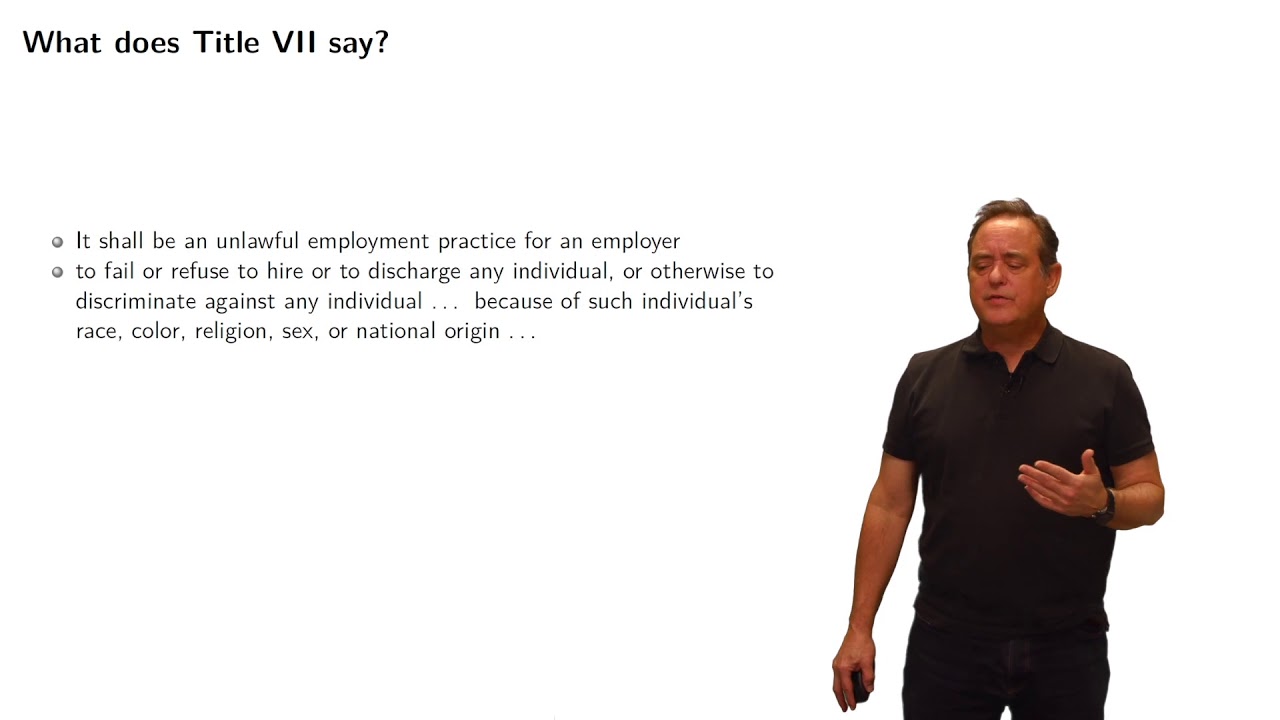
Added:understanding sexual harassment by the end of this video you're going to have a complete understanding of sexual harassment we're going to examine the types of sexual harassment that can occur in your workplace then we'll share some proven tips for identifying and preventing incidents of sexual harassment but first some info about eyesight eyesight is a leading provider of investigative case management software eyesight software helps companies investigate and prevent harassment in the workplace sexual harassment lawsuits can reach the 100 million dollar mark not including the costs of absences turnover and low productivity this is why some of the most successful companies in the world use eye sight software to save money and protect their employees by effectively investigating and preventing harassment today you're going to learn the six warning signs of sexual harassment at work we'll walk you through a step-by-step guide to investigating harassment and share our proven five-step process for harassment prevention throughout the video will share bonus iSight resources for your investigations and HR teams keep watching defining sexual harassment according to the EEOC it's unlawful to harass a person applicant or employee because of their sex this can include sexual harassment or unwelcome sexual advances requests for sexual favors and other verbal or physical harassment of a sexual nature put simply sexual harassment is harassment based on gender and violates Title 7 title 7 is the Civil Rights Act of 1964 that prohibits employers from discriminating against employees on the basis of characteristics such as gender age and race a recent EEOC study concluded that between twenty-five and eighty five percent of women have been victims of sexual harassment at work but based on gender means men are victims too in fact an online survey by The Washington Post found that 10 percent of men are victims of sexual harassment at work and those are only the ones we know about a 2018 career builder survey revealed that 72 percent of those who have been sexually harassed at work don't report the incident there are two main types of sexual harassment quid-pro-quo and hostile work environment both violate Title 7 but look pretty different let's take a look at the definitions of hostile work environment and quid pro quo so you know how to identify each types of sexual harassment one quid pro quo quid pro quo is a latin term that translates to something something it's often the less obvious of the two common forms of sexual harassment its exchange-based and looks a bit like bribery quid pro quo sexual harassment happens when a superior offers an employee professional benefits in return for sexual or romantic favors or when an employee is denied benefits or threatened for rejecting sexual or romantic favors even if the superior doesn't intend to follow through on the benefits or threats the request still constitutes quid pro quo sexual harassment the harasser may offer perks for the victim such as a job offer a raise or a promotion on the flipside the harassment may also consist of threats such as demotion or termination here's an example of crit pro quo harassment Sandi's manager Matthew asked her to have dinner with him at his home sandy feels this is inappropriate and declines he asks again this time hinting that there might be some discussion over dinner about a new role for her in the company Sandy's torn but ultimately accepts because she really wants a promotion and fears repercussions for turning down her manager in this case Sandy's manager Matthew has coerced an employee into an uncomfortable situation in return for possible professional favor sometimes workplace relationships might be mistaken for quid pro quo harassment here's an example of a relationship that does not fit the definition John and Tami are colleagues and began secretly seeing each other outside of the office several months ago now they're dating exclusively the relationship is completely consensual and although they work together neither one has had an effect on the others employment the difference here between quid pro quo harassment and a legal relationship between colleagues is intent consent and equality types of sexual harassment - hostile work environment hostile work environment is a type of harassment defined by behavior in a workplace that makes it difficult or uncomfortable for another person due to harassing behaviors this includes sexually charged hostile or offensive comments and actions a hostile work environment can be something that manifests over time through many smaller acts or the result of a few serious incidents sexually charged or hostile action might mean unwelcome sexual advances sexual innuendos sexually suggestive jokes or comments and unwelcome and inappropriate touching or sharing sexual photos or content let's take a look at an example Joanna's been working at a company for the past five months without issue one day her cubicle neighbor Tom put a few sexually suggestive posters up around his desk that made Joanne feel uncomfortable later that day she approached Tom and asked if he could take down the posters Tom refused let's not forget that this is only one example and that sexual harassment may be different for different victims warning signs of sexual harassment sexual harassment is an issue that can go on for a long time in your workplace without you noticing so what can you look for keep your eyes peeled for unexplained friction among staff monitor both supervisors and subordinates for signs of stress look for signs of favoritism keep an eye out for unusually close relationships between staff or between managers and subordinates listen for rumors pay attention to evaluations raises or advancements and emotions pay decreases or terminations that don't seem right take steps to stop and prevent bad behavior by talking to staff about the work environment monitoring the workplace yourself and taking immediate action if you witness harassment investigating sexual harassment when investigating sexual harassment take every complaint seriously investigate every claim right away respond as quickly as possible and understand the importance of compliance and confidentiality prompt thorough and fair investigations are particularly important when it comes to sexual harassment how you handle an investigation will send a message to future harassers loud and clear and let future victims know they are supported document every complaint and include this information who was involved what was said what was done when did this occur where was the alleged conduct sexual in nature was it unwelcome did it involve an exchange of favors or a threat of harm then respond to the issue immediately take immediate corrective action if necessary such as separating the victim and harasser when you can interview the subject state the reason for the interview and avoid jumping to conclusions and let them tell their side of the story interview witnesses if there are any hear their stories assess their credibility and identify any motivating factors once you've come to a conclusion decide whether or not disciplinary action is required if yes make sure it's in accordance with your policy or handbook and make sure you commit to it if you don't have a handbook check out eyesight's comprehensive guide on how to write one in the description below when the case is closed ask yourself why this happened is there something that could have been done to prevent it could a training seminar or a clear policy have helped look at ways to prevent future incidents when investigating sexual harassment there are some major mistakes to avoid you should never ignore a claim never discipline a victim for speaking out but also don't terminate the harasser without a formal investigation and finally one big mistake to avoid at all costs never suggest that the victim and harasser worked their problems out themselves this is reckless and dangerous for all parties involved preventing sexual harassment effective harassment prevention typically includes five distinct steps that reduce the amount of harassment and sexual harassment in your office step 1 training and awareness yes it's cliche but the best place to start is with training and awareness so that everyone in your office understands what harassment is sexual harassment is a high-risk area for employers yet high-quality training for this type of harassment is often lacking conduct employee training focused on defining and reporting sexual harassment conduct separate managerial training that teaches warning signs and how to deal with complaints step 2 policy another trick for successfully preventing harassment is to develop and promote a rock-solid policy that forbids harassment encourages effective investigations and enforces consequences for violating the policy specifically your policy should define sexual harassment with examples and explicitly forbid harassing behavior you'll want to describe how sexual harassment will be handled from how to file a complaint to how an investigation will be conducted - what happens if you violate the policy step 3 leadership you'll want to encourage strong leadership it's important to create a tone from the top that not only sets expectations for everyone in the company but also showcases respectful conduct disrespectful leadership and senior staff who feel they're above policy lead to a toxic culture step four company culture ideally your company's culture will encourage respect and open dialogue promoting a healthy culture will make policy and training more effective reduce the normalization of locker room talk and increase the likelihood that victims will feel comfortable enough to come forward step 5 reporting sexual harassment it can be difficult for victims to come forward so provide them with various ways to do so implement and communicate the reporting options available for victims or witnesses an internal systems such as a hotline can significantly increase the number of claims you get not because more incidents are happening but because victims feel more comfortable coming forward iSight offers a hotline reporting system so if you're thinking this might be the right solution for you get in touch using the hotline link below in addition to a hotline you can also provide an online web forum or a designated staff member to receive complaints make sure there's someone neutral for potential victims to talk to if they're supposed to report to their manager about issues but the manager is the harasser they aren't going to come forward so you need a plan B remember almost three-quarters of victims don't come forward so it's critical to make it easy and safe for them to report it in order to stop it you can download our five-step prevention process to keep for future reference or share with colleagues we hope you found this video useful please subscribe to our channel or visit our website to learn more about workplace sexual harassment investigation and Prevention and to learn how I cite case management software can help your company you
Up Next
Workplace Investigations: A Guide for HR Professionals
@LTHRWDD
9.7K views•2023-02-01

Understanding Copyright and Fair Use in the Digital Age
@techquickie
144.1K views•2016-07-22

Forensic Phonetics: Speaker Identification in Legal Cases
@nptel-nociitm9240
539 views•2025-03-19

Police Interrogation Tactics: False Confessions & Legal Reform
@LastWeekTonight
7M views•2022-04-18
Related Study Plans & Knowledge Roadmaps
Structured learning paths in Law