
















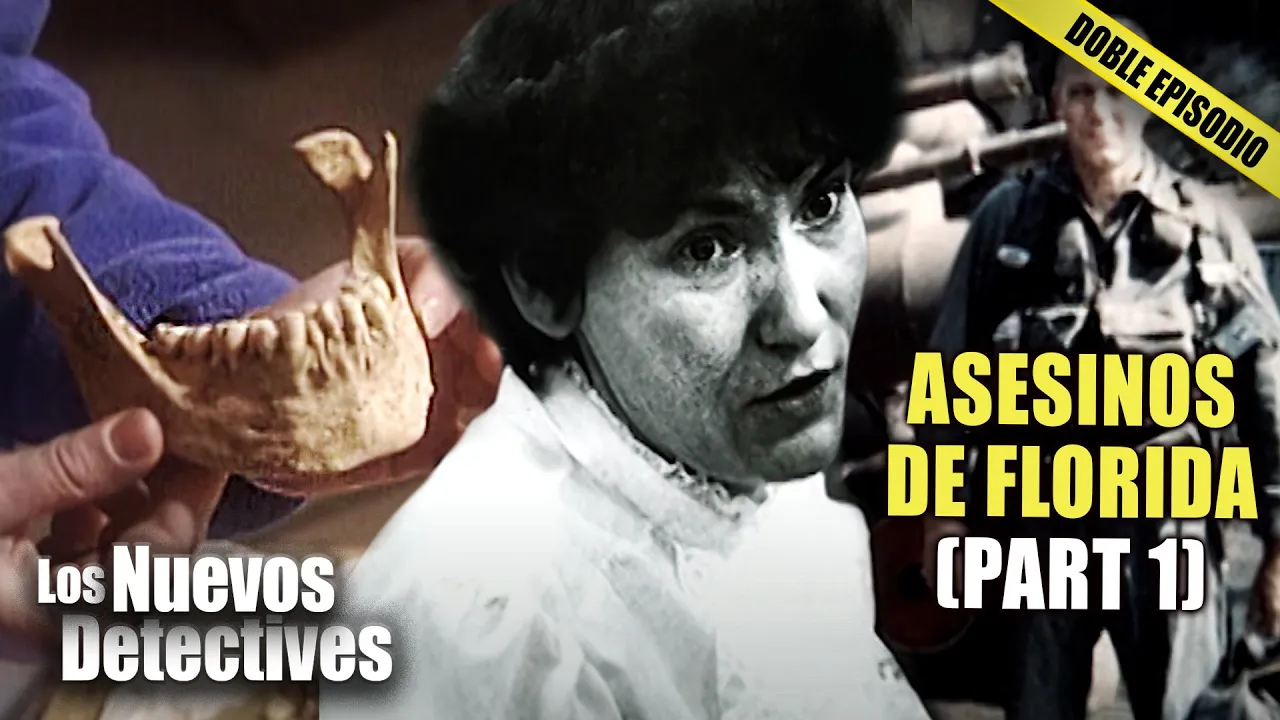
Forensic science enables the identification of military personnel through DNA analysis and skeletal examination, allowing investigators to solve crimes and identify remains even when bodies are destroyed or fragmented. DNA fingerprinting uses mitochondrial DNA extracted from bone samples to match against living relatives, while skeletal analysis reveals physical characteristics, age, health conditions, and causes of death through bone structure, wear patterns, and trauma evidence.
Forensic Science: Military Murder Investigations & DNA Analysis
Added:Basic genetics and DNA structure, including concepts like Polymerase Chain Reaction (PCR) and Short Tandem Repeat (STR) analysis.
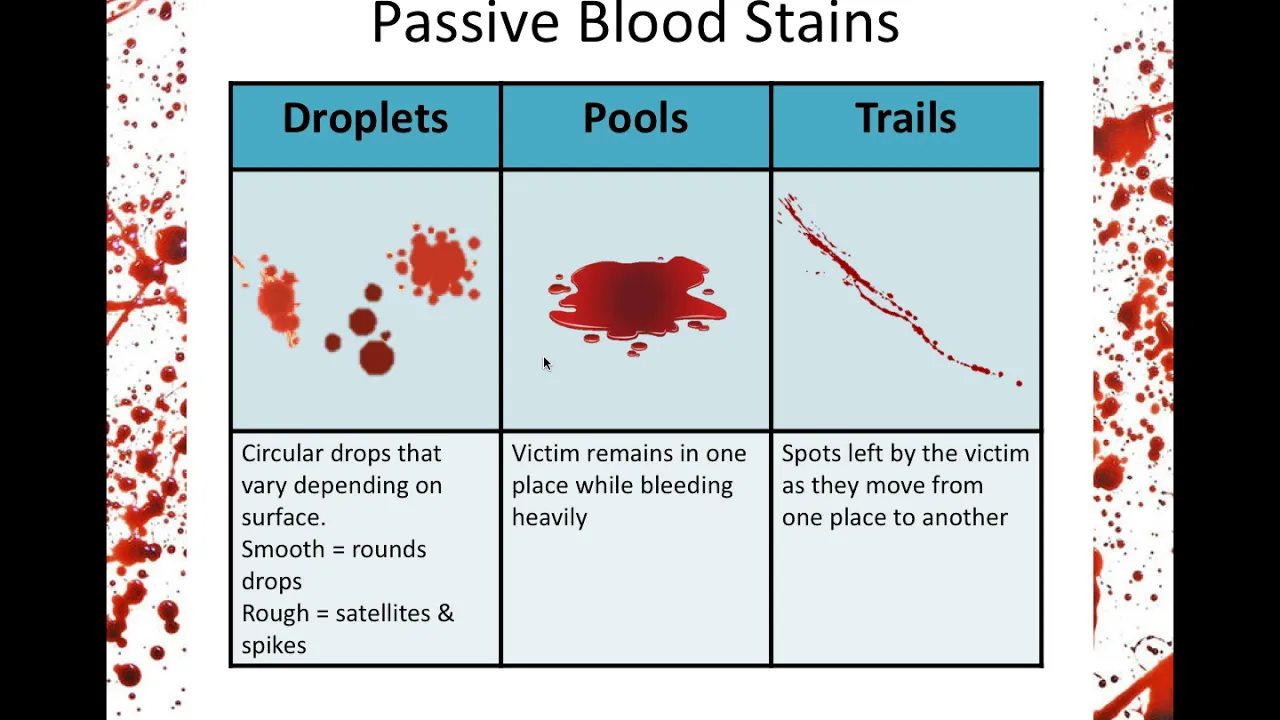
Fundamentals of physics and geometry applied to fluid dynamics, essential for calculating blood spatter angles of impact and trajectories.
Human osteology and skeletal anatomy, which form the basis for identifying and reconstructing historical human remains.
The jurisdictional structure of military justice systems versus civilian law enforcement, specifically the role of organizations like NCIS.
Advanced DNA phenotyping and investigative genetic genealogy (IGG) to identify unknown suspects and remains.
Forensic taphonomy and decomposition chemistry to accurately estimate post-mortem intervals in diverse environmental conditions.
The application of 3D scanning, photogrammetry, and virtual reality in crime scene reconstruction and courtroom presentations.
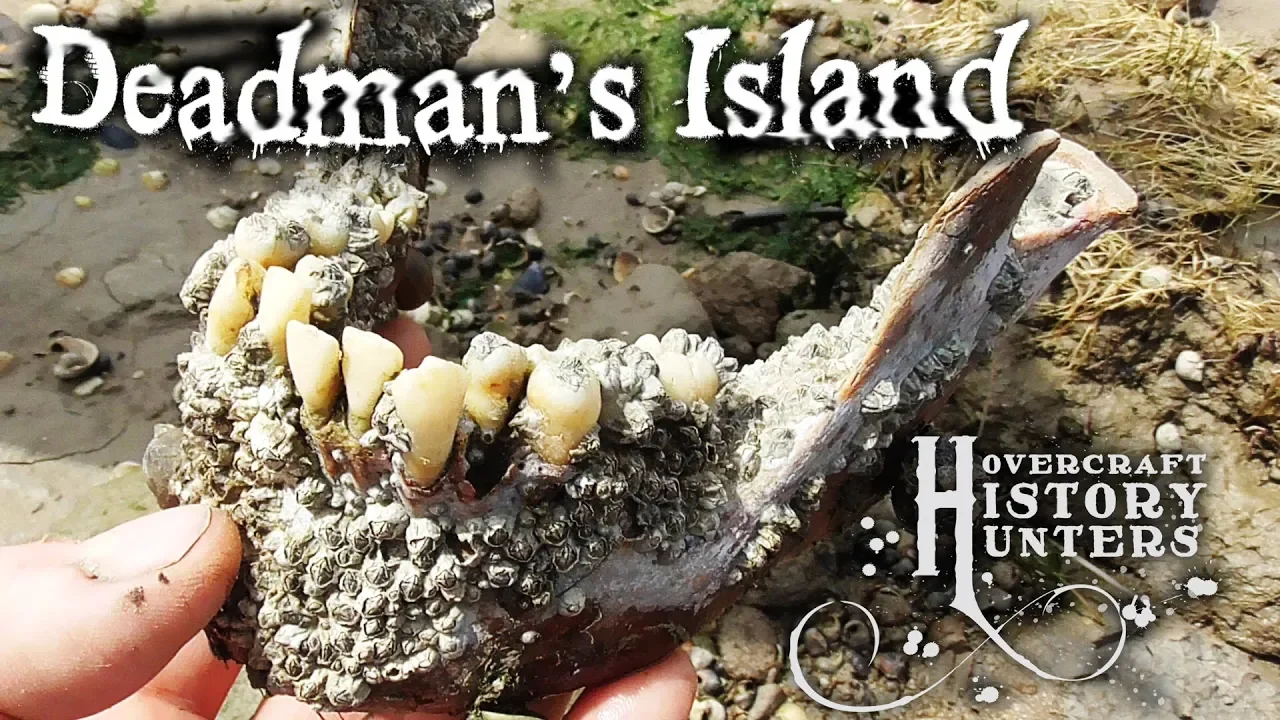
Analyzing real-world historical cold cases and battlefield archaeology through the integration of historical archives and modern forensic science.
161.7K views1.3Klikes1:44:10Original Release: 2022-11-19
foreign North Carolina a Marine's estranged wife disappears without a trace with no body and little physical evidence Naval investigators struggled to determine her fate the remains of a young woman are found burning near a rural South Carolina Road for five years her identity and that of her killer remain a mystery Virginia a sailor in the United States Navy is found murdered in a vacant lot investigators must look among his Shipmates to find the Killer violence is an inescapable reality of contemporary life and Navy sailors and U.S Marines are not Beyond its reach [Music] when those who defend their country commit murder it falls to Special Agents of the naval criminal investigative service to ensure that no one escapes military Justice [Music] foreign North Carolina's Camp Lejeune is one of America's largest training grounds for the U.S Marine Corps [Music] but even here where honor and loyalty are virtues betrayal and murder exist on March 27 1999 Marine Corps Sergeant Whitman Wallace reported his estranged wife 25 year old Tanya missing to military police though he and Tanya were separated their four-year-old daughter had been staying with him for a few days ex-wife actually Tanya was supposed to pick her up after she got off work the previous evening but she never showed [Music] Tanya's roommates hadn't seen her either and they said that her vehicle was also missing [Music] Tanya had run off with another man [Music] the case was turned over to the naval criminal investigative service or NCIS [Music] an elite civilian federal law enforcement organization whose mission is to protect and serve the Navy and Marine Corps and their families special agent Robert Bratton who headed up the major case Response Team began the investigation into Tanya Wallace's disappearance there were some very real concerns about a mother of a four-year-old child who was very close to her child leading without any comment to the family that she was staying with at the time a few hours after the missing persons report was filed word came in that Tanya's abandoned car had been found security guards at a nearby store had noticed it sitting in the parking lot since early that morning [Music] an examination of the vehicle's exterior revealed the presence of small traces of human blood on the door handle all right agents and military police quickly spread out and began scouring the area for any signs of the young mother [Music] but hours of searching fail to produce any clues to the missing woman's whereabouts [Music] detailed analysis agents had to consider that with an impending divorce Tanya Wallace might have gone missing on purpose looking for answers agents went to check out her apartment and interview her roommates one confirmed that recently Tanya had begun dating another man but he was in the Navy it was it was ployed overseas [Music] Tanya had made no mention of plans to travel [Music] ending her relationship with the abusive Whitman Wallace nothing seemed to be troubling her the roommate added that since her split with Wallace Tanya had become upbeat and excited about the new life she had ahead of her foreign she was committed to her daughter's happiness and her roommate could not believe that Tanya would simply abandon her four-year-old leaving her estranged husband to raise her [Music] based on interviews of her girlfriend that she was living with the fact that she had never left the child alone for any period of time in fact was uncomfortable leaving her child with the father for any extended periods of time we relatively quickly ruled out the the idea that she had probably left with somebody willingly yeah I'll take it before leaving agents collected Tanya's toothbrush and a hairbrush for future DNA comparisons [Music] though agents remained hopeful that Tanya Wallace would turn up unharmed all the signs were pointing to Foul Play when are we going to start searching but so far they had no physical proof that a crime had taken place [Music] Sergeant Whitman Wallace was brought in for questioning free to leave at any time he insisted he had nothing to do with Tanya's disappearance so they couldn't seem to make their marriage work he still loved her and their four-year-old daughter he said that on the night Tanya disappeared he had been assigned to work desk Duty from 11 pm until early the next morning [Music] he said he never left his post [Music] agents contacted Wallace's assistant who also worked that evening he confirmed that Wallace began his shift at 11 o'clock [Music] but 30 minutes later Wallace asked him to watch his desk polish said his wife hadn't shown up to pick up their daughter and he needed to go back home and look after her until Tanya arrived [Music] Wallace left and eventually returned two hours later and so agents realized that Sergeant Wallace had lied when he claimed he never left work that night [Music] ow they needed to find out what he was trying to hide [Music] they turned to the only piece of physical evidence they had a week after she was reported missing NCIS special agent and forensic consultant Mike Maloney began examining Tanya's vehicle as soon as we opened the door it was obvious that there was a great deal of blood in the car it couldn't be seen from the outside the interior of the vehicle was or was very dark dark colored carpet dark colored seats and interior but once we opened the door it was apparent that there was blood the carpet revealed a large blood stain approximately 16 inches long and 13 inches wide owners removed it for a more detailed analysis [Music] the DNA profile of the blood found in the vehicle matched those generated from the samples collected from Tanya's residence [Music] hi Bob it was clear that something violent had happened to Tanya from the pattern but without a body agents were unable to prove that she was dead special agent Mike Maloney devised the blood volume analysis experiment that could provide them with that proof we felt that we could show that she had lost so much blood in that vehicle that she couldn't possibly be alive agent Maloney first needed to determine how much blood it would take to create the same size stains as those left on the vehicle's carpet [Music] they obtained carpet samples from the Vehicle Manufacturer and saturated them with human blood examiners determined that 1850 milliliters of human blood or nearly four pints was necessary to create a similar size stain and that would be nearly half of Tanya Wallace's total blood volume no one could have survived such severe bleeding without medical assistance [Music] for agents there was now no doubt that Tanya Wallace was dead and they were equally convinced that her estranged husband Sergeant Whitman Wallace was responsible but so far they had no hard evidence to prove murder with nobody and only a blood-stained carpet to work with forensic examiners of the naval criminal investigative service proved that missing 25-year-old Tanya Wallace was dead an NCIS special agents believed her estranged husband Marine Corps Sergeant Whitman Wallace had killed her but they lacked physical proof and Wallace was no longer cooperating [Music] believing the suspect may have tried to throw away evidence of his guilt agents began searching the dumpsters surrounding Wallace's barracks had already been empty NCIS special agent Robert Bratton refused to give up though it seemed like a long shot he contacted the area landfill where all of the trash from the Camp Lejeune dumpsters is brought [Music] they can tell you where trash that's picked up and delivered that day or any particular day is within just a few feet we asked them at that point to isolate the trash that was delivered on Monday and Tuesday of that week Marine's chemical biological incidence response Force located that spot and began sifting through the mountain of debris after hours of searching the team found and collected a large green military-issue sweatshirt and some women's clothes [Music] all of the items were covered with what appeared to be blood stains garage sales DNA tests on the items of clothing showed that all of the blood had originated from Tanya Wallace and for special agent Mike Maloney it appeared that Tanya had been wearing the clothing at the time of her death except for one item the green sweatshirt we were curious as to who the sweatshirt belonged to though the staining was on the outside of the sweatshirt and saturated to the inside so we're fairly certain it wasn't something that Tanya was wearing the night that she was killed We examined the neckband of the sweatshirt and also the armpits and there was quite a bit of uh debris of old skin cells of sweat and sweat saturation examiners were able to extract minute traces of DNA from the skin cells found on the sweatshirt [Music] analysis showed that the DNA was consistent with having come from Sergeant Whitman Wallace believing they were closing in on Tanya's killer agents searched Wallace's Barracks room Wallace was in the process of moving out and the place had been thoroughly clean I don't know what they'll turn out to be when agents applied luminol and darkened the room large stains emerged on the tile floor [Music] tests confirmed that the blood was human but the stains stopped abruptly where the carpet began no blood was present beyond the tile flooring convinced Tanya had been murdered inside Whitman Wallace's Barracks room agents began interviewing other Marines who lived in the same complex what do you happen one Marine recalled that a few days after Tanya was reported missing Wallace paid him a visit is probably it's probably no big deal I appreciate it he said that he had an inspection coming up and the carpet in his room was muddy and it would never pass Ed Wallace asked to switch the carpets and the barracks made agreed but after the inspection was complete Wallace never returned to switch the rugs back I'll give you a call all right all right later okay in fact it was still lying on the Marines floor you have his rug now yeah hoping the rug contained the evidence they needed to prove Whitman Wallace was a killer agents collected it and brought it to the lab for testing [Music] agent Maloney examined the carpet we did the luminol test and we found the rest of the missing pattern from that stain by the door they match together perfectly just like a puzzle piece a very large saturation stain of what was later positively identified as Blood on the carpet that matched that pattern that had been so sharply cut off on the tile floor DNA testing revealed that the blood on the rug as well as the blood on the tile floor was consistent with tanyas [Music] now had enough evidence to make their case Sergeant Whitman Wallace was placed under arrest and charged with murder based on the evidence agents believe that Whitman Wallace was unwilling to give up custody of his daughter resentful of having to pay child support [Music] on March 26 1999 after getting off work Tanya went to her estranged husband's Barracks to pick up her daughter Whitman Wallace had made sure he would be there when she arrived with the couple's four-year-old daughter asleep in the next room while a savagely beat Tanya to death [Music] he put her bleeding body into her vehicle drove to a remote site and buried her at a general court martial Sergeant Whitman Wallace pled guilty to kidnapping and unpremeditated murder he was sentenced to 30 years in prison and as part of the plea agreement Wallace LED authorities to Tanya's remains even without the victim's body NCIS special agents were able to quickly expose the deadly violence of a Marine Corps sergeant but in South Carolina it would take Naval investigators years to unravel one Killer's deadly scheme [Music] on November 6 1989 a man driving along an isolated Road in Jasper County South Carolina noticed something burning on the side of the road appearing it could spark a larger fire he went to extinguish it fire was emanating from a large green duffel bag and inside the bag the man saw what appeared to be the charred remains of a human body he called 9-1-1 deputies from The Jasper County Sheriff's Office raced to the scene [Music] the person found inside the duffel bag was burned beyond recognition [Music] and the skull had been smashed [Music] the only clue to the victim's identity was a unicorn print nightgown that had survived the blaze indicating this person was likely female thank you according to Jasper County detective Sam Woodward investigators found little else only thing we had was a a female body in a duffel bag that was set a fire um basically that's all we had we didn't have no Footprints uh no tire tracks nothing like that believing that the victim's identity would reveal her killer police hoped an autopsy would yield valuable information [Music] the weight 165. analysis of the remains led the medical examiner to conclude that the female victim was Caucasian around 25 years old with dark brown hair an enlarged uterus indicated that she had recently given birth her death had been brutal she had been hit in the head 32 times with a blood instrument police entered what little information they had into a national law enforcement database containing descriptions of missing persons so check all local missing persons reports but none of the reports matched the description of this Jane Doe authorities knew their only hope of identifying this victim was to reconstruct her face as it had been in life foreign for help police called upon the expertise of Dr Ted Rathbun professor of anthropology at the University of South Carolina he quickly realized this task would not be easy and a complete human skull there are 22 separate bones of the skull and phase but in this instance due to the massive trauma there were at least 122 fragments to deal with some as large as the palm of your hand others as small as half of your little fingernail so that it really was a jigsaw puzzle a three-dimensional jigsaw puzzle after eight days Dr Rathbun had successfully rebuilt the skull I was able to provide law enforcement and the forensic artists with a completed skull that was held together with glue with supporting sticks and Clay so that photographs could be taken and oriented representing an individual with a distinctive facial structure forensic artist Roy Pascal of the South Carolina law enforcement division was brought in it was now up to him to bring this victim to life [Music] after placing rubber markers at certain points in the skull to indicate the depth of the flesh Pascal photographed the evidence then he began drawing the face of the victim by hand in pencil [Music] four months after her body was found Jane Doe finally had a face hoping to spark some recognition from the public the victim's image was distributed throughout the area to the media and to local law enforcement agencies but no leads were developed five years went by without a break in the investigation just got photographs it began to look as if this case would never be solved for investigators it seemed that the identity of Jane Doe and that of her killer would remain a mystery [Music] for nearly five years a female victim found burning along a Jasper County South Carolina Road remained unidentified [Music] although forensic examiners had given Jane Doe a face her name and the circumstances surrounding her death remained a mystery foreign years of searching through missing persons reports failed to produce a match [Music] and by 1993 missing persons cases filed in South Carolina had reached an all-time highs but the rash of reported cases was not limited to the civilian population Agents from the naval criminal investigative service stationed in Charleston were also inundated with similar cases involving military personnel and members of their families foreign though they had formed a Cold Case Squad to deal with the volume their caseload continued to increase [Music] in October of 1993 agents responded to the home of Kathy French [Music] her lifelong friend 28 year old Annie tahan hadn't been heard from in nearly five years at the time of her disappearance Annie had been living with her boyfriend Michael Pollan a sailor stationed in Charleston and though Annie and Michael had had a child together in 1989 their relationship had been troubled [Music] just after Annie became pregnant Michael grew violent and abusive toward her [Applause] [Music] he would explode into a rage for no particular reason and threatened to leave her and take their baby with him Annie began to fear for her life but she vowed she would never give up her child [Music] a short while later Kathy moved out of state and after giving birth to her baby Annie wanted to join her but was reluctant because Michael Pollan had had her arrested once before on bogus kidnapping charges a few months later Annie called her she was ready to leave Charleston with her baby and come stay with Kathy Kathy said she wired any money for bus fare but never heard from her again since the father of the missing woman's child was a sailor in the United States Navy NCIS special agent Jim griebus agreed to open an investigation [Music] but given the couples tumultuous relationship he had to consider that Annie's disappearance had been intentional uh we felt that maybe she was in a bad relationship with Michael Pollan and that she could have just fled and um that was a possibility we had to rule out a records check showed that Electronics Warfare Chief Michael Pollan was currently stationed at a naval base in Hawaii agent griebus contacted agents there and asked them to speak with Balan [Music] Michael Pollan told the agents that on the morning of November 6 1989 he woke to find that Annie had left him and the baby at what location he remembered that she'd called a few days later but didn't say where she was or what her plans were [Music] hadn't heard from her since Milan added that his mother who currently lived in Savannah Georgia had since adopted their daughter [Music] Naval investigators didn't believe palan's story for them there was only one explanation as to why Annie tahan was not with her baby [Music] we felt that if she was going to leave what she wanted to do she would have taken that child that was the one thing she wanted was to take that child with her she did not want to lose that child it didn't take us very long to form the opinion that she had she had been murdered agents believe that Michael Pollan had killed Annie tahan but so far they had no proof amen they began reviewing dozens of unsolved murder cases from throughout the state is this in one of the files dating back to 1989 agent griebus made a startling discovery that was a forensic a drawing of a young lady that had been found in Jasper County on November 6 of 1989 and I took this Photograph I had of Annie and I I looked at both of them and I knew right then that this was Annie and that we had just found her DNA analysis confirmed that the mysterious Jane Doe was in fact Annie tahan and now Naval Chief Michael Pollan was the prime suspect in her murder investigation well I went up the sled yesterday and I met with them but NCIS special agent Peter Hughes knew that finding proof of his guilt would be difficult the problem we were confronted with was the fact that we were working a homicide case six years after the fact so to start from ground zero and try and put these facts together was going to be a tremendous hurdle for all of us results for the credit card agents and local authorities began by trying to retrace palon's movements at the time of the murder in Hardeeville they sifted through his phone records for November 6 1989.
on several calls placed to a number in Savannah Georgia located a hundred miles away the number belonged to palan's ex-wife [Music] unsure of the connection local police obtained her financial records they found a receipt dated November 6th from a gas station located 25 miles from where Annie's body was discovered [Music] investigators began to theorize that Michael Pollan had not acted alone agents traveled to Miami where polon's ex-wife currently lived though she denied any knowledge of Annie's murder she remembered that one morning in mid-november 1989 palan called her [Music] he said that Annie had recently left him and he needed her to help take care of the baby she agreed and drove to palan's apartment in Charleston a day or two later to pick up the child but the phone records and gas receipts proved that she had traveled to the apartment on November 6th the same day Annie was murdered when it came to dates and times she couldn't seem to keep her story straight agents confronted her with the receipts and asked if they would help refresh her memory once she realized we knew she was in that apartment at about the time that Annie was murdered she knew we had her knowing she could be implicated in the murder the ex-wife agreed to cooperate she said that Michael Pollan didn't want any in his life anymore but wanted the couple's baby knowing Annie would never give up her child law Allah wanted to kill her and the ex-wife agreed to help him pull it off [Music] foreign [Music] in the early morning hours of November 6th Milan called her and told her it was done and he needed her help in cleaning up the apartment [Music] when she arrived just after Dawn she noticed blood everywhere after helping palan load Annie's body into the trunk of his car body she helped him shampoo the carpets and paint over the blood spatter on the walls the information had brought agents one step closer to making their case now they needed to find physical proof that Michael Pollan had done what his ex-wife had accused him of [Music] she agreed to take agents to Poland's old apartment and walk them through the crime scene though the apartment was now vacant the ex-wife was able to point out where Annie's body had been on the carpet she also described the pattern of blood spatter on the walls and ceiling but no blood was visible and after so many years agents were skeptical they would find any where still agents darkened the room and applied luminol throughout the area to their surprise blood was still present and the locations of all the stains were exactly where the ex-wife said they would be [Music] though the findings had corroborated the ex-wife's statements and provided powerful evidence of palon's guilt agents knew it didn't prove Beyond a reasonable doubt that he was the killer [Music] because when you look at the facts of the case a defense attorney can easily say that this was a jealous wife who killed her not pull on but a jealous wife agents needed to get Michael Pollan to confess to the murder [Music] with the ex-wife's help Agents Set a trap she would phone Pilon and coax him into talking about the murders interesting enough the opening comment that his ex-wife made was Michael they found the body I found Annie and his reply was no they didn't which was was a major significance in that he an innocent person of course is going to say what are you talking about body I don't know what what are you talking about but now he's he's on the phone and he's telling us no the police didn't find the body after several days of intercepting phone calls agents had heard enough well did you hear him deny three weeks before he was scheduled to retire from the Navy Chief Michael Pollan was placed under arrest and charged with the murder of Annie tahan foreign with the evidence amassed against him Milan confessed to the crime determined to keep his child he said in the early morning hours of November 6th he returned home from work to find Annie sleeping in front of the TV using a blunt instrument he beat her to death to conceal his guilt he placed Annie's body in a duffel bag and drove to a deserted Country Road threw gasoline on the body and lit it on fire at a general court martial convened at the naval station in Mayport Florida Michael Pollan pled guilty to the premeditated murder of Annie tahan he was sentenced to 30 years at the Leavenworth federal prison address for comparisons betrayal by a husband or a wife has become all too common this is our girl or somewhere along the way but military buddies claim to be loyal friends to the end much in the eyes on the morning of April 23 1998 a man pulling up weeds near an apartment complex in Newport News Virginia noticed something lying in the grass [Music] when he approached he saw that it was a human body and the male victim had been shot to death the man went to a nearby apartment and called 9-1-1 officers from the Newport News police department responded to the scene [Music] they began searching the victim's pockets for any clues to his identity inside a wallet they found several hundred dollars in cash and an ID card the victim was 23 year old Stephen November a sailor stationed aboard an aircraft carrier at the nearby Norfolk Naval Base had been shot five times but the lack of any stray bullets or shell casings at the scene combined with scuff marks observed on the victim's shoes LED police to believe that Stephen November had been murdered elsewhere then brought to this remote location no one who lived in the area had seen or heard anything unusual at autopsy the medical examiner determined that the cause of death was a nine millimeter gunshot wound to the to them's head four other bullets recovered from November's head and chest appeared to have been fired from the same weapon [Music] solid suspects police knew that finding this young sailor's killer would be a difficult challenge police in Newport News Virginia continued searching for answers in the shooting death of 23-year-old Stephen November an enlisted sailor in the United States Navy [Music] with little physical evidence to go on police hoped a search of his residence would yield some Clues police scoured November's records foreign document caught their attention it was right here it was a transaction record in Stephen November's name for a nine millimeter handgun the same type of gun that had been used to kill him but a thorough search of the apartment failed to produce the weapon [Music] looking to uncover any information detectives contacted the victim's commanding officers at the Norfolk Naval Base but nothing in November's record suggested any problems he was a dedicated sailor and was well liked by his Shipmates hoping to retrace November's movements on the night he was murdered detectives arranged to interview his friends and Shipmates Airman Apprentice Hector Coleman said he and another friend were with November the night before his body was discovered the three had gone out to run a few errands that evening [Music] the driver Carlos Saldana to drop him off at a nearby convenience store November said he had some things to do and he would meet up with him later he had just cashed a large tax refund check and was carrying over two thousand dollars in cash [Music] the two men watched November enter the store and then drove away this cool guy Coleman said they never saw their friend after that Airmen recruit Carlos Saldana who had been driving the car that night was also interviewed there we go he told the same story as Hector Coleman but almost immediately police sensed that Saldana was not telling the truth Newport news homicide detective Lorenzo Shepard observed the questioning why he was being questioned he was appeared to be very nervous he was very fidgety uh he wouldn't look you directly in the eye and those normally are sound are signs of individuals who are being deceptive or not being truthful when discussing something detectives asked Saldana to take a polygraph test when the results indicated deception he decided to talk [Music] Saldana said the three had gone to the convenience store that night but they did not leave after November went inside about 30 seconds the victim got into the back seat of the car a few minutes later and they drove away he said Hector Coleman then pulled out a nine millimeter gun and shot Stephen November [Music] the motive behind the murder according to Saldana was robbery Saldana had no idea where the murder weapon currently was but he knew that the gun belonged to Stephen November Carlos Saldana and Hector Coleman were both placed under arrest and charged with murder Coleman denied any involvement in the shooting with Saldana's confession police believed they had an airtight case but a month before the case was scheduled to go to trial an inmate serving time with Saldana in the city jail came forward with information I've already been here for three months I don't uh everybody Carlos Saldana had bragged that he was the one who actually murdered Stephen November he told the inmate that he had pinned it on Hector Coleman in order to avoid the death penalty [Music] the inmate had provided reliable information in the past and police had no reason to doubt him now just let me know investigators strongest witness had confessed to being the trigger man and now a month before the trial they were back to square one three of the questions investigators knew that one of the two men in custody was responsible for Stephen November's murder till they could prove who had pulled the trigger they knew they could never win a conviction [Music] police in Newport News Virginia had two enlisted men in custody for the murder of Stephen November a 23-year-old Navy sailor found shot to death in a vacant lot though Carlos Saldana told police that his friend Hector Coleman was the killer Saldana later admitted to an inmate that he had actually pulled the trigger with the trial just weeks away investigators were now in danger of losing their case but they had another option one that would allow investigators more time to build a solid case [Music] Newport News authorities dropped all of the charges against Hector Coleman and Carlos Saldana and turned the case over to prosecutors of the Navy's Judge Advocate General Corps referred to as Jag who shared jurisdiction in the investigation Jag officer Lieutenant Commander Scott Lang took the case little physical evidence he had to prove which of the two witnesses was telling the truth [Music] the challenges in this case were that we had only two witnesses and both of them had a huge motive to lie no one wants to get pinned with being the actual trigger man in a murder so we did not want to commit our prosecutorial efforts to any one Theory based solely on the word of someone with a motive to lie for help Lieutenant Commander Lang turned to Special Agents of the naval criminal investigative service located in Norfolk Virginia agent Bill Heath was assigned the case his first step was to determine the truthfulness of Carlos Saldana's claim that Hector Coleman committed the murder inside his vehicle we wanted to go back to that vehicle and determine the feasibility of Mr Saldana's statement could this shooting have occurred in this vehicle as he described that was that was their primary objective is it possible an initial inspection of the vehicle however revealed no visible traces of blood or any other signs of violence the search of Saldana's vehicle was turning up nothing it seemed that agent's best chance of exposing Stephen November's killer was slipping away but NCIS forensic examiners are trained to look past the obvious special agent Mike Maloney removed the rear seat of the vehicle where Stephen November had allegedly been sitting when the murder occurred when he split the seat cushions open he found the underlying foam cushion soaked in blood [Music] DNA analysis confirmed that the blood stains had come from Stephen November's body using a projectile trajectory analysis agent Maloney Now set out to prove where the shots had come from projectile trajectory analysis is a method by which you take the injuries or the wounds that occur to the individual and also any intermediate targets that the bullet may have passed through be it the clothing be it the seat itself a wall a window and by lining those up you're able to determine where the likely point of origin of that shot was a mannequin with Stephen November's bullet-ridden shirt was placed in the back seat of Saldana's car using the blood stains in the seat cushion to approximate the victim's position agent Maloney concluded that the path of the bullets must have originated from the front passenger seat Carlos saldano was known to be The Driver the night of the murder agents could assume that Hector Coleman had occupied the front passenger seat position [Music] but for special agent Heath that was not enough he needed to locate the murder weapon which he believed was Stephen November's missing nine millimeter gun a short while after entering the serial number into a national law enforcement database he got a call police in Brooklyn New York had arrested a man on a burglary charge and in his possession was Stephen November's nine millimeter handgun when the gun was recovered I was uh extremely happy that that we had found that proverbial needle in a haystack the next hurdle was determining is this the murder weapon or not after ballistics tests confirmed that November's gun had fired the Fatal shots agent Heath traveled to New York to find out how the gun got there the man in custody claimed he bought the gun from a friend of his reluctantly he provided agents with the name and number of the seller [Music] agents contacted the man who had sold the gun fearing for his own safety he agreed he agreed talk but only in a secluded spot and a nearby park [Music] when shown photographs of the suspects he pointed to Hector Coleman an old childhood friend as The Man Who Sold him the nine millimeter gun [Music] Coleman told his friend that he had used the gun to commit a murder when now he needed to get rid of it once I was able to locate the witness in New York that actually purchased this nine millimeter from Mr Coleman his testimony became absolutely tremendous because here we have a disinterested third party who in a casual conversation with Mr Coleman was given all the details of the crime though agents have no idea why Carlos Saldana had bragged to an inmate that he had pulled the trigger they had proven that Hector Coleman had murdered Stephen November [Music] for entering the convenience store November asked his friend Hector Coleman to hold on to his nine millimeter gun after driving away Coleman said he wanted to fire the gun into the air he asked November to make sure there were no police around when the young sailor turned his back foreign he then robbed him of nearly two thousand dollars in tax refund money then had Saldana drive to a remote location where they dumped the victim Saldana later claimed that Coleman threatened to kill him too if he told anyone about the murder Carlos Saldana pled guilty to one count of accessory and two counts of false official statements he was sentenced to eight years confinement a general court-martial was convened for Hector Coleman on August 18 1999. he was found guilty of the robbery and murder of Stephen November he was sentenced to life without parole in a federal prison violent crime poses a threat to every segment of society but when a murder occurs within the United States Navy and Marine Corps it falls to Special Agents of the naval criminal investigative service to make certain that no one escapes military Justice [Music] foreign [Music] [Music] [Music] foreign a jigsaw puzzle of life and death lies in pieces it is a story written in the blood of young people defending a country a cause an ideal [Music] some live to return safely home and some did not others disappeared on a Brisk Autumn morning in Upstate New York the Earth yields the victims of a Savage World War waged more than 200 years ago half a world away dense jungle guard secrets of soldiers gone but not forgotten today a new breed of forensic detectives pieces together their terrible Final hours in ways never before possible how these people lived and died is written in their bones after long years of lying silent they begin to tell these soldiers stories [Music] foreign [Music] as the Ancients have said the war is not over as long as the last slain Soldier remains unburied [Music] although the unknown soldiers that lie here are in fact buried no families were ever notified no loved ones ever appeared by the grave who these people were the pain and fear they suffered how they died all these Mysteries are sealed forever beneath impenetrable marble slabs [Music] today thanks to modern science no one in the United States military need ever again become an unknown during Operation Desert Storm in 1990 for the first time in history the identity of two servicemen was established by extracting DNA from their shattered remains and matching it against the DNA of living relatives a costly and difficult process now to more easily trace the names of War casualties blood is taken at recruitment to predetermine each person's DNA pattern as unique as their fingerprints DNA deoxyribonucleic acid is the blueprint of life the chemical essence of genes it exists in all cells of the body and carries the information for eye color race height and other traits today the technology to decipher DNA is so precise that recruits go off to war with a kind of genetic dog tag on file with the government hundreds of samples a year arrive at the Armed Forces Institute of pathology outside Washington DC the laboratory which is the largest of its type in the world processes and stores the genetic material a computer checks name and social security number and prints labels for each packet [Music] maintained under tight security the data may not be released except by court order [Music] more than a million samples are already placed in deep freeze each representing a unique human being Deputy program manager is James kennick area where we for those who have ever visited Arlington or any military cemetery probably one of the most moving things is to see a grave that doesn't have a name on it and of course the inscription reads here lies and honored Glory an American Service member known but to God and we hope that in our little operation that we have here that we will preclude that from ever happening again the first major war in which Americans fought and died was more than a decade Before the War of Independence the Tranquil region now known as Lake George New York was the scene of some of History's bloodiest fighting 54. France and England clashed in a mighty struggle for control of North America the brutal French and Indian War raged for nine years and spread to every country where Britain and France had territorial interests called the first true World War by 1763 with the French thoroughly defeated the English ruled most of North America including the 13 colonies a strategic British Outpost during the war was Fort William Henry in the 1950s the site was developed as a tourist attraction excavations of the Old Fort guided Architects during Reconstruction while digging scientists stumbled on an undisturbed burial ground today a team of anthropologists and volunteers begin to piece together the story of how these soldiers lived and died what they on Earth is one of the most gruesome stories in the owls of War forensic anthropologist Mariah Liston first began working with the Fort William Henry burials in 1993 her colleague Brenda baker has worked with her since the beginning of the project Liston and Baker know from patterns in the earth that they are guaranteed to find burials here this is the outline of one of the rectangular grave shafts it extends from that corner to the head would be right here we can tell it's a grave shaft because the Disturbed soil from digging this hole has been thrown back in and we get this modeled coloration that contrasts very strongly with the undisturbed sand in this area over the course of 10 days mounting excitement is tempered by the patience and precision for which every Anthropologist is trained as they carefully remove the Earth within the grave shafts the top of a skull finally emerges I think this is really one of the most exciting parts of this because this is the first time this person has been seen since he was laid to rest and you get an idea as you uncover his face of something about what he looked like and who was [Music] slowly the extent of the vine becomes evident remarkably the skeleton seems intact when we first discovered something new some specific bit of information we haven't had before it's exciting to have another piece of the picture and to know that we're filling out the puzzle a little bit more with each of these discoveries as I often wonder what happened to their families did the families ever learn that these men had died or what they died from and who they left behind many of them probably had wives and children in other places they're all pretty young they're as young as about 14 or 15 up to early 20s most of them that are a little bit older but they're they're late teens and early 20s skeleton is removed for preservation and study listing carefully documents its exact position even now she begins to recognize the telltale signs of a vicious War etched in these bones it looks like this is one of the soldiers that has been doing a lot of really heavy labor there's a lot of wear and tear on all of his joints the muscles in his back get torn from The Soldier's bones under the constant stress of carrying heavy loads and his ribs became fused to the vertebrae he must have been in constant pain if left exposed to the elements the bones would deteriorate over time working well into the night the team removes and labels each bone fragment to take to the lab I'm suspicious about this break in the back of the skull it looks like something that may have happened while the bone was still fresh could easily be what killed thank you uh his face is going to come away as the fragile skull is pulled from the earth the bones crumble the skull apparently was crushed by the weight of the soil what a shame it's this bad fracture here on the bottom too then comes across and gets you know that as well let me be able to see something a little bit more clearly when we get that all cleaned up two small buttons are found with the skeleton they appear to be military but the team can't be sure until they have been removed one was found in the pelvic cavity of the skeleton and the other seems to be attached to an unidentified material and it looks like it's attached to either leather or it may very well be part of his skin copper often preserves organic tissue very well American militia fought alongside the British at Fort William Henry items like buttons and fabric May provide clues to rank and nationality painstaking work cleaning sorting and documenting The Remains will take more than a dozen people weeks to complete socket some artifacts found with the bodies can be identified others remain a mystery but many of the pieces in this detective story finally begin to take form more than a pile of bones a young Soldier has emerged from the depths with a story he waited centuries to tell so those two weeks into the excavation as winter closes in one complete burial has been on Earth and several others are still being excavated the team's task now is to try to read the life history that is written in the bones first thing that we can do is take a look at the skull and some of the features on the skull that indicate he's a male if you look at the area over his eye orbits you see that it's fairly well developed and there are brow ridges essentially there and that's a feature that you find in men women's foreheads tend to be a little bit higher this one slopes back a bit so that's an indication that this is a man this is his jaw his lower jaw and you can see it's very large and robust and his chin is extremely square and this is another feature of a male next they must determine the person's age at death and if you look at the ends of his bones and his arms and legs you can see that they're completely fused together in younger individuals you would see separate caps at the ends of the bones and because those caps have fused on we know that he's at least more than about 18 years old we can see that his molars are all completely erupted here including his wisdom tooth and that usually erupts when you're about 18 to 21 years old so again another indicator that he's an adult male many other questions remain what was life at Fort William Henry like for this man what was the condition of his health most of the younger individuals had very severe arthritis the only place where he has any significant arthritis is here in his right elbow and this is the forearm this is the bone where it hooks over your upper arm and allows you to move it back and forth like that and if you compare the right elbow to the left elbow you can see how much rougher this surface is here on the right so this means he had a lot more action in his right arm and because of the arthritis showing up just in his right elbow it suggests that he's a right-handed man we have another clue that he was right-handed because he's got where on some of his teeth on his lower jaw and you can see it's beveled right on these cusp surfaces here so he's probably clenching a pipe over on the the left side of his jaw and that's what would have caused that kind of strange wear pattern on his lower teeth and because he was clenching that on the left side of his jaw he was probably right-handed you would put the pipe in the left side of your mouth and use your left hand to take the pipe in and out foreign yet The Soldier's most constant enemy was not a bullet but this is smallpox influenza and tuberculosis ran rampant this group of skeletons is more sickly in worse shape than anything I've ever worked with I've looked at people as old as about 3000 years old and modern more modern populations as well and yet this is the most diseased group that got the most injuries all the way around there's more pathology here than anything although more soldiers died from disease than war-related injuries the battle picture that emerges becomes increasingly grim this Soldier is an example of one that was shot there's this depression that caused the bone to be crushed here and another one at the top of the bone here you can actually see the rounded depression of the musket ball a lot of the soldiers that we found died from blows to the head here something struck the soldier and punctured the bone forcing fragments inside the skull and also fracturing it here down toward his eye and also running back toward the back of the skull Diaries reveal that as the French attacked Fort William Henry the British simply surrendered too sick with smallpox to fight back then without warning a group of Indians Allied to the French attacked and slaughtered the ill and injured men the event was Central to the novel The Last of the Mohicans long thought to be an exaggerated account if anything it turns out it was an understatement studying these skeletons we have found extensive evidence of this massacre documenting the fact that atrocities were committed we know that there were mutilations and massacres on both sides as part of this war everyone was participating in this this Soldier was one that was beheaded and we have the account of a French priest who saw the beginning of the massacre describing one of the Native allies of the French coming out of the casemates which were the hospitals at the Fort and carrying the head of his victim buried underneath the floor of the casemates where there was a mass grave of massacre victims and this individual was indeed beheaded in the neck bone that we have here there are a number of cuts slicing across the bone and a final one all the way through the bone here across the top and so we're fairly certain that this is the individual that's beheaded that the priest saw the bones found inside the fort tell the story of the quick and ferocious attack as part of the massacre part of the picture we've been able to reconstruct is the mutilations on the body and this included genital immutilations there are cuts on the front of the pelvis in the area of the genitals in addition we think some of the individuals were disemboweled and there are Cuts going all the way through the region of the stomach and abdomen into the backbone behind the abdomen and we have here a number of cut marks and damage to the bone from that incident [Music] today forensic science reveals much about the hardships with which these young men lived the horrors they suffered and the Savage ways in which many died create a picture of a soldier who was over 18 and right-handed a man who smoked a pipe which he probably held in his left hand a strong man who spent his days doing a lot of heavy lifting his arms and legs free of arthritis but his back in constant pain his bones and those of his Fallen comrades tell us much about what these soldiers lives were like but we can never know their names forever Anonymous they belong to the ages foreign sixty one passions deeply felt over slavery brought the young American nation into a convulsive civil war North against South brother against brother they fought for four bitter years when the terrible trial by fire and sword came to an end more than six hundred thousand boys and young men had died the national museum of health and Medicine in Washington D.C was established in 1862 for record-keeping and follow-up care of the wounded here Paul sledzik has studied more than 2 000 bones of Civil War casualties although bone may appear Rock Solid in actuality it changes over one's lifetime even over the course of a few days in response to exercise wear and tear and disease bone is like any other organ system in the body is constantly replenishing it cells and changing the the cells within it one of the changes that we can pick up in the bone that's interesting because it gets at what activities that the soldiers were doing are these changes in the upper part of the humerus this is the humerus or the upper arm bone from the civil war soldier and this defect here this etched area in the bone is indicative of heavy muscle activity of the upper arm probably lifting the 15 to 20 pound rifles and firing them digging with picks and axes the bones also tell of the savagery of battle although the wire was added later this piece of shot was lodged in this man's leg for perhaps two months before he died these three cranial sections show very well how bone responds following trauma this is a skull section an entrance wound going to the inner part of the skull if we look around the fracture margin there's no bony growth and we know this man died as a result of this injury this man lived for a month with this cranial injury you can see there's some discoloration around the corners of the fracture margin here if we look on the interior part of the skull you also have some deposition of new Bones called periosteal reaction you can see some of the gray appearance here this is a new bone that's being laid down during the healing and or infection process and then if we advance the time even further and go to a similar injury in the in the cranium this man lived for 10 years with this injury a shot fracture injury you can see there's been very good healing occurring around around the site changes in the Bones Show the effects of one of the soldiers deadliest enemies infection this is the upper leg bone of private Julius fabre who was who was deep bottom Virginia on the 16th of August in 1864.
he was shot just above the knee the knee would be here and his limb was amputated the following day on the 17th of August he lived for six years with this with this femur becoming infected you can see the change that's occurred let me show you what a normal Femur for comparison you can see the amount of infection that is set in on this bone later fabre required more extensive surgery as the infection spread toward his hip for archival purposes the museum routinely photographed amputees alongside their severed limbs the first extensive medical encyclopedia on Military casualties was made possible by these Civil War survivors but it would take another major war before scientists could begin to put names to soldiers who had died December 7 1941 in the pre-dawn white Japanese bombers appear out of nowhere [Music] siren shriek bombs explode Pearl Harbor is destroyed America is at War ironically a war that took millions of lives would become the greatest Boon to the fledgling science of forensic anthropology World War II was the first war for which our service members had documented health records by matching skeletal remains against known medical information scientists were able to gather enough anatomical statistics to understand the life history each of us has written in our bones during World War II and Korea we had the first opportunity as a science to really look at some good documented modern samples and develop some new techniques for determining stature and age on on these men that were killed during the war since we knew who who they were they were positively identified we can measure the length of a femur or a long bone and plug that into the statute regression formula or make new stats regression formula from that now with a simple wooden board and a set of mathematical equations anthropologists could begin to piece together profiles of the Dead this bonus 323 millimeters long and if we plug that into our stature formula our regression formula for stature we know this is a white male we come up with an estimate of about 67 and a half inches plus or minus an inch on either side that would be the stature estimate for this individual but there are nearly 90 000 Americans from World War II Korea and Vietnam whose whereabouts are still unknown some of the remains have been recovered but not yet named other soldiers exist only as charred and shattered fragments hidden in remote jungles but these men and women are far from forgotten the search for their identity is one of the great detective stories in forensic science more than two and a half million Americans served in the Vietnam War the longest war in American history 58 000 died at an average age of 19.
boys barely out of high school ferocious gorilla combat mangled and mutilated bodies often beyond recognition the remains of over 2100 of these young men never made it back to the United States many of the men were buried upon impact at crash sites in the jungles or bones lay undiscovered in the foliage decomposing from the intense moist tropical heat [Music] after nearly 20 years in the military 38-year-old Air Force Major Edward M Hudgins Was preparing to retire when he was sent to Southeast Asia in 1969.
at home in Big Spring Texas he left behind his wife Mary and their four children Stacy Wendy Jeff and Doug on March 21 1970 seven months into his tour major Hudgins was leading a search and rescue mission flying over Laos and his A1 aircraft was hit by a tense enemy fire other Pilots saw his plane go into an inverted Spin and crash but they saw no parachute and heard no emergency beeper signals there was never any uncertainty as to my husband's death the uncertainty was not knowing when they were going to bring him back all we could do was wait and wait for the government to get permission to go in they were supposed to go into the site one time about two years ago and we were all excited about it and then there was a change in plans and they could not go in and I I was absolutely devastated it just tore me apart me and I didn't realize how much I had counted on that Mary Hudgins has never remarried using her VA benefits she went back to school got a job and raised her four children alone when other kids my age had lost a parent they have a cemetery and a grave site they can go to and they can commune with their parent their lost one we didn't have that hope for the Hudgins family lies thousands of miles away where scientists they had never met worked to find Ed Hudgens and bring him home thank you [Music] Hawaii's National Cemetery is known as the punch bowl the stairs are flanked by stone walls etched with the names of thousands of soldiers who disappeared in combat beginning with the Second World War [Music] thank you nearby at Hickam Air Force Base the U.S Army's Central identification laboratory Hawaii seal high for short is one of the world's leading institutions in forensic science the soldiers and civilians who work here have pledged that the unaccounted for are not to be forgotten foreign ly over 78 000 men and women are missing or unaccounted for from World War II 8100 from Korea 1154 from the Vietnam War Deputy commander of seal high is retired Colonel Johnny Webb okay as we prepare to go out to size to recover service members lost to previous Wars a lot of work has to be accomplished before the teams can actually go out and begin the recovery operations plain metal shelves hold thousands of files in each folder are the medical and dental records of soldiers missing from the Vietnam War today much of the information has been transferred into a massive computer database real research is done in this room to prepare our teams to go out and do the excavations as well as to provide the information to the scientific staff to make the individual identifications before seal High sends an excavation team into the field they study the reports from the casualty data section for each missing Soldier they then research any information gathered from outside sources eyewitness reports from local villagers who may have found a plane crash or inducting oil or Timber exploration can prove invaluable in pinpointing the exact location where a soldier was last seen seal High recovery teams train in Hawaii before excavations begin abroad a mock demonstration site simulates an A6 series aircraft crash with meticulous detail here we have a lot of pin flags different colors yellow designating wreckage red designating unexploded Ordnance or bombs and the blue is designating any life support material things that the pilot was wearing at the time of the incident 12 by 16 meter area is laid out in four by four meter units so the team can document where each artifact is found dirt is carefully removed and brought to a sifting station where it is sorted by hand through a fine mesh screen the smallest fragment might make the difference in finding a soldier's name the team is looking for anything that can be identified either from the aircraft or Personnel bones ID tags or pieces of a life support system metal detectors scour the site in hopes of finding scraps from the plane in the field the detectors are vitally important as they also help locate any live ammunition still on the site mostly Coral just this band of red ground penetrating radar sends radio waves into the Earth which reflect off buried objects disturbance close to the surface the surface profile has been stirred recently okay we have an anomaly we have metal objects different types of materials create colored bands which helps the team assess the likelihood of a burial the first dramatic use is that when we go to Southeast Asia and we're and we have these witnesses to incidents that occurred in the 60s these people are apt to be old and what they do they say well yes I did bury him I did bury the American and I buried him somewhere around here but it's changed and then they might point to an area it's a football field in size you know maybe the body's there maybe it isn't but I can eliminate vast areas of it within minutes after weeks and months of training men and Technology are put to the test in a once forbidden land the jungles of Vietnam that claimed its victims more than two decades ago the Army's Central identification laboratory sends teams all over the world to find the remains of service members who are missing or unaccounted for working in some of the world's most remote locations the teams work tirelessly to ensure that they recover every piece of evidence but two decades after the Vietnam War crash sites are far from intact villagers have scavenged whatever they could find a use for them this piece of wreckage from a downed American airplane is being used as a blade for a plow and now that plow may be hundreds of miles from where the plane actually went down seal High teams work closely with local villagers who might remember the crash or may have discovered some wreckage the goal to try to pinpoint the exact location of the crash she said she she saw 13 people she personally counted 13 people that morning team compares the information they receive from the villagers with detailed maps prepared at CLI to determine the coordinates of the probable crash site global Positioning Systems fixed their exact position as they Trek sometimes for Miles toward the site right dead on it right in the middle of it once the excavation is set up work begins to find and clear the area of any ammunition the work requires patience and precision and can be extremely dangerous Beauty okay move on back let's go live 40 millimeter shells litter this C-130 crash site once they are located they have to be carefully removed and carried to a safe distance where they will be disposed of later Clues at the crash site come in different shapes and sizes when a plane crashes artifacts and remains bear the unmistakable scars of the 600 mile per hour impact large guns are buried by the force of the crash the plane is literally torn apart pieces of the fuselage are scattered in all directions it's a helmet microphone deep in the jungle another seal High scouting team uncovers a button from a flight suit then further digging reveals a remnant of fabric from the suit beneath the dense jungle foliage the high-tech War soldiers are mangled by their machines finding an intact skeleton in Vietnam would be inconceivable so every fragment is a vital clue the most significant finds are human bones and teeth all the remains found in Vietnam are brought back to the seal High laboratory in Hawaii for analysis foundations sometimes all the forensic scientists have to work with are mere fragments from these they must piece together whether they are human and if so the individual's age race height weight and ultimately their name to date seal high is positively identified 570 unaccounted poor service members from World War II Korea and Vietnam and returned the remains to their families often bones arrive with no clear idea of where they came from identifying those remains is Seal High's most difficult task many times several portions of a skeleton arrive at seal High each reported to be the remains of the same missing service man seal High anthropologists must try to identify each fragment of bone and determine who it belonged to when bones cannot be identified by the standard methods seal High turns to DNA testing to analyze the remains but the test won't work on small bone samples I will tell you that this is the only bone fragment on the table that is large enough and a good enough state of preservation we think to Eagle DNA before the bone can be tested a sample must be cut and measured mitochondrial DNA will be extracted from the bone sample and compared to that of a living maternal relative [Music] what do you think five grams five grams we're going to send this sample to aftil in about four weeks they should issue a report to us on whether or not they're able they were able to sequence mitochondrial DNA out of this sample before any work begins at the Armed Forces DNA identification laboratory outside Washington DC the bone sample must be cataloged and photographed in the laboratory before the process of extracting its DNA can begin the exterior surface of the bone sample is cleaned to remove any contaminants then a 2 gram fragment is washed dried and pulverized in a blender powder then undergoes a chemical reaction that disrupts the cells and releases the DNA into a liquid solution this incubates overnight with an enzyme which breaks up the proteins within the cells leaving purified DNA Mitch Holland is the branch chief of service and genetics systems DNA fingerprinting is just like a fingerprint what we do is we look along the sequence of the DNA we analyze those regions we compare those regions to say a suspect a family member when we do that comparison we're looking for inclusions and exclusions we're looking for matches and non-matches scientists at the Armed Forces lab have a twofold job to identify DNA fingerprints from blood samples and the more complicated task of extracting DNA from remains which may be decades old in order to match the DNA fingerprint of a missing Soldier the scientists must test it against a blood sample which has been mailed to The Institute by a maternal relative the process of extracting DNA from old skeletal remains is such a significant advance in biological science that in 1993 one of its creators Dr Carrie Mullis earned a Nobel Prize scientists had known of DNA since the 19th century but the mysterious nucleic acid structure was not known until the 20th century in 1962 James Watson and Francis Crick won the Nobel Prize for uncovering DNA's three-dimensional molecular structure there are two types of DNA nuclear DNA which is found only in the cell's nucleus and mitochondrial DNA found in the surrounding mitochondria the first type is not as plentiful as the second which can endure in bones for thousands of years after death in both varieties DNA resembles a twisting ladder with cross rungs composed of adenine thymine guanine and cytosine or a t g and C for short prints in DNA fingerprinting are pieces of a t g and C of varying lengths and Arrangements mitochondrial DNA is inherited only from the mother therefore people related along maternal lines share identical patterns in their A's C's G's and T's that non-related people probably would not a match indicates a high probability of identification but in and of itself is not 100 percent conclusive to have a large enough sample to work with Scientists are able to reproduce or copy the DNA in a machine called the thermocycler which synthesizes millions of exact copies of the DNA within a few hours the process is known as a polymerase chain reaction sample is then carefully loaded onto a gel through which an electric current is passed ultraviolet light helps visualize the individual bars of DNA then several samples are loaded onto what is known as a sequencing gel one sample per Lane the sample is then read by a laser which runs back and forth across it several hundred times a minute the information is then converted into a peak which can be translated into an a g t or c when compared to the family reference sample if the sequences are identical they are considered a probable match [Music] over the years remains alleged to be those of Ed Hudgens came to seal high four times once from an unknown source once from a Laotian native and twice from his known crash site the bone tested for DNA was from the Laotian source and was clearly ruled out by the lab test but some of the bones acquired from the unknown source aligned with fragments from the crash site these can be certified as belonging to Hudgens artifacts at the site found near Ed's remains included his watch a buckle from his seat harness a dog tag chain and a dime an American coin deep in a far away jungle but it would be a single two not much bigger than the dime he carried in his pocket which provided the pivotal clue the scientists sought looks pretty good when the cases come into the seal High laboratory if there are dental remains they are studied by forensic odontentologists they look for any unique characteristics which would help match the tooth to a missing Soldier foreign we see a root canal in other words the tooth had the insides removed it was filled with paste and that matches very closely with what we see in the postmortem x-rays other fillings that are easy to match are these single fillings on the lower teeth here and here as well as this series of fillings on the upper teeth have enough evidence to work with both antimortem and postmortem about how closely we can match the dental records teeth are x-rayed and the information is directly input into a huge database of dental records this represents the post-mortem image that we just took on the tooth all the dental records of people missing from Southeast Asia and Korea are kept on file forensic odontologist enters the specific details of the tooth that has been found into the computer and begins to make a match by checking the tooth against the information in the records patient had fillings on a couple of teeth in the top right side the computer checks the characteristics of this single tooth against the thousands of Records in its memory each time it eliminates a record it moves closer to finding a match the forensic odontologist enters more information and the computer eliminates all but four records this tooth could belong to one of four missing men one more piece of information remains this molar had a small filling in the bottom right quadrant this information eliminates all the records but one the team has made a match can you take this down to casualty data and tell them that we have a pretty good hit on cat me and I'd like to take a look at the record yes sir thanks only a few hundred bone fragments most less than half an inch in size and one tooth can be said with certainty to belong to Ed Hudgins for the family it is enough whether transporting tiny unidentified bone fragments from an excavation site to a lab in Hawaii we're finally sending a soldier with a name home to his loved ones seal High treats all remains with utmost respect at Arlington National Cemetery the ritual is repeated every hour 365 days of the year fallen heroes forever honored yet forever unnamed and unknown one hero once among the missing has finally been found he comes to Eternal rest with a name full military honors and a Purple Heart foreign Hudgins and her children Ed Hudgens Journey cannot be measured in years or calculated in miles he's late in the jungle for 26 years and we now have put him to rest and with honors and his his fellow countrymen have honored him and it brings it to a conclusion for us foreign [Music] Hudgens plane crashed in the jungles of Southeast Asia in his children lay a wreath at the Tomb of the unknowns [Music] dozens of scientists around the world have worked toward this day piece by piece clue by clue they have unraveled a mystery that tormented a family for more than a quarter century the final chapter in this Soldier's Story has been written a family is reunited an incomplete circle is at long last closed Ed Hudgins has come home [Music] [Music] foreign [Music] [Music] foreign
Up Next

49:14
Syphilis Origins: Medieval Evidence and the Columbus Theory
@AbsoluteHistory
3.1M views•2022-09-04

12:54
Triumph of Orthodoxy Icon: Byzantine Art & History Explained
@BenCallan
2.1K views•2024-08-06

9:49
FastAPI vs Flask vs Django: Choosing the Right Python Web Framework
@TechWithTim
302.5K views•2024-05-26

1:42
Game of Thrones Opening Credits: A Cinematic Analysis
@gameofthrones
46.3M views•2011-04-18
Related Study Plans & Knowledge Roadmaps
Structured learning paths in General & Interdisciplinary Studies
general-studies
Elevator Engineering: History, Physics & Cities
01From Hoists to Safety Brakes: The Dawn of Vertical Lift
02Hydraulic vs. Traction: The Engineering Physics of Elevators
03Modern Speed, Safety, and Algorithms
+ 2 more learning modules
12h5 modules
Explore Roadmap
general-studies
Rubber: Material Science, History & Geopolitics
01Origins of Natural Rubber & Mesoamerican History
02The Chemistry of Natural Rubber & Vulcanization
03The Geopolitics of the Rubber Boom & Colonization
+ 2 more learning modules
12h5 modules
Explore Roadmap
general-studies
Containerization: Evolution, Logistics & Trade
01Ancient Trade & Bulk Cargo: Amphorae to Barrels
02The Industrial Revolution & Cardboard Packaging
03The Containerization Revolution: Malcom McLean
+ 2 more learning modules
12h5 modules
Explore Roadmap
general-studies
Textile Tech: Evolution, Labor & Global Impact
01Pre-Industrial Textiles: Handloom & Cottage Industry
02Mechanization: The Spinning Jenny to the Power Loom
03The Factory System & Global Labor Transformation
+ 2 more learning modules
10h5 modules
Explore Roadmap