



![APUSH Unit 1 REVIEW [Period 1: 1491-1607]—Everything You NEED to Know](https://i.ytimg.com/vi_webp/fTv4S1q7p_c/maxresdefault.webp)














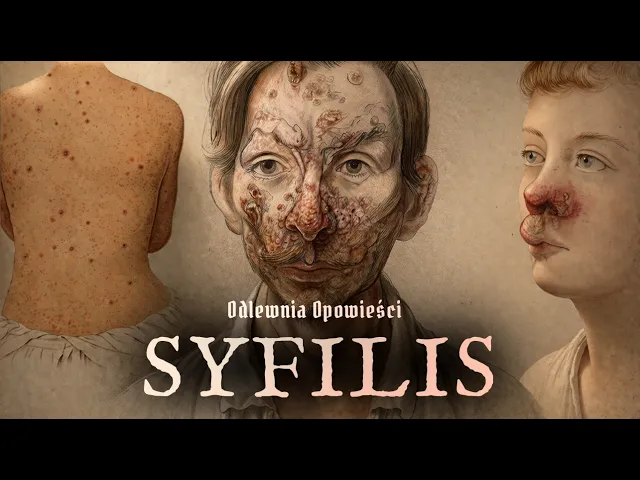





Syphilis is not a disease that originated in the Americas but has been present in human populations for thousands of years, adapting its transmission method based on social and environmental conditions; in rural communities with skin-to-skin contact, it spread as a mild childhood disease, while in urban, civilized societies with better hygiene and clothing, it mutated into a sexually transmitted killer disease, meaning the blame for syphilis being 'given' to indigenous peoples by Europeans is historically inaccurate.
Syphilis Origins: Medieval Evidence and the Columbus Theory
Added:The Columbian Exchange Theory: The historical hypothesis that syphilis was introduced to Europe by Christopher Columbus's crew returning from the Americas in 1493.
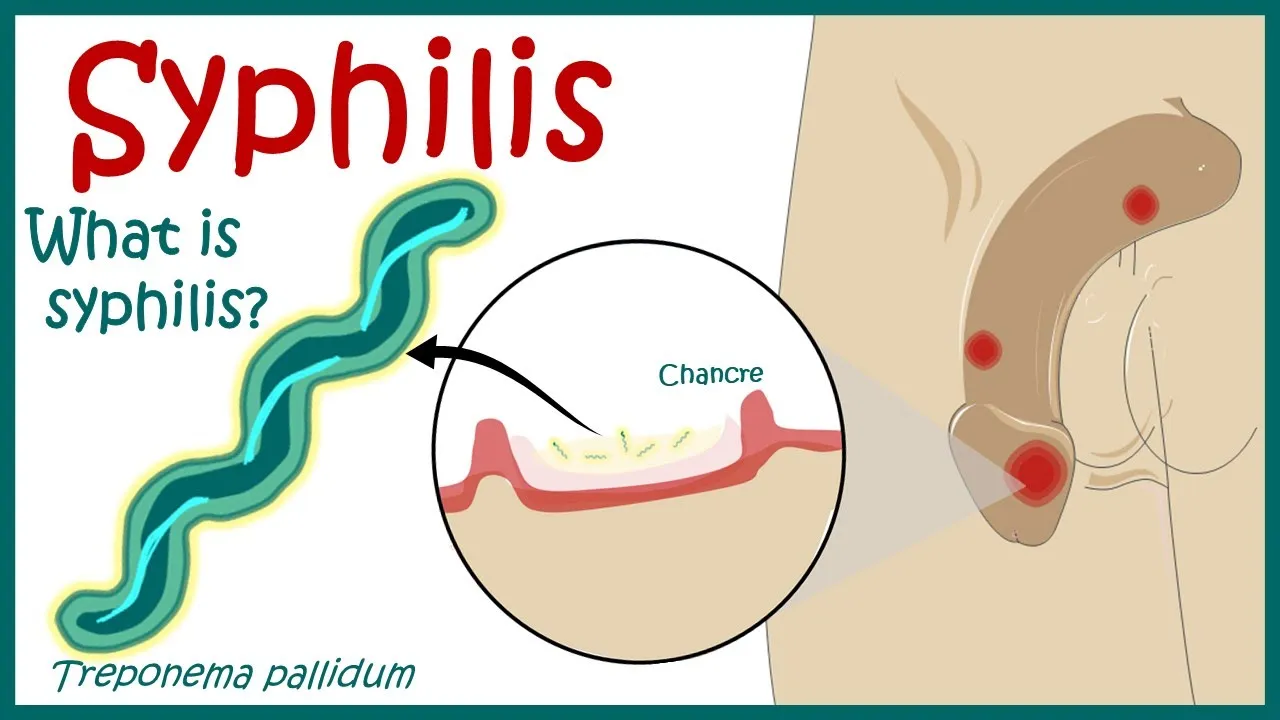
Basic Pathology of Syphilis: Understanding that syphilis is caused by the bacterium Treponema pallidum and leaves distinct, identifiable lesions on human bones (osteological evidence).
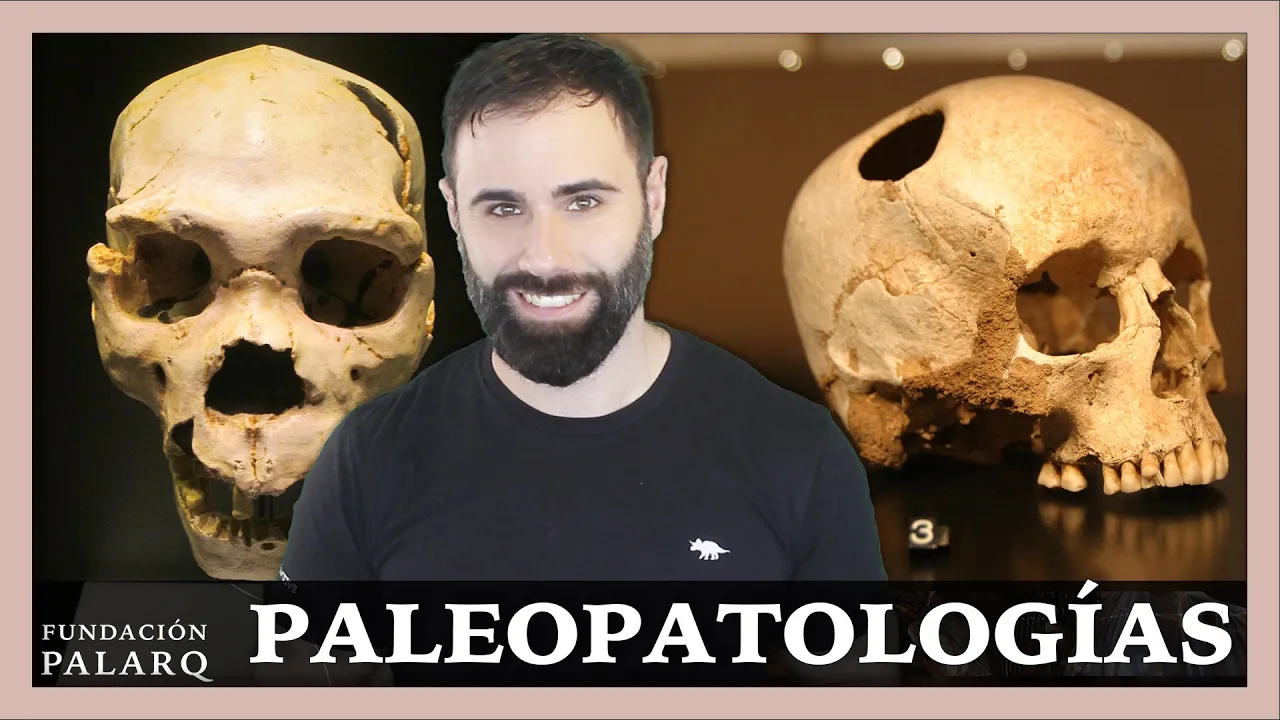
Principles of Paleopathology: How scientists study ancient diseases using physical evidence from human skeletal remains.
Archaeological Dating Methods: The basics of radiocarbon dating and stratigraphic analysis used to accurately date skeletons to specific historical eras.
Phylogenetics and Ancient DNA (aDNA): Exploring how genetic sequencing of pathogens extracted from ancient remains helps trace the evolutionary mutation rate of Treponema pallidum.
Alternative Theories of Origin: Studying the 'Unitarian Theory' and 'Pre-Columbian Theory' which debate whether syphilis mutated from other treponemal diseases like yaws or bejel.
The 1495 European Epidemic: Investigating the sudden, virulent outbreak of syphilis during the French invasion of Naples and its socio-cultural impacts on Renaissance Europe.
Diagnostic Limitations in Bioarchaeology: Understanding the scientific challenges of differentiating syphilis bone lesions from other diseases, such as leprosy or tuberculosis, in ancient remains.
3.1M views42.6Klikes49:14Original Release: 2022-09-04
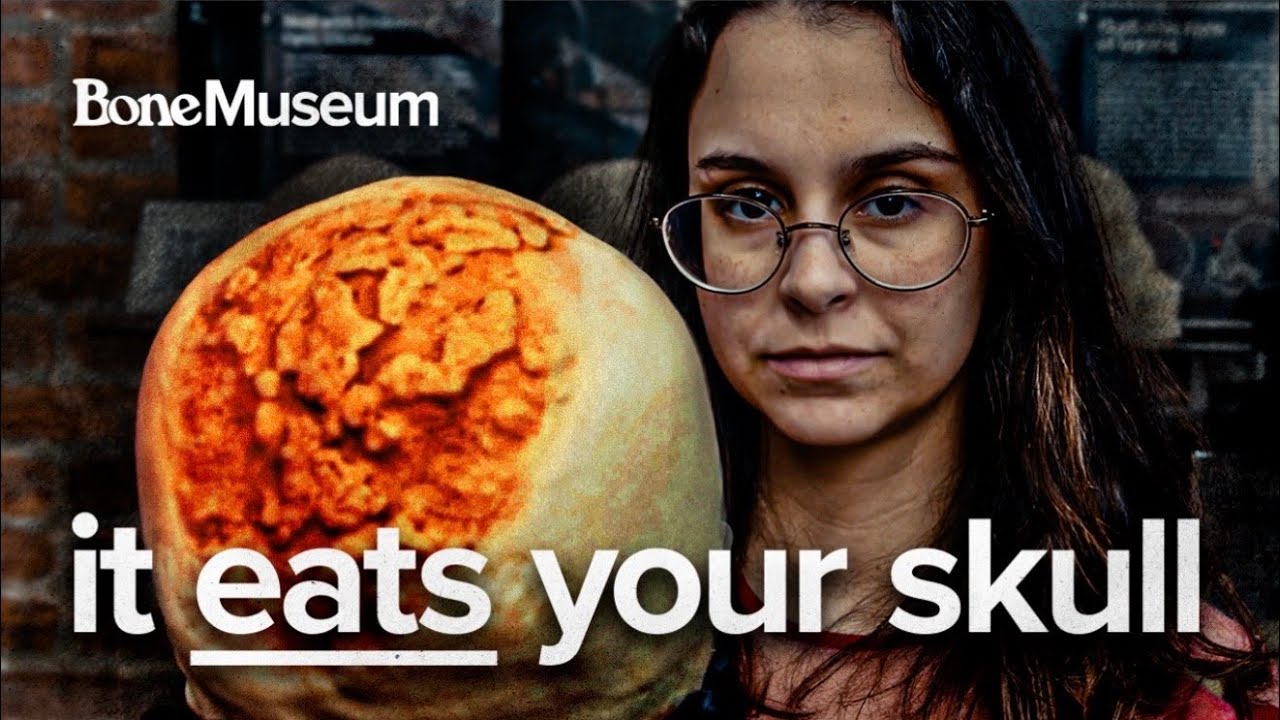
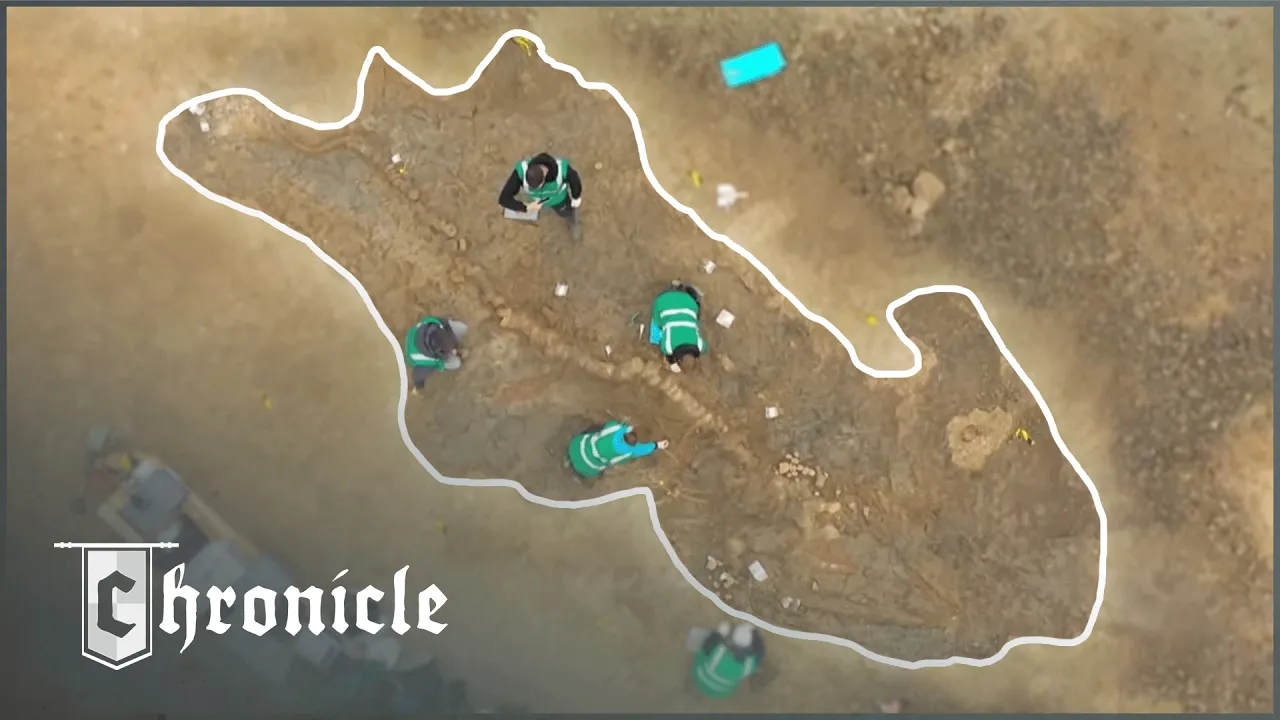
this channel is part of the history hits network when christopher columbus crossed the atlantic in 1492 he carried with him diseases which all but wiped out the native indian population their revenge according to history was to send back to europe the scourge of syphilis but now a skeleton unearthed in an english monastery can at last put the record straight this is the true story of syphilis [Music] this story begins in hull [Music] when the city planners decided to build a new magistrates court next to a multi-story car park in the town center it gave the local archaeological unit the chance to survey the site first for ancient remains and artifacts working within a very limited time frame the team worked day and night digging out what they suspected might be the remains of a medieval friary by the end of the dig they had unearthed more than 240 skeletons and countless artifacts information which painted a detailed picture of a shadowy medieval world a heady mix of religion and riches medicine and morality sex and disease [Music] we have the complete ground plan for a medieval monastery which is almost unheard of it's a major piece of archaeological work john bugles is the project leader for what has become known as the magistrates court site responsible for recording every last detail of the excavation we're fortunate with this site the preservation conditions are excellent we have surviving coffins textile fragments leather objects we have bodies that still got shoes on and things like that so we have really good skeletons to look at [Music] one skeleton in particular from the hull site was set to rewrite history [Laughter] very soon after we got skeletons we started to see things that were rather unusual and particularly there was a lot of infectious disease in in the site including what we thought were classic cases of syphilis and this one here 12 16 this 25 to 35 year old male is is one good example in fact it's the best example the skeletons from the hull site were sent to the university of bradford for analysis it's usually incredibly difficult to diagnose the cause of death so long after the event as many diseases leave no trace at all on the bones but syphilis is one of the few exceptions charlotte roberts is an expert in paleopathology the archaeology of disease can she be sure that skeleton number 1216 really did have syphilis [Music] there are a number of changes in the skeleton for recognizing syphilis if we focus on the skull you can see immediately that there's something wrong normally and if i just get a a skull that's not affected by the disease you would expect to see a smooth surface on this part of the skull but here you've got pockmarked lesions holes in the bone it's something that people call carey sicker it's characteristic of venereal syphilis you don't see it in any of the other syndromes so i would say that's characteristic of the disease history it is a streaming platform that is just for history fans with fantastic documentaries covering fascinating figures and moments in history from all over the world we work with some of the world's best historians like susannah lipscomb mary beard and tony robinson exploring everything from the jobs of tuda england to the diaries of queen victoria not only that but we have a huge podcast network releasing new episodes every day so you'll always have something to listen to sign up now for a 14-day free trial and absolute history fans get 50 off their first three months just be sure to use the code absolute history at checkout you've got a hole in the palette the connection between the nose and the mouth and that's um commonly seen in syphilis if we move down the skeleton what we see again is bone formation and bone destruction i think probably the most fluoride bone formation is actually on the leg bones this is the thigh bone and you can see the whole length of it has got the formation of bone we also got some destructive lesions here and here if we look at one of the lower leg bones again you're seeing the same sort of changes that you see here but also you get a massive amount of bone formation on the front of this lower leg bone which people call a saber shin because it looks like a saber imagine the inflammation the swelling of these limbs the redness the heat the pain apart from skeleton 1216 the site contained two more classic cases of the disease and there were characteristic signs of syphilis in more than sixty percent of the bodies but all these people were buried in the sanctuary walls of a deeply religious community and syphilis is a venereal disease it is contracted through sexual intercourse so what kind of religious community was this [Music] the building belonged to a christian order called the augustinian friars [Music] and this complex of cloisters living accommodation and church was the friary [Music] it was one of the first to be established in england and in 1539 the last to be destroyed [Music] the brothers were not rich like some other religious orders of the time they were supposed to beg for a living these friars were the social services of their day they looked after the poor of the town they were skilled in medicine and they cared for the sick whether they were rich or poor their good works and religious calling put them beyond reproach and they were of course celebrated [Music] but the skeletons from the hull friary proved the presence of a sexually transmitted disease what had gone so perversely wrong amongst the brothers here there was more evidence from the dig which could not easily be explained away a dozen bodies were found with a wooden rod buried alongside them leading to the suspicion that these friars belong to a flagellation sect we have a series of rods which are quite short they're sort of about that long and they still have the bark on them and they're hazel nice and whippy and there has been a suggestion there are actually flagellation rods because at this particular time with plague sweeping through various parts of europe there was quite a strong movement particularly on the continent for self-flagellation and hair shirts and you suffer more on this life therefore the afterlife becomes better [Music] the augustinian brothers were experts on the afterlife they made a lot of money from death they sold candles and winding sheets for the dead they presided over funerals held vigils and set masses for the souls of the departed all paid for by the wealthy merchant and aristocratic classes in order to save their souls buying their way into heaven through the industry of the friars [Music] this put the brothers in a powerful position if they dispensed with their vow of poverty as easily as they seem to have broken their vow of celibacy they could make a fortune out of the misfortune of others [Music] this medieval will from hull shows that the system was certainly open to corruption we have two surviving wells from this period of time from hell and one of them actually states that a sum of money is to be put aside per friar who attends mass for this person's funeral so there's which is terribly open to abuse because you can just load up x number of fries you could grab fries from every house in the area and bring them in to try and bulk your funds up [Music] the augustinians were not a closed order of mucks shut away from the temptations of the world in a life of quiet contemplation the friary was deliberately positioned in the commercial heart of the town wedged in between the houses of wealthy merchants and the key side of the bustling port one of the things that the trade that comes into hull and makes its wealth is the wine tray coming in from spain the volume of wine being imported is enormous a million and a half liters a year is a staggeringly large amount of wine a lot which we consumed locally so you would seem to think that there could well be a high degree of carousing the site in hull uncovered large collections of the imported wine jugs evidence that at least some of the carousing was going on within the friary walls [Music] but this does not mean that they were necessarily dissolute medieval monks probably drank four times as much alcohol as people drink in england today and the hull friars were no different the whipping rods if that is what they were point more towards a form of medieval christian devotion than sexual deviancy if they were corrupt the evidence is no more than circumstantial [Music] we are left with the astonishing evidence of the bones how can we explain the presence of syphilis within the friary walls channel 4 commissioned experts at bradford university to make a computerized map plotting the site of each skeleton superimposed on the outline of the friary [Music] augustinian friars sold burial plots within their church the nearer the altar the nearer to god and so the more expensive the plot the most prestigious plots were reserved for the senior friars and for the rich merchants who paid for this privilege [Music] the map shows exactly where the bones of skeleton 1216 were buried [Music] in a prime spot close to the altar [Music] so which was he a rich nobleman or an esteemed member of the monastic community we will never know the whole site cannot prove that syphilis was rampant amongst the friars but it does show that it was widespread amongst the elite of this prosperous community at that time so when was that time [Music] when did skeleton number 1216 die the evidence from the dig suggests that he died in the 1300s but if this was true this was electrifying information for history records that syphilis originated amongst the native american indians and was contracted by the crew of christopher columbus during his voyages to the new world on returning to the old world the new disease grew into a plague of epidemic proportions first among the spanish soldiers of the siege of naples in 1495 before spreading remorselessly through europe [Applause] [Music] if the whole site could be dated to before 1492 then the disease must have existed in the old world prior to columbus's journey and history would have to be rewritten and to help them date the burials the archaeologists at hull had a rare piece of luck the waterlogged conditions of the site had preserved a remarkable number of wooden coffins ideal and rare material from which to get a reliable date [Music] it's a very unusual find there are only 10 sites that have generated significant quantities of waterlogged coffin boards across the whole country for the last 50 years it's a very unusual find and this is by far the biggest assemblage [Music] ian tyres from the dendrochronology unit in sheffield took over 300 samples back to his lab the critical thing that we were supposed to be sorting out was the dating of the coffins themselves to help sort the stratigraphy and help put a timetable to the burials you can see that we have wide rings and narrow rings are effectively reflecting the conditions under which the tree was growing whether it was having a good summer or a bad summer as far as growth is concerned and those are act like a fingerprint through time the the pattern of narrow and wide rings is unique over a number of millennia having recorded the measurements for each sample ian then fed all the information into a central database to find a match which would give him a definite date [Music] from our dating perspective we can date the year and indeed the season of the year that the trees are failed and those that we have bark edged for so that year the trees were cut down are all in the 1340s and the 1360s the date from the dendrochronology lab puts the coffins at between 1340 and 1369 this is not in itself particularly surprising all the indications from the dig the pottery the historical records all show a date around the middle of the 14th century and the wood dating is right in the middle of this but of course this information from the site in hull has sent shock waves through the archaeological and historical world because syphilis is not supposed to have been in this country in europe even until columbus brought the disease back from america 150 years after skeleton 1216 was buried in the nave of an augustinian friary on the northeast coast of england who can history blame for the scourge of syphilis in 1493 christopher columbus returned home to europe with news of a new world history records that he brought a new disease with him too syphilis but now the discovery and hull of skeletons bearing the scars of syphilis undermines this 500 year old version of history for these bodies were buried 150 years before columbus set sail so the question now is who really gave syphilis to whom to understand we need to look closely at the reasons why people have always believed this columbus theory in the closing years of the 15th century a young ambitious scholar described a new disease sweeping through europe in recent times i've seen a disease which is so cruel so distressing so appalling that until now nothing so horrifying nothing more terrible or disgusting has ever been known on this earth joseph grunpeck was an eyewitness to the agonies of the spanish soldiers at the siege of naples in 1495.
some had become so repugnant left in the open air on the battlefield they hoped to die others moaned and wept and uttered hard-winding cries because of the ulceration of their male description is historically important it is the first unchallenged record of syphilis in the world he accurately portrays the distinct stages of the disease as they are still understood today the first stage of the disease really just involves ulceration at the site of infection so things like genital ulcers the swelling of the glands was followed by an abscess from which a puted smelling past flowed for four months the second stage which occurs about three to six months after infection you get a generalized rash they experienced intense pains in head and bones and soon boys appeared all over the body it's the third phase where you get considerable ulceration on the skin the person wouldn't be feeling too good i don't think and wouldn't look very nice either you can relate the bone lesions quite nicely to illustrations of skin imagine a boil or an ulcer on the skin and that's tracking down to these lesions on the on the skull not very nice [Music] and i would think if you've got an infectious lesion that's that's um active in the mouth you're going to have somebody who's got a pretty awful bad breath if you can imagine this person with these bones inside their body you'd expect swelling quite a lot of pain and heat just a result of inflammation the other thing that you get in the third phase of syphilis is what they call general paralysis of the insane [Music] this was more than just another plague it was a disease which brought to the sufferer not only pain but shame [Music] in the fervently religious christian europe of the time this new disease represented the wrath of god punishing wicked people for their immorality [Music] as grumpet describes the horror at the end of the 15th century no one seemed to know where syphilis had come from and of course nobody was willing to accept the place of origin for this disease as their own he calls it the french disease the french called it the neapolitan disease the germans called it the spanish itch [Applause] then a portuguese doctor who had treated columbus's crew for the disease made the connection with their trip to the new world clearly they had contracted the disease from dirty american indian women and brought it back to christian europe in the 500 years since american indians were first blamed for giving the disease to europe scientists have searched for evidence to support this theory george armelicus is absolutely convinced that columbus's crew contracted the disease in the americas and brought it back to europe he has been analyzing skeletons for 30 years he believes the only place there is convincing evidence of syphilis in bones from before 1492 is in the americas what i found is that there's all kinds of evidence of the lesions in the new world prior to columbus and it continues on after columbus you go into the old world you find hardly any evidence at all i look from from florida all the way up to ohio from from the atlantic ocean to the to the mississippi river and it was just incredible numbers of of uh cases of this syphilis-like lesion [Music] george is convinced that the disease was widespread in the new world not just because he has found classic cases but because he has found signs of syphilis in the population as a whole now what i would expect to find is is not only the fact that you find it within an individual which we find many isolated cases but we find it within the population and within a region if these people are in social contact they're in sexual contact and so the disease should be widespread [Music] for george the hull skeleton alone would not be sufficient proof that syphilis was present in medieval england before 1492.
[Music] if charlotte is to overturn 500 years of history she needs more evidence [Music] at the hull site she has found signs of the disease in more than half the skeletons but it's true to say that this is the very reason that hull is so important syphilis has not been found distributed across medieval europe like it seems to be in america but charlotte thinks there is a good reason for this syphilis does not show up on the bones until the third stage of the disease sometimes not until 50 years after initial infection in medieval times most people would have died of something else before then leaving no signs that they ever had syphilis only a small proportion of people with syphilis will get bone changed [Music] they may die before that develops they may have died from something like the black death or other conditions that were prevalent at the time like cholera like smallpox etc etc so there was a lot going on in the medieval period that will have predisposed people to die quite young and in fact this person has died before the age of 40.
but we don't know what from but we know that this person has syphilis and so it's actually difficult to get a handle on really what the prevalence the rate of this disease was in the later medieval period in england because there's so many confounding factors charlotte would not expect to find the classic signs of syphilis in the general population at this time this is what makes 1216 such a special find he shows all the evidence of the disease there has never been a clearer example in the old world from a site dated before 1492.
but the supporters of the columbus theory want more they want quantity as well as quality and they want a carbon date really the debate centers around this issue what is the evidence in the old world prior to contact now it may be at all there is irrefutable evidence if they find for example that you have a radiocarbon date that dates it before 1492 then i would have to do some explaining dendrochronology has given a precise date to the coffins found at the hull site but george wants more than that he wants a date for 1216 that comes from the bones themselves in the debate about who gave syphilis to whom the date is crucial and charlotte knows that if her findings are to be taken seriously she will need irrefutable evidence that skeleton number 1216 predates columbus a carbon date she sends off samples from the bones to the carbon dating laboratory in oxford and waits [Music] by working out how much radioactive carbon is left in the bones it is possible to work out when the individual died [Music] if skeleton 1216 can be securely dated to before 1492 the columbus theory will be in tatters [Music] when the carbon age of 12 16 is converted into calendar time even with the cautious margin of error the young man with syphilis can definitely be said to have died between 1300 and 1420 a.d at least 70 years before columbus set sail for the americas [Music] charlotte is invited to an international conference in texas where the world's leading experts in this field are gathered armed with photographic evidence and a carbon date charlotte arranges a private meeting to confront george armalgus with curator at the smithsonian institution don ortner as an independent witness will this be the end of the columbus theory with bob fry what do you hear i have some very interesting photographs of a skeleton from england that i think might change your mind about the pre-colombian origin you think that facts are going to change my mind i'm hoping so oh okay do you want to have a look at this yes i see this skeleton comes from a sighting hull it's one of three that has changes which we would consider classic classic one i would suggest that that's carey sicker perforation of a palette here destruction and formation of bone 60 of the adults have got bone formation on the lower legs i i say that this is obviously a clear case of syphilis i mean this and i really congratulate you because this is quite impressive when you see something like this the whole specimen which is classic i mean any anatomist who had had any experience with with syphilis in modern populations would recognize these lesions immediately on the face of it charlotte has scored a significant victory in texas her diagnosis of skeleton 1216 has been accepted and agreed but amongst the thousands of pre-columbian skeletons excavated so far in britain it is still an isolated case charlotte thinks that this is because no one has been looking for syphilis in the old world because it wasn't supposed to be there george is still not convinced i mean how many skeletons have been excavated in england would you guess oh many thousands 50 thousand plus well i mean your point is is that even though you've looked at fifty thousand skelet fifty thousand i know it's not you but i'm not saying that those fifty thousand skeletons have been looked at systematically and scientifically by a person yeah i know that but i mean this it would be you know i would be i would probably be more accepting of this position if this wasn't an issue that has been an issue from the late 1800s uh or even from the 1500s i mean this is such an important issue within the history of medicine within the history of disease within the history of the world that it seems to me that that all of this evidence would be there by now for george more classic cases of syphilis would have to be unearthed in the northeast of england and elsewhere before he would agree to give up the columbus theory but in don ortner charlotte has found an ally don has examined the evidence in both the old world and the new world he agrees with charlotte that it would be difficult to find widespread proof of syphilis in europe but more importantly he would dispute most of george's new world evidence don thinks that there is only one indisputable way to diagnose syphilis in old bones the best evidence for venereal syphilis is going to occur in children skeletons syphilis is only infectious in the first stages of the disease if a woman becomes pregnant during this time then the teeth forming in the unborn child will have a unique groove mark on them you'll also see evidence of abnormal defects in the teeth you can see a groove that's horizontal going across the central incisor and adjacent that the second incisor has actually broken off so the enamel was clearly very defective in the formation of the tooth and this would have been right about at the end of pregnancy or at the time of birth [Music] the work in the new world cannot prove that the disease originated here in america and too little work has been done in europe to conclusively reject the columbus theory the only way to prove the existence of syphilis in adults is to identify it in the skeletons of their children only a handful of child skeletons with the telltale syphilitic groove in their teeth dated before 1492 had ever been found all of them in america in effect the whole of the columbus theory rested on four or five skeletons and yet still it stood apparently unshakable that is until another skeleton was found with the distinctive teeth to finally shatter this distorted view of history a skeleton found not in america nor in medieval europe but from a town that flourished 2 000 years before the death of skeleton 1216 [Music] for 500 years the american indians have been blamed for giving europe syphilis [Music] then the discovery of skeletons from medieval hull suggested we might have given it to them [Music] now discoveries from the ancient world may finally reveal the truth behind the syphilis enigma mati and renata henneberg excavated nearly 300 skeletons from an ancient greek settlement in southern italy [Music] metaponto was a busy port of 40 000 inhabitants that flourished from 600 years bc as they worked their way through the bones looking for signs of disease mattie found it difficult to believe the evidence before his eyes what i could see on the bones in terms of physical signs of disease was not making much sense in terms of patterns we normally expect in some ancient populations and it took me two weeks to come to grips with the idea that the signs fit only one disease and this disease was syphilis [Music] he found many bones with the classic syphilis lesions and formations then his wife renata a dental expert found the clinching proof a child skeleton with the telltale markings on its teeth when i told him that i have two examples of the teeth changed as it is found in congenital syphilis mighty was very happy because finally we had the picture of syphilis coming together the hanebergs knew that if they were right the presence of syphilis in europe had nothing to do with columbus [Music] but if it had been in europe since classical times then they should also find evidence of the disease at their other archaeological site the ancient roman remains at pompeii they began to search for the evidence that other experts might have missed [Music] crucially they widened their search beyond what the bones alone could tell them [Music] they read latin texts and studied roman medicine they found evidence everywhere that convinced them that syphilis was rampant in the city there's various strands of evidence from written sources from the cultural functioning of the city from the business of prostitutes from public houses from the fact that it was a trading center in this seaport and evidence that we can see on bonds are all coming together to support the hypothesis of the presence of syphilis in the classical antiquity of europe by looking at the wider social context of the disease the henibergs have not just demonstrated that the disease has been around in europe for thousands of years they have also found the key to unlock the syphilis enigma the question is no longer who gave it to whom there is simply not enough bone evidence yet on either side of the atlantic to settle the argument for good but add to the evidence of the bones an understanding of the way of life of these places and the true story of syphilis begins to unfold syphilis is a survivor and to survive it has mutated to adapt to different climates and different societies it has not always been a killer [Music] epidemiological research shows that in rural societies around the world syphilis was present but in a much milder form and was not transmitted sexually mary lucas powell studies the evolution of the bacteria and how it has been transmitted amongst the indian communities of the new world well in in the pre-columbian new world in the southeastern united states there was ample opportunity because of styles of clothing of styles of communal sharing of eating and drinking utensils of of sleeping places there was abundant opportunities in every generation for these diseases to be transmitted without any sort of sexual contact involved and therefore they were much much more common within the populations but with no connection with sexual activity what the syphilis bacteria needs in order to spread is skin-to-skin contact in unsophisticated rural communities and in hot climates like pre-columbian america the bacteria could easily pass from skin to skin it caused an ugly skin disease that everyone caught in childhood it rarely developed into something more serious [Music] and everyone who caught it as a child was immunized against the dangerous venereal form of the disease so why then does the bacteria sometimes mutate into a sexually transmitted killer if we look at the places where we now know syphilis existed in its deadly venereal form will that help us to understand what is it that links metaponto pompeii hull and naples common denominator is that they were all ports well port supports um people always behave badly in ports it seems that hamburg is a good example at the moment rotterdam amsterdam they're all ports they all have very large red light districts um and if your all-male crew couped up on a ship then you would expect a certain amount of um recreational activity to occur and a certain amount of sexual activity to occur and there will always be prostitution but it could not simply be promiscuity the culture of some rural communities in the new world for example allows for promiscuity before marriage [Music] the difference as the archaeologists at hull discovered was just how cosmopolitan these ports were the wine came from spain the coffin wood was traced to the baltic forests traces of precious metal from the far east were found on the friary stones complex international trading it seems was an essential feature of life in medieval hull you're going to have people from the baltic which we've seen from the timber trade and from spain coming in with the pottery and the wine we're also going to have people from the low countries the dutch the french people coming from poland and because you've got high turnover population disease is going to come in there is another reason why the bacteria had mutated in certain tons in the old world into this horrific sexually transmitted plague venereal syphilis is primarily a disease of cities of advanced civilizations with advanced uh health measures and and medications civilization means civilization better hygiene the wearing of clothes less sharing of eating and drinking utensils means the less dangerous form of the bacteria cannot move around it must mutate to survive the people buried within the hull friary walls were the sophisticated urban elite of medieval society amongst such people the mild form of the disease simply couldn't survive so the syphilis bacteria sought out the warm sexual parts of the body and waited the syphilis enigma is finally cracked the bacteria has been in human society for thousands of years but like all bacteria it is not fixed in a single form as society has changed so it has changed where climate and social customs permitted it would thrive as a mild childhood skin disease but whenever and wherever social change made that impossible it has mutated into a terrifying sexually transmitted killer [Music] but there is a final twist in the tail for the innocent american indians tainted for the last 500 years by the accusation that they had given syphilis to the world history had decreed an even crueler fate when the native indians first encountered columbus and his crew they were almost wiped out by the diseases the europeans carried the indians survived just but with the loss of so many people they also lost their immunity to syphilis the cycle of protection given to each generation by the existence of the non-venereal form of the disease had been broken and when in the subsequent centuries venereal syphilis came in from the old world the result on the native american populations was as devastating as it had been on the europeans hundreds of years earlier
Up Next
48:52
Time Team: The Bone Cave | Iron Age Ritual Cannibalism Uncovered | Full Episode
@TimeTeamClassics
347.7K views•2020-08-12

12:54
Triumph of Orthodoxy Icon: Byzantine Art & History Explained
@BenCallan
2.1K views•2024-08-06

9:49
FastAPI vs Flask vs Django: Choosing the Right Python Web Framework
@TechWithTim
302.5K views•2024-05-26

1:42
Game of Thrones Opening Credits: A Cinematic Analysis
@gameofthrones
46.3M views•2011-04-18
Related Study Plans & Knowledge Roadmaps
Structured learning paths in General & Interdisciplinary Studies
general-studies
Elevator Engineering: History, Physics & Cities
01From Hoists to Safety Brakes: The Dawn of Vertical Lift
02Hydraulic vs. Traction: The Engineering Physics of Elevators
03Modern Speed, Safety, and Algorithms
+ 2 more learning modules
12h5 modules
Explore Roadmap
general-studies
Rubber: Material Science, History & Geopolitics
01Origins of Natural Rubber & Mesoamerican History
02The Chemistry of Natural Rubber & Vulcanization
03The Geopolitics of the Rubber Boom & Colonization
+ 2 more learning modules
12h5 modules
Explore Roadmap
general-studies
Containerization: Evolution, Logistics & Trade
01Ancient Trade & Bulk Cargo: Amphorae to Barrels
02The Industrial Revolution & Cardboard Packaging
03The Containerization Revolution: Malcom McLean
+ 2 more learning modules
12h5 modules
Explore Roadmap
general-studies
Textile Tech: Evolution, Labor & Global Impact
01Pre-Industrial Textiles: Handloom & Cottage Industry
02Mechanization: The Spinning Jenny to the Power Loom
03The Factory System & Global Labor Transformation
+ 2 more learning modules
10h5 modules
Explore Roadmap