













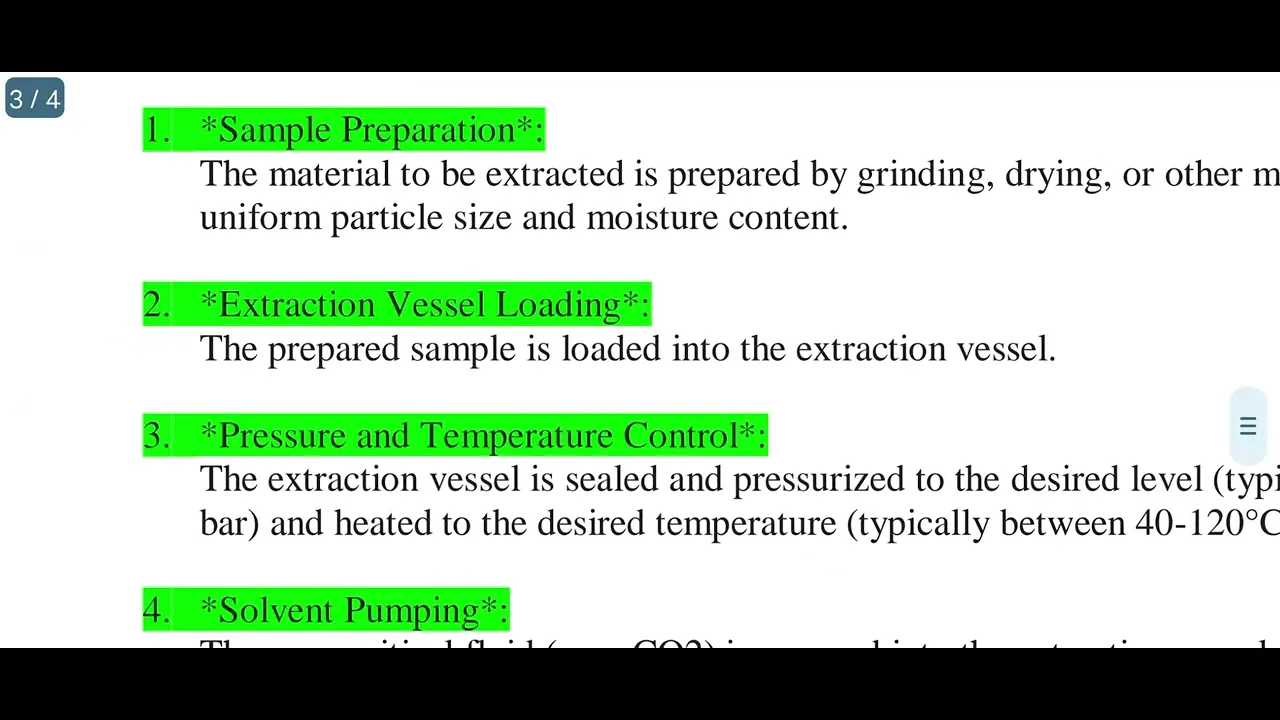







Haematococcus pluvialis, a green algae that appears red due to astaxanthin accumulation, is the primary industrial source of this powerful antioxidant, which is produced through the carotenoid biosynthesis pathway from G3P and pyruvate; industrial production involves manipulating culture conditions (such as nitrogen depletion, salinity changes, or nutrient stress) to induce the red stage of the algae's life cycle, where carbohydrate production increases while protein production decreases, shifting cellular energy toward astaxanthin synthesis, with extraction typically achieved through supercritical CO2 methods.
Astaxanthin Production from Haematococcus pluvialis: Industrial Microalgae Aquaculture
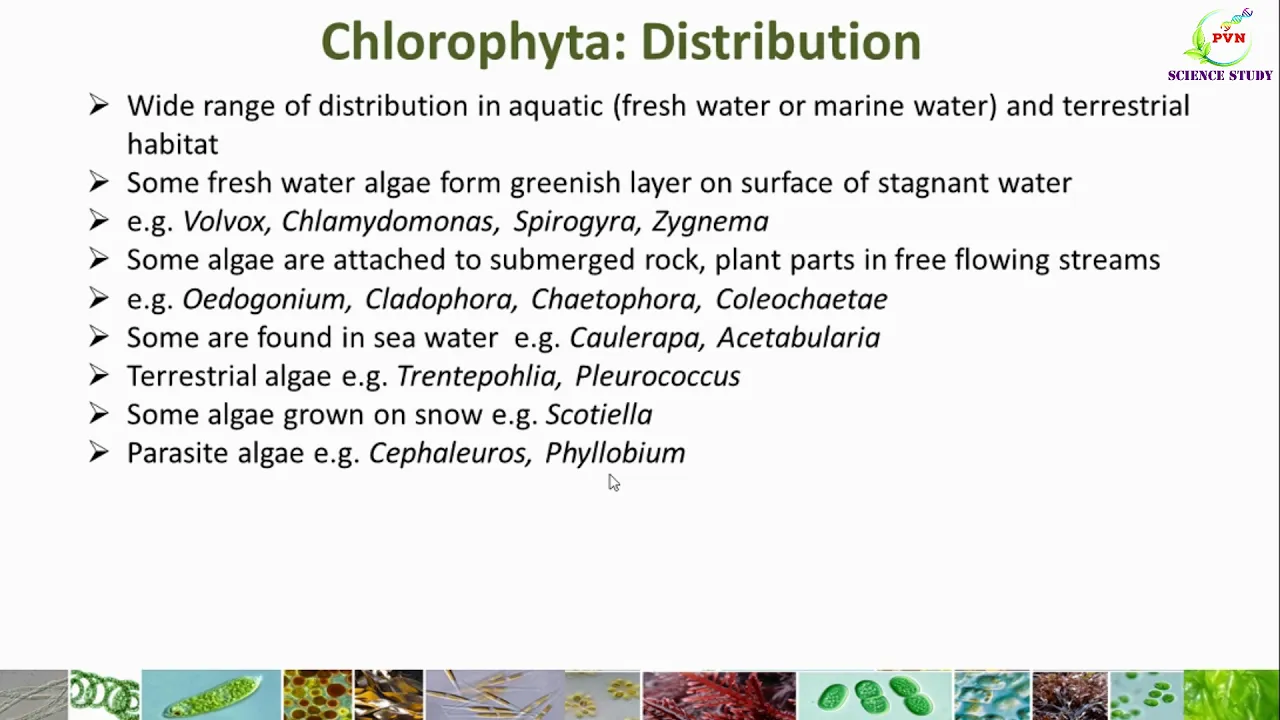
Added:Fundamentals of phycology, specifically the life cycle and cellular structure of green microalgae (Chlorophyta).
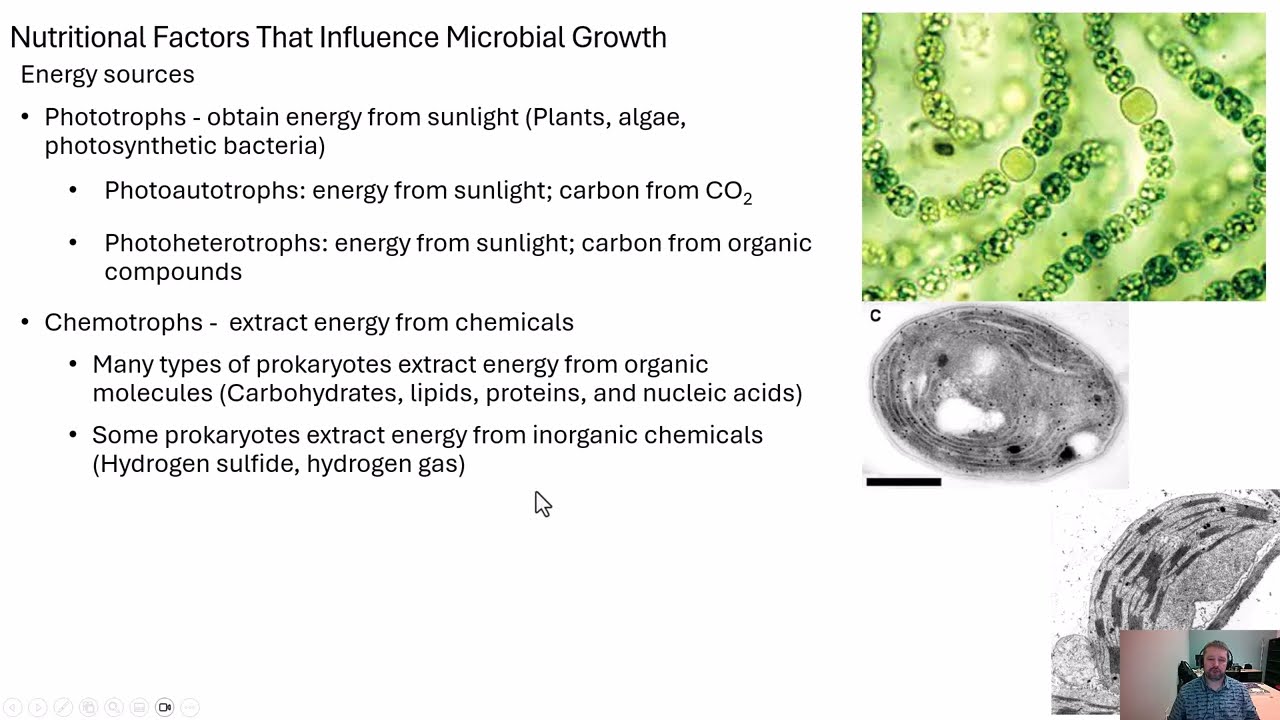
Basic principles of photosynthesis, light absorption, and cellular respiration in phototrophic organisms.
Core concepts of microbial growth kinetics, including the phases of culture growth (exponential, stationary) and basic bioreactor operations.
Introduction to biochemistry, focusing on carotenoids, pigments, and the role of secondary metabolites under environmental stress.
Techno-economic analysis (TEA) and life cycle assessment (LCA) of commercial-scale microalgal biorefineries.
Advanced downstream processing technologies, such as supercritical fluid extraction (SFE) and mechanical cell disruption for lipid-soluble compounds.
Metabolic engineering and gene editing (e.g., CRISPR) strategies to optimize carotenoid biosynthesis pathways in microalgae.
Formulation and stabilization methods, such as microencapsulation, to enhance the bioavailability and shelf-life of astaxanthin in nutraceutical and pharmaceutical applications.
5.9K views115likes27:31Original Release: 2021-03-03
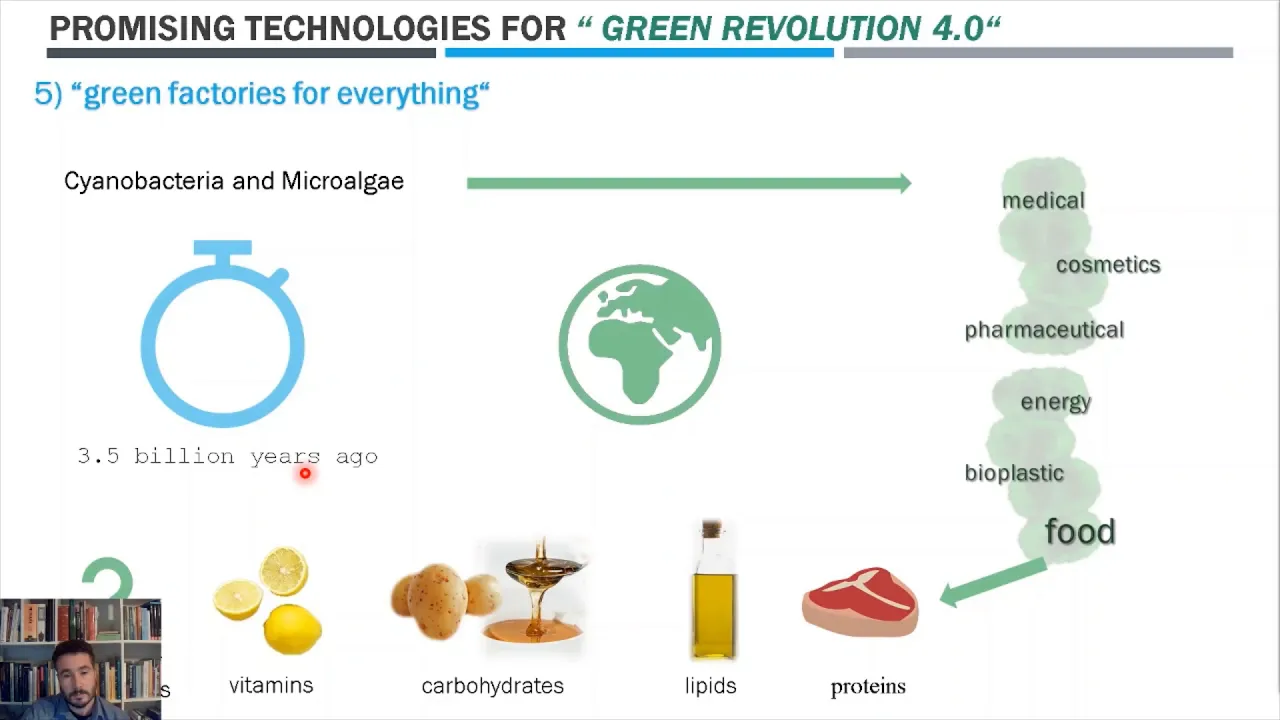
greetings and welcome to this lecture on the aquaculture of algae in this lecture i'll be discussing the industrial production of biofuels and bioactive compounds this is a three-part lecture series and in this first lecture we will be focusing on the production of the compound astaxanthin i'm your presenter associate professor dr kenneth francis rodriguez at the biotechnology research [Music] institute to begin with let us look at the industrial production of biofuels and biological compounds in microalgae in terms of the economic aspects the discovery of novel species such as buttery or caucus pronate and hematococcus pluvalis has driven the large scale production of biofuels and bioactive compounds respectively now these algae are producing these bioactive compounds under natural circumstances what industrial biotechnology aims to do is to utilize these natural processes and to capitalize on these processes in terms of the efficient production of biofuels and bioactive compounds however taking this into account one must note that the production of biofuels is not economically viable at this stage as the conventional sources of fuel are still far lower in cost as compared to the production in algae and at the current level biotechnologists are focusing on the productivity of existing species as opposed to genetic modification of algae for specific compounds this is because genetic engineering in algae is a very difficult process the objectives of today's lecture to introduce you to microalgae as a source of industrially relevant compounds and in this lecture we will focus on estazantine we will also look at the production strategies for microalgae and the genetic aspects of microalgae in terms of the genetic engineering which will be covered in the subsequent lecture module [Music] the learning outcomes for today's lecture are as follows you should be able to describe the different kinds of microalgae and their biotechnological applications you should describe the process of industrial culture of microalgae and develop a strategy for the genetic engineering of microalgae why do we use microalgae in terms of their industrial potential firstly they can produce bioactive compounds under normal circumstances they do not have to be engineered for the production of bioactive compounds secondly they can be cultured at a very large scale both in vitro as well as in vivo systems which are the large pawn systems they are economical to produce as they require only sunlight as a source of energy as well as the basic npk in terms of the fertilizer requirements they produce bioactive compounds they can be induced to produce bacteria compounds they can also be induced to produce biofuels and they can be genetically engineered albeit this is a difficult process let us look at the production in terms of the economic aspects now when we look at the production in terrestrial plants oil palm produces about five thousand liters per hectare of the plantation acreage microalgae on the other hand can be produced hundred thousand liters per hectare of pond and microalgae are less susceptible to diseases and pathogens they also can be cultured in open ponds and raceways the lead time is very short which means you can inoculate the culture and then you can obtain the production within a few weeks or a few months as the case may be and in addition to biofuels they can also produce compounds such as starch and lipids which have other applications so the algae in themselves the cell itself can be used for the production of multiple compounds now some of the algae which have been utilized for the lipid production are botrocus bronie and nanochloropsis [Music] in this particular module we will be looking at the bioactive compounds in the production of biomass and secondary metabolites i will introduce you to the very well-known algae which is hematococcus pluvalese which is used for the industrial production of esters and in let us look at some of the basic aspects of this particular algae first of all it's a green algae although it appears to be red because the production of keratinoids this is essentially a green algae it's used for the industrial production of estrozene the composition of the algae is carbohydrate and protein and fat in these particular amounts which is carbohydrate 38 protein is 24 and fat is 14 now this can also be used for the production or in the industrial production of carbohydrates and proteins for animal consumption or human consumption as the case may be and the culture conditions can be modified to introduce or to induce the production of astaxanthin in hematococcus pluvialis okay now estazanthine is one of the compounds which is a super antioxidant and it is difficult to produce using synthetic approaches this is why hematococcus pluvialis has become the primary source of astaxanthin and astaxanthin has applications in nutraceuticals in cosmetics in food and the aquaculture industries it forms a component of the aquaculture feed and is responsible for the red coloration of fish or shrimp it also has the ability to reduce free radicals and oxidative stress and maintain the human bodies in a healthy state and this is why astaxanthin has become a compound which has high demand in terms of the biotechnological value so estroxanthine is one of the most potent antioxidants it suppresses the damage of dna by free radicals and promotes immunity and is an anti-inflammatory agent now with all of these characteristics esther xanthine presents a very good choice for the production in industrial biotechnological systems so estroxanthine is designated as three three prime dihydroxy beta-carotene four-four framed ion now estes ending is synthesized through the carotenoid biosynthesis pathway from g3p which is glyceraldehyde tree phosphate and pyruvate now both of these compounds are the production of photosynthesis and oh glycolysis depending on the cultivation conditions and the two key metabolic intermediates that enter the non-melonate pathway to generate isopentanyl pyrophosphate which is the key intermediate for the synthesis of all carotenoids including astaxanthin looking upon the life cycle of hematococcus pluvialis we see the phase one which is the vegetative cell growth then the phase two which is the encapsulation phase three is maturation and phase four is germination and finally we have the phase five which is the secondary metabolite con production cycle the reason why we study these life cycles as biotechnologies is because we can manipulate the conditions of the culture so as to achieve the highest production of the secondary metabolite which in this case is astaxanthin [Music] now looking upon the developmental cycle itself we have four types of distinguishable cellular morphology so we have macros voids which are known as zoos pose microsoft's palmella and hematosis which are known as the aplanospose so macros voids zoospores microzoids and palmella stages are denoted as the green or the vegetative phase hematosis a planar spores are referred to as the red non-motile esters and in accumulated insisted phase of the life cycle of h plurialis this is why the color appears to be red under certain conditions and green under certain conditions so an understanding of this life cycle of any algae is very important in terms of exploiting it for its biotechnological potential now this shows you the developmental sequence so we have the the spores you can see the formation of the different pigment as the stages progress now with regard to the esters anthony and this is another reason why the life cycle understanding of the life cycle is very pertinent because esther zentine which includes the easter's is only produced in the red stage it is not produced in the green stage now in terms of the biotechnology of production it's essential to produce the estergentine by inducing the red state we will go into that as we progress in this lecture so at the red state you can see that there is a significant increase in the production of carbohydrates and the production of the proteins is reduced so that implies that a significant amount of energy is being shifted from the production of proteins to the production of the astaxanthin or the secondary metabolite itself coming down to the industrial production of hematococcus we have two phases so we have the primary culture for the generation of biomass and the secondary metabolites are induced by the application of certain environmental stressors such as salinity light or nutrient depletion [Music] when we go down to the industrial production of hematococcus pluvialis we have the photo autotrophic mode in which we do the photosynthesis and we have continuous lighting we have the heterotrophic mode in which the carbon source is provided and we have the mixo trophic mode in which we utilize both modes for industrial production of hematococcus now the actual culture of the hematococcus pluvialis in photoautotrophic conditions is carried out in raceway pawns or closed photo bioreactors there are advantages and disadvantages of using open raceway systems firstly open raceway systems are cheap but however you will have the disadvantage of contamination as well as the flooding if there is a region which has a high monsoon load the next option is to utilize the photobioreactor itself in the photobioreactor you have tubular columns and airlift however this instruments themselves or the setup itself is very expensive and then the photo bioreactors have to be cleaned thoroughly prior to the commencement of each batch or else the light intensity drops so we go to the actual phases in any case whether you use the photo autotrophic mode or the bioreactors mode or the open culture mode you have the first stage which is the green stage and then we have the red stage so in order to induce the red stage we essentially reduce certain nutrients or we deplete certain nutrients and this induces the survival mechanism which is the production of these red metabolites in the hematococcus blue valley cells so this can be in the form of nitrogen depletion excess acetate addition ph or salt stress phosphate deficiency or the addition of specific cell division inhibitors now each industrial provider or the industrial manufacturer will have their own approach to the production of the red stage of the algae this is showing you a raceway culture system which is essentially a trench lined with a plastic film this plastic film is a uv tolerant obviously because it grows in the sun and then it should be stable for a period of five to ten years you can see the difference in the colors on the either side so you have this green stage and this green stage can be induced to become the red stage by the addition of certain stresses by nutrient depletion or by change in the salinity of the liquid medium now in this case obviously this is a region in which there is no monsoon because monsoons will deplete the salinity or reduce the salinity and this is one of the factors which must be taken into consideration when producing hemetococcus valleys because you should select a region which has a low monsoon load or conduct this kind of culture during the season when it is a non-monsoon season or a non-rainy season as the case may be in tropical countries the other option is to produce it in the tubular systems now these tubular systems are very expensive because these tubes are essentially composed of glass they are constructed of glass and the second disadvantage is that the hematococcus blue oils will line the interiors of these tubes and this will reduce the photo efficiency of the tube and this must be clean so generally the industrial processes rely on cleaning these tubes using some kind of an internal mechanism to clean the tubes repeatedly and ensure that the photosynthetic efficiency is maintained [Music] now under heterotopic conditions light is not needed and organic substrates can serve as carbon and energy sources for the synthesis of secondary metabolites so in this production strategy you increase the green mass and then you cut off the light and you engage or introduce some organic substrate and utilize this as the source of the energy for the production of the secondary metabolites in mixotropic conditions acetate can also be utilized as an organic acid or carbohydrates as an additional carbon energy source for the production of astaxanthin so estroxanthine production can be enhanced under mixotropic culture conditions and you can actually have a very high cell density and a high concentration of estrogen which can reach up to 2.65 grams per liter of the culture total culture some industrial have utilized plant growth hormones such as jasminic acid abscisic acid and methyl jasminate or gibberellic acid or salicylic acid to improve the production of the however you should take into account that the addition of plant growth hormones in industrial systems entails an additional cost and this can be a limiting factor in their usage one of the cheapest methods may be the usage of salicylic acid which is functional at low concentration and can induce the production of the astaxanthin so this kind of research with the usage of plant growth hormones is ongoing as certain growth hormones may be effective at very low concentrations so this is evident in the case of salicylic acid in which you have 50 milligrams per liter and then you have a seven-fold increase in the production of astrozenitine and if the cost benefit is there you can utilize these kind of plant growth hormones [Music] now microbial contamination is one of the aspects which is evident in open culture systems or maybe even in close culture systems as the media which is utilized is not sterile and this must be detected at an early stage or else a significant amount of the energy will be directed towards fueling the microbial growth and there'll be a limited uh availability of nutrients for the target algal species itself so there are certain patents for the bio control of the microbial pathogens and [Music] in the case of hematococcus cultures certain fungi such as pair of physoderma species have been a major inhibitor of growth harvesting of algae is an energy intensive step and centrifugation is one of them means by which you have to recover the algae from the culture medium so in this case a continuous centrifuge is generally utilized to recover the algal biomass the next stage which is very challenging and which is very energy efficient which is the disruption of the algal cells to obtain the secondary metabolite so this is done by using extruders or expellers or even a ball mill which is known as a bead mill to break open the algal cells this is a key or schematic of a bead mill in which the algae are treated or pulverized using small beads microscopic beads which beat upon the algal cells and break open the cells to release the esters and then or other biological molecules now once you extract the astaxanthin it is generally freeze dried and because of its high cost the cost of freeze drying is viable or it's justifiable however if the compound produced by any other species of algae is not having a high market price dehydration is not an option as it utilizes a significant amount of energy now in the case of esters and it is freeze dried and supplied to other commercial producers of feed or cosmetics for downstream applications extraction of astaxanthin can be done using supercritical carbon dioxide in which case you use carbon dioxide for the distillation or the extraction of the ester zentin using specif special equipment specialized equipment so the supercritical carbon dioxide relies on the principle of the critical point of co2 which is here and this is the point at which your carbon dioxide ex exists as a liquid gas and supercritical fluid and this principle is utilized for the extraction of the ester zentine from the collective biomass to obtain a purified estergentine now with regard to the toxicity and approvals because all compounds before you market them must be approved by the regulatory authorities so it has been approved as a color additive in salmon feeds and this accounts for the red color of salmon which is uh like the farm grown salmon and there is no other contraindications which means that there are no toxicities reported in the case of esters and then so the estergentine has also been given the status of a noble food by the uk food standards agency and it is generally regarded as safe compound which means that the usfda has not found any evidence of toxicity with regard to ester zentine or there is has been no reported toxicity at this stage now the strains of hematococcus fluvialis can be improved using chemical mutagenesis as well as genetic engineering generally mutagenesis is done using ethyl methane sulfonate or other related compounds and these are compounds which will induce or introduce mutations within the genome and some of these mutations are stable and they select the hematococcus pluvalis variants or the mutants for downstream application and characterization now a note about chemical mutagenesis the mutants which are derived from this chemical mutagenesis process may not essentially be genetically stable and revert back to the wild type however it is the most commonly utilized procedure genetic engineering of algae is challenging and may also relate to race issues of genetic modification so these are some of the challenges of growing the hematococcus pluralis in mass culture systems one is microbial contamination one is the slow growth of some of the strains then there is the economics of production which is the cell disruption dehydration and extraction which all contribute to the cost in terms of energy genetically modified strains are currently not available on commercial basis or maybe have been developed by certain industrial producers but not marketed commercially there's a lack of manpower with regard to the process controls and there's a lack of scientific research on hematococcus purely so these are some of the challenges which researchers can address in the forthcoming years this is one of the overview of the production systems and i have taken this picture from the website of algaecan limited and it shows you the patented system which they have developed which consists of the green sterilization the photon disruption for and then you have the environmental conditioning and the astrazene induction system the biomass and the estergentine extraction now this all involves multiple stages and multiple types of photobioreactors so these utilize sophisticated technologies and equipment for the production of estrogen however when you utilize these kind of systems you are assured of the quality and the reproducibility of the production cycle so that brings us to the end of this first module in which i have introduced you to the microalgae which are currently being utilized for the industrial production of biomolecules and lipids in this case we have focused on the hematococcus privialis for the production of estrogen and as a final note we have to ensure that we thoroughly understand the cycle the life cycle the growth characteristic and the metabolic pathways of any algae prior to selection in a industrial system genetic engineering of microalgae will require a higher level of knowledge with regard to the genome sequences so this kind of genomic data will be essential for the development of new varieties which are genetically engineered for commercial production and the industry currently faces economic challenges as the cost of production and the purification is high and manpower and training is also limited in this area with that we come to the end of this first module on the production of bioactive compounds in algae thank you very much for watching and please leave your comments in the comment section below thank you
Up Next
6:30
How to Count Cells Using a Hemocytometer | Protocol & Calculations
@NCBioNetwork
1.5M views•2012-07-31
50:12
Bacterial Communication: Quorum Sensing and Biofilm Formation Explained
@JHUAAP
12.6K views•2011-06-28

5:35
Enteric Nervous System Explained: The Gut's Brain | Neurobiology Lecture
@alumniu6029
438 views•2018-09-12

7:08
Bacteriophages: Earth's Deadliest Killers and Future Antibiotics
@kurzgesagt
34.6M views•2018-05-13
Related Study Plans & Knowledge Roadmaps
Structured learning paths in Biology
biology
RNAi: Biogenesis, RISC & Gene Silencing
01Molecular Biology Foundations: DNA to Protein
02Introduction to RNA Interference (RNAi)
03Molecular Biogenesis of miRNA and siRNA
+ 2 more learning modules
10h5 modules
Explore Roadmap
biology
Mycorrhizae: Signaling, Biophysics & Ecology
01Foundations of Mycorrhizal Symbiosis
02Molecular Signaling and Root Colonization
03Biophysics and Bioenergetics of Nutrient Exchange
+ 1 more learning modules
11h4 modules
Explore Roadmap
biology
Circadian Clocks: TTFL, SCN & Periphery
01Foundations of Molecular Biology & Gene Expression
02Introduction to Chronobiology and Actograms
03The Core TTFL: Molecular Architecture of the Clock
+ 3 more learning modules
14h6 modules
Explore Roadmap
biology
Population Genetics: Math, Drift & Selection
01Genetic & Probability Foundations
02The Hardy-Weinberg Principle and Baseline Models
03Mathematical Modeling of Natural Selection
+ 3 more learning modules
18h6 modules
Explore Roadmap