








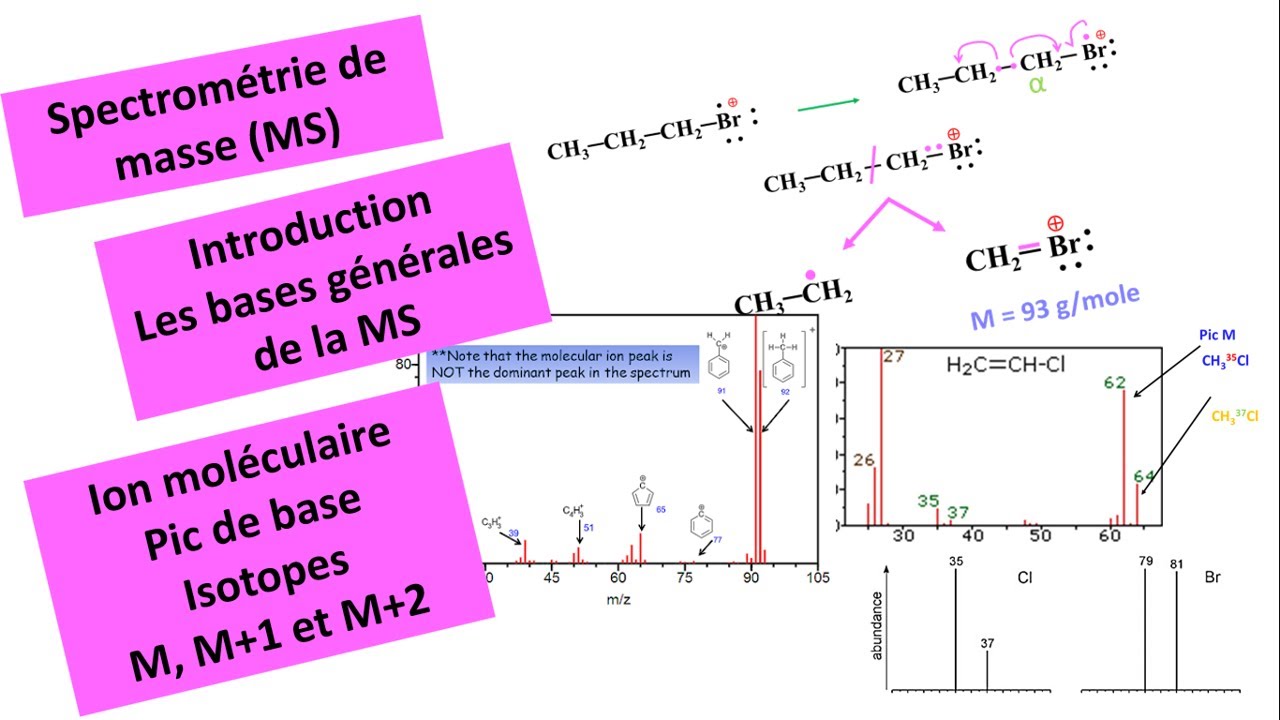








This video demonstrates how to determine an unknown compound's structure by systematically analyzing multiple spectroscopic techniques: IR spectroscopy identifies functional groups (carbonyl at ~1710 cm⁻¹, aromatic ring at ~1600 cm⁻¹, sp³/sp² CH bonds), NMR spectroscopy reveals molecular connectivity (isopropyl group identified by a large doublet with 1:6 integration, downfield CH₂ signals indicate oxygen attachment), and mass spectrometry confirms fragments (m/z 77 for benzene ring, m/z 105 for benzoyl group). The integrated approach combines all data to propose a plausible structure, validating each piece of evidence against the others.
NMR Spectroscopy: Predict a Structure from NMR & IR Spectra
Added:Basic organic chemistry nomenclature and functional group identification.
Fundamentals of Infrared (IR) spectroscopy, including characteristic absorption frequencies for common bonds (e.g., C=O, O-H, N-H).
Core principles of 1H and 13C NMR spectroscopy, such as chemical shifts, integration, and spin-spin splitting (coupling patterns).
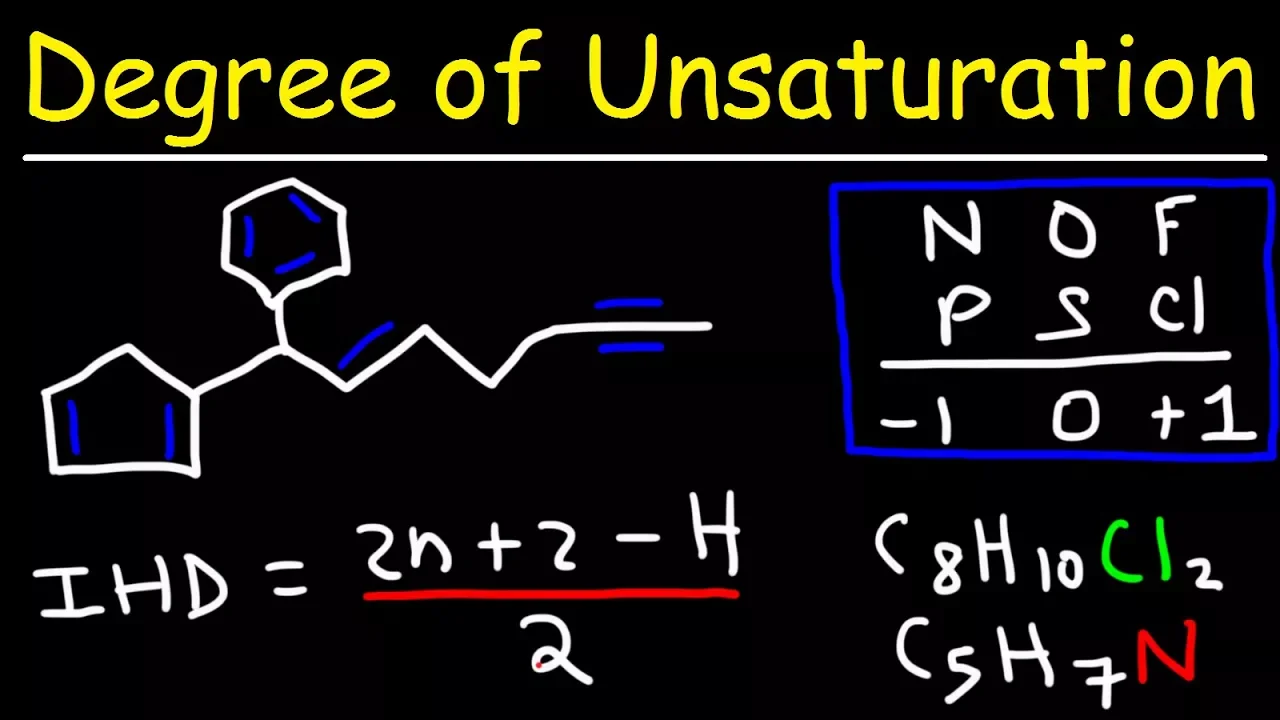
Calculating the Degree of Unsaturation (Index of Hydrogen Deficiency) from a molecular formula.
Basic interpretation of Mass Spectrometry (MS) data, specifically identifying the molecular ion peak (M+) to determine molecular mass.
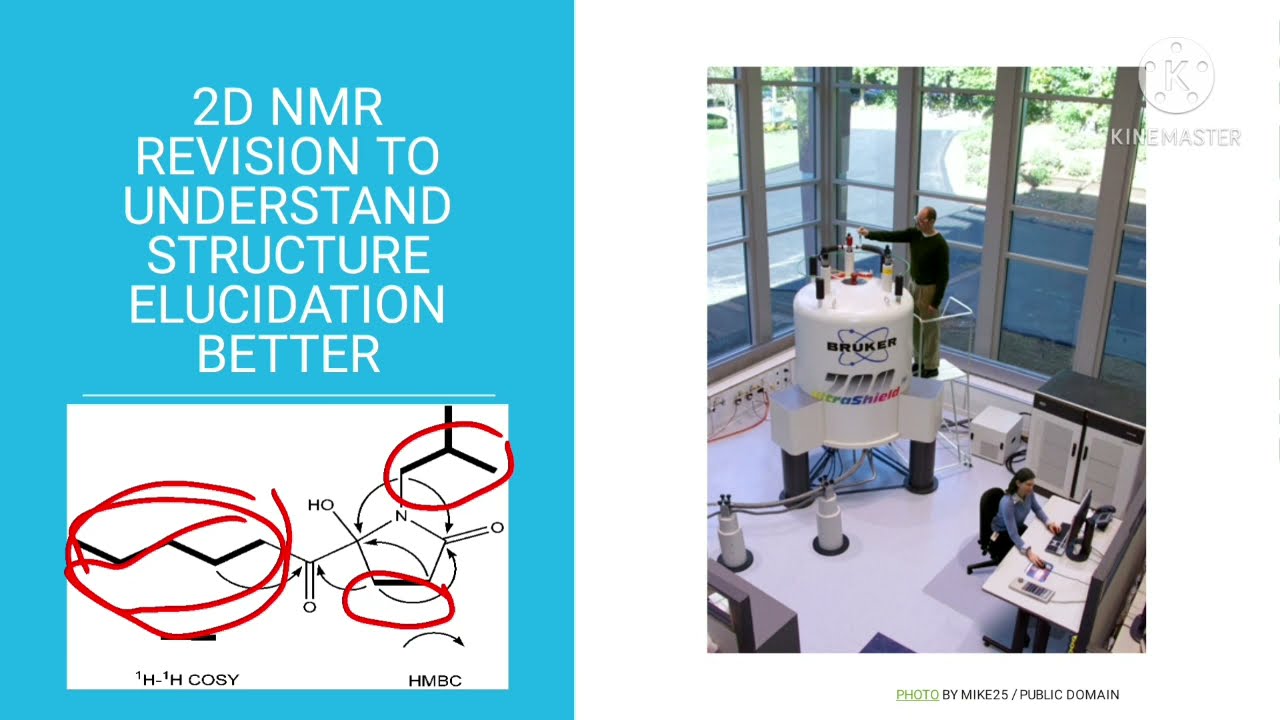
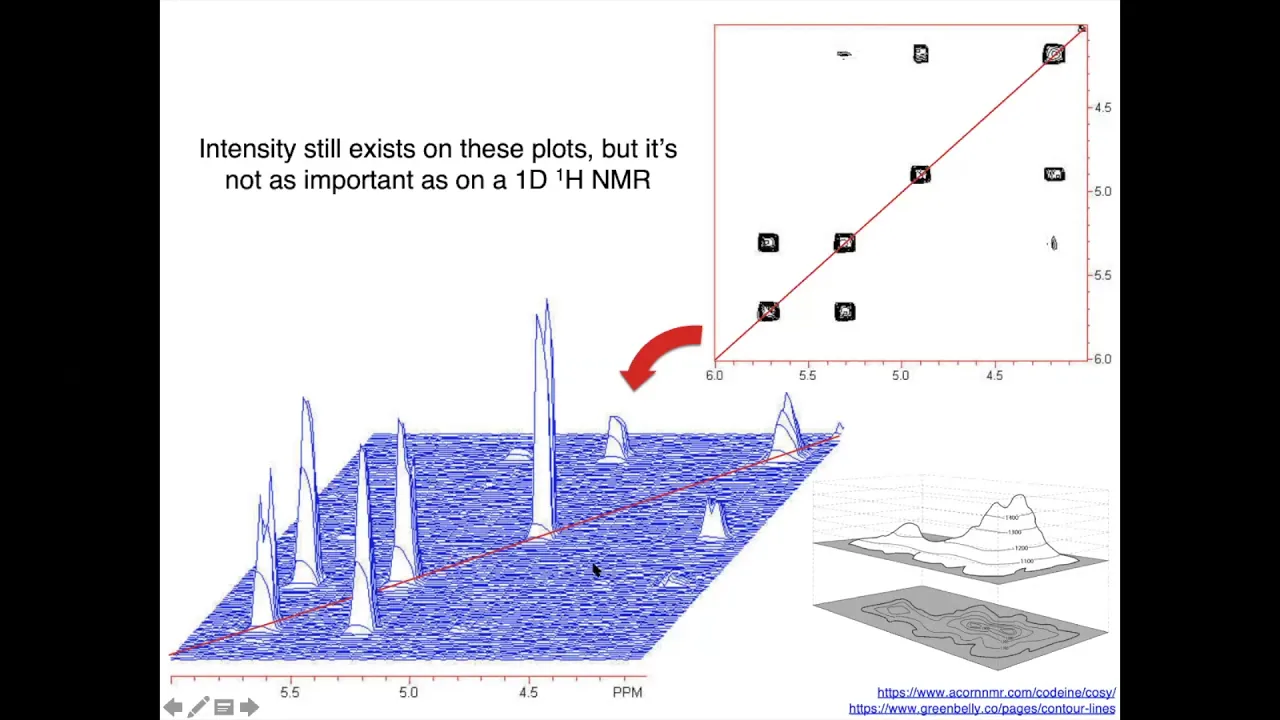
Advanced 2D NMR techniques (e.g., COSY, HSQC, HMBC) for solving complex macromolecular and natural product structures.
Analyzing stereochemistry and diastereomeric relationships using coupling constants (Karplus equation) and NOESY spectroscopy.
Real-world applications in synthetic organic chemistry, such as monitoring reaction progress and verifying product purity.
Structure elucidation of complex biomolecules like peptides, proteins, and carbohydrates using multi-dimensional NMR.
115.2K views1.4Klikes14:46Original Release: 2017-05-09
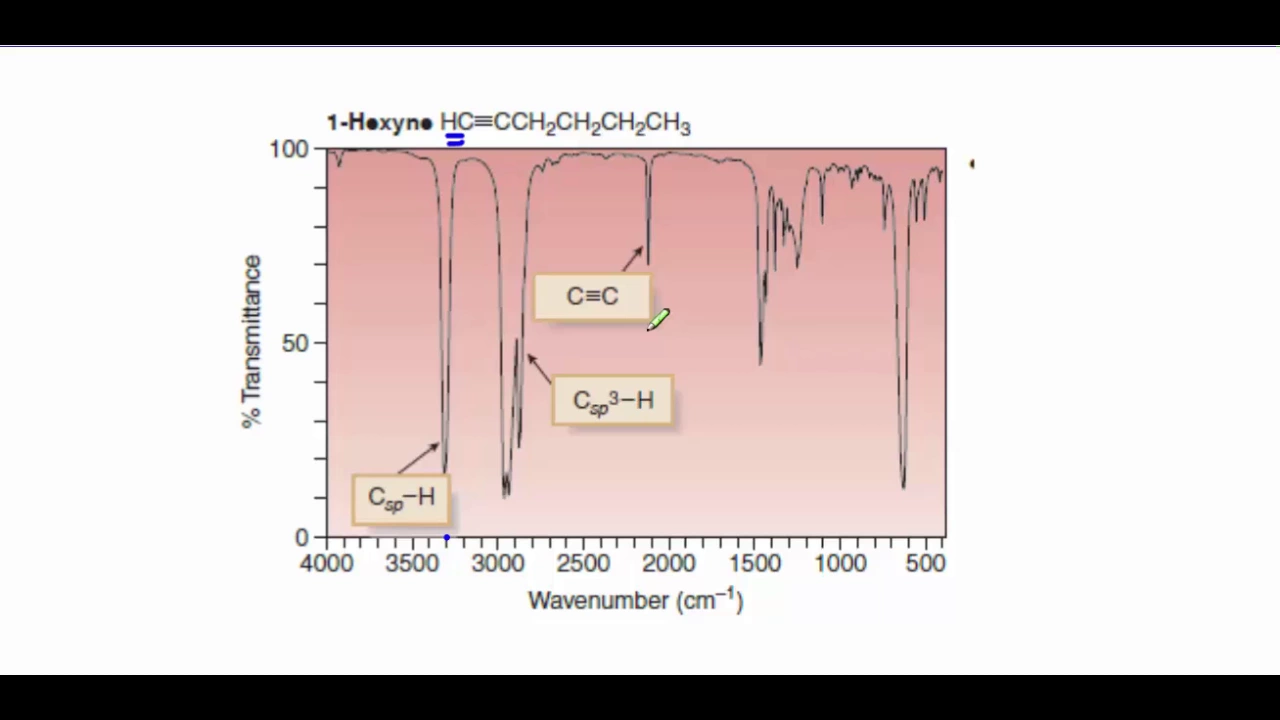
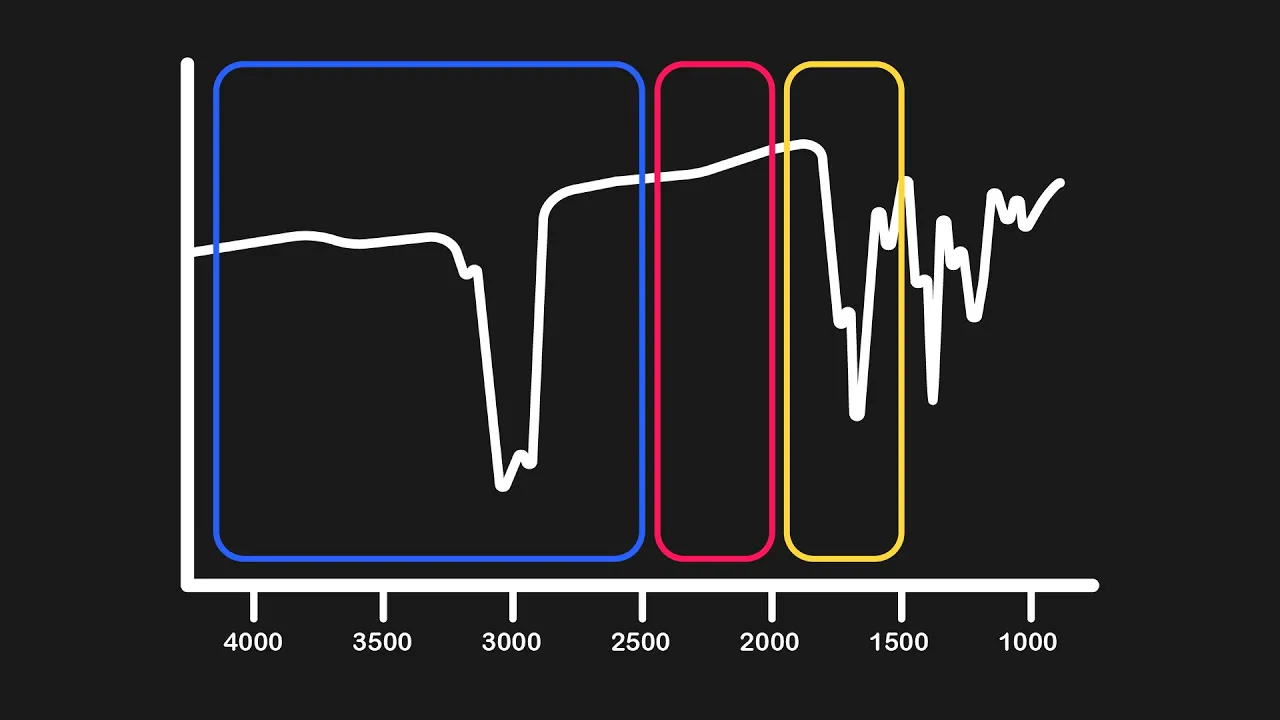
all right welcome back this is another requested video this video request comes from Australia so thank you very much for the request um and this is just another one of those uh structure determination problems I've got a variety of Spectra uvvis IR NMR so we've got some some nice looking NMR data here that we're going to take a look at we've also got a mass spec that we're going to take a look at so we've got a variety of Spectra and we're supposed to come up with a plausible structure for this compound um so let's and get started the first thing I'm going to tell is talk about this UV viz um and the way that I'm going to talk about it is just by going like this uh I don't know that much about UV viz I don't find it to be that useful so if you if you do find something that's useful in that UV viz great uh I'm just going to skip right ahead to the IR I'll talk about all the other um I'm not going to just skip over everything but I will talk about all the other Spectra that were given but that UV Vis just to me is not it's not really useful um probably because I don't really know what what it says anyhow the IR I do know what it says and I can talk about that so the first thing that really jumps out of me when we're looking at IR for the first time we want to sort of look at the really obvious things first we want to say this is really obvious I know for sure this information and I know for sure that this is a C1 I know this is a carbon neocarbon uh oxygen stretch I'm going to estimate the the wave number here at 1710 and that's really obvious to me it just really jumps out you know I think that that for sure that's that indicative of a C10 so I think that we can label that right next next to that here we've clearly got an aromatic Benzene ring um you know this 1600 that is very indicative of this in uh in U aromatic ring so I think that that's a good you know a good starting point over here we've got sp3 CH bonds so right below 3,000 and then right above 3,000 SP2 CH bonds if you have any practice with ir especially if you're taking organic chemistry right now um I think you you're getting really familiar with these sp3 hybridized CH and SP2 hybridized CH uh right below 3,000 you see this nice cut off here so very clearly sp3 hybridized CH bonds over here and then we do have SP2 hybridized CH as well so those four things those are the really obvious things that I for sure know are are part of my my structure here this little Peak here I was sort of wondering about it uh this little Spike um here that's at maybe like 13 3200 maybe or so 3400 um I'm not sure if that if that's something we really need to worry about and at this point in time I'm going to ignore it right I'm only going to focus on things that I really know for sure and I really know for sure these four things okay moving right along to the to the masspec so the MPC uh is something that we're going to use more to check uh once we have a plausible structure so we're going to come back to most of this in just just a minute um but right away I see that we're given a chemical formula so it's always good to have in the back of your mind and right away the first thing that jumps out of me is O2 so when I think about this O2 the ways that we're going to get O2 into our or I guess we should say two oxygen atoms into our structure is either we've got a ketone or aldah here and an alcohol which we don't because if it was an alcohol or a Caro carboxilic acid we would see that in our IR an alcohol would give a broad shift here broad Peak here um a carboxilic acid would give a really broad you know Peak here so we can rule out alcohols we can rule out carboxilic acids so in my mind the thing I'm thinking of at this point in time is an Esther uh you know if I have an Esther then that would would you know give me my ceton o it would give me two sources of oxygen atoms um so that's what I've got in my mind at this point in time but you know still still preliminary so we're not going to be drawing any conclusions yet but I think having that in the back of our mind is a good thing to have all right let's look at this NMR so again the IR and the NMR I think those are the the best starting points um let's make sure we can see everything here and looking at this NMR again the first thing I'm going to do is try to find things that really jump out at me right I think that often times we're tempted to sort of solve everything at once but we really need to sort of take it step by step and be as methodical as possible so in the NMR the thing that really jumps out at me first and foremost is this huge dublet and anytime I see a huge dublet to me I'm thinking isopropyl group because both of these CH groups ch3 groups they'll be you know chemically equivalent um and so we would get one signal and then to split into this doublet we would need a CH group there and that's an isopropyl group so this I think is very clearly what's going on in this region um anytime you see this huge doublet that's sort of what you should have in the back of your mind and then this peak here would be this CH Peak here so the integration should be 1 to six that seems about right I think this is a blow up of this peak here uh and we should get Seven Peaks so I see 1 2 3 4 5 6 7even uh so that that seems good right so we've got this CH Linker here now this peak over here this one I I thought about for quite a little bit um because it should be uh ch2 so if I look at the Integrations here this would be one this is looks like double so I've got a ch2 group that's split into a double it so putting a ch2 group here makes a lot of sense oops that should be a two ch2 got a little carried away there putting a ch2 group here makes a lot of sense because it would be you know a doublet uh because of this CH but I'm a little concerned by the splitting right I would expect this CH to be a more complex splitting because I would be splitting into a triplet here and then that septet from my my ch3 groups but it could be that they it is and it's just sort of overlapping could be that the coupling consonant is the same um or very similar so I think that's okay and I think at this point point of time it's good but now we need to have a reason why it's so far downfield right if we do have the ch2 group here why is it so far downfield why is it at 4 4.1 to me that's pretty obvious that it is bonded to an X group or an oxygen so X meaning something very Electro negative uh pulling that electron density away shifting it down field I know that I have oxygen because of my mass spec so I think putting an oxygen here next to my ch2 that makes a lot of sense so I think that this uh is a is a good sort of piece of the puzzle uh for our our NMR um data I've got my ch2 or ch3s here my isopropyl group and then my ch2 Linker here which is bonded to oxygen shifting it downfield uh the CH here would split this to a doublet so everything really makes sense the only thing I'm I'm a little bit hesitant about is this the coupling of this CH I might expect it to be a little bit more complicated this is such a nice looking septet um you know I'm a little hesitant because it should be split by the ch2 as well but it could just be that the the it is and the coupling is just sort of overlapping and I think that's fine over here there an aromatic region so here we're at 7.5 and 8 um that's my my aromatic region I do have some symmetry here the fact that we're seeing sort of two distinct Peaks does suggest some sort of symmetry um so not too complicated not just a big jumble but at this point in time there's not really much we can sort of assign just yet I think we'll come back to that all right now I think it's time to sort of give it a go uh and and make our first prediction and again when you're doing this at some point you sort of have to take the information that's given and come up with a a structure just put something down and then sort of not really guess and check it's it's a I guess it's somewhat guess and check but but go for it right and then and then see how it fits and if it doesn't fit that's okay right we we can we can fix it we can come up with a new structure um but if it does fit then then that's good that's what we're trying to do so what I'm going to draw out is my first go and the way that I came up with this is I thought about my Benzene ring and I thought about my C10 I had Esther in my mind from before and I started with that and the fact that I have a 1710 shift for my c0 to me that really suggests I've got a conjugated cbond o I've got a conjugated Esther because my table here says that Esters should come at about 1735 but that conjugation is going to lower the frequency so when I had to decide right where I'm going to place my Benzene ring in relation to my Esther I figured it probably makes more sense to put it here so I could have conjugation lower the frequency of the C10 now over here I've got my other piece right from my NMR Spectrum I know that that oxygen should be bonded to my ch2 CH and then my my isopropyl sort of group here so this is my first guess essentially now what I want to do is sort of go back through and make sure everything makes sense make sure everything lines up so C11 h142 I can count my carbons and hydrogen here 1 2 3 4 5 6 7 8 9 10 11 C1 h14 so I've got 3 6 7 8 9 and then I've got five on my Benzene ring my my Benzel ring so that's 14 and then O2 so right there uh that matches up pretty good going back over through our our ir and NMR we should have SP2 and sp3 hybridized ch's SP2 sp3 that seems good I've got my c o I've got my Benzene ring I've got conjugation it's lowering the frequency of my Esther down just a little bit that seems good over here um you know I've got my isopropyl group that seems good I've got my ch2 right here um again that seems good all this should should be seeming good let's go ahead and talk about our Mass Spec so this is now time for our confirmation sort of so if we look at our Mass Spec this is our Mass Peak and then I should be thinking about fragments that that equal into these pieces over here so the most obvious fragment for 77 something that you'll sort of get used to sort of seeing is just a Benzene ring so that piece there if you add that up uh that equals a mass of 77 so that's a good fragment the other fragment at 105 if you just add in uh you know a CO right if you add Co to 77 you get 105 so this other fragment here where I get a piece there um that is my 105 Peak now this 122 Peak this took me a little bit of time and I actually had to consult uh Roxy um my fellow organic chemist uh to help me out with this because what this peak ends up being so when I drew it out I was like well this is the fragment that we're seeing at 122 this is the fragment that is at 122 but how do we get that fragment um and there's actually a rearrangement that can occur where this oxygen actually gets protonated from this hydrogen here so this sort of swings around we can actually protonate and then we can can cleave so it is the same fragment it's just really sort of flipped um but this is a rearrangement and then and then a cleave uh to get to this fragment so probably a better way to to draw this would be that this gets protonated this oxygen gets proteinated from over here and then we've got o cleave so this is my fragment really that's at 122 and this is my ma my whole Mass fragment uh that we see here so all of our fragments those make sense and I think that it's really again confirms or maybe this is you know this is the way that we would have come up with these fragments in the first place right this this is how we know that we've got that conjugated c o because of my fragments here right this really suggests this 105 really suggests that's where my C C on o is um so that's that's a good confirmation now the last thing I know this is a long video but got to do all the cover all the bases is our depth so our D is going to that's an oxygen is going to tell us uh about our carbon so this is a carbon NMR and the things that have pluses are ch3s or CHS so in this region here I've got ch's so I've got these two are going to be equivalent so I've got one two three Peaks that I should see over here One Two Three Peaks that are all CHS so that's good uh here I've got a ch2 in my depth it's saying that the things that are labeled with pluses are ch3s or ch's the things that are labeled with a minus are ch2s I've only got one ch2 so that's going to be right here now in this region over here I've got two more Peaks one should be a ch3 and one should be a CH and that's what I see here and here so I think that this looks good if I wanted to go and label these we'll call these A's b c d d e e and f then I would label this as a b c excuse me I don't know which one of these would be D or e but we could call this D E and F I think that that makes sense um but DNA clearly could be switched uh I'm not 100% sure on that but I don't think it it matters too much we could do the same assignments up here for our uh proton NMR I think clearly we've got a b c uh we talked about those a little bit earlier we can label it here a b and c now for our uh aromatic region I think that these Peaks here are d right so those are going to be here D And then this all is e slf um D should be split into a nice doublet so one signal split into a dou from E and I think that that's what we're seeing here so I think that would be my assignment I think that this is a a good structure I think we've put all the pieces together here um so this would be the the structure that I proposed I think I like this structure um we've gone through covered our bases for our IR for our NMR for our MPC everything sort of makes sense so I think this is good all right hopefully that is helpful let me know in the comments below if you have any questions um or would like to request a video cheers
Up Next
11:54
Combined IR and 13C NMR Spectral Problem Solving
@csbsjuchemistry7378
988 views•2020-07-21
83:56
Biocatalysis and Catalysis in Islatravir Synthesis | Merck Webinar
@SCIwheresciencemeetsbusiness
675 views•2020-10-08

10:26
IR & NMR Spectroscopy: Solving a Chemical Structure
@TonyStJohn
669.4K views•2015-08-12

17:31
Edible Water Bottles: A DIY Guide to Sodium Alginate Spherification
@ryan
10.5M views•2019-06-21
Related Study Plans & Knowledge Roadmaps
Structured learning paths in Chemistry
chemistry
Nuclear Chemistry: Decay, Meds & Fuel Cycle
01Introduction to Nuclear Structure and Radioactivity
02Decay Dynamics and Kinetics
03Radiation Interaction and Detection
+ 2 more learning modules
24h5 modules
Explore Roadmap
chemistry
Supramolecular Chemistry: Forces & Machines
01Foundations of Chemical Bonding and Intermolecular Forces
02Introduction to Host-Guest Chemistry
03Thermodynamics and Dynamics of Self-Assembly
+ 2 more learning modules
16h5 modules
Explore Roadmap
chemistry
Photochemistry: Excited States & Reactions
01Foundations of Light-Matter Interactions
02Molecular Orbitals and Electronic States
03Photophysical Processes and Jablonski Diagrams
+ 2 more learning modules
18h5 modules
Explore Roadmap
chemistry
Coordination Chemistry: Bonding & Properties
01Introduction to Transition Metals and Ligands
02Crystal Field Theory (CFT) and Geometry
03Magnetic Behavior and Spin States
+ 2 more learning modules
14h5 modules
Explore Roadmap