








![[교과보충집중프로그램] 아스피린합성실험관련 이론](https://i.ytimg.com/vi/LtCy_xrJk4s/sddefault.jpg?sqp=-oaymwEmCIAFEOAD8quKqQMa8AEB-AHUBoAC4AOKAgwIABABGGUgZShlMA8=&rs=AOn4CLCRcCRP1LOijiSurOypRcAeaguU3Q)


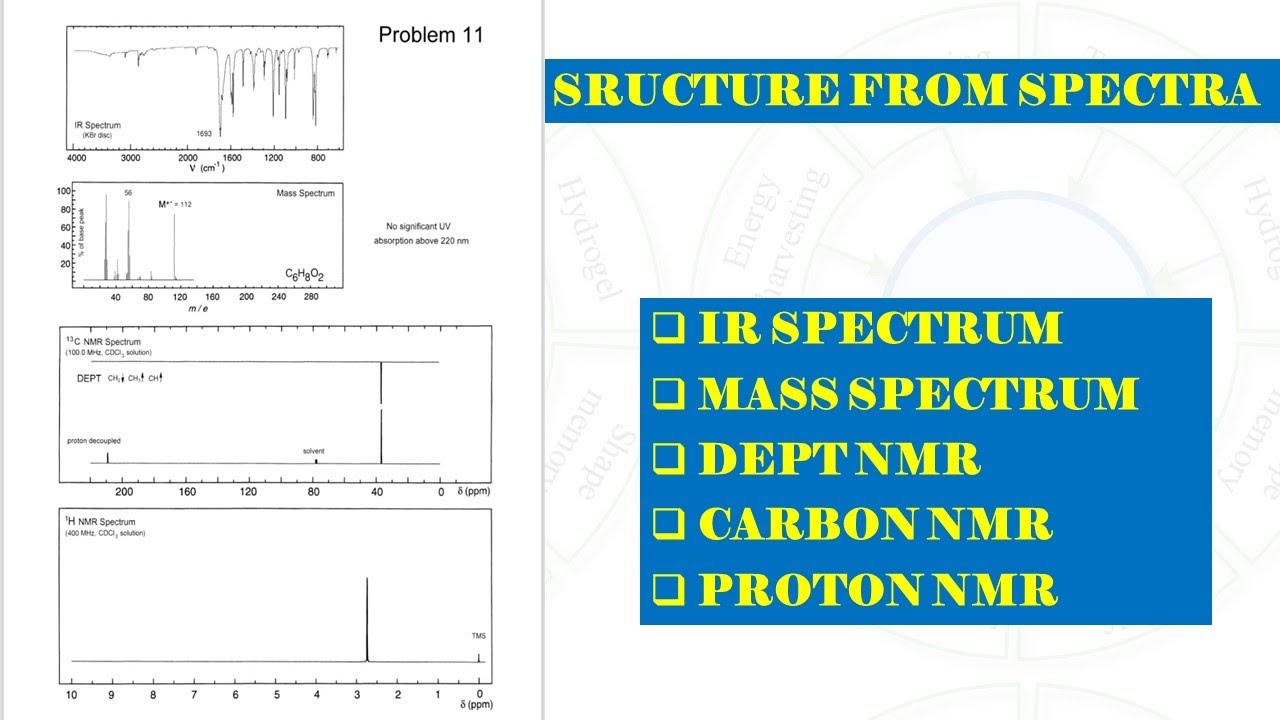






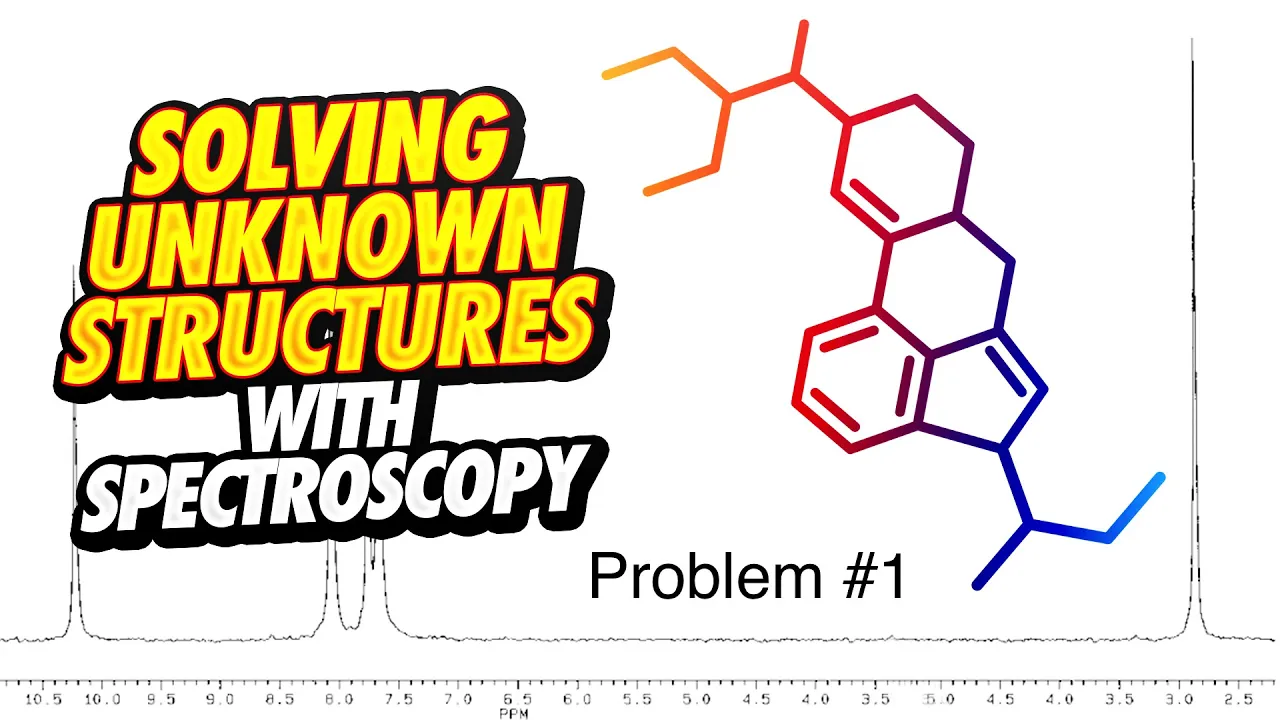



This video demonstrates how to determine a plausible chemical structure by systematically analyzing IR and H NMR spectra: First, identify functional groups from IR peaks (e.g., 1760 cm⁻¹ indicates an ester carbonyl, 1600 cm⁻¹ indicates an aromatic ring); then interpret NMR signals (singlets, triplets, multiplets) to determine hydrogen environments and connectivity; finally, combine all spectral data with the molecular formula to propose a consistent structure, verifying that all observed peaks match the proposed structure.
IR & NMR Spectroscopy: Solving a Chemical Structure
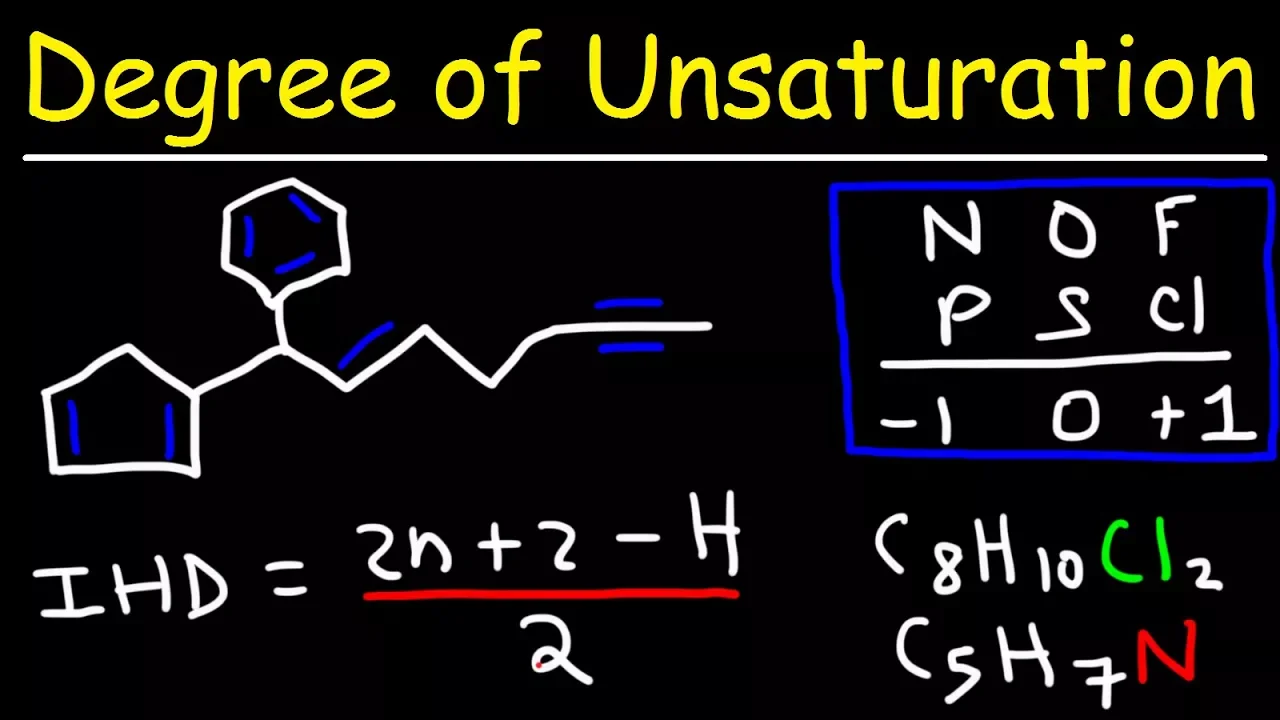
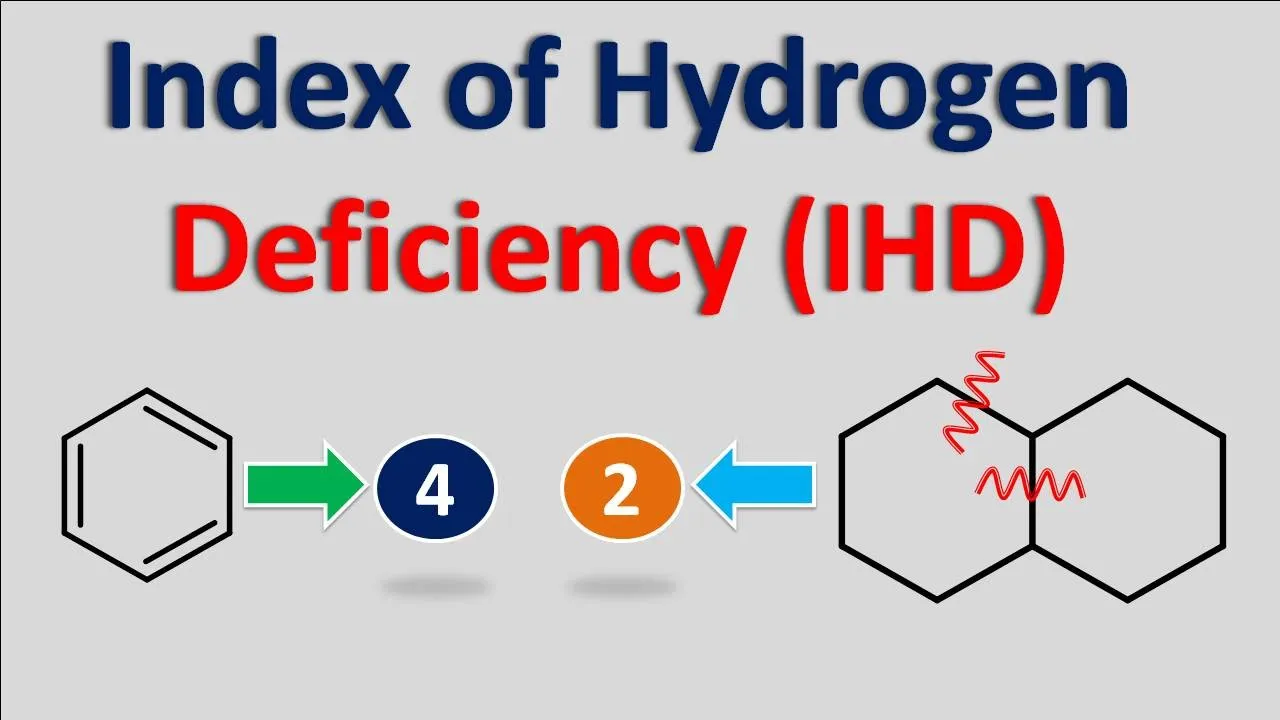
Added:Understanding how to calculate and interpret the Degree of Unsaturation (Index of Hydrogen Deficiency) from a molecular formula to determine rings and pi bonds.
Familiarity with characteristic Infrared (IR) absorption frequencies for major functional groups, such as carbonyls (C=O), hydroxyls (O-H), and aromatics.
Knowledge of Proton NMR (1H-NMR) fundamentals, including chemical shifts (ppm), integration (proton counting), and spin-spin splitting patterns (multiplicity and the n+1 rule).
A solid foundation in basic organic chemistry structural motifs, including alkyl chains, benzene rings, and ester/ether functional groups.
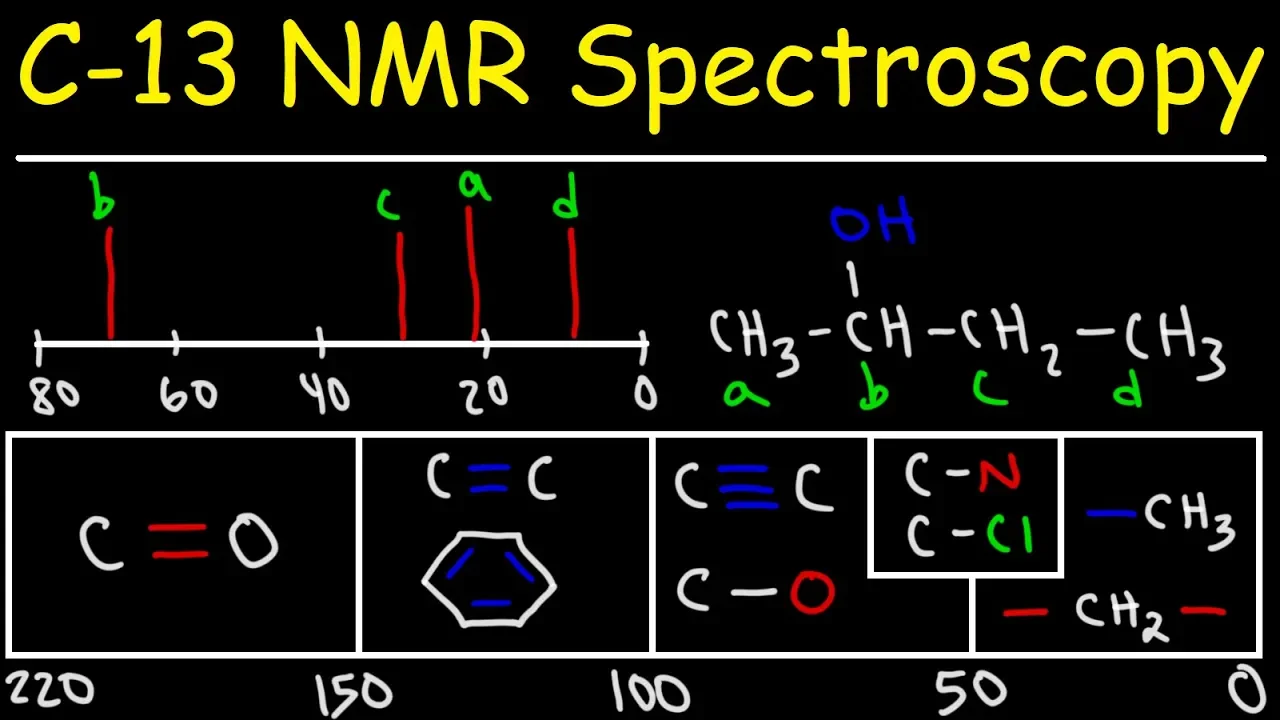
Introduction to Carbon-13 (13C-NMR) spectroscopy, including DEPT experiments, to analyze the carbon skeleton of molecules.
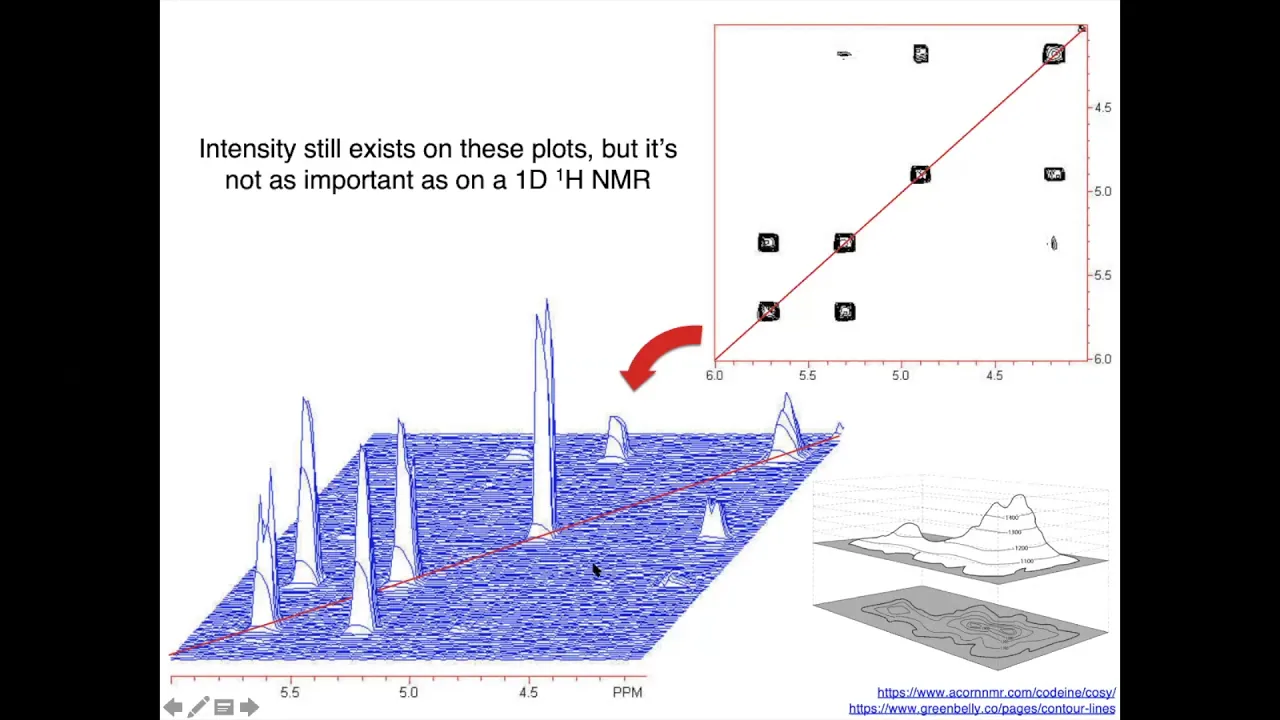
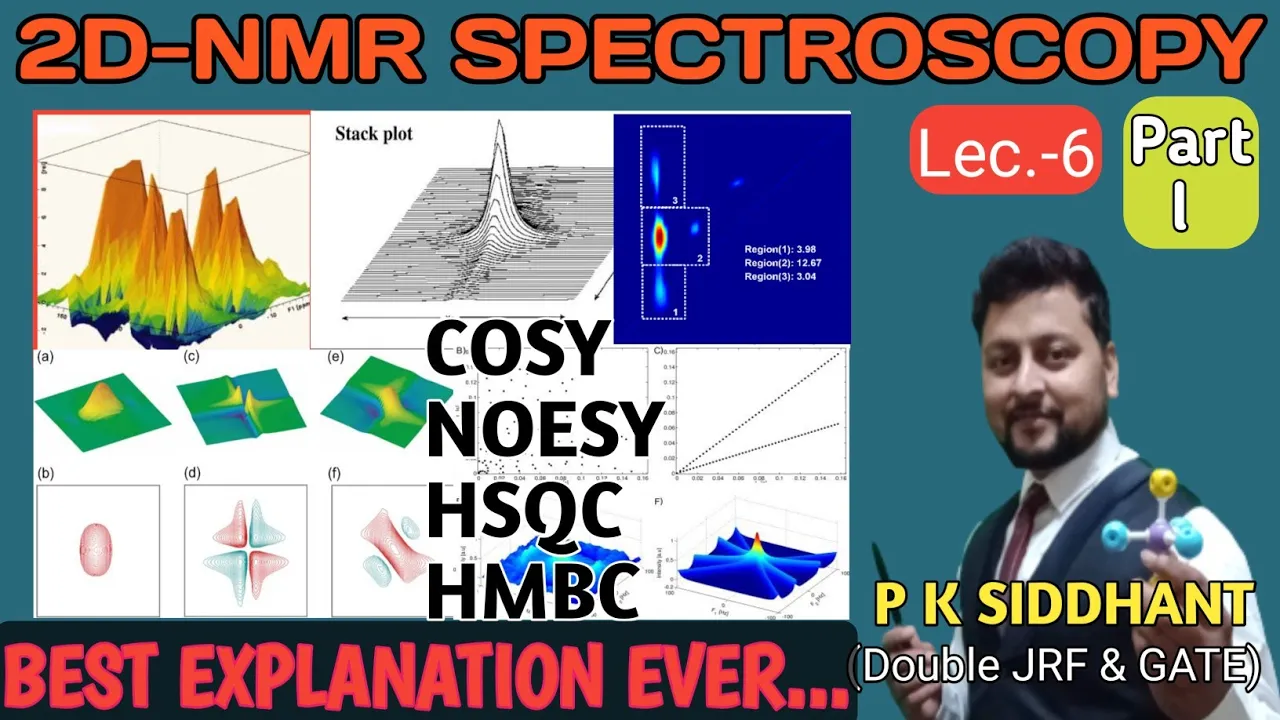
Exploring 2D NMR techniques such as COSY, HSQC, and HMBC to establish direct proton-proton and proton-carbon connectivity.
Integrating Mass Spectrometry (MS) fragmentation patterns alongside IR and NMR data for comprehensive and robust structure elucidation.
Applying spectroscopic analysis to determine the structure of complex unknown natural products and synthetic reaction products.
669.4K views7.6Klikes10:26Original Release: 2015-08-12
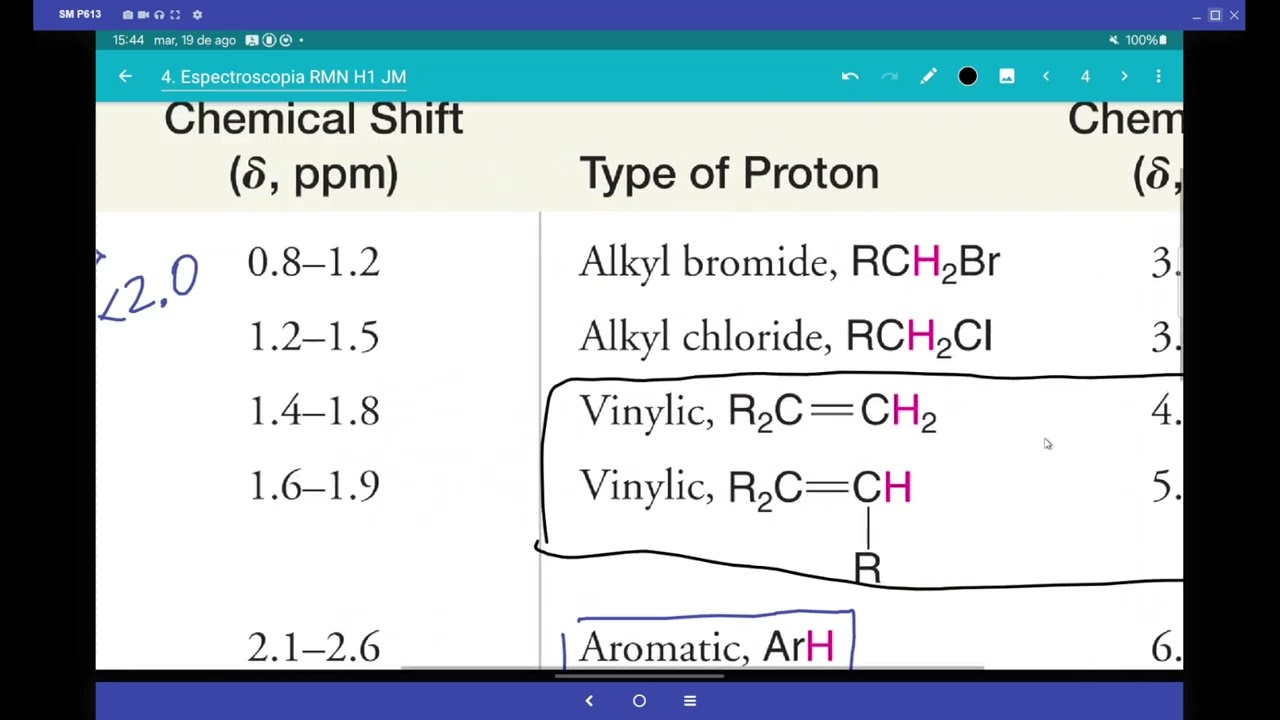
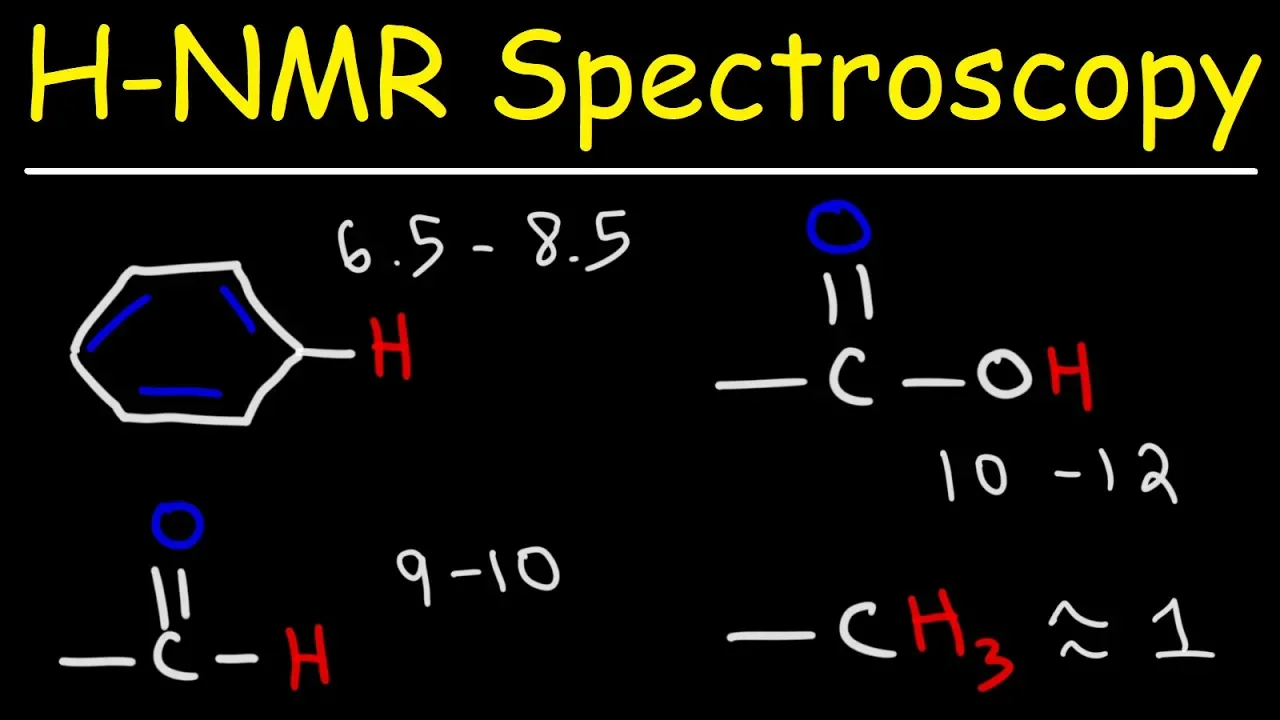
all right class so this is sort of the big picture problem for our ir and NMR spectroscopy sections and this problem is asking us to sort of come up with a a plausible uh structure for a given you know molecule the information that's given to us is the formula so we've got C11 h142 um and we've got an IR spectrum with some some Peaks that are labeled and an NMR Spectrum um with all of the NMR relevant NMR data for us so I'm going to talk through sort of the strategy behind you know a problem like this how I'd like you guys to sort of write everything out and then how we can sort of come to a a plausible um structure for you know a final product and then check to make sure that everything sort of makes sense um that we're we're you know proposing something that is consistent with the data that's that's the goal here um okay so let's get started so first thing that I would do is look at my IR spectrum and sort of label what you know what I see here we've got some Peaks just below 3,000 so right away I'm going to say sp3 CH so we've got some um you know alkan type sp3 CH bonds that are stretching there this 3033 that's going to be an SP2 CH so just a above 3,000 that's my SP2 hybridized CH bonds at 1759 so I think that this is pretty clearly a c double bond o and then we can sort of think about well what type of of C double bond o what type of carbonal stretch is that so if we go to our our table here here is our you know c bond o we've got ketones acids about 1710 so again we're at 1760 pretty much um we also know that conjugation is going to lower the frequency so probably not Ketone or acid aldah 1725 again we're sort of you know this is a little bit higher than than uh than those numbers Esther that's the highest one we have here so about 1735 so I might be thinking Ester here um you know looking at what else you know fits that's really the only thing I'm sort of finding on here so that's going to be my my guess at this point in time so for this C1 I'm going to guess you know something like this um with some other stuff going on here so I've got a generic Esther here I'm going to put an R Group here and I'm going to say not a ring and I'm going to say that that's not a ring on this other side of this you know carbonal stretch um because this is so high it doesn't if it was uh conjugated then that stretch would would be lowered it would be you know I would expect to be below 1735 but since it's above um I'm going to say definitely we don't have conjugation going on here so I'm going to put not a ring um for my Esther but I think that's a good you know a good start 1,600 that is going to be a benzine ring right so whenever we see 1600 we're going to think that that's a fennel ring so maybe that fennel ring is over here right so we could say well you know maybe we've got some ring over here because there's clearly a ring in my structure um but I I know that it's not on this side because this 1760 um would be much lower conjugation would lower that frequency uh to below 1735 for sure so that's the conclusions that I can draw for my ir and these labels I think are are very important right we need to have this sort of information the SP2 CH that can come from my ring so that that makes sense this other R group that this sort of suggested that's going to be some sort of alkan um you know uh group a propyl group something like that probably coming off as this R Group because I have these sp3 CHS so let's go to the NMR and see what we can find in the NMR this is how I'm going to present the NMR to you and it's sort of hard to see um you know it's sort of hard to interpret this so what I would really recommend is labeling all these Peaks so out here you know I've got a two high doublet this one is again a two High doublet so writing the information on you know the actual NMR spectrum makes it easier to to interpret so here at 2.5 this is a two high triplet this peak here at 2.3 is a three High singlet so that singlet that's you know right away I'm sort of saying oh that's that's pretty interesting um there's a methyl group there three high it's probably a methyl group and it's isolated three High singlet means you a methyl group that's isolated from other things it's not part of an alkane chain down here at 1.8 I've got a two High multiplet um so m means multiplet so multiple things going on um more complex splitting and then at 1.8 or excuse me at 1.0 I've got a three High triplet so a three High triplet to me a three High triplet indicates I've got something like this so This methyl group here that would show up as a three High triplet because it's resped to this methylene Linker so that would you know split this methyl group into a three High triplet this is coming right at about one so that makes sense for a methyl group um you know if we if we turn this table over and we look at where a methyl group is going to come on an alkane 0.9 so right away this to me says I've got some sort of ethyl group for this ch2 I think I I've got sort of you know if this was if this say was linked to my carbonio carbon then I would expect to see some sort of two high quadruplet right twoo High quadruplet I don't see that but this ch2 is probably linked to something else and then it's this multiplet here right because I've got to have you know a two high something it's not going to be this twoo High triplet because this would be a quadruplet at least so this um methylene is probably this peak here um and then that's probably linked to something else so there's going to be some other you know ch2 or something else here um that I'll have to deal with so so far that's that's pretty good um the next thing I might say is well let's let's deal with these two peaks out here these I think are very indicative of something so to me I'm going to say that these Peaks out here those are probably going to be something on a ring so if I look at where my fennel my aromatic you know fennel h uh shifts come approximately 7.2 we're right here at 7 6.9 7.1 so pretty clearly I think we've got a situation like this I've drawn here where I've got a symmetric fenel ring right so it's symmetric a mirror plane right along here so two of these right a two high doublet and a two high dublet that's what I would expect um for something like this now this sort of you know reminds me of this three High singlet and that three High singlet could be a benzilic a fenel methyl so fenel with a methyl group on it and that comes at approximately 2.3 so my three High singlet well that's exactly at 2.3 so I'm going to put a methyl group here I really think that matches up really nicely where I would have an R Group coming off here three High singlet would be my methyl group on that Benzene ring um that matches up really nicely these are I think are clearly two high doublets uh you know on that ring so I've got that airplane here so you know this I think something like this is definitely part of my structure um so let's sort of bring it together a little bit here uh we know that we have an Esther we know that we've probably got a ring over here now we're going to add that methyl group right over here um that takes care of this peak this peak and this peak I think we earlier said we've got a three High triplet from this methyl group this multiplet is probably this methylene so that leaves this peak over here a two high triplet so right away I'm going to say well that could be a ch2 ch2 ch3 a propyl group because this methylene would be split by this methylene to give a two high triplet this would be a multiplet because I've got you know splitting from both of these groups and then this would be a triplet as well so three High triplet so something like this a propy group would would also make sense so I think I'm getting pretty close here I'm going to go ahead and draw out what I think so I think this structure here where I've got a propy group bonded to my um carbonal carbon so I do not have conjugation here then I've got this Esther and then I've got my ring off of the other end of the Esther I think this is consistent with all of the information that I have here so then the next exercise would then be to to go back through so label all of these h h h and then just double check to make sure that everything is consistent with all of the data that was presented you know do the assignments so assign where you think each proton sort of belongs in all the the proton and our Spectra um but I think this is probably a a very plausible good structure to come up with the the other thing now I forgot we were given the uh the chemical formula so don't forget about that C11 h142 so let's go ahead and count 1 2 3 4 5 6 7 8 9 10 11 so C1 h14 so here's 7 8 9 10 11 12 13 14 and then two oxygens I think we're in good shape this looks pretty good
Up Next

14:46
NMR Spectroscopy: Predict a Structure from NMR & IR Spectra
@TonyStJohn
115.2K views•2017-05-09
83:56
Biocatalysis and Catalysis in Islatravir Synthesis | Merck Webinar
@SCIwheresciencemeetsbusiness
675 views•2020-10-08
10:06
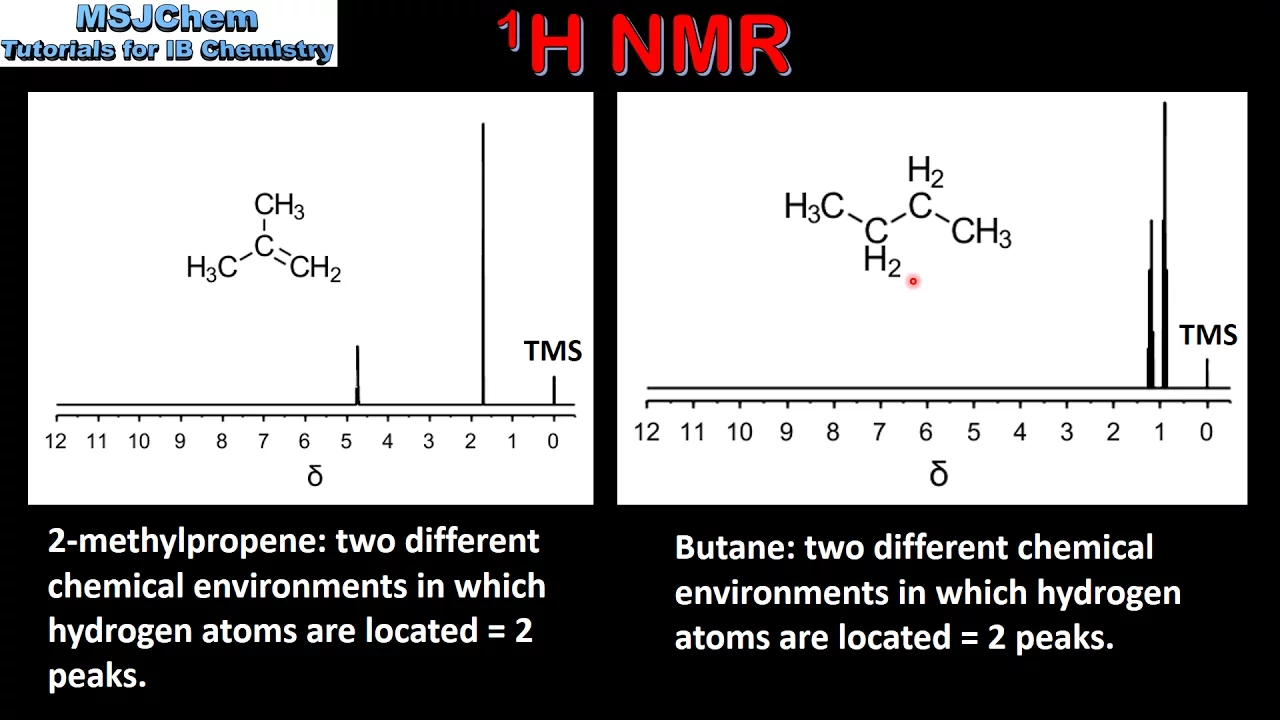
1H NMR: Determining Number of Peaks from Structure
@MSJChem
59.2K views•2017-04-06

17:31
Edible Water Bottles: A DIY Guide to Sodium Alginate Spherification
@ryan
10.5M views•2019-06-21
Related Study Plans & Knowledge Roadmaps
Structured learning paths in Chemistry
chemistry
Nuclear Chemistry: Decay, Meds & Fuel Cycle
01Introduction to Nuclear Structure and Radioactivity
02Decay Dynamics and Kinetics
03Radiation Interaction and Detection
+ 2 more learning modules
24h5 modules
Explore Roadmap
chemistry
Supramolecular Chemistry: Forces & Machines
01Foundations of Chemical Bonding and Intermolecular Forces
02Introduction to Host-Guest Chemistry
03Thermodynamics and Dynamics of Self-Assembly
+ 2 more learning modules
16h5 modules
Explore Roadmap
chemistry
Photochemistry: Excited States & Reactions
01Foundations of Light-Matter Interactions
02Molecular Orbitals and Electronic States
03Photophysical Processes and Jablonski Diagrams
+ 2 more learning modules
18h5 modules
Explore Roadmap
chemistry
Coordination Chemistry: Bonding & Properties
01Introduction to Transition Metals and Ligands
02Crystal Field Theory (CFT) and Geometry
03Magnetic Behavior and Spin States
+ 2 more learning modules
14h5 modules
Explore Roadmap