




![AP Government UNIT 2 REVIEW [Everything You Need to Know!]](https://i.ytimg.com/vi/FepoztzFG4E/maxresdefault.jpg)


![Supreme Court Landmark Case [Brown v. Board of Education]](https://i.ytimg.com/vi/NVLrP8sRCHw/maxresdefault.jpg)



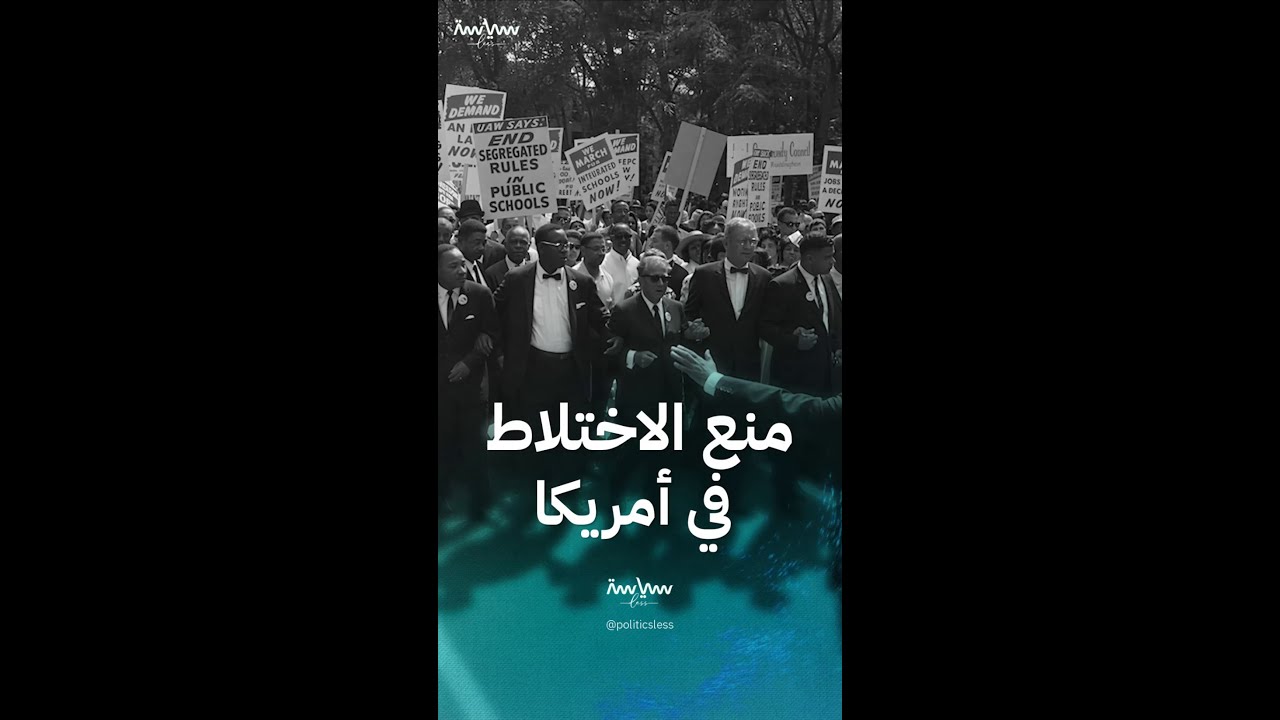


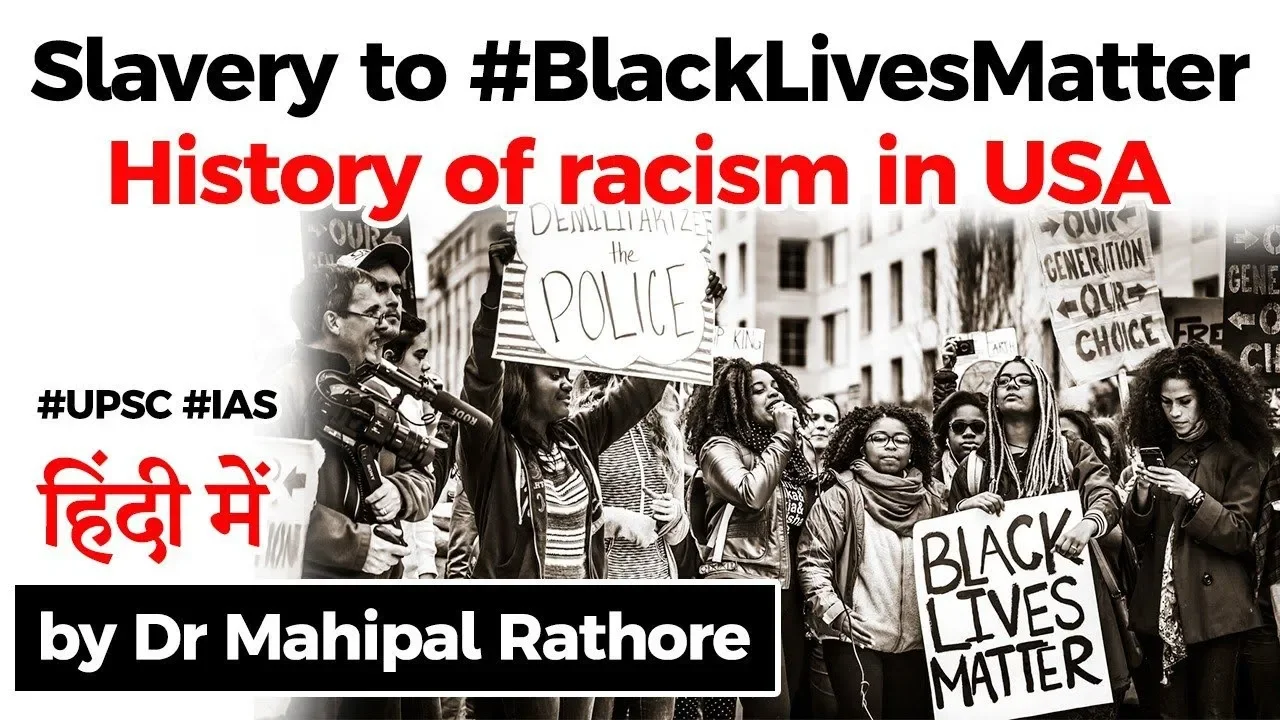
In 1896, the Supreme Court's unanimous ruling in Plessy v. Ferguson established the 'separate but equal' doctrine, which upheld Louisiana's Separate Car Act and provided constitutional justification for racial segregation across America; this landmark decision, delivered by a 7-1 majority that included Justice John Harlan's famous dissent declaring the Constitution 'colorblind,' marked the beginning of the Jim Crow era (1896-1965) and enabled Southern states to legally enforce systemic racism through segregation laws, disenfranchisement, and violence against African Americans.
Plessy v. Ferguson: How 'Separate but Equal' Shaped Jim Crow America
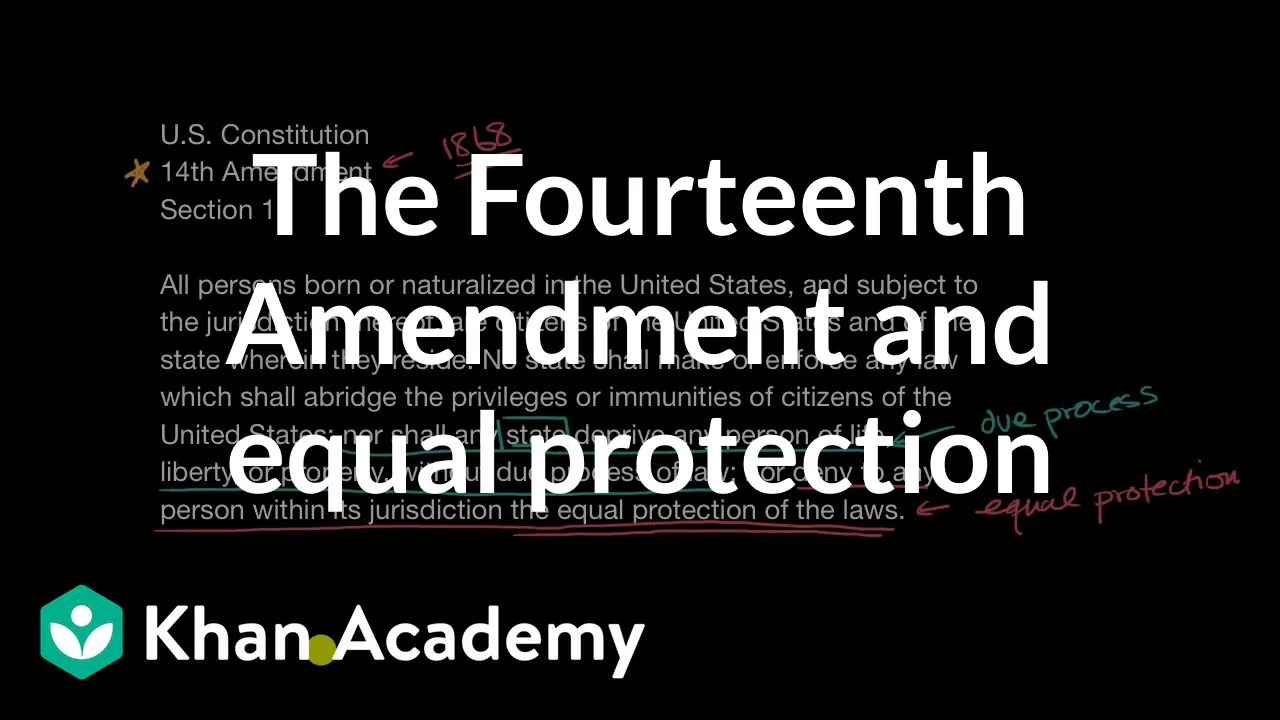
Added:The Reconstruction Amendments, specifically the 14th Amendment and its Equal Protection Clause, which was the legal foundation of Homer Plessy's challenge.
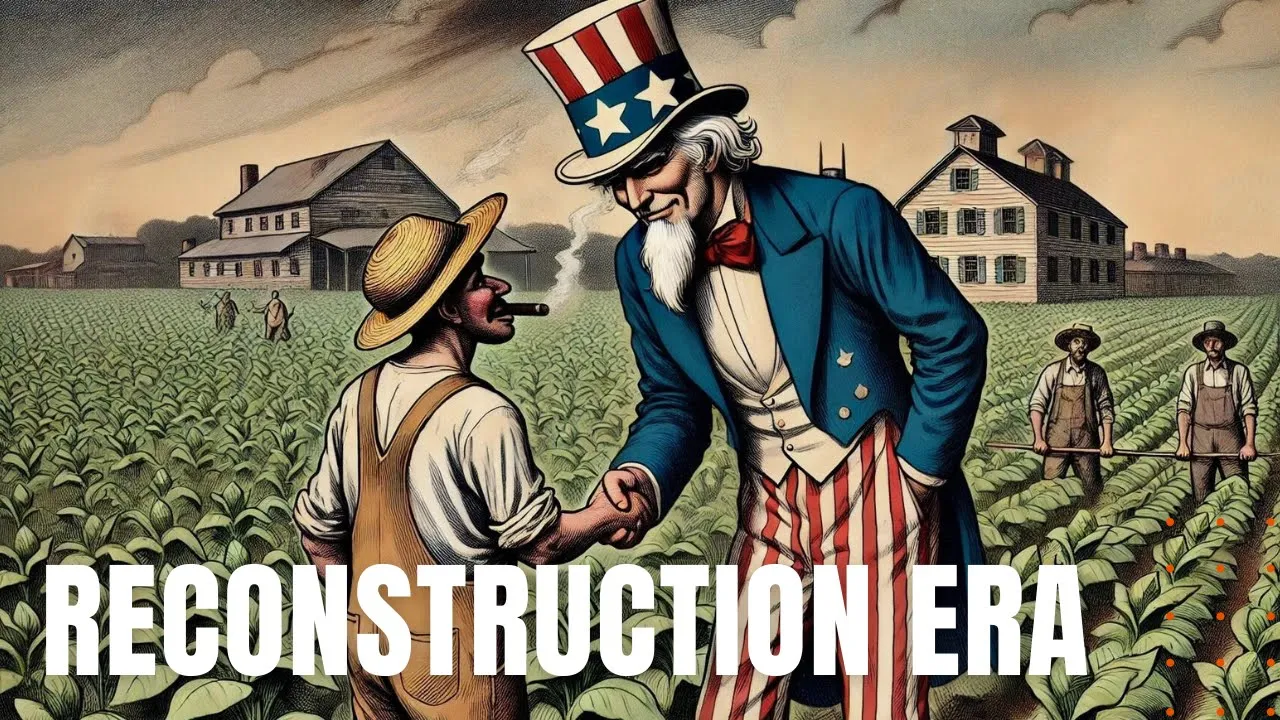
The historical context of the post-Civil War Reconstruction Era (1865–1877) and how its end led to the rise of 'Black Codes' and white supremacy in the American South.
The basic structure of the US federal judiciary system and how Supreme Court rulings establish legal precedents that affect federal and state laws.
The landmark Supreme Court case Brown v. Board of Education (1954), which legally dismantled the 'separate but equal' doctrine in public education.
The systemic expansion of Jim Crow laws, including disenfranchisement methods like poll taxes and literacy tests, and their impact on Black Americans.
The legal and philosophical legacy of Justice John Marshall Harlan’s sole dissenting opinion in Plessy v. Ferguson, which argued that the Constitution is 'color-blind'.
The legislative victories of the Civil Rights Movement, such as the Civil Rights Act of 1964 and the Voting Rights Act of 1965, which codified equal rights into federal law.
894.9K views20.2Klikes35:56Original Release: 2022-06-06
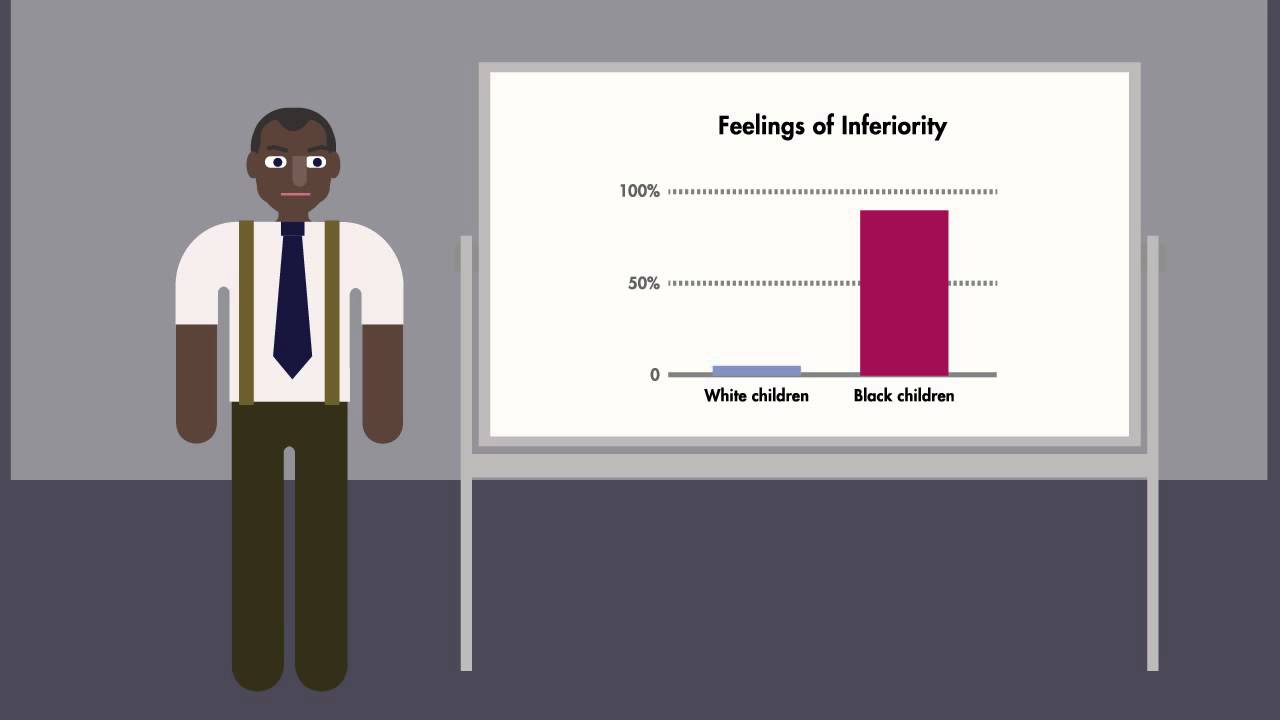
homer plessy was born free in new orleans louisiana on march 17 1863 just three months after president abraham lincoln signed the emancipation proclamation plessy's father died when he was only six years old but he never wanted for a strong male figure in his life victor dupart his stepfather filled that role admirably dupart made a good living as a shoemaker and plessy thought he could do the same so he took up the trade but unbeknownst to them theirs was a dying profession in 1883 yon ernst matt zelliger a black inventor born in modern-day suriname patented a machine that could attach a shoe's leather upper to its sole enabling mass production of footwear just one of matt zelliger's shoe lasting machines could produce as many as 700 shoes per day it wouldn't be long before handmade shoemaking was obsolete du park was also a community activist he was heavily involved in black civic life in new orleans championing freedom rights for people of african descent through his leadership in local masonic organizations his stepson followed suit in 1887 plessy became vice president of the justice protective education and social club which focused on educational reform in the crescent city in 1888 plessy married louise bordenave the newlyweds found a place to live in the historic treme neighborhood located just north of the french quarter treme was the oldest black community in new orleans and the soul of the crescent city treme pulsated with energy especially at night in the storyville section african-american musicians blended styles and sounds mixing blues ragtime west african drumming rhythms and european classical music chords to give birth to jazz america's most original sound living in treme the plessies experienced the color line differently than african americans in many other places to be sure new orleans was still part of louisiana scores of black men have been massacred just 200 miles away in colfax in 1873 but new orleans had a long complex history of race relations stemming from its french colonial roots the color line in the crescent city was more flexible after emancipation and in some cases before various people of african descent attended racially integrated schools sat where they wanted on trains and streetcars and married whomever they pleased but that was changing and it was changing quickly the hayes tilden compromise of 1877 which completed the democrats return to power together with the supreme court's opposition to congress's efforts to protect the civil rights of african americans emboldened southern lawmakers to pass sweeping segregation ordinances as a way to reassert white supremacy the new laws required separate accommodations for african americans and whites they segregated everything from hospitals to cemeteries touching black life from the cradle to the grave almost overnight the system of mutually reinforcing segregation laws and social customs known as jim crow took shape the louisiana state legislature passed the separate car act in 1890 requiring separate railway carriages for the white and colored races although the statute stipulated that the separate train cars had to be identical the reality of segregation was that african americans always received less than whites always the new wave of white supremacist legislation disturbed blacks in the bayou state tremendously african americans understood that the freedom rights they had fought so desperately to achieve were at high risk of being completely erased in new orleans a group of black civil rights activists formed the citizens committee for the express purpose of organizing a test case to challenge the constitutionality of the state's separate car act the plaintiff was homer plessy on june 7 1892 plessy entered the press street depot in new orleans and purchased a first class ticket for the east louisiana railway number eight train bound for covington louisiana about a two hour ride away but plessy never intended to leave the city he intended to get arrested after boarding the train plessy sat in a white only car in appearance homer plessy looked white but he wasn't not completely his paternal grandmother was a free woman of color who married a frenchman who had fled haiti in the 1790s during the islands revolution plessy's other grandparents were of mixed racial ancestry making them creoles and making him according to the racial pseudoscience of the day seven eighths caucasian and one eighth african as a result when he sat in the white only car he violated the state's segregation ordinance and was subject to arrest and fine to put it plainly he wasn't white enough he had one too many drops of african blood conductor of the train knew that plessy was african-american he also knew what plessy was planning having been alerted in advance by the railroad company like several other railroads the east louisiana opposed the separate car act company executives believe the law was unnecessary their trains had been operating on an integrated basis without any problems for years they also believed that the law unfairly burdened them with the unnecessary expense of having to add additional cars to their trains even when there were not enough passengers to fill them complying with jim crow which got its name from a popular 19th century minstrel song character required public performances of ritualized customs to demonstrate acceptance of segregation laws and acknowledgement of the superior social status of white people challenging jim crow required public performances too civil disobedience a favorite weapon of the week involved publicly refusing to comply with segregation laws and customs in order to draw attention to their unfairness and to test their constitutionality when the conductor of the number 8 train bound for covington approached plessy the shoemaker knew he would be asked if he was colored at the same time the conductor knew that plessy would answer yes and refused to move to the colored car a private detective hired by the railroad knew what both would say he was there to arrest plessy and whisk him off to the parish jail of new orleans everyone performed their part lawyers for the citizens committee bailed plessy out and stood with him as orleans parish criminal court judge john howard ferguson found him guilty of violating the separate car act plessy's conviction created the opportunity that the citizens committee wanted it allowed them to challenge the constitutionality of the state's segregation laws the group's lawyers immediately appealed the conviction to the louisiana state supreme court questioning the constitutionality of the statute on the grounds that it violated the 14th amendment's guarantee of equal protection under the law but the court rejected their argument it saw no problem with state mandated segregation and upheld plessy's conviction undeterred the lawyers took plessy's case to the u.s supreme court where they argued that the only effect of louisiana's separate car act was to perpetuate the stigma of color to make the curse immortal incurable and inevitable on may 18 1896 the supreme court handed down its decision in plessy versus ferguson by a vote of seven to one the court ruled against homer plessy and affirmed the constitutionality of state-imposed racial segregation the majority held that the architects of the 14th amendment did not intend for it to abolish distinctions based on color or to enforce social equality they also maintained that the existence of segregated schools and anti-miscegenation laws evidenced the legality and legitimacy of jim crow finally they insisted that segregation laws did not stamp african americans with a badge of inferiority and if african americans felt that they did it was only because they chose to put that construction on it for the court as long as separate accommodations were equal everything was fine but separate of course was never equal justice john marshall harlan the great dissenter delivered his most famous minority opinion in plessy versus ferguson born into a prominent family of kentucky enslavers harlan chose the north over the south during the civil war and protecting black civil rights over propping up white supremacy in plessy versus ferguson in his descent harlan wrote the white race deems itself to be the dominant race in this country but in view of the constitution in the eye of the law there is in this country no superior dominant ruling class of citizens there is no caste here our constitution is colorblind he asserted and neither knows nor tolerates classes among citizens turning his attention to civil rights harlan wrote the humblest is the peer of the most powerful the law regards man as man and takes no account of his surroundings or of his color when his civil rights as guaranteed by the supreme law of the land are involved harlan later predicted that the court's ruling would prove to be quite as pernicious as the decision made in the dred scott case and he was right but it took more than half a century before the court acknowledged its mistake back in new orleans the citizens committee shared justice harlan's dismay and disappointment the group's attorneys had offered sound legal and strong moral arguments but none proved persuasive enough for the majority of justices for whom racial discrimination was not only acceptable but expected before moving on to other battles the committee issued a final statement about their effort they wrote in defending the cause of liberty we met with defeat but not with ignominy with his appeals exhausted homer plessy paid the 25 fine levied against him by judge ferguson for violating the state's separate car act he lived a quiet life after that since shoemaking was no longer viable he found work over the years as a laborer warehouseman clerk and insurance collector when he died in 1925 just two weeks shy of his 62nd birthday his case continued to serve as the legal precedent guiding all race-related jurisprudence plessy versus ferguson was a critical development in african-american history the court's separate but equal doctrine provided southern states with constitutional cover as they passed a profusion of segregation ordinances during the first few decades of the new century it also provided northern states with a rationalization for continuing discriminatory policies in housing education employment and policing plessy marked the beginning of the jim crow era a period bounded by the 1896 ruling and the 1965 voting rights act during these years legal segregation and disenfranchisement defined the parameters of black citizenship and circumscribed african americans unalienable rights of life liberty and the pursuit of happiness but plessy was more than a starting point for a new historical moment it was also an end point the culmination of a concerted effort on the part of white southerners to exercise total authority over african americans and ability they had lost when slavery was abolished the story of jim crow therefore doesn't begin with plessy but rather with the political movement that swept across the south during the last quarter of the 19th century this movement which plessy affirmed laid the groundwork for white supremacist rule in the south jim crow like slavery was about power the power to control black workers abolition robbed white southerners of the tools they had relied on to keep black labor yoked to the land but it did not disabuse them of their enslavers mentality which fed their sense of entitlement to what black workers produced the persistence of an enslaver's mentality led white southerners to develop a variety of mechanisms for controlling black workers sharecropping quickly emerged as one of the most effective tools in their arsenal over time sharecropping looked more and more like debt peonage which involved employers compelling workers to pay off a debt by working until the debt was cleared although debt peonage had been outlawed by congress in 1867 by the time the supreme court handed down the plessy ruling it was widespread in the south and the system trapped more than just sharecroppers many black men women and children were arrested on bogus charges such as abusive language reckless eyeballing trespassing and vagrancy and convicted by corrupt justices of the peace who were working in concert with local police the fine for the alleged crime might be small perhaps a dollar fifty but court costs and fees were exorbitant often totaling more than fifty dollars which was well beyond most everybody's means to recover what they charged county and state officials leased those they had just convicted sold them really to employers in the market for inexpensive disposable black labor those who came calling on county courthouses included plantation owners as well as agents for railroad companies and the extractive industries such as iron ore mining companies in birmingham alabama and turpentine farms in north florida while the cost of leasing a prisoner was cheap convict leasing was big business starting in the 1880s it created a financial windfall for local and state governments once leased african americans had to work off the cost of their purchase a term that could last many months or even years but living conditions in convict labor camps were dreadful and working conditions were even worse survival was a matter of chance 25 of the nearly 750 county prisoners who wound up in birmingham mines between 1894 and 1896 died that's a higher mortality rate than the middle passage by all accounts convict leasing was just a different kind of slavery segregation was another mechanism that white southerners used to control black workers but they didn't invent it they adopted it from the north new york city segregated streetcars in the 1850s compelling black riders to move to the rear of public conveyances and give up their seats to white passengers or suffer discourteous treatment at the hands of conductors and passengers and possibly arrest by the police boston segregated public schools even earlier than that and ohio passed laws in 1807 to regulate the behavior of free blacks that presaged the black codes that southern states tried to implement after the civil war but white southerners took racial segregation to the extreme not only did they separate blacks and whites on streetcars and at schools but also at hospitals job sites parks stores jails restrooms churches and even cemeteries if there was a way to separate people by race white southerners figured out how to do it segregation though was never about separating the races just for the sake of keeping black people and white people apart if that was the goal it failed miserably because the color line was extremely porous african americans and whites intermingled in all aspects of life both in public and in private these interactions were just never on an equal footing whites routinely adjusted the color line to avoid inconveniencing themselves although train depots had separate waiting rooms for black and white ticket holders a black woman caring for a white child could sit in the more spacious and comfortable white only holding area without garnering a second glance so long as her white charge was with her in this instance the color line was bent so white families specifically white women would not have to suffer the inconvenience of being without their black domestic worker while waiting for a train to arrive segregation helped control black labor by regulating black behavior despite what the supreme court said in plessy segregation did confer a badge of inferiority by stigmatizing blackness it justified discriminatory treatment if african americans didn't deserve to ride in the same railroad car eat at the same lunch counter or attend the same school then they didn't deserve equal pay or a fair share of what a crop sold for at market white southerners protected the new social system of segregation and the new debt-based labor arrangements by disenfranchising african americans starting with mississippi in 1890 every state in the former confederacy over the next 20 years rewrote its state constitution to include provisions that stripped african americans of the vote to get around the 15th amendment which forbade denying people the right to vote because of their race white lawmakers used race neutral language to hide their intent alabama rewrote its state constitution in 1901 adding several measures designed to nullify black voting rights that never mentioned race the new stipulations included a cumulative poll tax which mandated payment of back taxes before a person could register a requirement that impoverished african americans simply could not meet they also included a literacy test which disqualified the high percentage of african americans who were unable to read or write because they were denied access to schools the impact of disenfranchisement was felt immediately one year before alabama's new constitution lowndes county alabama had more than five thousand black registered voters five years later the county had only 57.
just as devastating were the collateral consequences african americans lost their say in who represented them making it possible for all manner of racially discriminatory laws to be passed they also lost the right to sit on juries because courthouse officials used voter registration roles to create lists of potential jurors excluding african americans from the jury pool was especially harmful because lady justice removed her blindfold when all white juries sat in judgment of african americans white southerners enforced the spate of new discriminatory laws and customs the same way they maintained the institution of slavery through fear and violence sheriffs and their deputies used heavy-handed tactics ranging from quick arrests to savage beatings to make sure african americans adhered to the dictates of the color line and ordinary whites did their part too rebuking african americans verbally and physically for even the slightest breaches of segregation law and custom lynching however was the ultimate enforcement mechanism whites lynched more than 1 000 african americans during the last decade of the 19th century two people a week every week for 10 years these murders were not secret affairs conducted in darkness by masked men they were public spectacles newspapers frequently advertised the events days in advance so that white people could gather for the hanging or burning and when the brutal business was done a select few walked away with a piece of human remains as a keepsake and for those unable to snatch a dismembered body part photographers created postcards of these ghastly gatherings for people to purchase as souvenirs these were bleak days for african americans what poet and playwright james weldon johnson described as days when hope unborn had died despite the resurgence of white supremacy african americans in the bustling seaport city of wilmington north carolina held on to the gains they had made after emancipation and built a thriving black community they fellowshipped together in churches bonded with one another in fraternal organizations and cared for each other through benevolent societies they worked as professionals in government banking and newspaper publishing as skilled artisans in industry and on maritime crews at sea and they participated in politics voting into office black and white republicans but much of what they gained was wiped out on november 10 1898 by a mob hell bent on reestablishing white supremacist rule four months wilmington's white elite led by members of the democratic party had been conspiring to get rid of the city's republican office holders they feigned outrage and incredulity about an editorial in the daily record a local black newspaper published by alexander manley manley had called out white men for attempting to justify lynching by saying they were only trying to stop sexual assault on white women by black men when white people knew that the main perpetrators of sexual violence were white men and the primary victims were black women two days after wilmington voters elected a predominantly republican municipal government an armed white mob easily numbering over one thousand marched on manly's office fully intending to lynch him the men at the head of the mob were not rogue actors but leading lights in the community such as former democratic congressman alfred moore waddell manley knew his life was in danger and fled the city well before the rioters arrived but that didn't stop the mob from destroying his printing equipment and setting his office on fire it also didn't stop them from rampaging through the black community killing as many as 60 african americans but the mob's work was not yet done they ordered the legitimately elected republican members of the municipal government to vacate their offices and abandon the city under penalty of death fearing for their lives some 20 black elected officials and civic leaders joined manly in exile in their absence white supremacists took their seats with the head of the mob former congressman alfred waddell seizing the mayor's office the coup orchestrated by democrats had succeeded white supremacists installed a new government and state authorities recognized it immediately the impact of the armed overthrow of the wilmington municipal government would be felt for generations some 2100 african americans were forced to leave the city to save their own lives many never returned weakening the social networks and institutions at the heart of the black community black participation in government ended and wouldn't resume until federal voting rights protections were put in place in the 1960s black economic activity steadily declined as black businesses were forced to close and black workers faced heightened employment discrimination and black schools teachers and students suffered from decreased funding from the lilly white government resulting in a marked decline in the black literacy rate the wilmington massacre was not an anomaly white mobs burned black communities murdered african americans and dispossessed black people of their property in pierce city missouri in 1901 springfield illinois in 1908 east st louis illinois in 1917 elaine arkansas in 1919 tulsa oklahoma black wall street in 1921 rosewood florida in 1923 and detroit michigan in 1943 rather than an aberration the wilmington massacre was illustrative of the moment the wilmington massacre was also representative of the anti-black anti-democratic political movement sweeping the south following the haze tilden compromise white southerners ratcheted up their efforts to disenfranchise african americans coming together despite significant class differences small white farmers had grown distrustful of the fiscally conservative plantation elite who looked suspiciously at them for entertaining the idea of forming political alliances with black farmers but in the end white southerners coalesced around the idea of stripping african americans of the right to vote they chose white supremacy over democracy the wilmington massacre was what homer plessy was trying to prevent he challenged louisiana's separate car act not only because it was unfair and unjust but also because he knew that segregation stamped african americans with a badge of inferiority and being marked as less than white subhuman even provided a justification for disenfranchising african americans and worse using violence to regulate black behavior and control black labor homer plessy was not alone in trying to prevent atrocities like the one that happened in wilmington african americans across the country organized to stop these outrages their activism took many forms from streetcar boycotts to mass migration their protest though did not stop the rising tide of white supremacy since reconstruction america had become less democratic and more violent but their challenges did pay dividends their agitation set the stage for a black cultural renaissance and laid the groundwork for the civil rights movement although it was hard to see there was light amidst the darkness hope amidst the despair because african americans like homer plessy kept fighting for freedom rights
Up Next

67:53
Science, Magic & Religion: UCLA Lecture on Historical Evolution
@UCLACourses
271.7K views•2009-05-07

33:02
The Great Schism of 1054: Causes and Consequences
@SacredCathedrals
113.5K views•2026-02-19
91:57
The Geopolitics of the Ukraine War and the Rise of Global Autocracy
@JordanHarbingerShow
468K views•2025-04-19
17:05
Understanding the Cold War: Superpower Conflicts and the Road to Détente
@OverSimplified
46.1M views•2019-01-24
Related Study Plans & Knowledge Roadmaps
Structured learning paths in History
history
Byzantine Iconoclasm: Theology, Art & Politics
01Foundations of Byzantium and Early Christian Images
02The First Iconoclasm: Leo III and the Crisis of Images
03Empress Irene, Nicaea II, and the Second Iconoclasm
+ 2 more learning modules
9h5 modules
Explore Roadmap
history
Iranian Revolution (Causes, Events & Legacy)
01The Pahlavi Dynasty and the Roots of Discontent
02The Spark of Rebellion and the Rise of Khomeini
031979: The Fall of the Shah and the Climax of the Revolution
+ 2 more learning modules
8h5 modules
Explore Roadmap
history
Mali Empire: Mansa Musa, Trade & Timbuktu
01Foundations of the Mali Empire
02The Trans-Saharan Gold and Salt Trade
03The Reign and Pilgrimage of Mansa Musa
+ 1 more learning modules
6h4 modules
Explore Roadmap
history
1947 Partition: Politics, Borders & Legacies
01Foundations of British India and the Divide
02The Political Negotiations and the Mountbatten Plan
03Drawing the Boundary: The Radcliffe Line
+ 2 more learning modules
8h5 modules
Explore Roadmap