




![[서프라이즈] 미래를 달리는 작가, 쥘 베른의 소설 속 놀라운 예언들!](https://i.ytimg.com/vi_webp/GRqDjoHY2-s/maxresdefault.webp)






![Model V-2 Build [Archived from Livestream]](https://i.ytimg.com/vi/Dmtq5MFkwgQ/maxresdefault.jpg)











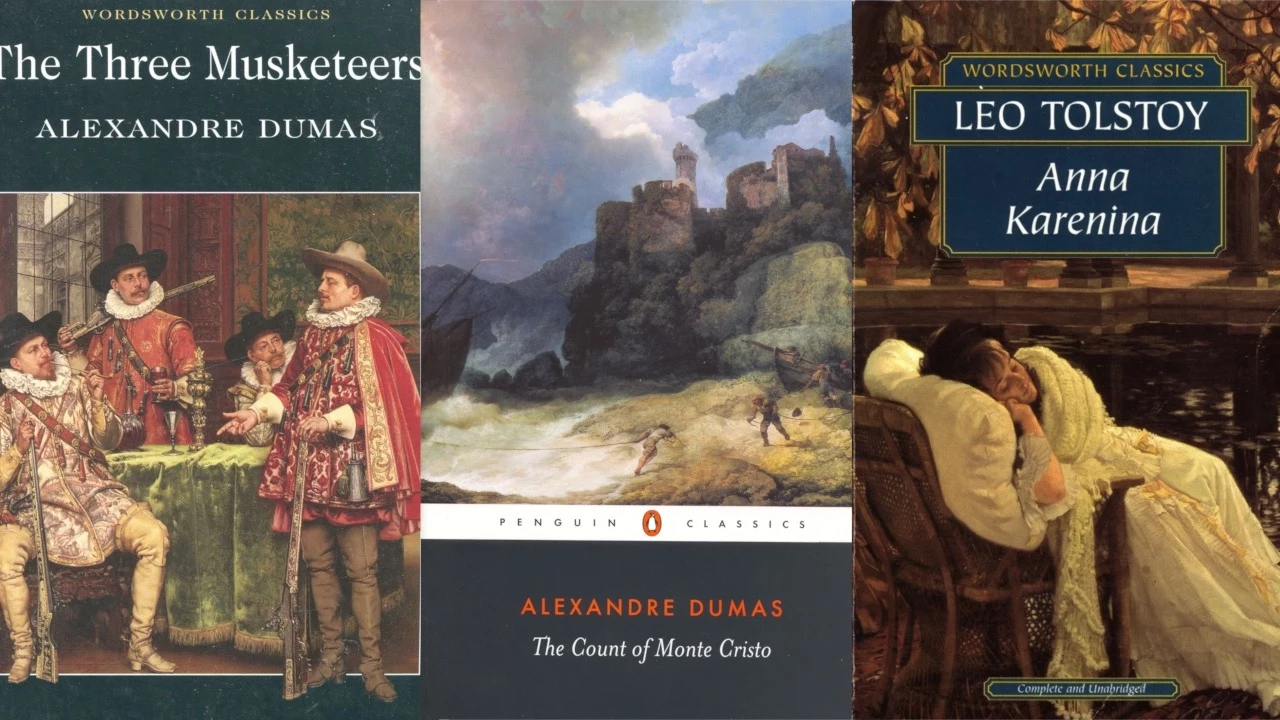
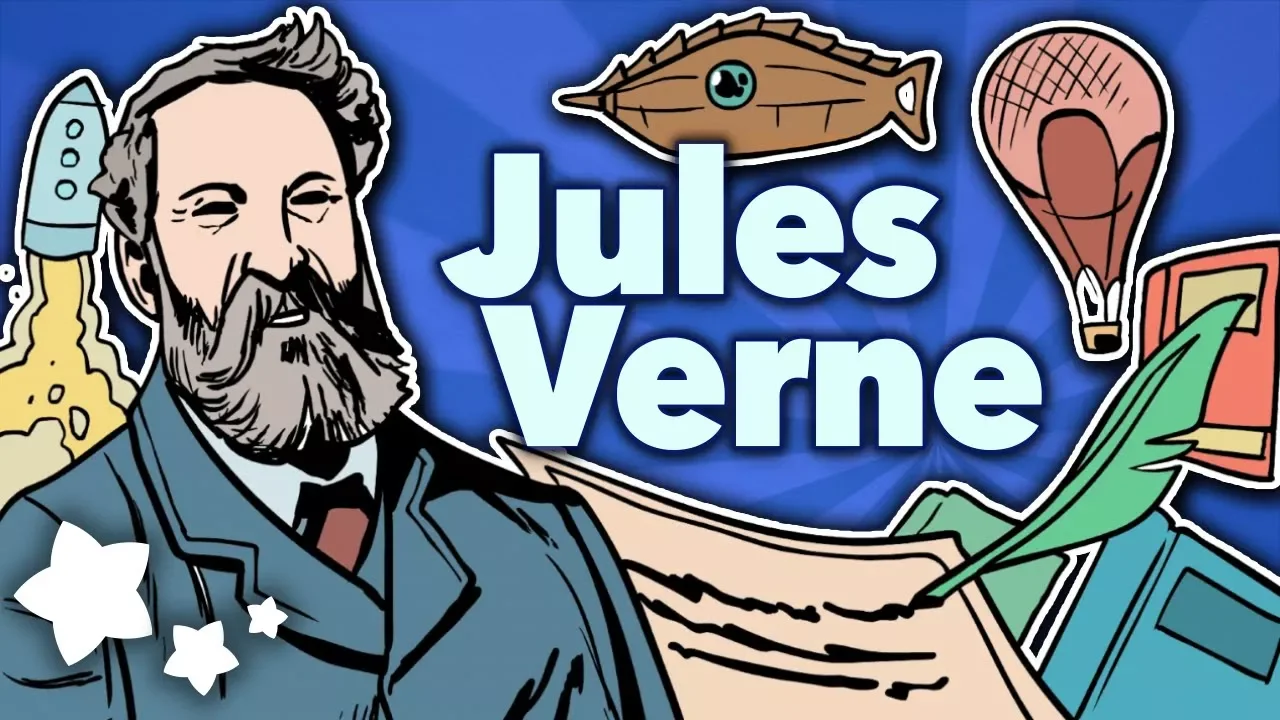
Fiction literature, particularly works by authors like Jules Verne and H.G. Wells, served as a primary inspiration for scientists and inventors to pursue space exploration, with Verne's 'From the Earth to the Moon' (1865) inspiring Russian scientist Konstantin Tsiolkovsky to develop rocket equations, while H.G. Wells' 'The War of the Worlds' influenced Robert Goddard to create the first liquid-fueled rocket in 1926, ultimately contributing to the Space Race between the United States and Soviet Union.
Pioneers of Rocket Science: Inspirations Behind the Space Race
Added:Familiarity with the geopolitical context of the Cold War and the resulting geopolitical rivalry known as the Space Race.
Basic understanding of late 19th and early 20th-century speculative fiction, particularly the works of Jules Verne and H.G. Wells.
Fundamental concepts of physics related to spaceflight, such as Newton's laws of motion, gravity, and the concept of escape velocity.
An introductory awareness of early rocket pioneers like Konstantin Tsiolkovsky, Robert Goddard, and Hermann Oberth.
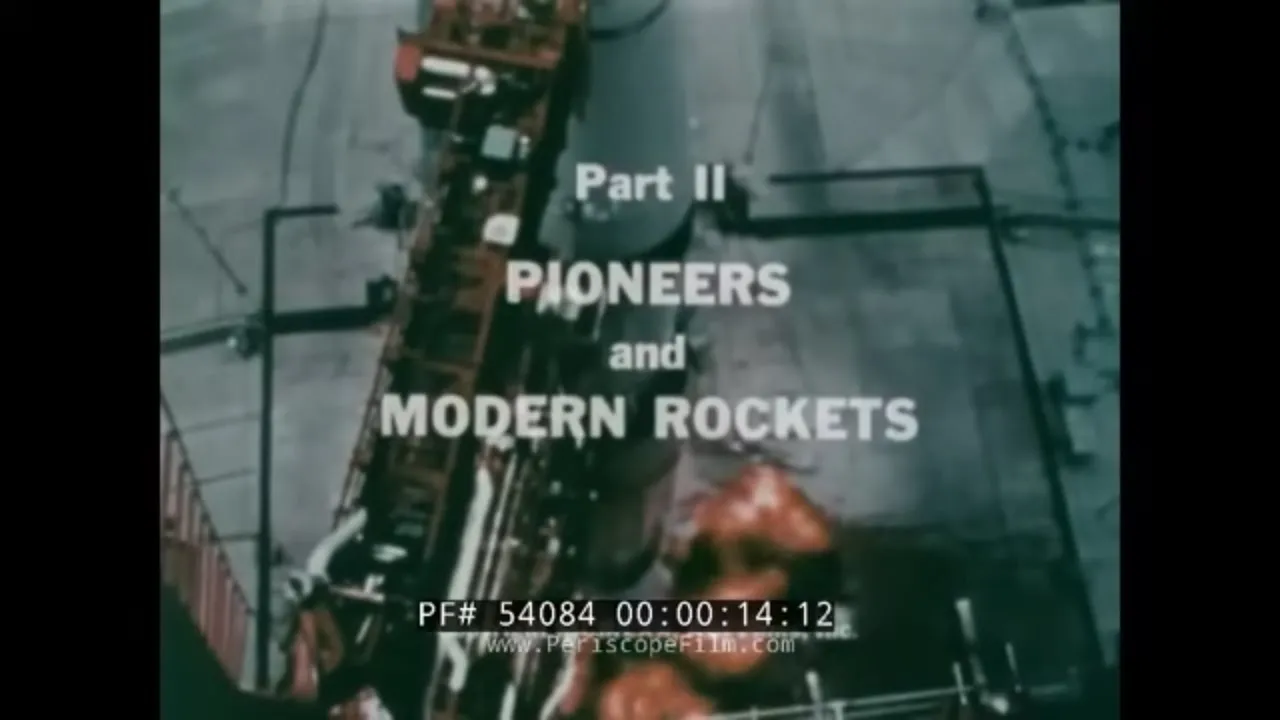
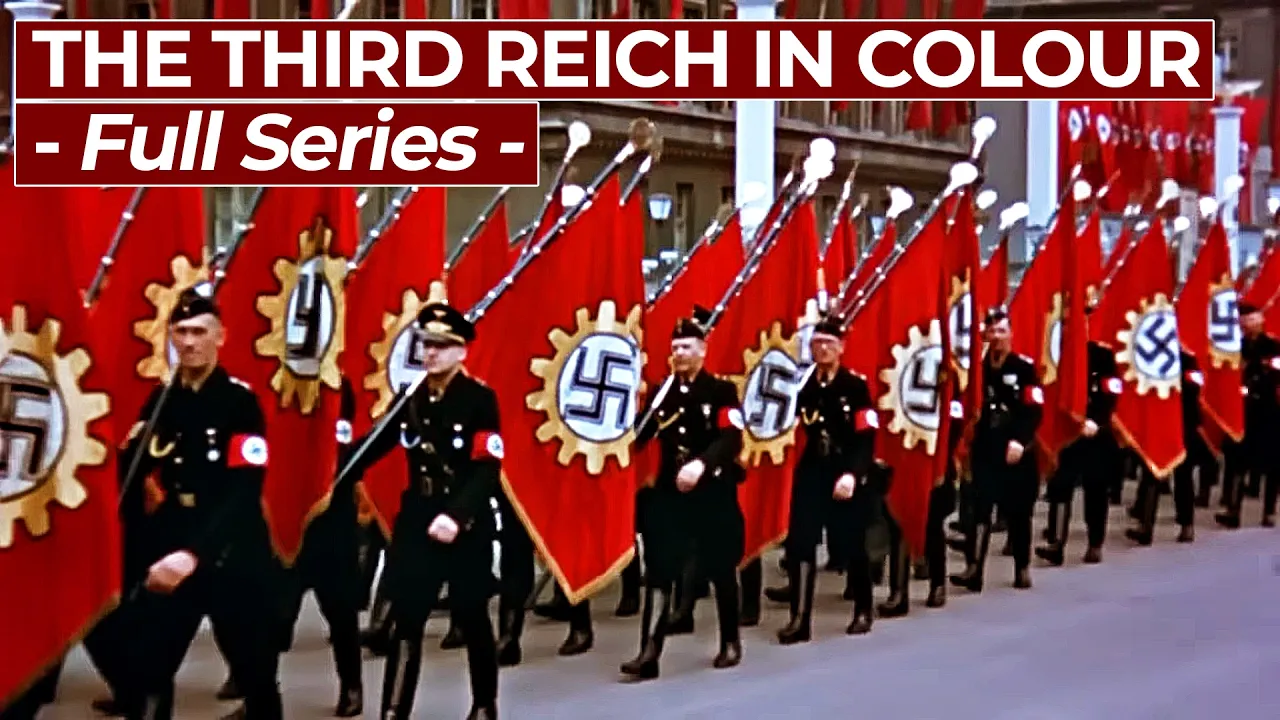
An in-depth study of the transition from early liquid-fuel rocketry to military applications, specifically the development of the V-2 rocket during WWII.
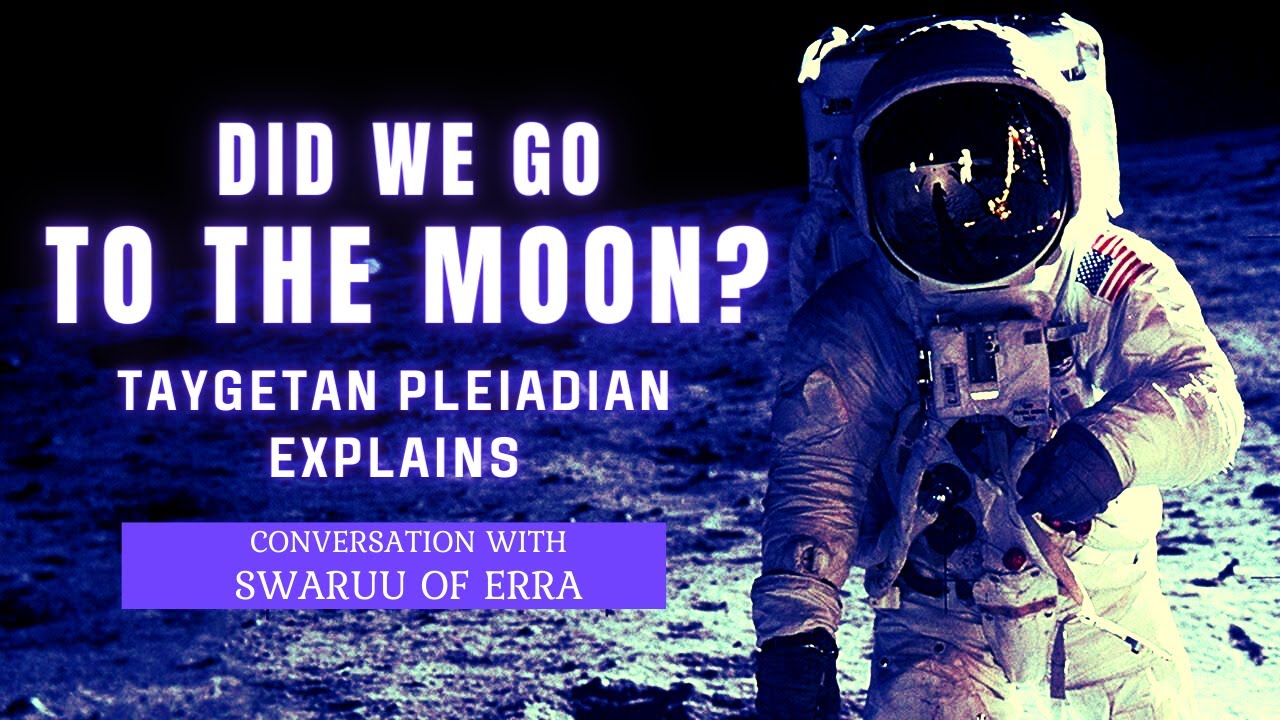
Analysis of how closely the actual technologies of the Apollo missions mirrored the science fiction concepts that inspired them.
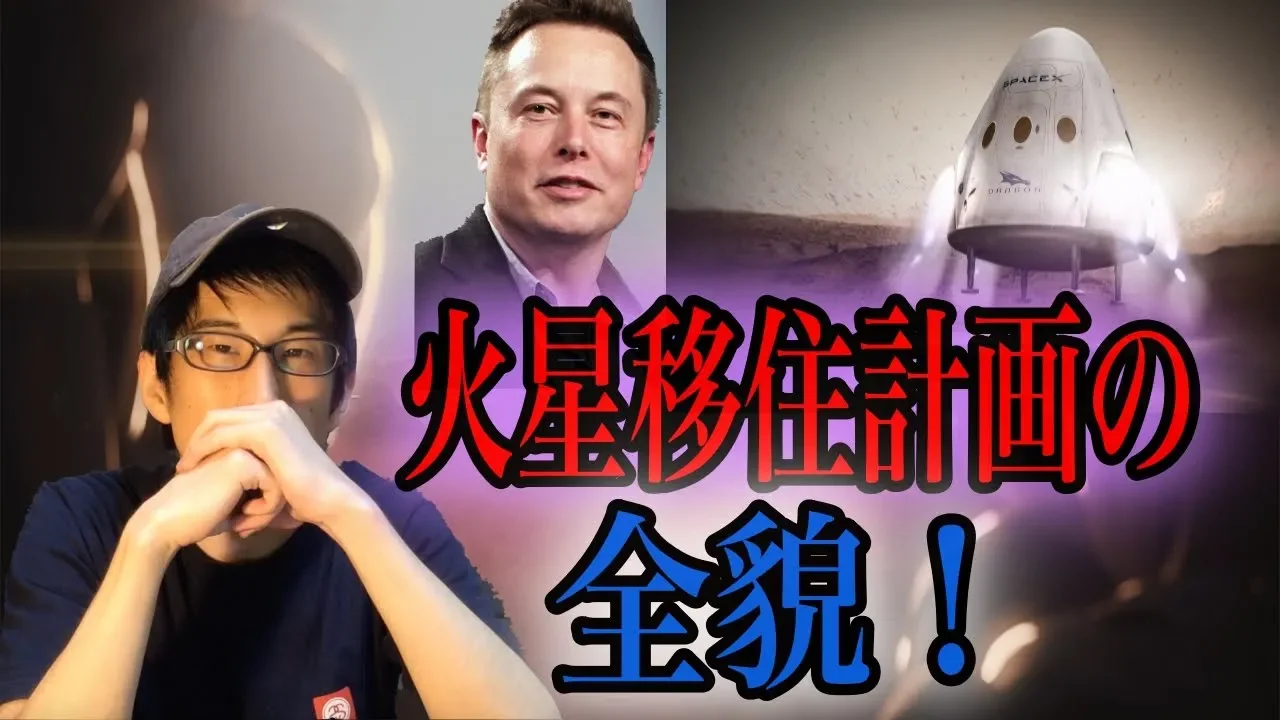
Exploration of modern aerospace developments and how contemporary science fiction continues to influence commercial space exploration and Mars colonization plans.
An investigation into the socio-political impacts of the Space Race, including the establishment of NASA and the acceleration of STEM education globally.
265.8K views10.7Klikes7:38Original Release: 2017-05-21
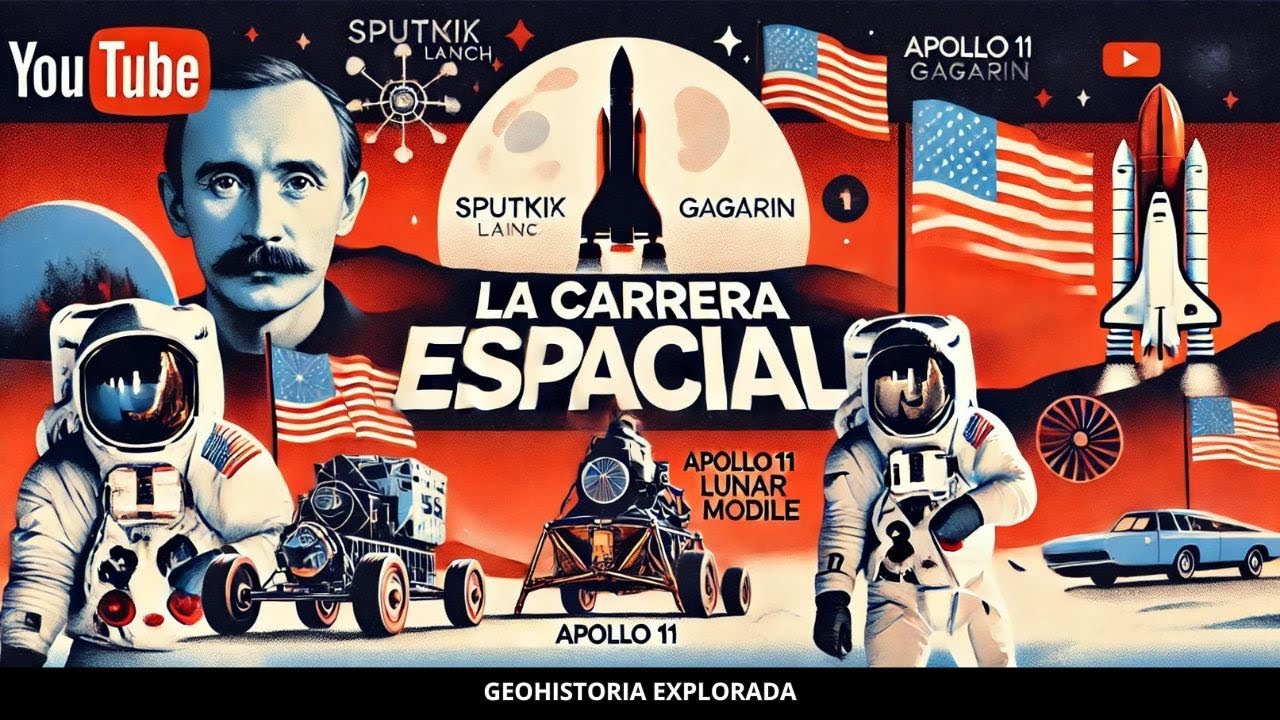
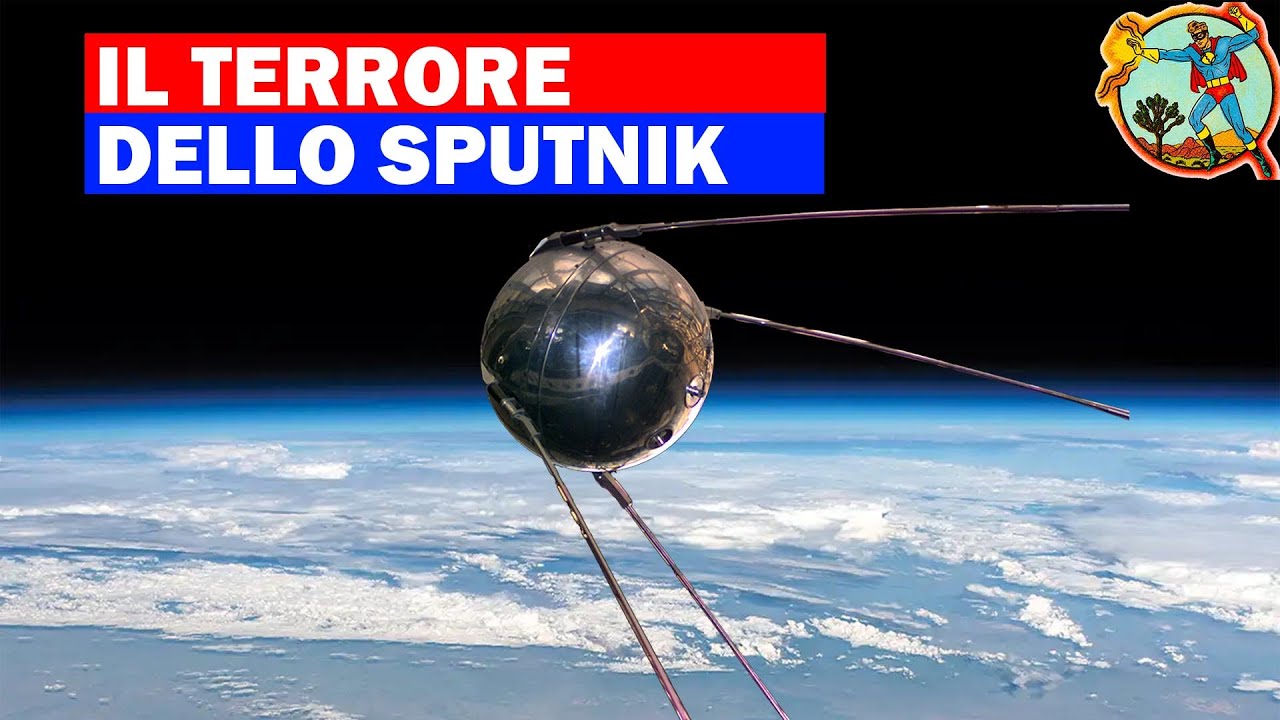
this video was sponsored by the Great Courses plus it's a service where you have instantaneous access to lectures by top professors one of these lectures inspired the creation of this video so stay tuned till the end to find out more the greatest inspiration to inventors to creators to scientists is often based in fiction classic works by authors like HG Wells and Jules Vern set a generation of Minds upon the path of scientific discovery those inspired by these Works went on to inspire others themselves this cycle has affected Mankind in Grand ways and Humanity's most outlandish achievements the Apollo program Sputnik and the entire space race are no exception so we'll start here not with the Nazis not with Galileo but with a book from the Earth to the Moon by Jules Vern in the story weapon Crafters from Baltimore decide to make their largest creation yet a cannon that sends them to the Moon as crazy as this sounds the novel contains detailed scientific insight and propositions by the end of the story the cannon which measures 900 ft long fires three men into space never to be heard from again today it seems downright insane how could anybody believe this would be feasible well the story is from 1865 over a 100 years before Apollo 11 and well before the first airplanes it gave hope to aspiring scientists that maybe someday man could reach the moon one man inspired by this was Constantine zovsky a Russian scientists in 1903 he published exploration of outer space by means of Rocket devices using a rocket equation he created earlier zosi showed the speed and fuel required to get a rocket into space at the same time his concept for a rocket would split into several parts allowing different parts to hold fuel and passengers at first response was dismissive but he was not deterred he added on to his ideas in further detail including how much energy was needed to conquer gravity over time he gained recognition and his ideas were taken far more seriously by the 1920s he explained potential systems to protect against re-entry and the composition of Rocket Fuel however he himself saw his ideas as ahead of its time and never took his Concepts into practice instead it was Robert H gonard who took things first an American he was fascinated by the HG Wells story The War of the World he only grew more entranced by space and studied physics throughout College writing papers detailing his ideas and theories he soon fell upon his most important contribution to space travel liquid fueled Rockets while sovi described rockets in a similar fashion gonner took the science and created the first liquid fueled rocket in 1926 he continu continued his work improving the Rockets over decades this would be the man and the ideas that would be the most influential to Landing a man on the moon over in Germany Herman Obert and his student verer Von Brun were testing similar ideas to gonard based on his experiments they too saw great potential in liquid fueled Rockets but soon their work became transformed into weapons of war in the 1930s Germany had a culture of Rocket enthusiasts trying to experiment with with liquid fuel Obert and Von Bron were Among The prominent VFR group who made their own rockets and launched them periodically as Hitler's regime Rose however the potential for government funding was impossible if it was not to help the Nazi cause this would cause many members such as Von Bron to join their ranks to continue receiving funding as it turns out these enthusiasts would soon become far more important to the Nazis using Concepts they had learned including those from gonard Bon braw created the V2 rocket while his interest was still in Space the Rockets were obviously not used for that and resulted in the deaths of thousands as the war came to a close the Soviets and the Americans had great interest in the German rocket program with this they scrambled to recruit leading scientists with Von brong going to the Americans he would help them develop Concepts and Technologies over the following years but without the drive of War funding this didn't allow many Concepts to become practical this included Concepts like traveling to Mars artificial gravity stations and a space station capable of orbit to ground missiles in the name of National Security the Soviets were not completely in the dark on Rockets either though one of the most knowledgeable was Sergey carv younger than the others on this list his Inspirations lied in the growing culture of airplanes and gliders as he studied these he soon imagined the capabilities of a rocket powered airplane he studied further and developed flight stabilization methods before being sent to the gulov likely Being Framed by a potentially jealous coworker he was later sent to a labor camp for other scientists to work on the Soviet projects here he showed his potential in rocketry leading to his eventual release so again with World War II ending the Soviets found V2 rocket plans and this spawned a new area of Discovery improving the concepts corev who joined the Communists to request more funding created the world's first ICBM or intercontinental ballistic missile this was able to carry a nuke over 4,000 Mi as his work was implemented for War by the Soviets he still found himself geared towards space travel he convinced Stalin to allow him to attach a small satellite to one of the r seven Rockets used for ICBM tests which would be Sputnik the Catalyst for the start of the Space Race it's here where we see the most substantial advancements in space travel culminating in the greatest competition the world has ever seen the origins of this race wasn't simply born from a immediate political rivalries but from Decades of inspiration born from The Works of Vern the test of gonard scientists with not simply alliances but also caught up in the greater events of their time this video was inspired by a lecture which was featured in the video service the Great Courses plus 1969 walking on the moon taught by Professor veas Gabriel leici here he detailed the history in journey of getting to the Moon you can access this in many numerous courses through the Great Courses plus it's a subscription on Dem video learning service with over 7,000 video lectures taught by professors in basically every field topics like Science History math and even really specific and odd topics that continue to always be updated like photography courses are sometimes even hosted by National Geographic and the Smithsonian it removes the pressure of grades while also giving you College grade lectures just watch and listen so if you want to learn more about the Space Race click on this link to get one month of unlimited access to courses and videos absolutely free just visit the Great Courses plus.com snowledge the link is provided in the description below this is Cody of knowledge hub
Up Next
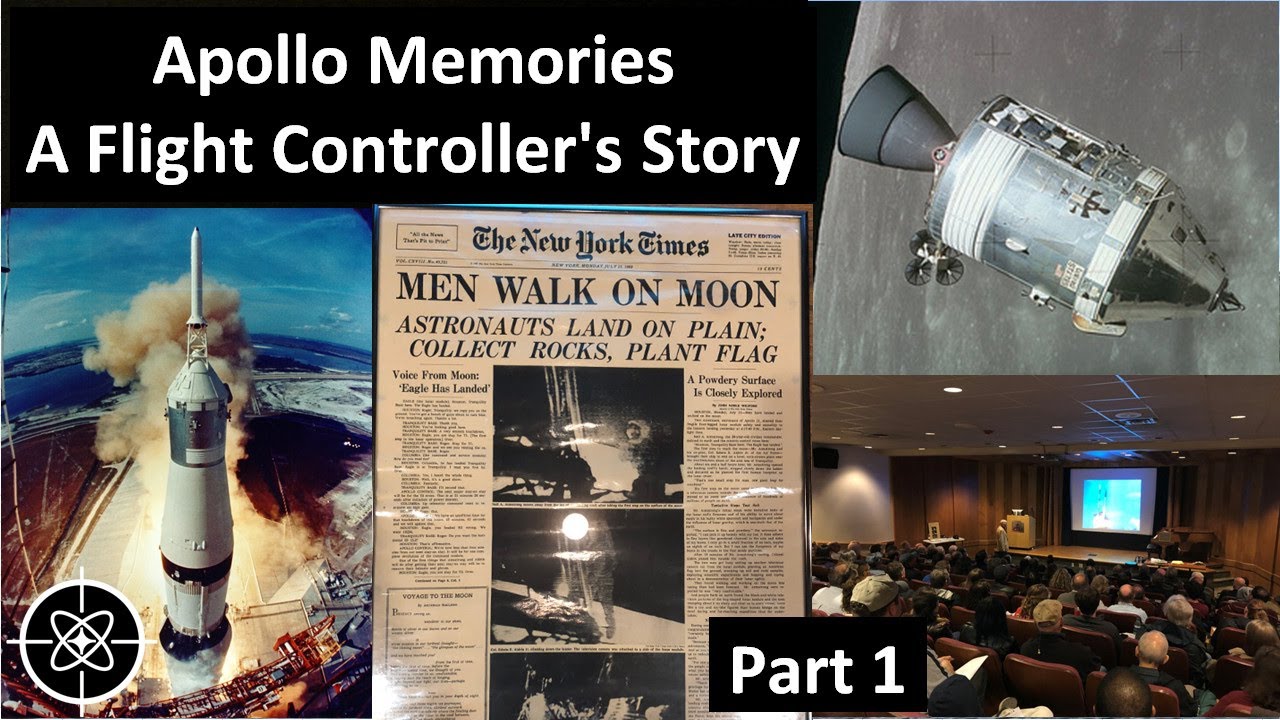
52:40
Apollo Flight Controller Bill Weppner: Inside Mission Control 1968-1970
@MemphisastroOrg
279 views•2018-11-04

12:54
Triumph of Orthodoxy Icon: Byzantine Art & History Explained
@BenCallan
2.1K views•2024-08-06

9:49
FastAPI vs Flask vs Django: Choosing the Right Python Web Framework
@TechWithTim
302.5K views•2024-05-26

1:42
Game of Thrones Opening Credits: A Cinematic Analysis
@gameofthrones
46.3M views•2011-04-18
Related Study Plans & Knowledge Roadmaps
Structured learning paths in General & Interdisciplinary Studies
general-studies
Elevator Engineering: History, Physics & Cities
01From Hoists to Safety Brakes: The Dawn of Vertical Lift
02Hydraulic vs. Traction: The Engineering Physics of Elevators
03Modern Speed, Safety, and Algorithms
+ 2 more learning modules
12h5 modules
Explore Roadmap
general-studies
Rubber: Material Science, History & Geopolitics
01Origins of Natural Rubber & Mesoamerican History
02The Chemistry of Natural Rubber & Vulcanization
03The Geopolitics of the Rubber Boom & Colonization
+ 2 more learning modules
12h5 modules
Explore Roadmap
general-studies
Containerization: Evolution, Logistics & Trade
01Ancient Trade & Bulk Cargo: Amphorae to Barrels
02The Industrial Revolution & Cardboard Packaging
03The Containerization Revolution: Malcom McLean
+ 2 more learning modules
12h5 modules
Explore Roadmap
general-studies
Textile Tech: Evolution, Labor & Global Impact
01Pre-Industrial Textiles: Handloom & Cottage Industry
02Mechanization: The Spinning Jenny to the Power Loom
03The Factory System & Global Labor Transformation
+ 2 more learning modules
10h5 modules
Explore Roadmap