



![[Tutorial15]음향에서 꼭 알아야 하는 Dynamic Range, Headroom, SNR을 알려드립니다.](https://i.ytimg.com/vi_webp/bnJX_PJLIDU/maxresdefault.webp)












Strategic silence in film sound design serves as a powerful narrative tool that can create deeper audience engagement than continuous sound, as demonstrated by the BAFTA Sessions 2019 panel discussion where sound designers from 'A Quiet Place' explained how complete silence in the film created an immersive experience that made audiences feel like participants in the story, contrasting with the typical convention of maximizing audio intensity in modern cinema.
Sound Design Masterclass: BAFTA Sessions 2019
Added:Understanding of fundamental film sound categories: diegetic vs. non-diegetic sound, Foley effects, dialogue, and score.
Basic knowledge of the post-production sound workflow, including the distinct roles of sound editors, Foley artists, and re-recording mixers.
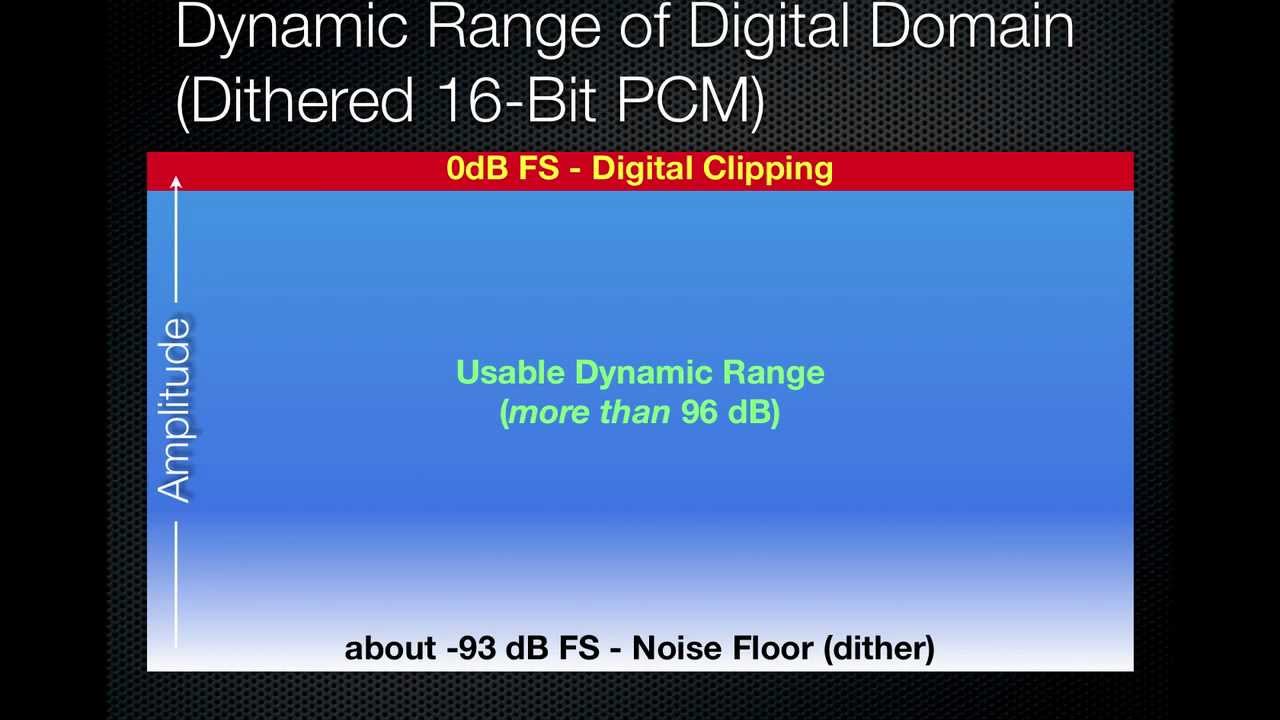
Familiarity with basic acoustic concepts such as dynamic range (the contrast between silence and loud sounds) and frequency manipulation.
Awareness of standard audio recording techniques, including the difference between production sound (location recording) and studio ADR (Automated Dialogue Replacement).
In-depth study of psychoacoustics and how sound manipulation directly influences audience emotion, tension, and immersion in narrative filmmaking.
Advanced techniques in spatial audio mixing, such as designing for Dolby Atmos, surround sound 5.1/7.1, and binaural audio environments.
Practical mastery of Foley creation and custom sound effect synthesis to build unique sonic identities for fictional worlds.
Analysis and reconstruction of complex live-performance audio tracks, focusing on crowd integration, venue acoustics, and multi-track music synchronization.
869 views27likes1:12:05Original Release: 2019-02-12
good afternoon everyone my name is Ian Hayden Smith I would like to welcome YouTube after and this film awards session on sound um it's somewhat fitting that we're in the David Lean room because this is the epic session of the whole day essentially we have members representatives from each of the five nominated films and rather than having all of us squeezed on one single sofa we're going to have a series of five individual 15-minute sessions and so to go first is right okay actually for this first 15-minute session I'd quite like to divide it into domestic and Technology one of the things that struck me the first time I saw first man was not a film that was set in the late 1960s I felt like I was watching a film that had been made in the late 1960s it's just wondering if you could talk about the conversations you've had with Damien actually about the domestic scenes first of all before we we get on to the actual lunar mission documentary like and in fact in preparation for the film he had watched a lot of documentaries that were made in the 1960s and actually gave us a list of films that to reference and he wanted the approach for sound editing to be very realistic very gritty and to match what we see so when you see what you're seeing and there's a lot of grain there's a lot of shaky movement and the sound had to be an app analogous to that and just in terms of intimacy I wonder if there was a conversation because as we move later to the actual lunar mission there's such attention should pay to my niece she I of the mission and I felt the same thing again in Neil Armstrong's house and objects in the house and there's the there's something very tactile about these things one of the earlier conversations with Demian is also not talking about the one of the calls he's for the sound that he wanted was how tactile he wants a soundtrack to feel almost like a Terrence Malick film just to show how close we are to the characters and it's also shown in how it was shot like 1 million thirty so you know with the Foley and and the dialogues you know for the sound makes we kind of try to give it a like a kind of like besides a greedy is almost like an unpolished feel in the cell just to match you know it's almost sound like a 16 millimeter home movie and also you know so in the sound mix maybe you know maybe we mix it a little bit more intimate so that will contrast that by the time we get to the mission scenes and also in the you know inside the house actually Neil's house there was a little bit of if you listen carefully there's a little bit of camera noise that we could have gotten rid of but it really helped with the documentary style of the film and trying to differentiate you know being being needle as a person between that and being as an astronaut and it kind of offset but if you listen carefully there's a little bit of a little bit of gate Clank or whatever it would be called which is okay I think really kept it interesting and keeping it real and in terms of research could you you talked a little bit about the level of research that you had to go into but both in recreating the 16 million and then obviously moving on and were people NASA so for us we got involved early during pre-production and besides the you know the reading the book by Dave Hansen I think it's a very extensive extensively researched book we are so rad and watched films we regarding the space period space race period there that time and you know part of it is also talking to some of the NASA consultants or for myself I managed to you know to fully editor managed to as a former Apollo Germany astronaut Jim Lovell who passes it up who was part of the Apollo 13 mission so I sent him about a bunch of questions to see like how it sounded during the launch or in the no space capsule or how it sounded like from inside the spacesuits so he kind of look back all the answers for as much as what they could remember so long ago and so from what we cleaned off you know it's like how much of a constant roar the Apollo the saturn v launch was and how little sounds you could hear when you suited up you basically want to hear your breathing in the air his created by the life-support system on the spacesuit which is interesting because a lot of that is the same thing in production so when they when they're shooting the scenes and they have the bubble on in their suit they had air going into into the suit exactly as they would as if they were in space which I didn't know much about but Frankie has been into NASA and that whole thing since it was eight years old so it was you know I talked to him and about futz isn't about air and you know what should be in there and he explained the whole thing to me which was pretty awesome which you know welcome to well then my age I only remember half it was a thrill to be you know work on a film that puts you in that time in place so I was very excited to work around that era the late 1960s the u.s. space program I took a shot at calling the Smithsonian in the National Air and Space Museum and they made a mistake and picked up the phone they had curator so I said I want to touch everything and they didn't say no so it was it was exciting we look for capsules there seven of them they're returned we look for capsules that were on the ground and not in plexiglass so long the short of it we got out too one thing led to the next next thing in the next thing and next thing and it really kind of felt like dominoes and people are very excited to be part of the film and curators actually let us go in and some of the highlights we went to Frederico Delaware and worked with the original spacesuit manufacturer for the Apollo program at that facility we were able to record I was really we're really after trying to get the environment of the astronauts what did they hear the communication stuff we have miles of hours and hours of that but when you're in the suit that kept you alive on the lunar surface what was that experience sonically so we were able to work with John Young's Apollo 10 flight helmet bubble helmet so when goslings locking up in the clean room and those helmets are going on that's actually John Young's helmet it's no longer with us so it really you know it's really a pleasure to have that stuff live on look forward go forward the internal airflow was a very specific sound and that was highlighted in the movie as well in the very quiet areas we were able to go to we also stopped in Huntsville Alabama where they developed the Saturn 5 rocket itself and they had one of the LEM simulators there so they took the Plexiglas off and we did every switch dial stick you can imagine so those were actually that environment was used by in training so Neil and Buzz were in that environment in that specific unit we worked out here in California with Edwards Air Force Base we worked with Joe Walker's x-15 suit so in the scene where they get to altitude and zero G's in the very opening scene and there's movement happening that's actually Joe Young or yeah Joe Walker's spacesuits so all those little nuances are the part of the real deal and then you have the extraordinary wall of saying that's the launch and we don't have suddenly five rockets firing out into space every couple of months now was this a mix of archive sound and and other recordings or improvisation on a grand scale yeah so for this no same thing during production because we had a lot of cooperation and participation from naio sons and they were there during the Apollo launch with a dad and they remembered and they told Damien the director that you know it would be great to you know properly recreate the sound off the saturn v launch because they felt like they haven't really heard it properly recreated in other films so so it was a pretty tall order for us so we went through all the NASA archives to check out all the 75 recordings but you know I think because of how long ago that was it was hard to get of what recordings that's like high enough quality for us but that's some this thing crackle in it so that distinct crackle together with because no 75 the world's most powerful rocket but unfortunately you know they don't launch that anymore and we just lucked out that SpaceX was launching their biggest rocket today which is the health Alcon Navy and they launched it like so we recorded it last year in February oh so like I think it was the same launch pad at the Cape Canaveral where they launch the Apollo and we were able to blacked out and were able to place a bunch of microphones on the launch pad that maybe 150 200 yards away just to try a lot to see if we can't like capture the closeup recognition or the fury of the launched and other mics like a quarter-mile away at three miles away because different this distances that quality that's the characteristics of the sound of the rocket the first so all that together with that a little bit of the archival stuff and also we went to JPL in Pasadena part of NASA and recorded the acoustic task chamber where they basically blast nitrogen gas into the chamber to simulate the acoustics inside a rocket during launch so that the catastrophe can survive the launch so same thing it created a basically like this intense low Rumble that we could then feed it into the main speakers around so we could feel the the weight and the Rumble and the shake of launch and so in order to captured all that low frequencies one of the mics that we had we we did was convert like a subwoofer speaker into my 15 inch subwoofer speaker and used as a microphone so we placed two of them in there and it just gave us another harmonic so wasn't traditional jteem read about it and turned us on and we tested it and we took it amongst many microphones was very interesting it was as hydrogen six-inch hydrogen - or - that was about six meters in circumference they forces hydrogen gas into a huge brass diaphragm that changes into frequencies so we got to see a spectrum analyzer that they worked with and we got to see what it looked like and obviously we can be in the chamber with it because we wouldn't survive so it was pretty interesting to just be part of that and and what we got back was pretty amazing some bands recorded their kick drum that way I know it was you know real deep bass and I was gonna say Eiling when she was describing recording the Falcon Heavy kept saying luck we got lucky because apparently with the recordings when you when you record rocket launches luck is really important because the it get scrubbed pretty often and because of security you got to set up your mics like at least like 24 hours beforehand if you're on the launch pad so we had to set it up and set like build timers so they could start recording on time and on schedule but if it's get scrubbed sometimes due to security reasons they won't let you back on the launchpad to reset oh battery power and these scientists are really annoying that they don't like second takes yeah I know why can't they just do the same thing again first maiden launch and woodrat like if it goes bad it could just explode so we were trying to pick like where's the safest spot so unfortunately we are going to move on can you please join me in thanking Frank Montano Eiling Lee Mildred and ro Morgan and John Taylor thank you please after you thank you thank you we are next going to welcome the Tseng team for a star is born to a stage please and this time around I'm going to be a little more courteous and introduce the people at the beginning not say their names at the end so we have Tom ozone edge on the end then we have Dean zucchini and in between we have Jason ruder and Steven morrow welcome thank you first of all very very technical question from my perspective I read somewhere that the number of channels that we used for this film around 61 something like that is an extraordinary number can be on production I'm sure these guys did a lot more post wise but on production yeah during filming yeah could you talk a little bit about how that helped in the journey of the same that we end up with yeah well I think on on the production side we want to make sure that we were able to give them everything they needed knowing that you know if you don't give them enough they you know it's harder to recreate if you give them too much and they don't need that much you can delete that so that's easier so the the idea is that every instrument every performance was miked as though you were a live concert show and then we also put you know a 5-1 mic the surround sound mic and the audience to capture that and also various mics in the audience to capture different perspectives from the stage so that right there is maybe 10 microphones just for audience cheers and claps and an excitement you know in every actors radio miked and then you know even all the band members are because from time to time they would interact with each other in that way so the idea was just to capture as much as you could of all the music all the instrumentation all the singing because since they're gonna do everything live vocally you had to make sure that you you honored that in the ability to capture that that feeling that you would have onstage did Bradley Cooper have a general conversation with you guys about the various concerts and how the sound would affect an audience's emotional response to the way that it was presented to them just in terms of crowd volume in certain scenes or if we're talking about the scene in the bard place for beginning and translates about how how the same would be played differently I think on production we didn't have that it was more or less just let's get it you know let's make sure to get it good also make sure that the idea was almost always that it sounded authentic to the audience so I think these guys you know took what we did on set and made that experience for the audience it was always about keeping everything as authentic as possible authentic being at the concerts if you're on stage this is how the sound is from the musicians perspective as opposed to the audience perspective at looking at the stage when you're in the bar it's all about contrast and and dynamic so we did have it was always hammered in all of us about keeping it real keeping realism what's never getting you the audience out of the movie and that was our main goal was to keep that but also we always had to honor the actors they gave 110% we all had a step up and honor their performances acting wise and in in terms of references did Bradley Cooper sort of look back to previous concert films or films featuring live footage well from my understanding he was backstage on a what was it a Metallica show and that's where he you know he was invited to that concert and he was behind the drum kit and I think that's where he saw that perspective and decided that's where the camera should be it should never be in the audience because this is a story about a Lee and Jackson Mane's relationship not about the audience's relationship to them you know the concert audience nothing not the film audience but so I think that's where he got that perspective for the first time and kind of wanted to emulate that for for the theatrical audience really had references outside references but every concert is totally unique the crowds are all totally unique and very different sounding you know mostly recorded in that actual venue you know they're sweetened with other crowds from most the time from the same venue not necessarily that same moment but but just even the sound of the music the sound of the crowds everything is a deliberate you know change from venue to venue so that they're all unique and different and you know the sizes all change and everything so it was also an egg and it just could be my impression of when I saw the film but the relationship between sound and image and not just the scale of the venue but that much more than many other films that involve music or go on to Bohemian Rhapsody which does a similar thing in the moment but there was this very close relationship between the two yeah I think the idea is that you know the camera is the audience and if the camera is closer that drumkit or closer to the guitar that should be louder you know as opposed to some you know previous concert films or or music films where it's just kind of a song that's being played out loud no matter where the camera is so the idea of always having that perspective change which is natural for any of us you know for closer to anything we hear it better so I think that's where it really touches the audience and doesn't distract from the performance the crowds as well yeah where the camera was playing the crowds did their thing way you know in a transition that you didn't feel yeah I think you know in most you know musical type films the the music is kind of like the king and you don't mess with the music too much and you kind of shape a lot of things around that and in this case you know Steve was just saying perspective changes a lot and it's a lot of subtle perspective changes so you know when she's moving the microphone around you know we're doing little moves to make it feel like that's actually what's happening when the cameras swinging around things move subtly so that you feel like you actually just moved with that camera change or the perspective change and yet never make you consciously think about that I'm curious about the role of silence and just how important it can be in a film how easily overlooked it is perhaps first of all dead silence in the studio recording scenes I was really impressed that wherever we went there was a different kind of ambient space and he'd set up this very complex landscape of saying within if you could talk I think every perspective was was authentic I think that was a big thing for Bradley if we were in a recording studio I mean we would really make it sound like she was in a vocal booth versus the engineers perspective all this all the studio scenes were that way some of the quiet scenes were actually some of the most challenging or honestly they took just as much flavor as the big concert scenes I mean there were times you know like the latter part of the film when she's playing the piano you know alone after his death you know the subtlety of you know pedal squeaks and things like that were just as important as all the big scenes yeah I think when when he's performs that first song at the opening of the film and you know it's the the stardom and all the the chaos of being a you know a rock star and it comes into that door and it just shuts it goes really quiet you know that kind of helps the audience to understand how I think his character is is is alone and you know lives in that silencer there might be all that rock fame and all that stuff but as soon as he's alone you know when the world goes quiet you know his tinnitus kicks in his drinking kicks in like those are all the things that I think he copes with with that silence I'm curious about the the involvement Lady Gaga had we we send in the film obviously someone who's so used to working in a studio environment and having a very particular vision of what she should sound like yeah you know she was really concerned with the ambience out of the gate some of our early pre-production meetings I mean she really was you know how are you guys gonna create these reverbs and ambient spaces and and all those things so she really thought about the film as a whole the soundscape as a whole and her and Bradley were definitely on the same page like every venue really needed to be authentic and true to the space yeah and her biggest concern that she let me know was you know when she watches musicals or music films and people are talking and then the musical number starts the whole world changes you know sonically and she wanted to avoid that at all cost because that that throws I think that throws all of us out of the movie and goes okay here comes the music and I think that so her goal was look I don't want that and so this needs to be live from the gate and and and so that's really what drove our attempt at recording those crowds and recording the spaces as much as we did so that it wouldn't be this drop and ambience to - nothing - all of a sudden the song starts playing so for each of you what did you find was was the biggest challenge as you were working on the film speak for all of us just keeping it as authentic as possible but honoring each of these actors that had worked in this movie they gave their heart and soul and it and think about it the first scene you see is a megastar singing that nobody's ever heard him sing before and then to the world so are from the get-go we were had this we were handed this responsibility to keep that vision and so thinking of that as you're mixing it's that's a pretty heavy weight to be holding up I think the fact that Bradley not only is an actor but he's an actor on the level that he is a brilliant actor and he's requiring that from everybody else in the cast his his perspective and his brain is in a place that he kind of required that from us also which is a little bit unusual you know because a lot of people see this as sort of a technical thing and although there's a lot of creativity in what we do it becomes a little bit sometimes emotionally detached sometimes and that was not not gonna fly on this so you know it was a very very sort of hyper focused tune to sort of whatever is happening in the movie emotionally and this the the juxtapositions of say a concert scene - you know even at the very beginning of the movie he goes and he gets in his car and the whole world shuts out and we you know he wanted a feeling out of that you know it wasn't just about oh it should sound this way it needs to feel this way and and everything in the movie was like that I mean little things where it was like if the dialogue wasn't balanced exactly perfectly with the backgrounds playing and the Foley playing it became detached and odd and you know and if we got it right it really drew you into noticing every little nuance of each of the performers and what they were doing and really connecting to what they were doing I think on the production side it was basically always being ready for everything because we didn't Bradley doesn't like to rehearse you know there's not that traditional rehearsing and Madi the cinematographer likes to pick up a camera and hit record and start going if there's something special happening so you just kind of have to sit there and watch all cameras at all times and be ready to either go you know a full live version with the band you know cuz they'll just start playing it'll be something and interesting so you'll turn everything on live and then it's also just a matter of just being prepared to you know kind of do any song at a certain point we just started putting all the songs in the session just cuz he would you know he would just kind of walk away from the mic and in whisper you know okay this one's black guys and I need okay black guys and then hit play and then we would start with that song so that was one of the challenges and it was just but also just you know we had a good time doing it because it was such a fun set and such a fun way to make a movie mister I carried through post-production by the way yeah we all got on nicely the songwriting just went up to the last horror as well they would you know after said they would go back in the studio tonight so there were so many versions of songs constant updates I mean there were mornings like on the way to set I would get a call and go she went in again and made a bunch of changes and we were like trying to tether somebody's phone and download new parts and you know you would get some sort of note from her like well prepared in a couple keys for today and you know it was a lot of changes kind of feels in spirit with the whole film just that let's do it night well also we did two concerts live you know at we did one here in Glastonbury which we had three minutes to film jump on film it three minutes and then jump off and in front of 110,000 people and they none of them hurt him you know because we didn't amplify it into the audience because we don't want the music to get out of here in half in advance so they kind of we weren't sure if bottles were gonna start being I was gonna say probably if you listen really close on the soundtrack you'll have some really a Fame yeah which helped yeah can you please join me in thanking thank you and up next we have a quiet place [Applause] getting smaller and smaller and smaller so I'd like to welcome Eric Adar he Ethan van Duren and Brandon Proctor sorry that's okay sorry they said that when I was watching this film I remember reading an article years ago about John Cage talking about finding this container they he walked into that apparently had no sound in it and when he was in there this sound became incredibly noisy and he realized it was his own heartbeat and I'm watching this film I just thought that this isn't just a film that doesn't have much sound in it there the layers of various levels of sound and Eric the I read an interview with you and you said every little sound is actually a big sound in now that's right and you know the the device that you're talking about that John Cage mentioned it's called an anechoic chamber and these are the quietest places on earth that you can go into because they're completely sonically isolated from the outside world not just with sound actually but with radio frequencies and they're often cased with lead even electromagnetic waves don't even come in and you can walk into these things and what's fascinating is you know the first thing that happens is you lose your balance because there's no even the sounds you're making are not reflecting back at you so and people forget that we use our ears to orient ourselves and balance so um you're asked to sit down and anechoic chamber the second thing that happens is that after a few minutes your ears kind of start to open up and you start to hear your own body and that's the circulatory system the blood coursing through your veins the cavity of your chest breathing and these small sounds become really big sounds and that was kind of the effect we were going for with a quiet place was to create a track that opened the audience's ears up and and eventually put them into the shoes of these characters and and create kind of a sound experience and that's that's what our director John Krasinski wanted to happen and we knew it would be a huge challenge to try to achieve that it's it's interesting you bring up the John Cage reference because when we started working on the film you know we the first thing we did is we saw the first assembly basically of the movie and I think what we both Eric and I connected to most strongly was the love between these characters that you that you feel and we thought how can we lean into this the intimacy that you feel between these characters in this tangible love between these these members of these of this family that are so desperately trying to survive and so the first thing we we started doing was stripping out music because there was basically wall-to-wall tent music and once we did that we realized how can we get closer to these characters and with the daughter Regan's character she's she's deaf in the movie and she's played by an actress who's deaf in real life Millicent Simmons and John described to us how Millie onset became kind of the the spirit guide for that for the actors she taught all the actors American sign language which they use in the movie and so when we started working with the sound design on the film we were thinking how we want to get closer to these characters we want to feel what they're feeling and with Millie's character we were like okay she's deaf this is a world where sound is everything if you make too much sound you will get killed and so in a way Milly became our spirit guide for sort of unlocking the sound design to the film because we had a description from John of Millie's experience of of what should watch how she experiences the world when her cochlear implant is turned on and he and she described it as being sort of a low Rumble almost you know hearing as touch in a way and Eric and I immediately related it to our own experiences being in anechoic chambers where as eric has described what you really hear once your ears open up after five or ten minutes is the sound of you know your own body your heart faintly pumping in the background your nervous system sort of buzzing away and so we based the sound design on those experiences for for these moments in the film when Milly when we're in Millie's sonic perspective and she has her cochlear implant turned on and then as you know there's three moments in the film where she actually turns turns it off and these are the three moments in the film where we go to a complete silence Digital zero which you know if you think about it when do any of us in in today's world ever have the chance to experience total and complete silence so the first time we tried that in our editing room we were both like you know it literally took our breath away because it's such an unusual experience to have and also in the context of the movie it immediately connected us in such a deep and powerful way with her experience and her bull nur ability that it was it became very moving and it in a way sort of unlocked all the potential in the in the story and in these characters experience it's a interesting you you talked about moments of pure cinematic silence because you know people talk about silent cinema but silent cinema was always accompanied by music and the one thing I think that does become very clear when you remove all sound is the the tempo of time itself changes and I was just wondering as you were experimenting with the same design and which sound as a whole in the film what conversations you might have had with the editor and which on Krasinski about the fact that not the film will come to a grinding halt but there will be a slower tempo to it yeah in fact you know we had to think of that as the film as a whole as well I mean how often and how long can we go to digital silence because we also want to take anybody out of the film route of the story ones yet to be a part of the story and not think Oh is there something wrong in the theater and then as we get further down in the film and we're actually coming creating more and more silence as we get to the end we experimented with how much we could go and and we we didn't really know until we played the whole entire film together instead of being in reels the whole thing to see you know or it's gonna work you know so are we gonna actually go with the characters here and actually feel what they're feeling because it really was following their journey and what's going on and following a Middle East journey you know and I think one interesting psycho kissed ik thing is one might expect that when you turn things down or off it may it slows it down but in a funny way it actually makes it more engaging think we're so used to you know the convention is these days is more is more you know how big can you get and and I think volume kind of plateaued in a film creates a numbing effect and I think it actually pushes an audience away and in a funny way when you start to strip things away and really make people have to pay attention to sound especially in this film where it's sound is deadly and if a character makes the sound that's too loud they'll attract these creatures who have hyper acute hearing and they'll be dead so there's an added tension there but the quiet actually kind of makes an audience lean in in a funny way and it might slow down time but I don't think it slows the film down and it's a very kind of funny psycho acoustic effect but it was something that we were very aware of and wanted to really play with you know I mean sound is kind of you know Walter Murch described sound as this thing that sneaks in through the back door images come in through the front door but sound has this very emotionally manipulative power that works on the kind of most primitive parts of our brain the reptilian parts of our brain that that evolved before our ability to see and I think because of that were so easily in motion aliy manipulated by sound and it was kind of that invisible hand we were thinking about the entire time making a quiet place it was like a gift platter given to us by John Krasinski just as sound designers I mean what a dream so that was kind of the thought process the entire time like we should not be afraid of taking things out just because it's not done actually we wanted to embrace that and I think because it wasn't a two hundred million dollar film we didn't have a studio breathing down our neck we kind of felt like we could take these strange experimental risks and you know knowing that it might not work though it was working for us I mean we didn't know we there were no test audience screenings or anything we were on the final mixing stage in New York and we got the call back like we just a few days left a final mixing and we showed it it premiered at South by Southwest and they're like okay don't mess up the movie standing ovation the experiment worked and we kind of went okay well that's good and we talked as well removing music it was helping us to actually establish these rules you know early on and we had to actually take out the music or extend shots to kind of actually show what we're doing here at empty just okay I get it pull everybody into the film and then go to these you know perspectives these sounds perspectives right away to kind of say this is going to be language so we're gonna have to follow through the film it was interesting in a way because this is a movie where more than any movie I think we've done where the sound design really started to drive how the movie was getting put together as we're putting the sound design together we realized there are certain shots like as Brandon just indicated specifically with the creature and realizing okay we want to go into the creatures sonic perspective like we're doing with other characters and we realized in order to do that in an effective way we needed these the shots of the creatures ears opening to become elongated so we would have enough time to first establish it the audiences sort of point of view of the environmental sounds and then morph it into the creatures sonic perspective which is hyperacute so it was amazing because you know we started realizing this we'd put a call into John Krasinski he immediately called ILM and said you know we need to extend this shot and then three days later we'd get back sort of a temp you know elongated shot and that's sort of an experience we don't normally get to have them on most on most films and and and by the same token the picture editing was you know adjusting constantly to what we were finding in the sound design how things needed to be driven and that that was a really wonderful and unique experience and talk about you know just to have the timer and you go to cut to the ear and that that's what you're gonna hear and enhance is the sound of that timer originally they would cut away to Emily and you kind of it kind of breaks that so if you have timer than ear without audibly tone you can actually enhance that sound and actually go that is what the creatures hearing without breaking away to another you know cutaway shot yeah just I mean this might be obvious but things like that you know the sound was kind of more so than you know there's almost no dialogue in the film at all so sound was really kind of telling the story in place of exposition creating the logic of how how did the creatures perceive reality what's our audiences reality at a certain point in the film the deaf daughter Regan is interacting one-on-one with the creature and sound has to tell this kind of complicated story of both of their sonic perspectives and then how somehow they interfere with each other that the creatures have kind of an electrical magnetic component that interferes with Regan's cochlear implant her hearing aid and though the two of these characters are kind of represent different poles one is blind with hyper acute hearing one has no hearing but can see but somehow they're united through this interference with the hearing aid which winds up becoming the ultimate weapon in the film and it's sound that has to set up these plot points and which then pay off in the finale of the film so I mean that was John was saying the whole time John Krasinski through the whole process like you guys are doing the heavy lifting year ahead and which was simultaneously thrilling and a little terrifying it's it's about you know how quiet can we go for how long you know I kept you know talking to John like I'm afraid we might be going too quiet you know we're gonna you know you want to everybody you want them to actually hear the sounds the macro sounds when we're close up to them you know and not have it be you know silent completely cuz then those silent you know pieces in the film lose their impact if you don't have like just a little bit of noise I definitely think this is a film that should have had a sign on every cinema door saying no food and drink consumption that all surround this movie well what was through when we started hearing those stories when it came out that people were terrified to eat popcorn in the theater it was wonderful because in a way it made like the audience the hunted as well it made them active participants in the movie and they could relate to the characters on screen the gold you'll really twisted you know and then there's these moments where we have the Neil Young song come in and where everyone could kind of like take a breath cough ether popcorn for a minute and then get back on the ride can I had any friends actually would would they would they said they'd go home after the film and they were still trying to be quiet they were trying to actually so they were they were participating even they went home after the film please join me in thanking the team from Fox thank you thank you next up we have Bohemian Rhapsody [Applause] as I said it's getting smaller and smaller as we go on we're going to move close together on the sofa nice and intimate welcome nina hearthstone Arne and John war host it like all the other films so many things to talk about let's start off with the fact that in contrast to Bradley Cooper's film this is a film in which you've had to balance iconic recordings that most people around the world have probably heard playing once or twice with those required for certain scenes in the film where you didn't have music could you talk about the challenge of actually bringing those two together and creating what we end up seeing on the screen when when I first sat on the film it was it was very early on it was sort of in the pre-production phase and there was all sorts of meetings about the script and about how how the film could be made because at that stage nobody actually knew that the script it sort of was still in it was almost there but just things are still being changed around a bit so uncertain scenes would come and go and you something well how on earth can we do that you know how how how can we create that would would it be playback would we play that back on set or would Romney be up for trying to perform that or and so we we sort of went through and worked out but then soon after that we were told that actually Queen were completely behind the film which was which was great news and not only was it behind the film but we could go to the studio and and have a listen through all their material and see what we could use for the film so obviously that was a that was a good day at work to go to Queens studio and listen to all their multi-tracks and see what we could use it became apparent that actually they have a huge archive they've been they've been multitrack recording their sort of concert since since the beginning of time really since they started out they'd got recording from 1974 that was sort of 16 track recordings that this sounded great that sounded really good so so that was a good start not only did they have that but they also had you know many would say okay we need a version a live version of cute yourself alive and say okay well we have about 22 versions of that which one do you want and so then it sort of became down to moral point of say well which one would you like to be in the film so that that was obviously once we knew that they were behind us that that did make things a lot easier and then yeah then we started mapping out what what recorders we have what we didn't have and then how we could do the film from there and I could be wrong in this but I read somewhere that there was a degree of manipulation of the actual existing recordings in order to sort of ensure the rammy didn't send that different yeah well that was one of the issues was because obviously that there were scenes in the film where we knew that there's no way there's a Freddie Mercury recording exists of that scene so that would need to be created and then with discussions were well should that should the the is Romney going to have a girl should we get someone that sounds like Freddie and that's where we got a Freddie sound like to sort of help out on some of those scenes as well but then we started thinking but then that's three people I don't know if there's ever been a lead character in a film before that's had three people doing their voice so that's when myself and Nina started talking about different ways of how we could try and make this these three three different voices one one person so but yeah you want to speak about basically we used Freddy obviously as much as we could in the film Rama did such an amazing job recreating the physicality and the performance of Freddy and holding the audience in his hand on stage as all the way through the film so we wanted to use Freddy's voice as much as we could but obviously it always needed to feel like it was coming out of Rama's mouth I mean essentially what we're doing which is something that is quite difficult in sound it's kind of real voice you know you reversing your main character at least while they're singing so it was very important to us that we made that feel as authentic and real as possible in order to do that we recorded obviously Rami was singing for his life on on stage every time he was performing particularly through Live Aid and obviously the other concerts in the film but so we had all all the recordings of that and we also got Rami into goal Creston Abbey Road and had him recording all manner of kind of breaths and lip smacks and inhales and mic blows and all those kind of things and it was just it was very detailed editing really to get to use little pieces of Rami in-between the song vocals and make sure they blended together and all felt like one cohesive voice coming out of Rama's mouth on stage and and kept because it was just so crucial a point particularly during live aid of such a long sequence so that you never ever felt that pushed away from him you always felt like his performance was building through and that was Rami singing as Freddie Rami done such an amazing job with the physicality of it all so we just needed to do the same with his voice really and how much of a challenge was getting the the sound as right as you got it for the entire live 8 sequence with the cheering crowds with all the noise backstage and everything coming into it that was obviously yeah that was always gonna be the biggest challenge one of the one of the anxieties about that was well you can actually go on YouTube and just click on a link and watch Live Aid and anybody can do that so it's a very flat sound that's well it's a very so that that was what we we discussed how can we how can we put it on in a cinema and actually make it different make it better than just watching on YouTube we were very fortunate there was a guy called Jeff Griffin who was told on the day that you're not allowed to record any of the performances he was told to not record anything but he thought it'd be criminal to not record things so he ran a multitrack in his BBC truck and we managed to get hold of the from the Live Aid trust and through Jim Beach and abandoned get hold of the the multitrack of live AIDS that was a great start that was a really good start you know as the other guys were talking before about the sort of perspective changes it's so important to get that you need to you know with with the live and so when you when you're close up with a kick drum you want to hear the kick drum when you when you hit sort of see the guitar you want to hear more guitar but obviously the thing that we didn't have the thing was going to be the biggest issue was the crowd was trying to recreate there was 90,000 people alive it the the they were talking it was well about how there was gonna be a roving camera around Live Aid and how we were gonna see live it from whole manner of different perspectives that and so far up as well area yes yeah exactly coming coming all the way down sometimes from the back of the stadium sometimes in the middle of the stadium surrounded by people and I've done the console films before and I know that one of the issues is is although you try to record the audience you actually get more of the slap of the PA on to those audience mics so when you start to push up the audience actually all it does is distort the music the music becomes much more sort of flabby if they feel like it becomes much more loose because because you get more so it's like it's like reverb almost you're adding into it because it's the PA so I knew it'd be it'd be very important to get the to get sort of crowd separate we needed those crowds to be separate and there was a second unique shoot day they have six hundred people coming to do all these crane shots of the individual crowd and I asked the line producer if it'd be okay if in between campuses because they're very tight with time on shoot days they don't really like to give you too much time obviously they have a whole list of things they want to get so so so between camera setups can we can we record the crowd and he said yeah sure you know that that's fine--but have to be quick you know that five minute chunks at a time so we said fine I thought how on earth do we record 600 people are we can't give out 600 sets of headphones so after thinking about for a while I thought actually the way that Freddie did his day Oh was we could do it a similar way because we had a huge PA there on the day so we chopped up this session sort of line by line and we played this crowd a line for them to then repeat back the line that I just heard in the in the gap it took a couple of times to get it right because they knew the songs that they always wanted to see the next line and I can't say no you have to sing the line that you've just heard coming back to you so we did this and we tried to get a rhythm with it as well so the gaps between the lines were sort of roughly in time until the next line so we did multiple passes with this 600 crowd and then the new did some modern for the more medium crowd yes about 40 people in and I did not want to record it inside because it's gonna be in Wembley Stadium it needs to sound right needs to sound exterior and I wanted lots of perspectives as well so we didn't go into an ADR theater we went and used some exterior space at Shepperton studios and set up on a weekend when there wasn't gonna be other noises of other productions going on we got about eight mics out we had left center right at the front we had a guy on a boom so he could move it around we got plenty of movement within the crowd that were there will that big monitor a lot of headphones have another three mics in the back and then a very distant once it gets just that super kind of distant mic that we could place in certain shots that we had within the live age cut and yeah we just we we kept kept on going through singing along to Live Aid doing whoops and cheers shouting names and it was just so important I mean you see in the film that the audience that you see that the ones that were recorded on set they are going for it they were really enjoying it and I think on the shoot day it was so important it wasn't they had that big PA so they felt like they were at a concert there jumping there whooping so we had to do the same with himself as a full day I felt like an aerobics instructor I'm making them jump up and down punch the air and so you could hear that movement and excitement in their voices so that then provided the the sort of the next layer down of crowd size of where you could kind of when you're in the midst of the crowd you can hear a few of those individuals around you it's not the big scale crowd and it's not the individuals that we did they did then shoot later the sync stuff we did shoot in an ADR theater so that when you see one person's mouth open and every single individual that you see then has a voice as well so we have those different layers I think we always we always imagine it's sort of three layers the large crowd so then the more immediate around you and then the individuals and because we wanted it to go with this roving camera then everything was sort of moving in waves so it would whenever whenever you arrived on the shot that you were looking at that the sound was already kind of rising up to meet that shot so it would peak on that shot so you would never sort of feel any kind of jolt or cut to the next shot but whenever you landed on a shot you always felt there kind of where you were in the stadium to sort of presence around you what's quite interesting and it's perhaps a bit of a contrast with the particularly the smaller gig scenes of a star is born' which is the capturing this verisimilitude of what it's like to be in a gig I've had it quite expressionistic at times in Bohemian Rhapsody they didn't like the clarity by which you captured the conversations as a band was playing as many other things were going on but it added this this other element that then as we travel further into Freddie psyche as the film moves on becomes increasingly expressionistic talked a little bit about that well there was always an overall sort of we discussed overall about the the design of the film from beginning to end and how that would sort of track track his journey so the when when when we see them in the early days and then it was meant to be a bit more sort of messy bit more raucous the gigs were there obviously they were even been heckled and one of you so there but it was it was growing throughout the film so you would you would as Freddy and the band developed then the the the the sort of the audience as the sound if you like would grow with them as they developed throughout the whole film obviously peaking in Live Aid I'm getting signal that we we have and finally I could just say a name that can I welcome for stage dings mother for Mission Impossible for massage your head so we've got 30 seconds what what was decisive about talking besides Jesse once ate what was the size of a team for these I feel like we're suddenly transformed into a morning TV chat shows what was the size of a team on the film 12 and we worked we worked over a very long period because there was so little green screen material being shot because he does everything we were getting sequences throughout the shoot to work the crew kept expanding and contracted all the way through and you start early on it I'm curious about the conversations that you had with Chrisman christopher mcquarrie you have some extraordinary set pieces obviously as you said they are set pieces that are actually filmed that the Tom Cruise was involved with about capturing the sound in each of these yeah they mean Chris Monroe who was the recordist has a team of people that get a huge amount of material but obviously they let their restricted to dialogue only that's the key thing and they had I think for the helicopter scene they went Chris went to the Swedish military who were designing in ear bone mics that would record dialogue through the bone through the skull rather than through the voice which are interesting but not usable really there they kind of you get it you get you can decipher what the dialogue is but it's not really it does it doesn't work with music and effects as well so we always had a really interesting clear guide from them as to what they wanted where they wanted it but much in the way that others were talking because of the nature of the rhythm of the film in its entirety these set pieces would be were the first things to do and so consequently as we work through them and the music became the lawn Balfe was working on the score from early days as well their size and the scale of these set pieces changed and the Edit within it changed so that the sound could follow the rhythm and the picture could the picture would dictate a rhythm the sound would then accompany the rhythm and it would change it slightly so then the picture would change at ulta so we were throughout the whole process we were giving mix downs to Eddy Hamilton the editor who would always want to run it with a fuller track as possible and always work more or less with sound effects and not music to get that kind of adrenaline and like painting you know you'd put so many layers on and then as you get more confident towards the end you start peeling away layers to reveal detail and the storyline moments that were really important but at the beginning is just everything on it throw everything at it make it loud and bombastic and because the effects of what they're gonna drive the cut for Eddy that's what he wanted and he's you know that Tom's big big note at the very beginning of the whole process was the perspective is really important because I'm doing all these effects these these stunts I want the audience to believe that they're with me and that they feel that what I'm going through for this process or whichever character we're focusing on so it's very important that we that we got that perspective kind of sorted at the beginning that we didn't just sort of have an engine running all the way through everything that we had to chop and change and so from the from the get-go we were doing quite fine sort of mix work to make the sequence is almost like standalone promo sections in a way yeah there are a couple of um set pieces I want to talk about specifically it's interesting you say about perspective day because one of the things I was thinking about the helicopter climax is the March shift from point of view yeah so distant shots and was there any challenge in it because it's not just point of view you are right in the middle of what's unfolding yeah and it's almost like crunching noise yeah and suddenly you're pulling back yes yeah I mean we it's funny Chris made a comment post off the film was out about the courage of taking music away and letting sequences run for the the energy is within the pictur in the end and with sound design and I think we in those those occasions it was really beneficial to the sound design to have music just punched through on some of the wide more dramatic open sequences so it could define the the detailed work that was going on when you're in the helicopter when the rotors are hitting each other or so that kind of dynamic shift the whole mix ended up feeling very dynamically shifting quite hard but maintaining as much detail as we could so you really felt that you were being thrown into the situation then you're being pulled out of it and those were the moments where music really really drove that section the helicopter sequence in particular there are other sequences that Chris said I don't want I don't want to have music in now and it to be either the bikes or the cars or you know we'll just go with sound effects for that so when the music that did kick in it had a reason and the purpose to drive that next section through and you know we I think the scene that was the most interesting for that was the halo of John John which we with added lightning but we had that was one of those challenging moments where you go okay he's jumping out of a plane it's obviously an incredible stunt and we want to enhance that make sure it's as exciting and visceral for the audience as possible but whose perspective do we follow are we watching him jumping out of a plane and viewing it as an audience or are we him or are we Walker who's obviously you know unconscious for half of it and so we tried we tried recording in different different methods of recording using helmets to record within and trying all sorts of different textures microphone techniques and it ended up being more and more about being in Tom's perspective because that was the Jeopardy and that was the bit that the audience had to relate to so the point where he gets hit by the added lightning and it goes silent was like it's interesting hearing everybody talk about the way that we used the tools of our trade we the tools of our trade that the color that we paint with is sound and you know everybody has different ways of applying it and using it which is what's so wonderful and silence is everybody's favorite tool because it gives you the ability to start again from from zero or go rapidly to zero and it gives that that dynamic shift is so important to being able to make the audience believe that there's more than what they're seeing and it can be a jolting thing it can be a very discreet and subtle emotive thing but it's it's still the same thing it's still the same element that makes people go I'm not comfortable about this so that was it that was a very challenging sequence I wanted it to stay quiet for much longer but and when you've got a room for the people somebody goes it's too long we need to hear something and then again what about a bit of Tom in there but it's a very it was a very collaborative process because we were on it from such an early start and there was a lot of decisions made about the soundtrack over a much longer period than I'd normally have on a film and that made it fun and and you know we're tied into a franchise so you have to respect the history and the sort of the great work that people have done beforehand on on the previous films so you just try and make it as exciting and as believable as possible and there has to be an element of fun with it you know the fight scene in the bathroom has got a rhythm to it that is almost slapstick and you have to make that the sound can't be too authentic in a way it has no it has to be it has to be a little more than usual expect but it also has to have humor in it which is fun it's a great challenge is it's you know fight scenes are like they've been around forever everybody's done fight scenes they how do you do a fight scene differently well it's it's the it's the relationship in it within the characters and it's the idea that one guys kicking two guys kicking their ass and he's and and how are they going to get back that's funny that's ridiculous and the way they do it is ridiculous so we we kind of had to make it really punchy and heavy and hard but also we had to make people laugh we had to have it you know it's like a nice thing and there was music all the way through that that was one of the scenes where you come out of a nightclub and there's this thumping behind the door nightclub beat and it was there all the way through so we were like wow this is gonna be tough this is gonna be you know give me a really boring after a while of just a low-end thump and that was one of the moments when Chris of all let's just try it out and then let's just bring it in slowly and so he's Chris wears hearing aids and it's really interesting hearing as these guys are talking somebody who's who listens to things in a very different way and his perspective was really enlightening at times because you'd go okay well yeah that's we hadn't that's a great idea let's try and he go I can't hear anything now I can't hear the music at all you go no no it's there look we've got somebody had a Swiss ball that was sitting I said look sit on the Swiss ball that's me oh yeah there it is yeah I can feel it the vibrations so yeah there's a lot of experiment and one last question again he sort of comes back to the silence saying it's and you sort of touched on it it's not just having silence got punctuating silence for anyone who's not seen it I don't want to give away but they say you think something's happening and then you realize it's not happening in the Paris sequence there suddenly we're taken back and you realise it's not it's not a dream yes yes but it's it's the gunshot you have you have a leader he's gonna do something you don't expect you hear the gunshot and suddenly you're brought back yes it is very interesting to watch an action movie and suddenly for someone to say yeah we you know what this won't work unless you go against the grain and you don't have sound I one of the things I love about the jobs the job that we all do is that you are you're you have those wonderful moments where you're sitting there with everything on the on the board all the sound is there you've gone through and you've mixed it one way and then somebody will say well let's try it a different way and it's that confidence of somebody saying I don't mind hearing it just for the next playback let me hear it so that there's no sound and you think you've done everything you could possibly do in every possible way but you never there's always another way and there's always another opinion and that's one of those sequences where somebody says why don't we just try it muted no well let's just try it with a bit less let's just hold it on doesn't work let's go so that that whole mixed process is the culmination of all the attention and all the detail and all the hard work that's gone into recording it and laying it up and having it pre dubbed and that moment that that that period of time when you're really exploring the opportunities of telling the story with sound purely fits all your time it's just the sound people and the picture people are coming in to you know to give their opinions and it's so it's a wonderful period of time it's a wonderful experimental you learn about yourself you learn about the people you working with you get closer to something you thought you couldn't get closer to so you know every every time every which time we went through a day of mixing there'd be something that would happen that would go us that's not how we thought it would work but that's great it's brilliant let's leave it a lot of things got left a lot of things happen really early and then you know we'd mix for a week and then they'd go away and they'll be shooting we'd send stuff off as I said it was a long period of time but the last month the final dubbing was just it was great it was really good it was really entertaining for all of us I think each on there thinking father [Applause] you
Up Next
92:02
Quentin Tarantino on Filmmaking, Cinema Speculation & Movie History
@YMHStudios
4.4M views•2022-11-21

12:54
Triumph of Orthodoxy Icon: Byzantine Art & History Explained
@BenCallan
2.1K views•2024-08-06

9:49
FastAPI vs Flask vs Django: Choosing the Right Python Web Framework
@TechWithTim
302.5K views•2024-05-26

1:42
Game of Thrones Opening Credits: A Cinematic Analysis
@gameofthrones
46.3M views•2011-04-18
Related Study Plans & Knowledge Roadmaps
Structured learning paths in General & Interdisciplinary Studies
general-studies
Elevator Engineering: History, Physics & Cities
01From Hoists to Safety Brakes: The Dawn of Vertical Lift
02Hydraulic vs. Traction: The Engineering Physics of Elevators
03Modern Speed, Safety, and Algorithms
+ 2 more learning modules
12h5 modules
Explore Roadmap
general-studies
Rubber: Material Science, History & Geopolitics
01Origins of Natural Rubber & Mesoamerican History
02The Chemistry of Natural Rubber & Vulcanization
03The Geopolitics of the Rubber Boom & Colonization
+ 2 more learning modules
12h5 modules
Explore Roadmap
general-studies
Containerization: Evolution, Logistics & Trade
01Ancient Trade & Bulk Cargo: Amphorae to Barrels
02The Industrial Revolution & Cardboard Packaging
03The Containerization Revolution: Malcom McLean
+ 2 more learning modules
12h5 modules
Explore Roadmap
general-studies
Textile Tech: Evolution, Labor & Global Impact
01Pre-Industrial Textiles: Handloom & Cottage Industry
02Mechanization: The Spinning Jenny to the Power Loom
03The Factory System & Global Labor Transformation
+ 2 more learning modules
10h5 modules
Explore Roadmap